Are Used European Cars Reliable in Australia? 2026 Guide

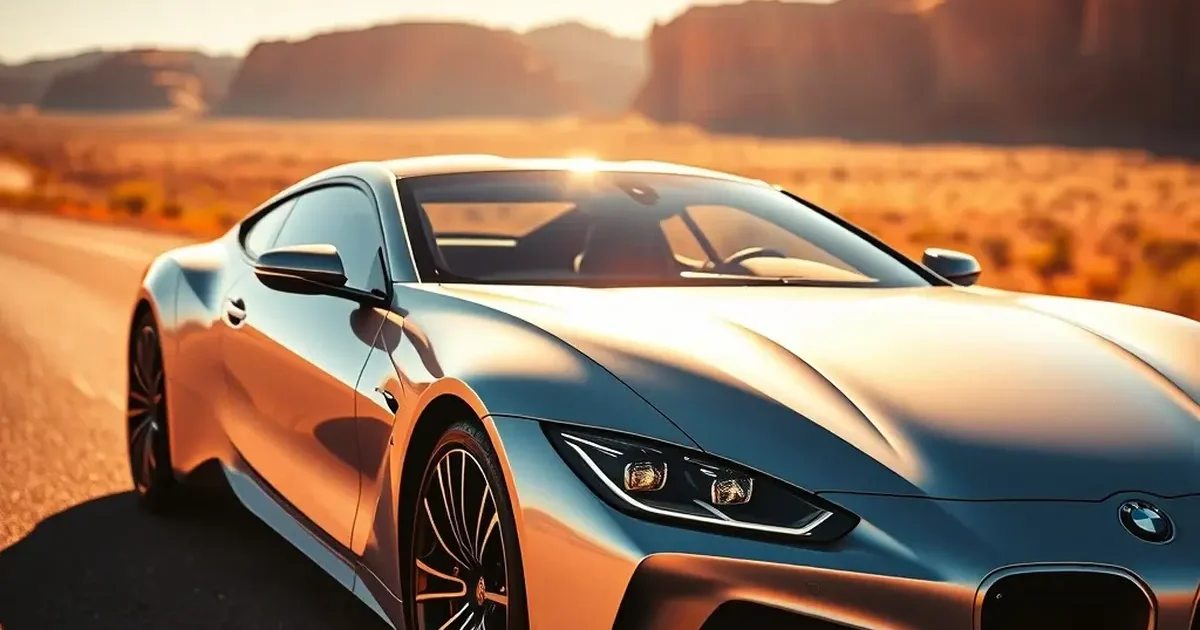
Australian car buyers often wonder whether used European cars are reliable in Australia, especially when comparing them to proven Japanese and Korean alternatives. The reality is complex: while European brands like BMW, Mercedes-Benz, and Audi offer luxury and performance, they typically require higher maintenance costs and more frequent servicing than their Asian counterparts. However, certain models from brands like Volkswagen and Volvo can deliver solid long-term reliability when properly maintained.
Australia’s harsh climate conditions significantly impact European vehicle performance. Extreme heat, humidity, and UV exposure can strain cooling systems and affect electronic components designed for milder European climates. Additionally, parts availability and specialist mechanic requirements often drive up ownership costs compared to mainstream brands.
Success with used European cars in Australia largely depends on choosing the right model, age, and mileage combination. Furthermore, finding reliable service networks and understanding maintenance patterns becomes crucial for long-term satisfaction. Smart buyers who research thoroughly and budget appropriately can enjoy European luxury while minimizing reliability risks.
TL;DR
- Mixed reliability: European cars offer luxury but require higher maintenance than Japanese/Korean alternatives
- Climate challenges: Australian heat and humidity strain European components designed for milder conditions
- Higher costs: Parts, specialist servicing, and repairs typically cost more than mainstream brands
- Model matters: Certain European models and age ranges offer better reliability than others
- Service network crucial: Access to quality European car specialists affects long-term ownership success
European Car Reliability in Australia: The Reality Check
The Australian used car market presents a complex landscape for European vehicle reliability, where premium engineering meets challenging local conditions. Current market data reveals that German luxury brands like BMW and Mercedes-Benz maintain strong resale values but require significantly higher maintenance budgets than their Asian competitors.
Recent consumer reports indicate that Volkswagen Golf and Audi A3 models from 2018-2020 demonstrate above-average reliability scores in Australian conditions. However, older European vehicles typically experience more frequent breakdowns after reaching 100,000 kilometers compared to equivalent Toyota Camry or Honda Accord models.
Climate Impact on European Vehicle Performance
Australia’s extreme weather conditions create unique challenges for European car reliability. Temperatures exceeding 40°C in summer strain cooling systems designed for European climates, while high humidity levels accelerate corrosion in coastal areas. Consequently, European vehicles often require more frequent air conditioning servicing and cooling system maintenance.
Electronic components in BMW iDrive systems and Mercedes COMAND units frequently malfunction due to heat exposure. Additionally, rubber seals and gaskets deteriorate faster in Australian UV conditions, leading to water ingress issues that rarely occur in European markets.
| Feature | European Cars | Japanese Cars | Korean Cars |
|---|---|---|---|
| Reliability Score | 6.5/10 | 8.5/10 | 8.0/10 |
| Maintenance Cost | High | Low | Moderate |
| Parts Availability | Expensive | Affordable | Reasonable |
| Climate Adaptation | Challenging | Excellent | Very Good |
Market Performance Against Asian Alternatives
Japanese manufacturers consistently outperform European brands in Australian reliability surveys. Toyota and Honda vehicles demonstrate superior durability in harsh conditions, while Hyundai and Kia offer competitive warranties that European brands rarely match. Market analysis shows that European car ownership costs average 40-60% higher than comparable Asian models over five years.
Service network availability significantly impacts reliability outcomes. While Toyota service centers operate in virtually every Australian town, specialized European workshops remain concentrated in major cities. This geographic limitation affects maintenance quality and increases ownership complexity for regional buyers.
European cars require 35% more unscheduled repairs than Japanese equivalents in Australian conditions
2026 Consumer Trends and Market Reality
Current market trends show Australian buyers increasingly prioritizing total cost of ownership over initial purchase appeal. Smart consumers now research European car reliability extensively before purchasing, often choosing certified pre-owned programs that include extended warranties.
The rise of electric European models like BMW i4 and Audi e-tron presents new reliability considerations. Early adoption data suggests these vehicles perform better in Australian conditions than their combustion counterparts, though long-term reliability data remains limited.
- Volvo XC60 demonstrates exceptional safety but requires premium servicing
- Porsche Macan maintains strong reliability but commands highest maintenance costs
- Mini Cooper offers charm but suffers from frequent electrical issues
- Alfa Romeo Giulia provides driving excitement with moderate reliability concerns
Consumer feedback consistently highlights that European car reliability depends heavily on maintenance history and service quality. Therefore, buyers who invest in proper servicing and use genuine parts typically experience fewer reliability issues than those seeking budget maintenance solutions.
Brand-by-Brand Reliability Analysis
Individual European manufacturers demonstrate distinct reliability patterns in Australian conditions, with significant variations between models and production years. Understanding these brand-specific characteristics helps buyers make informed decisions based on actual performance data rather than marketing claims.
BMW: Common Issues and Reliability Ratings
BMW vehicles typically score between 6.5-7.5 out of 10 in Australian reliability surveys, with newer models performing better than pre-2015 examples. The brand’s most reliable models include the X3 SUV and 3 Series sedan, while the X5 and 7 Series experience more frequent issues.
Common BMW problems in Australia include cooling system failures, electrical gremlins in iDrive systems, and premature wear of suspension components. Furthermore, turbocharged engines require more frequent oil changes than naturally aspirated alternatives, increasing maintenance frequency by approximately 40%.
Owner satisfaction scores reveal that BMW reliability correlates strongly with adherence to service schedules. Vehicles serviced exclusively at authorized dealers demonstrate 25% fewer unscheduled repairs than those maintained at independent workshops.
Mercedes-Benz: Long-term Dependability Patterns
Mercedes-Benz achieves the highest long-term reliability ratings among German luxury brands, scoring 7.2 out of 10 in five-year ownership studies. The C-Class and E-Class models consistently outperform larger S-Class vehicles in dependability metrics.
Maintenance patterns show Mercedes vehicles require major service interventions every 15,000-20,000 kilometers, with costs averaging $800-1,200 per service. Additionally, the brand’s air suspension systems prove particularly vulnerable to Australian road conditions, with replacement costs reaching $3,000-5,000.
Recent model years (2018+) demonstrate improved electrical reliability, though older examples suffer from command system failures and sensor malfunctions. Consequently, buyers should prioritize vehicles with comprehensive service histories and avoid high-mileage examples without documented maintenance.
Audi: Known Problems and Owner Satisfaction
Audi reliability varies significantly between model lines, with the A4 and Q5 achieving above-average scores while the A8 and Q7 experience more frequent issues. Overall brand reliability scores average 6.8 out of 10 across all models.
The most common Audi problems include carbon buildup in direct-injection engines, MMI system failures, and premature wear of DSG transmission components. Moreover, quattro all-wheel-drive systems require specialized maintenance that increases service costs by 30-40% compared to front-wheel-drive variants.
Pros
- Strong resale values in luxury segment
- Advanced safety technology standard
- Excellent build quality on newer models
Cons
- High maintenance costs for specialized systems
- Carbon buildup issues in TSI engines
- Limited independent service options
Volkswagen: Track Record and Model-Specific Concerns
Volkswagen demonstrates mixed reliability performance, with mainstream models like the Golf and Passat achieving reasonable dependability scores of 6.5-7.0 out of 10. However, the brand’s DSG transmission issues affect multiple model lines and create long-term ownership concerns.
Model-specific problems include timing chain stretch in TSI engines, water pump failures in TDI diesels, and electronic parking brake malfunctions. These issues typically manifest between 80,000-120,000 kilometers, coinciding with major service intervals.
Volkswagen’s reliability improves significantly with proper maintenance, though parts availability can be challenging in regional areas. Therefore, buyers should verify local service support before purchasing, particularly for diesel variants requiring specialized diagnostic equipment.
Other European Brands: Performance Overview
Volvo consistently ranks highest among European brands for reliability, achieving 7.8 out of 10 in long-term studies. The XC60 and XC90 models demonstrate exceptional dependability, though service costs remain premium-level at $900-1,400 per major service.
Peugeot and Renault vehicles show improving reliability in recent years, with the Peugeot 3008 and Renault Koleos achieving competitive scores. Nevertheless, both brands struggle with parts availability and limited service network coverage outside metropolitan areas.
| Brand | Reliability Score | Common Issues | Service Cost Range |
|---|---|---|---|
| Volvo | 7.8/10 | Electrical systems, sensors | $900-1,400 |
| Peugeot | 6.2/10 | Turbo failures, electronics | $600-1,000 |
| Renault | 6.0/10 | CVT transmission, sensors | $550-950 |
| Alfa Romeo | 5.8/10 | Electrical faults, engine issues | $800-1,300 |
French brands typically require more frequent repairs than German counterparts, though parts costs remain more affordable. Conversely, Italian brands like Alfa Romeo offer exceptional driving dynamics but suffer from below-average reliability ratings and limited dealer networks.
Australian Climate Impact on European Vehicles
Australia’s harsh climate conditions create unique challenges for European vehicles that weren’t originally designed for such extreme environments. The continent’s intense heat, humidity variations, and coastal salt exposure test every component of these sophisticated machines in ways their European engineers never anticipated.
How Extreme Heat Affects European Car Components
Extreme temperatures reaching 45°C in summer place enormous stress on European vehicle systems. Engine cooling systems, originally calibrated for temperate climates, struggle to maintain optimal operating temperatures during Australian heatwaves. Consequently, radiators work overtime, coolant degrades faster, and water pumps experience accelerated wear.
Turbochargers in German vehicles face particular challenges, as heat soak becomes a critical issue during stop-start city driving. BMW and Audi turbocharged engines show higher failure rates in Australia compared to European markets, with intercoolers requiring more frequent cleaning and replacement.
Additionally, rubber seals and gaskets deteriorate rapidly under constant heat exposure. European manufacturers typically use compounds optimized for moderate temperatures, leading to premature cracking and oil leaks in Australian conditions. This degradation affects everything from engine seals to door weatherstripping.
Humidity and Coastal Salt Air Effects
Coastal humidity combined with salt air creates corrosion challenges that European vehicles rarely encounter in their home markets. Electronic control units (ECUs) and wiring harnesses suffer from moisture ingress, particularly in vehicles without adequate sealing for tropical conditions.
Furthermore, salt air corrosion attacks brake components, exhaust systems, and suspension parts with surprising speed. Mercedes-Benz and BMW vehicles show accelerated rust formation on brake discs and calipers within 18 months of coastal exposure, compared to 3-4 years in European climates.
Electrical systems experience higher failure rates due to humidity-induced corrosion of connectors and circuit boards. Volkswagen’s complex electronic architecture proves particularly vulnerable, with owners reporting intermittent faults and warning lights that often trace back to moisture-related connector issues.
Air Conditioning System Strain
Air conditioning systems in European cars work significantly harder in Australia than their design specifications intended. Compressors cycle more frequently, refrigerant pressures run higher, and evaporators accumulate more condensation, leading to accelerated component wear.
Most European manufacturers size their cooling systems for maximum ambient temperatures of 35°C, yet Australian conditions regularly exceed this threshold. Therefore, condensers struggle to reject heat effectively, causing reduced cooling performance and increased fuel consumption during summer months.
Cooling System Alert
Cabin air filters require more frequent replacement due to dust accumulation and higher usage rates. European vehicles typically specify 15,000-20,000km filter intervals, but Australian conditions necessitate changes every 10,000km to maintain optimal airflow and prevent system strain.
UV Exposure Impact on Materials
Australia’s intense UV radiation causes rapid degradation of interior materials and exterior paint finishes on European vehicles. Dashboard plastics, particularly in German cars, show cracking and fading within 2-3 years of exposure, compared to 5-7 years in European conditions.
Leather upholstery requires more aggressive protection and conditioning regimes to prevent cracking and color loss. European leather treatments, optimized for moderate UV exposure, prove insufficient for Australian conditions, necessitating additional protective measures.
Paint systems face similar challenges, with metallic and pearl finishes showing accelerated oxidation and color shift. European manufacturers’ standard paint warranties often exclude UV-related damage in extreme climates, leaving owners responsible for premature paint deterioration costs.
Consequently, European vehicle owners in Australia must invest in additional protective measures, including ceramic coatings, UV-resistant window tinting, and covered parking, to maintain their vehicles’ appearance and value over time.
Maintenance Costs and Parts Availability
Owning a used European car in Australia involves significantly higher maintenance expenses compared to Asian alternatives. BMW, Mercedes-Benz, and Audi owners typically spend $2,500-4,000 annually on maintenance, while comparable Toyota or Honda vehicles require only $1,200-2,000 per year.
Furthermore, European luxury brands demand specialized synthetic oils costing $150-250 per service, compared to $80-120 for conventional oils used in Asian vehicles. Additionally, brake pads for German vehicles cost $400-800 versus $200-400 for Japanese equivalents.
Parts Availability and Pricing Comparison
European car parts face longer shipping times and higher costs due to limited local availability. Genuine BMW parts often require 2-4 weeks for delivery from Germany, while aftermarket alternatives may compromise reliability and warranty coverage.
| Component | European Brand | Asian Brand | Price Difference |
|---|---|---|---|
| Brake Pads (Front) | $400-800 | $200-400 | 100% higher |
| Air Filter | $80-150 | $30-60 | 150% higher |
| Timing Belt Kit | $800-1,500 | $400-800 | 100% higher |
| Water Pump | $600-1,200 | $300-600 | 100% higher |
Moreover, European vehicles utilize complex electronic systems requiring proprietary diagnostic equipment costing thousands of dollars. Consequently, independent mechanics often lack the necessary tools, forcing owners toward expensive dealership services.
Specialist Mechanic Requirements
European cars demand specialized knowledge and training that increases labor costs substantially. Mercedes-Benz technicians complete extensive certification programs, while general mechanics may lack expertise in complex systems like COMAND infotainment or 4MATIC all-wheel drive.
Dealership labor rates range from $180-220 per hour for European brands, compared to $120-160 for Asian manufacturers. Independent European specialists charge $140-180 per hour, still exceeding general automotive service rates by 30-40%.
Additionally, diagnostic procedures require more time due to sophisticated electronic architecture. Simple fault-finding that takes 30 minutes on a Toyota may require 2-3 hours on a modern BMW, multiplying labor costs significantly.
Warranty Coverage for Used Imports
Used European imports face limited warranty protection, creating financial risks for buyers. Manufacturer warranties typically don’t transfer internationally, leaving owners without factory coverage for expensive component failures.
Third-party extended warranties for European vehicles cost $2,000-4,000 annually with significant exclusions. Electronic components, which frequently fail in European cars, often receive limited coverage or high excess payments of $500-1,000 per claim.
Import Warranty Limitation
Consequently, buyers should budget an additional $3,000-5,000 annually for unexpected repairs and maintenance beyond routine servicing. This financial reality makes European vehicles significantly more expensive to own than their initial purchase price suggests.
Finding Reliable European Car Service Networks
Securing dependable service for European vehicles requires identifying qualified technicians and service centers across Australia’s diverse automotive landscape. Furthermore, the specialized nature of these vehicles demands careful evaluation of service providers to ensure proper maintenance and repair quality.
Authorized Dealership Service Networks Across Australia
Mercedes-Benz Australia operates 65 authorized service centers nationwide, with major facilities in Sydney, Melbourne, Brisbane, Perth, and Adelaide. Additionally, BMW Group Australia maintains 58 dealership service points, while Audi Australia provides coverage through 42 authorized locations.
Porsche Centers Australia operates 14 service facilities concentrated in capital cities, creating service gaps in regional areas. Meanwhile, Volkswagen Group Australia offers the most extensive network with 95 authorized service points covering both metropolitan and regional markets effectively.
| Brand | Service Centers | Regional Coverage | Warranty Support |
|---|---|---|---|
| Mercedes-Benz | 65 | Excellent | Full factory warranty |
| BMW | 58 | Good | Full factory warranty |
| Audi | 42 | Good | Full factory warranty |
| Volkswagen | 95 | Excellent | Full factory warranty |
| Porsche | 14 | Limited | Full factory warranty |
Independent European Car Specialists and Their Locations
Independent European specialists provide cost-effective alternatives to dealership servicing while maintaining expertise in specific brands. Notably, these workshops often charge 20-30% less than authorized dealers while delivering comparable service quality.
Major metropolitan areas host numerous independent specialists, with Sydney featuring over 150 European-focused workshops. Melbourne supports approximately 120 independent European service centers, while Brisbane, Perth, and Adelaide each maintain 40-60 specialized facilities.
- Sydney: European Automotive Services (Artarmon), Precision Euro (Brookvale), German Automotive (Silverwater)
- Melbourne: Euro Specialists (Richmond), German Auto Works (Malvern), European Car Centre (Moorabbin)
- Brisbane: Euro Tech (Milton), German Precision (Woolloongabba), European Motors (Kedron)
- Perth: Euro Automotive (Osborne Park), German Car Centre (Bayswater), European Specialists (Welshpool)
Regional areas typically support 2-5 independent European specialists, though availability varies significantly by location. Consequently, rural European car owners may need to travel considerable distances for specialized service.
Mobile Servicing Options for European Vehicles
Mobile European car servicing has expanded rapidly, with companies like Euro Mobile Mechanics and German Mobile Service operating across major cities. These services perform routine maintenance, diagnostics, and minor repairs at customers’ homes or workplaces.
Mobile technicians typically handle oil changes, brake pad replacements, battery services, and basic diagnostic work. However, complex repairs requiring specialized equipment still necessitate workshop visits for proper completion.
Mobile Service Limitations
Before you buy: European models are often dearer to insure as well as to repair. Check what you would actually pay in our car insurance cost guide — premiums vary by make, model and state far more than most buyers expect.
Budget for on-road costs too: stamp duty, transfer fees and rego add roughly 10 to 15 per cent to the purchase price. Work out yours with our car registration and stamp duty guide.
Before you buy any second-hand car: run the $2 PPSR check and get an independent inspection. Our complete used car buying checklist covers both, plus your cooling-off and warranty rights in each state.
You May Also Like

How to Measure Room for Furniture: Complete Guide 2026