Not Reading Visa Conditions Carefully: Common Problems Students Face in Australia

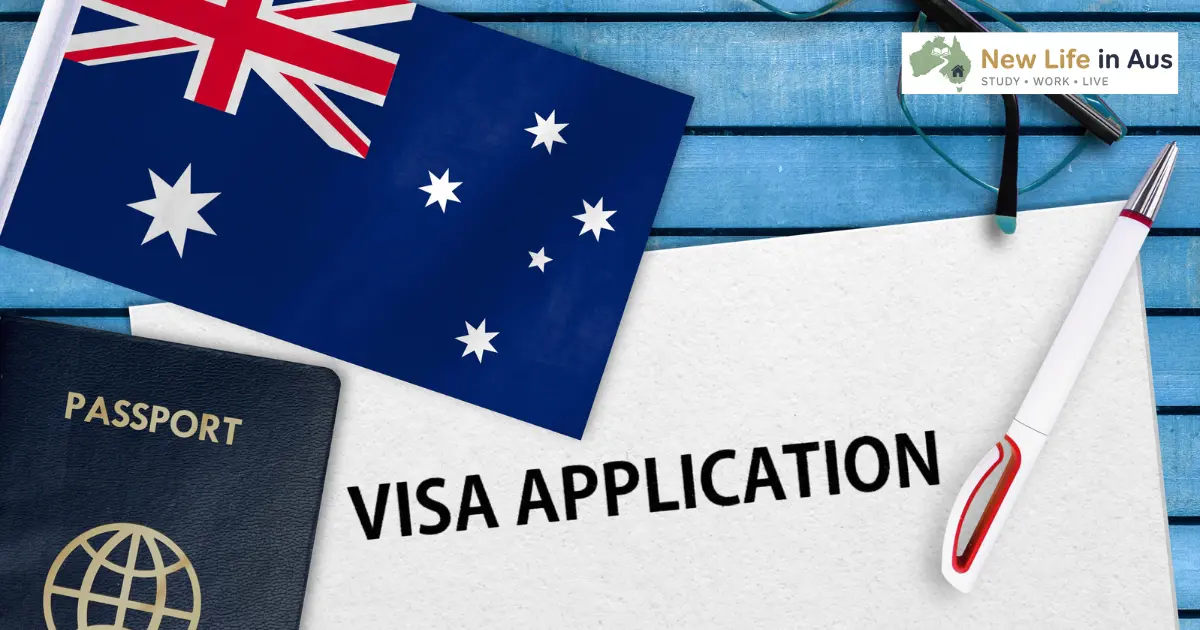
Not reading visa conditions carefully nearly cost me my student visa in my second year in Australia. I was working two casual jobs, tracking hours for each separately, feeling responsible and organised. Then a compliance check at one workplace revealed I’d gone over 48 hours in three separate fortnights by 2-5 hours each time. Small overages, but technically breaches that got me a formal warning letter from the Department of Home Affairs.
The panic that followed was intense. I spent two weeks convinced my visa would be cancelled, my Master’s degree would be incomplete, and I’d be deported back to Bangladesh having wasted two years and thousands of dollars. The warning letter asked me to explain the breaches and demonstrate I understood my visa conditions going forward.
What saved me was immediate action: I quit one job, submitted detailed spreadsheets showing it was unintentional calculation error rather than deliberate violation, and got a letter from my university confirming satisfactory academic progress. The Department accepted my explanation and my visa remained valid. But that experience taught me how seriously Australia treats visa conditions and how easy it is to breach them without malicious intent.
Most international students have no idea what their visa conditions actually require until something goes wrong. Here’s everything about not reading visa conditions carefully that causes problems for students in Australia, based on my mistakes and watching dozens of friends navigate similar issues.
Understanding Your Visa Conditions: The Basics
When your Australian student visa (Subclass 500) is granted, it comes with a set of numbered conditions. These aren’t suggestions or guidelines. They’re legal requirements that you must follow every single day you’re in Australia or risk visa cancellation.
The main visa conditions for student visas are:
Condition 8104: Work limitation (48 hours per fortnight during study periods) Condition 8202: Study requirements (full-time enrolment, satisfactory progress, CRICOS course) Condition 8501: Health insurance (maintain adequate OSHC) Condition 8516: No work before course commencement Condition 8533: Must notify change of address within 7 days
Where to find your specific conditions:
Log into your ImmiAccount and download your visa grant notice. It lists every condition attached to your specific visa. I printed mine and kept it in my document folder because referring to it regularly prevented further mistakes.
The grant notice also explains what each condition means in plain language. Read this carefully. Don’t rely on what friends say or what you think conditions mean. I made that mistake assuming “48 hours per fortnight” was flexible or averaged over months. It’s not.
Why students don’t read conditions:
The grant notice is long and bureaucratic. Most students skim it, see “visa approved,” and stop reading. I did exactly this, focusing on my arrival date and ignoring the conditions section entirely.
Friends and seniors give conflicting information. One person says you can work 50 hours if you average it out over multiple fortnights. Another says weekends don’t count. None of this is true, but students believe peer advice over official documentation.
Education agents sometimes provide incorrect or simplified information. My agent told me “you can work part-time, about 20 hours per week.” That’s roughly accurate but misses the critical fortnight calculation and unlimited hours during breaks.
For context on the overall visa journey, my guide to the step-by-step student visa process covers what happens before and after approval.
Work Hours Violation: The Most Common Breach
This is how the majority of students breach their visa conditions, including me. The rule seems simple but implementation is surprisingly complex.
The actual rule:
During semester or teaching periods, you can work maximum 48 hours per fortnight. During scheduled course breaks (winter break, summer break, semester breaks), you can work unlimited hours. Before your course starts, you cannot work at all.
Where students mess up:
Confusing fortnights with weeks. A fortnight is 14 days, not two work weeks. You can’t work 24 hours one week and 24 hours the next and think you’re compliant because “it’s 24 hours per week.” The calculation period is the rolling 14-day window.
I tracked my hours weekly, not fortnightly. This meant I sometimes hit 26 hours one week and 22 hours the next week, thinking I was under limits because neither week exceeded 24 hours. Wrong. Those two consecutive weeks formed a fortnight totaling 48 hours, which was fine. But when I worked 26 + 26, that’s 52 hours in a fortnight, which violated my condition.
Having multiple employers makes tracking harder. I worked at a warehouse and did freelance web development work. The warehouse tracked my hours for their business, but they didn’t know about my freelance hours. I had to manually track combined hours across both income sources.
Employers sometimes pressure students to work over limits. When the warehouse was understaffed, my manager asked me to take extra shifts. I mentioned my visa restrictions and he said “just this once, immigration won’t know.” Terrible advice that I thankfully didn’t follow after my warning.
Not understanding when semester breaks officially start and end. My university listed semester break as 21 June to 26 July. I started working full-time hours on 20 June thinking close enough. The university calendar showed teaching period ending 21 June, so 20 June was still restricted to 48 hours per fortnight. One day made the difference between compliant and non-compliant.
Calculating fortnights incorrectly from pay periods. My warehouse paid fortnightly, so I assumed pay periods matched visa fortnights. They don’t necessarily. Your fortnight for visa purposes is any rolling 14-day period, not your employer’s pay cycle.
How I track hours now:
Simple spreadsheet with columns for date, employer, hours worked, and running 14-day total. Every day I work, I enter the hours and the spreadsheet automatically calculates my hours for the past 14 days. If it approaches 45 hours, I don’t accept any more shifts until enough days pass to bring the rolling total down.
The spreadsheet takes 30 seconds to update daily and has prevented violations for three years now. I’ve shared it with probably 20 other students who’ve had similar success.
Consequences of work hour violations:
First offence usually gets a warning letter like I received. You must explain the breach, demonstrate it was unintentional, and show you’ve taken steps to prevent recurrence.
Repeated or deliberate violations lead to visa cancellation. I know two students who had visas cancelled for systematic work hour breaches. One was working 60+ hours weekly for six months. The other had multiple warnings and continued violating limits.
Future visa applications get much harder. Any visa breach stays on your immigration record permanently. When applying for post-study work visas or permanent residence, you’ll need to explain and justify past breaches. Visa officers can refuse future applications based on past compliance issues.
My article on work rights for international students explains the full work hour regulations in detail.
Failing to Maintain Full-Time Enrolment
Condition 8202 requires maintaining full-time enrolment in a CRICOS-registered course and making satisfactory academic progress. This sounds straightforward but has many ways to accidentally violate.
What full-time enrolment actually means:
For universities, full-time is typically 3-4 subjects per semester (24-48 credit points depending on university). For TAFE and VET courses, it’s whatever the course defines as full-time study load, often based on contact hours.
You must maintain this load every semester you’re enrolled. Taking a semester off without approval, reducing to part-time load, or failing too many subjects can all breach this condition.
Common scenarios that breach enrolment requirements:
Failing subjects and dropping below minimum credit points. If you’re enrolled in three subjects but fail one mid-semester and don’t replace it, you’ve dropped to part-time load. This happened to a friend who failed a subject in week 6 and didn’t realise he needed to enrol in a replacement subject immediately to stay full-time.
Withdrawing from subjects casually without understanding implications. I withdrew from one subject in my first semester because I was struggling and wanted to focus on other subjects. Dropping from four to three subjects still kept me full-time, but dropping from three to two would have breached my visa condition.
Taking too many electives outside your course structure. Some students enrol in random subjects they find interesting without checking if they count toward their degree. If those subjects don’t count toward your course requirements, they might not count as maintaining enrolment in your visa-approved course.
Not meeting attendance requirements for VET courses. Universities are usually flexible about attendance, but VET and TAFE courses often have strict minimum attendance percentages (80% is common). Missing too many classes breaches satisfactory progress requirements even if you’re passing.
Course progression timeframes matter too. You’re expected to complete your course within the duration listed on your CoE. Repeated failures that extend your completion date can trigger reporting to immigration.
The satisfactory progress requirement:
Universities define this differently, but generally it means passing at least 50% of subjects attempted each semester. Some universities are stricter (60% pass rate required). Check your institution’s policy.
Failing half your subjects in consecutive semesters usually triggers academic probation and potential reporting to immigration. I saw students who failed multiple subjects in first semester, then didn’t improve second semester, and found themselves with cancelled enrolment and visa issues.
What happens when you breach enrolment conditions:
Your university reports you to the Department of Home Affairs through PRISMS (Provider Registration and International Student Management System). This is automatic, not optional. Universities are legally required to report students who don’t meet enrolment and progress requirements.
You receive a Section 20 notice giving you 20 working days to explain why your visa shouldn’t be cancelled. This is serious. You need to provide compelling reasons and evidence for your circumstances.
If you can’t justify the breach, your visa gets cancelled. You then have limited time (usually 28 days) to leave Australia or appeal the decision through the Administrative Appeals Tribunal.
How to avoid enrolment breaches:
Use university academic support services before you start failing. Free tutoring, study skills workshops, counselling services all exist to help students succeed. I used the university writing centre extensively in first year.
Apply for special consideration when life circumstances affect your studies. Family emergencies, serious illness, mental health issues can all justify poor performance if documented properly. Don’t just fail silently and hope it works out.
Plan your subjects carefully each semester. Make sure you’re enrolling in the right number and type of subjects to meet both degree requirements and visa conditions.
My guide on managing assignments, exams and group work covers academic success strategies.
Not Updating Address Within Required Timeframe
Condition 8533 requires notifying the Department of your residential address within 7 days of arriving in Australia, and updating it within 7 days of any change. This seems minor but causes problems.
Why students don’t update addresses:
It’s easy to forget during the chaos of moving. Between packing, organising utilities, cleaning deposits, and settling into a new place, updating ImmiAccount feels low priority. I’ve moved three times in Australia and remembered to update my address within 7 days exactly once.
The process isn’t complicated but requires logging into ImmiAccount and navigating to the right section. Students who don’t use ImmiAccount regularly forget it exists.
Some students don’t realise it’s a legal requirement. They think it’s optional or just a nice thing to do. It’s not. It’s a visa condition with potential consequences.
Real consequences of not updating:
Immigration correspondence goes to your old address. Visa-related notices, requests for information, or compliance checks sent to outdated addresses mean you never receive them. Missing these communications can lead to visa cancellation in absentia.
I heard about a student whose visa extension was refused because they didn’t respond to a request for additional documents. The request was mailed to their old address which they’d moved from three months prior. They never saw it, the deadline passed, visa refused.
During future visa applications, compliance history gets checked. If you apply for post-study work visa or permanent residence, immigration reviews how well you followed your student visa conditions. Not updating address shows carelessness with visa obligations.
How to remember to update:
Set a reminder immediately when you sign a new lease or move to new accommodation. I put “update ImmiAccount address” on my moving checklist between “transfer electricity” and “notify bank.”
The update process takes literally 2 minutes. Log into ImmiAccount, go to update details, enter new address, submit. Done.
Keep a record of when you updated for your own peace of mind. Screenshot the confirmation or save the email acknowledgment.
For students frequently moving between accommodations, my moving house checklist lists everything you need to organise.
Changing Courses Without Understanding Restrictions
Students often want to change courses or institutions after arriving in Australia. Sometimes it’s because the course isn’t what they expected. Sometimes they discover a better program elsewhere. Sometimes they’re chasing cheaper tuition or easier coursework. Whatever the reason, changing courses has significant visa implications.
The main restrictions are:
You cannot change institutions in your first 6 months unless your current provider releases you. This is the “6-month rule” designed to prevent students from using one course as entry to Australia then immediately switching to another.
You cannot change to a lower Australian Qualifications Framework (AQF) level without good reason and Department approval. Dropping from Master’s to Bachelor’s, or Bachelor’s to Diploma, raises red flags about genuine student intentions.
Your new course must be CRICOS-registered and appropriate for your visa level. Can’t switch to English-only courses or non-award programs that don’t meet student visa requirements.
Common course change scenarios that cause problems:
Switching from expensive university to cheap private college. I’ve seen students start Master’s degrees at proper universities, get shocked by tuition costs, then try switching to dodgy private colleges offering degrees at a quarter the price. These colleges are often not genuinely delivering education and immigration knows it.
Changing from difficult degree to easier certificate just to stay in Australia. This is visa condition 8202 violation and genuine student requirement breach. If you enrolled in engineering but switch to business certificate because engineering is too hard, immigration questions whether you’re genuinely here to study.
Course packaging situations get complicated. Some students get packaged courses (English + Diploma + Bachelor’s) and think they can drop the earlier components once they’ve improved their English. Usually you can’t without provider permission.
The release letter requirement:
To change providers in first 6 months, you need written release from your current institution. Universities don’t have to provide this and often refuse unless you have compelling reasons.
Valid reasons for release include course no longer offered, genuine hardship or compassionate circumstances, provider’s decision to sanction or terminate your enrolment, government sponsor recommendation.
Invalid reasons include you found cheaper tuition elsewhere, the course is harder than expected, you don’t like the campus location. Universities reject these requests routinely.
Course change process done correctly:
Get conditional offer from the new institution first. Don’t quit your current course until you know the new one will accept you.
Apply for release letter from current provider with valid documentation supporting your reasons. Be prepared for rejection if you’re in the first 6 months without compelling circumstances.
Ensure new course is same or higher AQF level, is CRICOS-registered, and meets your visa requirements. Check with education agent or migration agent if unsure.
Only after getting release and confirmation of new enrolment do you officially withdraw from current course. Withdrawing first and asking questions later leaves you without enrolment and violates visa conditions.
I helped a friend through this process when she needed to change universities due to family circumstances requiring her to move to another city. She got counselling records documenting mental health impacts of family situation, formal hardship application to her university, release letter granted, enrolled at new university before formally withdrawing from old one. Entire process took six weeks but was done correctly.
My article on changing course or provider without damaging your visa covers the detailed process and requirements.
OSHC Coverage Gaps and Problems
Condition 8501 requires maintaining adequate Overseas Student Health Cover (OSHC) for your entire stay in Australia. Students constantly make mistakes with OSHC that technically breach visa conditions.
Common OSHC problems:
Not extending OSHC when extending your visa. Your student visa might be valid for three years but your OSHC only covers two years because that’s what you initially purchased. Extending your visa requires showing valid OSHC for the new visa period.
OSHC expiry date not covering buffer periods. Your course might end 30 November but you’re planning to stay in Australia until Christmas to travel before going home. Your OSHC needs to cover until your actual departure date, not just until course completion.
Choosing cheapest OSHC without checking coverage dates carefully. I bought OSHC that I thought covered my full course duration but the end date was two weeks before my visa expiry. Had to purchase top-up coverage to meet requirements.
Cancelling OSHC early thinking you can claim refund. Some students finish their course early or leave Australia before expected and cancel OSHC to get refund for unused months. This is fine if your visa has ended or been cancelled. If your visa is still valid, cancelling OSHC breaches condition 8501 even if you’re not currently in Australia.
Not maintaining OSHC during course breaks. Some students think they can cancel OSHC during summer break when travelling home. You can’t. OSHC must be continuous for entire visa period regardless of whether you’re physically in Australia.
Universities blocking enrolment due to OSHC issues. Your university verifies OSHC validity before allowing semester enrolment. If your OSHC has lapsed or expired, they won’t let you enrol, which then breaches your visa condition 8202 about maintaining enrolment.
How I manage OSHC:
Set calendar reminders 2 months before OSHC expiry to check coverage and extend if needed. Waiting until last minute can cause problems if payment processing delays occur.
Always purchase OSHC for slightly longer than I think I need. Having coverage extend a month past course completion gives buffer for any visa extension delays or travel plans changes.
Keep digital and printed copies of OSHC policy documentation. You need these for visa extensions and sometimes universities request verification.
My comprehensive guide to Overseas Student Health Cover explains what OSHC covers and how to use it.
Working Before Course Commencement
Condition 8516 states you cannot work until your course officially starts. This seems obvious but students violate it surprisingly often.
The rule: You can arrive in Australia up to 90 days before your course starts, but you absolutely cannot work during this period. Work rights only commence from your course start date listed on your CoE.
How students breach this:
Arriving early and finding casual work to earn money before course starts. I met students who arrived two months early, ran low on money, and took hospitality or retail jobs thinking “just for a few weeks before uni starts” was fine. It’s not.
Continuing work from previous visa during the gap period. Students who had working holiday visas or tourist visas, then switched to student visas, sometimes don’t realise they must stop working until their course actually begins even though their student visa is valid.
Not checking exact course commencement date. Your CoE lists a specific start date. Some students see “Semester 1 2024” and start working in January when the course actually begins in late February. Those weeks or months of work before official start date all violate condition 8516.
Freelance and remote work counts too. Students doing online freelancing or remote work for clients in their home country think it doesn’t count because it’s not Australian employment. All work counts, regardless of where the employer is located or how payment is processed.
Consequences are the same as work hour violations: Warnings for first offence, potential visa cancellation for serious or repeated breaches, permanent mark on immigration record affecting future visa applications.
How to avoid:
Check your CoE carefully and note the exact course start date. Don’t start any work until this date arrives.
If you need money during the pre-course period, rely on savings or family support. Working is not an option legally.
If you’re switching from another visa type to student visa, verify your work rights for the transition period with immigration or a registered migration agent.
Ignoring Immigration Correspondence and Requests
When the Department of Home Affairs contacts you, it’s serious. Ignoring or missing these communications is how students end up with cancelled visas.
Types of correspondence students miss:
Requests for additional information during visa processing. These give you 28 days typically to provide requested documents. Missing the deadline results in visa refusal.
Compliance check notices asking you to verify your enrolment, work hours, or address details. These are random checks to ensure you’re following visa conditions. Not responding makes you look non-compliant.
Visa grant notices with important condition information. Some students never properly read their grant notice and thus don’t know their specific visa conditions.
Notice of intent to consider cancellation (Section 20 notice). This is the most serious correspondence. You have 20 working days to explain why your visa shouldn’t be cancelled. This is your only chance to prevent cancellation, and students who ignore it lose their visas automatically.
Why students miss immigration correspondence:
Not checking email regularly. Immigration sends everything to the email address on your ImmiAccount. If you created ImmiAccount with an email you don’t use regularly, you’ll miss critical messages.
Emails going to spam or junk folders. Government emails sometimes get filtered as spam. I know students who had visa-related emails in spam for weeks.
Changing email address without updating ImmiAccount. Similar to not updating residential address, outdated email addresses mean missing all correspondence.
Not checking ImmiAccount dashboard regularly. Some notices only appear in your ImmiAccount online, not via email. Logging in monthly is good practice.
The Section 20 notice situation is particularly serious. If you’ve breached visa conditions (work hours, enrolment, whatever), the Department sends you this notice explaining the breach and asking why your visa shouldn’t be cancelled. You must respond within 20 working days with explanation and supporting evidence.
Failing to respond to Section 20 notice results in automatic visa cancellation. No second chances, no appeals to this decision. Your visa is cancelled and you must leave Australia or face detention and deportation.
How to manage immigration correspondence:
Check the email associated with your ImmiAccount daily or at minimum every few days. This should be an email you use regularly and check on your phone.
Check spam/junk folder weekly for anything from homeaffairs.gov.au domain or ImmiAccount.
Log into your ImmiAccount at least monthly to check for messages or updates that might not be emailed.
Respond to any immigration correspondence immediately, not at the last minute. If you need help understanding what’s being asked, contact a registered migration agent promptly.
Keep copies of all correspondence and your responses. I maintain a folder in my email and cloud storage with every immigration-related message.
For students going through visa applications, my complete documents checklist covers what immigration typically requests.
Not Keeping Records for Future Visa Applications
Everything you do during your student visa period affects future visa applications. Students don’t realise this and fail to keep proper records, creating problems years later.
Records you should keep:
All payslips from every job you work. Essential for proving work history, hours compliance, and income for future visa applications requiring work experience.
Tax returns and group certificates for every financial year. Permanent residence visas often require tax compliance history. Missing years create problems.
Superannuation statements showing employer contributions. Proves your work was legitimate and on-books, not cash-in-hand.
Bank statements showing regular salary deposits. Backs up payslips and proves continuous employment.
Academic transcripts and completion certificates. Required for post-study work visas and permanent residence applications in skilled categories.
Rental agreements and utility bills. Establishes genuine residence in Australia for qualifying periods in some visa categories.
Why students don’t keep records:
They don’t know they’ll need them later. First-year students especially don’t think about permanent residence applications 3-5 years in the future.
Changing email addresses or losing access to old accounts means losing payslips and statements sent electronically. I nearly lost all my first-year payslips when changing email providers.
Assuming records can be requested later from employers or schools. Often these can be re-obtained, but sometimes employers go out of business, schools close, or administrative systems change making historical records unavailable.
How keeping records helped me:
When applying for my post-study work visa (Temporary Graduate 485), I needed to prove work experience in my field of study. Having every payslip, contract, and bank statement from my IT internship made this straightforward. Friends who worked similar jobs but didn’t keep records struggled to prove it.
My tax compliance was verified immediately because I had every tax return and notice of assessment from the ATO. No delays, no requests for additional information.
Setting up a record-keeping system:
Create a cloud storage folder (Google Drive, OneDrive, whatever) called “Australia Documents” with subfolders for each year and category: 2023 Tax, 2023 Payslips, 2023 Academic, 2023 Rental, etc.
Every time you receive any document (payslip, tax return, transcript, lease, whatever), immediately save it to the appropriate folder. Takes 30 seconds and prevents future stress.
Download bank and super statements quarterly and save them. Don’t assume you can access historical statements years later. Financial institutions sometimes only make 7 years of history available online.
Keep physical copies of critical documents (degree certificates, visa grant notices, police clearances) in a safe location separate from digital copies. Fire, theft, or digital system failures can happen.
My guide on storing and backing up important documents covers comprehensive document management systems.
Misunderstanding Semester Break vs Calendar Holidays
Students constantly confuse semester breaks (when unlimited work hours apply) with calendar holidays, public holidays, or their own personal time off.
The rule: Unlimited work hours apply only during officially scheduled semester breaks, mid-semester breaks, and end-of-year breaks as defined by your education provider’s academic calendar.
What doesn’t count as semester break:
Public holidays during teaching periods. Easter, Anzac Day, Queen’s Birthday all fall during semester at various universities. These are not semester breaks. You’re still restricted to 48 hours per fortnight.
Study weeks or exam periods. Some universities have mid-semester study weeks where classes don’t run but it’s not officially semester break. Check your academic calendar specifically. During my first year, I worked extra during exam week thinking it was break time. It wasn’t.
The week after your last class but before semester officially ends. My semester might have lectures finishing 10 June but semester officially ending 17 June. I can’t work unlimited hours between 10-17 June just because I personally have no classes.
How to verify semester break dates:
Check your university’s official academic calendar published online. This lists exact dates for teaching periods, semester breaks, exam periods, mid-semester breaks.
Don’t rely on when your specific classes finish or start. The official university-wide calendar dates are what matter for visa conditions, not your individual timetable.
Print the academic calendar and keep it accessible. I keep it on my phone and refer to it before accepting extra shifts at work.
The consequence of getting this wrong is the same work hour violation I experienced. Immigration doesn’t care that you misunderstood when semester break actually was. A breach is a breach.
One friend worked 60 hours during what he thought was semester break in July. His university’s mid-year break actually ran 18 July to 1 August. He started unlimited hours 10 July. Those eight days before official break with 60 hours worked meant he violated work restrictions. Got a warning letter and major stress.
For students juggling work and study, my article on balancing work-study-life provides time management strategies.
Not Understanding Travel Restrictions and Requirements
Travelling in and out of Australia while on a student visa requires understanding what you need and when you can do it safely.
The visa conditions don’t explicitly restrict travel, but practical considerations affect how and when you should travel.
Common travel-related problems:
Travelling during critical academic periods and missing classes or assessments. This affects satisfactory progress requirements even though you technically can travel. Missing too many classes due to overseas trips can breach condition 8202.
Travelling while a visa extension application is pending. If your current visa expires while you’re overseas and you haven’t received your new visa grant, you can’t return to Australia. I know students who got stranded overseas waiting for visa decisions.
Not carrying CoE and other essential documents when returning to Australia. Border officers sometimes ask students to prove they’re genuine students returning to studies. Not having your CoE or enrolment confirmation available can cause delays or questioning.
Visa validity and travel timing:
Your student visa is generally a multiple-entry visa allowing you to leave and return to Australia freely during its validity period. This is fine as long as the visa remains valid.
The problem comes when your visa is expiring soon and you’re travelling. If you leave Australia on a visa valid for two more weeks, and your return flight is in three weeks, you can’t re-enter because your visa will have expired.
Bridging visas don’t allow travel. If you’ve applied for visa extension after your current visa expired, you’ll be on a Bridging Visa A which only allows you to stay in Australia, not leave and return. Leaving Australia on a bridging visa means it ceases and you can’t come back.
How I manage travel:
I only travel overseas during official semester breaks, never during teaching periods. This prevents any satisfactory progress issues from missed classes.
I ensure my visa has at least 3 months validity remaining before booking international flights. This buffer prevents visa expiry complications.
I carry printed copies of my CoE, visa grant notice, enrolment confirmation, and university ID when travelling internationally. Border officers have never asked to see these, but having them prevents potential issues.
Travelling within Australia has no visa restrictions, but practical considerations still apply. Taking weeks off to travel around Australia during semester affects attendance and satisfactory progress same as international travel would.
My guide to Australian student visa expiring soon covers what to do when approaching visa end dates.
Tax Compliance and Student Visa Obligations
While not explicitly a visa condition, tax compliance connects to your visa in important ways that students don’t realise.
Students working in Australia must:
Have a Tax File Number (TFN) and provide it to all employers. Working without TFN or on someone else’s TFN is illegal and creates future visa problems.
Lodge annual tax returns even if you earned very little or got refunds. Not lodging tax returns can affect future visa applications requiring tax compliance evidence.
Declare all income from all sources, including cash jobs, freelancing, online work, everything. Under-declaring income is tax fraud, which is criminal conviction territory affecting visa status.
The visa connection:
Future visa applications (post-study work visa, permanent residence) often require tax compliance checks. Immigration can request your Notice of Assessment from ATO for multiple years to verify income and work history.
If you claimed to work in skilled employment for experience requirements but your tax returns show no or different income, that’s a problem. Everything needs to be consistent and verifiable.
Working cash-in-hand or avoiding tax obligations might seem like saving money short-term, but it creates massive problems for future visa applications. I’ve known students who worked cash jobs for years thinking they were being clever, then couldn’t prove the work experience when applying for permanent residence.
How to stay tax compliant:
Get your TFN immediately after arriving in Australia. It’s free and takes 2-3 weeks to process. My guide on how to get a Tax File Number walks through the process.
Give your TFN to every employer and ensure they’re withholding tax properly. Check your payslips show tax deductions.
Lodge tax returns by 31 October every year, even if you earned under the tax-free threshold and expect full refund. Lodging establishes your tax compliance history.
Keep all payslips, group certificates, and notices of assessment. You’ll need these for future visa applications and they prove your tax compliance.
My article on how to lodge your first tax return covers the tax filing process for students.
What Happens When You Breach Visa Conditions
Understanding consequences helps motivate compliance, because the penalties are serious and long-lasting.
The compliance investigation process:
Breaches come to immigration’s attention through various channels: workplace audits, university reporting, random compliance checks, tip-offs from ex-employers or housemates, or your own disclosures in future applications.
The Department sends you a notice (often Section 20 notice) explaining the alleged breach and asking why your visa shouldn’t be cancelled. You have 20 working days to respond with explanation and evidence.
Possible outcomes:
Warning letter with no further action if the breach was minor, unintentional, and you’ve taken steps to prevent recurrence. This is what I received for my work hour breaches.
Mandatory cancellation for serious breaches or repeated violations. Your visa is cancelled and you must leave Australia, usually within 28 days.
Voluntary visa cancellation where you agree to leave Australia rather than fight the cancellation. This is less serious on your immigration record than mandatory cancellation but still affects future applications.
How visa breaches affect future applications:
All visa conditions breaches stay on your immigration record permanently. When you apply for any future Australian visa (post-study work, skilled migration, partner visa, tourist visa, whatever), the visa officer sees your full history.
You must disclose all previous visa breaches in future applications. Failing to disclose when asked is fraud and grounds for refusal and potential ban.
Serious breaches or cancelled visas can result in re-entry bans of 3 years or more. Students whose student visas were cancelled sometimes can’t return to Australia for work or residence visas within this exclusion period.
The appeals process if your visa is cancelled:
You can appeal to the Administrative Appeals Tribunal within 21 days of cancellation decision. This isn’t automatic reversal, it’s a review of whether the cancellation decision was correct.
Appeals cost money (around $3,000 application fee) and require legal representation usually. Most students can’t afford to fight visa cancellation properly.
While appeal is processing, you’re usually granted a Bridging Visa E allowing you to stay in Australia until the appeal is decided. This can take 6-12 months sometimes.
My experience with the warning letter:
I had to provide statutory declaration explaining the breaches were calculation errors, not deliberate violations. I showed my current hour-tracking spreadsheet demonstrating I’d implemented systems to prevent recurrence. I got a letter from my university confirming I was maintaining satisfactory academic progress and full-time enrolment, proving I was a genuine student just making honest mistakes about work hours.
The entire experience was stressful and expensive (I paid a migration agent $500 to help prepare my response because I was too scared to mess it up). But responding properly and thoroughly meant the Department accepted my explanation and I received warning rather than cancellation.
Frequently Asked Questions
What happens if I accidentally work 49 hours in a fortnight?
It depends on circumstances and your history. One hour over once is technically a breach but unlikely to result in visa cancellation if it’s genuinely accidental and first time. However, you should document it was unintentional, stop immediately, and ensure it doesn’t happen again. Repeated small breaches add up and show pattern of non-compliance.
Can I work unlimited hours during Christmas break if my university says semester ends in November?
Only if your university’s official academic calendar lists the period as semester break. Check your institution’s published academic calendar for exact dates. Generally the break between Semester 2 and Semester 1 the following year counts as semester break, but verify the specific dates rather than assuming.
What if my university doesn't report my poor grades to immigration?
Universities are legally required to report students who don’t meet satisfactory progress requirements through PRISMS system. It’s not optional. Even if they haven’t reported you yet, they will eventually, and immigration has access to this information during any visa application or compliance check.
How do I update my address in ImmiAccount?
Log into your ImmiAccount, go to “My account” then “Update details” section. Enter your new residential address and submit. You’ll receive confirmation email. This takes about 2 minutes and must be done within 7 days of moving. Keep the confirmation email as proof you updated on time.
If I breach visa conditions but leave Australia before getting caught, does it still matter?
Yes. All compliance breaches stay on your immigration record regardless of whether you were caught or left Australia. When applying for future Australian visas, your full history is reviewed. Additionally, immigration can investigate historical breaches even after you’ve left, potentially affecting future visa applications.
Can I work more than 48 hours if my employer really needs me?
No. Your visa conditions don’t have exceptions for employer needs or urgent situations. The 48-hour fortnight limit is absolute during teaching periods. Working extra because your employer asked doesn’t protect you from visa breach consequences. Your visa compliance is your responsibility, not your employer’s.
Final Thoughts
Not reading visa conditions carefully cost me weeks of stress, $500 in migration agent fees, and permanent mark on my immigration record that I’ll need to explain in every future visa application. All completely avoidable if I’d just read my visa grant notice properly and understood what 48 hours per fortnight actually meant before starting work.
Most visa condition breaches happen from ignorance rather than deliberate violations. Students don’t understand the rules, make assumptions based on what friends say, or think minor violations don’t matter. They matter. Australian immigration takes visa compliance extremely seriously and even small breaches have consequences.
The visa grant notice you received isn’t optional reading. It’s legally binding conditions you must follow every day you’re in Australia. Spend 30 minutes reading it carefully, understanding what each condition requires, and setting up systems to ensure compliance. That half hour prevents years of problems.
If you’re preparing to come to Australia or already here, check my guides on the step-by-step visa journey and biggest mistakes students make planning to study in Australia. Understanding and following visa conditions is fundamental to successful study in Australia.
Not reading visa conditions carefully is fixable ignorance. Read them, understand them, follow them, and your student visa experience will be much smoother than mine was.
You May Also Like

PR Pathway for Trade and TAFE Graduates in Australia (2026)

PR Pathway for Teaching and Education Graduates in Australia (2026)