Ultimate Guide: Living in Melbourne for International Students 2026

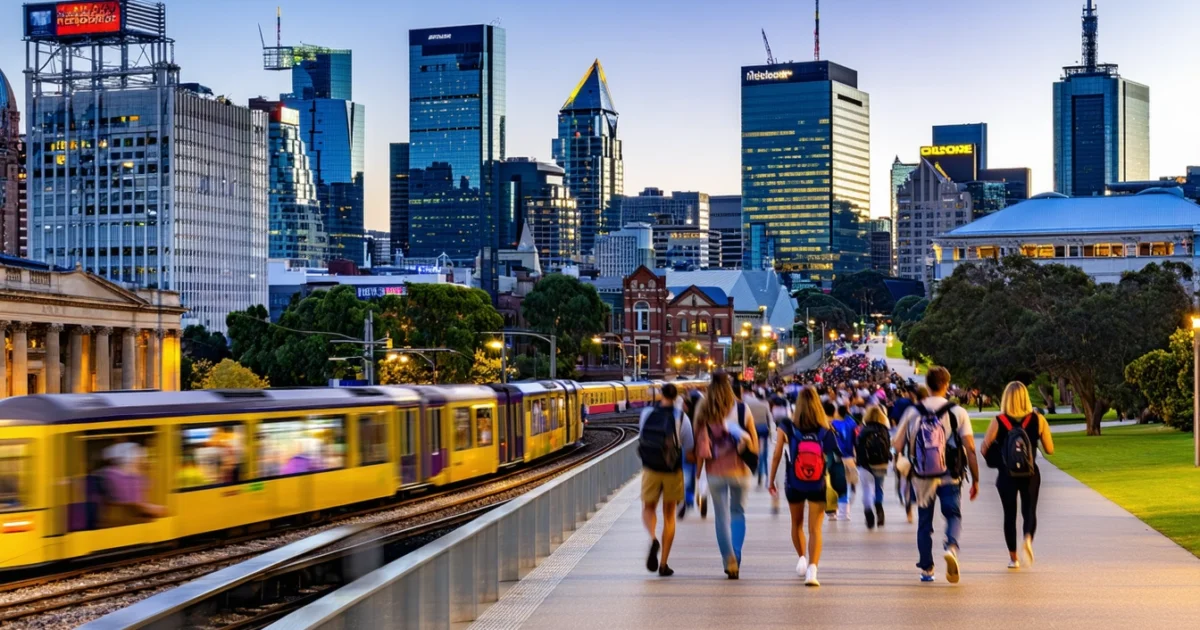
This Ultimate Guide to Living in Melbourne for International Students covers everything you need to know about areas, costs, and weather to thrive in Australia’s education capital. Melbourne hosts over 45% international students across its eight major universities, making it the top choice for global learners seeking quality education and vibrant city life.
Choosing the right area is crucial for your Melbourne experience. Furthermore, understanding accommodation costs ranging from $200-600 per week helps you budget effectively. Additionally, Melbourne’s famous “four seasons in one day” weather requires proper preparation for year-round comfort.
This comprehensive guide explores the best student-friendly suburbs from Carlton and Parkville near University of Melbourne to affordable Footscray and Sunshine in the west. Moreover, we’ll break down complete living costs, transport systems, and essential services setup. Finally, you’ll discover cultural integration tips and pre-arrival checklists to ensure a smooth transition to Melbourne student life.
TL;DR
- Best areas: Carlton/Parkville for UniMelb, Clayton for Monash, CBD for central living, western suburbs for affordability
- Weekly costs: Accommodation $200-600, food $80-120, plus transport, utilities, and entertainment expenses
- Weather prep: Pack for all seasons – Melbourne’s variable climate requires layered clothing and rain gear year-round
- Essential setup: Secure accommodation 6-8 months early, get Myki card, open bank account, and register with GP upon arrival
Why Melbourne is Australia's Top Student Destination
Melbourne stands as Australia’s undisputed education capital, hosting eight major universities that attract students from across the globe. The University of Melbourne, Monash University, RMIT University, and Deakin University lead this prestigious educational landscape. Additionally, La Trobe University, Victoria University, Swinburne University of Technology, and Australian Catholic University complete Melbourne’s comprehensive higher education ecosystem.
International students comprise 45% of Melbourne’s total student population, creating an exceptionally diverse academic community. This multicultural environment fosters cross-cultural learning experiences that extend far beyond traditional classroom boundaries. Moreover, students from over 170 countries call Melbourne home, making it one of the world’s most internationally connected education hubs.
Melbourne ranks #3 globally in QS Best Student Cities 2024, scoring highest for student mix and affordability among Australian cities.
Quality of life indicators consistently place Melbourne among the world’s most liveable cities for students. The city scores exceptionally high for cultural diversity, safety, public transport accessibility, and recreational opportunities. Furthermore, student satisfaction rates reach 87% according to the International Student Barometer, reflecting Melbourne’s commitment to international education excellence.
Career opportunities flourish in Melbourne’s dynamic job market, particularly in finance, technology, healthcare, and creative industries. The city hosts headquarters for major corporations including BHP, ANZ Banking Group, and Telstra. Consequently, students gain access to internships, part-time work, and graduate employment pathways that enhance their professional development.
Post-study work visa pathways provide international graduates with 2-4 years of work rights depending on their qualification level. Bachelor’s degree holders receive two years, while master’s graduates obtain three years of post-study work entitlements. Additionally, PhD graduates qualify for four years of work rights, maximizing their Australian career opportunities.
This ultimate guide covers everything international students need to thrive in Melbourne’s dynamic environment. We explore the best residential areas from university-adjacent suburbs to affordable outer neighborhoods. Subsequently, we break down comprehensive living costs including accommodation, food, transport, and entertainment expenses. Finally, we decode Melbourne’s famously variable weather patterns and provide seasonal preparation strategies for year-round comfort.
Best Melbourne Areas for International Students
Choosing the right neighborhood significantly impacts your Melbourne student experience, affecting commute times, living costs, and social opportunities. Moreover, each area offers distinct advantages from proximity to universities to vibrant cultural scenes and affordable housing options.
Carlton and Parkville: University Hub
Carlton sits directly adjacent to the University of Melbourne campus, making it the top choice for students prioritizing minimal commute times. Walking distances to lecture halls range from 5-15 minutes, while RMIT’s city campus remains easily accessible via tram routes 1 and 3. Additionally, this historic neighborhood features tree-lined streets, Victorian architecture, and the famous Lygon Street Italian precinct.
Parkville offers similar university proximity with slightly more affordable accommodation options. The area houses the Melbourne Zoo, Royal Park, and numerous cafes catering to student budgets. Furthermore, shared house opportunities abound with typical rent ranging from $180-250 per week for a single room.
Clayton and Caulfield: Monash Territory
Clayton serves as Monash University’s main campus location, featuring purpose-built student villages and extensive on-campus facilities. The suburb provides a genuine university town atmosphere with student-focused amenities including affordable eateries, study spaces, and recreational facilities. Consequently, many international students choose Clayton for its immersive academic environment.
Caulfield accommodates Monash’s business and design faculties while offering more urban sophistication than Clayton. This area combines student housing with established residential neighborhoods, providing diverse accommodation from studio apartments to family-style share houses. Transport connections include direct train services to Melbourne CBD within 20 minutes.
Melbourne CBD: Central Living
The Central Business District offers unparalleled convenience with high-rise student accommodation buildings and immediate access to all universities via public transport. However, CBD living commands premium prices with studio apartments starting from $350 per week. Nevertheless, students gain access to internship opportunities, part-time jobs, and Melbourne’s cultural heart.
Student accommodation providers like Urbanest and Student One operate modern facilities with study rooms, gyms, and social spaces. These buildings typically include utilities, internet, and security services in rental packages, simplifying the living experience for international students.
Footscray and Sunshine: Affordable Western Options
Footscray attracts budget-conscious students with rental prices 30-40% lower than inner suburbs while maintaining excellent transport connectivity. The Sunbury and Cranbourne train lines provide direct CBD access in 15 minutes, making commutes to city universities highly manageable. Additionally, Footscray’s multicultural character offers diverse dining options and cultural experiences.
Sunshine presents similar affordability with emerging student communities and improving infrastructure. Recent urban development projects have enhanced safety and amenities, while maintaining the area’s reputation for value accommodation. Share house rooms typically cost $140-180 per week, significantly reducing overall living expenses.
St Kilda and Elwood: Beachside Lifestyle
St Kilda combines beach living with vibrant nightlife, attracting students seeking lifestyle balance alongside their studies. The iconic Luna Park, Acland Street cafes, and Sunday markets create a unique living environment. However, rental costs reflect the desirable location with shared accommodation ranging from $200-280 per week.
Elwood offers a more relaxed beachside atmosphere with family-friendly streets and excellent cycling infrastructure. Students enjoy morning beach walks, weekend markets, and a strong sense of community. Transport connections include tram route 96 providing direct access to university areas and the CBD.
Brunswick and Fitzroy: Creative Inner North
Brunswick epitomizes Melbourne’s alternative culture with live music venues, street art, and independent cafes creating an inspiring student environment. The area offers abundant share house opportunities with established international student communities. Rental prices remain moderate at $170-230 per week for shared accommodation.
Fitzroy provides similar creative energy with additional proximity to the CBD and major universities. Students appreciate the walkable neighborhood design, weekend markets, and diverse dining scene. Furthermore, excellent tram connections ensure convenient commutes to all Melbourne universities.
Transport and Commute Considerations
Melbourne’s comprehensive public transport network connects all student-friendly areas through trains, trams, and buses. Myki cards provide seamless travel with student concession rates reducing transport costs by 50%. Peak hour services run every 5-10 minutes on major routes, ensuring reliable university commutes.
| Area | CBD Commute | University Access | Average Rent |
|---|---|---|---|
| Carlton | 15 minutes | Walking distance | $200-250/week |
| Clayton | 35 minutes | On campus | $160-220/week |
| Footscray | 15 minutes | 20-30 minutes | $140-180/week |
| St Kilda | 25 minutes | 30-40 minutes | $200-280/week |
Safety and Student Amenities
Melbourne maintains excellent safety standards across student areas with well-lit streets, regular police patrols, and community safety initiatives. University precincts like Carlton and Clayton feature dedicated campus security services and emergency call points. Additionally, most student accommodation buildings provide 24/7 security and swipe card access systems.
Student-friendly amenities vary by location but typically include libraries, study cafes, affordable dining options, and recreational facilities. Inner suburbs offer more cultural attractions and nightlife, while outer areas provide better value accommodation and parking availability. Consequently, students should balance lifestyle preferences with budget constraints when selecting their ideal Melbourne neighborhood.
Student Accommodation Options and How to Secure Them
Melbourne offers diverse accommodation options for international students, ranging from university-managed facilities to private rentals. Understanding these options helps students make informed housing decisions that align with their budget, lifestyle preferences, and academic needs.
University-Managed Accommodation
Residential colleges provide the most comprehensive student experience with meals, academic support, and social programs included. These colleges typically cost $400-600 per week but offer excellent community connections and cultural integration opportunities. Furthermore, residential halls present more affordable alternatives at $250-400 weekly while maintaining campus proximity.
Student villages combine independence with community living through self-contained apartments within managed complexes. These facilities feature shared common areas, study spaces, and organized social events. Moreover, university-managed accommodation guarantees housing security and provides immediate access to support services.
Private Student Accommodation Providers
Purpose-built student accommodation (PBSA) facilities deliver modern amenities with 24/7 security, high-speed internet, and recreational facilities. Companies like Scape, Iglu, and UniLodge operate premium properties charging $300-500 per week for studio apartments. Additionally, these providers offer flexible lease terms and all-inclusive pricing covering utilities and internet.
Private accommodation providers typically include gym facilities, study rooms, rooftop terraces, and social spaces designed specifically for student lifestyles. Consequently, these facilities attract students seeking hotel-style amenities with guaranteed maintenance and professional management services.
Share Houses and Flatmate Arrangements
Share housing represents the most economical option for budget-conscious students, with costs ranging $150-250 per week including utilities. Student networks through university Facebook groups, notice boards, and orientation programs facilitate flatmate connections. Furthermore, established student communities often welcome newcomers through referral systems.
Successful share housing requires clear communication about household responsibilities, bill payments, and lifestyle preferences. International students benefit from joining houses with diverse cultural backgrounds, creating natural language practice opportunities and friendship networks.
Homestay Programs
Homestay arrangements offer cultural immersion with Australian families while providing meals and household support. These programs cost $280-350 per week including breakfast and dinner, making them ideal for students seeking family environments. Additionally, homestay families provide local guidance and English conversation practice.
University homestay coordinators match students with suitable families based on dietary requirements, lifestyle preferences, and location needs. However, students should understand house rules, curfew expectations, and privacy boundaries before committing to homestay arrangements.
Rental Application Process
Victorian rental applications require specific documentation including passport copies, student visa details, university enrollment confirmation, and financial statements. International students must provide bank statements showing sufficient funds or guarantor agreements from family members. Moreover, rental references from previous landlords strengthen application competitiveness.
Bond payments equal four weeks’ rent and must be lodged with the Residential Tenancies Bond Authority (RTBA) within 10 days. Advance rent payments typically require two weeks upfront plus the security bond. Therefore, students need approximately six weeks’ rent available before moving into private accommodation.
Timing Your Accommodation Search
Start your accommodation search 6-8 months before arrival to secure the best options
Peak application periods occur between September and December for the following year’s intake. University-managed accommodation fills quickly, requiring early applications with deposit payments. Similarly, popular private student accommodation providers accept bookings up to 12 months in advance.
Last-minute accommodation searches limit options and increase costs significantly. Students arriving for mid-year intakes face less competition but reduced availability in university-managed facilities.
Online Platforms and Resources
- Domain.com.au and Realestate.com.au for private rental properties
- Flatmates.com.au for share housing opportunities
- University accommodation portals for managed housing options
- Facebook groups specific to each university’s student community
- Gumtree for budget-friendly share house listings
Additionally, university international student services provide accommodation databases and matching services. These resources help students connect with verified landlords and avoid accommodation scams targeting international students.
Tenant Rights and Responsibilities
Victorian tenants possess strong legal protections under the Residential Tenancies Act, including rights to quiet enjoyment, timely repairs, and fair treatment. Landlords cannot increase rent more than once every 12 months and must provide 60 days’ notice for rent increases. Furthermore, tenants can challenge excessive rent increases through the Victorian Civil and Administrative Tribunal.
Tenant responsibilities include maintaining property cleanliness, paying rent on time, and reporting maintenance issues promptly. Understanding these rights prevents exploitation and ensures positive rental experiences. International students should familiarize themselves with Tenants Victoria resources for comprehensive guidance on rental rights and dispute resolution processes.
Complete Cost of Living Breakdown for Students (2026)
International students in Melbourne face comprehensive living expenses that extend far beyond tuition fees. Understanding these costs helps students budget effectively and avoid financial stress during their studies. Therefore, creating a detailed financial plan becomes essential for successful student life in Australia’s cultural capital.
Accommodation Costs by Type and Location
Housing represents the largest expense for most international students, with costs varying significantly by accommodation type and location. University colleges charge between $350-600 per week including meals and utilities, while student apartments range from $280-450 weekly. Shared housing options provide more affordable alternatives at $200-350 per week.
| Accommodation Type | Weekly Cost Range | Inclusions |
|---|---|---|
| University Colleges | $350-600 | Meals, utilities, internet |
| Student Apartments | $280-450 | Utilities, internet |
| Shared Housing | $200-350 | Basic utilities |
| Private Studio | $400-600 | Self-contained |
Location significantly impacts rental costs, with inner suburbs commanding premium prices due to proximity to universities and city amenities. Outer suburbs offer substantial savings but require longer commute times and higher transport expenses.
Food and Grocery Budget Planning
Food expenses typically consume $80-120 per week of a student’s budget, depending on cooking habits and dietary preferences. Students who cook regularly spend approximately $60-90 weekly on groceries, while those dining out frequently face costs exceeding $150 weekly. Moreover, strategic shopping at discount supermarkets like ALDI reduces grocery bills by 20-30%.
Meal planning and bulk cooking significantly reduce food costs while maintaining nutritional quality. International students often find familiar ingredients at specialty stores, though these typically cost more than local alternatives. Consequently, adapting to Australian produce and cooking styles helps manage food budgets effectively.
Transportation and Myki Concession Benefits
Student Myki concessions provide substantial savings on Melbourne’s public transport network, reducing fares by approximately 50% for eligible international students. Full-time students pay around $15-25 weekly for unlimited travel across trains, trams, and buses within metropolitan Melbourne. Additionally, cycling represents a cost-effective transport option with initial bike purchase costs of $200-500.
Transport costs vary based on accommodation location and university campus proximity. Students living in outer suburbs may spend $30-40 weekly on transport, while those in inner areas often walk or cycle to campus. Furthermore, ride-sharing services like Uber and Didi provide convenient but expensive alternatives for occasional use.
Essential Utilities and Communication Expenses
Utility expenses including electricity, gas, water, and internet typically cost $30-50 per week when shared among housemates. Mobile phone plans range from $20-60 monthly depending on data allowances and international calling requirements. Internet-only plans cost $60-90 monthly for high-speed connections suitable for online study requirements.
Shared accommodation significantly reduces individual utility costs through bill splitting arrangements. Students should budget for connection fees and deposits when establishing new utility accounts. Additionally, energy-efficient habits help minimize electricity costs during Melbourne’s temperature extremes.
Academic Materials and Technology Requirements
Course materials and technology represent significant upfront costs for international students. Textbooks cost $200-500 per semester, though second-hand options and digital versions reduce expenses substantially. Laptop computers suitable for university work range from $800-2000, while specialized software licenses may require additional investment.
University libraries provide access to many required textbooks and digital resources, reducing individual purchase needs. Textbook rental services and student exchange programs offer cost-effective alternatives to buying new materials. Moreover, many courses increasingly utilize open-access resources and online materials.
Overseas Student Health Cover (OSHC) Requirements
OSHC remains mandatory for all international students throughout their visa duration, costing approximately $500-700 annually for single coverage. Family coverage increases costs to $1,500-2,500 yearly depending on family size and chosen provider. This insurance covers basic medical services, hospital treatment, and prescription medications under the Pharmaceutical Benefits Scheme.
Students can choose from approved OSHC providers including Medibank, Bupa, and Allianz Care Australia. Coverage levels vary between providers, with some offering additional benefits like dental and optical services. Consequently, comparing policies ensures students select appropriate coverage for their health needs and budget constraints.
Entertainment and Social Activity Budgeting
Social activities and entertainment typically require $50-100 weekly for a balanced student lifestyle including movies, dining out, and social events. Melbourne’s vibrant cultural scene offers numerous free activities including festivals, gallery exhibitions, and outdoor concerts. Student discounts apply to many entertainment venues, cinemas, and sporting events.
University clubs and societies provide affordable social opportunities while building networks and friendships. Many students find free or low-cost activities through student associations and community groups. However, budgeting for occasional splurges on special events or celebrations maintains social connections without overspending.
Emergency Fund and Money-Saving Strategies
Financial advisors recommend maintaining an emergency fund equivalent to 3-6 months of living expenses, approximately $6,000-12,000 for most students. This fund provides security against unexpected expenses like medical emergencies, visa complications, or temporary income loss. Building this fund gradually through small weekly contributions makes the goal more achievable.
- Shop at discount supermarkets and buy generic brands
- Use student discounts for entertainment and services
- Cook meals at home and pack lunches
- Share subscriptions and utilities with housemates
- Buy second-hand furniture and textbooks
- Take advantage of free university facilities and events
Money-saving strategies include utilizing university facilities like gyms, libraries, and computer labs instead of paying for external services. Group buying arrangements with fellow students reduce costs for bulk purchases and subscription services. Additionally, seasonal sales and end-of-semester clearances provide opportunities for significant savings on essential items.
Part-Time Work Income Potential
International students can work up to 20 hours per week during study periods and unlimited hours during scheduled breaks. Minimum wage rates ensure students earn at least $23.23 per hour, generating potential weekly income of $465 before taxes. Popular student jobs include retail, hospitality, tutoring, and campus-based positions.
Students working 20 hours weekly at minimum wage earn approximately $400 after tax, covering basic living expenses
On-campus employment often provides flexible schedules that accommodate study commitments while offering valuable work experience. Tutoring and academic assistance roles typically pay above minimum wage rates, especially for students with strong academic performance. Furthermore, work experience gained during studies enhances graduate employment prospects and provides professional references.
Students should balance work commitments with academic requirements to maintain satisfactory course progress for visa compliance. Tax obligations apply to all student income, though many students receive partial refunds through the annual tax return process. Consequently, understanding work rights and restrictions prevents visa violations while maximizing earning potential.
Melbourne's Weather Patterns and Seasonal Preparation
Melbourne earns its reputation for experiencing “four seasons in one day” through rapid weather changes that can shift from sunny mornings to afternoon thunderstorms within hours. This unpredictable climate pattern results from the city’s location between hot inland areas and cool ocean currents. International students must prepare for sudden temperature drops, unexpected rain showers, and variable wind conditions throughout any given day.
Weather variability affects daily planning decisions for students commuting between campus, work, and accommodation. Consequently, successful adaptation requires understanding seasonal patterns while maintaining flexibility for daily weather surprises.
Summer Weather Characteristics (December-February)
Summer temperatures typically range from 14°C to 25°C, though heatwaves can push temperatures above 35°C for several consecutive days. Hot daytime conditions contrast sharply with cool evening temperatures, requiring layered clothing approaches. Additionally, summer brings occasional thunderstorms with heavy rainfall and strong winds that provide relief from heat but create transportation disruptions.
UV radiation reaches extreme levels during summer months, making sun protection essential for outdoor activities. Students participating in orientation programs, beach trips, or outdoor sports must prioritize sunscreen, hats, and protective clothing. Moreover, air conditioning costs increase significantly during heatwave periods, impacting accommodation budgets.
Autumn Comfort Period (March-May)
Autumn provides Melbourne’s most comfortable weather conditions with temperatures ranging from 11°C to 20°C and reduced rainfall compared to winter months. These mild temperatures create ideal study environments for outdoor reading, campus activities, and exploration of the city. Furthermore, autumn’s stable weather patterns allow students to establish consistent daily routines without weather-related disruptions.
This season offers perfect conditions for settling into Melbourne life, apartment hunting, and building social connections through outdoor events. Students arriving during autumn benefit from comfortable temperatures while avoiding summer’s heat stress and winter’s harsh conditions.
Winter Challenges (June-August)
Winter temperatures drop to 6°C to 14°C with frequent rainfall, strong winds, and occasional frost in outer suburbs. Cold, wet conditions require substantial clothing investments including waterproof jackets, warm layers, and sturdy footwear. Students from tropical climates often underestimate winter’s impact on daily activities, transportation costs, and heating expenses.
Heating costs can increase weekly budgets by $30-50 during peak winter months, particularly in older accommodation with poor insulation. Reduced daylight hours affect mood and energy levels, making vitamin D supplements and indoor activities important for mental health maintenance. Additionally, wet weather increases public transport delays and walking times between locations.
Spring Variability (September-November)
Spring weather demonstrates Melbourne’s famous unpredictability with temperatures ranging from 9°C to 19°C and frequent weather changes throughout single days. This season combines winter’s rainfall with increasing temperatures and longer daylight hours. Students experience the full spectrum of Melbourne’s weather patterns during spring months.
Spring offers excellent opportunities for outdoor activities, festivals, and exploring Melbourne’s parks and gardens as flowers bloom across the city. However, students must prepare for sudden weather changes that can transform pleasant mornings into cold, windy afternoons requiring additional clothing layers.
Essential Seasonal Clothing Requirements
| Season | Essential Items | Estimated Cost |
|---|---|---|
| Summer | Light clothing, sunscreen, hat, sunglasses | $200-300 |
| Autumn | Light jacket, long pants, closed shoes | $150-250 |
| Winter | Warm coat, thermal layers, waterproof boots | $400-600 |
| Spring | Layered clothing, light rain jacket, umbrella | $250-350 |
Students should invest in quality waterproof outerwear and comfortable walking shoes suitable for wet conditions. Layering systems work more effectively than single heavy items for adapting to daily temperature variations. Second-hand clothing stores and end-of-season sales provide budget-friendly options for building weather-appropriate wardrobes.
Weather Impact on Student Life
Weather conditions directly influence study habits, social activities, and mental wellbeing throughout the academic year. Rainy days increase library usage and indoor study spaces, while sunny periods encourage outdoor study sessions and recreational activities. Students from consistently warm climates may experience seasonal affective symptoms during Melbourne’s darker winter months.
Transportation costs fluctuate with weather conditions as students choose taxis or rideshare services during heavy rain instead of walking or cycling. Campus attendance patterns also reflect weather impacts, with extreme heat or cold reducing participation in optional activities and social events.
Successful students develop weather-adaptive strategies including flexible daily schedules, appropriate clothing systems, and indoor activity alternatives. Building social connections helps combat winter isolation while maintaining physical activity routines supports mental health during challenging weather periods.
Optimal Arrival Timing
February and March represent ideal arrival periods for international students, allowing settlement during comfortable autumn weather before winter challenges begin. Students arriving during these months can apartment hunt, explore the city, and establish routines without weather-related stress. Alternatively, September arrivals benefit from spring’s improving conditions and increasing daylight hours.
Avoiding mid-winter arrivals (June-July) prevents the shock of immediate exposure to Melbourne’s harshest weather conditions. Students who must arrive during winter should prepare extensively with appropriate clothing and realistic expectations about daily activities. Planning around Victoria’s school holiday periods also helps students find accommodation and avoid peak rental demand.
Early arrival allows gradual acclimatization to weather patterns while providing time to purchase appropriate seasonal clothing at local prices rather than expensive international shipping costs.
Navigating Melbourne's Transport System as a Student
Melbourne’s integrated transport network provides comprehensive connectivity across the metropolitan area, making university attendance and city exploration accessible for international students. The system operates through coordinated tram, train, and bus services that connect major universities, student suburbs, and employment hubs throughout the city.
Myki Card System and Student Concessions
The Myki card serves as Melbourne’s universal transport payment method, functioning across all public transport modes. International students can access concession fares by applying through their enrolled institution, reducing transport costs by approximately 50% compared to full fares. Students must carry valid student identification alongside their concession Myki card during travel.
Concession eligibility requires enrollment in approved courses at recognized institutions including universities, TAFE colleges, and registered training organizations. Furthermore, students can purchase and top up Myki cards at train stations, convenience stores, and online platforms, with automatic top-up options available for regular commuters.
Tram Network Coverage
Melbourne’s extensive tram network covers key university areas and popular student suburbs with frequent services throughout the day. The Route 1 and Route 8 trams connect the University of Melbourne to the city center, while Route 67 services Melbourne University and continues to Carnegie and Caulfield areas where many students reside.
Trams operate from approximately 5:00 AM to midnight on weekdays, with extended services until 1:00 AM on weekends. Peak frequency reaches every 5-10 minutes on major routes, while off-peak services typically run every 15-20 minutes. Students living in inner suburbs like Carlton, Fitzroy, and South Yarra benefit from multiple tram route options.
Train Line Connections
Melbourne’s metropolitan train network connects outer suburbs to the city center and major universities through radial lines converging at Flinders Street and Southern Cross stations. The Craigieburn and Upfield lines serve northern suburbs popular with students, while the Frankston and Dandenong lines connect southern areas to Monash University campuses.
Express services operate during peak hours, reducing travel times from outer suburbs by 15-30 minutes compared to stopping-all-stations services. Additionally, the City Loop provides underground connections between Melbourne Central, Parliament, Flagstaff, and Flinders Street stations, facilitating easy transfers between different university areas.
Bus Route Coverage
Bus services complement tram and train networks by covering areas with limited rail access, particularly in Melbourne’s eastern and southeastern suburbs. SmartBus routes provide orbital connections between major activity centers without requiring city center transfers, benefiting students traveling between different university campuses.
Night bus services operate on selected routes after regular public transport concludes, though coverage remains limited compared to daytime options. Students should plan alternative transport arrangements for late-night activities, particularly in outer suburban areas where bus frequency decreases significantly after 9:00 PM.
Cycling Infrastructure
Melbourne’s expanding cycling network includes dedicated bike lanes, shared paths, and bike parking facilities at major universities and transport hubs. The Capital City Trail provides a scenic route connecting universities to inner suburbs, while separated bike lanes on major roads like Swanston Street and Collins Street offer safer city center access.
Universities provide secure bike storage facilities, bike maintenance stations, and cycling safety programs for students. However, Melbourne’s variable weather conditions require cyclists to maintain waterproof gear and alternative transport options during extreme weather events. Many students combine cycling with public transport during unfavorable conditions.
Transport Costs and Budgeting
Student concession fares significantly reduce transport expenses, with daily caps at approximately $4.60 for combined tram, train, and bus travel within metropolitan zones. Weekly and monthly Myki passes offer additional savings for regular commuters, while free tram travel within the City Circle benefits students accessing city center facilities.
Students should budget $80-120 monthly for regular transport use, depending on travel frequency and distance from universities. Consequently, choosing accommodation near public transport significantly impacts long-term living costs, with inner suburb locations often offsetting higher rent through reduced transport expenses.
Night Transport and Social Activities
Limited night transport options require careful planning for social activities and part-time work schedules. Night Network services operate on selected train lines and tram routes until approximately 1:30 AM on Fridays and Saturdays, though frequency drops to 30-60 minute intervals.
Students often rely on ride-sharing services, taxis, or designated drivers for late-night activities, particularly when traveling to outer suburbs. Pre-booking ride services helps ensure reliable transport during peak demand periods like weekend nights and special events.
Transport Apps and Journey Planning
The official PTV Mobile app provides real-time departure information, service disruption alerts, and journey planning across all transport modes. Students can track their Myki card balance, locate nearby stops, and receive notifications about planned maintenance affecting their regular routes.
Third-party apps like Citymapper and Google Maps offer alternative journey planning with walking directions, cycling routes, and estimated travel times. These applications integrate real-time data with weather information, helping students choose optimal transport modes based on current conditions and personal preferences.
Essential Services and Setup for International Students
Establishing essential services forms the foundation of successful student life in Melbourne. International students must navigate Australian systems quickly to access education, healthcare, and employment opportunities while managing costs effectively.
Banking Services and Account Setup
Opening an Australian bank account within six weeks of arrival allows students to avoid additional identification requirements. Major banks including Commonwealth Bank, ANZ, Westpac, and NAB offer dedicated student accounts with reduced fees and international transfer benefits.
Most student accounts waive monthly account keeping fees, though ATM fees range from $2-$3 for non-bank withdrawals. Additionally, international transaction fees typically cost 2-3% of the transaction value, making local payment methods more economical for daily expenses.
Students should compare overseas transfer fees when receiving funds from family, as these charges vary significantly between institutions. Some banks offer fee-free transfers for amounts above $1,000, while others provide reduced rates through student packages.
Mobile Phone Plans and Connectivity
Prepaid mobile plans offer budget control and flexibility for international students without credit history requirements. Major providers including Telstra, Optus, and Vodafone provide comprehensive coverage across Melbourne’s metropolitan area.
Budget providers like Boost Mobile, Amaysim, and Woolworths Mobile deliver competitive rates starting from $15-25 monthly for plans including 10-20GB data allowances. Furthermore, these services operate on major network infrastructure while offering significant cost savings.
Students can purchase SIM cards from supermarkets, convenience stores, or directly from provider outlets without contracts. Most plans include unlimited national calls and texts, with international calling options available through add-on packages or specialized providers.
Healthcare Registration and Medical Services
Registering with a local General Practitioner (GP) ensures continuity of healthcare throughout your studies. Students with Overseas Student Health Cover (OSHC) can access bulk-billed services at many medical centers, eliminating out-of-pocket consultation costs.
The Australian healthcare system operates through Medicare for residents, though international students rely on private health insurance. OSHC covers basic medical services, emergency treatment, and prescription medications listed on the Pharmaceutical Benefits Scheme.
University health services provide on-campus medical consultations, mental health support, and specialist referrals. These services often bulk-bill OSHC patients and maintain extended hours during exam periods when student stress levels typically increase.
Tax File Number and Employment Setup
Applying for a Tax File Number (TFN) enables legal part-time employment and prevents maximum tax rates on earnings. International students can apply online through the Australian Taxation Office website immediately after arrival, with processing typically completed within 10-14 business days.
Student visa holders can work up to 48 hours per fortnight during study periods and unlimited hours during scheduled breaks. Employers require TFN details for payroll processing and superannuation contributions, making early application essential for job seekers.
The TFN application requires passport details, Australian address, and visa information. Students should safeguard their TFN as this nine-digit number remains constant throughout their Australian residency and future tax obligations.
Student Discounts and Concession Benefits
Student concession cards provide substantial savings on transport, entertainment, and retail purchases throughout Melbourne. The International Student Identity Card (ISIC) offers global recognition and discounts at participating businesses, cinemas, and tourist attractions.
Local businesses often provide student discounts ranging from 10-25% on food, clothing, and services when valid student identification is presented. Many restaurants near universities offer special student meal deals during lunch hours and early dinner periods.
Software companies including Adobe, Microsoft, and Spotify provide significant educational discounts or free access through university partnerships. These savings can total hundreds of dollars annually on essential study and entertainment applications.
Utilities and Internet Connection
Private accommodation requires separate internet and utility connections through various providers offering competitive rates and service packages. NBN internet plans start from approximately $50-70 monthly for basic speeds suitable for streaming and study requirements.
Electricity and gas connections typically require bond payments equivalent to one month’s estimated usage for customers without credit history. Students can reduce these requirements by providing bank statements or arranging direct debit payment methods with utility providers.
Shared accommodation arrangements often include utilities in rental costs, though students should clarify responsibility for internet quality and data allowances. High-speed internet becomes essential for online learning, video calls with family, and assignment research requirements.
Emergency Contacts and Support Networks
Emergency services in Australia operate through the universal 000 number for police, fire, and ambulance assistance. International students should program this number alongside university security contacts and their institution’s after-hours support services.
Universities provide dedicated international student support services including academic assistance, accommodation guidance, and personal counseling. These services often operate 24/7 helplines during critical periods like orientation weeks and exam periods.
Community organizations such as the Red Cross and local multicultural centers offer additional support networks, language exchange programs, and cultural integration activities. Building these connections early helps establish social support systems crucial for academic success and personal wellbeing.
Cultural Integration and Making the Most of Melbourne Life
Melbourne’s vibrant cultural landscape offers international students countless opportunities to integrate while building lifelong connections. The city’s diverse communities create an inclusive environment where students from all backgrounds can thrive academically and socially.
Melbourne's Legendary Coffee Culture
Melbourne’s coffee scene defines the city’s social fabric, with over 2,000 specialty cafés serving as community hubs and study spaces. Baristas craft exceptional espresso-based drinks using single-origin beans, creating a culture where coffee appreciation becomes an art form.
Students discover that café culture extends beyond caffeine consumption to networking and social integration. Many cafés offer student discounts ranging from 10-15% with valid student identification, making regular visits affordable for budget-conscious international students.
Popular student-friendly café precincts include Carlton near Melbourne University, Fitzroy for creative atmospheres, and South Melbourne for quieter study environments. These venues often provide free Wi-Fi, power outlets, and extended opening hours during exam periods.
Multicultural Food Scene
Melbourne’s food diversity reflects its multicultural population, with authentic cuisines from over 140 countries represented throughout the city. International students find familiar flavors while exploring new culinary experiences that broaden their cultural understanding.
Food precincts cater to different budgets and preferences, from Queen Victoria Market offering affordable fresh produce to Chinatown providing authentic Asian dining experiences. Student-popular areas like Chapel Street and Brunswick Street feature diverse restaurants with reasonable pricing.
Many restaurants offer student meal deals during weekday lunch periods, typically ranging from $12-18 for substantial portions. Food courts in shopping centers like Melbourne Central and Collins Place provide quick, affordable options between classes.
Free Events and Cultural Activities
Melbourne hosts over 400 free events annually, providing students with entertainment options that don’t strain limited budgets. The city’s events calendar includes music festivals, art exhibitions, cultural celebrations, and educational workshops throughout the year.
Major free events include White Night Melbourne, Moomba Festival, and Melbourne International Comedy Festival free shows. Additionally, the State Library Victoria and NGV International offer free exhibitions, lectures, and cultural programs specifically designed for students.
Students can access event information through university notice boards, social media groups, and the official Visit Melbourne website. Planning around Victoria school holidays helps students attend popular festivals when accommodation and transport costs may increase.
Student Organizations and Networking
University student clubs and societies provide structured pathways for cultural integration and professional development. Melbourne universities collectively host over 300 student organizations covering academic disciplines, cultural interests, recreational activities, and professional networking.
International student associations offer peer support, cultural events, and academic assistance programs. These organizations frequently organize orientation programs, study groups, and social activities that help new students establish friendship networks quickly.
Professional societies related to specific study fields provide networking opportunities with industry professionals and alumni. Students gain access to career workshops, industry presentations, and internship opportunities through active participation in relevant professional organizations.
Sports and Recreation
Melbourne’s sports culture offers international students numerous ways to stay active while building social connections. The city hosts major sporting events including the Australian Open, Melbourne Cup, and AFL Grand Final, creating shared experiences that unite diverse communities.
University recreation centers provide affordable fitness facilities, group classes, and intramural sports leagues. Students typically pay $200-400 annually for comprehensive gym access, swimming pools, and group fitness programs through their educational institutions.
Popular recreational activities include cycling along the Yarra River trails, beach volleyball at St Kilda, and hiking in the nearby Dandenong Ranges. These activities cost minimal amounts while providing excellent opportunities for social interaction and stress relief.
Volunteer Opportunities
Volunteering provides international students with community engagement opportunities while developing valuable skills for future career prospects. Melbourne’s volunteer sector encompasses environmental conservation, community services, education support, and cultural organizations.
Organizations like Volunteering Victoria and university volunteer programs match students with suitable opportunities based on interests, skills, and time availability. Many volunteer positions offer training programs that enhance resume credentials and professional development.
Students often volunteer at community festivals, environmental projects, and educational programs that provide networking opportunities with local professionals. These experiences frequently lead to part-time employment opportunities or professional references for future job applications.
Weekend Adventures and Victoria Exploration
Victoria’s diverse attractions provide international students with affordable weekend escape options from urban study environments. Regional Victoria offers coastal destinations, mountain ranges, and cultural towns accessible through public transport or organized student tours.
Popular day trip destinations include Great Ocean Road sections, Yarra Valley wineries, and Phillip Island wildlife experiences. Student travel groups often organize shared transport arrangements that reduce individual costs to $30-60 per person for day excursions.
Overnight camping and hostel options extend adventure possibilities while maintaining budget constraints. YHA hostels throughout Victoria offer student discounts and group booking rates for extended weekend exploration of regional attractions and natural environments.
Professional Network Development
Building professional networks during university years significantly impacts career prospects for international students planning to work in Australia. Melbourne’s business community actively engages with universities through mentorship programs, industry panels, and graduate recruitment events.
Professional networking events, industry meetups, and alumni gatherings provide platforms for students to connect with established professionals in their chosen fields. Many events offer student pricing or free attendance for university-affiliated participants.
LinkedIn networking, combined with face-to-face interactions at professional events, helps international students establish connections that often translate into internship opportunities, graduate positions, or ongoing mentorship relationships throughout their Australian careers.
Pre-Arrival Checklist and Timeline
Successful relocation to Melbourne requires systematic preparation across multiple timeframes. International students must coordinate visa applications, accommodation arrangements, and essential services to ensure smooth arrival and settlement processes.
6-12 Months Before Arrival
Visa application processes demand early attention, as student visa processing times typically range from 4-12 weeks depending on your country of origin. University enrollment confirmation must precede visa applications, requiring acceptance letters and Confirmation of Enrollment (CoE) documents from your chosen institution.
Accommodation research becomes critical during this period. Melbourne’s student housing market experiences peak demand before semester commencements, making early investigation essential for securing preferred locations and pricing options.
3-6 Months Before Departure
Accommodation booking should occur during this timeframe to secure suitable housing arrangements. University colleges, private student accommodations, and shared housing options require advance reservations, particularly for February and July semester starts.
Overseas Student Health Cover (OSHC) arrangements must be finalized before visa approval. Additionally, flight booking during this period often provides better pricing options and preferred departure dates that align with university orientation schedules.
1-3 Months Before Travel
Banking setup preparation involves researching Australian banks that offer international student accounts with favorable terms. Many banks allow preliminary account opening processes before arrival, streamlining financial transitions upon landing.
Mobile plan research helps identify carriers offering competitive rates for international students. Furthermore, packing preparation should focus on essential items while considering Australia’s quarantine restrictions and seasonal clothing requirements for Melbourne’s variable climate.
Upon Arrival Activities
Airport pickup arrangements ensure safe transportation from Melbourne Airport to your accommodation. Many universities provide arrival assistance services, while private shuttle services and rideshare options offer alternative transportation methods.
Accommodation check-in procedures typically require identification documents, payment confirmations, and signed lease agreements. Orientation activities organized by universities provide essential information about campus facilities, academic requirements, and local services.
First Week Priorities
- Bank account activation requires in-person visits with identification documents and proof of address
- Myki card acquisition enables immediate access to Melbourne’s public transport network
- GP registration establishes healthcare access and satisfies student visa requirements
- Tax File Number application through Australian Taxation Office
- Student ID card collection from university administration
Essential Documents Checklist
| Document Type | Purpose | Copies Needed |
|---|---|---|
| Passport with visa | Entry and identification | 3 certified copies |
| CoE and academic transcripts | University enrollment | 2 copies |
| OSHC policy documents | Healthcare coverage proof | 2 copies |
| Financial statements | Bank account opening | Original plus 2 copies |
| Accommodation contracts | Proof of address | Original plus 1 copy |
| Medical records | GP registration and prescriptions | Original plus 1 copy |
Document security requires both physical and digital storage solutions. Secure physical storage in accommodation, combined with encrypted cloud backups, protects against loss or theft of critical paperwork.
Emergency Preparedness
Emergency contact information should include both Australian and home country numbers. Emergency services in Australia use 000 for police, fire, and ambulance, while 112 provides mobile emergency access from any network.
- University emergency line: Available 24/7 for student crises
- Your embassy/consulate: For passport issues and citizen services
- Bank fraud hotline: For compromised cards or accounts
- OSHC provider: For health insurance claims and coverage
- Accommodation emergency contact: For urgent housing issues
Mental health support services include university counseling centers, Beyond Blue (1300 22 4636), and Lifeline (13 11 14). These services provide confidential support for adjustment challenges, academic stress, and personal difficulties that international students commonly experience during their transition to Melbourne life.
Frequently Asked Questions
How much does it cost to live in Melbourne as an international student?
International students can expect to spend $200-600 per week on accommodation and $80-120 per week on food. Total living costs typically range from $400-800 per week including transport, utilities, and entertainment. Western suburbs like Footscray and Sunshine offer more affordable options, while areas near the CBD and major universities cost more.
Which areas are best for international students in Melbourne?
The best areas depend on your university and budget:
- Carlton and Parkville – Perfect for University of Melbourne students
- Clayton – Ideal for Monash University students
- CBD – Central location with easy access to all universities
- Footscray and Sunshine – Affordable western suburbs with good transport links
What is Melbourne's weather like and how should I prepare?
Melbourne is famous for having “four seasons in one day” with highly variable weather. You should pack layered clothing for all seasons and always carry rain gear. Temperatures can range from 6°C in winter to 26°C in summer, with sudden changes throughout the day being common.
How early should I secure accommodation in Melbourne?
You should secure accommodation 6-8 months before arrival, especially for popular areas near universities. The rental market is competitive, and the best student-friendly properties get booked quickly. Start your search early and consider temporary accommodation for your first few weeks if needed.
What percentage of Melbourne's student population is international?
45% of Melbourne’s total student population consists of international students, making it one of the world’s most diverse education hubs. Students from over 170 countries study in Melbourne, creating an exceptionally multicultural learning environment across the city’s eight major universities.
What essential services do I need to set up when I arrive in Melbourne?
Upon arrival, you should prioritize setting up these essential services:
- Myki card for public transport
- Australian bank account for financial transactions
- GP registration for healthcare services
- Mobile phone plan for communication
- Internet connection for your accommodation
How does Melbourne rank globally as a student city?
Melbourne ranks #3 globally in QS Best Student Cities 2024, scoring highest for student mix and affordability among Australian cities. The city consistently ranks among the world’s most liveable cities with an 87% student satisfaction rate according to the International Student Barometer.
What post-study work opportunities are available in Melbourne?
International graduates can access post-study work visas providing 2-4 years of work rights depending on qualification level. Bachelor’s graduates receive 2 years, master’s graduates get 3 years, and PhD graduates qualify for 4 years of work rights. Melbourne’s job market is strong in finance, technology, healthcare, and creative industries.
You May Also Like
Best Hospitals in Australia (2026): The Complete City-by-City Guide

Best Hospitals in Darwin (2026): Public, Private and How to Choose