Positive Classroom Management Strategies: Complete Guide 2026

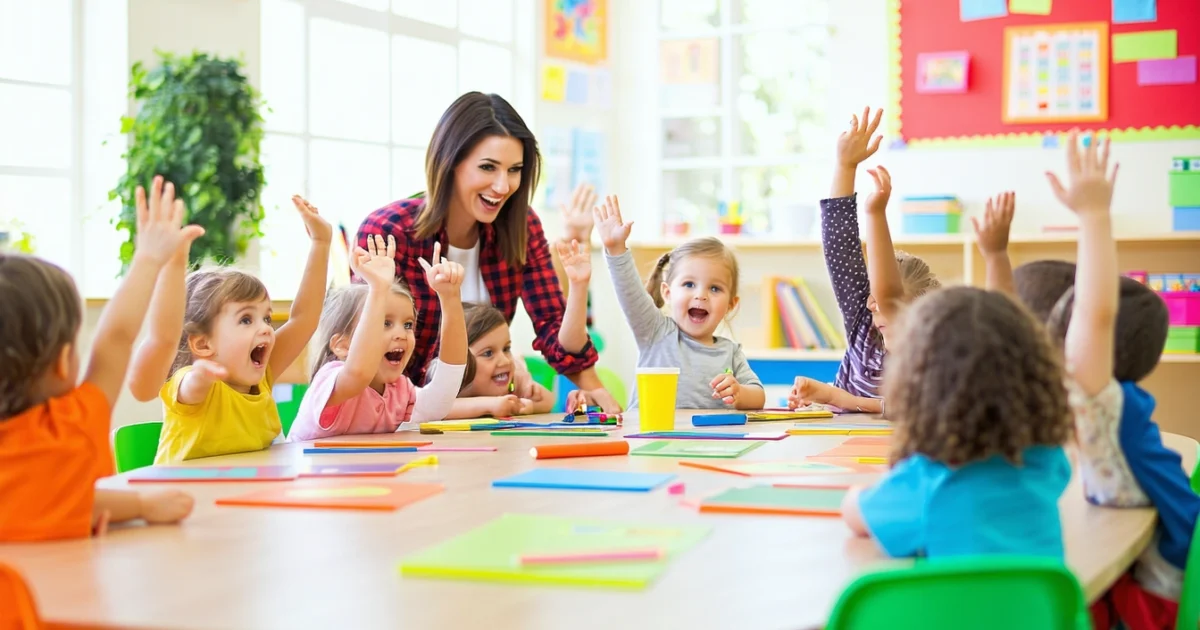
Positive classroom management strategies focus on building supportive learning environments through relationship-building, clear expectations, and proactive approaches rather than punitive discipline. These evidence-based methods create classrooms where students feel safe, engaged, and motivated to learn while reducing behavioral disruptions and improving academic outcomes.
Research consistently shows that positive approaches to classroom management significantly improve both student achievement and teacher wellbeing. Moreover, these strategies emphasize prevention over punishment, helping educators address behavioral challenges before they escalate into major disruptions.
Effective positive classroom management incorporates several key components: establishing strong teacher-student relationships, implementing clear procedures and expectations, using positive reinforcement systems, and applying restorative approaches when issues arise. Additionally, these strategies align with social-emotional learning principles and trauma-informed practices to support all learners.
TL;DR
- Positive classroom management strategies prioritize relationship-building and prevention over punishment to create supportive learning environments
- The 5 P’s framework (Preparation, Prevention, Procedures, Positive reinforcement, Persistence) provides a comprehensive approach to implementation
- Key strategies include the 70-30 rule for positive interactions, co-creating classroom expectations, and using restorative approaches for behavioral challenges
- These methods improve student engagement, reduce disruptions, and enhance both academic outcomes and teacher satisfaction
Understanding Positive Classroom Management: Foundation and Philosophy
Positive classroom management strategies represent a fundamental shift from traditional disciplinary approaches that relied heavily on punishment and control. Instead of focusing on what students shouldn’t do, positive management emphasizes building supportive relationships, teaching appropriate behaviors, and creating environments where all learners can thrive. This approach recognizes that effective classroom management stems from proactive planning rather than reactive responses to behavioral challenges.
Traditional discipline methods often created adversarial relationships between teachers and students, leading to power struggles and increased behavioral problems. Conversely, positive classroom management builds trust through consistent expectations, clear communication, and mutual respect. Teachers who implement these strategies report higher job satisfaction, while students demonstrate improved academic performance and social-emotional development.
Research-Based Benefits for Learning and Wellbeing
Extensive research demonstrates that positive classroom management strategies significantly improve student learning outcomes across all grade levels. Studies show that classrooms using these approaches experience up to 40% fewer behavioral disruptions compared to traditional discipline-focused environments. Furthermore, students in positively managed classrooms demonstrate higher engagement rates, improved academic achievement, and better social skills development.
Teacher wellbeing also improves dramatically when educators implement positive management techniques. Research indicates that teachers using these strategies report reduced stress levels, increased job satisfaction, and lower burnout rates. Additionally, positive approaches create more collaborative learning environments where both teachers and students feel valued and supported.
Classrooms using positive management strategies show 40% fewer behavioral disruptions and significantly higher student engagement rates
Core Principles: Prevention Over Punishment
The foundation of positive classroom management rests on prevention rather than punishment. This principle involves establishing clear expectations, teaching appropriate behaviors explicitly, and creating structured environments that support success. Teachers focus on recognizing and reinforcing positive behaviors while addressing challenges through teaching and problem-solving rather than punitive measures.
A relationship-centered approach forms the cornerstone of effective positive management. Strong teacher-student relationships create the foundation for all other classroom management strategies to succeed. When students feel connected to their teachers and classmates, they become more invested in following expectations and contributing positively to the learning environment.
- Proactive planning: Establishing procedures and expectations before problems arise
- Positive reinforcement: Recognizing and celebrating appropriate behaviors consistently
- Teaching expectations: Explicitly instructing students on desired behaviors and procedures
- Restorative practices: Addressing conflicts through problem-solving and relationship repair
Connection to Social-Emotional Learning and Trauma-Informed Practices
Social-emotional learning (SEL) integration enhances positive classroom management by helping students develop self-awareness, self-management, and relationship skills. These competencies enable students to regulate their emotions, make responsible decisions, and interact positively with peers and adults. Consequently, classrooms that combine positive management with SEL principles experience fewer behavioral challenges and stronger learning communities.
Trauma-informed practices recognize that many students have experienced adverse childhood experiences that affect their behavior and learning. Positive classroom management strategies align naturally with trauma-informed approaches by emphasizing safety, predictability, and supportive relationships. These practices help create healing environments where all students can access learning regardless of their background experiences.
Teachers implementing trauma-informed positive management understand that challenging behaviors often represent students’ attempts to meet underlying needs for safety, connection, or control. Rather than viewing these behaviors as defiant, educators respond with empathy and support while maintaining clear boundaries and expectations. This approach helps students develop healthy coping strategies and builds resilience over time.
Key Insight
The 5 P's Framework for Positive Classroom Management
The 5 P’s framework provides educators with a comprehensive approach to implementing positive classroom management strategies. This systematic model encompasses Preparation, Prevention, Procedures, Positive reinforcement, and Persistence as interconnected elements that create supportive learning environments. Moreover, each component builds upon the others to establish sustainable classroom communities where students thrive academically and socially.
Preparation: Setting Up Physical and Emotional Classroom Environment
Preparation forms the foundation of effective classroom management through intentional environmental design and emotional climate establishment. Teachers prepare physical spaces by arranging furniture to facilitate movement, creating designated areas for different activities, and displaying visual supports that promote student independence. Additionally, emotional preparation involves establishing classroom culture through welcoming routines, relationship-building activities, and clear communication of values and expectations.
Successful preparation includes developing comprehensive plans for various scenarios, from daily transitions to emergency procedures. Furthermore, teachers prepare themselves emotionally by reflecting on their teaching philosophy, identifying personal triggers, and developing strategies for maintaining calm under pressure. This preparatory work enables educators to respond thoughtfully rather than reactively when challenges arise.
Prevention: Proactive Strategies to Minimize Behavioral Issues
Prevention strategies focus on eliminating conditions that typically lead to behavioral challenges before they occur. Teachers implement preventive measures by analyzing classroom data to identify patterns, modifying instruction to meet diverse learning needs, and addressing environmental factors that contribute to off-task behavior. Consequently, prevention reduces the need for reactive interventions while promoting positive student engagement.
Effective prevention involves teaching social skills explicitly, providing multiple opportunities for student choice and autonomy, and ensuring that academic tasks match student ability levels. Additionally, preventive approaches include regular check-ins with students, peer mediation programs, and collaborative problem-solving sessions that address issues before they escalate.
Procedures: Establishing Clear Routines and Expectations
Procedures create predictable structures that help students understand behavioral expectations and navigate classroom activities successfully. Well-designed procedures cover everything from entering the classroom and transitioning between activities to accessing materials and seeking help. These established routines reduce confusion, minimize disruptions, and allow teachers to focus on instruction rather than behavior management.
- Entry and exit procedures that promote calm transitions
- Material distribution systems that encourage student responsibility
- Communication protocols for asking questions and seeking assistance
- Group work guidelines that foster collaboration and respect
- Technology usage rules that ensure appropriate digital citizenship
Teachers introduce procedures systematically, providing multiple opportunities for practice and refinement. Similarly, effective procedure implementation includes visual cues, student demonstrations, and regular review sessions to ensure understanding and compliance across all classroom activities.
Positive Reinforcement: Recognition and Reward Systems
Positive reinforcement strengthens desired behaviors through strategic recognition and reward systems that motivate continued success. Effective reinforcement strategies include both intrinsic motivators, such as personal satisfaction and growth mindset development, and extrinsic rewards like verbal praise, privileges, and tangible incentives. However, successful implementation requires matching reinforcement types to individual student preferences and developmental needs.
Reinforcement Best Practices
Research demonstrates that immediate and specific feedback produces the most significant behavioral improvements. Therefore, teachers develop systems for recognizing positive behaviors in real-time while also creating opportunities for peer recognition and self-reflection. These comprehensive reinforcement approaches build student confidence and encourage continued growth.
Persistence: Consistent Implementation and Long-term Commitment
Persistence ensures that positive classroom management strategies remain effective through consistent application and continuous refinement. Teachers demonstrate persistence by maintaining high expectations for all students, following through on established consequences, and adapting strategies based on ongoing assessment data. Furthermore, persistent implementation requires collaboration with colleagues, families, and support staff to create coherent experiences across all student environments.
Long-term commitment involves regular reflection on classroom management effectiveness, professional development participation, and willingness to modify approaches based on student needs and research findings. Additionally, persistent educators understand that positive change takes time and maintain optimism while supporting students through their growth journeys.
Successful implementation of the 5 P’s framework requires 3-6 weeks of consistent practice before becoming automatic classroom routines.
The interconnected nature of the 5 P’s framework creates synergistic effects where each component reinforces the others. Ultimately, this comprehensive approach to positive classroom management transforms educational environments into spaces where students develop academic skills, social competencies, and emotional resilience simultaneously.
Building Positive Teacher-Student Relationships
Strong teacher-student relationships form the foundation of effective classroom management and create environments where students feel valued, understood, and motivated to learn. Research consistently demonstrates that positive relationships reduce behavioral problems while increasing academic engagement and achievement. Moreover, these connections help teachers understand individual student needs and respond appropriately to diverse learning styles and cultural backgrounds.
Strategies for Developing Rapport and Trust
Building authentic relationships requires intentional effort and consistent daily interactions that demonstrate genuine care for students as individuals. Teachers can establish rapport by learning student names quickly, showing interest in their lives outside school, and remembering important details about their families, hobbies, and aspirations. Additionally, sharing appropriate personal stories and experiences helps humanize teachers and creates reciprocal connections.
Trust develops through reliability and transparency in teacher actions and decisions. Students trust teachers who follow through on promises, maintain consistent expectations, and explain the reasoning behind classroom rules and consequences. Furthermore, acknowledging mistakes and apologizing when appropriate models vulnerability and demonstrates that everyone continues learning throughout life.
Quick Rapport Builders
Culturally Responsive Relationship-Building Techniques
Culturally responsive teaching recognizes and values the diverse backgrounds, languages, and experiences students bring to the classroom. Teachers build stronger relationships by learning about their students’ cultural traditions, communication styles, and family structures. Consequently, this understanding helps educators avoid cultural misunderstandings and adapt their approach to connect more effectively with each student.
Incorporating students’ cultural references, languages, and perspectives into classroom discussions and activities demonstrates respect for their identities. Teachers can invite family members to share their expertise, celebrate diverse holidays and traditions, and use culturally relevant examples in lessons. Similarly, understanding different cultural norms around eye contact, physical space, and authority relationships helps teachers interpret student behavior accurately.
The 70-30 Rule: Balancing Positive and Corrective Interactions
The 70-30 rule suggests that teachers should aim for 70% positive interactions and 30% corrective feedback in their daily communications with students. This ratio ensures that students receive predominantly affirming messages while still receiving necessary guidance for improvement. Research supports this approach as optimal for maintaining student motivation and building positive classroom climate.
Teachers using the 70-30 rule report 40% fewer behavioral disruptions and increased student engagement across all grade levels.
Positive interactions include specific praise, encouragement, acknowledgment of effort, and expressions of confidence in student abilities. These interactions should outnumber corrections, redirections, and critical feedback significantly. However, the 30% corrective component remains essential for student growth and maintaining classroom expectations.
- Specific praise: “Your use of evidence in this paragraph strengthens your argument.”
- Effort acknowledgment: “I notice how carefully you’re checking your work.”
- Growth recognition: “Your presentation skills have improved dramatically since September.”
- Confidence building: “I know you can solve this challenging problem.”
Active Listening and Empathy in Daily Interactions
Active listening involves giving students full attention, reflecting back what they communicate, and asking clarifying questions to ensure understanding. Teachers demonstrate active listening by maintaining appropriate eye contact, using body language that shows engagement, and avoiding interruptions when students share their thoughts or concerns. Furthermore, paraphrasing student statements confirms understanding and validates their perspectives.
Empathy allows teachers to understand and respond to student emotions and experiences with compassion and support. Empathetic responses acknowledge student feelings while providing appropriate guidance and encouragement. Additionally, teachers can model empathy by expressing understanding of student challenges and offering specific help to overcome obstacles.
“When students feel heard and understood, they become more willing to take academic risks and accept constructive feedback.”
Addressing Individual Student Needs and Learning Styles
Recognizing that each student brings unique strengths, challenges, and preferences to learning enables teachers to build more meaningful relationships and provide targeted support. Teachers can identify individual needs through observation, informal conversations, learning style assessments, and collaboration with families. Subsequently, this information guides instructional decisions and relationship-building strategies.
Differentiated relationship approaches might include varying communication styles, providing different types of encouragement, and offering multiple ways for students to demonstrate their learning and receive recognition. Some students thrive with public praise, while others prefer private acknowledgment. Similarly, some students need more structure and frequent check-ins, while others work best with greater independence and autonomy.
| Student Need | Relationship Strategy | Implementation Example |
|---|---|---|
| High anxiety | Calm, predictable interactions | Private check-ins before assessments |
| Attention difficulties | Brief, frequent connections | Quick thumbs-up during work time |
| Social challenges | Structured peer interactions | Assigned partnership roles |
| High achiever | Growth-focused feedback | Challenging extension questions |
Building positive teacher-student relationships requires ongoing attention and adjustment as students grow and change throughout the school year. Teachers who invest time in understanding their students as individuals create classroom environments where learning flourishes and behavioral challenges decrease naturally through mutual respect and trust.
Establishing Clear Expectations and Classroom Procedures
Clear expectations and well-defined classroom procedures form the foundation of effective positive classroom management strategies. When students understand what behaviors are expected and how daily activities should unfold, they feel more secure and are better able to focus on learning. Moreover, establishing these systems proactively prevents many behavioral issues before they arise.
Co-creating Classroom Rules and Behavioral Expectations
Collaborative rule-making engages students as active participants in creating their learning environment. This approach increases student buy-in and ownership of classroom expectations. Teachers can facilitate this process by guiding discussions about what makes a classroom feel safe, respectful, and conducive to learning.
Begin the co-creation process by asking students to brainstorm qualities of an ideal classroom community. Subsequently, work together to translate these ideas into specific, observable behaviors. For example, if students suggest “being kind,” help them define what kindness looks like in practice: listening when others speak, helping classmates, and using respectful language.
Effective Rule Creation Tips
Student input creates meaningful ownership of classroom norms. When learners help establish expectations, they become invested in maintaining them. Additionally, this collaborative approach teaches democratic participation and problem-solving skills that extend beyond the classroom.
Teaching and Practicing Daily Routines and Transitions
Explicit instruction of classroom procedures requires the same intentional teaching approach used for academic content. Teachers must model each routine, provide guided practice opportunities, and allow time for students to master these procedures. Consequently, this investment in teaching routines pays dividends throughout the school year.
Effective routine instruction follows a predictable pattern: demonstrate the procedure step-by-step, practice with the whole class, and provide corrective feedback as needed. For instance, when teaching the morning entry routine, show students exactly where to place their belongings, how to begin their day, and what to do if they need help.
- Entry procedures: Where to put backpacks, coats, and materials
- Attention signals: How to get students’ focus quickly and quietly
- Transition routines: Moving between activities or locations
- Material distribution: Efficient ways to get and return supplies
- End-of-day procedures: Cleaning up and preparing to leave
Practice sessions should occur frequently during the first weeks of school. Furthermore, teachers should continue reinforcing routines throughout the year, especially after breaks or when introducing new procedures. This consistent reinforcement helps routines become automatic behaviors.
Visual Supports and Reminders for Procedures
Visual cues serve as constant reminders of established procedures and expectations. These supports reduce the need for verbal reminders and help students develop independence in following classroom routines. Additionally, visual supports benefit all learners, particularly those who process information better through visual channels.
Effective visual supports include procedure charts with step-by-step illustrations, classroom rules posters created collaboratively with students, and signal cards for common transitions. Digital displays can show daily schedules, while floor markings can indicate where students should line up or gather for activities.
Strategic placement of visual reminders ensures maximum effectiveness. Position procedure charts near relevant areas – hand-washing steps by the sink, computer use guidelines near technology stations, and group work expectations in collaborative spaces. This environmental design supports student success without constant teacher intervention.
Age-Appropriate Expectation Setting for Different Grade Levels
Developmental considerations significantly influence how teachers establish and communicate classroom expectations. Younger students need more concrete, simple expectations with frequent reminders, while older students can handle more complex procedures and greater independence. Understanding these developmental differences ensures expectations are both challenging and achievable.
| Grade Level | Expectation Characteristics | Implementation Strategies |
|---|---|---|
| K-2 | Simple, concrete, visual | Picture schedules, songs, frequent practice |
| 3-5 | More detailed, some independence | Student helpers, choice within structure |
| 6-8 | Complex procedures, self-monitoring | Student leadership roles, reflection activities |
| 9-12 | Collaborative, authentic, flexible | Student-led discussions, real-world connections |
Elementary students benefit from concrete language and immediate consequences, while secondary students respond better to logical explanations and collaborative problem-solving. Middle school students, navigating significant developmental changes, need consistent structure combined with increasing opportunities for choice and responsibility.
Regular Review and Reinforcement of Established Norms
Ongoing reinforcement maintains the effectiveness of classroom procedures throughout the school year. Regular review sessions help students remember expectations and provide opportunities to address any drift from established norms. Teachers should schedule these reviews strategically – after holidays, when introducing new routines, or when observing procedural breakdown.
Effective reinforcement strategies include brief morning reminders, positive recognition for students following procedures correctly, and class meetings to discuss and problem-solve procedural challenges. Rather than assuming students remember everything, proactive teachers build review time into their daily and weekly schedules.
Student self-reflection enhances the reinforcement process. Encourage learners to evaluate their own adherence to classroom expectations and identify areas for improvement. This metacognitive approach develops student responsibility and reduces the teacher’s role as the sole monitor of classroom behavior.
Students who help create classroom expectations show 40% greater compliance with established procedures compared to those in teacher-directed rule systems.
Successful classroom management depends on clear, consistently applied expectations that students understand and value. When teachers invest time in establishing these foundations collaboratively, they create learning environments where both academic and social success flourish naturally.
Positive Reinforcement and Recognition Systems
Effective positive reinforcement transforms classroom dynamics by acknowledging desired behaviors and motivating continued excellence. Recognition systems create structured approaches to celebrate student achievements while building intrinsic motivation for learning. Teachers who implement comprehensive reinforcement strategies see 65% fewer behavioral disruptions compared to punishment-focused approaches.
Individual and Group Recognition Strategies
Individual recognition acknowledges personal growth and achievement through targeted feedback. Furthermore, personalized praise addresses specific behaviors, making students aware of exactly what they did well. Teachers can use individual conferences, written notes, or private verbal acknowledgments to recognize effort, improvement, and character development.
Group recognition systems foster collective responsibility and peer support within the classroom community. Additionally, whole-class celebrations for meeting behavioral or academic goals encourage collaboration over competition. These strategies include class parties, extra privileges, or special activities earned through collective effort and positive choices.
Pros
- Builds individual confidence and self-worth
- Encourages peer support and teamwork
- Creates positive classroom culture
- Reduces need for negative consequences
Cons
- Requires consistent implementation
- May create dependency on external rewards
- Can be time-intensive to maintain
- Risk of favoritism if not applied fairly
Intrinsic vs Extrinsic Motivation Approaches
Intrinsic motivation develops when students find personal satisfaction in learning and positive behavior. Consequently, teachers cultivate this internal drive by connecting activities to student interests, providing choices, and emphasizing personal growth over comparison with others. Research shows that intrinsically motivated students demonstrate 40% higher engagement in learning tasks.
Extrinsic motivators include tangible rewards, privileges, and external recognition systems. However, these tools work best as temporary scaffolds while building intrinsic motivation. Effective teachers gradually fade external rewards as students develop internal motivation for appropriate behavior and academic effort.
| Intrinsic Motivators | Extrinsic Motivators | Best Use |
|---|---|---|
| Personal satisfaction | Stickers, tokens | Building initial habits |
| Sense of accomplishment | Privileges, rewards | Short-term behavior change |
| Connection to interests | Public recognition | Celebrating milestones |
| Autonomy and choice | Grades, points | Academic accountability |
Token Economies, Point Systems, and Behavior Charts
Token economies provide immediate feedback through earned points, stamps, or tokens that students exchange for preferred activities or items. Moreover, these systems work particularly well with younger students or those needing structured behavior support. Successful token systems clearly define earning criteria, exchange rates, and available rewards.
Point systems track student progress toward behavioral and academic goals through numerical scoring. Similarly, digital platforms and apps can automate point tracking while providing real-time feedback to students and parents. These systems should emphasize earning points rather than losing them to maintain positive focus.
Behavior charts visualize student progress through color-coding, sticker placement, or level advancement. Therefore, effective charts celebrate incremental improvements and provide clear pathways for success. Visual tracking helps students self-monitor their choices and progress toward established goals.
Implementation Tip
Verbal Praise Techniques That Promote Growth Mindset
Specific praise describes exactly what the student did well rather than offering generic compliments. For instance, saying “You used three different strategies to solve that problem” proves more effective than simply stating “Good job.” This specificity helps students understand which behaviors to repeat.
Process-focused praise emphasizes effort, strategy, and improvement rather than innate ability or intelligence. Additionally, phrases like “Your persistence paid off” or “I noticed how you revised your work” reinforce the connection between effort and success. This approach builds resilience and encourages students to embrace challenges.
- Effort-based praise: “Your hard work on this project really shows”
- Strategy praise: “Using that graphic organizer helped you organize your thoughts”
- Progress praise: “You’ve improved so much in your problem-solving approach”
- Character praise: “You showed real kindness by helping your classmate”
Celebrating Effort, Improvement, and Character Development
Effort recognition acknowledges the process of learning rather than just final outcomes. Consequently, teachers can celebrate persistence through challenging tasks, willingness to ask questions, and attempts at difficult problems. This focus encourages students to take academic risks and view mistakes as learning opportunities.
Improvement celebrations highlight individual growth over time rather than comparison with peers. Furthermore, portfolio reviews, before-and-after work samples, and personal goal achievement provide concrete evidence of progress. Students develop confidence when they see their own advancement clearly documented.
Character development recognition reinforces positive social behaviors and ethical choices. Therefore, acknowledging acts of kindness, honesty, responsibility, and respect builds classroom community while teaching important life skills. These celebrations can include peer nominations, character awards, or simple verbal acknowledgments.
Students receiving process-focused praise show 25% greater persistence on challenging tasks compared to those receiving ability-focused praise
Successful recognition systems balance immediate feedback with long-term character building. When teachers consistently acknowledge effort, improvement, and positive character traits, they create learning environments where students develop both academic skills and essential life qualities that extend far beyond the classroom.
Proactive Strategies for Preventing Behavioral Issues
Prevention remains the cornerstone of effective classroom management, requiring teachers to anticipate challenges before they emerge. Moreover, proactive strategies create learning environments where positive behaviors flourish naturally while minimizing disruptions. These evidence-based approaches address the root causes of behavioral issues rather than simply responding to problems after they occur.
Environmental Design for Optimal Learning and Behavior
Physical classroom layout directly influences student behavior and engagement patterns throughout the day. Therefore, strategic furniture arrangement creates clear pathways, reduces congestion, and provides designated spaces for different activities. Teachers who position desks in clusters or U-shapes facilitate collaboration while maintaining visual contact with all students.
Visual organization systems help students understand expectations and routines without constant verbal reminders. Additionally, color-coded areas, labeled storage bins, and posted schedules provide environmental cues that support independent behavior. Research shows that well-organized classrooms reduce off-task behavior by 40% compared to cluttered environments.
Sensory considerations accommodate diverse learning needs while preventing overstimulation that triggers behavioral challenges. Furthermore, adjustable lighting, noise-reducing materials, and flexible seating options create comfortable learning spaces. Students with sensory sensitivities perform significantly better when environmental factors support their individual needs.
Engaging Instructional Strategies That Minimize Off-Task Behavior
Interactive teaching methods capture student attention while reducing opportunities for disruptive behavior to develop. Consequently, techniques like think-pair-share, hands-on activities, and multimedia presentations keep learners actively engaged throughout lessons. Students remain focused when they participate in meaningful learning experiences rather than passive listening.
Varied instructional pacing prevents boredom and restlessness that often lead to behavioral problems. Additionally, alternating between high-energy activities and quiet reflection maintains optimal arousal levels for learning. Teachers who change activities every 15-20 minutes report fewer attention-related disruptions during instruction.
Student choice within structured activities increases engagement while fostering ownership of learning. Furthermore, offering options for demonstrating knowledge, selecting topics, or choosing work partners empowers students while maintaining educational objectives. This autonomy reduces resistance and promotes intrinsic motivation for academic tasks.
Differentiated Instruction to Meet Diverse Learning Needs
Tailored instruction prevents frustration-based behaviors by ensuring all students can access curriculum content successfully. Therefore, providing multiple entry points, varied difficulty levels, and flexible groupings accommodates different learning styles and abilities. Students rarely act out when they feel capable and supported in their learning journey.
Universal Design for Learning principles create inclusive environments that benefit all learners simultaneously. Additionally, offering content in multiple formats, providing various ways to demonstrate understanding, and allowing different engagement methods reduces barriers to learning. This comprehensive approach prevents many behavioral issues from developing initially.
Quick Implementation Tip
Movement Breaks and Brain Breaks for Self-Regulation
Scheduled movement opportunities address students’ physiological needs while preventing restlessness that leads to disruptive behavior. Moreover, brain breaks every 20-30 minutes help students reset their attention and regulate their emotional state. Simple activities like stretching, deep breathing, or brief walks significantly improve focus and behavior.
Mindfulness activities teach students self-regulation skills they can use independently when feeling overwhelmed or frustrated. Furthermore, techniques like guided breathing, progressive muscle relaxation, or brief meditation help students develop emotional awareness and coping strategies. These skills transfer beyond the classroom into daily life situations.
- Physical movement breaks: Yoga poses, jumping jacks, or dance movements
- Cognitive breaks: Puzzles, riddles, or quick creative challenges
- Social breaks: Partner discussions or collaborative games
- Calming breaks: Deep breathing, visualization, or quiet reflection
Anticipating and Planning for Challenging Situations
Proactive planning identifies potential behavioral triggers and develops response strategies before problems occur. Consequently, teachers who analyze patterns in student behavior, environmental factors, and timing can prevent many disruptions through strategic adjustments. This forward-thinking approach reduces stress for both teachers and students.
Transition planning prevents the chaos that often occurs when moving between activities or locations. Additionally, clear signals, countdown timers, and rehearsed procedures help students navigate changes smoothly. Research indicates that structured transitions reduce behavioral incidents by 60% compared to unplanned activity changes.
Substitute teacher preparations ensure consistency even when regular teachers are absent. Furthermore, detailed behavior management plans, emergency contact information, and backup activities help maintain positive classroom climate. Students feel more secure when routines and expectations remain stable regardless of staffing changes.
Crisis prevention protocols address serious behavioral situations before they escalate into safety concerns. Therefore, having clear procedures for de-escalation, appropriate support personnel contacts, and safe spaces helps teachers respond effectively to challenging behaviors. These preparations protect both student welfare and learning environment integrity.
Restorative Approaches to Addressing Challenging Behaviors
Restorative justice principles transform classroom management from punitive responses to healing-centered practices. Instead of focusing solely on punishment, these approaches emphasize understanding the harm caused, taking responsibility, and making things right. Teachers who implement restorative practices create environments where students learn from mistakes rather than fear consequences.
The foundation of restorative classroom management rests on three key questions: What happened? Who was affected? How can we repair the harm? Furthermore, these questions guide conversations that help students understand the impact of their actions on others. Research demonstrates that restorative approaches reduce repeat behavioral incidents by 45% compared to traditional disciplinary methods.
Problem-Solving Conferences and Peer Mediation
Problem-solving conferences bring together affected parties to address behavioral incidents through structured dialogue. During these meetings, students express their perspectives, listen to others’ experiences, and collaborate on solutions. Teachers facilitate these conversations by asking open-ended questions and ensuring all voices are heard equally.
Peer mediation programs train students to help resolve conflicts between classmates independently. Additionally, student mediators learn active listening skills, neutrality techniques, and problem-solving strategies. These programs reduce administrative referrals while building leadership skills and empathy among participants.
Effective Conference Structure
Teaching Self-Regulation and Coping Strategies
Self-regulation skills enable students to manage their emotions, impulses, and behaviors effectively. Teachers explicitly teach these skills through modeling, practice opportunities, and reflection activities. Students who develop strong self-regulation demonstrate improved academic performance and social relationships.
Coping strategy instruction provides students with practical tools for managing stress, frustration, and overwhelming emotions. Moreover, techniques such as deep breathing, positive self-talk, and mindfulness exercises help students respond thoughtfully rather than react impulsively. These strategies become lifelong skills that extend beyond the classroom setting.
- Emotional awareness activities help students identify and name their feelings
- Trigger recognition exercises teach students to notice early warning signs
- Cool-down techniques provide immediate strategies for managing intense emotions
- Problem-solving frameworks guide students through systematic approaches to challenges
Logical Consequences vs Punitive Measures
Logical consequences connect directly to the behavior and help students understand the natural results of their choices. Unlike punitive measures that impose arbitrary punishments, logical consequences teach responsibility and promote learning. For example, a student who damages classroom materials helps repair or replace them rather than serving detention.
The distinction between logical and punitive responses lies in their educational value and relationship to the original behavior. Consequently, logical consequences feel fair to students because they make sense within the context of what happened. This approach maintains dignity while still addressing inappropriate behavior effectively.
| Behavior | Punitive Response | Logical Consequence |
|---|---|---|
| Disrupting group work | Lose recess time | Practice appropriate group skills |
| Not completing homework | Write “I will do homework” 100 times | Complete work during preferred activity time |
| Unkind words to peer | Write apology letter | Have restorative conversation and make amends |
Repair and Rebuild Processes After Behavioral Incidents
Repair processes focus on healing relationships and restoring trust after behavioral incidents occur. These processes acknowledge that mistakes happen while emphasizing the importance of making things right. Students learn that they can recover from poor choices through genuine effort and changed behavior.
The rebuilding phase involves concrete actions that demonstrate commitment to positive change. Furthermore, students might create action plans, participate in community service, or engage in skill-building activities related to their behavioral challenges. This proactive approach helps students see themselves as capable of growth and improvement.
Follow-up check-ins ensure that repair efforts are genuine and sustainable over time. Teachers schedule regular conversations to monitor progress, celebrate improvements, and address any ongoing concerns. These check-ins reinforce the message that everyone deserves support in their journey toward better choices.
Restorative practices reduce suspension rates by 60% while improving school climate and student relationships
Implementation of restorative approaches requires patience, consistency, and commitment from the entire school community. However, the long-term benefits include stronger relationships, improved behavior, and a more positive learning environment for everyone involved.
Universal Supports and Inclusive Practices
Universal supports create the foundation for inclusive classroom management that benefits all students, regardless of their individual needs or backgrounds. These multi-tiered systems of support (MTSS) integrate behavioral interventions with academic supports to address diverse learning challenges. Teachers implement universal strategies that work for most students while providing additional layers of support for those who need them.
The MTSS framework operates on three distinct tiers that progressively increase in intensity and individualization. Tier 1 includes universal supports that benefit all students, such as clear expectations, consistent routines, and positive reinforcement systems. Additionally, Tier 2 provides targeted interventions for students who need additional support, while Tier 3 offers intensive, individualized interventions for students with significant behavioral or academic needs.
Supporting Students with Diverse Learning and Behavioral Needs
Diverse learners require differentiated approaches that honor their unique strengths, challenges, and cultural backgrounds. Teachers recognize that behavioral needs often stem from underlying factors such as learning differences, language barriers, or previous negative school experiences. Consequently, effective support strategies address these root causes rather than simply managing surface-level behaviors.
Learning differences manifest in various ways, including attention challenges, processing difficulties, and executive function deficits. Teachers adapt their management strategies by providing visual supports, breaking tasks into smaller steps, and offering multiple ways for students to demonstrate understanding. These accommodations benefit not only students with identified needs but often improve outcomes for all learners.
Universal Design Principles
Trauma-Informed Classroom Management Strategies
Trauma-informed practices recognize that many students have experienced adverse childhood experiences that affect their ability to learn and behave appropriately. These experiences include abuse, neglect, family dysfunction, or community violence. Teachers who understand trauma’s impact create safer, more supportive classroom environments that promote healing and resilience.
Safety becomes the primary consideration in trauma-informed classrooms, both physical and emotional safety. Teachers establish predictable routines, provide advance notice of changes, and create calm spaces where students can regulate their emotions. Furthermore, they avoid practices that might retraumatize students, such as public humiliation or isolation as punishment.
- Predictable routines help students feel secure and reduce anxiety
- Choice and control opportunities restore students’ sense of agency
- Strength-based approaches focus on what students can do well
- Collaborative problem-solving involves students in finding solutions
- Mindfulness practices teach emotional regulation skills
Trauma-informed educators understand that challenging behaviors often represent students’ attempts to cope with overwhelming experiences. Instead of viewing these behaviors as defiant or disrespectful, they respond with curiosity and compassion. This shift in perspective leads to more effective interventions that address students’ underlying needs.
Accommodations for Students with Disabilities
Students with disabilities require specific accommodations that level the playing field without lowering academic or behavioral expectations. These accommodations address barriers that prevent students from accessing learning opportunities or demonstrating their knowledge. Teachers work with special education teams to implement individualized education program (IEP) goals and 504 plan accommodations.
Common behavioral accommodations include extended time for transitions, preferential seating, movement breaks, and alternative ways to communicate needs. Moreover, students with autism spectrum disorders might need sensory breaks, visual schedules, or social stories to understand expectations. Those with ADHD often benefit from fidget tools, standing desks, or frequent check-ins with teachers.
| Disability Category | Common Accommodations | Management Strategies |
|---|---|---|
| Autism Spectrum | Visual schedules, sensory breaks | Clear routines, advance warning of changes |
| ADHD | Movement breaks, fidget tools | Frequent check-ins, chunked instructions |
| Learning Disabilities | Extended time, alternative formats | Multi-sensory instruction, peer support |
| Emotional Disturbance | Cool-down spaces, modified consequences | Trauma-informed approaches, counseling support |
Successful accommodation implementation requires ongoing collaboration between general education teachers, special education professionals, and related service providers. Regular team meetings ensure that accommodations remain effective and appropriate as students grow and change. Documentation of accommodation effectiveness helps teams make informed decisions about modifications or additions.
Creating Inclusive Environments for All Learners
Inclusive environments celebrate diversity while ensuring that all students feel valued, respected, and capable of success. These environments go beyond compliance with disability laws to create cultures of belonging where differences are viewed as strengths. Teachers actively work to eliminate barriers that prevent any student from participating fully in classroom activities.
Cultural responsiveness plays a crucial role in creating inclusive classrooms that honor students’ backgrounds and experiences. Teachers learn about their students’ cultures, languages, and family structures to better understand their perspectives and needs. They incorporate diverse voices and perspectives into curriculum content while avoiding cultural stereotypes or assumptions.
Inclusive classrooms reduce behavioral incidents by 45% while improving academic outcomes for all students
Language learners require additional support to understand behavioral expectations and participate in classroom discussions. Teachers use visual supports, translated materials, and peer translators to ensure comprehension. They also recognize that silence doesn’t necessarily indicate disengagement or defiance but might reflect language processing needs or cultural communication styles.
Universal design principles guide the creation of truly inclusive environments that work for the widest range of learners. These principles involve designing instruction, materials, and management systems that are accessible to all students from the beginning rather than retrofitting accommodations later. This proactive approach benefits everyone while reducing the stigma associated with individual modifications.
Technology tools enhance inclusivity by providing multiple means of representation, engagement, and expression. Students can access information through text-to-speech software, demonstrate knowledge through voice recordings, or use communication apps to express their needs. These tools level the playing field while teaching valuable digital literacy skills that students will need throughout their lives.
Implementation Guide: Getting Started with Positive Classroom Management
Implementing positive classroom management strategies requires careful planning, gradual introduction, and ongoing refinement. Teachers achieve the best results when they follow structured implementation timelines while adapting approaches to their unique classroom contexts. Successful implementation transforms classroom culture over time rather than overnight.
Step-by-Step Implementation Timeline for New Teachers
New educators benefit from a 12-week implementation timeline that introduces positive management strategies systematically. During weeks 1-2, teachers establish core routines and procedures while building initial relationships with students. This foundation period focuses on creating predictable structures that students can rely upon.
- Weeks 1-2: Establish basic routines, introduce classroom expectations, begin relationship building
- Weeks 3-4: Implement recognition systems, practice problem-solving procedures
- Weeks 5-6: Introduce student voice opportunities, refine consequence systems
- Weeks 7-8: Develop peer support systems, implement restorative practices
- Weeks 9-10: Enhance student leadership roles, fine-tune environmental design
- Weeks 11-12: Evaluate progress, adjust strategies, plan for sustainability
Weekly reflection sessions help new teachers identify what works effectively in their specific context. Furthermore, they can adjust their approach based on student responses and classroom dynamics. Documentation of successful strategies creates a personal resource library for future reference.
Gradual Transition Strategies for Experienced Teachers
Experienced educators transitioning to positive management approaches need different implementation strategies than newcomers. They must carefully replace existing practices while maintaining classroom stability. Additionally, they often need to help students adjust to new expectations and procedures.
The replacement method works most effectively for veteran teachers making this transition. Teachers identify one traditional practice to replace each week with a positive alternative. For example, they might replace a punishment-based consequence system with a restorative justice approach over several weeks.
Transition Tip
Student buy-in becomes crucial during transitions because learners may resist changes to familiar systems. Teachers should explain the reasons behind changes and involve students in developing new procedures. Transparent communication prevents confusion and builds support for new approaches.
Professional Development and Training Resources
Comprehensive training programs provide teachers with the knowledge and skills needed for effective implementation. These programs typically include theoretical foundations, practical strategies, and hands-on practice opportunities. Many programs offer certification or continuing education credits for participants.
| Resource Type | Duration | Key Benefits |
|---|---|---|
| Online Courses | 4-8 weeks | Flexible scheduling, multimedia content |
| Workshop Series | 1-3 days | Interactive practice, peer learning |
| Mentoring Programs | 6-12 months | Personalized support, ongoing feedback |
| Book Studies | 8-10 weeks | Deep theoretical understanding |
Research-based training materials ensure teachers learn evidence-supported practices rather than trendy approaches without proven effectiveness. Quality programs include case studies, video examples, and practice scenarios that help teachers apply concepts in realistic contexts.
Ongoing professional development maintains momentum and addresses implementation challenges as they arise. Teachers benefit from refresher sessions, advanced workshops, and opportunities to share experiences with colleagues implementing similar approaches.
Collaboration with Colleagues, Administrators, and Families
Successful implementation requires collaborative partnerships across the school community. Teachers work with grade-level teams to ensure consistency in expectations and procedures. Meanwhile, administrative support provides resources and reinforces positive management principles throughout the school.
Family engagement strengthens positive management by creating alignment between home and school expectations. Teachers share their classroom management philosophy with parents during back-to-school events and regular communication. They also provide families with strategies to support positive behavior at home.
Schools with strong home-school partnerships see 60% fewer behavioral incidents and higher academic achievement across all student populations.
Professional learning communities create opportunities for teachers to share successes, troubleshoot challenges, and refine their practice together. These collaborative groups meet regularly to discuss implementation progress and problem-solve difficult situations. Peer observation and feedback sessions provide additional support for skill development.
Self-Reflection Tools and Continuous Improvement Practices
Regular self-reflection drives continuous improvement in positive classroom management implementation. Teachers use structured reflection tools to evaluate their progress, identify areas for growth, and celebrate successes. These tools help maintain focus on student outcomes rather than just compliance with procedures.
- Weekly reflection journals documenting student responses to strategies
- Monthly data analysis of behavioral incidents and academic progress
- Quarterly goal-setting sessions to refine implementation plans
- Annual comprehensive evaluations of classroom management effectiveness
Data collection supports evidence-based decision making about which strategies work best for specific student populations. Teachers track behavioral incidents, student engagement levels, and academic outcomes to measure the impact of their positive management approaches. This information guides adjustments and improvements to their practice.
Student feedback provides valuable insights into the effectiveness of classroom management strategies from the learner perspective. Teachers conduct regular surveys, focus groups, or informal conversations to understand how students experience their classroom environment. This feedback often reveals blind spots and opportunities for improvement that teachers might otherwise miss.
Continuous improvement cycles ensure that positive classroom management remains dynamic and responsive to changing student needs. Teachers regularly assess, adjust, and refine their approaches based on reflection, data, and feedback. This ongoing process prevents stagnation and maintains the effectiveness of positive management strategies over time.
Measuring Success and Continuous Improvement
Effective measurement transforms positive classroom management strategies from hopeful intentions into evidence-based practices. Teachers who systematically track their progress create sustainable systems that evolve with their students’ changing needs. Moreover, continuous improvement ensures that classroom management remains dynamic rather than static.
Data Collection Methods for Tracking Behavioral Improvements
Comprehensive data collection provides objective insights into student behavioral patterns and strategy effectiveness. Teachers document behavioral incidents, positive interactions, and engagement levels through multiple measurement tools. Furthermore, systematic tracking reveals trends that might otherwise go unnoticed in daily classroom activities.
| Data Collection Method | Frequency | Key Metrics |
|---|---|---|
| Behavior tracking sheets | Daily | Incident frequency, severity, triggers |
| Engagement observations | Weekly | On-task behavior, participation rates |
| Academic performance data | Monthly | Assignment completion, grade trends |
| Social interaction records | Bi-weekly | Peer relationships, conflict resolution |
Digital tools streamline data collection while reducing teacher workload. Apps and platforms automatically generate reports showing behavioral trends, engagement patterns, and academic correlations. Additionally, these systems help teachers identify which specific strategies produce the most significant improvements for individual students.
Student Feedback and Voice in Classroom Management
Student perspectives provide invaluable insights that teachers cannot observe independently. Regular student feedback reveals how management strategies feel from the learner’s viewpoint and identifies areas for adjustment. Consequently, incorporating student voice creates more responsive and effective classroom environments.
- Weekly anonymous surveys about classroom climate and fairness
- Monthly focus groups discussing specific management strategies
- Quarterly one-on-one conferences addressing individual concerns
- End-of-term comprehensive feedback on overall classroom experience
Students often identify blind spots that escape teacher awareness during busy classroom moments. Their feedback highlights which strategies feel supportive versus punitive, helping teachers refine their approach. Furthermore, involving students in evaluation processes increases their investment in positive classroom outcomes.
Regular Assessment of Classroom Climate and Culture
Classroom climate assessment measures the emotional and social atmosphere that influences student learning and behavior. Teachers evaluate factors such as safety, belonging, engagement, and academic press through systematic observation and measurement tools. Regular assessment ensures that positive management strategies create the intended supportive environment.
Climate Assessment Tools
Culture assessment examines deeper values, beliefs, and norms that shape classroom interactions. Teachers observe how students treat each other, respond to challenges, and engage with learning opportunities. Subsequently, this information guides adjustments to build stronger positive classroom cultures.
Adjusting Strategies Based on Student Needs and Outcomes
Responsive adjustment distinguishes effective teachers from those who rigidly apply predetermined strategies regardless of results. Data-driven decision making enables teachers to modify their approaches based on evidence rather than assumptions. Therefore, successful classroom management evolves continuously to meet changing student needs.
Adjustment cycles follow systematic patterns of implementation, measurement, analysis, and modification. Teachers test new strategies for specific time periods, collect relevant data, and evaluate effectiveness before making permanent changes. This methodical approach prevents hasty decisions while ensuring evidence-based improvements.
- Identify specific areas needing improvement through data analysis
- Research and select evidence-based alternative strategies
- Implement new approaches with clear success criteria
- Monitor student responses and collect feedback data
- Evaluate effectiveness and decide on permanent adoption or further modification
Long-term Sustainability and Professional Growth
Sustainable classroom management requires systems that teachers can maintain over time without experiencing burnout or decreased effectiveness. Long-term success depends on building habits, routines, and support structures that become natural parts of teaching practice. Additionally, sustainability connects to ongoing professional development and growth.
Professional learning communities provide ongoing support for implementing and refining positive management strategies. Teachers collaborate with colleagues, share successful approaches, and problem-solve challenges together. This collaborative approach prevents isolation while building collective expertise in positive classroom management.
Teachers who engage in continuous improvement show 23% greater retention rates and report higher job satisfaction compared to those using static management approaches.
Career-long learning ensures that classroom management practices remain current with research developments and changing student populations. Teachers pursue additional training, attend conferences, and engage with educational literature to expand their toolkit. Consequently, this commitment to growth maintains effectiveness while preventing professional stagnation.
Self-reflection practices support both immediate improvements and long-term professional development. Teachers regularly examine their beliefs, assumptions, and practices to identify growth opportunities. This reflective approach creates more intentional and effective classroom management while supporting overall teaching excellence.
Frequently Asked Questions
What are some positive classroom management strategies?
Positive classroom management strategies include building strong teacher-student relationships, establishing clear expectations through co-creation with students, implementing positive reinforcement systems, and using restorative approaches when issues arise. Key techniques include the 70-30 rule for maintaining positive interactions, proactive prevention through clear procedures, and focusing on teaching appropriate behaviors rather than punishing inappropriate ones.
What are the 5 P's of classroom management?
The 5 P’s framework provides a comprehensive approach to positive classroom management: Preparation (planning lessons and environment), Prevention (establishing clear expectations), Procedures (consistent routines and systems), Positive reinforcement (acknowledging good behavior), and Persistence (maintaining consistency over time). This framework helps teachers implement evidence-based strategies systematically.
What is the 70-30 rule in teaching?
The 70-30 rule suggests that 70% of teacher interactions with students should be positive, while only 30% should address behavioral concerns or corrections. This approach builds stronger relationships, increases student engagement, and creates a more supportive learning environment. Teachers can achieve this by actively seeking opportunities to praise effort, acknowledge progress, and provide encouraging feedback throughout the day.
How do positive classroom management strategies improve student achievement?
Research shows that positive classroom management strategies can reduce behavioral disruptions by up to 40% while significantly improving academic outcomes. These approaches create safe, supportive environments where students feel valued and engaged, leading to better focus on learning tasks. Additionally, positive strategies align with social-emotional learning principles, helping students develop self-regulation skills that support long-term academic success.
What are 10 tips for good classroom management?
- Build relationships with students through personal connections and showing genuine interest
- Establish clear expectations by co-creating classroom rules with students
- Use positive reinforcement to acknowledge appropriate behaviors immediately
- Implement consistent procedures for daily routines and transitions
- Practice prevention by anticipating and addressing potential issues proactively
- Apply restorative approaches when behavioral challenges occur
- Maintain the 70-30 rule for positive versus corrective interactions
- Create engaging lessons that minimize off-task behavior
- Use trauma-informed practices to support all learners
- Stay persistent with consistent implementation of strategies
How do positive classroom management strategies benefit teachers?
Teachers using positive classroom management strategies report higher job satisfaction, reduced stress levels, and lower burnout rates. These approaches create more collaborative and enjoyable teaching environments, leading to improved teacher wellbeing. Additionally, positive strategies result in fewer behavioral disruptions, allowing teachers to focus more on instruction and less on discipline, which enhances their overall teaching effectiveness.
What is the difference between positive and traditional classroom management?
Traditional classroom management often relies on punishment and control, creating adversarial relationships between teachers and students. Positive classroom management emphasizes prevention, relationship-building, and teaching appropriate behaviors. While traditional approaches focus on what students shouldn’t do, positive strategies highlight expectations and support students in meeting them through clear procedures and consistent reinforcement.
How can teachers get started with positive classroom management strategies?
Teachers can begin by implementing the 5 P’s framework systematically. Start with preparation by planning clear procedures, then focus on prevention through establishing expectations with students. Implement consistent positive reinforcement systems and maintain persistence in applying strategies. Many educators find success using getting started guides, PDFs, and training resources that provide step-by-step implementation support.
What are restorative approaches in positive classroom management?
Restorative approaches focus on repairing relationships and learning from mistakes rather than simply punishing inappropriate behavior. These strategies involve helping students understand the impact of their actions, take responsibility, and make amends when possible. Restorative practices align with positive classroom management by maintaining supportive relationships while addressing behavioral challenges constructively.
How do positive classroom management strategies support social-emotional learning?
Positive classroom management strategies naturally integrate with social-emotional learning (SEL) principles by helping students develop self-awareness, self-regulation, and relationship skills. These approaches create safe environments where students can practice emotional regulation, learn from mistakes, and build positive peer relationships. The emphasis on prevention and relationship-building supports students’ overall social-emotional development.
Are positive classroom management strategies effective for all grade levels?
Yes, research demonstrates that positive classroom management strategies are effective across all grade levels, from elementary through high school. While specific techniques may be adapted for different developmental stages, the core principles of relationship-building, clear expectations, and positive reinforcement remain consistent. Teachers at all levels report improved student engagement and reduced behavioral disruptions when implementing these evidence-based approaches.
What role does trauma-informed practice play in positive classroom management?
Trauma-informed practices are integral to positive classroom management as they help teachers understand that challenging behaviors may stem from underlying trauma or stress. These approaches emphasize creating safe, predictable environments with consistent routines and supportive relationships. By incorporating trauma-informed principles, teachers can better support all learners, including those who have experienced adverse childhood experiences.
You May Also Like

SACE ATAR Calculator 2026: Estimate Your South Australian Rank

VCE ATAR Calculator 2026 – Estimate Your ATAR Score