Brisbane Weather Guide: Heat & Humidity Tips for Students

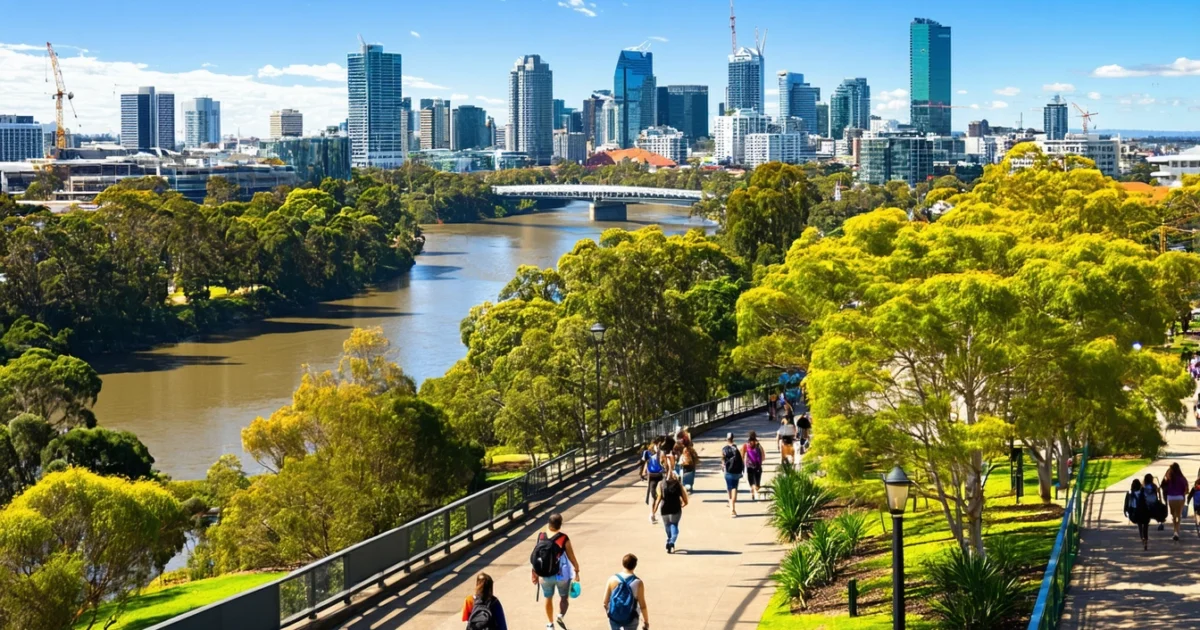
Weather in Brisbane features a humid subtropical climate with hot, humid summers and mild winters that significantly impacts student life and comfort levels. Brisbane experiences average summer temperatures of 21-29°C with high humidity levels reaching 60-80%, making it feel much hotter than the actual temperature. Understanding Brisbane’s climate patterns helps students prepare for year-round comfort through proper clothing, housing choices, and daily strategies.
Brisbane’s Köppen Cfa classification means students face intense heat from December to February, with humidity creating a heat index that can make 30°C feel like 40°C. The city’s geographic location and urban heat island effect amplify temperatures in built-up areas compared to riverside locations.
Successfully managing Brisbane’s climate requires strategic planning for accommodation, study schedules, and personal comfort. Students need effective cooling solutions, appropriate clothing choices, and knowledge of campus facilities to maintain productivity during Queensland’s academic calendar.
TL;DR
- Brisbane’s humid subtropical climate creates hot summers (21-29°C) with 60-80% humidity that makes temperatures feel 5-10°C hotter
- Peak discomfort occurs December-February when heat waves and humidity combine to challenge student comfort and concentration
- Effective strategies include air-conditioned study spaces, breathable clothing, proper hydration, and understanding campus cooling schedules
- Housing solutions range from AC units to natural ventilation techniques, with shared cooling costs being manageable through planning
Understanding Brisbane's Subtropical Climate
Brisbane operates under the Köppen climate classification Cfa, which defines a humid subtropical climate characterised by hot, humid summers and mild, dry winters. This classification places Brisbane among cities like Miami, New Orleans, and parts of southeastern China, where moisture-laden air masses create year-round humidity challenges for residents and students alike.
Temperature ranges vary significantly throughout Brisbane’s annual cycle, with summer months delivering average highs of 29°C and lows of 21°C. Meanwhile, winter temperatures moderate to comfortable highs of 21°C and lows of 10°C, creating ideal conditions for outdoor activities and campus life during June through August.
| Season | Temperature Range | Humidity Level | Rainfall |
|---|---|---|---|
| Summer (Dec-Feb) | 21-29°C | 60-80% | High |
| Autumn (Mar-May) | 17-26°C | 50-70% | Moderate |
| Winter (Jun-Aug) | 10-21°C | 40-60% | Low |
| Spring (Sep-Nov) | 15-27°C | 50-75% | Moderate |
Students can expect distinct seasonal variations that directly impact daily comfort and study routines. Furthermore, summer brings intense humidity levels that make air temperatures feel substantially hotter, while winter offers relief with crisp mornings and pleasant afternoons perfect for outdoor study sessions.
Brisbane’s climate differs markedly from other Australian capital cities, particularly when compared to Melbourne‘s temperate oceanic climate or Perth‘s Mediterranean patterns. Additionally, Sydney shares similar humidity levels but experiences cooler summer temperatures, while Adelaide and Canberra offer much drier conditions year-round.
Geographic factors significantly influence Brisbane’s weather patterns through its coastal location and river valley positioning. The city sits approximately 15 kilometres inland from Moreton Bay, allowing sea breezes to moderate temperatures during afternoon hours while the Brisbane River creates localised humidity pockets throughout urban areas.
Mountain ranges to the west and south create orographic effects that enhance rainfall during summer storm seasons. Consequently, the Great Dividing Range blocks cool air masses from reaching Brisbane during winter months, maintaining the city’s characteristic warmth compared to inland locations at similar latitudes.
Urban heat island effects amplify temperatures in Brisbane’s central business district and densely populated suburbs by 2-4°C above surrounding areas. This phenomenon particularly affects student accommodation in inner-city locations, where concrete surfaces and reduced vegetation create additional heating challenges during peak summer months.
Heat Patterns: When Brisbane Gets Hot
Brisbane’s summer heat intensifies dramatically from December through February, when average maximum temperatures reach 29-30°C with frequent spikes above 35°C. However, extreme heat events can push temperatures beyond 40°C, particularly during January and February when the subtropical high-pressure system dominates weather patterns.
The city experiences approximately 15-20 days annually with temperatures exceeding 35°C, while heat waves lasting three or more consecutive days occur 2-4 times per summer season. Furthermore, these prolonged hot periods typically persist for 4-7 days, creating challenging conditions for students without adequate cooling in their accommodation.
| Month | Average Max (°C) | Record High (°C) | Heat Wave Days |
|---|---|---|---|
| December | 29.1 | 41.7 | 3-5 |
| January | 29.8 | 43.2 | 5-8 |
| February | 29.6 | 42.2 | 4-7 |
Daily temperature cycles follow predictable patterns during Brisbane’s hot season, with overnight lows rarely dropping below 21-23°C in summer. Temperatures begin climbing rapidly after sunrise, reaching peak heat between 2:00 PM and 4:00 PM when solar radiation combines with urban heat absorption.
Afternoon sea breezes typically arrive between 1:00 PM and 3:00 PM, providing temporary relief from extreme heat in eastern suburbs. Nevertheless, inland areas experience delayed cooling, maintaining elevated temperatures until well after sunset when radiative cooling finally begins.
Brisbane’s urban heat island effect creates significant temperature variations across different neighborhoods, with the CBD and inner suburbs recording temperatures 3-5°C higher than outer areas. Concrete surfaces, asphalt roads, and reduced vegetation in dense urban zones absorb and retain solar energy throughout the day.
Commercial districts like Fortitude Valley and South Brisbane experience the most intense heating effects, while leafy suburbs such as Paddington and New Farm benefit from tree canopy cooling. Additionally, high-rise buildings create wind tunnels that can either enhance or reduce natural ventilation depending on prevailing wind directions.
Riverside areas along the Brisbane River demonstrate complex heat patterns influenced by water proximity and topography. Suburbs like West End and Kangaroo Point experience moderating effects from river breezes, maintaining temperatures 1-2°C cooler than equivalent inland locations during peak heat periods.
Conversely, inland suburbs such as Toowong, St Lucia, and Indooroopilly face intensified heat due to their distance from cooling water bodies and elevation in river valley locations. These areas often record the city’s highest temperatures, particularly during westerly wind conditions that block sea breeze penetration.
Students living in different Brisbane areas should expect varying heat exposure levels, with those in Queensland’s academic calendar coinciding with peak summer heat. Consequently, accommodation choices significantly impact comfort levels, with riverside and eastern suburb locations offering natural cooling advantages over inland alternatives.
Humidity Levels Throughout the Year
Brisbane’s humidity creates a subtropical climate pattern that significantly amplifies perceived temperatures throughout the year. Relative humidity levels fluctuate dramatically between seasons, with summer months averaging 65-80% humidity while winter periods drop to more comfortable 45-60% ranges. Consequently, students must understand these humidity variations to effectively manage comfort and daily activities.
Morning humidity consistently peaks across all seasons due to overnight cooling and reduced evaporation rates. Dawn humidity levels typically measure 15-25% higher than afternoon readings, creating that characteristic sticky feeling many students experience when walking to early classes. However, afternoon heat increases evaporation capacity, naturally reducing relative humidity despite higher absolute moisture content in the air.
Seasonal Humidity Patterns
Summer humidity transforms Brisbane into a challenging environment for outdoor activities and student life. December through February maintains consistently high moisture levels, with humidity rarely dropping below 60% even during peak afternoon heat. These conditions create oppressive atmospheric pressure that makes 30°C temperatures feel like 40°C due to reduced evaporative cooling from perspiration.
Winter months provide significant humidity relief, particularly during June and July when moisture levels stabilize around 50-55%. Furthermore, dry westerly winds during these months actively remove atmospheric moisture, creating crisp conditions that allow natural body cooling mechanisms to function effectively. Students often describe winter humidity as refreshing compared to summer’s oppressive moisture blanket.
Heat Index Impact on Daily Comfort
The heat index combines temperature and humidity to calculate how conditions actually feel to human physiology. Brisbane’s high humidity prevents sweat evaporation, forcing bodies to work harder for temperature regulation. When humidity exceeds 70%, a 28°C day feels like 32°C, while 35°C temperatures with high humidity create heat index values approaching 45°C.
Brisbane’s wet season humidity can make 32°C feel like 42°C
Students planning outdoor activities must consider heat index calculations rather than simple temperature readings. Perceived temperature determines actual comfort levels and heat stress risk, making humidity awareness crucial for health and productivity. Additionally, indoor environments without adequate ventilation compound these effects, creating stifling conditions that impact study concentration.
Wet Season Humidity Challenges
Brisbane’s wet season from November to April creates peak humidity conditions that persist throughout day and night cycles. Tropical moisture from northern weather systems saturates the atmosphere, maintaining humidity levels above 75% for extended periods. Moreover, frequent afternoon thunderstorms temporarily increase local humidity to near 100%, creating steam-like conditions immediately following rainfall.
These sustained high-humidity periods affect student accommodation choices and daily routines significantly. Mold growth accelerates in poorly ventilated spaces, while clothing takes longer to dry and feels perpetually damp. International students from drier climates often struggle most during initial wet season exposure, requiring adaptation strategies for maintaining comfort and health.
Humidity’s impact on daily activities extends beyond simple discomfort to practical lifestyle adjustments. Exercise timing becomes critical, with morning and late evening periods offering the only tolerable conditions for outdoor physical activity. Similarly, commuting strategies must account for humidity-induced fatigue and the need for frequent hydration during Queensland school holidays when many students work or travel extensively.
Health and Comfort Impacts for Students
Brisbane’s heat and humidity directly impair cognitive performance and academic concentration through physiological stress responses. High temperatures above 26°C reduce mental processing speed by up to 15%, while excessive humidity prevents effective body cooling through perspiration. Consequently, students experience decreased attention spans, slower information retention, and reduced problem-solving capabilities during peak weather conditions.
Furthermore, sustained heat exposure triggers fatigue responses that compound concentration difficulties. The brain diverts energy resources toward thermoregulation, leaving fewer cognitive resources available for learning tasks. Research demonstrates that academic performance drops measurably when classroom temperatures exceed optimal ranges, making climate-controlled study environments essential for maintaining educational outcomes.
Physical Symptoms of Heat Stress
Heat exhaustion symptoms manifest progressively in Brisbane’s challenging climate conditions. Initial signs include excessive sweating, headaches, and muscle cramps, followed by nausea and dizziness as thermal stress intensifies. Additionally, students may experience rapid heartbeat, weakness, and confusion when body temperature regulation systems become overwhelmed.
Humidity-related discomfort creates additional physical challenges that affect daily student life significantly. Skin irritation and heat rashes develop when sweat cannot evaporate effectively, while respiratory difficulties increase for students with asthma or allergies. Moreover, dehydration accelerates in humid conditions because perspiration rates increase without providing cooling benefits, creating dangerous fluid loss scenarios.
Sleep Quality Disruption
Brisbane’s overnight temperatures and humidity levels severely disrupt natural sleep cycles throughout much of the year. Nighttime temperatures above 22°C prevent the body’s core temperature from dropping sufficiently to trigger deep sleep phases. Consequently, students experience fragmented sleep patterns, reduced REM sleep, and morning fatigue that carries into academic performance.
High humidity compounds sleep difficulties by preventing effective cooling through natural perspiration processes. Sticky, uncomfortable conditions cause frequent awakening and position changes throughout the night. International students often struggle most with sleep adaptation, requiring several months to adjust circadian rhythms to Brisbane’s climate patterns and seasonal variations.
Critical Hydration Requirements
Daily fluid intake requirements increase substantially in Brisbane’s hot, humid environment compared to temperate climates. Students need approximately 3-4 litres of water daily during summer months, with additional requirements during physical activity or outdoor exposure. However, thirst responses often lag behind actual dehydration, making proactive hydration strategies essential for maintaining health and cognitive function.
Electrolyte balance becomes equally important as pure water intake in humid tropical conditions. Excessive sweating depletes sodium, potassium, and magnesium levels, requiring replacement through appropriate beverages or dietary sources. Sports drinks provide necessary electrolyte replacement during extended outdoor activities, while coconut water offers natural alternatives for daily hydration maintenance.
When to Seek Air-Conditioned Study Spaces
Students should prioritise climate-controlled study environments when outdoor temperatures exceed 30°C or humidity levels surpass 70% for extended periods. University libraries, shopping centre food courts, and public facilities offer refuge during extreme weather conditions. Planning study sessions around weather forecasts helps maintain academic productivity while protecting health during Brisbane’s challenging climate periods.
Emergency cooling becomes necessary when heat stress symptoms develop or concentration drops significantly below normal levels. Warning signs include persistent headaches, inability to focus for normal periods, or excessive fatigue despite adequate rest. Additionally, students should seek immediate air-conditioned relief during Queensland school holidays when extended outdoor activities or work commitments increase heat exposure risks substantially.
Clothing and Personal Strategies
Strategic clothing choices significantly impact comfort levels during Brisbane’s challenging subtropical climate. Furthermore, personal cooling accessories provide additional relief when temperatures and humidity levels peak throughout the academic year.
Best Fabric Choices for Brisbane's Climate
Natural fibres outperform synthetic materials in hot, humid conditions by allowing superior airflow and moisture absorption. Cotton remains the most accessible option, offering breathability and comfort for daily wear. However, linen provides exceptional cooling properties through its loose weave structure, making it ideal for extended outdoor activities.
Bamboo fabric delivers moisture-wicking capabilities while maintaining natural antibacterial properties essential in humid environments. Additionally, merino wool offers surprising benefits for students, providing temperature regulation and odour resistance despite common misconceptions about wool in hot weather. Synthetic blends should incorporate moisture-wicking technology to prevent fabric from clinging uncomfortably to skin during high humidity periods.
Layering Strategies for Temperature Fluctuations
Brisbane’s air-conditioned indoor environments create dramatic temperature contrasts requiring adaptable clothing systems. Consequently, students need layering strategies that accommodate transitions between 32°C outdoor heat and 18°C indoor cooling. Light cardigans, thin blazers, or cotton jackets provide necessary warmth without bulk when moving between environments.
Base layers should consist of breathable materials that wick moisture away from skin effectively. Meanwhile, outer layers must allow quick removal and easy carrying when temperatures rise. Scarves and lightweight wraps offer versatile options for covering shoulders in heavily air-conditioned lecture halls while remaining easily removable outdoors.
Sun Protection Essentials for Students
UV protection becomes critical in Brisbane’s intense subtropical sun, where UV index levels frequently exceed 10 during peak hours. Wide-brimmed hats provide essential facial protection while allowing heat dissipation through crown ventilation. Baseball caps offer convenience but leave ears and neck exposed to harmful radiation.
Long-sleeved shirts with UPF 50+ ratings protect arms during extended outdoor activities without trapping excessive heat. Moreover, clothing colours influence heat absorption, with light colours reflecting sunlight while dark colours absorb and retain heat. Sunglasses protect eyes from glare while reducing squinting-related facial tension during outdoor study sessions.
Footwear Recommendations for Hot, Humid Conditions
Breathable footwear prevents moisture buildup that leads to discomfort and potential fungal infections in humid climates. Canvas sneakers with mesh panels allow airflow while providing necessary support for campus walking. Leather shoes trap heat and moisture, making them unsuitable for Brisbane’s climate conditions.
Sandals offer maximum ventilation but require consideration of campus walking distances and professional requirements. Additionally, moisture-wicking socks made from synthetic blends or merino wool prevent bacterial growth while maintaining foot comfort. Rotating footwear daily allows complete drying between uses, essential for preventing odour and maintaining foot health.
Personal Cooling Accessories and Tools
Portable fans provide immediate relief during outdoor study sessions or while waiting for public transport. Handheld battery-operated models offer convenience, while neck fans allow hands-free cooling during active periods. Cooling towels activated with water provide temporary relief through evaporation when draped around necks or shoulders.
Insulated water bottles maintain beverage temperatures throughout extended campus days, encouraging consistent hydration habits. Furthermore, cooling bandanas soaked in cold water provide neck cooling while remaining socially acceptable in academic environments. Instant cooling packs offer emergency relief during extreme heat events but require replacement after single use, making them suitable for occasional rather than daily use.
Housing and Accommodation Solutions
Student accommodation in Brisbane requires strategic cooling solutions to combat the city’s persistent heat and humidity. Moreover, effective temperature management directly impacts academic performance, sleep quality, and overall wellbeing throughout the extended warm seasons.
Air Conditioning Options in Student Housing
Split system air conditioners provide the most effective cooling for individual rooms, typically consuming 1.5-3 kW per hour depending on room size and insulation quality. However, installation requires landlord approval and professional fitting, making them suitable primarily for long-term accommodation arrangements. Portable air conditioning units offer flexibility without permanent installation but consume significantly more electricity while providing less efficient cooling coverage.
Window-mounted units present a middle-ground solution, delivering better efficiency than portable models while remaining removable for rental properties. Additionally, evaporative coolers work effectively during Brisbane’s drier winter months but become less efficient when humidity levels exceed 60 percent during summer periods.
Natural Cooling Techniques for Rooms Without AC
Cross-ventilation creates natural airflow by opening windows on opposite sides of rooms, allowing hot air to escape while drawing cooler air inside. Furthermore, the stack effect utilizes temperature differences to create upward airflow when higher windows or vents remain open alongside lower openings.
Wet towel techniques provide immediate cooling through evaporation when damp towels are hung near open windows or doorways. Similarly, frozen water bottles placed strategically around rooms create localized cool zones while gradually releasing cold air as they melt. Ice bucket fans combine a bowl of ice with a desktop fan to create a makeshift air conditioning effect for small spaces.
Fan Placement and Ventilation Strategies
Ceiling fans should rotate counterclockwise during warm months to push air downward, creating a wind-chill effect that makes temperatures feel 3-4 degrees cooler. Conversely, floor fans positioned near windows during evening hours draw cool air inside while expelling warm indoor air.
Tower fans placed in corners maximize air circulation throughout entire rooms due to their oscillating capabilities and vertical airflow patterns. Meanwhile, exhaust fans in bathrooms and kitchens remove humid air that otherwise increases indoor temperature and discomfort levels. Box fans positioned in windows should blow outward during day hours to expel hot air, then reverse direction during cooler evening periods.
Insulation and Window Treatments for Temperature Control
Thermal curtains block up to 25 percent of heat gain through windows when properly installed with side seals and valances. Additionally, reflective window film reduces solar heat gain by reflecting infrared radiation while maintaining natural light levels for study areas.
Draft stoppers placed under doors prevent cool air from escaping while blocking warm air infiltration from hallways and common areas. Furthermore, weatherstripping around windows and doors creates airtight seals that improve cooling efficiency and reduce energy costs. Insulating blinds with cellular construction trap air layers that provide thermal barriers against external heat sources.
Shared Accommodation Cooling Cost Management
Electricity bill splitting requires clear agreements about air conditioning usage, particularly during peak rate periods between 4 PM and 9 PM when costs increase substantially. Moreover, school holiday periods often see increased accommodation usage, affecting cooling costs and requiring adjusted budget planning.
Zone cooling strategies focus air conditioning on occupied areas rather than cooling entire properties, reducing overall electricity consumption by 30-40 percent. Smart thermostats with programmable schedules prevent unnecessary cooling during class hours while ensuring comfortable temperatures upon return. Shared cooling appliance purchases, such as portable units or fans, distribute upfront costs among housemates while providing flexible cooling solutions.
Energy-efficient practices include setting thermostats to 24-26 degrees Celsius rather than lower temperatures, which exponentially increases electricity consumption without proportional comfort gains. Additionally, using fans in conjunction with air conditioning allows higher thermostat settings while maintaining comfortable perceived temperatures through increased air circulation.
Campus and Study Environment Tips
Brisbane’s university campuses provide numerous air-conditioned study locations that offer relief from the city’s intense heat and humidity. The State Library of Queensland maintains temperatures between 22-24 degrees Celsius throughout operating hours, making it an ideal study destination during summer months. Similarly, university libraries at University of Queensland, Queensland University of Technology, and Griffith University operate comprehensive cooling systems that create comfortable learning environments even when outdoor temperatures exceed 35 degrees.
Computer labs and study halls typically receive priority cooling due to equipment requirements, ensuring these spaces remain consistently comfortable for extended study sessions. Additionally, student union buildings feature multiple air-conditioned zones including cafeterias, lounges, and meeting rooms that serve as excellent alternative study spaces when libraries reach capacity.
Optimal Outdoor Study Timing
Strategic timing transforms outdoor study from uncomfortable to pleasant during Brisbane’s warmer months. Early morning hours between 6 AM and 9 AM provide the coolest outdoor temperatures, often 5-8 degrees lower than afternoon peaks. Furthermore, morning humidity levels remain more manageable before the sun intensifies atmospheric moisture content.
Late afternoon sessions from 5 PM onwards become viable as temperatures begin dropping and campus trees provide increasing shade coverage. However, students should avoid peak heat periods between 11 AM and 3 PM when UV radiation reaches dangerous levels and ambient temperatures often exceed comfortable study conditions.
Library and Facility Cooling Schedules
Most Brisbane university libraries operate 24/7 cooling systems during semester periods, ensuring consistent temperature control for round-the-clock study access. Nevertheless, cooling intensity varies throughout the day, with peak cooling occurring during standard operating hours from 8 AM to 10 PM.
- Main libraries: Full cooling 6 AM – midnight
- Departmental libraries: Reduced cooling after 6 PM
- Study halls: Peak cooling 8 AM – 8 PM
- Computer labs: Constant cooling due to equipment needs
During Queensland school holidays, many facilities reduce cooling schedules to conserve energy, making it essential to check specific building hours and climate control availability before planning extended study sessions.
Campus Transportation During Hot Weather
Moving between buildings during Brisbane’s intense heat requires strategic planning to maintain comfort and avoid heat-related fatigue. Campus shuttle services provide air-conditioned transportation between major buildings, particularly valuable during temperatures above 30 degrees Celsius. Moreover, covered walkways and underground tunnels at larger campuses offer protected routes that minimize direct sun exposure.
Timing building transitions during cooler periods prevents heat exhaustion that can impact study performance for hours afterward. Additionally, carrying insulated water bottles and seeking shade during necessary outdoor walks helps maintain body temperature and hydration levels essential for cognitive function.
Campus Cooling Facilities and Amenities
Brisbane universities provide extensive cooling amenities beyond traditional study spaces to support student comfort and wellbeing. Student recreation centers feature comprehensive air conditioning systems alongside pools and cooling stations that offer respite from outdoor heat. Furthermore, campus medical centers maintain optimal temperatures for student health services while providing cool recovery areas for heat-related concerns.
Food courts and dining facilities prioritize cooling due to food safety requirements, creating comfortable spaces for meal breaks and informal study sessions. Many campuses also feature outdoor misting systems in high-traffic areas that provide immediate cooling relief during building transitions. Additionally, campus bookstores and retail outlets maintain commercial-grade cooling systems that welcome students seeking temporary heat relief between classes.
Seasonal Adaptation Strategies
Successful adaptation to Brisbane’s climate requires strategic preparation for distinct seasonal patterns that impact student life throughout the academic year. Therefore, understanding seasonal transitions helps students optimize their comfort, budget, and academic performance across different weather conditions.
Preparing for Brisbane's Hot Season (October-March)
Brisbane’s hot season demands comprehensive preparation strategies that extend beyond basic clothing choices to encompass lifestyle adaptations. Students should invest in lightweight, breathable fabrics including cotton and linen garments that facilitate air circulation and moisture wicking. Additionally, establishing morning routines before 7:00 AM allows completion of outdoor activities during cooler temperatures that typically range between 20-25°C.
Hydration planning becomes critical during hot months when daily temperatures consistently exceed 30°C with humidity levels above 70%. Furthermore, students benefit from carrying electrolyte supplements and consuming water-rich foods like watermelon and cucumber that support natural cooling processes. Campus navigation strategies should prioritize air-conditioned pathways and covered walkways that minimize direct sun exposure during peak heat hours between 10:00 AM and 4:00 PM.
Making the Most of Brisbane's Mild Winter
Brisbane’s winter season offers optimal conditions for outdoor activities and energy savings that students can leverage for enhanced wellbeing and budget management. Consequently, temperatures ranging between 10-21°C create perfect conditions for hiking, outdoor study sessions, and campus exploration without cooling costs. Students should embrace layered clothing systems using light jackets and cardigans that accommodate temperature fluctuations throughout winter days.
Winter months present opportunities for significant electricity savings as air conditioning requirements decrease substantially compared to summer usage. Moreover, this season allows students to explore Brisbane’s outdoor attractions and school holiday activities without heat-related discomfort that characterizes warmer months. Natural ventilation becomes sufficient for most accommodation types, reducing reliance on mechanical cooling systems.
Transitional Season Clothing and Preparation
Transitional seasons require adaptable clothing strategies that accommodate rapid temperature changes characteristic of Brisbane’s subtropical climate patterns. Students should maintain versatile wardrobes featuring removable layers, lightweight scarves, and breathable footwear suitable for temperature ranges spanning 15-28°C within single days. Additionally, weather monitoring becomes essential during April-May and September periods when conditions shift unpredictably.
Storage solutions for seasonal clothing help students manage limited accommodation space while ensuring appropriate attire remains accessible. Furthermore, transitional periods offer ideal timing for wardrobe assessments and purchases of climate-appropriate clothing before peak season demands increase retail prices. Students benefit from investing in quality transitional pieces that function across multiple seasons rather than specialized items with limited utility.
Budget Planning for Cooling Costs Throughout the Year
Effective budget planning for cooling costs requires understanding seasonal electricity consumption patterns that significantly impact student living expenses. Consequently, summer months typically generate electricity bills 40-60% higher than winter periods due to air conditioning usage during extended hot weather. Students should allocate additional funds during October through March to accommodate increased cooling expenses without compromising other essential needs.
| Season | Average Monthly Cooling Cost | Budget Allocation Strategy |
|---|---|---|
| Hot Season (Oct-Mar) | $80-120 | Save $30/month during winter |
| Mild Season (Apr-Sep) | $20-40 | Build cooling fund reserves |
| Transition Periods | $40-60 | Moderate usage planning |
Energy-efficient practices during cooler months create savings buffers that offset higher summer costs without requiring external financial support. Moreover, students can negotiate utility arrangements with landlords or housemates that account for seasonal variations in consumption patterns. Additionally, investing in energy-efficient appliances and cooling strategies reduces long-term expenses while maintaining comfort standards.
Long-term Acclimatization Tips for New Students
Long-term acclimatization to Brisbane’s climate follows predictable adaptation phases that new students can navigate more effectively with proper preparation and realistic expectations. Therefore, physiological adaptation typically requires 2-4 weeks for heat tolerance development and 6-8 weeks for complete comfort in humid conditions. Students should gradually increase outdoor exposure during cooler periods to build heat tolerance before peak summer arrives.
Dietary adaptations support natural acclimatization processes through increased consumption of cooling foods and reduced intake of heat-generating proteins during hot months. Furthermore, sleep schedule adjustments that account for earlier sunrise and extended daylight hours help maintain circadian rhythm balance essential for academic performance. Students benefit from connecting with local communities and experienced international students who provide practical acclimatization guidance based on personal experience.
Mental preparation for seasonal intensity prevents climate-related stress that can impact academic performance and social integration. Additionally, establishing support networks before challenging weather periods ensures students have resources available during difficult adaptation phases. Regular health monitoring and professional consultation help identify acclimatization challenges early while preventing heat-related health complications that could disrupt studies.
Emergency Heat Management
Recognizing heat-related emergencies requires immediate attention to specific symptoms that distinguish between heat exhaustion and heat stroke. Heat exhaustion presents with heavy sweating, weakness, nausea, headache, and dizziness, while the body temperature remains below 40°C. Conversely, heat stroke involves body temperatures exceeding 40°C, altered mental state, hot dry skin, and represents a life-threatening medical emergency requiring immediate intervention.
Emergency cooling techniques provide critical first aid measures that can prevent heat exhaustion from progressing to heat stroke. Therefore, move the affected person to air-conditioned spaces immediately, remove excess clothing, and apply cool wet cloths to neck, armpits, and groin areas. Additionally, encourage small sips of cool water if the person remains conscious and alert, while avoiding alcohol or caffeinated beverages that increase dehydration risk.
Immediate Relief Locations
Campus buildings offer the most accessible immediate relief during heat emergencies, with libraries, student centers, and lecture halls providing consistent air conditioning throughout operating hours. Shopping centers near universities maintain cool environments and extended hours, making them reliable emergency cooling locations when campus facilities close. Furthermore, public transport stations and major retail stores provide temporary relief while arranging further assistance or medical attention.
Emergency services respond to heat-related calls through 000 for life-threatening situations, while non-emergency medical advice is available through 13 HEALTH (13 43 25 84) in Queensland. Hospital emergency departments treat severe heat-related illnesses, with major Brisbane hospitals operating 24/7 emergency services for students requiring immediate medical intervention.
Campus Health Services
University health services provide specialized support for heat-related health issues through on-campus medical centers staffed with qualified healthcare professionals. Most Brisbane universities offer bulk-billing medical consultations for enrolled students, including heat exhaustion treatment, dehydration management, and preventive health education. Additionally, campus pharmacies stock oral rehydration solutions, electrolyte supplements, and cooling products specifically recommended for Brisbane’s climate conditions.
Student counseling services address heat-related anxiety and climate adjustment stress that international students commonly experience during their first Brisbane summer. Moreover, disability support services assist students with medical conditions that increase heat vulnerability, providing accommodations such as priority air-conditioned study spaces and flexible attendance policies during extreme weather events.
Personal Heat Emergency Plan
Creating a comprehensive heat emergency plan involves identifying personal risk factors, establishing emergency contacts, and preparing essential supplies before hot weather arrives. Students with medical conditions, medications that affect heat tolerance, or limited acclimatization experience require customized emergency protocols developed in consultation with healthcare providers. Therefore, document specific symptoms that indicate personal heat stress thresholds and predetermined actions for different emergency scenarios.
- Emergency contact list including campus health services, local medical centers, and trusted friends
- Cooling supplies kit containing electrolyte drinks, cooling towels, and portable fans
- Safe location map identifying nearest air-conditioned buildings from common campus locations
- Medical information card listing relevant conditions, medications, and emergency instructions
- Weather monitoring apps with heat warning notifications and daily temperature alerts
Regular plan review and practice sessions ensure emergency procedures remain current and effective throughout changing academic schedules and housing arrangements. Furthermore, sharing emergency plans with roommates, study partners, and close friends creates support networks that can recognize heat-related distress and initiate appropriate responses when students cannot advocate for themselves during medical emergencies.
Frequently Asked Questions
What makes Brisbane's climate feel hotter than the actual temperature?
Brisbane’s humid subtropical climate creates a heat index effect where humidity levels of 60-80% make temperatures feel 5-10°C hotter than actual readings. For example, a 30°C day can feel like 40°C due to the moisture-laden air preventing effective perspiration cooling.
When is the most uncomfortable time of year for students in Brisbane?
The period from December to February presents the greatest climate challenges for students, with peak summer temperatures of 21-29°C combined with intense humidity levels. This coincides with the summer academic break, but affects students in summer courses or those preparing for semester.
How does Brisbane's climate compare to other Australian capital cities?
Brisbane experiences higher humidity than most Australian capitals. While Sydney shares similar humidity levels, it has cooler summers. Melbourne offers a temperate oceanic climate, and Perth has Mediterranean patterns. Adelaide and Canberra provide much drier conditions year-round, making Brisbane unique among major Australian cities.
What clothing should students wear during Brisbane's hot, humid summers?
Students should prioritise breathable, lightweight fabrics such as cotton, linen, or moisture-wicking synthetic materials. Light-coloured clothing reflects heat, while loose-fitting garments allow air circulation. Avoid synthetic fabrics that trap moisture and heat against the skin.
How can students find relief from Brisbane's humidity on campus?
Most university campuses provide air-conditioned study spaces including libraries, computer labs, and student centres. Students should familiarise themselves with campus cooling schedules and identify multiple indoor study locations. Many campuses also offer covered outdoor areas with fans for natural ventilation.
What housing options work best for managing Brisbane's climate?
Effective housing solutions include air-conditioned apartments or rooms with good natural ventilation. Students can share cooling costs through strategic planning, use ceiling fans for air circulation, and choose accommodation with cross-ventilation. Riverside locations often experience better breezes than built-up urban areas.
Does Brisbane's location near the coast help with the heat?
Brisbane sits approximately 15 kilometres inland from Moreton Bay, allowing afternoon sea breezes to provide some temperature relief. However, the Brisbane River creates localised humidity pockets throughout urban areas, and the urban heat island effect can amplify temperatures in built-up areas compared to riverside locations.
What strategies help students stay productive during Brisbane's hot weather?
- Schedule study sessions during cooler morning hours (6-10 AM)
- Maintain proper hydration with regular water intake
- Use air-conditioned spaces during peak heat (11 AM-4 PM)
- Plan outdoor activities for winter months (June-August)
- Understand campus facility cooling schedules for optimal study timing
How does Brisbane's climate affect the academic calendar?
Queensland’s academic calendar aligns with the climate, placing summer holidays during December-February when heat and humidity peak. This timing allows students to avoid the most uncomfortable study conditions, with semester beginning in late February when temperatures start moderating into autumn.
You May Also Like

Best Hospitals in Australia (2026): The Complete City-by-City Guide

Best Hospitals in Darwin (2026): Public, Private and How to Choose