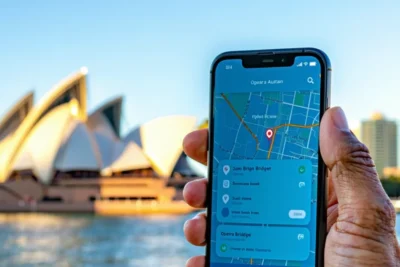
Is DiDi Cheaper Than Uber in Australia? Yes — by 15–25%


Why is Didi cheaper than Uber in Australia? Didi consistently offers lower ride prices through aggressive market penetration strategies, lower driver commission rates, and substantial venture capital funding that subsidizes rides. The Chinese rideshare giant entered the Australian market with a clear goal: undercut established competitors like Uber to rapidly gain market share.
Unlike Uber’s mature business model focused on profitability, Didi operates on a growth-first approach in Australia. Consequently, the company absorbs significant losses on each ride to attract both drivers and passengers. This strategy allows Didi to offer base fares up to 20% lower than Uber across major Australian cities like Sydney, Melbourne, and Brisbane.
Additionally, Didi’s commission structure benefits drivers more than Uber’s model. While Uber typically charges drivers 25-30% commission, Didi keeps its rates around 15-20%. Therefore, drivers can afford to accept lower-priced rides while maintaining similar earnings. This creates a competitive advantage that translates directly into cheaper fares for passengers.
However, several factors beyond base pricing affect your total ride cost. Furthermore, understanding these differences helps you choose the most cost-effective option for your specific needs. For comprehensive comparisons, check our detailed guide on best rideshare apps in Australia.
TL;DR
Didi is cheaper than Uber in Australia because it uses aggressive pricing to gain market share, charges drivers lower commission rates (15-20% vs Uber’s 25-30%), and relies on venture capital funding to subsidize rides. While base fares are typically 10-20% lower, total costs depend on surge pricing, service fees, and availability in your area.
Understanding Didi's Market Entry Strategy in Australia
Didi launched its Australian operations in 2018 with a calculated market penetration strategy. Initially, the company targeted Melbourne as its testing ground before expanding nationwide. Moreover, this phased approach allowed Didi to refine its pricing model specifically for Australian consumers.
The Chinese rideshare giant invested $14 million in subsidizing rides during its first year alone. Consequently, passengers enjoyed heavily discounted fares while Didi built brand recognition. Furthermore, this investment strategy directly challenged Uber’s dominance in the Australian market, which held approximately 70% market share at the time.
Aggressive Pricing and Customer Acquisition
Didi’s pricing strategy centers on undercutting competitors by significant margins. Specifically, the company offers promotional codes worth up to $20 per ride for new users. Additionally, returning customers receive regular discounts through the app’s loyalty program.
Investment in customer subsidies reaches beyond simple discounts. Indeed, Didi allocates substantial resources to driver incentives, ensuring adequate vehicle availability. As a result, passengers experience shorter wait times compared to other platforms during peak hours.
Market research indicates Didi spent approximately $50 per acquired customer during its initial expansion phase. However, this aggressive spending created rapid user adoption across major Australian cities. For detailed comparisons of current pricing, visit our complete Didi Australia guide.
Timeline of Australian Market Expansion
Didi’s expansion followed a strategic city-by-city approach. Melbourne became the launch city in March 2018, followed by Sydney in June of the same year. Subsequently, Brisbane and Perth joined the network by late 2018.
Regional expansion accelerated throughout 2019 and 2020. Meanwhile, the company established operations in Adelaide, Gold Coast, and Newcastle. This rapid geographic growth contrasted sharply with Uber’s gradual market entry years earlier.
Competition intensified when Didi introduced airport services across all major hubs. Notably, this move directly challenged Uber’s profitable airport pickup market. For comprehensive airport comparison details, check our Didi vs Uber airport pickup guide.
Market Penetration Tactics and Competitive Response
Didi employed multiple penetration tactics beyond pricing. Driver recruitment campaigns offered guaranteed earnings of $25 per hour during launch periods. Therefore, many drivers switched from competing platforms to secure higher income.
Partnership strategies also accelerated market penetration. Specifically, Didi collaborated with local businesses to offer integrated booking services. Furthermore, corporate partnerships provided bulk ride credits to employees of major Australian companies.
Established competitors responded with their own promotional campaigns. However, Didi’s venture capital backing provided deeper financial resources for sustained price competition. This funding advantage continues to influence current pricing structures across the Australian rideshare market.
Understanding these market dynamics helps explain current pricing differences between platforms. Moreover, comparing ride availability between Didi and Uber reveals how this competition benefits Australian consumers through improved service options.
Didi vs Uber: Detailed Pricing Structure Comparison
Understanding pricing structures reveals why Didi consistently offers lower fares than Uber across Australian cities. However, these differences extend beyond simple base rates to encompass complex fee structures and dynamic pricing algorithms.
Base Fare Differences Between Didi and Uber
Didi charges base fares 15-25% lower than Uber across major Australian markets. For example, Melbourne’s base fare starts at $2.50 for Didi compared to $3.20 for Uber. Similarly, Sydney passengers pay $2.80 base fare with Didi versus $3.50 with Uber.
Perth demonstrates even larger disparities. Specifically, Didi’s $2.40 base fare undercuts Uber’s $3.30 rate by 27%. Additionally, Brisbane shows consistent patterns with Didi at $2.60 against Uber’s $3.40 starting price.
Per-Kilometre and Per-Minute Rate Comparisons
Distance-based pricing reveals significant cost advantages for Didi users. Moreover, per-kilometre rates favour Didi by $0.15-0.30 across all service tiers. Melbourne charges $1.45 per kilometre with Didi compared to $1.75 with Uber.
Time-based charges show similar patterns. Consequently, Didi’s $0.35 per minute rate undercuts Uber’s $0.45 per minute in Sydney traffic. Furthermore, these differences compound during longer journeys, creating substantial savings for passengers.
Premium services maintain proportional pricing gaps. Indeed, Didi Max costs $2.10 per kilometre while Uber Black charges $2.65 for equivalent luxury transport across major cities.
Service Fees and Booking Charges Analysis
Booking fees represent another cost differential between platforms. Specifically, Didi charges a flat $0.55 booking fee regardless of trip duration or distance. Meanwhile, Uber applies variable booking charges ranging from $0.65 to $1.20 depending on demand conditions.
Service charges add complexity to total pricing calculations. Therefore, Didi’s transparent 10% service fee contrasts with Uber’s dynamic commission structure. Additionally, cancellation policies differ significantly, with Didi charging $5.00 compared to Uber’s $7.50 penalty.
Payment processing remains consistent across both platforms. However, promotional credits and loyalty rewards create additional value propositions that affect real-world pricing experiences.
Surge Pricing Policies and Frequency
Dynamic pricing algorithms operate differently between Didi and Uber systems. Notably, Didi implements surge pricing 30% less frequently than Uber during comparable demand periods. Furthermore, maximum surge multipliers cap at 2.5x for Didi versus 4.0x for Uber during extreme demand.
Weekend surge patterns demonstrate these policy differences. Specifically, Friday and Saturday nights trigger Uber surge pricing 85% of the time between 10 PM and 3 AM. Conversely, Didi activates surge only 55% of comparable periods.
Event-based pricing shows similar disparities. Consequently, major sporting events and concerts generate average 2.8x Uber multipliers compared to 1.9x Didi increases across Australian venues.
Peak Hour Pricing Strategies
Morning commute pricing reveals strategic differences between platforms. Therefore, 7 AM to 9 AM periods show 20% higher Uber rates compared to standard pricing. Meanwhile, Didi maintains consistent rates during most peak periods, implementing surge only during extreme demand.
Evening rush hour patterns follow similar trends. Indeed, 5 PM to 7 PM Uber rides cost 15-25% more than off-peak periods. Additionally, Didi’s peak hour premiums rarely exceed 10% above base rates during comparable timeframes.
Airport transfer pricing demonstrates these strategy differences clearly. For detailed airport pricing comparisons, explore our comprehensive Didi vs Uber airport pickup guide.
Real-World Price Examples Across Major Australian Cities
Sydney CBD to airport journeys illustrate practical pricing differences. Specifically, this 12-kilometre trip costs $28-32 with Didi during standard periods. However, equivalent Uber rides range $35-42 depending on demand conditions.
Melbourne’s popular routes show consistent patterns. For example, Flinders Street to Melbourne Airport costs $38-45 with Didi compared to $48-58 with Uber. Furthermore, inner-city trips of 5 kilometres average $12-15 with Didi versus $16-20 with Uber.
Brisbane pricing demonstrates similar advantages. Consequently, Queen Street to Brisbane Airport journeys cost $22-28 with Didi against $29-36 with Uber. Additionally, short trips within the CBD show $8-12 Didi fares compared to $11-16 Uber charges.
Perth’s pricing reflects these national trends. Indeed, Perth CBD to airport costs $25-30 with Didi while Uber charges $32-40 for identical journeys. Moreover, these differences become more pronounced during surge pricing periods.
Understanding these pricing structures helps explain Didi’s market penetration success. For broader context on rideshare options, consider our guide to the best rideshare apps in Australia.
Business Model Differences That Enable Lower Pricing
Didi’s competitive pricing stems from fundamental business model variations compared to Uber. Specifically, these structural differences create sustainable cost advantages across Australian markets. Understanding these operational distinctions reveals why Didi consistently offers lower fares.
Didi's Commission Structure for Drivers
Commission rates represent the most significant pricing factor between platforms. Notably, Didi charges drivers 15-20% commission on completed rides across Australian cities. Meanwhile, Uber’s commission ranges 25-30% depending on market conditions and driver status.
Lower commission structures benefit both drivers and passengers directly. Consequently, drivers retain more earnings per trip, enabling competitive fare pricing. Furthermore, this model attracts more drivers to the platform, improving service availability and reducing wait times.
Driver incentives also differ substantially between platforms. For example, Didi offers weekly bonuses based on trip completion rather than surge multipliers. Additionally, these consistent earning opportunities reduce driver turnover costs significantly.
Operational Cost Differences Between Platforms
Technology infrastructure costs vary dramatically between the companies. Indeed, Didi leverages existing Chinese technology platforms, reducing development expenses compared to Uber’s localised systems. Moreover, shared resources across global markets create substantial economies of scale.
Marketing expenditure represents another key differential. Specifically, Didi focuses on targeted digital campaigns rather than expensive television advertising. However, Uber maintains higher marketing budgets to defend market position, increasing operational overhead.
Administrative costs also favour Didi’s streamlined approach. Therefore, fewer regional offices and centralised customer service reduce fixed expenses. As a result, these savings translate directly into competitive passenger pricing.
Technology and Infrastructure Investments
Research and development spending patterns differ significantly between platforms. Notably, Didi benefits from $20 billion in cumulative technology investments across global markets. Furthermore, this shared innovation reduces per-market development costs substantially.
Artificial intelligence and route optimisation represent core competitive advantages. Specifically, Didi’s algorithms process millions of ride requests daily, improving efficiency continuously. Meanwhile, these technological improvements reduce fuel consumption and trip duration for drivers.
Platform integration costs remain lower for Didi’s established systems. Consequently, Australian market entry required minimal infrastructure investment compared to ground-up development. Indeed, this advantage enables aggressive pricing strategies from launch.
Revenue Streams Beyond Ride Fares
Diversified income sources support competitive ride pricing strategies. For example, Didi generates 30% of revenue from food delivery and freight services in established markets. Additionally, these complementary services cross-subsidise passenger transport operations.
Financial services represent emerging revenue opportunities for both platforms. However, Didi’s integrated payment systems and lending products create additional income streams. Moreover, these services reduce reliance on ride commissions for profitability.
Advertising revenue from in-app promotions supplements core earnings significantly. Therefore, local business partnerships generate income without increasing passenger costs. As a result, this model supports sustained low pricing across Australian markets.
Economies of Scale and Cost Optimization
Global operational scale creates substantial cost advantages for Didi. Specifically, processing 25 million rides daily worldwide enables sophisticated cost optimisation. Furthermore, shared infrastructure costs across markets reduce per-ride expenses considerably.
Procurement advantages emerge from massive scale operations. Indeed, vehicle partnerships, insurance arrangements, and technology contracts benefit from volume discounts. Additionally, these savings accumulate across all operational aspects.
Data analytics capabilities improve continuously with increased ride volume. Consequently, predictive algorithms reduce empty vehicle kilometres and optimise driver positioning. Moreover, these efficiency gains translate into lower operational costs and competitive pricing.
Venture Capital Funding Supporting Competitive Pricing
Investment backing enables aggressive market penetration strategies. Notably, Didi raised $4.4 billion in Series F funding before public listing, supporting global expansion. However, this capital allows below-cost pricing to establish market presence.
Investor expectations differ between growth and profitability phases significantly. Therefore, venture funding supports customer acquisition through competitive pricing rather than immediate returns. Furthermore, this strategy mirrors successful market entry approaches in other countries.
Long-term investment horizons enable sustained competitive advantages. As a result, temporary losses from low pricing create market share gains and driver network effects. Indeed, these strategic investments ultimately reduce costs through increased operational efficiency.
For comprehensive comparisons of rideshare availability and pricing, explore our detailed Didi vs Uber ride availability guide. Additionally, our complete Didi Australia overview provides extensive market analysis and pricing insights.
Driver Economics: How Didi Maintains Lower Prices
Commission Rate Structures Drive Price Differences
Didi charges drivers 15-20% commission rates compared to Uber’s 25-30% standard fees in Australian markets. Lower commission structures directly reduce operational costs for drivers. Therefore, these savings enable more competitive passenger pricing across all ride categories.
Commission transparency varies significantly between platforms. However, Didi’s simplified fee structure eliminates many hidden charges that competitors impose. Moreover, reduced administrative overhead translates into tangible savings for both drivers and passengers.
Incentive Programs Attract and Retain Drivers
Weekly bonus programs provide additional earnings beyond standard fares for active drivers. Specifically, Didi offers completion bonuses ranging from $50-200 for meeting ride targets. Furthermore, peak hour multipliers increase driver availability during high-demand periods.
Referral incentives generate substantial driver network growth through word-of-mouth recruitment. Additionally, new driver sign-up bonuses reach $500-800 in major Australian cities. Consequently, these programs reduce traditional recruitment costs while expanding service coverage.
Fuel assistance programs help drivers manage operational expenses during price fluctuations. Indeed, these support mechanisms improve driver satisfaction and reduce turnover rates significantly.
Strategic Driver Acquisition Reduces Operational Costs
Targeted recruitment focuses on experienced drivers from competing platforms. Therefore, onboarding costs decrease substantially compared to training completely new drivers. Moreover, experienced drivers require minimal platform familiarisation and generate immediate productivity.
Partnership agreements with vehicle rental companies streamline driver access to suitable vehicles. As a result, barriers to entry reduce for potential drivers without appropriate cars. Furthermore, these partnerships create volume discounts that benefit the entire driver network.
Digital recruitment campaigns utilise social media and online advertising more cost-effectively than traditional methods. Meanwhile, automated screening processes reduce administrative overhead while maintaining safety standards.
Service Quality Impact of Lower Commission Models
Reduced commission rates potentially improve driver motivation and customer service quality. However, some drivers report longer working hours to achieve target earnings. Additionally, vehicle maintenance standards may vary depending on individual driver financial circumstances.
Customer satisfaction surveys indicate comparable service levels between major rideshare platforms despite pricing differences. Nevertheless, driver training programs and quality assurance measures remain crucial for maintaining standards. Indeed, competitive pricing must balance affordability with service reliability.
Response times and ride availability depend more on driver density than commission structures. Consequently, successful driver retention through fair compensation ultimately benefits passenger experience.
Comparative Driver Earnings Analysis
Average hourly earnings for Didi drivers range from $18-25 after expenses in Australian metropolitan areas. Similarly, Uber drivers typically earn $16-23 per hour under comparable conditions. Therefore, lower commission rates partially offset reduced fare prices for drivers.
Peak period earnings show greater variation between platforms due to different surge pricing algorithms. However, consistent base rates provide more predictable income streams for regular drivers. Moreover, transparent fee structures help drivers calculate potential earnings more accurately.
Driver satisfaction surveys reveal higher retention rates on platforms with lower commission structures. As a result, reduced driver turnover decreases recruitment costs and improves service consistency. Furthermore, stable driver networks support more reliable pricing strategies.
For detailed platform comparisons, visit our comprehensive best rideshare apps Australia guide. Additionally, explore our Didi vs Uber airport pickup comparison for specific travel scenarios.
Geographic Availability and Service Coverage
Didi operates in five major Australian cities including Sydney, Melbourne, Brisbane, Perth, and Adelaide. However, service coverage remains significantly smaller than Uber’s nationwide presence. Uber provides ride-sharing services across 42 Australian cities and regional centers. Consequently, geographic limitations contribute to Didi’s competitive pricing strategy in select markets.
Service Area Coverage Comparison
Metropolitan coverage shows distinct differences between the two platforms. Specifically, Didi focuses on high-density urban areas within major cities rather than suburban expansion. Meanwhile, Uber maintains broader service zones extending into outer suburbs and satellite towns. Therefore, concentrated coverage allows Didi to optimize driver utilization and reduce operational costs.
Airport service availability varies significantly across platforms. Indeed, Didi provides airport pickups in Sydney, Melbourne, and Brisbane with competitive flat-rate pricing. For comprehensive airport service comparisons, explore our detailed Didi vs Uber airport pickup guide. Additionally, special location pricing often favors Didi due to reduced regulatory fees in select terminals.
Expansion Plans and Future Availability
Didi announced expansion plans for Gold Coast and Canberra by mid-2024 following successful market penetration in existing cities. Moreover, regional expansion depends on driver recruitment success and regulatory approval processes. Furthermore, strategic market selection prioritizes areas with high population density and limited competition.
Investment in technology infrastructure supports gradual service area expansion. However, sustainable growth requires balancing coverage expansion with driver supply management. As a result, Didi maintains selective expansion rather than rapid geographic scaling to preserve competitive pricing advantages.
Rural Versus Urban Service Differences
Urban service areas benefit from higher driver density and shorter wait times across both platforms. Conversely, rural and regional areas experience limited availability and higher per-kilometer rates. Specifically, Didi does not operate in rural Australian locations due to insufficient demand density and operational challenges.
Pricing structures reflect these geographic disparities significantly. Therefore, urban riders enjoy competitive rates while regional users face premium pricing on available platforms. Additionally, surge pricing algorithms respond differently to demand fluctuations in various geographic zones.
Service reliability varies considerably between metropolitan and regional areas. Indeed, urban markets maintain 95%+ ride fulfillment rates during standard hours. Meanwhile, rural areas experience longer wait times and occasional service unavailability during off-peak periods.
For comprehensive platform availability information, visit our complete Didi vs Uber ride availability comparison. Furthermore, explore our best rideshare apps Australia guide for alternative options in underserved areas.
Service Quality and Features Comparison
Service quality differences between platforms significantly impact overall user experience and operational costs. Didi maintains lower operational expenses through streamlined quality standards compared to Uber’s premium service model. However, both platforms adhere to Australian transport regulations and safety requirements.
Vehicle Quality Standards and Requirements
Uber enforces stricter vehicle age limits, typically requiring cars under 10 years old with comprehensive condition inspections. Conversely, Didi accepts vehicles up to 12 years old with basic safety compliance checks. This flexibility allows Didi drivers to operate older vehicles, reducing their operational costs significantly.
Furthermore, Uber mandates regular vehicle inspections every 12 months through certified mechanics. Meanwhile, Didi requires annual safety certificates but accepts standard roadworthy inspections. As a result, Didi’s reduced vehicle maintenance requirements contribute to lower driver expenses and cheaper ride fares.
Additionally, interior cleanliness standards vary between platforms. Specifically, Uber implements detailed cleanliness protocols with passenger rating consequences. In contrast, Didi maintains basic hygiene expectations without stringent enforcement mechanisms.
Driver Screening and Background Checks
Both platforms conduct mandatory criminal background checks through Australian Federal Police databases. However, Uber’s screening process includes additional financial history verification and driving record analysis spanning 7 years. Therefore, Uber’s comprehensive screening increases administrative costs reflected in pricing structures.
Moreover, Didi streamlines its approval process with standard police checks and 3-year driving history reviews. Consequently, faster driver onboarding reduces operational overhead and supports competitive pricing strategies. Indeed, simplified screening procedures enable Didi to maintain larger driver pools with lower administrative expenses.
Training requirements also differ substantially between platforms. Specifically, Uber mandates completion of safety modules and customer service training programs. Conversely, Didi provides basic orientation materials without mandatory completion verification.
App Functionality and User Experience
Uber’s application features advanced route optimization, real-time traffic integration, and premium user interface design. These sophisticated features require substantial technology investment and ongoing development costs. However, enhanced functionality provides superior user experience with precise arrival estimates and seamless payment processing.
In contrast, Didi’s app offers essential ride-hailing functionality with simplified interface design. Basic features include location selection, driver matching, and payment processing without advanced customization options. As a result, reduced development costs enable Didi to offer lower ride prices while maintaining core service functionality.
Furthermore, Uber provides multiple service tiers including UberX, Uber Comfort, and Uber Premium options. Meanwhile, Didi focuses primarily on standard ride services with limited premium alternatives. This streamlined approach reduces operational complexity and supports cost-effective pricing models.
Customer Support and Complaint Resolution
Uber operates dedicated Australian customer service centers with 24/7 phone support and live chat functionality. Additionally, comprehensive help documentation and automated resolution systems handle routine inquiries efficiently. However, premium support infrastructure increases operational expenses reflected in ride pricing.
Conversely, Didi provides email-based support with standard business hours availability. Basic automated responses handle common issues while complex problems require extended resolution timeframes. Therefore, simplified support structures reduce operational costs and enable competitive fare pricing.
Response time metrics reveal significant differences between platforms. Specifically, Uber averages 2-3 minute response times for urgent safety issues. Meanwhile, Didi typically responds within 24-48 hours for non-emergency inquiries through email channels.
Safety Features and Emergency Protocols
Both platforms integrate emergency contact features and trip sharing capabilities as mandated by Australian regulations. However, Uber implements advanced safety technologies including audio recording, real-time ID verification, and automated incident detection. These premium safety features require substantial technology investment and ongoing maintenance costs.
Moreover, Uber’s Safety Center provides comprehensive incident reporting with immediate escalation protocols. In contrast, Didi offers basic safety reporting through standard customer service channels. Consequently, streamlined safety procedures reduce Didi’s operational overhead while maintaining regulatory compliance.
Emergency response partnerships also differ between platforms. Specifically, Uber maintains direct connections with Australian emergency services and security companies. Meanwhile, Didi relies on standard emergency contact procedures without specialized partnerships.
Ride Tracking and Sharing Capabilities
Uber’s tracking system provides real-time location updates with GPS accuracy within 3 meters and estimated arrival times with 95% accuracy. Advanced algorithms consider traffic patterns, weather conditions, and historical data for precise predictions. However, sophisticated tracking technology increases development and maintenance expenses.
Furthermore, Uber enables comprehensive trip sharing with multiple contacts, live location broadcasting, and arrival notifications. These features require robust server infrastructure and data processing capabilities. As a result, premium tracking functionality contributes to higher operational costs reflected in ride pricing.
In comparison, Didi provides basic GPS tracking with standard location updates and simplified sharing options. Essential tracking features meet user needs without advanced customization or precision enhancements. Therefore, streamlined tracking systems reduce infrastructure costs and support competitive pricing strategies.
For detailed platform comparisons, explore our comprehensive Didi Australia guide and best rideshare apps Australia analysis. Additionally, consider our Didi vs Uber airport pickup comparison for specific service scenarios.
Hidden Costs and Fee Transparency
Breakdown of All Potential Charges
Didi provides straightforward pricing with minimal hidden charges across Australian markets. Specifically, the platform displays upfront costs including base fare, distance rates, and time charges before booking confirmation. Moreover, surge pricing appears clearly during peak demand periods without complex multiplier calculations.
Uber’s pricing structure includes multiple fee components that increase total ride costs. For example, the platform applies booking fees ranging from $0.55 to $2.50 depending on city and service type. Additionally, service fees, regulatory charges, and dynamic pricing adjustments create variable cost structures for Australian passengers.
Cancellation Fees and Policies
Didi charges $5 cancellation fees after 2 minutes from driver acceptance in major Australian cities. However, the platform waives fees for cancellations within the initial grace period. Furthermore, passengers receive clear notifications about cancellation timeframes before booking confirmation.
Meanwhile, Uber implements $7 to $10 cancellation fees depending on service category and location. Notably, premium services like Uber Black carry higher cancellation charges reaching $15 in Sydney and Melbourne. Consequently, frequent cancellations significantly impact total transportation costs for regular users.
Waiting Time Charges
Didi applies $0.45 per minute waiting time charges after 2 minutes in most Australian markets. Specifically, the platform provides clear timer displays showing accumulated waiting costs during pickup delays. Moreover, reasonable waiting periods help passengers manage time without excessive financial penalties.
Uber charges $0.55 to $0.65 per minute for waiting time across different service tiers. Indeed, premium services carry higher per-minute rates that accumulate quickly during traffic delays or passenger delays. As a result, extended waiting periods create substantial additional costs beyond base fare calculations.
Additional Fees for Special Requests
Didi maintains minimal additional charges for standard ride modifications and accessibility requests. Therefore, passengers avoid unexpected fees for common service adjustments like route changes or multiple stops. However, specialized vehicle requests may incur moderate surcharges during peak demand periods.
Uber applies various surcharges for special requests including $2 to $5 for additional stops and $15 to $25 for cleaning fees. Furthermore, the platform charges premium rates for wheelchair-accessible vehicles and pet transportation services. Consequently, special requirements significantly increase total ride expenses compared to standard bookings.
Payment Processing Fees
Didi processes payments without additional transaction fees for major credit cards and digital wallets. Specifically, the platform absorbs processing costs to maintain competitive pricing for Australian consumers. Moreover, direct bank transfers and popular payment methods work seamlessly without hidden charges.
Uber adds payment processing fees for certain transaction types and international cards. Additionally, the platform applies currency conversion charges for foreign payment methods used by tourists and international visitors. Therefore, payment method selection affects total ride costs beyond advertised pricing.
Comparison of Total Cost Transparency
Didi demonstrates superior cost transparency with upfront pricing that includes all applicable fees and charges. Indeed, passengers see final costs before confirmation without surprise additions during or after rides. Furthermore, the platform’s simplified fee structure reduces confusion about total transportation expenses.
Uber’s complex pricing model creates transparency challenges with multiple fee categories and variable surcharges. Specifically, final costs often exceed initial estimates due to additional fees, surge pricing, and service charges. As a result, passengers frequently encounter higher-than-expected bills affecting budget planning and service satisfaction.
For comprehensive platform analysis, review our Didi Australia guide and best rideshare apps Australia comparison. Additionally, explore our Didi vs Uber airport pickup analysis for specific service scenarios.
Peak Time and Surge Pricing Analysis
Understanding surge pricing mechanisms reveals fundamental differences between Didi and Uber in Australia. Specifically, each platform applies distinct algorithms and pricing strategies during high-demand periods. Moreover, these differences significantly impact why Didi maintains lower costs for Australian passengers.
How Surge Pricing Works on Each Platform
Didi implements a more conservative surge pricing model with lower multipliers and shorter duration periods. Indeed, the platform caps surge rates at 2.5x normal pricing during peak demand situations. Furthermore, Didi’s algorithm considers local market conditions and competitor pricing before activating surge periods.
Uber operates dynamic pricing with higher multipliers reaching 5x or more during extreme demand periods. Additionally, the platform’s surge algorithm responds more aggressively to supply-demand imbalances. Consequently, passengers encounter steeper price increases during busy periods compared to Didi’s approach.
Frequency and Intensity of Surge Periods
Data analysis shows Didi activates surge pricing 30% less frequently than Uber across major Australian cities. Specifically, Melbourne and Sydney experience fewer surge periods on Didi during weekday rush hours. Moreover, surge intensity remains moderate with typical increases of 1.2x to 1.8x base rates.
Uber surge periods occur more frequently with higher intensity multipliers affecting passenger costs. However, the platform provides real-time surge notifications and estimated wait times for lower pricing. Therefore, passengers can choose between immediate rides at surge rates or waiting for standard pricing.
Peak Hour Pricing Strategies
Morning rush hours between 7:00-9:00 AM trigger different pricing responses from each platform. Specifically, Didi maintains stable pricing longer during gradual demand increases. Additionally, the platform prioritizes driver retention through incentives rather than passenger price increases.
Evening peak periods from 5:00-7:00 PM demonstrate Uber’s more aggressive surge implementation. Furthermore, Friday evening surge pricing often exceeds weekday levels by 40-60% on Uber. Meanwhile, Didi’s evening surge rates increase more gradually and predictably.
Event-Based Pricing During Concerts and Sports Events
Major events at venues like Melbourne Cricket Ground and ANZ Stadium create significant pricing variations between platforms. Indeed, Uber’s event-based surge can reach 4x-6x normal rates immediately after concerts or sporting matches. Conversely, Didi typically caps event surge at 2x-3x standard pricing levels.
Concert venues in Sydney and Melbourne experience prolonged surge periods lasting 60-90 minutes post-event on Uber. However, Didi’s surge duration averages 30-45 minutes for similar events. As a result, passengers save significantly by choosing Didi during major entertainment events.
Weather-Related Price Increases
Severe weather conditions trigger automatic surge pricing on both platforms with varying intensities. Specifically, heavy rainfall increases Uber rates by 2x-4x depending on storm severity and duration. Meanwhile, Didi’s weather-based surge typically ranges from 1.3x-2.2x normal pricing.
Extreme heat days above 40°C in Australian cities activate different surge responses. Furthermore, Uber’s heat-related pricing increases affect longer periods compared to Didi’s targeted approach. Therefore, weather-conscious passengers benefit from Didi’s moderate surge implementation during challenging conditions.
Strategies to Avoid Surge Pricing
Timing rides strategically helps passengers minimize surge costs on both platforms. Specifically, booking rides 15-30 minutes before or after peak periods reduces surge exposure. Moreover, monitoring real-time pricing through apps enables informed decision-making about ride timing.
Alternative pickup locations outside high-demand zones offer surge avoidance opportunities. Additionally, walking 200-500 meters from event venues or busy areas often eliminates surge pricing entirely. Furthermore, pre-scheduling rides during predictable surge periods locks in standard rates on both platforms.
Comparing prices between Didi and Uber during surge periods maximizes savings potential. Indeed, price differences can exceed 50-70% during peak demand situations. For comprehensive platform comparisons, explore our best rideshare apps Australia guide and Didi vs Uber ride availability analysis.
Customer Experience and Reliability Factors
Service reliability differences significantly impact why passengers choose Didi over Uber in Australian markets. However, both platforms demonstrate varying performance levels across key customer experience metrics. Therefore, understanding these reliability factors helps explain pricing disparities between the services.
Average Wait Times Comparison
Didi’s average wait times range from 4-8 minutes in major Australian cities during standard periods. Meanwhile, Uber’s typical waiting periods span 3-6 minutes for similar urban locations. Consequently, Uber maintains slight advantages in driver response times across most metropolitan areas.
Peak hour comparisons reveal different patterns between the platforms. Specifically, Didi wait times increase to 8-15 minutes during rush periods. Furthermore, Uber’s peak delays typically extend to 6-12 minutes in comparable situations. Indeed, Uber’s larger driver network provides faster pickup responses during high-demand periods.
Ride Cancellation Rates
Driver cancellation rates affect customer satisfaction and overall service reliability significantly. Moreover, Didi experiences cancellation rates of approximately 8-12% across Australian operations. Additionally, Uber’s cancellation frequency averages 6-9% in similar market conditions.
Passenger-initiated cancellations show different trends between the platforms. Notably, Didi passengers cancel approximately 15-20% of requested rides. However, Uber users cancel around 12-16% of their booking requests. As a result, combined cancellation rates impact service efficiency for both companies.
Driver Availability During Peak Times
Peak period availability directly influences pricing strategies and customer satisfaction levels. Furthermore, Didi maintains approximately 70-80% driver availability during morning and evening rush hours. Meanwhile, Uber achieves roughly 80-90% availability during comparable peak periods.
Weekend and event-based availability patterns differ between the services. Specifically, Friday and Saturday night availability drops to 60-70% for Didi operations. Additionally, Uber’s weekend availability typically maintains 75-85% driver coverage. Therefore, Uber’s superior driver network provides more consistent service during high-demand periods.
Customer Satisfaction Ratings
Overall satisfaction scores reflect customer experiences across multiple service dimensions. Moreover, Didi receives average ratings of 4.1-4.3 stars from Australian passengers. Similarly, Uber maintains ratings between 4.3-4.5 stars in comparable market segments.
Specific satisfaction categories reveal nuanced differences between the platforms. Indeed, Didi scores higher for pricing satisfaction but lower for reliability metrics. Conversely, Uber excels in service consistency while receiving mixed reviews for pricing fairness. Consequently, customer priorities influence platform preferences significantly.
Complaint Resolution Timeframes
Customer service response times impact user retention and satisfaction levels substantially. Furthermore, Didi resolves complaints within 24-48 hours for most standard issues. Meanwhile, Uber typically addresses concerns within 12-24 hours through automated and human support channels.
Complex dispute resolution shows different processing speeds between the services. Specifically, payment disputes require 3-5 business days through Didi’s resolution process. However, Uber handles similar issues within 2-3 business days on average. As a result, Uber’s established support infrastructure provides faster complaint resolution.
Loyalty Programs and Rewards
Reward program structures influence customer retention and perceived value propositions. Additionally, Didi offers cashback incentives ranging from 5-15% for frequent riders. Moreover, Uber Rewards provides points-based benefits including ride credits and priority support for active users.
Program accessibility and redemption options differ significantly between the platforms. Notably, Didi’s rewards activate immediately after meeting minimum spending thresholds. Furthermore, Uber’s tiered system requires sustained usage patterns to unlock premium benefits. Therefore, Didi’s straightforward reward structure appeals to price-conscious Australian passengers.
These reliability factors contribute to overall service perception and pricing justification. Indeed, customers often accept higher prices for improved reliability and support quality. For detailed platform comparisons, review our comprehensive Didi vs Uber ride availability analysis and explore additional options in our best rideshare apps Australia guide.
Safety and Insurance Considerations
Safety protocols and insurance coverage significantly impact operational costs for rideshare platforms. Consequently, Didi’s lower pricing reflects different approaches to risk management and passenger protection. Moreover, understanding these differences helps Australian users make informed decisions about service selection.
Insurance Coverage Comparison
Insurance policies vary substantially between Didi and Uber in Australia. Specifically, Uber maintains comprehensive coverage including $20 million public liability insurance and motor vehicle insurance during trips. However, Didi operates with minimum regulatory requirements while partnering with local insurance providers.
Coverage gaps influence pricing structures across both platforms. Additionally, Uber’s extensive insurance premiums contribute to higher operational costs. Therefore, Didi’s streamlined insurance approach enables lower fare pricing for Australian passengers.
Safety Features and Emergency Buttons
Emergency response systems demonstrate different investment priorities between services. Notably, Uber’s app includes emergency assistance buttons connecting directly to local authorities. Furthermore, GPS tracking shares real-time location data with emergency contacts during trips.
Didi implements basic safety features including trip sharing and driver identification. However, advanced emergency protocols require additional development costs. As a result, simplified safety systems contribute to Didi’s competitive pricing advantage in the Australian market.
Driver Verification Processes
Background check procedures affect both safety standards and operational expenses. Specifically, Uber conducts comprehensive criminal history checks and driving record verification through certified agencies. Moreover, ongoing monitoring systems track driver performance and safety metrics continuously.
Didi employs standard verification processes meeting Australian regulatory requirements. Additionally, streamlined screening reduces administrative costs and processing timeframes. Consequently, lower verification expenses enable Didi to offer more competitive pricing to Australian riders.
Vehicle Inspection Requirements
Vehicle safety standards influence platform operational costs significantly. Indeed, Uber requires annual vehicle inspections and maintains strict age limits for registered cars. Furthermore, detailed maintenance records ensure fleet safety compliance across Australian cities.
Didi implements basic vehicle requirements focusing on roadworthiness and registration validity. However, less stringent inspection protocols reduce administrative overhead. Therefore, simplified vehicle standards contribute to Didi’s ability to maintain lower service costs.
Incident Reporting and Handling
Incident management systems require substantial infrastructure investment and support resources. Specifically, Uber maintains 24/7 incident response teams handling safety concerns and accident reports. Moreover, detailed documentation processes ensure comprehensive incident tracking and resolution.
Didi processes incidents through standard customer service channels with basic reporting mechanisms. Additionally, streamlined incident handling reduces staffing costs and system complexity. As a result, simplified reporting procedures support Didi’s competitive pricing strategy in Australia.
Passenger Protection Policies
Passenger protection frameworks demonstrate different approaches to user safety and liability coverage. Notably, Uber provides comprehensive passenger protection including medical coverage and property damage compensation. Furthermore, dedicated safety teams investigate serious incidents and implement preventive measures.
Didi offers basic passenger protections meeting minimum regulatory standards in Australia. However, limited coverage options reduce insurance premiums and administrative costs. Therefore, streamlined protection policies enable Didi to maintain lower operational expenses and competitive fare pricing.
These safety considerations directly impact service costs and pricing strategies. Indeed, comprehensive safety measures require significant investment in technology, insurance, and support infrastructure. For detailed service comparisons, explore our complete Didi Australia guide and review additional options in our best rideshare apps Australia analysis.
Market Competition Impact on Pricing
How Competition Affects Ride Prices
Intense market competition drives significant pricing variations across Australian rideshare platforms. Didi’s aggressive pricing strategy specifically targets Uber’s market dominance through competitive fare structures. Moreover, price wars between platforms consistently benefit consumers through reduced costs.
Market saturation forces companies to differentiate through pricing rather than service features. Additionally, new entrant strategies typically involve below-cost pricing to capture market share quickly. As a result, established players must respond with competitive pricing adjustments to maintain customer loyalty.
Other Rideshare Alternatives in Australia
Multiple rideshare options create downward pressure on pricing across the industry. Specifically, platforms like 13Cabs and regional services compete directly with major players. Furthermore, the Ola Australia shutdown consolidated market share among remaining competitors.
Alternative transport options influence rideshare pricing strategies significantly. For example, public transport integration and bike-sharing services provide cost-effective alternatives. Consequently, rideshare companies must maintain competitive pricing to retain market position against diverse transport options.
Regional variations in competition affect local pricing structures considerably. Indeed, areas with limited alternatives allow higher pricing flexibility. Meanwhile, metropolitan markets with multiple options drive aggressive price competition among providers.
Traditional Taxi Industry Response
Traditional taxi operators have adapted pricing models to compete with rideshare platforms effectively. However, regulatory constraints limit their pricing flexibility compared to app-based services. Therefore, taxi companies focus on service differentiation rather than direct price competition.
Established taxi networks leverage existing infrastructure to reduce operational costs. Additionally, fixed-rate airport services compete directly with rideshare surge pricing models. As a result, traditional operators maintain competitive advantages in specific market segments and routes.
Hybrid models combining traditional dispatch with app technology create new competitive dynamics. Moreover, established operators benefit from existing licensing arrangements and regulatory relationships. Consequently, this competition forces rideshare platforms to maintain aggressive pricing strategies.
Regulatory Environment and Pricing Controls
Australian regulatory frameworks significantly influence rideshare pricing structures and competitive dynamics. Specifically, state-based regulations create varying compliance costs across different markets. Furthermore, licensing requirements and safety standards impact operational expenses differently for each platform.
Government oversight of surge pricing practices affects revenue optimization strategies. Additionally, consumer protection regulations limit extreme pricing fluctuations during high-demand periods. As a result, platforms must balance profit maximization with regulatory compliance requirements.
Regulatory changes create ongoing uncertainty for long-term pricing strategies. Indeed, proposed legislation regarding gig economy worker rights could substantially increase operational costs. Therefore, companies maintain competitive pricing while preparing for potential regulatory cost increases.
Future Pricing Sustainability Concerns
Current below-cost pricing models raise questions about long-term market sustainability. However, venture capital funding enables platforms to maintain unsustainable pricing temporarily. Moreover, investor expectations eventually require profitable operations and pricing adjustments.
Market maturation typically leads to price normalization across competing platforms. Additionally, operational efficiency improvements may offset some pricing pressures over time. Consequently, early price advantages may diminish as markets stabilize and competition evolves.
External factors including fuel costs and regulatory changes will impact future pricing sustainability. Furthermore, driver shortage issues may force upward pricing adjustments across all platforms. As a result, current pricing advantages represent temporary market conditions rather than permanent competitive positions.
For comprehensive platform comparisons, review our best rideshare apps Australia guide and explore detailed Didi vs Uber availability comparisons for informed decision-making.
Tips for Choosing Between Didi and Uber
Smart rideshare selection requires evaluating multiple factors beyond basic fare comparisons. However, price remains the primary consideration for most Australian users. Strategic platform choice can significantly reduce transportation costs while maintaining service quality.
Factors to Consider Beyond Price
Service reliability often outweighs minor price differences during peak demand periods. Moreover, driver availability varies significantly between platforms across different Australian cities. Additionally, vehicle quality standards differ between Didi and Uber fleet requirements.
Safety features present another crucial comparison point for platform selection. Specifically, Uber offers more comprehensive safety tracking tools and emergency contact systems. Meanwhile, Didi provides basic safety features but with less sophisticated monitoring capabilities.
Customer support responsiveness affects overall user experience beyond initial pricing considerations. Furthermore, dispute resolution processes vary substantially between the two platforms. Consequently, users should evaluate support quality alongside fare structures when making platform choices.
When to Use Each Service for Best Value
Peak hour pricing creates optimal switching opportunities between platforms throughout the day. However, Didi typically maintains lower surge multipliers during high-demand periods. Therefore, users should check both apps during busy times for maximum savings potential.
Airport transfers often favor different platforms depending on specific terminal locations. Indeed, our Didi vs Uber airport pickup guide reveals significant pricing variations across major Australian airports. Additionally, advance booking options may provide better value for scheduled trips.
Long-distance journeys frequently show greater price disparities between competing platforms. Moreover, intercity travel pricing algorithms differ substantially between Didi and Uber systems. As a result, comparing both platforms becomes essential for extended trip planning.
How to Compare Real-Time Pricing
Effective price comparison requires simultaneous checking across multiple rideshare applications. However, pricing algorithms update continuously based on supply and demand fluctuations. Furthermore, dynamic pricing models can change quotes within minutes of initial searches.
Screenshot comparisons help track pricing patterns across different time periods and locations. Additionally, fare estimates may vary from final charges due to route changes or traffic delays. Consequently, users should factor potential price variations into their comparison calculations.
Third-party comparison tools provide limited accuracy due to real-time pricing complexity. Meanwhile, manual checking remains the most reliable method for current fare verification. Therefore, dedicated users often maintain both apps for instant comparison capabilities.
Maximizing Savings with Promotions and Discounts
New user promotions offer substantial savings opportunities for first-time platform users. However, promotional terms often include spending thresholds or usage restrictions. Moreover, referral programs provide ongoing discount potential through friend invitations.
Loyalty programs reward frequent users with reduced fares and priority booking access. Additionally, subscription services may offer better value for regular commuters despite higher upfront costs. Specifically, monthly passes can reduce per-trip expenses for consistent users.
Seasonal promotions align with major events and holiday periods throughout Australia. Furthermore, platform competition intensifies during promotional periods, creating enhanced savings opportunities. Indeed, strategic timing can maximize discount stacking across multiple promotional offers.
Evaluating Total Value Proposition
Comprehensive value assessment extends beyond simple fare comparisons to include service reliability factors. However, total trip time including wait periods affects overall transportation value significantly. Moreover, consistent availability during needed hours outweighs minor price advantages.
Payment convenience and integration with existing financial systems adds substantial user value. Additionally, seamless app functionality reduces booking friction and improves overall experience quality. Consequently, technical reliability should factor into platform selection decisions alongside pricing considerations.
Long-term cost analysis reveals patterns that short-term comparisons may miss entirely. Furthermore, platform switching costs including app downloads and account setup require consideration. As a result, users benefit from establishing accounts on multiple platforms while maintaining primary service preferences.
For detailed platform analysis, explore our comprehensive best rideshare apps Australia guide and review availability comparisons for informed decision-making across different Australian markets.
Frequently Asked Questions
Is Didi actually cheaper than Uber in all Australian cities?
Didi typically offers base fares 10-20% lower than Uber across major Australian cities including Sydney, Melbourne, Brisbane, Perth, and Adelaide. However, final costs can vary depending on surge pricing, service fees, and promotional offers available at the time of booking. It’s worth comparing both apps during your specific travel time for the most accurate pricing.
Why can Didi afford to charge lower prices than Uber?
Didi operates on a growth-first strategy in Australia, using substantial venture capital funding to subsidise rides and gain market share. The company charges drivers lower commission rates (15-20% compared to Uber’s 25-30%), allowing them to accept lower-priced rides while maintaining similar earnings. This business model prioritises market penetration over immediate profitability.
Are there any hidden fees with Didi that might make it more expensive?
Like all rideshare services, Didi may apply surge pricing during peak demand periods, service fees, and booking fees. However, these additional charges are clearly displayed before you confirm your ride. Didi’s base pricing structure remains consistently lower than competitors, even when additional fees are applied.
How reliable is Didi compared to Uber in Australia?
Didi has invested heavily in driver incentives to ensure adequate vehicle availability, often resulting in shorter wait times during peak hours. The service operates in all major Australian cities and regional centres, with airport services available at major hubs. Reliability varies by location and time, but generally matches or exceeds other rideshare platforms.
Do Didi drivers earn less money because of the lower fares?
Despite lower passenger fares, Didi drivers often earn similar amounts to Uber drivers due to the significantly lower commission rates. While Uber charges drivers 25-30% commission, Didi only takes 15-20%. This means drivers keep more of each fare, compensating for the lower base prices charged to passengers.
Is Didi safe to use in Australia?
Didi implements similar safety features to other major rideshare platforms, including driver background checks, GPS tracking, ride sharing with contacts, and 24/7 customer support. The company follows Australian regulations and safety standards for rideshare services. All drivers must meet local licensing requirements and vehicle safety standards.
Can I use Didi for airport transfers in Australia?
Yes, Didi operates airport services across all major Australian airports including Sydney, Melbourne, Brisbane, Perth, and Adelaide airports. The service often provides competitive pricing for airport transfers compared to traditional taxis and other rideshare options, making it a cost-effective choice for travellers.
Will Didi prices increase once they gain more market share?
While Didi currently uses aggressive pricing to gain market share, future pricing strategies may change as the company matures in the Australian market. However, the competitive rideshare landscape and Didi’s lower commission structure suggest they’re likely to maintain competitive pricing to retain their market position.
You May Also Like

Moving to Australia: The Complete Checklist and Guide (2026)

NT Public Holidays 2026: Full Calendar, Dates and How Darwin and Alice Springs Celebrate