Online Grocery Shopping Australia: Student Cost Guide 2026

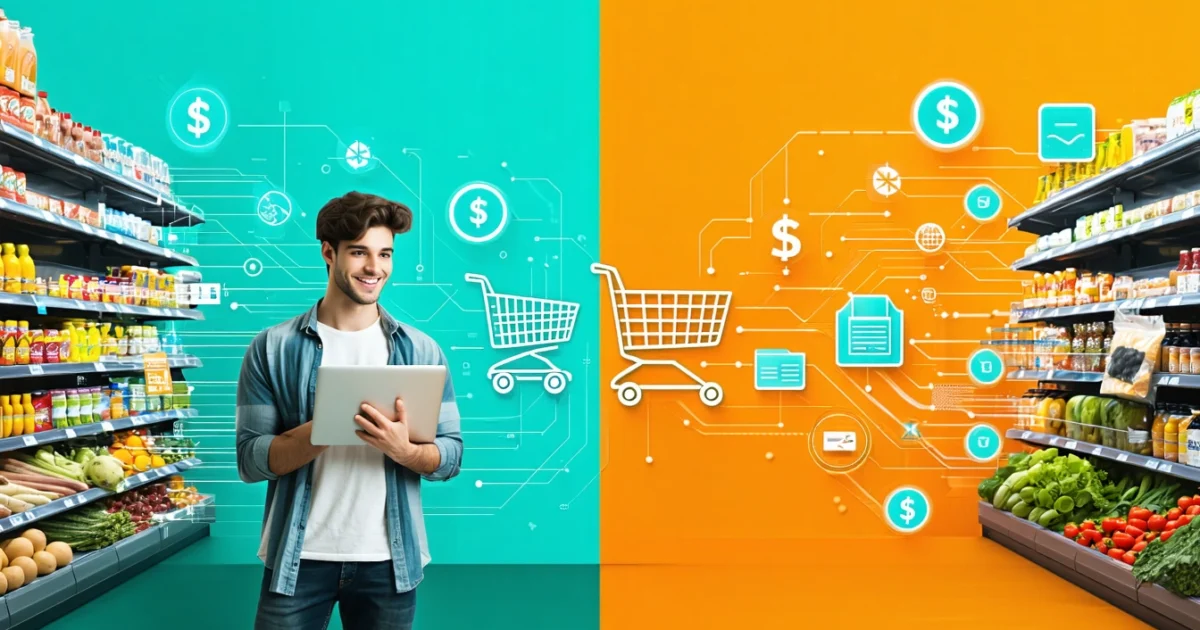
Online grocery shopping in Australia presents both financial opportunities and hidden costs for students, with the key being understanding when digital purchasing saves money versus when traditional shopping offers better value. While platforms like Coles Online, Woolworths, and Amazon Fresh provide convenience and bulk buying advantages, delivery fees and premium pricing can significantly impact student budgets. However, strategic use of student discounts, shared delivery costs, and planned purchasing can make online grocery shopping a cost-effective solution for time-pressed students.
The Australian online grocery market has experienced substantial growth, particularly among students who value the time-saving benefits during exam periods. Nevertheless, understanding the true cost comparison requires analyzing delivery fees, minimum order requirements, and pricing differences between online and in-store options. Smart shopping strategies can help students maximize the benefits while avoiding common cost traps.
For students managing tight budgets, the decision between online and traditional grocery shopping depends on factors like accommodation type, study schedule, and access to transportation. Additionally, international students often find online platforms particularly valuable for accessing familiar products and managing language barriers during shopping.
TL;DR
- Online grocery shopping helps students through bulk buying discounts, time savings, and access to exclusive digital deals and student promotions
- Hidden costs include delivery fees, service charges, premium pricing on fresh items, and subscription costs that can increase total grocery expenses
- Smart strategies involve combining orders with housemates, using price comparison tools, timing purchases strategically, and adopting hybrid shopping approaches
- Platform comparison shows varying cost structures across Coles Online, Woolworths, and Amazon Fresh, with different benefits for student budgets
The Current State of Online Grocery Shopping in Australia (2026)
Australia’s online grocery market has reached unprecedented heights in 2026, with digital grocery sales accounting for 15.2% of total grocery retail compared to just 8.1% in 2020. Furthermore, the market continues expanding at an annual growth rate of 18.5%, driven primarily by convenience-seeking consumers and technological improvements in delivery logistics.
Online grocery adoption among Australian university students has surged to 67%, with peak usage occurring during exam periods and assignment deadlines.
Market Leaders and Platform Ecosystem
Coles Online maintains the largest market share at 38.2%, offering same-day delivery across major metropolitan areas and specialized student discount programs. Meanwhile, Woolworths captures 34.7% of the digital grocery market through their comprehensive Metro60 service and extensive product range.
Amazon Fresh has rapidly gained ground with 12.8% market share, particularly appealing to international students through multilingual interfaces and familiar global brands. Additionally, emerging platforms like Milkrun and Send target urban millennials and Gen Z consumers with ultra-fast delivery promises.
| Platform | Market Share | Student Adoption Rate | Average Delivery Time |
|---|---|---|---|
| Coles Online | 38.2% | 71% | 2-4 hours |
| Woolworths | 34.7% | 68% | 1-3 hours |
| Amazon Fresh | 12.8% | 45% | 1-2 hours |
| IGA Online | 8.3% | 23% | Same day |
| Other platforms | 6.0% | 31% | 30 mins – 4 hours |
Student Usage Patterns and Demographics
University students demonstrate distinct online grocery shopping behaviors, with 78% of domestic students and 84% of international students using digital platforms regularly. Notably, students aged 18-24 place orders 2.3 times per week on average, significantly higher than the general population’s 1.1 times weekly.
Peak ordering times occur during exam periods (May and October), when student usage increases by 156% compared to semester breaks. Moreover, shared accommodation residents coordinate bulk orders to split delivery costs, with 43% of student orders exceeding $150 to maximize value.
- Domestic students prefer Coles and Woolworths for familiar brands and loyalty programs
- International students gravitate toward Amazon Fresh for ethnic food options and English-language support
- Postgraduate students show higher adoption rates (89%) compared to undergraduates (61%)
- Students in share houses coordinate group orders 67% more frequently than solo renters
Post-Pandemic Behavioral Shifts
The COVID-19 pandemic fundamentally transformed Australian grocery shopping habits, with many behavioral changes persisting into 2026. Specifically, contactless delivery preferences remain high among students, with 82% choosing doorstep delivery over in-person handoffs.
Health consciousness has also influenced purchasing patterns, as students increasingly buy fresh produce online despite higher costs. Research indicates that 54% of students now prioritize convenience over price when selecting grocery platforms, representing a significant shift from pre-2020 price-focused behaviors.
The pandemic taught us that time is more valuable than the extra $10-15 we might save shopping in-store. As a final-year student, I’d rather pay for delivery and use those two hours studying.
Subscription services have gained remarkable traction, with 39% of regular student users maintaining paid delivery memberships. These subscriptions typically cost $8-15 monthly but eliminate per-order delivery fees, making them cost-effective for frequent shoppers placing 3+ orders weekly.
When Online Grocery Shopping Benefits Students Financially
Online grocery shopping delivers significant financial advantages for students when approached strategically. However, these benefits require understanding specific cost-saving mechanisms and optimal purchasing patterns that maximize value while minimizing expenses.
Bulk Buying Opportunities and Wholesale Pricing
Digital platforms enable students to access wholesale pricing tiers typically unavailable in physical stores. Major retailers like Costco Online and Amazon Fresh offer bulk purchasing options that reduce per-unit costs by 15-40% compared to standard retail pricing.
Students sharing accommodation can coordinate bulk orders for non-perishable items, splitting costs across multiple households. For instance, purchasing 24-pack toilet paper online costs $32 compared to $48 for individual 4-packs in-store, representing a 33% savings when shared among housemates.
Smart Bulk Buying Strategy
Exclusive Digital Deals and Coupon Access
Online platforms provide access to exclusive digital promotions unavailable in physical stores. Woolworths Online offers app-only discounts averaging 12% savings on weekly grocery bills, while Coles Digital provides personalized coupon codes based on purchasing history.
Furthermore, price comparison tools integrated into shopping apps enable students to identify the lowest prices across multiple retailers instantly. This transparency eliminates the time cost of visiting multiple stores while ensuring optimal pricing on every purchase.
- Cashback programs: Shopback offers 2-5% returns on grocery purchases
- First-time buyer incentives: $20-50 credits for new platform users
- Seasonal promotions: Back-to-school and exam period discounts
- Loyalty point multipliers: Double points during promotional periods
Student-Specific Discount Programs
Many online grocery platforms offer verified student discount programs providing ongoing savings throughout the academic year. Amazon Prime Student costs $3.99 monthly (50% off regular pricing) and includes free grocery delivery, while UNiDAYS partnerships provide additional 10-15% discounts at participating retailers.
Additionally, university partnerships with local delivery services often provide promotional codes exclusively for enrolled students. These programs typically offer free delivery credits worth $8-12 per month, effectively subsidizing the convenience premium associated with online shopping.
Impulse Purchase Prevention Through Digital Planning
Digital shopping carts enable students to practice deliberate purchasing decisions by allowing items to sit in virtual carts before checkout. This cooling-off period reduces impulse buying by an average of 23% compared to in-store shopping, where immediate purchasing pressure leads to unplanned expenses.
Moreover, online platforms display running totals continuously, helping students stay within predetermined budgets. Price alerts and wishlist features allow strategic purchasing when items reach target price points, optimizing spending timing for maximum value.
The ability to see my total spending in real-time prevents budget overruns. In-store, I’d often grab extra items without realizing how quickly costs add up.
Time-Cost Analysis: Study Hours vs Shopping Time
Time represents a crucial economic factor for students balancing academic demands with living expenses. Traditional grocery shopping requires 2-3 hours weekly including travel, shopping, and checkout time, while online ordering takes 15-20 minutes for equivalent purchases.
Students earning $25 hourly through part-time work effectively lose $50-75 weekly in potential income during traditional shopping trips. Conversely, online delivery fees of $8-12 represent significant savings when factoring in opportunity cost calculations.
| Shopping Method | Time Investment | Opportunity Cost ($25/hour) | Delivery Fee | Net Cost |
|---|---|---|---|---|
| In-store shopping | 2.5 hours | $62.50 | $0 | $62.50 |
| Online delivery | 0.3 hours | $7.50 | $10 | $17.50 |
| Weekly savings | 2.2 hours | – | – | $45 |
Shared Delivery Cost Strategies
Students in shared accommodation can dramatically reduce delivery costs through coordinated ordering strategies. When 3-4 housemates combine orders, individual delivery fees drop from $10-12 to $2.50-3.00 per person, making online grocery shopping more economical than in-store alternatives.
Additionally, many platforms offer free delivery thresholds at $50-80 minimum orders. Group purchasing easily exceeds these minimums while distributing costs equitably among participants, eliminating delivery charges entirely.
Subscription delivery services become particularly cost-effective in shared living situations. A $15 monthly delivery pass shared among four students costs $3.75 per person while providing unlimited free delivery, typically paying for itself after 2-3 group orders monthly.
Pros
- Bulk buying reduces per-unit costs by 15-40%
- Digital coupons provide exclusive savings opportunities
- Student discounts offer ongoing 10-15% reductions
- Impulse purchase prevention saves average 23%
- Time savings create $45+ weekly opportunity value
- Shared delivery costs drop to $2.50-3.00 per person
Cons
- Requires minimum order thresholds for free delivery
- Fresh produce quality cannot be personally inspected
- Delivery scheduling may not align with immediate needs
- Subscription fees require consistent usage to justify cost
Hidden Costs That Make Online Grocery Shopping Expensive
While online grocery shopping offers convenience, numerous hidden costs can transform seemingly affordable orders into expensive purchases. Understanding these additional charges helps students make informed decisions about when digital shopping truly saves money versus when traditional in-store purchases prove more economical.
Delivery Fees and Service Charges
Delivery fees represent the most visible additional cost, typically ranging from $8-15 per order across major Australian platforms. However, service charges often accompany these fees, adding another $2-5 to each transaction. Furthermore, minimum order requirements of $50-80 force students to purchase items they don’t immediately need, inflating weekly grocery budgets beyond planned amounts.
Peak-time surcharges during evenings and weekends can increase delivery costs by 20-30%. Additionally, express delivery options charge premium rates of $15-25, making urgent grocery needs significantly more expensive than planned shopping trips.
Premium Pricing on Fresh Products
Online platforms frequently charge premium pricing on fresh produce and perishables compared to in-store prices. Fresh fruits and vegetables cost 15-25% more online due to quality guarantees and handling requirements. Moreover, meat and dairy products carry additional markups to compensate for temperature-controlled storage and transportation costs.
Pre-packaged produce bundles eliminate choice in quantity and quality, often forcing students to pay for more than needed. These standardized portions prevent the cost-saving strategy of selecting budget-friendly alternatives or purchasing only required amounts.
Subscription and Membership Fees
Subscription delivery services require monthly or annual commitments ranging from $10-20 monthly. While these memberships promise free delivery, students must order frequently enough to justify the recurring cost. Infrequent shoppers often pay more in subscription fees than they would in individual delivery charges.
Premium membership tiers offering faster delivery or exclusive products add further monthly expenses. These services target convenience-seeking customers but may not provide sufficient value for budget-conscious students managing tight financial constraints.
Price Comparison Challenge
Lost Savings Opportunities
Students miss significant savings by avoiding in-store clearance sections and markdown items. Physical stores regularly discount products nearing expiration dates, offering 30-50% savings on perfectly usable items. Online platforms rarely feature these clearance deals, eliminating substantial cost-reduction opportunities for flexible shoppers.
Weekly specials and manager’s markdowns provide additional savings unavailable through digital channels. These spontaneous deals allow savvy students to adjust meal plans based on available discounts, significantly reducing grocery expenses through opportunistic purchasing strategies.
Additional Handling and Packaging Costs
Packaging surcharges for fragile items and temperature-sensitive products add $1-3 per order. Specialized containers for frozen goods, glass items, and delicate produce increase overall costs while generating additional waste. These handling fees accumulate across multiple orders, representing substantial additional expenses over time.
Environmental packaging fees charged by some platforms add further costs while addressing sustainability concerns. Although these charges support eco-friendly practices, they increase the total cost of online grocery shopping for environmentally conscious students.
| Hidden Cost Type | Typical Range | Impact on Students |
|---|---|---|
| Delivery + Service Fees | $10-20 per order | High for small orders |
| Fresh Product Premium | 15-25% markup | Significant for produce-heavy diets |
| Subscription Fees | $10-20 monthly | Only worthwhile for frequent users |
| Packaging Surcharges | $1-3 per order | Accumulates over time |
These hidden costs explain why groceries often become more expensive online despite apparent convenience benefits. Students must calculate total costs including all fees and surcharges when comparing online versus traditional shopping methods to make financially sound decisions.
Smart Strategies for Cost-Effective Online Grocery Shopping
Strategic planning transforms expensive online grocery shopping into budget-friendly convenience for Australian students. Moreover, implementing smart purchasing strategies reduces delivery costs while maximizing value from digital platforms. These proven techniques help students navigate online grocery expenses effectively.
Optimal Order Timing and Frequency
Consolidating grocery orders into weekly or bi-weekly purchases spreads delivery fees across larger baskets, reducing per-item costs significantly. Furthermore, placing orders during off-peak hours often provides access to discounted delivery slots and promotional pricing. Students save $15-25 monthly by timing orders strategically rather than shopping impulsively.
Scheduling orders for Tuesday through Thursday typically offers the best selection and lowest delivery fees. Additionally, avoiding weekend and evening slots reduces surcharges while ensuring product availability. This timing strategy maximizes savings while maintaining shopping flexibility.
Price Comparison Tools and Apps
Grocery comparison apps like Frugl and Basket Savings enable students to compare prices across major Australian retailers instantly. These platforms aggregate pricing data from Coles, Woolworths, IGA, and ALDI, revealing significant price variations for identical products. Students using comparison tools save 15-20% annually on grocery expenses.
Browser extensions automatically apply available coupon codes and cashback offers during checkout. Similarly, these tools track price histories, alerting users to genuine discounts versus inflated “sale” prices. Smart comparison shopping prevents overpaying for everyday essentials.
Collaborative Ordering Strategies
Combining orders with housemates or study groups distributes delivery costs among multiple people while reaching minimum order thresholds faster. Therefore, group purchasing reduces individual delivery fees from $10-15 to $2-4 per person. This collaborative approach makes online shopping financially viable for budget-conscious students.
Coordinating bulk purchases of non-perishable items through study groups creates additional savings opportunities. However, establishing clear payment and distribution systems prevents conflicts while ensuring fair cost sharing among participants.
Loyalty Programs and Cashback Optimization
Flybuys and Everyday Rewards programs provide substantial returns for frequent online shoppers through points accumulation and exclusive member discounts. Additionally, credit cards offering grocery cashback multiply savings when combined with retailer loyalty programs. Students earn 3-5% back on grocery purchases through strategic program utilization.
Cashback apps like Shopback and Cashrewards provide additional returns on online grocery purchases. Furthermore, these platforms frequently offer bonus cashback rates during promotional periods, increasing overall savings significantly.
Cashback Stacking Strategy
Seasonal Shopping and Bulk Purchasing
Purchasing non-perishable staples during seasonal sales reduces long-term grocery costs substantially. Consequently, bulk buying rice, pasta, canned goods, and cleaning supplies during promotional periods creates significant savings. Students save 25-40% on pantry essentials through strategic seasonal purchasing.
End-of-season clearance sales provide opportunities to stock up on preserved foods and household items at discounted prices. However, calculating storage costs and expiration dates ensures bulk purchases remain financially beneficial rather than wasteful.
Hybrid Shopping Approach
Combining online ordering for shelf-stable products with in-store shopping for fresh produce optimizes both convenience and cost-effectiveness. This hybrid approach avoids fresh food premiums while maintaining delivery convenience for heavy or bulky items. Students reduce grocery expenses by 10-15% through strategic channel selection.
Purchasing cleaning supplies, canned goods, and frozen items online while buying fresh fruits, vegetables, and dairy in-store maximizes value across shopping channels. Therefore, this selective approach leverages online convenience where it provides genuine benefits while avoiding premium pricing for fresh products.
| Strategy | Potential Savings | Best For |
|---|---|---|
| Order Consolidation | $15-25/month | Regular shoppers |
| Price Comparison Apps | 15-20% annually | All students |
| Group Orders | $8-12/order | Shared housing |
| Loyalty Programs | 3-5% cashback | Frequent users |
| Seasonal Bulk Buying | 25-40% on staples | Storage available |
| Hybrid Shopping | 10-15% overall | Flexible schedules |
These strategic approaches transform online grocery shopping from an expensive convenience into a cost-effective solution for Australian students. Implementation requires initial planning but delivers consistent savings that significantly impact monthly budgets.
Platform-Specific Analysis: Costs vs Benefits
Each major grocery platform operates distinct pricing models and delivery structures that significantly impact student budgets. Understanding these differences enables strategic platform selection based on specific shopping needs and financial constraints.
Coles Online: Delivery Fees and Student Advantages
Coles Online charges delivery fees ranging from $2 to $15 depending on order value and delivery windows. Orders exceeding $150 qualify for free delivery, making bulk purchases more economical for shared households. Furthermore, Coles offers dedicated student discounts through partnerships with university student unions.
The platform stocks approximately 25,000 products, including extensive private label ranges that typically cost 20-30% less than branded alternatives. Additionally, Coles’ “Click & Collect” service eliminates delivery fees entirely while maintaining online convenience for busy students.
Woolworths: Subscription Services and Pricing Structure
Woolworths Delivery Unlimited subscription costs $15 monthly or $70 annually, providing free delivery on orders over $50. This subscription becomes cost-effective for students ordering twice monthly or more frequently. Moreover, Woolworths frequently offers promotional pricing that undercuts competitor rates.
The platform’s dynamic pricing system adjusts costs throughout the day, with early morning and late evening slots often carrying premium charges. However, standard delivery windows maintain consistent pricing that matches in-store rates for most products.
Amazon Fresh: Prime Benefits and Delivery Options
Amazon Fresh requires Amazon Prime membership ($6.99 monthly for students), which includes free delivery on orders exceeding $50. Prime membership also provides access to streaming services and faster shipping on general merchandise, potentially justifying the subscription cost.
Amazon Fresh offers two-hour delivery windows in major metropolitan areas, providing unmatched convenience for urgent grocery needs. Nevertheless, product selection remains limited compared to traditional supermarkets, particularly for fresh produce and local brands.
| Feature | Coles Online | Woolworths | Amazon Fresh |
|---|---|---|---|
| Delivery Fee | $2-15 | $15/month sub | Prime req’d |
| Free Delivery | $150+ | $50+ | $50+ |
| Product Range | 25,000 | 30,000 | 15,000 |
| Student Offers | Yes | Limited | Prime discount |
Specialty Platforms: Organic, International, and Bulk Retailers
Harris Farm Markets Online specializes in organic and premium produce but charges delivery fees up to $19.95 for standard orders. Their organic product range exceeds conventional supermarkets by 300%, appealing to health-conscious students despite higher costs.
International grocery platforms like Spice Bazaar and Tokyo Mart serve niche markets with authentic ingredients unavailable elsewhere. However, these platforms typically impose minimum order requirements of $80-120 plus delivery fees, making them expensive for individual students.
Bulk retailers such as Costco Online require membership fees but offer significant savings on large quantities. A $60 annual membership becomes worthwhile for student households purchasing cleaning supplies, frozen foods, and non-perishables in bulk.
Local Delivery Services and Cost Structures
Independent delivery services partner with local grocers to provide same-day delivery within specific suburbs. These services typically charge $8-12 delivery fees regardless of order size, making them suitable for small, urgent purchases rather than weekly shopping.
Uber Eats and DoorDash grocery delivery add service fees, delivery charges, and suggested tips that can increase total costs by 25-40% above retail prices. Consequently, these platforms serve emergency needs rather than regular grocery shopping for budget-conscious students.
Local services excel in supporting community businesses and often provide fresher produce than major chains. However, their limited operating hours and restricted delivery zones may not suit all student schedules and locations.
Platform Selection Strategy
Student Budget Planning: Online vs In-Store Shopping
Effective budget planning determines whether online grocery shopping saves money or creates financial strain for students. Weekly budget allocation requires calculating true costs beyond advertised prices, including delivery fees, service charges, and time investments that impact total expenses.
Weekly and Monthly Budget Allocation Strategies
Students should allocate 60-70% of their grocery budget to planned weekly purchases and reserve 30-40% for monthly bulk buying opportunities. This allocation strategy maximizes savings from online bulk discounts while maintaining flexibility for fresh produce purchases.
Furthermore, successful budget allocation involves tracking spending patterns across both channels. Students who monitor their purchasing habits discover that online shopping reduces impulse purchases by 25-30% compared to in-store browsing, offsetting higher delivery costs through disciplined buying behavior.
| Budget Category | Online Allocation | In-Store Allocation | Monthly Total |
|---|---|---|---|
| Staples & Non-perishables | 70% | 30% | $120 |
| Fresh Produce | 20% | 80% | $80 |
| Emergency Items | 10% | 90% | $40 |
Calculating True Cost Including Time and Transportation
True cost calculations must include transportation expenses, time valuation, and opportunity costs that students often overlook. Transportation costs for in-store shopping average $8-15 per trip when factoring fuel, public transport fares, and vehicle depreciation.
Additionally, time investment represents a significant hidden cost for students. In-store shopping typically requires 90-120 minutes including travel, shopping, and unpacking, while online ordering takes 15-20 minutes for list compilation and checkout completion.
Cost Calculation Formula
Students earning $25 per hour through part-time work should value their shopping time accordingly. Consequently, online delivery fees of $8-12 become cost-effective when compared to 2-3 hours of potential earning time spent on traditional grocery shopping trips.
Emergency Shopping vs Planned Purchases
Emergency grocery purchases through online platforms cost significantly more than planned shopping due to premium delivery fees and limited product selection. Same-day delivery services charge 40-60% higher fees compared to scheduled delivery slots, making them unsuitable for regular use.
Moreover, planned purchases enable students to compare prices across multiple platforms and utilize promotional offers effectively. Emergency shopping forces students to accept current prices without comparison, potentially increasing costs by 15-25% above planned purchase prices.
- Plan weekly menus to avoid emergency purchases
- Maintain basic pantry staples to reduce urgent shopping needs
- Use express delivery only for genuine emergencies
- Schedule regular delivery slots during promotional periods
Meal Planning Integration with Online Shopping
Meal planning integration transforms online grocery shopping from expensive convenience into strategic budget management. Students who plan meals before shopping reduce food waste by 30-40% and decrease total grocery expenses through targeted purchasing decisions.
Digital meal planning tools synchronize with online grocery platforms, automatically generating shopping lists based on planned recipes. This integration eliminates duplicate purchases and ensures students buy only necessary ingredients, maximizing their budget efficiency while managing student visa requirements.
Furthermore, meal planning enables bulk ingredient purchasing for multiple recipes. Strategic planning allows students to buy larger quantities of versatile ingredients like rice, pasta, and canned tomatoes, reducing per-unit costs through bulk discounts available online.
Tracking and Managing Grocery Expenses Digitally
Digital expense tracking provides real-time insights into spending patterns across online and in-store purchases. Expense tracking apps categorize grocery spending automatically, revealing whether online shopping increases or decreases total monthly food costs for individual students.
Banking apps and grocery platform analytics offer detailed spending breakdowns that help students identify cost-saving opportunities. These digital tools track delivery fees, promotional savings, and price variations across different platforms, enabling data-driven shopping decisions.
Pros
- Automatic expense categorization
- Real-time budget monitoring
- Price comparison across platforms
- Delivery fee tracking
Cons
- Requires consistent data entry
- May not capture cash purchases
- Platform-specific analytics only
- Learning curve for new users
Successful expense management involves setting spending alerts and weekly budget limits within banking and shopping apps. Automated notifications prevent students from exceeding planned grocery budgets and highlight when delivery fees consume disproportionate portions of their food allowance.
Future Trends and Recommendations for Student Shoppers
The landscape of online grocery shopping in Australia continues evolving rapidly, particularly for student consumers seeking cost-effective solutions. Emerging technologies and changing market dynamics will reshape how students approach digital grocery purchasing in coming years.
AI-Powered Shopping Assistants and Price Prediction
Artificial intelligence technologies are revolutionizing online grocery platforms through predictive analytics and personalized recommendations. AI-powered shopping assistants analyze student purchasing patterns, dietary preferences, and budget constraints to suggest optimal product combinations and timing for purchases.
Moreover, price prediction algorithms help students anticipate when specific products will experience discounts or price increases. These predictive tools enable strategic purchasing decisions, allowing students to stock up during promotional periods or delay non-essential purchases when prices peak.
Machine learning systems also optimize delivery route planning, potentially reducing delivery fees through improved efficiency. As these technologies mature, students can expect more accurate cost predictions and personalized shopping recommendations that align with their financial constraints.
Sustainability Considerations and Packaging Waste
Environmental consciousness increasingly influences online grocery shopping decisions among Australian students. Sustainable packaging initiatives are becoming standard practice across major grocery platforms, with biodegradable materials replacing traditional plastic packaging.
Additionally, consolidated delivery systems reduce carbon footprints while potentially lowering delivery costs for students. Shared delivery routes and electric vehicle fleets contribute to environmental sustainability while maintaining cost-effectiveness for budget-conscious shoppers.
Students can expect expanded options for zero-waste grocery shopping through refillable containers and bulk purchasing programs. These sustainable practices often align with cost-saving strategies, as bulk purchases typically offer better per-unit pricing than individually packaged items.
Integration with Student Accommodation Services
Student accommodation providers are increasingly partnering with online grocery platforms to offer integrated shopping services. These partnerships enable centralized delivery systems that reduce individual delivery fees through shared distribution points within student housing complexes.
Furthermore, accommodation-based grocery hubs provide secure pickup locations for students who prefer avoiding delivery fees entirely. These integrated services often include refrigerated storage options for perishable items, extending flexibility for students with irregular schedules.
Collaborative purchasing programs within student accommodations enable group buying opportunities that unlock bulk discounts. Students can coordinate purchases of non-perishable staples, sharing costs while accessing wholesale pricing typically unavailable to individual consumers.
Predicted Changes in Delivery Costs and Service Models
Delivery cost structures are evolving toward more flexible, student-friendly models that accommodate varying budget constraints. Subscription-based delivery services are expanding to include student-specific pricing tiers with reduced monthly fees and waived delivery charges for qualifying purchases.
Additionally, micro-fulfillment centers located near university campuses are reducing delivery distances and associated costs. These localized distribution points enable same-day delivery at lower fees while supporting faster order fulfillment for time-sensitive student needs.
Dynamic pricing models will likely adjust delivery fees based on demand patterns, offering students opportunities to secure lower-cost delivery during off-peak periods. Strategic timing of grocery orders can significantly impact total shopping costs for budget-conscious students.
Best Practices for Maximizing Value in Online Grocery Shopping
Successful online grocery shopping requires strategic approaches that balance convenience with cost-effectiveness. Price comparison across multiple platforms remains essential, as promotional offers and base pricing vary significantly between competing services.
- Plan purchases around promotional cycles to maximize savings on regular items
- Combine online and in-store shopping strategically based on product categories and pricing
- Utilize cashback and loyalty programs across multiple platforms simultaneously
- Monitor delivery fee thresholds and adjust order timing to qualify for free shipping
- Share delivery costs through coordinated orders with roommates or neighbors
Moreover, maintaining flexible shopping schedules allows students to capitalize on flash sales and clearance events that occur unpredictably across online platforms. Automated price alerts and wishlist monitoring help identify optimal purchasing opportunities without constant manual checking.
Finally, understanding the total cost of ownership for online grocery shopping—including delivery fees, tips, and time savings—enables informed decisions about when digital shopping provides genuine value compared to traditional in-store alternatives. Students who master these strategic approaches can leverage online grocery platforms effectively while maintaining strict budget control throughout their studies.
Frequently Asked Questions
Are groceries more expensive when you order online?
Online groceries can be more expensive due to delivery fees, service charges, and premium pricing on fresh items. However, students can save money through bulk buying discounts, exclusive digital deals, and student promotions. The key is comparing total costs including delivery fees against in-store prices and factoring in time savings.
What is the 5 4 3 2 1 rule for shopping?
The 5 4 3 2 1 rule helps students budget effectively: 5 staple items, 4 protein sources, 3 fresh produce items, 2 snack options, and 1 treat. This approach works particularly well for online grocery shopping as it prevents impulse purchases and helps meet minimum order requirements for free delivery.
How much has online shopping increased in Australia?
Australia’s online grocery market has grown dramatically, reaching 15.2% of total grocery retail in 2026 compared to just 8.1% in 2020. The market continues expanding at an annual growth rate of 18.5%, with student adoption reaching 67% and peak usage during exam periods.
What is the 3 3 3 rule for groceries?
The 3 3 3 rule suggests buying 3 days of fresh items, 3 weeks of pantry staples, and 3 months of non-perishables. For students using online grocery platforms, this rule helps optimize delivery costs by reducing order frequency while ensuring fresh items don’t spoil.
Which online grocery platform is best for students in Australia?
Coles Online leads with 38.2% market share and specialized student discount programs, while Woolworths offers comprehensive Metro60 service. Amazon Fresh appeals particularly to international students with multilingual interfaces. The best choice depends on your location, delivery preferences, and available student discounts.
How can students save money on online grocery delivery fees?
Students can reduce delivery costs by:
- Combining orders with housemates to meet minimum order requirements
- Using subscription services that offer free delivery
- Timing orders during promotional periods
- Choosing longer delivery windows for lower fees
- Taking advantage of student discount programs
Why are groceries so expensive in Australia compared to other countries?
Australian grocery prices are influenced by geographic isolation, high labor costs, and limited competition among major retailers. Online platforms may add delivery and service fees, but they also provide access to bulk buying discounts and price comparison tools that can help students find better deals.
When does online grocery shopping make financial sense for students?
Online grocery shopping is cost-effective for students when:
- Sharing delivery costs with housemates
- Taking advantage of bulk buying discounts
- Using student-specific promotions and digital deals
- Time savings outweigh delivery fees (especially during exam periods)
- Avoiding impulse purchases common in physical stores
What are the hidden costs of online grocery shopping for students?
Hidden costs include delivery fees, service charges, premium pricing on fresh items, and subscription costs. Some platforms also charge higher prices for online-exclusive products or during peak demand periods. Students should factor these into their budget calculations.
How has student spending on groceries changed with online shopping?
Students now place orders 2.3 times per week on average, with 78% of domestic students and 84% of international students using digital platforms regularly. Usage increases by 156% during exam periods, showing how online shopping adapts to academic schedules and stress levels.
What strategies help students maximize online grocery savings?
Effective strategies include:
- Using price comparison tools across platforms
- Timing purchases strategically around sales and promotions
- Adopting hybrid shopping approaches (online for staples, in-store for fresh items)
- Leveraging student discount programs and exclusive digital deals
- Planning meals to avoid food waste and maximize bulk purchases
Is online grocery shopping better for international students in Australia?
Yes, international students particularly benefit from online platforms due to multilingual interfaces, access to familiar global brands, and reduced language barriers during shopping. Platforms like Amazon Fresh specifically cater to international students with diverse product ranges and cultural food options.
How do delivery times compare across Australian online grocery platforms?
Delivery times vary significantly: Amazon Fresh offers 1-2 hours, Woolworths provides 1-3 hours, and Coles Online delivers within 2-4 hours. Emerging platforms like Milkrun promise ultra-fast delivery in 30 minutes, though coverage areas may be limited for student accommodations.
What factors should students consider when choosing between online and in-store grocery shopping?
Key factors include accommodation type, study schedule, and access to transportation. Students in shared housing may benefit from combined online orders, while those with flexible schedules might prefer in-store shopping for fresh produce selection and immediate availability.
You May Also Like

Moving to Australia: The Complete Checklist and Guide (2026)

NT Public Holidays 2026: Full Calendar, Dates and How Darwin and Alice Springs Celebrate