Melbourne Weather Guide for New Students: Climate & Prep Tips

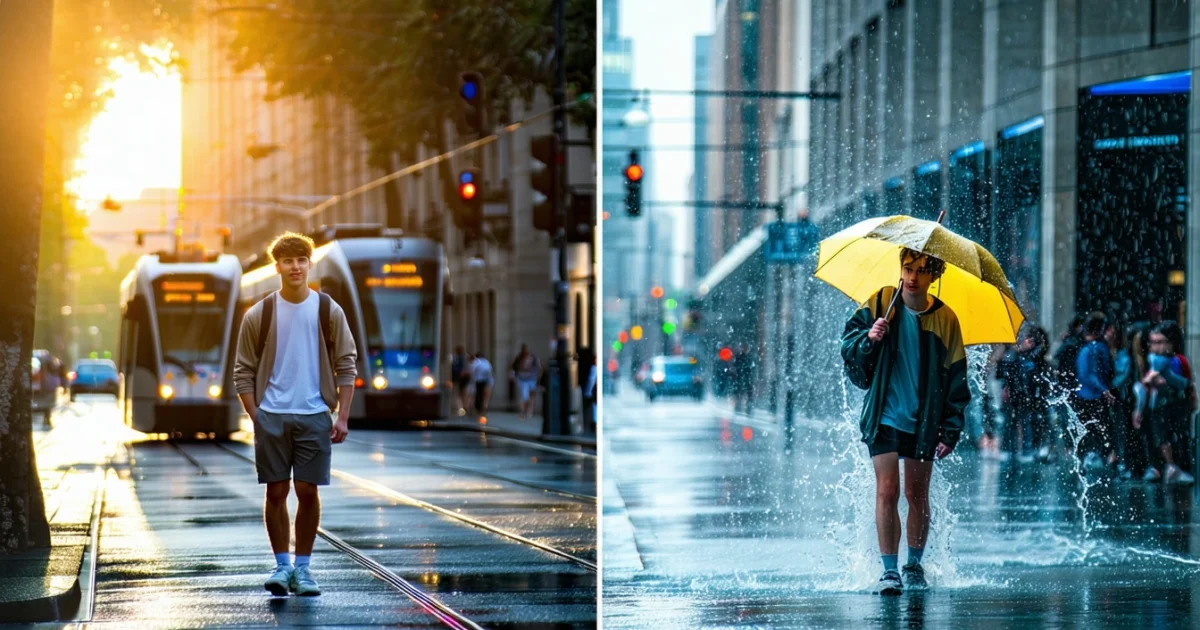
Weather in Melbourne for new students to prepare requires understanding the city’s unpredictable climate patterns and four seasons in one day phenomenon. Melbourne’s temperate oceanic climate means you’ll experience dramatic temperature swings, sudden rain showers, and seasonal extremes throughout the year. Therefore, successful preparation involves mastering the art of layering, carrying weather contingency items, and understanding how the city’s unique location creates highly variable conditions.
New students often struggle with Melbourne’s weather because traditional seasonal clothing approaches don’t work here. Instead, you need a flexible wardrobe strategy that accommodates morning frost and afternoon heat waves on the same day. Additionally, understanding monthly weather patterns helps you plan for Victoria school holidays 2026 and academic year activities.
This comprehensive guide covers everything from essential clothing items to daily preparation strategies. Furthermore, you’ll discover reliable weather resources and campus-specific challenges that affect student life in Australia’s cultural capital.
TL;DR
- Master layering systems – base layers, mid-layers, and waterproof outer shells for Melbourne’s unpredictable daily temperature swings
- Essential year-round items – umbrella, light jacket, sun protection, and versatile pieces that work across multiple seasons
- Use reliable weather resources – Bureau of Meteorology forecasts, Melbourne-specific apps, and university weather alerts for daily planning
Understanding Melbourne's Unique Climate
Melbourne operates under a temperate oceanic climate classification, which creates the city’s notorious weather unpredictability. This climate type features moderate temperatures year-round, with significant daily and seasonal variations driven by maritime influences from Bass Strait and Port Phillip Bay. Consequently, the city experiences cooler summers and milder winters compared to continental climates, yet maintains dramatic weather swings within single days.
The famous “four seasons in one day” phenomenon occurs when cold fronts rapidly sweep across Victoria’s landscape. These weather systems bring temperature drops of 10-15°C within hours, accompanied by wind changes, sudden rainfall, and clearing skies. Moreover, Melbourne’s position between ocean currents and inland heat creates a meteorological battleground where competing air masses clash regularly.
Melbourne’s geographical location at 37.8°S latitude places it in the path of the Roaring Forties wind belt, which drives frequent weather changes from the Southern Ocean. Additionally, the city sits on relatively flat terrain with minimal natural barriers, allowing weather systems to move quickly across the metropolitan area. This topographical openness means atmospheric changes affect the entire city simultaneously, creating uniform yet rapidly shifting conditions.
| City | Climate Type | Daily Temperature Range | Weather Predictability |
|---|---|---|---|
| Melbourne | Temperate oceanic | 8-15°C variation | Low – highly variable |
| Sydney | Humid subtropical | 6-10°C variation | Moderate – more stable |
| Brisbane | Humid subtropical | 8-12°C variation | High – consistent patterns |
| Perth | Mediterranean | 10-16°C variation | High – seasonal predictability |
Unlike Sydney’s humid subtropical climate, which maintains more consistent daily temperatures, Melbourne experiences greater thermal amplitude due to its southern latitude and oceanic exposure. Furthermore, Brisbane’s tropical influences create predictable wet and dry seasons, while Perth’s Mediterranean pattern offers reliable summer heat and winter rainfall. These climatic differences make Melbourne uniquely challenging for weather preparation among Australian capitals.
Melbourne records an average of 147 weather changes per year – more than any other Australian capital city
Weather variability defines Melbourne’s character more than any single seasonal pattern or temperature range. The city’s residents develop an intuitive understanding of atmospheric cues – cloud formations, wind directions, and barometric pressure changes that signal incoming weather shifts. International students must similarly cultivate this weather awareness to navigate daily life successfully.
This climatic unpredictability stems from Melbourne’s position where three major weather systems converge: cold Antarctic air masses, warm continental air from Australia’s interior, and maritime influences from surrounding waters. When these systems interact, they create the rapid transitions that characterize Melbourne weather patterns throughout the year.
Melbourne's Four Seasons: What to Expect
Melbourne’s seasonal patterns follow the Southern Hemisphere calendar, yet each season brings distinctive challenges that international students must understand. Moreover, the city’s transitional periods often prove more unpredictable than the seasons themselves, requiring flexible preparation strategies.
Summer: December to February
Summer temperatures in Melbourne average between 14°C and 26°C, though the city experiences significant daily variation. Additionally, heatwaves can push temperatures above 40°C for consecutive days, creating dangerous conditions for unprepared residents.
The UV index reaches extreme levels during summer months, often exceeding 11 on clear days. Consequently, sun protection becomes essential even during brief outdoor activities. Furthermore, Melbourne’s summer heat combines with low humidity, creating deceptive conditions where people underestimate sun exposure risks.
Bushfire smoke frequently affects air quality during summer, particularly when regional fires occur. Students should monitor air quality apps and limit outdoor activities when pollution levels spike above safe thresholds.
Autumn: March to May
Autumn weather provides Melbourne’s most stable conditions, with temperatures gradually declining from 24°C in March to 16°C in May. However, this season still delivers unexpected temperature swings that can catch newcomers off-guard.
Rainfall patterns intensify during autumn months, with May typically receiving the highest precipitation. Therefore, waterproof clothing becomes essential as sudden showers interrupt otherwise pleasant days. The season averages 170mm of rainfall, distributed across frequent light showers rather than heavy downpours.
Winter: June to August
Winter mornings in Melbourne often drop below 5°C, creating frost conditions in suburban areas. Meanwhile, afternoon temperatures typically reach 13-15°C, requiring layered clothing strategies throughout the day.
Frost events occur approximately 20-25 times per winter, primarily affecting outer suburbs and elevated areas. Students living in these regions should prepare for frozen car windshields and slippery footpaths during early morning hours.
Rare snow events occasionally dust Melbourne’s hills and outer suburbs, though city areas rarely experience snowfall. When snow does occur, it typically melts within hours but creates significant public excitement and transport disruptions.
Spring: September to November
Spring weather exhibits Melbourne’s most volatile characteristics, with temperatures swinging between 8°C and 25°C within single days. This variability stems from competing weather systems as the continent transitions from winter to summer patterns.
Strong wind patterns dominate spring months, particularly during September and October. These winds often exceed 40 km/h, creating dust storms and making outdoor activities challenging. Students should secure loose items and avoid cycling during high wind warnings.
Spring rainfall becomes increasingly unpredictable, alternating between drought-like conditions and sudden deluges. Consequently, students need both sun protection and rain gear readily available during this transitional season.
Seasonal Transitions and Unpredictability
Transition periods between seasons create Melbourne’s most challenging weather conditions. During these phases, which typically last 2-3 weeks, daily forecasts become unreliable as competing weather systems create rapid atmospheric changes.
The transition from winter to spring proves particularly volatile, with temperatures fluctuating 15°C or more between consecutive days. Similarly, the summer-to-autumn shift brings unexpected heatwaves followed by cool, rainy periods that disrupt seasonal expectations.
Students planning activities during Victoria school holidays should prepare for seasonal transition effects, as holiday periods often coincide with these unpredictable weather phases. Therefore, flexible clothing options and backup indoor plans become essential for successful holiday experiences.
Melbourne experiences 40% more weather variability during seasonal transitions compared to established seasonal periods
Monthly Weather Breakdown for Planning
Summer Heat and Autumn Transition (January-March)
January delivers Melbourne’s hottest temperatures, with daily maximums averaging 26°C and frequent spikes above 35°C. However, new students often underestimate the dramatic temperature drops that occur after sunset, when readings plummet to 14°C within hours.
February maintains intense heat while introducing Melbourne’s infamous heatwave conditions. Consequently, temperatures can exceed 40°C for consecutive days, making air conditioning essential rather than optional for student accommodation.
During March, autumn’s arrival creates noticeable temperature moderation, with maximums dropping to 24°C. Nevertheless, this month experiences the year’s most dramatic daily temperature variations, often spanning 15°C between morning and afternoon readings.
Cooling Temperatures and Increased Rainfall (April-June)
April marks Melbourne’s transition into cooler weather, with average temperatures settling around 20°C. Additionally, rainfall increases significantly during this period, averaging 58mm monthly compared to summer’s drier conditions.
May brings Melbourne’s most consistent weather patterns, with temperatures ranging between 11°C and 17°C. Furthermore, this month experiences the city’s lowest wind speeds, creating ideal conditions for outdoor study sessions and campus exploration.
By June, winter conditions establish themselves with maximum temperatures dropping to 14°C. Moreover, rainfall peaks during this month, delivering 49mm of precipitation through frequent light showers and occasional heavy downpours.
Winter Cold and Spring Emergence (July-September)
July represents Melbourne’s coldest month, with overnight temperatures frequently dropping to 6°C. Meanwhile, maximum temperatures struggle to reach 13°C, requiring students to invest in proper heating solutions and winter clothing.
August continues winter’s grip with similar temperature ranges, though rainfall begins decreasing to 48mm monthly. Despite this reduction, persistent drizzle and overcast skies dominate most days throughout this period.
During September, spring’s emergence creates Melbourne’s most unpredictable weather conditions. Temperatures climb toward 16°C, yet sudden cold snaps can return winter-like conditions without warning, challenging students’ wardrobe planning.
Warming Weather and Summer Approach (October-December)
October delivers spring’s full force with temperatures reaching 19°C and increasing sunshine hours. However, this month also brings Melbourne’s strongest winds, often exceeding 25 km/h daily and creating challenging cycling conditions.
November accelerates the warming trend with maximum temperatures climbing to 22°C. Simultaneously, rainfall decreases substantially to 60mm, though sudden thunderstorms can deliver intense downpours within minutes.
December ushers in summer conditions with temperatures averaging 24°C and extended daylight hours. Nevertheless, this month experiences significant temperature variability, with cool changes dropping readings by 10°C overnight.
Peak Rainfall and Dry Periods
Melbourne’s wettest months occur during May through August, with each month delivering between 48-58mm of precipitation. Conversely, the driest period spans December through February, when monthly rainfall averages just 35-45mm.
Melbourne receives 70% of its annual rainfall between April and September
Students should prepare for extended dry spells during summer months, when rainfall can be absent for 3-4 weeks consecutively. In contrast, winter months deliver consistent light precipitation that rarely produces flooding but creates persistent dampness.
Temperature Ranges and Daily Variations
| Month | Average Min (°C) | Average Max (°C) | Daily Range (°C) |
|---|---|---|---|
| January | 14 | 26 | 12 |
| April | 9 | 20 | 11 |
| July | 6 | 13 | 7 |
| October | 8 | 19 | 11 |
Melbourne’s largest daily temperature variations occur during autumn and spring months, when diurnal ranges frequently exceed 12°C. These dramatic shifts require students to dress in layers, particularly during March and October when morning frost can give way to afternoon heat.
Winter months provide the most stable temperature patterns, with daily variations rarely exceeding 8°C. Therefore, students can plan their clothing more predictably during June through August, though persistent cold requires consistent thermal protection throughout these months.
Essential Clothing and Items for New Students
Melbourne’s unpredictable weather patterns demand a strategic approach to clothing selection. Consequently, new students must invest in versatile pieces that adapt to rapid temperature changes and seasonal variations.
Layering System for Variable Conditions
A proper layering system forms the foundation of Melbourne weather preparation. Base layers should include merino wool or synthetic moisture-wicking materials that regulate body temperature effectively.
Mid-layers provide insulation through fleece jackets, wool sweaters, or down vests. Additionally, these pieces allow students to adjust warmth levels throughout the day as temperatures fluctuate.
Outer shells protect against wind and rain while maintaining breathability. Furthermore, waterproof jackets with sealed seams prevent moisture penetration during Melbourne’s frequent light showers.
Winter Essentials for Cold Months
Winter preparation requires specific items that combat Melbourne’s 6°C minimum temperatures and persistent dampness. A quality winter coat should feature wind resistance, water repellency, and sufficient insulation for extended outdoor exposure.
- Wool scarves and beanies for head and neck protection
- Waterproof gloves that maintain dexterity for phone use
- Insulated boots with non-slip soles for wet pavements
- Thermal underlayers for extended outdoor activities
Waterproof boots become essential during winter months when rainfall averages 58mm monthly. Moreover, students should prioritize boots with ankle support to navigate Melbourne’s uneven bluestone laneways safely.
Summer Necessities for Hot Weather
Summer clothing must balance UV protection with cooling functionality during Melbourne’s 26°C average maximums. Lightweight, breathable fabrics like cotton and linen provide comfort while preventing overheating.
Sun protection items include wide-brimmed hats, polarized sunglasses, and SPF 30+ sunscreen for daily application. Similarly, long-sleeved shirts in light colors offer UV protection without excessive heat retention.
Cooling accessories such as portable fans, cooling towels, and insulated water bottles help students manage extreme heat days. Nevertheless, even summer requires a light jacket for air-conditioned buildings and evening temperature drops.
Year-Round Must-Have Items
Certain items prove indispensable regardless of season in Melbourne’s variable climate. A compact umbrella should accompany students daily, as light showers occur unpredictably throughout the year.
A versatile light jacket serves multiple purposes across seasons. During summer, it provides air conditioning protection, while in winter, it functions as an additional insulation layer.
Versatile pieces include cardigans, zip-up hoodies, and button-down shirts that layer effectively. Furthermore, neutral colors like navy, grey, and black maximize mixing potential across different outfits.
Seasonal Footwear Recommendations
| Season | Primary Footwear | Secondary Option | Key Features |
|---|---|---|---|
| Summer | Breathable sneakers | Sandals | Ventilation, UV protection |
| Autumn | Ankle boots | Closed shoes | Water resistance, grip |
| Winter | Insulated boots | Waterproof shoes | Warmth, waterproofing |
| Spring | Versatile sneakers | Light boots | Flexibility, quick-dry |
Students should invest in two pairs of quality shoes minimum to allow rotation and drying between wears. Additionally, waterproof shoe spray extends the life of leather and fabric footwear during wet months.
Budget-Friendly Shopping Locations
Melbourne offers numerous affordable shopping destinations for student clothing needs. Target and Kmart provide basic essentials at competitive prices, while Uniqlo specializes in functional layering pieces.
Discount retailers like TK Maxx stock branded outdoor gear at reduced prices. Similarly, Rivers clothing stores offer Australian-designed pieces suitable for local weather conditions.
Thrift stores and charity shops throughout Melbourne provide budget-conscious options for winter coats and boots. Moreover, end-of-season sales at major retailers offer 30-70% discounts on weather-appropriate clothing items.
Online platforms like ASOS and The Iconic frequently run student discount promotions. Consequently, students can access quality weather gear while maintaining reasonable budgets throughout their studies.
Daily Weather Preparation Strategies
Successful weather preparation begins with establishing a morning routine that incorporates reliable forecasting sources. Students should check weather conditions using the Bureau of Meteorology app, which provides hourly updates and radar imagery specific to Melbourne. Additionally, local news stations like 7News Melbourne offer detailed forecasts that include UV index warnings and wind chill factors.
Weather apps display current conditions, but Melbourne’s climate changes rapidly throughout single days. Therefore, students must verify multiple sources before leaving accommodation. Furthermore, checking weather updates at 6 AM and 6 PM ensures awareness of overnight changes and next-day planning.
Strategic Layering for Temperature Fluctuations
Melbourne experiences temperature swings of 10-15 degrees Celsius within single days, particularly during autumn and spring months. Students should dress using the three-layer system: a moisture-wicking base layer, an insulating middle layer, and a weather-resistant outer shell. This approach allows quick adaptation as conditions change throughout lectures and study sessions.
Morning temperatures often feel deceptively cool, while afternoon heat can become uncomfortable in heavy clothing. Consequently, removable layers like cardigans, light jackets, and scarves provide flexibility without carrying excess weight. Moreover, choosing fabrics that breathe prevents overheating during indoor activities between classes.
Essential Weather Contingency Items
- Compact umbrella – fits in backpacks and handles sudden downpours
- Light rain jacket – packable protection against wind and moisture
- Sunscreen SPF 30+ – essential even during cloudy conditions
- Reusable water bottle – prevents dehydration during hot weather
- Emergency snacks – maintain energy during weather delays
These items weigh minimal amounts but provide significant protection against Melbourne’s unpredictable conditions. Students should store these essentials in easily accessible backpack compartments for quick retrieval when weather changes occur.
Understanding Melbourne's Diverse Microclimates
Melbourne’s microclimate variations create different weather conditions across suburbs and university campuses. The CBD experiences higher temperatures due to urban heat island effects, while coastal areas like St Kilda remain cooler with consistent sea breezes. Similarly, inner suburbs like Carlton and Fitzroy trap heat between buildings, creating warmer pockets during summer months.
Students attending universities in different locations must adjust preparations accordingly. For instance, Monash Clayton campus experiences more extreme temperature variations than city-based campuses. Meanwhile, coastal campuses like Deakin Waterfront require wind-resistant clothing year-round due to consistent maritime influences.
Public Transport Weather Considerations
Melbourne’s public transport system faces significant disruptions during extreme weather events. Train services experience delays during heatwaves exceeding 35°C, while tram operations slow considerably during heavy rainfall. Students should allow extra travel time during weather warnings and consider alternative routes to reach campus.
Hot weather creates uncomfortable conditions inside crowded carriages, making light clothing essential for comfort. Conversely, air-conditioned trains and trams can feel excessively cold during summer, requiring light layers for temperature regulation. Additionally, wet weather increases platform waiting times, making waterproof clothing crucial for maintaining comfort during delays.
Campus-Specific Weather Challenges
University campuses present unique weather-related challenges that require specific preparation strategies. Open courtyards and exposed walkways amplify wind effects, making warm clothing necessary even during mild days. Furthermore, large campus grounds increase walking distances between buildings, requiring comfortable, weather-appropriate footwear.
Library study sessions during extreme weather require preparation for temperature-controlled environments. Students often experience discomfort when transitioning from hot outdoor conditions to heavily air-conditioned indoor spaces. Therefore, carrying light layers ensures comfort during extended study periods regardless of external conditions.
Outdoor study areas become unusable during rain or extreme heat, forcing students to relocate to indoor alternatives. Planning backup study locations prevents weather-related disruptions to academic schedules and maintains consistent learning routines throughout changing seasons.
Weather Resources and Apps for Students
Accessing reliable weather information helps students prepare effectively for Melbourne’s unpredictable conditions. The Bureau of Meteorology (BOM) provides the most accurate official forecasts for Melbourne, offering detailed hourly predictions and severe weather warnings. Moreover, BOM’s website features radar imagery that shows approaching weather systems in real-time.
Several mobile applications deliver Melbourne-specific weather features tailored to student needs. WeatherZone provides suburb-level forecasts that help students understand microclimatic differences across Melbourne’s diverse regions. Additionally, the BOM Weather app sends push notifications for severe weather warnings directly to smartphones.
Weatherzone includes UV index readings crucial for outdoor campus activities, while AccuWeather offers minute-by-minute precipitation forecasts. These detailed predictions enable students to time their movements between buildings and avoid sudden downpours effectively.
University Weather Alert Systems
Most Melbourne universities operate comprehensive weather notification systems that alert students to campus-specific conditions. University of Melbourne sends SMS alerts during extreme weather events that affect campus operations. Similarly, other institutions use student portals and mobile apps to communicate weather-related disruptions.
Campus emergency protocols activate during severe weather warnings, including Code Red fire danger days and extreme heat warnings above 35°C. Universities typically cancel outdoor events and modify examination schedules during these conditions to ensure student safety.
Emergency Weather Protocols
Understanding emergency weather warnings protects students from dangerous conditions throughout Melbourne. Severe thunderstorm warnings indicate potential for damaging winds, large hail, and flash flooding that can affect campus accessibility. Furthermore, extreme heat warnings signal temperatures exceeding safe outdoor activity levels.
Students should monitor fire danger ratings during summer months, particularly when living in outer Melbourne suburbs. Code Red days often result in public transport cancellations and university closures, requiring alternative accommodation arrangements for students.
Emergency services recommend downloading the VicEmergency app for real-time alerts about bushfires, floods, and severe weather affecting specific locations. This application provides evacuation warnings and emergency contact information during critical weather events.
Social Media Weather Communities
Local weather communities on social media platforms provide real-time updates and student-focused weather discussions. Melbourne Weather Watch Facebook groups share immediate observations from various suburbs, helping students understand hyperlocal conditions. Additionally, Twitter accounts like @VicStormChasers provide live updates during severe weather events.
Student-run social media groups often discuss weather impacts on university life, including transport delays and campus closures. These communities offer practical advice about navigating Melbourne’s weather challenges from a student perspective.
Academic Year Climate Planning
Long-term climate trends help students plan major academic activities around Melbourne’s seasonal patterns. Semester 1 typically experiences the hottest temperatures in February and March, requiring heat management strategies for orientation activities. Conversely, Semester 2 begins during winter’s coldest months, necessitating warm clothing investments.
Historical weather data shows that exam periods in November often coincide with Melbourne’s stormiest weather, potentially affecting study schedules and transport reliability. Planning alternative study locations becomes essential during these periods to maintain academic performance despite weather disruptions.
Frequently Asked Questions
What does "four seasons in one day" actually mean in Melbourne?
Melbourne’s “four seasons in one day” refers to dramatic weather changes that can occur within a single 24-hour period. You might experience a cold morning requiring a jacket, a warm sunny afternoon perfect for t-shirts, sudden rain showers in the evening, and clear cool conditions at night. These rapid changes happen when cold fronts sweep across Victoria, causing temperature drops of 10-15°C within hours.
What are the essential clothing items every Melbourne student needs?
- Layering system: Base layers, mid-layers (cardigans, light sweaters), and waterproof outer shells
- Year-round essentials: Compact umbrella, light waterproof jacket, sun hat, and sunglasses
- Versatile pieces: Items that work across multiple seasons like long-sleeve shirts, jeans, and comfortable walking shoes
- Weather contingency items: Small backpack rain cover and a light scarf for sudden temperature drops
How should I check the weather forecast in Melbourne?
Use the Bureau of Meteorology (BOM) as your primary weather source, as it provides the most accurate forecasts for Australian conditions. Download Melbourne-specific weather apps that offer hourly updates and severe weather alerts. Many universities also provide campus weather alerts through their student portals. Check forecasts multiple times daily, especially before leaving home, as conditions can change rapidly.
Why is Melbourne's weather more unpredictable than other Australian cities?
Melbourne’s temperate oceanic climate and position at 37.8°S latitude place it in the path of the Roaring Forties wind belt, which drives frequent weather changes from the Southern Ocean. Unlike Sydney’s more stable humid subtropical climate or Brisbane’s predictable tropical patterns, Melbourne sits on flat terrain with minimal natural barriers, allowing weather systems to move quickly across the city. The city experiences an average of 147 weather changes per year – more than any other Australian capital.
What's the best strategy for dressing for Melbourne weather as a student?
Master the layering system rather than relying on traditional seasonal clothing. Start with a base layer, add a mid-layer (cardigan or light sweater), and carry a waterproof outer shell. Always have an umbrella and light jacket with you, regardless of the morning forecast. Choose versatile pieces that can be easily added or removed as temperatures change throughout the day.
How do Melbourne's seasons actually work for planning university activities?
Summer (Dec-Feb): Hot days with sudden cool changes and occasional heatwaves. Autumn (Mar-May): Most stable season with mild temperatures and beautiful weather. Winter (Jun-Aug): Cool and wet with occasional frost, but rarely extreme cold. Spring (Sep-Nov): Highly variable with rapid weather changes – the most unpredictable season. Plan outdoor university events for autumn when possible, and always have indoor backup plans for spring activities.
What weather-related challenges should I expect on Melbourne university campuses?
- Sudden rain: Outdoor study areas and campus walkways can become unusable quickly
- Wind tunnels: Many campuses have buildings that create strong wind corridors
- Temperature variations: Air-conditioned buildings vs. outdoor temperatures can vary dramatically
- UV exposure: Melbourne’s UV levels can be high even on cloudy days
- Commuting challenges: Public transport delays during severe weather events
Should I invest in expensive weather gear as a student in Melbourne?
Focus on versatile, mid-range items rather than expensive specialized gear. A good quality but affordable waterproof jacket, reliable umbrella, and comfortable layering pieces will serve you better than expensive outdoor equipment. Shop during end-of-season sales and consider second-hand options for items like winter coats. Remember, you’ll use layering pieces year-round, making them worthwhile investments for student budgets.
You May Also Like
Best Hospitals in Australia (2026): The Complete City-by-City Guide

Best Hospitals in Darwin (2026): Public, Private and How to Choose