
Living in Australia

DiDi Travel vs Express: Complete Service Comparison 2026

· · 17 min read
DiDi Travel vs Express: Complete Service Comparison 2026

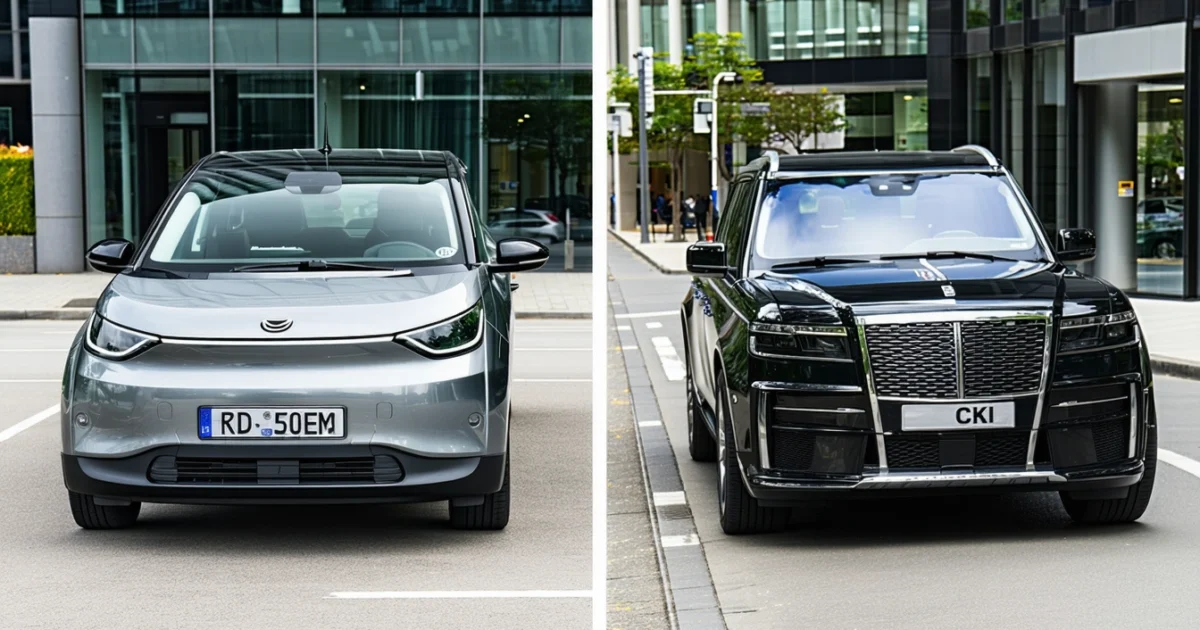
DiDi Travel vs Express are two distinct service tiers offered by DiDi in Australia, with Travel providing premium vehicles and enhanced comfort while Express focuses on affordable, everyday transportation. Both services operate within DiDi’s ride-hailing platform but cater to different passenger needs and budgets. Understanding these key differences helps you choose the right service for your specific trip requirements.

The main distinction lies in vehicle quality, pricing structure, and comfort levels. DiDi Travel features newer, higher-end vehicles with additional amenities, while Express prioritises cost-effectiveness with standard vehicle options. Additionally, both services have different availability patterns and wait times across Australian cities.

Whether you’re commuting to work, heading to the airport, or planning a special occasion trip, selecting between these options impacts your ride experience and total cost. Moreover, factors like pre-booking capabilities and surge pricing apply differently to each service tier.

TL;DR

  • DiDi Travel offers premium vehicles and enhanced comfort at higher prices, ideal for special occasions or business trips
  • DiDi Express provides affordable, standard transportation with basic vehicle requirements for everyday commuting
  • Key differences include vehicle age/quality, pricing structure, comfort amenities, and availability patterns across Australian cities

DiDi Travel vs Express: Key Service Differences

DiDi operates two primary service tiers across Australia’s major cities, with DiDi Travel representing the premium offering and DiDi Express serving as the standard transportation option. These services target distinctly different market segments within Australia’s ride-hailing ecosystem.

Service Overview and Positioning

DiDi Express functions as the company’s core service, designed for everyday commuting and routine transportation needs. This service tier emphasises affordability and accessibility, making it the go-to choice for students, daily commuters, and budget-conscious passengers across Australian cities.

In contrast, DiDi Travel positions itself as a premium alternative that delivers enhanced comfort and superior vehicle standards. Furthermore, this service caters specifically to business travellers, special occasions, and passengers who prioritise comfort over cost savings.

Primary Service Distinctions

FeatureDiDi ExpressDiDi Travel
Vehicle AgeUp to 10 years oldMaximum 5 years old
Vehicle StandardsBasic requirementsPremium specifications
Pricing StructureStandard rates20-40% higher fares
Comfort FeaturesEssential amenitiesEnhanced interior, climate control
AvailabilityHigh frequencyLimited during peak times

Vehicle quality represents the most significant difference between these service tiers. Express vehicles meet basic safety and cleanliness standards, while Travel vehicles undergo stricter quality assessments and feature newer models with superior interiors.

Additionally, pricing structures vary considerably between the two options. Express fares typically cost 20-40% less than Travel fares for identical routes, making Express the preferred choice for price-sensitive passengers.

Target Demographics and Use Cases

DiDi Express primarily serves students, young professionals, and everyday commuters who require reliable transportation without premium features. This demographic values affordability and convenience over luxury amenities, particularly for short to medium-distance trips within metropolitan areas.

Conversely, DiDi Travel attracts business professionals, tourists, and passengers travelling to important events or airports. These users typically prioritise comfort, reliability, and professional presentation over cost considerations. Moreover, Travel users often book rides for longer distances or special occasions where enhanced comfort justifies the premium pricing.

International students and newcomers to Australia frequently start with Express services for daily transportation needs, then upgrade to Travel for special circumstances like job interviews or airport transfers. Pre-booking capabilities remain available for both service tiers, though Travel bookings often receive priority during high-demand periods.

Service Ecosystem Integration

Within DiDi’s broader ride-hailing ecosystem, these two services complement each other by addressing different passenger segments simultaneously. Express services maintain high vehicle availability and quick pickup times, essential for capturing the mass market transportation demand across Australian cities.

Meanwhile, Travel services enhance DiDi’s competitive position against premium ride-hailing alternatives by offering superior comfort standards. This dual-tier approach allows DiDi to compete effectively across multiple price points while maximising driver utilisation and passenger satisfaction rates throughout Australia’s diverse urban markets.

Vehicle Types and Standards

DiDi Australia maintains distinct vehicle specifications for each service tier, ensuring passengers receive appropriate comfort levels while drivers understand clear requirements. DiDi Express accepts a broader range of vehicle types, focusing on functionality and reliability rather than luxury features. Meanwhile, DiDi Travel enforces stricter standards that prioritise passenger comfort and professional presentation.

DiDi Express Vehicle Requirements

Express vehicles must accommodate four passengers minimum with standard seating configurations. Additionally, these cars require four doors for easy passenger access and sufficient boot space for everyday luggage needs. Most importantly, Express accepts vehicles up to 15 years old, provided they pass safety inspections and maintain roadworthy conditions.

Popular Express vehicle categories include compact sedans, hatchbacks, and small SUVs from manufacturers like Toyota, Holden, and Ford. Furthermore, these vehicles must display current registration, comprehensive insurance, and valid roadworthy certificates. Drivers can operate older model vehicles as long as they meet basic safety and cleanliness standards throughout their service period.

DiDi Travel Vehicle Standards

Travel services demand premium vehicle specifications that significantly exceed Express requirements. Specifically, Travel vehicles must be less than 8 years old and feature enhanced comfort amenities like leather or premium fabric seating. Moreover, these cars require larger passenger compartments with superior legroom and headspace for extended journey comfort.

Accepted Travel categories include mid-size to large sedans, premium SUVs, and luxury hatchbacks from brands like BMW, Mercedes-Benz, Audi, and high-end Toyota models. Consequently, these vehicles often feature climate control systems, premium audio equipment, and enhanced interior lighting. Travel standards also mandate immaculate vehicle presentation with regular professional cleaning and maintenance schedules.

SpecificationDiDi ExpressDiDi Travel
Maximum Vehicle Age15 years8 years
Minimum Passenger Capacity4 passengers4 passengers
Door Requirements4 doors4 doors
Interior StandardsClean, functionalPremium materials
Maintenance FrequencyStandardEnhanced

Passenger Capacity and Size Differences

Both service tiers accommodate up to four passengers in standard configurations, though Travel vehicles typically offer more spacious interiors. However, passenger comfort varies significantly between services, with Travel providing additional legroom, wider seats, and enhanced climate control systems. Importantly, luggage capacity differs substantially, as Travel vehicles feature larger boot spaces suitable for airport transfers and extended journeys.

Express vehicles prioritise efficient passenger transport over luxury, making them ideal for short urban trips where space requirements remain minimal. Conversely, Travel vehicles accommodate passengers with larger luggage, business equipment, or special comfort needs during longer distances. Pre-booking options remain available for both services, though Travel bookings often receive priority vehicle allocation during peak demand periods.

Age and Condition Requirements

Vehicle age restrictions create the most significant difference between DiDi’s service tiers. Express drivers can operate vehicles manufactured up to 15 years ago, provided they maintain roadworthy conditions and pass regular safety inspections. This flexibility allows more drivers to participate in the Express network while keeping operational costs manageable.

In contrast, Travel drivers must operate vehicles less than 8 years old, ensuring passengers experience modern safety features, updated technology, and contemporary comfort standards. These stricter age requirements result in higher vehicle acquisition costs for Travel drivers but enable premium pricing that compensates for increased operational expenses throughout Australia’s competitive ride-hailing market.

Pricing Structure Comparison

Understanding the cost differences between DiDi Travel and Express requires examining multiple pricing components that significantly impact your total fare. Base fares establish the foundation, while distance and time rates determine the majority of trip costs across both service tiers.

Base Fare and Rate Structure

DiDi Express charges a base fare of $2.50 in major Australian cities, with per-kilometre rates ranging from $1.20 to $1.45 depending on location. Additionally, time-based charges apply at $0.35 per minute during slow-moving traffic or extended waiting periods.

Conversely, DiDi Travel implements higher base fares starting at $3.50, reflecting the premium vehicle standards and enhanced comfort features. Per-kilometre rates increase to $1.65 to $1.85, while time charges reach $0.45 per minute across Australian metropolitan areas.

Pricing ComponentDiDi ExpressDiDi Travel
Base Fare$2.50$3.50
Per Kilometre$1.20 – $1.45$1.65 – $1.85
Per Minute$0.35$0.45

Surge Pricing Application

Both services implement surge pricing during high-demand periods, though the multipliers affect each tier differently. Express surge rates typically range from 1.2x to 2.5x normal pricing during peak hours, special events, or adverse weather conditions.

Travel surge pricing operates within a 1.3x to 3.0x range, reflecting the limited availability of premium vehicles during demand spikes. However, Travel customers often experience more predictable pricing due to pre-booking capabilities that lock in standard rates before surge periods begin.

Real-World Cost Comparisons

For a typical 5-kilometre trip taking 15 minutes in normal traffic, Express costs approximately $9.75 including base fare, distance charges, and time fees. The same journey via Travel reaches $13.25, representing a 36% premium for enhanced comfort and vehicle quality.

Airport transfers demonstrate more substantial differences due to longer distances and potential waiting times. A 25-kilometre airport journey costs roughly $38.75 through Express services, while Travel pricing reaches $52.50 for the identical route with premium vehicle standards.

Travel pricing averages 35-40% higher than Express for equivalent trips

Value Proposition Analysis

Express delivers optimal value for budget-conscious passengers prioritising cost efficiency over comfort features. The service excels for short urban trips, daily commuting, and situations where basic transportation meets passenger requirements without additional amenities.

Meanwhile, Travel justifies premium pricing through superior vehicle quality, enhanced comfort features, and professional service standards. Business travellers, airport transfers, special occasions, and longer journeys benefit from the upgraded experience that Travel provides consistently across Australia’s major cities.

Cost-per-comfort calculations favour Express for trips under 10 kilometres, while Travel becomes increasingly competitive for longer journeys where comfort, space, and vehicle quality significantly impact passenger satisfaction throughout the extended travel duration.

Service Features and Comfort Levels

DiDi Express provides standard comfort amenities including air conditioning, clean vehicle interiors, and basic seating configurations. However, Express vehicles typically accommodate four passengers maximum with limited luggage space and standard automotive features found in economy sedans or hatchbacks.

In contrast, DiDi Travel delivers premium comfort amenities through larger vehicle categories including SUVs, luxury sedans, and spacious people movers. Travel passengers enjoy enhanced legroom, superior sound systems, climate control zones, and professional-grade vehicle maintenance standards that exceed Express offerings significantly.

Standard Features Comparison

Feature CategoryDiDi ExpressDiDi Travel
Vehicle AgeUp to 10 yearsMaximum 5 years
Seating Capacity4 passengersUp to 7 passengers
Luggage SpaceStandard bootExpanded cargo area
Interior QualityBasic fabric/vinylPremium materials
EntertainmentDriver’s radioPremium audio systems

Express vehicles maintain basic cleanliness standards with regular interior cleaning between rides. Meanwhile, Travel vehicles undergo comprehensive detailing protocols including leather conditioning, premium air fresheners, and thorough sanitisation processes that ensure consistently superior presentation standards.

Driver Training and Service Quality

DiDi Express drivers complete standard onboarding including background checks, vehicle inspections, and basic customer service guidelines. Express drivers focus primarily on efficient transportation delivery while maintaining professional courtesy throughout passenger interactions.

Conversely, Travel drivers undergo enhanced training programs covering premium service delivery, professional communication techniques, and advanced customer care protocols. These drivers receive ongoing performance evaluations and must maintain higher customer rating thresholds to continue providing Travel services across Australian markets.

Travel drivers demonstrate superior knowledge of optimal routes, local attractions, and business districts. Furthermore, they receive training in advanced booking management to handle corporate accounts and special requests that Express drivers typically don’t encounter during standard ride operations.

Additional Services and Premium Perks

Express rides include basic transportation services with standard pickup protocols and direct route navigation. Passengers receive SMS notifications, real-time tracking, and standard customer support through DiDi’s mobile application without additional service enhancements.

However, Travel passengers access exclusive perks including complimentary bottled water, phone charging cables, and premium customer support with faster response times. Travel also offers flexible pickup arrangements, extended waiting periods without additional charges, and priority customer service resolution for any service-related concerns.

  • Express: Standard pickup, basic support, economy vehicles
  • Travel: Premium pickup service, enhanced support, luxury vehicle categories
  • Express: No additional amenities beyond transportation
  • Travel: Complimentary refreshments, charging accessories, professional service

Travel passengers enjoy priority booking during peak demand periods when Express availability becomes limited. Additionally, Travel provides corporate billing options and detailed receipt management for business travellers requiring comprehensive expense documentation throughout their Australian business operations.

Availability and Wait Times

DiDi Travel operates exclusively in major metropolitan areas including Sydney, Melbourne, Brisbane, Perth, and Adelaide. Meanwhile, Express services provide comprehensive coverage across all Australian cities where DiDi maintains operations, extending into suburban and regional areas that Travel doesn’t reach.

Express availability spans 24/7 operations in most locations, whereas Travel services typically operate between 6 AM and 10 PM in major cities. Consequently, passengers requiring late-night or early-morning premium transportation must rely on Express options or alternative ride-hailing services.

Peak Hour Performance Comparison

During morning rush hours (7-9 AM), Express maintains average wait times of 3-5 minutes across most Australian cities. In contrast, Travel experiences longer delays with wait times extending 8-12 minutes due to limited driver availability and higher demand for premium vehicles.

Evening peak periods (5-7 PM) create significant availability differences between services. Express drivers increase their presence to meet standard demand, while Travel struggles with driver scarcity as fewer premium vehicles operate during these high-traffic periods.

Time PeriodExpress Wait TimeTravel Wait TimeAvailability Status
Off-Peak Hours2-4 minutes5-8 minutesBoth readily available
Morning Rush3-5 minutes8-12 minutesExpress preferred
Evening Peak4-7 minutes10-15 minutesLimited Travel options
Weekend Nights5-8 minutesService unavailableExpress only

Service Reliability Patterns

Express demonstrates consistent reliability with 95% successful booking completion rates across Australian markets. Travel achieves lower completion rates at approximately 85% due to driver cancellations and limited vehicle availability during high-demand periods.

Weather conditions significantly impact Travel availability more than Express services. Rain, storms, or extreme heat reduce Travel driver participation by 30-40%, while Express maintains steady operations with only 10-15% reduction in active drivers during adverse conditions.

Airport transfers reveal stark availability differences between services. Express operates continuous airport coverage with dedicated pickup zones, whereas Travel requires advance booking through pre-booking systems to guarantee vehicle availability for airport transportation needs.

Business district demand patterns show Express handling 70% of all ride requests during weekday business hours. Travel captures only 15% market share in these areas, primarily serving corporate clients with expense accounts and travellers requiring premium transportation standards.

Express maintains 95% booking success rates while Travel achieves 85% completion during peak demand

Regional availability creates additional service disparities. Express extends into outer suburban areas and satellite cities, while Travel remains concentrated in central business districts and affluent residential zones where premium vehicle demand justifies operational costs.

When to Choose Travel vs Express

Choosing between DiDi Travel and DiDi Express depends on specific trip circumstances, budget constraints, and comfort priorities. Furthermore, understanding when each service excels helps riders make informed decisions that balance cost efficiency with service quality.

Scenarios Where DiDi Travel Excels

Business meetings and client transportation represent ideal Travel scenarios where professional image matters more than cost savings. Additionally, corporate expense accounts often justify the premium pricing for enhanced comfort and reliability standards.

Airport transfers with heavy luggage benefit significantly from Travel’s spacious vehicles and professional driver assistance. Moreover, the service provides pre-booking capabilities that guarantee vehicle availability during critical departure times.

Special occasions including anniversaries, date nights, or celebration dinners warrant Travel’s premium experience. Consequently, the enhanced comfort and vehicle presentation justify the additional expense for memorable experiences.

Long-distance trips exceeding 30 kilometres favour Travel vehicles due to superior comfort features and reduced fatigue during extended journeys. Therefore, the premium pricing becomes more reasonable when calculated per kilometre for longer distances.

Situations Favouring DiDi Express Selection

Daily commuting and routine transportation needs make Express the logical choice for consistent, cost-effective mobility. Similarly, students and budget-conscious riders benefit from Express’s competitive pricing structure for regular travel patterns.

Short-distance trips under 10 kilometres demonstrate Express’s value proposition most clearly, as the service delivers adequate comfort without premium pricing penalties. Additionally, quick errands and local shopping trips require basic transportation rather than luxury features.

Peak hour travel favours Express due to higher driver availability and faster pickup times during rush periods. Meanwhile, Travel’s limited vehicle fleet struggles with demand spikes, creating longer waiting periods.

Weather-dependent trips benefit from Express’s consistent availability during rain, storms, or extreme temperatures when Travel drivers often cancel bookings. Thus, Express provides more reliable service during adverse conditions.

Budget Considerations for Service Selection

Cost-per-trip analysis reveals Express charges 30-40% less than Travel for identical routes, making it suitable for frequent riders prioritising savings over comfort. However, occasional users might justify Travel’s premium for special circumstances.

Monthly transportation budgets under $200 typically require Express selection to maintain affordability across multiple trips. Conversely, budgets exceeding $400 monthly allow selective Travel usage for important journeys while maintaining Express for routine travel.

Group travel economics favour Travel when splitting costs among 3-4 passengers, as the per-person expense approaches Express pricing while delivering superior comfort. Nevertheless, solo travellers rarely justify Travel’s premium pricing for standard transportation needs.

Trip Purpose and Comfort Priority Factors

Professional reputation requirements influence service selection when arriving at business venues, client meetings, or formal events where vehicle presentation impacts personal branding. Therefore, Travel’s premium vehicles support professional image maintenance.

Physical comfort needs including back problems, mobility limitations, or recovery from medical procedures favour Travel’s superior seating and smoother ride quality. Additionally, elderly passengers often prefer Travel’s easier entry/exit and driver assistance.

Time sensitivity creates complex decision factors, as Express offers faster pickup times but Travel provides more reliable completion rates. Consequently, critical appointments might warrant Travel’s booking reliability despite longer initial wait times.

Luggage requirements and cargo capacity needs clearly favour Travel for shopping trips, moving assistance, or travel with multiple bags. Express vehicles often lack sufficient storage space for substantial cargo transportation needs.

Frequently Asked Questions

What is the main difference between DiDi Travel and DiDi Express?

The main difference is that DiDi Travel offers premium vehicles (maximum 5 years old) with enhanced comfort features at higher prices, while DiDi Express provides standard transportation with basic vehicles (up to 10 years old) at more affordable rates. Travel costs 20-40% more than Express for the same route.

Which DiDi service should I choose for airport trips?

DiDi Travel is recommended for airport trips as it provides newer vehicles, enhanced comfort for longer journeys, and a more professional experience. However, if you’re budget-conscious and don’t mind basic amenities, DiDi Express can still get you to the airport reliably.

Are both DiDi services available in all Australian cities?

Both services operate in Australia’s major cities, but availability varies. DiDi Express has higher frequency and broader availability, while DiDi Travel has limited availability during peak times and may not be available in smaller cities. Check the DiDi app for real-time availability in your location.

Can I pre-book both DiDi Travel and Express rides?

Yes, both services offer pre-booking capabilities, but the advance booking options and surge pricing apply differently to each service tier. DiDi Travel typically has more flexible pre-booking options due to its premium positioning.

What vehicle standards can I expect with each service?

DiDi Express vehicles meet basic safety and cleanliness standards and can be up to 10 years old. DiDi Travel vehicles must be maximum 5 years old, undergo stricter quality assessments, and feature enhanced interiors with climate control and superior comfort amenities.

Who typically uses DiDi Express vs DiDi Travel?

DiDi Express is popular with students, daily commuters, and budget-conscious passengers for routine transportation. DiDi Travel attracts business professionals, tourists, and passengers travelling for special occasions who prioritise comfort and professional presentation over cost.

How much more expensive is DiDi Travel compared to Express?

DiDi Travel typically costs 20-40% more than DiDi Express for identical routes. The exact price difference depends on factors like distance, time of day, and local demand in your Australian city.

Which service is better for daily commuting in Australia?

DiDi Express is generally better for daily commuting as it offers affordable rates, high availability, and meets basic transportation needs. Unless you require premium comfort for your daily commute, Express provides excellent value for regular travel within Australian metropolitan areas.

Leave a Comment

Your email address will not be published. Required fields are marked *