Uber Fare Estimator Guide: Australia Costs & Pricing 2026

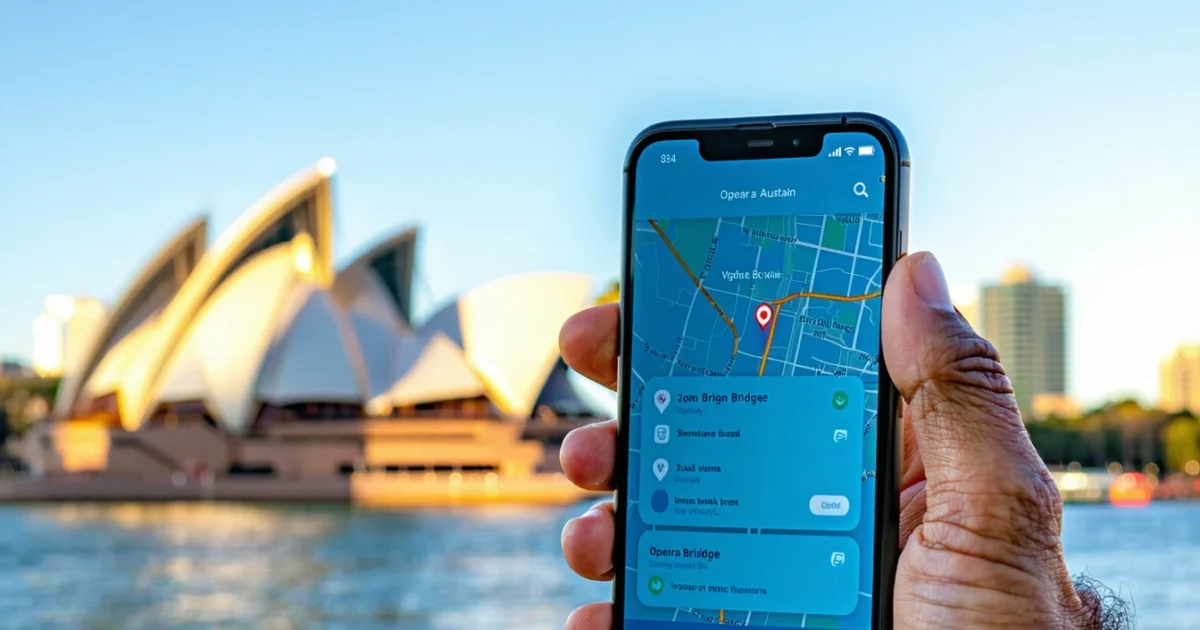
If you search for an Uber fare estimator in Australia, you will find a lot of calculators with a base fare, a price per kilometre and a price per minute. The awkward truth is that Uber does not publish those numbers for Australia, and since August 2024 its fares also depend on where your trip starts, the day and the time. So the only price you can trust is the one the Uber app shows you before you confirm. This guide explains how to get that estimate, what Uber’s own city averages say, what extras to expect (airport access fees, state levies, tolls, surge), and how an Uber trip compares with a taxi.
Everything below was checked against Uber’s own pages, state government pages and recent news in October 2026. Where a figure is not published we say so rather than invent one, because made-up per-kilometre rates are the main reason online Uber calculators disagree with your real fare.
TL;DR: Uber Fares in Australia
- Use the in-app estimate. Enter your destination in the Uber app, choose a ride type and the price is shown before you confirm. That is the figure you will normally pay, though it can be adjusted at the end of the trip.
- Typical UberX averages (Uber’s city pages): Sydney about $29 for a 16 minute ride, Melbourne $29 for 18 minutes, Brisbane $26 for 15 minutes, Perth $25 for 16 minutes, Adelaide $25 for 16 minutes and Canberra $23 for 12 minutes. These are averages, not fixed prices.
- Minimum fares rose in 2026: $11 in Sydney, $11.50 in Melbourne and $10 in Adelaide, after Uber’s March 2026 fare update.
- Airport trips cost more: an airport pickup fee is added to your fare, and Uber’s average UberX fare to the airport ranges from about $28 (Canberra) to $57 (Melbourne).
- Surge is real. Prices rise when more people want rides than there are drivers. Waiting a few minutes or walking to a quieter street can help.
How Uber Calculates Your Fare in Australia
Uber says a trip price is built from a time and distance rate, plus a flat operating fee that may be added, and that prices rise when riders outnumber drivers. From 21 August 2024 Uber also changed how standard fares are calculated in Australian cities: the fare now depends on where the trip starts, the day of the week and the time of day. You see the full fare before you request the ride, and the receipt shows a breakdown afterwards.
That is why a fixed formula such as “$2.50 plus $1.85 per kilometre” cannot predict your fare. The same 10 km trip can have a different price on Tuesday morning and Saturday night, or from a CBD street versus a suburban one. Treat any calculator that gives a single exact fare with caution.
How to Get an Uber Fare Estimate
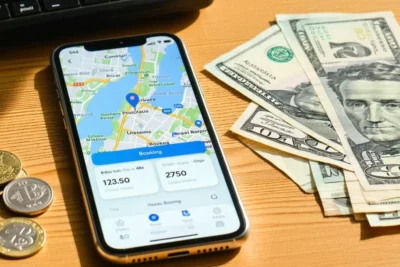
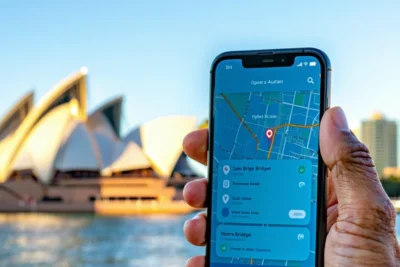
In the Uber app
- Open the Uber app and tap Where to?.
- Enter your pickup and destination.
- Swipe through the ride options (UberX, Comfort, XL and others) to see the price of each.
- The price shown is the upfront fare. Tap to confirm only when you are happy with it.
On the Uber website
Uber has a price estimate page for each city on uber.com that shows typical fares. It is a guide, not a quote. The exact price appears only once you enter a real trip.
Why the final fare can differ from the estimate
- You change the destination, add a stop or the route changes a lot.
- Tolls that were not in the upfront quote are added when the driver uses a toll road.
- Waiting time at the pickup or at stops.
- Uber says the estimate shown at the start of a trip may be adjusted at the end.
Typical UberX Fares by City (Uber's Own Averages)
Uber publishes a city page for each capital with an average UberX fare over the past year. These are the most reliable public numbers, but they are averages for a short ride, not a price list.
| City | Average UberX fare | Typical ride length | Examples from Uber’s page |
|---|---|---|---|
| Sydney | $29 | 16 minutes | Circular Quay $32, Bondi Beach $30, Parramatta $29 to $33 |
| Melbourne | $29 | 18 minutes | CBD or Richmond $27, Southbank $30, St Kilda $27 |
| Brisbane | $26 | 15 minutes | Fortitude Valley $28, Chermside $24 |
| Perth | $25 | 16 minutes | Fremantle $28, Scarborough $27, Subiaco $21 |
| Adelaide | $25 | 16 minutes | Adelaide Central $25, Glenelg $30 |
| Canberra | $23 | 12 minutes | City $23, Woden $22, Fyshwick $30 |
There is no credible public source for an exact UberX price for a 20, 40 or 60 minute trip, because the price depends on distance, traffic and time of day. For a rough idea of how fares scale, see our guide to how much an Uber costs in Australia and use the app estimate for your own trip.
2026 Changes: Minimum Fares and Peak Periods
In late March 2026 Uber updated its Australian fares. Reporting at the time said driver earnings rose about 6% on average, minimum fares rose to $11 in Sydney and $11.50 in Melbourne (Adelaide’s minimum was reported at $10), peak periods were extended to the weekday morning commute and more late nights, and short trips and inner-city trips were hit hardest. Minimum fares for Brisbane, Perth, Canberra and the Gold Coast were not confirmed.
Uber also added a temporary fuel surcharge of 5 cents a kilometre on petrol, diesel and hybrid trips from 15 April to 8 June 2026, with electric vehicles exempt. We found nothing to say it was extended, so check your receipt if you see a fuel line.
Uber Airport Costs and Airport Fees
Airport trips are the most searched Uber prices in Australia and also the ones with the most extras. Uber says an airport access fee is charged on pickups at the airport and added to the fare automatically. Where an airport charges a fee, the airport sets it, not Uber.
| Airport | Uber’s average UberX fare to the airport | Airport pickup fee stated by Uber |
|---|---|---|
| Sydney (SYD) | About $45 (average from the city $43) | Fee confirmed, amount not stated by Uber. Third-party reports around $5 to $6 in 2025 |
| Melbourne (MEL) | About $57 | Fee confirmed, amount not stated by Uber. Third-party report about $4.82 in 2025 |
| Brisbane (BNE) | About $46 | Fee confirmed, amount not stated by Uber. Third-party reports $3.90 to $4.86 |
| Perth (PER) | About $38 | $3 |
| Adelaide (ADL) | About $30 | $3 |
| Gold Coast (OOL) | About $49 | $3.90 |
| Canberra (CBR) | About $28 | $3 |
For trips from the airport into the city, ShopBack’s 2026 transit guide gives rough ranges for Uber and DiDi: Sydney about $40 to $70 off-peak and $60 to $100 at peak, Melbourne about $50 to $90 off-peak and $80 to $130 at peak, and Brisbane about $45 to $75 off-peak and $60 to $110 at peak. These are editorial estimates, so always check the app.
Airport tips
State Levies and Fees on Your Fare
Some states charge a per-trip levy on rideshare, taxis and hire cars, and it is usually passed on in your fare rather than shown as a separate surprise.
| State | Per-trip levy | Notes |
|---|---|---|
| New South Wales | $1.20 ($1.32 with GST when passed on) | Passenger Service Levy from 1 July 2023, set to run to 31 December 2030. Uber’s old $1.10 figure is out of date |
| Victoria | $1.25, shown by Uber as $1.38 with GST from 1 July 2026 | Commercial Passenger Vehicle levy, indexed each year. The state revenue office figure did not load, so treat it as per Uber’s driver page |
| South Australia | $2 per journey | Passenger transport levy from 1 July 2025 for metropolitan Adelaide. A report of $2.10 from October 2026 is unconfirmed |
| Western Australia | None | The 10% levy was repealed on 1 June 2022 |
| Queensland and ACT | None found | We found no per-trip rideshare levy for either on an official page |
Uber also says a flat operating or booking fee may be added to a ride. One consumer website reports it as $0.55 including GST, but Uber’s pages do not state an amount, so we do not rely on that. Your receipt shows the exact fees.
Surge Pricing and Peak Times
Uber’s Australian pricing page says surge applies automatically when ride requests outnumber available drivers in an area, and that by waiting a bit longer riders can avoid the surge price. It does not publish a multiplier. In practice you see a higher price in the app before you confirm.
- Check the price again after a few minutes, because demand can ease.
- Walk a street or two away from stadiums, bars and train stations.
- Avoid weekday commute peaks, late weekend nights and major events if you can.
- Compare with DiDi and a taxi before accepting a high price. See the best rideshare apps in Australia.
- Use Uber Reserve for planned trips, but note the price can change if the route or stops change.
Waiting Time, Cancellation and Reserve
- Waiting time: Uber’s help page says a waiting fee can start about 2 minutes after the driver arrives in some locations. The per-minute amount in Australia was not confirmed, so check your app. Our explainer on the Uber 2 minute rule has more.
- Cancellation: the app shows whether a fee applies before you cancel. A consumer site reports about $10 and a short grace period, but Uber’s own Australian page was not available to confirm, so rely on the app.
- Uber Reserve: you can book up to 90 days ahead in selected cities, or by phone on 13 UBER. Uber lists no reserve fee on its page, notes cancellation fees are higher than for normal rides, and says the price can change if stops or the route change or a toll was not in the quote.
Uber Ride Types and What They Cost
UberX is normally the cheapest standard option. Other options listed on Uber’s Australian pages include Electric, Comfort, UberXL for larger groups (vans and SUVs for up to six), Uber Max and, in some places, Premier. The Melbourne airport page shows UberX at $57, Electric at $54, Comfort at $68, Comfort Electric at $76, UberXL at $82 and Uber Max at $86 for the same trip, which shows how much the choice can matter. See our guide to Uber service types for more.
Uber One: Is It Worth It?
Uber One costs $9.99 a month on Uber’s Australian page. It lists 5% Uber One credits on eligible rides (which expire after 60 days), $0 delivery fees on eligible Uber Eats orders, and some partner benefits. It does not list a percentage discount on the ride price, so whether it pays for itself depends on how often you ride. Our Uber One guide and the Uber One vs DiDi Pass comparison go into it.
Uber vs Taxi: Which Is Cheaper?
Taxi fares have regulated maximums in some states, so you can estimate a meter fare. The figures below are the ones we could confirm.
| State | Flagfall | Per km | Notes |
|---|---|---|---|
| NSW (day) | $5.00 | $2.52 for the first 12 km, then $2.29 | IPART recommended maximum fares from 1 July 2025, with CPI indexing from 1 July 2026. Night rate $3.00 then $2.73 per km. A fixed $60 taxi fare from Sydney Airport to the CBD has been trialled since November 2025 |
| Victoria (day) | $5.25 | $2.037 | Last published maximum, effective September 2025. Overnight $6.55 and $2.265 per km, Fri and Sat late night $7.80 and $2.493. The regulator says it no longer sets these |
| South Australia | $4.00 (Tariff 1) or $5.40 (Tariff 2) | $2.30 or $2.60 | Tariff 1 is weekdays 6am to 7pm. Tariff 2 is nights, weekends and holidays |
Use the quick check below with your own Uber estimate. It compares your fare with the taxi meter estimate for Sydney, Melbourne and Adelaide.
We could not find an independent 2025 or 2026 test comparing Uber, DiDi and taxis, so we do not claim a percentage saving. Prices vary by city and time, so compare the apps for your trip. Our guides on why DiDi is often cheaper than Uber and DiDi vs Uber availability show how they differ.
Tips to Pay Less for Uber in Australia
- Compare the same trip on Uber, DiDi and a taxi before you book. See our DiDi Australia guide.
- Travel outside peak periods. The 2026 update widened peak windows, so check the time before you request.
- Choose UberX rather than Comfort or XL unless you need the space.
- Avoid short trips of one or two kilometres, which can fall back to the minimum fare ($11 in Sydney, $11.50 in Melbourne).
- Be ready at the pickup so you do not trigger a waiting fee.
- Use public transport for the trip to the airport if you travel light. See our Opal guide if you are in Sydney.
A Few Practical Picks for Riding and Airport Trips
Small, useful things for rideshare and airport runs.
As an Amazon Associate, newlifeinaus.com.au earns from qualifying purchases. Prices and availability change, so check the current price on Amazon before buying.
Portable Phone Charger (Power Bank)
Keeps your phone alive so your ride app and payment stay available.
Shop on Amazon AU →Anti-Theft Crossbody Bag
Keeps your phone, wallet and passport secure when you travel.
Shop on Amazon AU →Frequently Asked Questions
Final Thoughts
The best Uber fare estimator is the one in the app, because Uber does not publish a rate card and prices vary by location, day and time. Use Uber’s city averages as a guide, expect extras on airport trips, check surge before you confirm, and compare the fare with DiDi and a taxi for your trip. For the latest information, check the Uber app and Uber’s price estimate page.
You May Also Like
Australian Passport Renewal 2026: Cost, Timeline and Step by Step
Melbourne Free Tram Zone 2026: Map, Boundaries and What Is Not Free