Lalor Melbourne: Complete Suburb Guide & Peter Lalor History

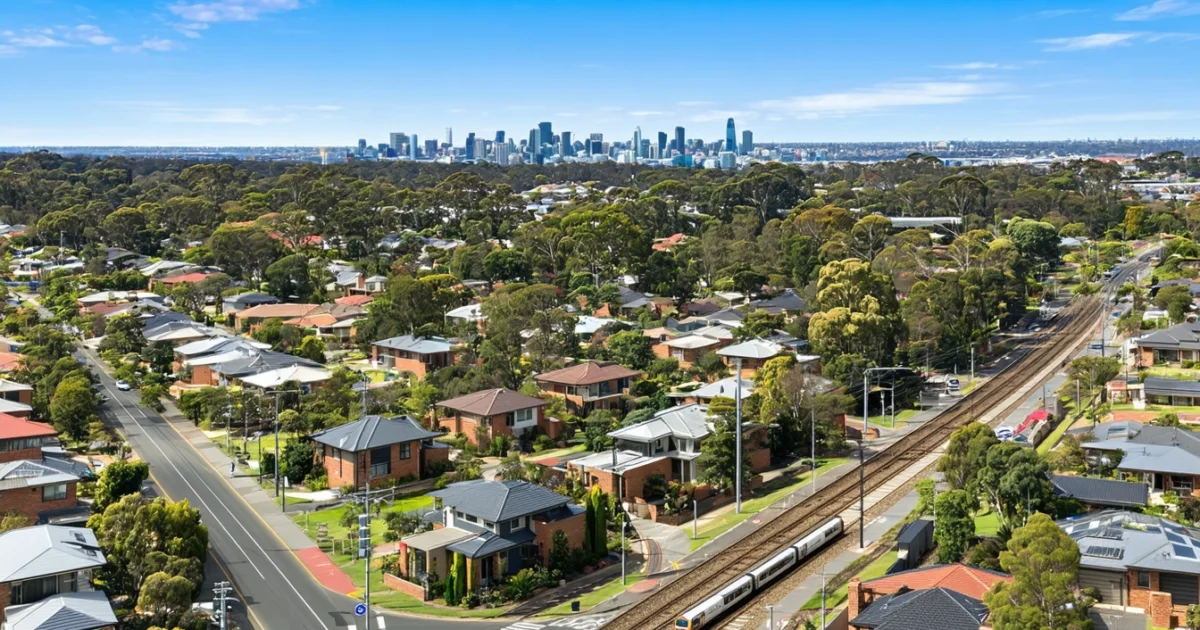
Lalor is a vibrant suburb located in Melbourne‘s northern region, approximately 20 kilometres from the CBD in postcode 3075. This multicultural community is famous for being named after Peter Lalor, the Irish-Australian leader of the historic Eureka Stockade rebellion in 1854. Moreover, Lalor has transformed from rural farmland into a thriving residential area known for its cultural diversity, affordable housing, and strong community spirit.
The suburb’s rich history spans from its agricultural beginnings to post-World War II development. Today, Lalor attracts families and young professionals with its excellent transport links via Lalor railway station and proximity to shopping centres like Lalor Plaza. Furthermore, the area offers numerous parks, schools, and recreational facilities that serve its diverse population of over 20,000 residents.
Understanding Lalor’s complete profile helps potential residents and investors make informed decisions. Additionally, the suburb’s ongoing development projects and infrastructure improvements continue to enhance its appeal as an accessible Melbourne location with Melbourne’s favorable climate.
TL;DR
- Location & Access: Lalor (3075) sits 20km north of Melbourne CBD with excellent train and bus connections
- Historical Fame: Named after Peter Lalor, the Irish leader of the 1854 Eureka Stockade rebellion who fought for miners’ rights
- Community Profile: Multicultural suburb with 20,000+ residents, affordable housing, and strong family-friendly amenities
- Key Features: Lalor Plaza shopping, quality schools, parks, sports facilities, and ongoing urban development projects
Overview of Lalor: Location and Basic Information
Lalor occupies a strategic position in Melbourne’s northern suburbs, sitting approximately 20 kilometres from the Melbourne CBD. This well-established residential area forms part of the City of Whittlesea municipality and carries the postcode 3075. The suburb’s geographic coordinates place it in the heart of Melbourne’s northern growth corridor.
The suburb’s boundaries encompass several key arterial roads including Station Street and Darebin Creek to the south. Additionally, Barry Road forms the northern boundary, while residential streets extend eastward toward the neighbouring areas. These well-defined borders create a cohesive community space within the broader metropolitan framework.
Lalor connects seamlessly with several neighbouring suburbs that enhance its regional appeal. Thomastown lies to the southeast, while Epping borders the northeast boundary. Furthermore, Mill Park sits to the east, and Bundoora extends to the southwest. This positioning provides residents with diverse amenities and employment opportunities across multiple suburban centres.
Transportation infrastructure makes Lalor highly accessible from Melbourne’s central business district. The Lalor Railway Station connects directly to the city via the South Morang line, offering regular services throughout the day. Moreover, major bus routes service the area, while the Metropolitan Ring Road provides convenient car access to other Melbourne regions.
Current demographic data reveals Lalor houses approximately 23,000 residents across diverse age groups and cultural backgrounds. The suburb attracts young families, first-home buyers, and established residents seeking affordable housing options. Census information shows the area maintains a multicultural population with significant communities from various ethnic backgrounds contributing to its vibrant social fabric.
The suburb’s residential character combines established housing stock with newer developments. Median house prices remain competitive compared to inner Melbourne suburbs, making Lalor an attractive option for buyers entering the property market. Additionally, rental properties provide options for tenants seeking Melbourne living with good transport connections and community facilities.
The Namesake: Peter Lalor and Historical Significance
The suburb of Lalor derives its name from Peter Lalor, a pivotal figure in Australian colonial history whose leadership during the Eureka Stockade rebellion shaped the nation’s democratic foundations. Born in Ireland in 1827, Lalor immigrated to Australia during the height of the Victorian gold rush, bringing with him the revolutionary spirit that would define his legacy. His Irish heritage instilled strong principles of justice and workers’ rights that later influenced his political activism in the goldfields of Ballarat.
Lalor’s most famous contribution to Australian history occurred in 1854 when he emerged as the leader of the Eureka Stockade rebellion at Ballarat. Moreover, this uprising represented miners’ frustration with oppressive government licensing fees and lack of political representation. The rebellion, though brief, became a symbol of democratic resistance against colonial authoritarianism. Lalor’s leadership during this historic event demonstrated his commitment to miners’ rights and fair treatment under colonial law.
The miners’ rights movement found its most articulate spokesperson in Peter Lalor, who organized fellow diggers against unfair taxation and police brutality. Additionally, his ability to unite diverse groups of miners from various backgrounds showcased his natural leadership qualities. The movement demanded voting rights, fair representation in parliament, and abolition of the discriminatory mining license system. These demands would later form the foundation of Australia’s democratic principles.
Following the Eureka rebellion, Lalor transitioned into mainstream politics, serving in the Victorian Parliament for over two decades. His political career spanned from 1856 to 1887, during which he championed workers’ rights and democratic reform. Furthermore, Lalor’s parliamentary contributions included advocacy for land reform, education funding, and infrastructure development across Victoria. His evolution from rebel leader to respected parliamentarian illustrated the transformative power of democratic participation.
The decision to name the suburb Lalor in his honour reflects the enduring significance of his contributions to Australian democracy. Local authorities chose this name to commemorate a man who fought for ordinary people’s rights against government oppression. Subsequently, the naming serves as a permanent reminder of the democratic struggles that shaped modern Australia. This historical connection gives Lalor residents a direct link to one of the nation’s most important democratic milestones.
Peter Lalor’s connection to the Australian gold rush era extends beyond the Eureka Stockade to encompass the broader transformation of colonial society. The gold rush period brought unprecedented social change, population growth, and economic development to Victoria. Consequently, Lalor’s story embodies the experiences of thousands of immigrants who sought fortune and freedom in the Australian colonies. His legacy represents the democratic ideals that emerged from this transformative period in Australian colonial history.
Historical Development of Lalor Suburb
The transformation of Lalor from agricultural farmland to suburban community represents one of Melbourne’s most significant post-war development stories. Originally, the area consisted of vast pastoral holdings and market gardens that supplied fresh produce to Melbourne’s growing population. Early settlers established dairy farms and vegetable crops across the fertile plains, taking advantage of the area’s proximity to Merri Creek and its rich alluvial soils.
During the late 1800s and early 1900s, agricultural activities dominated the landscape where modern Lalor now stands. Farmers cultivated wheat, oats, and barley while maintaining extensive grazing areas for cattle and sheep. Additionally, market gardeners grew potatoes, onions, and seasonal vegetables for Melbourne’s expanding markets. The rural character persisted well into the 1940s, with scattered farmhouses and agricultural buildings dotting the countryside.
Post-War Suburban Boom
The post-World War II housing boom fundamentally altered Lalor’s rural landscape between 1950 and 1970. Returning servicemen and growing immigrant families created unprecedented demand for affordable housing in Melbourne’s northern suburbs. Consequently, developers began subdividing large agricultural properties into residential lots, marking the beginning of Lalor’s suburban transformation.
Government initiatives accelerated this development through the War Service Homes scheme and state housing programs. These programs provided low-interest loans and subsidised housing for eligible families, making homeownership accessible to working-class Australians. Furthermore, the Victorian government designated Lalor as a priority area for suburban expansion, recognising its strategic location and development potential.
Infrastructure development accompanied residential construction throughout the 1950s and 1960s. New roads, sewerage systems, and electricity networks replaced rural tracks and basic services. The establishment of Lalor Primary School in 1958 marked a crucial milestone in the suburb’s evolution from farmland to family community. Shopping centres, medical facilities, and recreational areas followed as the population steadily increased.
Housing Commission Estates and Public Housing
The Housing Commission of Victoria played a pivotal role in shaping Lalor’s residential character during the 1960s and 1970s. Large-scale public housing estates provided affordable accommodation for low-income families and new migrants seeking stable housing. These developments included both single-family homes and medium-density housing clusters designed to accommodate diverse family sizes.
Public housing construction in Lalor reflected broader social housing policies aimed at addressing Melbourne’s housing shortage. The Housing Commission acquired substantial land parcels and implemented comprehensive planning strategies that included community facilities and green spaces. Moreover, these estates incorporated modern design principles and infrastructure standards that improved living conditions for thousands of residents.
The integration of public and private housing created a mixed socio-economic community that distinguished Lalor from purely private suburban developments. This diversity became a defining characteristic of the suburb, fostering multicultural communities and social cohesion across different income levels.
Migration Patterns and Multicultural Settlement
Post-war migration transformed Lalor into one of Melbourne’s most culturally diverse suburbs. Initially, European migrants from Italy, Greece, and Malta established strong communities throughout the 1950s and 1960s. These families brought traditional trades, small businesses, and cultural practices that enriched the suburb’s social fabric.
Subsequent waves of migration introduced families from Turkey, Lebanon, and other Mediterranean countries during the 1970s and 1980s. Each community contributed unique cultural elements while adapting to Australian suburban life. Local shops, restaurants, and community centres reflected this diversity, creating a vibrant multicultural environment that continues today.
More recent migration patterns have welcomed families from South Asia, Africa, and Southeast Asia to Lalor. This ongoing cultural evolution demonstrates the suburb’s capacity to integrate new communities while maintaining its established multicultural character. Community organisations and cultural associations facilitate settlement services and preserve cultural traditions across generations.
Urban Planning Milestones
Strategic urban planning initiatives shaped Lalor’s development trajectory throughout the late 20th century. The Whittlesea Planning Scheme established zoning regulations that balanced residential growth with commercial development and green space preservation. These planning controls ensured orderly development while protecting the suburb’s livability.
Transportation infrastructure improvements significantly enhanced Lalor’s connectivity to central Melbourne and surrounding areas. The extension of public transport services and road network upgrades reduced travel times and improved accessibility. Additionally, the development of Lalor Shopping Centre and local commercial precincts provided essential services within walking distance of residential areas.
Environmental planning considerations became increasingly important during the 1980s and 1990s. Creek rehabilitation projects, parkland development, and tree planting programs enhanced the suburb’s environmental quality. These initiatives balanced urban development with ecological preservation, creating a more sustainable suburban environment for future generations.
Today, Lalor continues evolving through medium-density housing projects and urban renewal initiatives that respond to Melbourne’s growing population. The suburb’s historical development from agricultural land to diverse residential community exemplifies successful suburban planning and multicultural integration in modern Australia.
Demographics and Community Profile
Lalor houses approximately 25,000 residents across its 3075 postcode, making it one of Melbourne’s most densely populated northern suburbs. The community demonstrates remarkable diversity, with residents representing over 40 different cultural backgrounds and speaking more than 30 languages at home. This multicultural composition reflects decades of successive migration waves that transformed Lalor from a predominantly Anglo-Australian settlement into a vibrant international community.
Population growth patterns show steady expansion over the past decade, with annual increases averaging 2.3% between 2016 and 2021. Furthermore, demographic projections indicate continued growth as urban consolidation policies encourage medium-density development throughout the suburb. Young families constitute the largest demographic segment, while established migrant communities provide cultural stability and social cohesion.
Age Distribution and Household Composition
The median age in Lalor sits at 34 years, significantly younger than Melbourne’s metropolitan average of 37 years. Children under 15 represent 22% of the population, while working-age adults between 25-54 comprise the largest cohort at 45%. Additionally, seniors over 65 account for 12% of residents, reflecting the suburb’s appeal to young families and established communities alike.
Household structures reveal diverse family arrangements that characterize modern suburban living. Nuclear families with children represent 38% of households, while couple-only households constitute 28%. Single-person households account for 18%, and multi-generational families comprise 16%, particularly within established migrant communities where extended family living arrangements remain culturally significant.
Cultural Diversity and Ethnic Communities
Italian-Australians form the largest ethnic community in Lalor, representing 15% of the population and maintaining strong cultural institutions including community centers and traditional festivals. Turkish-Australians constitute the second-largest group at 12%, followed by Lebanese-Australians at 8%. Moreover, emerging communities from India, Pakistan, and Afghanistan contribute to the suburb’s evolving multicultural landscape.
Language diversity statistics demonstrate the suburb’s international character, with English spoken at home by 52% of residents. Italian remains the most common non-English language at 11%, while Turkish accounts for 9% and Arabic represents 7%. Consequently, local schools and community services provide multilingual support programs to accommodate this linguistic diversity.
Income Levels and Socioeconomic Indicators
The median household income in Lalor reaches $68,500 annually, positioning the suburb slightly below Melbourne’s metropolitan median of $72,000. However, income distribution varies significantly across different demographic groups and cultural communities. Professional households typically earn above-average incomes, while service industry workers and recent migrants often experience lower income levels during their settlement period.
Housing affordability remains a key socioeconomic factor, with median house prices reaching $580,000 in 2024. Rental markets show median weekly rents of $420 for houses and $350 for units, making Lalor more accessible than inner Melbourne suburbs. Therefore, many first-home buyers and young families choose Lalor for its relative affordability combined with good transport connections to employment centers.
Employment Patterns and Occupational Data
Employment statistics reveal a diverse occupational profile reflecting both traditional blue-collar industries and emerging service sectors. Manufacturing employs 18% of Lalor residents, while retail trade accounts for 14% and healthcare services represent 12%. Additionally, construction provides employment for 11% of workers, reflecting ongoing urban development throughout Melbourne’s northern corridors.
Professional occupations continue expanding as the suburb’s demographic profile evolves toward higher education levels. Skilled trades remain prominent at 22% of the workforce, while professionals comprise 19% and clerical workers account for 16%. Furthermore, unemployment rates sit at 6.2%, slightly above the national average but reflecting the suburb’s role as a settlement area for new migrants entering the Australian workforce.
Commuting patterns show that 65% of employed residents travel outside Lalor for work, primarily to Melbourne’s CBD and surrounding industrial areas. Public transport usage reaches 28% for work trips, while private vehicle use accounts for 58%. Melbourne’s climate supports year-round commuting, contributing to the suburb’s appeal for workers across various industries and skill levels.
Transportation and Accessibility
Lalor railway station serves as the suburb’s primary transport hub, connecting residents directly to Melbourne’s extensive metropolitan rail network. The station operates on the South Morang line, providing regular services throughout the day with trains departing every 10-20 minutes during peak periods. Moreover, the journey to Melbourne Central takes approximately 35 minutes, while Flinders Street Station requires around 40 minutes of travel time.
Train services commence at 5:00 AM on weekdays and continue until midnight, ensuring comprehensive coverage for commuters and shift workers alike. Weekend services maintain similar frequency patterns, though with slightly extended intervals between departures. Additionally, the station features Park and Ride facilities with over 200 parking spaces, accommodating residents who drive to the station before continuing their journey via public transport.
Bus Networks and Public Transport Integration
Multiple bus routes complement the railway services, creating an integrated public transport network throughout Lalor and surrounding areas. Route 561 connects Lalor to Northland Shopping Centre and Preston, while Route 566 provides access to Reservoir and Bundoora RMIT. Furthermore, Route 902 operates as a SmartBus service, offering high-frequency connections to Doncaster and Airport West.
Bus stops throughout the suburb feature real-time arrival information and weather protection, enhancing the overall passenger experience. The integration between train and bus services allows seamless transfers, with many bus routes timed to coincide with train arrivals and departures. Consequently, residents can access employment centers, educational institutions, and shopping precincts across Melbourne’s northern suburbs without requiring private vehicle ownership.
Major Road Access and Highway Connections
High Street forms the main arterial road through Lalor, providing direct access to the suburb’s commercial precinct and connecting to broader regional road networks. The Metropolitan Ring Road (M80) lies approximately 3 kilometers south of Lalor, offering rapid access to Melbourne Airport and the Western Freeway. Similarly, the Hume Highway runs parallel to the eastern boundary, facilitating interstate travel and freight movement.
Local streets follow a grid pattern in older sections of the suburb, while newer developments feature curved streets and cul-de-sacs designed to reduce through traffic. Traffic management measures include roundabouts at major intersections and speed reduction zones near schools and shopping areas. Therefore, the road network balances accessibility with residential amenity, supporting both local trips and regional connectivity.
Cycling and Pedestrian Infrastructure
Cycling infrastructure continues expanding throughout Lalor, with dedicated bike lanes along major roads and shared paths through parklands and reserves. The Darebin Creek Trail provides a scenic route for recreational cycling and commuting, connecting Lalor to neighboring suburbs and the broader metropolitan trail network. Additionally, bike parking facilities at the railway station encourage multimodal transport combinations.
Pedestrian pathways feature continuous footpaths along most residential streets, with crossing points at regular intervals and traffic signals at busy intersections. The suburb’s relatively flat topography supports walking and cycling as viable transport options for short trips. Furthermore, street lighting and landscaping create safe, attractive environments for pedestrians throughout the day and evening hours.
Commute Times and Regional Connectivity
Average commute times to Melbourne CBD range from 35-45 minutes via public transport, depending on the final destination and connection requirements. Private vehicle journeys typically require 25-35 minutes during off-peak periods, though peak hour congestion can extend travel times significantly. Nevertheless, Lalor’s transport connections compare favorably with other outer suburban locations at similar distances from the city center.
Regional employment centers remain highly accessible from Lalor, with La Trobe University reachable within 15 minutes and major shopping centers like Northland accessible within 20 minutes. The Melbourne Airport requires approximately 30 minutes via the Ring Road, making Lalor convenient for frequent travelers. These connectivity advantages contribute significantly to the suburb’s appeal among working families and professionals.
Future Transport Planning and Infrastructure Development
Future transport improvements include potential upgrades to the South Morang railway line, with proposals for increased service frequency and platform extensions to accommodate longer trains. The Victorian Government’s Suburban Rail Loop project may eventually provide additional connectivity options, though specific timelines remain under review. Meanwhile, bus network reviews continue optimizing routes and frequencies based on changing residential patterns and employment destinations.
Road infrastructure planning focuses on intersection upgrades and traffic signal optimization to manage increasing vehicle volumes as the suburb continues growing. Cycling infrastructure expansion includes proposed connections to regional trail networks and improved bike storage facilities at transport hubs. Consequently, these planned improvements will further enhance Lalor’s accessibility and transport options for current and future residents.
Education and Schools
Lalor provides comprehensive educational opportunities across all learning stages, from early childhood through tertiary education. The suburb’s educational infrastructure serves both local families and students from surrounding areas, with multiple primary schools, secondary options, and early learning centers distributed throughout the community. Additionally, the area’s proximity to major educational institutions enhances access to specialized programs and higher education pathways.
Primary Schools in the Area
Lalor Primary School serves as the suburb’s main government primary school, offering comprehensive programs from Foundation to Year 6. The school focuses on literacy and numeracy development while providing specialized programs in arts, technology, and environmental education. Furthermore, the facility features modern classrooms, computer laboratories, and extensive playground areas designed to support diverse learning styles.
Lalor East Primary School operates in the eastern section of the suburb, delivering quality education with emphasis on community engagement and student wellbeing. This institution maintains strong partnerships with local organizations and implements innovative teaching methodologies to enhance student outcomes. Meanwhile, several Catholic primary schools in neighboring suburbs provide alternative educational approaches for families seeking faith-based education options.
Secondary Education Options
Lalor Secondary College stands as the primary government secondary school serving the local community and surrounding areas. The college offers comprehensive curriculum options including VCE pathways, vocational education programs, and specialized streams in science, technology, and creative arts. Moreover, the institution maintains modern facilities including science laboratories, performing arts centers, and sports complexes that support diverse educational programs.
Students also access quality secondary education at nearby institutions such as Thomastown Secondary College and various Catholic colleges in the broader region. These schools provide alternative educational philosophies, specialized programs, and different co-curricular opportunities. Consequently, families can choose from multiple secondary education options that align with their children’s interests and learning needs.
Early Childhood Centers and Kindergartens
The suburb supports numerous early childhood education centers that provide quality care and learning programs for children aged six weeks to five years. Lalor Kindergarten operates as a community-based facility offering four-year-old kindergarten programs that prepare children for primary school transition. Additionally, several private childcare centers throughout the area provide full-day care options for working families.
These early learning centers implement play-based curricula that promote social, emotional, and cognitive development in young children. Many facilities feature outdoor learning spaces, sensory gardens, and age-appropriate equipment designed to stimulate exploration and creativity. Furthermore, qualified early childhood educators deliver programs that meet Victorian Early Years Learning Framework requirements while supporting individual developmental needs.
TAFE and Tertiary Education Access
Northern Melbourne Institute of TAFE operates campuses within reasonable distance of Lalor, providing vocational education and training across diverse industries. Students access programs in trades, business, health, and technology through campuses at Epping and Preston. These institutions offer flexible study options including part-time, evening, and online delivery methods that accommodate various lifestyle requirements.
La Trobe University maintains its main campus approximately 15 minutes from Lalor, offering undergraduate and postgraduate programs across multiple disciplines. The university provides extensive student support services, research opportunities, and modern facilities that attract students from across Melbourne’s northern suburbs. Additionally, Victoria’s school holiday calendar helps families plan educational activities and term preparation throughout the year.
School Performance Ratings and NAPLAN Results
Local schools consistently demonstrate solid academic performance in NAPLAN assessments, with many institutions achieving results that meet or exceed state averages in key learning areas. Lalor Primary School shows particular strength in reading and numeracy, while secondary schools in the area maintain competitive VCE completion rates and university entrance outcomes. However, individual school performance varies, making research essential for families selecting educational institutions.
The My School website provides comprehensive data comparing local schools’ academic performance, student demographics, and resource allocation. Parents can access detailed information about NAPLAN trends, student progress measures, and school improvement initiatives. Moreover, community feedback and school review reports offer additional insights into educational quality and institutional culture that influence family decision-making processes.
Educational Facilities and Resources
Educational institutions throughout Lalor feature modern learning environments equipped with interactive whiteboards, computer laboratories, and wireless internet connectivity. Many schools have invested in STEM facilities, maker spaces, and digital learning tools that prepare students for contemporary workforce demands. Additionally, specialized facilities include music rooms, art studios, and well-equipped libraries that support diverse learning interests and talents.
Community educational resources complement school-based learning through local libraries, sports facilities, and cultural centers that offer after-school programs and holiday activities. The Whittlesea Library Service operates branches throughout the region, providing homework support, digital resources, and educational workshops for students of all ages. These community assets create comprehensive educational ecosystems that extend learning opportunities beyond traditional classroom environments.
Shopping, Dining and Entertainment
The commercial landscape of Lalor centers around Lalor Plaza, which serves as the primary retail hub for residents seeking everyday essentials and specialty goods. This shopping center houses major supermarket chains, pharmacies, and various retail outlets that cater to diverse community needs. Furthermore, smaller shopping strips along Station Street and May Road provide convenient access to local businesses and services within walking distance of residential areas.
Local shopping centers throughout the suburb feature a mix of national retailers and independent stores that reflect the area’s multicultural character. These retail precincts offer banking services, medical facilities, and specialty shops that serve the daily requirements of Lalor’s diverse population. Additionally, the proximity to larger shopping destinations like Northland Shopping Centre and Plenty Valley Shopping Centre provides residents with access to extensive retail options within a short drive.
Multicultural Dining Scene
The dining landscape in Lalor showcases remarkable cultural diversity through restaurants and eateries that represent cuisines from around the world. Italian trattorias, Indian curry houses, and Vietnamese pho restaurants create a vibrant food scene that reflects the suburb’s multicultural heritage. Moreover, these establishments range from casual family dining venues to takeaway options that cater to busy lifestyles and varying budget requirements.
Local cafes throughout the suburb serve as community gathering spaces where residents enjoy quality coffee, light meals, and social interactions. These neighborhood establishments often feature outdoor seating areas and family-friendly environments that encourage community connections. Additionally, many cafes source ingredients from local suppliers and offer menu items that blend traditional Australian fare with international influences.
Entertainment and Recreation
Entertainment venues in Lalor include local pubs, sports clubs, and community centers that host regular events and social activities. The Lalor Football Club and other sporting organizations provide recreational opportunities for residents of all ages while fostering community spirit and local pride. These venues often feature live music, trivia nights, and sporting events that bring neighbors together for shared experiences.
Recreational facilities throughout the area include parks with playground equipment, walking trails, and sporting fields that support active lifestyles and family recreation. The Lalor Park and surrounding green spaces offer picnic areas, barbecue facilities, and open spaces for community events and celebrations. Furthermore, these outdoor venues provide settings for markets, festivals, and cultural celebrations that showcase the suburb’s diverse community traditions.
Markets and Specialty Shopping
Local markets in and around Lalor offer fresh produce, artisanal goods, and specialty items that complement traditional retail shopping options. These markets often feature seasonal produce from local growers, handmade crafts, and ethnic foods that reflect the community’s cultural diversity. Additionally, weekend markets provide opportunities for local entrepreneurs to showcase their products while creating vibrant community gathering spaces.
Specialty stores throughout the suburb cater to specific cultural communities and niche interests, offering imported goods, traditional ingredients, and unique products not found in mainstream retailers. These businesses serve as cultural anchors that help maintain community connections and provide access to familiar products for residents from diverse backgrounds. Consequently, this retail diversity contributes to Lalor’s reputation as a welcoming and inclusive community that celebrates its multicultural identity.
Parks, Recreation and Community Facilities
Lalor offers residents and visitors an extensive network of recreational facilities that support active lifestyles and community engagement throughout the 3075 postcode area. The suburb’s commitment to public amenities reflects its evolution from rural farmland to a well-planned residential community that prioritises family-friendly infrastructure and outdoor recreation opportunities.
Local Parks and Green Spaces
Lalor Park serves as the suburb’s primary recreational hub, featuring expansive grassed areas, mature trees, and landscaped gardens that provide peaceful retreats from urban life. This central green space hosts community events, seasonal festivals, and cultural celebrations that bring together residents from diverse backgrounds. Moreover, the park’s strategic location makes it easily accessible via public transport and walking paths from surrounding residential areas.
Several smaller neighbourhood parks complement the main recreational areas, offering intimate spaces for relaxation and informal gatherings. These green spaces feature native Australian vegetation, established shade trees, and open lawns that support various recreational activities throughout the year. Additionally, many parks include dedicated dog exercise areas and off-leash zones that cater to pet owners and their companions.
Sports Facilities and Recreation Centres
The Lalor Recreation Centre provides comprehensive fitness and sporting facilities that serve residents across northern Melbourne’s growing suburbs. This modern facility houses basketball courts, gymnasium spaces, and group fitness studios that accommodate various sporting clubs and recreational programs. Furthermore, the centre offers structured activities for different age groups, from junior sports development to senior fitness classes.
Outdoor sporting facilities throughout Lalor include cricket ovals, soccer fields, and tennis courts that support local sporting clubs and competitive leagues. These venues regularly host weekend competitions, training sessions, and community sporting events that strengthen neighbourhood connections. Consequently, the suburb’s sporting infrastructure attracts families seeking active lifestyle opportunities and youth development programs.
Community Centres and Meeting Spaces
Community centres across Lalor provide versatile spaces for meetings, cultural events, and educational programs that serve the suburb’s diverse population. These facilities offer meeting rooms, function halls, and kitchen facilities that support everything from business seminars to wedding receptions. Additionally, many centres provide affordable venue hire options for local organisations, cultural groups, and community associations.
Neighbourhood houses throughout the area deliver essential community services including English language classes, job training programs, and social support services for new migrants and established residents alike. These centres often coordinate with local schools and healthcare providers to offer integrated community support programs. Therefore, they serve as vital connection points that help newcomers integrate into Australian community life.
Libraries and Cultural Facilities
The Lalor Library operates as a modern community learning hub that provides internet access, study spaces, and extensive book collections in multiple languages reflecting the area’s multicultural character. This facility offers computer training, digital literacy programs, and homework support services that benefit students and adult learners throughout the community. Moreover, the library regularly hosts author talks, children’s story sessions, and cultural exhibitions that celebrate local diversity.
Cultural facilities within the suburb include art galleries, performance spaces, and exhibition areas that showcase local talent and international cultural traditions. These venues support emerging artists, cultural festivals, and community celebrations that highlight Lalor’s rich multicultural heritage. Subsequently, they contribute to the suburb’s growing reputation as a culturally vibrant and inclusive community destination.
Playgrounds and Family Amenities
Modern playground facilities throughout Lalor feature age-appropriate equipment, safety surfaces, and accessible design elements that accommodate children with diverse mobility needs. These recreational areas include climbing structures, swing sets, and interactive play equipment that encourage physical activity and social development. Furthermore, most playgrounds incorporate shaded seating areas and picnic facilities that support family gatherings and community socialisation.
Family amenities across the suburb extend beyond traditional playgrounds to include barbecue facilities, public toilets, and covered pavilions that enhance outdoor recreation experiences. Many parks feature dedicated areas for birthday parties, family reunions, and informal celebrations that strengthen community bonds. Additionally, these facilities often include parking areas and public transport access that make them convenient for families from across the northern suburbs.
Walking Trails and Outdoor Activities
Extensive walking and cycling trails connect Lalor’s recreational facilities while providing safe routes for commuting and exercise throughout the suburb. These pathways link residential areas with shopping centres, schools, and public transport hubs, encouraging sustainable transportation choices and active lifestyles. Moreover, the trail network extends beyond suburb boundaries, connecting with regional cycling routes and metropolitan walking paths.
Outdoor fitness equipment installed along major walking routes provides opportunities for strength training and cardiovascular exercise in natural settings. These exercise stations feature weather-resistant equipment suitable for users of different fitness levels and physical abilities. Consequently, the combination of walking trails and outdoor fitness facilities supports community health initiatives and promotes regular physical activity among residents of all ages.
Real Estate Market and Housing
The Lalor property market demonstrates strong affordability compared to Melbourne’s inner suburbs, with median house prices ranging from $650,000 to $750,000 as of 2024. This pricing positions Lalor as an attractive entry point for first-home buyers and investors seeking capital growth potential in Melbourne’s northern corridor. Furthermore, the suburb experiences steady demand from families attracted to larger block sizes and established infrastructure.
Market trends indicate consistent annual growth rates of 4-6% over the past five years, reflecting the suburb’s increasing desirability among homebuyers. Property sales data shows strong activity in the family home segment, with three and four-bedroom houses comprising the majority of transactions. Additionally, the proximity to employment hubs and transport links continues to drive buyer interest and support price stability.
Housing Types and Architectural Styles
Brick veneer homes dominate Lalor’s housing landscape, representing approximately 70% of the suburb’s residential stock built primarily between the 1960s and 1980s. These properties typically feature three to four bedrooms on generous blocks ranging from 600 to 800 square metres, providing ample space for families and outdoor activities. Moreover, many homes retain original period features while incorporating modern renovations and extensions.
Contemporary townhouses and unit developments have emerged in recent years, particularly near transport corridors and shopping precincts. These newer properties offer low-maintenance living with modern amenities, appealing to young professionals and downsizing families. Consequently, the housing mix provides options for various lifestyle preferences and budget requirements across different demographic groups.
Rental Market and Affordability
Rental yields in Lalor average 4.2% to 4.8% annually, making the suburb attractive for property investors seeking steady returns in Melbourne’s outer ring. Weekly rental rates for three-bedroom houses range from $420 to $480, while two-bedroom units command approximately $350 to $400 per week. These rates provide affordability for families and professionals compared to inner Melbourne suburbs.
Vacancy rates remain low at approximately 2.1%, indicating strong rental demand and limited available stock throughout the year. The combination of affordable rents, family-friendly amenities, and transport accessibility attracts diverse tenant demographics including young families, working professionals, and students. Therefore, landlords benefit from stable tenancy periods and consistent rental income streams.
Investment Potential and Capital Growth
Investment fundamentals in Lalor 3075 remain strong due to ongoing infrastructure improvements, including the proposed suburban rail loop connections and upgraded bus services. These transport enhancements are expected to drive long-term capital appreciation as accessibility to employment centres improves significantly. Additionally, the suburb’s established schools and family amenities support sustained demand from owner-occupiers.
Demographic trends show increasing numbers of young families choosing Lalor for its affordability and lifestyle benefits, creating a stable foundation for property values. The suburb’s position within 20 kilometres of Melbourne’s CBD provides growth potential as urban sprawl continues and inner suburbs become increasingly expensive. Consequently, investors can expect steady capital gains supported by fundamental demand drivers.
Development Projects and New Housing
Several medium-density developments are currently planned or under construction throughout Lalor, focusing on townhouse and apartment projects near transport nodes. These developments aim to increase housing supply while maintaining the suburb’s family-friendly character through thoughtful design and community integration. Moreover, new projects typically incorporate modern sustainability features and energy-efficient design principles.
The Whittlesea Council has approved multiple residential subdivisions that will add approximately 200 new dwellings over the next three years. These projects include infrastructure upgrades such as improved stormwater management, upgraded streetscaping, and enhanced pedestrian connectivity. Therefore, new housing developments contribute to the suburb’s ongoing evolution while preserving its established community atmosphere.
Comparison with Neighbouring Suburbs
Lalor’s property prices remain 15-20% below neighbouring Bundoora and Mill Park, offering superior value for buyers seeking similar amenities and transport access. While Thomastown provides slightly lower prices, Lalor offers better school options and recreational facilities that justify the premium. Additionally, the suburb’s crime rates and community safety measures compare favourably with surrounding areas.
Rental yields in Lalor typically exceed those in nearby Epping and Reservoir by 0.3-0.5%, making it more attractive for investment purposes. The suburb’s established infrastructure and mature streetscapes provide advantages over newer developments in Mernda and Doreen, where services and amenities are still developing. Consequently, Lalor strikes an optimal balance between affordability, amenities, and investment potential within Melbourne’s northern growth corridor.
Safety and Crime Statistics
Lalor’s crime rate sits approximately 12% below Melbourne’s metropolitan average, positioning it as a relatively safe suburb within the northern corridor. The most recent Victoria Police data shows that property crime accounts for 68% of reported incidents, while violent crime represents only 8% of total offences. Furthermore, the suburb experiences significantly lower rates of assault and robbery compared to neighbouring areas like Thomastown and Reservoir.
Property-related offences dominate local crime statistics, with theft from motor vehicles and burglary comprising the majority of reported incidents. However, these rates have declined by 15% over the past three years due to improved street lighting and community vigilance programs. Additionally, drug-related offences remain minimal compared to other suburbs in the Whittlesea municipality, reflecting the area’s family-oriented demographic.
The Epping Police Station provides primary law enforcement services for Lalor, with regular patrols conducted throughout residential areas and commercial precincts. Police maintain a visible presence near Lalor Primary School and the shopping centre during peak hours, contributing to enhanced community safety. Moreover, the station coordinates closely with local schools to deliver safety education programs and youth engagement initiatives.
Neighbourhood Watch groups operate across six distinct zones within Lalor, covering approximately 85% of residential streets. These volunteer-led initiatives coordinate with Victoria Police to monitor suspicious activities and maintain communication networks among residents. Consequently, the suburb benefits from strong community cohesion that deters criminal activity and promotes collective security awareness.
The Whittlesea Council has invested $2.3 million in safety infrastructure improvements over the past five years, including upgraded LED street lighting and enhanced CCTV coverage in public spaces. These improvements specifically target areas identified through crime mapping and community feedback, resulting in measurable reductions in opportunistic crime. Therefore, ongoing investment in safety infrastructure demonstrates the council’s commitment to maintaining Lalor’s reputation as a secure residential suburb.
Living in Lalor: Pros and Cons
Advantages of Living in the Suburb
Lalor offers residents exceptional connectivity to Melbourne’s CBD through multiple transport options, making it an attractive choice for commuters. The suburb provides direct access to the Mernda railway line, with trains running every 20 minutes during peak hours to reach the city centre in approximately 45 minutes. Additionally, the Western Ring Road and Hume Highway create seamless connections to other metropolitan areas and regional destinations.
Family-friendly amenities define much of Lalor’s residential appeal, particularly the abundance of parks and recreational facilities scattered throughout the area. Residents enjoy access to over 15 public parks, including the expansive Lalor North Primary School Reserve and community sports grounds that host local football and cricket clubs. Furthermore, the suburb’s proximity to Westfield Plenty Valley provides comprehensive shopping and entertainment options within a short drive.
Affordability and Value for Money
Property prices in Lalor 3075 remain significantly below Melbourne’s median, offering excellent value for first-home buyers and growing families. The median house price sits at approximately $650,000, representing a 25% discount compared to similar suburbs with equivalent transport links. Consequently, buyers can secure larger properties with established gardens and multiple living areas at prices that would only purchase small apartments in inner-city locations.
Rental yields in the suburb consistently outperform many comparable areas, with investors achieving returns of 4.2% to 4.8% annually on residential properties. The strong rental demand stems from the area’s appeal to young families and professionals seeking affordable housing with good transport connections. Moreover, ongoing infrastructure development suggests continued capital growth potential over the medium to long term.
Community Spirit and Cultural Diversity
The suburb celebrates remarkable cultural diversity, with residents representing over 40 different nationalities and creating a vibrant multicultural atmosphere. Italian, Greek, and Lebanese communities have established strong roots in the area, contributing authentic restaurants, specialty food stores, and cultural festivals throughout the year. Similarly, growing populations from India, China, and the Philippines add contemporary diversity to the suburb’s social fabric.
Community engagement thrives through numerous local organisations, sporting clubs, and volunteer groups that bring residents together across cultural boundaries. The Lalor Football Club and Lalor Cricket Club serve as important social hubs, while the annual Lalor Community Festival showcases the suburb’s multicultural heritage through food, music, and traditional performances. Therefore, newcomers typically find welcoming communities that facilitate social integration and neighbourhood connections.
Challenges and Areas for Improvement
Limited nightlife and entertainment options present challenges for younger residents seeking vibrant social scenes within the immediate area. The suburb lacks dedicated bars, clubs, or late-night dining establishments, requiring residents to travel to nearby Epping or the CBD for evening entertainment. However, this limitation also contributes to the area’s family-friendly character and peaceful residential atmosphere.
Traffic congestion during peak hours affects major arterial roads, particularly along Dalton Road and Barry Road, creating delays for commuters and local traffic. The increasing population density has outpaced road infrastructure upgrades, resulting in bottlenecks near shopping centres and school zones. Nevertheless, planned road improvements and public transport enhancements aim to address these connectivity challenges over the coming years.
Some areas of the suburb experience limited access to premium healthcare facilities, with residents often travelling to Epping or Bundoora for specialist medical services. While general practitioners and basic health services operate locally, the absence of major medical centres or hospitals requires planning for comprehensive healthcare needs. Additionally, dental and allied health services remain somewhat limited compared to more established suburban areas.
Future Development Prospects
Major infrastructure projects promise to enhance Lalor’s connectivity and amenity over the next decade, including planned upgrades to the Mernda railway line and surrounding transport networks. The Victorian Government has allocated $2.8 billion for suburban rail improvements that will directly benefit the area through increased service frequency and reduced travel times to the CBD. Consequently, these enhancements are expected to drive property values and attract additional residents to the suburb.
Residential development continues at a steady pace, with several medium-density housing projects approved for construction near transport hubs and commercial areas. The Whittlesea Council has endorsed plans for townhouse developments that will add approximately 800 new dwellings over the next five years while maintaining the suburb’s character and green space requirements. Furthermore, these developments include provisions for additional community facilities and upgraded local infrastructure.
Suitability for Different Lifestyle Needs
Young families find Lalor particularly appealing due to excellent primary school options, abundant parkland, and safe residential streets suitable for children. The suburb offers multiple childcare centres, maternal and child health services, and family-oriented community programs that support parents throughout different stages of child-rearing. Additionally, the relatively quiet environment and strong neighbourhood watch presence create ideal conditions for raising children.
First-home buyers benefit from the suburb’s affordability while gaining access to established infrastructure and community services that typically develop over decades in newer areas. The availability of diverse housing stock means buyers can choose from renovated period homes, modern townhouses, or new constructions depending on their budget and preferences. Moreover, the area’s proven track record of capital growth provides confidence for long-term property investment strategies.
Retirees and downsizers appreciate Lalor’s peaceful atmosphere, proximity to healthcare services, and strong community connections that combat social isolation. The suburb offers several retirement living options, accessible public transport for those who no longer drive, and numerous volunteer opportunities through local organisations. However, the limited entertainment and dining options may not suit retirees seeking more active social lifestyles or cultural activities within walking distance of their homes.
Frequently Asked Questions
Where is Lalor located and how far is it from Melbourne CBD?
Lalor is located in Melbourne’s northern suburbs, approximately 20 kilometres from the CBD. It sits in postcode 3075 and forms part of the City of Whittlesea municipality. The suburb is strategically positioned in Melbourne’s northern growth corridor with excellent transport connections.
Who was Peter Lalor and why is the suburb named after him?
Peter Lalor was an Irish-Australian leader who became famous for leading the historic Eureka Stockade rebellion in 1854. He fought for miners’ rights during the Victorian gold rush era. The suburb was named in his honour to commemorate his significant contribution to Australian history and democratic rights.
What transport options are available in Lalor?
Lalor offers excellent transport connectivity including:
- Lalor Railway Station on the South Morang line with direct services to Melbourne CBD
- Regular bus routes servicing the area
- Easy access to the Metropolitan Ring Road for car travel
- Well-connected arterial roads including Station Street and Barry Road
What suburbs border Lalor?
Lalor is surrounded by several well-established suburbs that enhance its regional appeal:
- Thomastown to the southeast
- Epping to the northeast
- Mill Park to the east
- Bundoora to the southwest
What is the population and demographic profile of Lalor?
Lalor has a population of approximately 23,000 residents and is known for its multicultural community. The suburb attracts young families, first-home buyers, and established residents. It features significant communities from various ethnic backgrounds, contributing to a vibrant and diverse social fabric.
What shopping and amenities are available in Lalor?
Lalor offers comprehensive local amenities including Lalor Plaza as the main shopping centre. The suburb also features quality schools, numerous parks, sports facilities, and recreational areas. Ongoing urban development projects continue to enhance the area’s amenities and infrastructure.
Is Lalor affordable for first-home buyers?
Yes, Lalor is considered an affordable housing option compared to inner Melbourne suburbs. The area offers competitive median house prices, making it attractive for buyers entering the property market. Both purchase and rental properties provide good value for money while maintaining excellent transport connections to the CBD.
What makes Lalor attractive to families?
Lalor is particularly family-friendly due to its combination of affordable housing, quality schools, parks, and strong community spirit. The suburb offers excellent transport links for commuting parents, diverse recreational facilities, and a safe, multicultural environment that welcomes families from all backgrounds.
You May Also Like

Moving to Australia: The Complete Checklist and Guide (2026)

NT Public Holidays 2026: Full Calendar, Dates and How Darwin and Alice Springs Celebrate