Richmond Melbourne: Complete Suburb Guide 2026

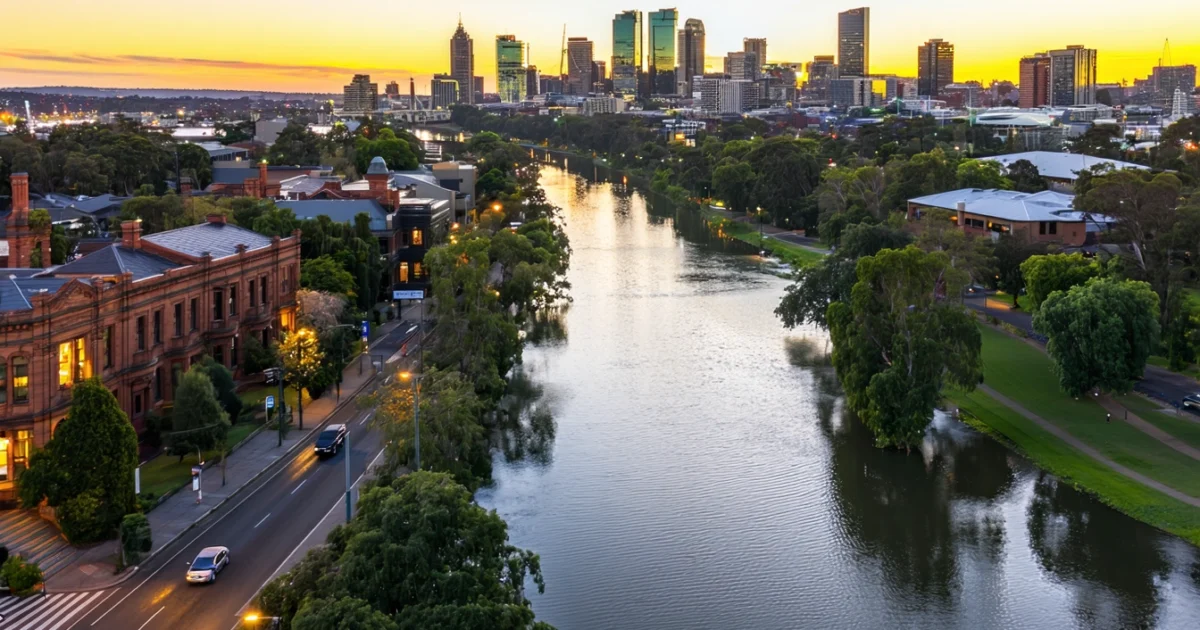
Richmond Melbourne is a vibrant inner-city suburb located just 3 kilometres east of Melbourne’s CBD in postcode 3121. This multicultural neighbourhood combines industrial heritage with modern gentrification, offering converted warehouses, Victorian terraces, and excellent transport links via Richmond Station and multiple tram routes. Furthermore, the suburb features the famous Swan Street dining precinct and Victoria Street’s Vietnamese food scene, making it popular among young professionals and families seeking urban convenience.
Located along the Yarra River, Richmond offers easy access to parklands and walking trails while maintaining strong connections to Melbourne’s cultural heart. Additionally, the area boasts proximity to the Melbourne Cricket Ground (MCG) and serves as home to the Richmond Football Club. The suburb’s diverse community includes established Vietnamese and Greek populations alongside newcomers attracted by its dynamic food scene and transport accessibility.
Whether you’re considering Richmond for rental accommodation, property investment, or simply exploring Melbourne’s best suburbs for families, this comprehensive guide covers everything from housing markets to local amenities. Moreover, we’ll examine transport options, dining hotspots, and community facilities that make Richmond one of Melbourne’s most sought-after inner-city locations.
TL;DR
- Prime location: 3km from Melbourne CBD with excellent train and tram connections via Richmond Station
- Diverse housing: Mix of converted warehouses, Victorian terraces, and modern apartments with strong rental and investment potential
- Cultural hub: Famous for Swan Street dining, Victoria Street Vietnamese food scene, and multicultural community atmosphere
- Lifestyle benefits: Yarra River access, MCG proximity, vibrant nightlife, and walkable distance to city centre
Richmond Melbourne: Inner-City Suburb Overview
Richmond stands as one of Melbourne’s most vibrant inner-city suburbs, positioned just 3 kilometres east of the Melbourne CBD. This dynamic neighbourhood carries the postcode 3121 and forms part of Melbourne’s coveted inner ring, offering residents exceptional urban convenience while maintaining distinct character and community atmosphere.
The suburb’s strategic location places it within easy reach of Melbourne’s central business district, making Richmond highly desirable for professionals and families seeking proximity to employment hubs. Furthermore, its position along major transport corridors ensures seamless connectivity throughout metropolitan Melbourne.
Geographical Boundaries and Neighbouring Areas
Richmond’s boundaries encompass a well-defined area bordered by several prominent Melbourne suburbs. The neighbourhood shares borders with East Melbourne to the west, Cremorne to the southeast, and Collingwood to the north. Additionally, the suburb extends southward to meet South Yarra and Toorak, creating connections with some of Melbourne’s most prestigious residential areas.
These neighbouring suburbs contribute to Richmond’s diverse character, as residents can easily access different community atmospheres and amenities. Moreover, the suburb’s central positioning within this network of established neighbourhoods enhances its appeal for both residential living and commercial investment opportunities.
Yarra River Frontage and Key Features
One of Richmond’s most significant geographical features involves its extensive frontage along the Yarra River. This waterway forms the suburb’s southern boundary and provides residents with access to scenic parklands, walking trails, and recreational facilities that enhance the area’s liveability.
The Yarra River corridor creates natural green spaces throughout Richmond, including popular spots for cycling, jogging, and outdoor activities. Consequently, this river access distinguishes Richmond from many other inner-city suburbs and contributes significantly to its premium real estate values and lifestyle appeal.
Population Demographics and Community Size
Richmond’s population reflects the diversity and dynamism typical of Melbourne’s inner suburbs. The area houses approximately 26,000 residents across its compact geographical footprint, creating a density that supports vibrant local businesses while maintaining neighbourhood character.
The demographic composition includes young professionals, established families, and long-term residents who have witnessed Richmond’s transformation over recent decades. Additionally, the suburb maintains strong multicultural connections, particularly through its Vietnamese community centred around Victoria Street and Greek heritage evident throughout various local establishments.
This population diversity creates a unique social fabric that supports Richmond’s reputation as both a cultural destination and residential community. Furthermore, the area attracts newcomers seeking authentic Melbourne experiences while providing established residents with evolving amenities and opportunities.
Richmond's Character and Community
Richmond’s character emerges from its remarkable multicultural heritage, blending diverse communities that have shaped the suburb’s identity over generations. The Vietnamese community forms the cultural heartbeat of Victoria Street, transforming this corridor into Melbourne’s most authentic Vietnamese dining and shopping precinct. Meanwhile, the established Greek community maintains deep roots throughout Richmond, contributing to local businesses, cultural events, and the suburb’s Mediterranean influences.
This multicultural tapestry creates a unique social environment where traditional cultures intersect with contemporary Australian life. Furthermore, these communities contribute significantly to Richmond’s economic vitality through family-owned restaurants, specialty stores, and cultural festivals that attract visitors from across Melbourne.
Industrial Heritage and Modern Transformation
Richmond’s industrial past remains visible throughout the suburb, with converted warehouses and former manufacturing sites now housing trendy apartments, creative studios, and artisanal businesses. The gentrification trends have transformed many industrial buildings into sought-after residential developments, particularly around the Cremorne and South Richmond areas.
However, this transformation creates both opportunities and challenges for the local community. While property values have increased substantially, long-term residents benefit from improved infrastructure and amenities. Nevertheless, some worry about affordability pressures affecting the suburb’s traditional character and accessibility for diverse income levels.
Residential Demographics and Community Mix
The suburb attracts a diverse mix of residents, including young professionals drawn to Richmond’s proximity to Melbourne’s CBD and vibrant cultural scene. Additionally, established families choose Richmond for its excellent schools, parks, and community facilities that support family life in an inner-city setting.
Long-term residents provide continuity and local knowledge, often serving as community leaders and maintaining connections to Richmond’s historical identity. This demographic blend creates a dynamic social environment where newcomers integrate with established networks, fostering both innovation and tradition within the community.
Consequently, Richmond maintains its appeal across different life stages and income levels, though housing costs increasingly challenge affordability for some demographic groups. The quality educational options in Victoria contribute significantly to the suburb’s family appeal.
Community Atmosphere and Local Culture
Richmond’s community atmosphere reflects both urban sophistication and neighbourhood intimacy, creating spaces where residents regularly interact through local markets, cafes, and community events. The Swan Street shopping precinct serves as a social hub where locals gather for shopping, dining, and casual encounters that strengthen community bonds.
Local culture celebrates both diversity and creativity, evident in the numerous galleries, live music venues, and cultural festivals that occur throughout the year. Moreover, the suburb’s compact size enables residents to develop genuine connections with local business owners, creating a village-like atmosphere within the metropolitan context.
Notable Landmarks and Heritage Buildings
Richmond features several heritage buildings that preserve the suburb’s architectural history while serving contemporary functions. The Richmond Town Hall, completed in 1885, stands as a magnificent example of Victorian civic architecture and continues hosting community events and cultural performances.
The Nylex Clock remains Richmond’s most recognisable landmark, visible from the nearby freeway and serving as a navigation point for locals and visitors alike. Additionally, the Burnley Gardens and various heritage-listed terrace houses throughout the suburb showcase Richmond’s architectural evolution from working-class housing to gentrified residential areas.
These landmarks contribute to Richmond’s sense of place and community identity, providing focal points for local pride and historical connection. Furthermore, heritage preservation efforts ensure that Richmond’s character buildings remain integral to the suburb’s visual landscape and cultural narrative.
Housing and Real Estate in Richmond
Richmond’s property market offers diverse housing options that reflect the suburb’s industrial heritage and modern transformation. Converted warehouses dominate the landscape, providing spacious loft-style apartments with exposed brick walls, high ceilings, and industrial features that attract young professionals and creative types. Additionally, Victorian terraces line many streets, offering traditional charm with modern renovations that blend heritage character with contemporary amenities.
Modern apartment complexes complement the existing housing stock, while townhouses provide middle-ground options for families seeking more space without sacrificing inner-city convenience. Furthermore, the suburb’s compact size means most properties sit within walking distance of public transport, shops, and recreational facilities.
Current Rental Market and Pricing Trends
Richmond’s rental market remains competitive in 2026, with median weekly rents reflecting the suburb’s desirable location and amenities. One-bedroom apartments typically rent for $450-550 per week, while two-bedroom units command $600-750 weekly. Moreover, converted warehouse apartments often achieve premium rents of $700-900 per week due to their unique character and spacious layouts.
Rental demand consistently exceeds supply, particularly for well-maintained properties near transport links. Consequently, vacancy rates hover around 2-3%, creating a landlord-favourable market where quality properties receive multiple applications within days of listing.
Property Purchase Prices and Market Conditions
Richmond’s property purchase market demonstrates strong fundamentals with median house prices reaching approximately $1.2-1.4 million in 2026. Victorian terraces command premium prices, especially those with period features and modern renovations. Meanwhile, apartment prices range from $500,000-800,000 for one-bedroom units and $700,000-1.2 million for larger apartments.
Market conditions favour sellers due to limited stock and high buyer demand. Subsequently, properties often sell above asking price, with auction clearance rates consistently exceeding Melbourne’s metropolitan average. Additionally, off-market sales occur frequently as buyers compete for quality properties in this tightly held suburb.
Popular Streets and Prime Locations
Swan Street represents Richmond’s premier address, offering proximity to shops, restaurants, and public transport while maintaining residential tranquility. Properties on Church Street benefit from excellent connectivity and diverse amenities, making them highly sought after by both investors and owner-occupiers.
Burnley Street and surrounding areas attract families due to nearby parks and schools, while Bridge Road properties appeal to those seeking retail convenience and cultural attractions. Furthermore, streets closer to the Yarra River command premium prices due to proximity to parklands and recreational facilities.
The area around Richmond Station remains particularly desirable for commuters, with properties within a 500-meter radius achieving higher sale prices and rental yields. Similarly, the creative precinct near galleries and studios attracts artists and professionals seeking inspirational living environments.
Investment Potential and Market Outlook
Richmond presents strong investment potential due to its strategic location, diverse tenant pool, and limited development opportunities. Capital growth prospects remain positive, supported by ongoing gentrification, infrastructure improvements, and consistent demand from young professionals and students.
Rental yields typically range from 4-5% for apartments and 3-4% for houses, reflecting the suburb’s premium positioning within Melbourne’s inner-city market. Moreover, the diverse economy and proximity to major employment centres ensure steady rental demand across various property types.
Long-term outlook indicates continued price appreciation, driven by Richmond’s established reputation, heritage character, and resistance to overdevelopment. However, investors should consider the competitive market conditions and higher entry costs when evaluating potential returns compared to emerging suburbs with greater growth potential.
Transport and Accessibility
Richmond offers exceptional transport connectivity that positions this Melbourne suburb as one of the city’s most accessible locations. The comprehensive transport network combines rail, tram, bus, and cycling infrastructure to create seamless connections throughout metropolitan Melbourne.
Richmond Railway Station and Rail Connections
Richmond Station serves as a major railway interchange connecting multiple train lines across Melbourne’s metropolitan network. The station provides direct access to the Belgrave, Lilydale, Glen Waverley, and Alamein lines, enabling efficient travel to eastern suburbs and the city centre.
Commuters reach Melbourne CBD within 5-8 minutes during peak hours, while connections to major employment hubs like Box Hill, Ringwood, and Glen Waverley take 20-35 minutes. Additionally, the station’s central location facilitates easy transfers to other lines for broader metropolitan access.
Comprehensive Tram Network Coverage
Four major tram routes traverse Richmond, providing extensive coverage across the suburb and connections to neighbouring areas. Route 70 runs along Swan Street, connecting Richmond to the city via Flinders Street, while continuing east to Wantirna South.
Route 75 travels through Church Street, linking Richmond to Vermont South via Camberwell and Burke Road. Meanwhile, Route 78 operates along Chapel Street, connecting to Prahran, South Yarra, and extending north to Preston. Furthermore, Route 79 provides access to Gardiner Station via Malvern East, creating additional connectivity options for residents.
Bus Services and Local Connectivity
Several bus routes complement the rail and tram network, enhancing local connectivity within Richmond and surrounding suburbs. Route 246 operates along Bridge Road, connecting Richmond to Elsternwick via South Yarra and Prahran, while providing access to shopping precincts and medical facilities.
Express bus services during peak hours reduce travel times to key destinations, particularly for commuters travelling to areas not directly served by rail lines. However, most residents rely primarily on tram and train services due to their frequency and comprehensive coverage of major destinations.
Cycling Infrastructure and Bike Paths
Richmond features extensive cycling infrastructure that supports both recreational and commuter cycling throughout the suburb. The Capital City Trail passes through Richmond, providing a dedicated cycling route connecting to the city centre and extending to outer suburbs along the Yarra River corridor.
Protected bike lanes along major streets like Swan Street and Church Street ensure safe cycling conditions, while numerous bike parking facilities at train stations and shopping centres encourage sustainable transport choices. Moreover, the relatively flat terrain and grid street layout make cycling an efficient option for short-distance trips within the suburb.
Walking Access and Pedestrian Infrastructure
The compact urban design of Richmond enables excellent walkability, with most amenities accessible within a 10-15 minute walk from residential areas. Melbourne CBD lies within comfortable walking distance, typically requiring 20-30 minutes via the pedestrian-friendly streets and riverside paths.
Well-maintained footpaths, pedestrian crossings, and traffic calming measures create a safe walking environment throughout the suburb. Additionally, the proximity to rideshare services provides convenient alternatives for longer journeys or late-night travel when public transport frequency decreases.
Parking Availability and Restrictions
Parking in Richmond reflects typical inner-city conditions, with permit zones covering most residential streets to manage commuter parking pressure. Residents can obtain parking permits for their local zone, while visitors face time restrictions typically ranging from 1-4 hours depending on the specific street.
Commercial areas along Bridge Road, Swan Street, and Church Street offer metered parking with rates varying from $3-6 per hour during business hours. However, the excellent public transport connectivity means many residents choose car-free lifestyles, reducing parking demand and supporting the suburb’s sustainable transport culture.
Dining, Shopping and Entertainment
Richmond stands as one of Melbourne’s premier entertainment destinations, offering diverse dining experiences, vibrant shopping precincts, and dynamic nightlife venues. The suburb’s multicultural character creates a rich tapestry of culinary traditions, while its historic streetscapes house contemporary retail offerings and entertainment establishments.
Swan Street Dining Precinct
Swan Street forms the culinary heart of Richmond, featuring over 80 restaurants, cafes, and bars within a concentrated strip. This dining precinct attracts food enthusiasts from across Melbourne, particularly for its innovative modern Australian cuisine and international fusion restaurants.
Notable establishments include award-winning venues specializing in contemporary dining, craft cocktails, and artisanal coffee. Furthermore, the street’s historic architecture provides an atmospheric backdrop for al fresco dining, especially during Melbourne’s warmer months when sidewalk tables become highly sought-after spots.
Bridge Road Shopping Experience
Bridge Road serves as Richmond’s primary retail corridor, extending from Church Street to Punt Road with diverse shopping opportunities. The strip combines factory outlets, designer boutiques, vintage stores, and specialty retailers, creating a unique shopping ecosystem that caters to various budgets and style preferences.
Additionally, the area features several shopping centers and arcades housing both local independent retailers and national chain stores. Many visitors specifically travel to Bridge Road for its factory outlet shopping, where premium brands offer discounted merchandise directly to consumers.
Victoria Street Vietnamese Quarter
Victoria Street hosts Melbourne’s most concentrated Vietnamese dining scene, earning recognition as the city’s unofficial “Little Saigon.” This culinary strip features over 40 Vietnamese restaurants serving authentic pho, banh mi, fresh spring rolls, and regional specialties from across Vietnam.
The area’s Vietnamese restaurants maintain traditional cooking methods while adapting to local tastes, creating a distinctive Melbourne-Vietnamese fusion style. Moreover, several establishments operate 24 hours, making Victoria Street a popular late-night dining destination for both locals and visitors seeking authentic Asian cuisine.
Craft Breweries and Bar Scene
Richmond’s craft beer culture thrives through numerous independent breweries and specialty bars scattered throughout the suburb. Local breweries produce distinctive ales, lagers, and seasonal specialties, while many establishments offer brewery tours and tasting sessions for beer enthusiasts.
The suburb’s bar scene ranges from intimate wine bars to bustling sports pubs, with many venues featuring live music and entertainment. Consequently, Richmond attracts both casual drinkers and serious beer connoisseurs seeking unique brewing experiences and artisanal beverage options.
Nightlife and Entertainment Venues
Richmond’s nightlife encompasses diverse entertainment options, from intimate jazz clubs to large-scale music venues hosting international acts. The suburb’s proximity to Melbourne CBD enhances its appeal as an entertainment destination, while maintaining a distinct local character that differentiates it from city center venues.
Live music venues regularly feature both emerging local artists and established performers across various genres. Additionally, several establishments offer comedy nights, trivia competitions, and themed events that foster community engagement and provide regular entertainment programming throughout the week.
Local Markets and Specialty Stores
Richmond Markets and specialty stores provide unique shopping experiences beyond conventional retail offerings. Weekend farmers’ markets showcase local produce, artisanal goods, and handcrafted items, while specialty stores focus on niche products ranging from vintage clothing to imported delicacies.
These markets create community gathering spaces where residents connect with local producers and discover unique products unavailable in mainstream retail outlets. Furthermore, many specialty stores reflect Richmond’s multicultural heritage, offering authentic ingredients and products from various cultural communities that call the suburb home.
Parks, Recreation and Lifestyle
Richmond offers exceptional recreational amenities that blend natural beauty with world-class sporting heritage. The suburb’s location along the Yarra River provides residents with extensive parklands and walking trails that connect directly to Melbourne’s broader network of green corridors.
Yarra River Parklands and Walking Trails
The Yarra River parklands form Richmond’s natural backbone, offering over 15 kilometers of interconnected walking and cycling paths. These trails provide scenic routes for daily exercise while connecting residents to nearby suburbs and Melbourne’s city center through continuous green corridors.
Moreover, the riverside parks feature designated picnic areas, barbecue facilities, and open spaces perfect for recreational activities. Consequently, families regularly utilize these areas for weekend gatherings, while fitness enthusiasts appreciate the varied terrain that accommodates both casual walks and intensive training sessions.
Richmond Recreation Centre and Sporting Facilities
The Richmond Recreation Centre serves as the suburb’s primary fitness and wellness hub, featuring modern gymnasium equipment, group fitness studios, and aquatic facilities. This comprehensive facility caters to diverse fitness needs while offering programs suitable for all age groups and ability levels.
Additionally, the center provides specialized classes including yoga, pilates, and aqua aerobics that promote community wellness initiatives. Furthermore, the facility’s strategic location ensures easy accessibility for residents throughout Richmond and neighboring areas.
Local Parks and Green Spaces
Richmond contains numerous local parks that serve distinct community functions beyond the major riverside reserves. Burnley Park offers expansive open areas ideal for team sports and large gatherings, while smaller neighborhood parks provide intimate spaces for children’s play and quiet relaxation.
These green spaces collectively contribute to Richmond’s high livability index, ensuring residents maintain easy access to nature within an urban environment. Similarly, the parks feature mature tree canopies that provide natural cooling and habitat for local wildlife species.
Melbourne Cricket Ground Proximity
Richmond’s proximity to the iconic Melbourne Cricket Ground (MCG) creates unparalleled access to Australia’s premier sporting venue. Residents enjoy walking distance access to AFL Grand Finals, cricket internationals, and major concerts without requiring extensive travel arrangements.
This location advantage significantly enhances Richmond’s appeal for sports enthusiasts and entertainment seekers. Consequently, property values reflect this premium positioning, while local businesses benefit from increased foot traffic during major sporting events and concerts.
Richmond Football Club Heritage
The Richmond Football Club maintains deep historical roots within the suburb, creating a strong sense of community identity and sporting pride. The club’s training facilities and administrative headquarters remain located within Richmond, reinforcing the connection between the team and local residents.
Furthermore, this sporting heritage influences local culture through supporter gatherings, community events, and youth development programs. The club’s success in recent years has intensified local pride while attracting new residents who value this sporting connection.
Fitness and Wellness Facilities
Richmond supports a diverse range of fitness and wellness facilities that cater to varied lifestyle preferences and health goals. Boutique studios offer specialized services including hot yoga, barre classes, and high-intensity interval training, while traditional gyms provide comprehensive equipment and personal training services.
Additionally, wellness practitioners throughout Richmond offer services ranging from physiotherapy to massage therapy, creating a holistic health ecosystem. These facilities often integrate with the suburb’s outdoor recreational opportunities, encouraging residents to maintain active lifestyles year-round.
Education and Family Services
Richmond offers comprehensive educational opportunities and family-focused services that make it an attractive choice for households with children. The suburb provides access to quality primary and secondary schools, while numerous childcare facilities support working families throughout the area.
Primary Schools in and Near Richmond
Richmond Primary School serves as the main government primary school within the suburb, offering foundation to year 6 education with strong community connections. The school emphasizes multicultural learning and provides specialized programs for students from diverse linguistic backgrounds.
Additionally, several nearby primary schools serve Richmond families, including Burnley Primary School and Abbotsford Primary School. These institutions maintain excellent reputations for academic achievement while fostering inclusive learning environments that celebrate cultural diversity.
Private primary education options include St Ignatius School Richmond, which combines Catholic values with contemporary teaching methods. Furthermore, the proximity to Melbourne’s inner suburbs expands educational choices significantly for Richmond residents.
Secondary School Options and Catchment Areas
Richmond High School provides comprehensive secondary education within designated catchment boundaries that encompass most of the suburb. The school offers diverse subject selections including Victorian Certificate of Education (VCE) pathways and vocational education programs.
Moreover, Richmond students can access several prestigious secondary schools in adjacent suburbs through catchment arrangements or selective entry programs. Melbourne High School and Mac.Robertson Girls’ High School represent selective government options, while numerous private schools operate within reasonable distances.
Consequently, families often choose Richmond specifically for its educational accessibility, as the best schools in Victoria remain within commutable distances. The suburb’s excellent public transport connections facilitate easy access to premium educational institutions throughout Melbourne.
Childcare Centres and Early Learning Facilities
Richmond accommodates working families through numerous childcare centres and early learning facilities that provide flexible care options. These facilities range from large corporate centres to boutique family-run operations, ensuring diverse choices for different family needs and preferences.
Goodstart Early Learning Richmond and Only About Children Richmond represent major providers offering full-day care, kindergarten programs, and holiday care services. Additionally, several smaller centres specialize in specific approaches such as Montessori or Reggio Emilia methodologies.
Furthermore, family day care providers operate throughout Richmond, offering home-based care in smaller group settings. These services often provide greater flexibility for families with irregular work schedules or specific care requirements.
Libraries and Community Centres
Richmond Library serves as a vital community hub, providing extensive book collections, digital resources, and community programs for all ages. The library offers children’s storytimes, homework clubs, and technology access that supports educational development throughout the suburb.
Meanwhile, Richmond Community Centre hosts diverse programs including playgroups, parenting workshops, and cultural events that strengthen neighborhood connections. These facilities create opportunities for families to engage with their local community while accessing valuable support services.
Additionally, several smaller community spaces throughout Richmond provide meeting venues for local groups, sports clubs, and educational activities. These venues contribute significantly to the suburb’s strong sense of community identity and social cohesion.
Healthcare Services and Medical Facilities
Richmond provides comprehensive healthcare services through multiple medical centres and specialized practitioners located throughout the suburb. These facilities ensure residents can access primary healthcare, specialist consultations, and emergency services without traveling significant distances.
Richmond Medical Centre and Swan Street Medical Practice offer bulk-billing general practitioner services alongside allied health professionals including physiotherapists and psychologists. Moreover, several dental practices throughout the suburb provide both general and specialized dental care for families.
Furthermore, Richmond’s proximity to major Melbourne hospitals including St Vincent’s Hospital and The Royal Melbourne Hospital ensures access to advanced medical care when required. This healthcare accessibility contributes significantly to Richmond’s appeal for families prioritizing health and wellness services.
Living in Richmond: Pros and Cons
Richmond offers residents a unique blend of urban convenience and cultural vibrancy that makes it one of Melbourne’s most sought-after inner suburbs. However, like any densely populated area, living in Richmond Melbourne suburb comes with both significant advantages and notable challenges that potential residents should carefully consider.
Key Advantages of Richmond Living
The suburb’s proximity to Melbourne’s CBD stands as its most compelling advantage, with residents enjoying a mere 3-kilometer distance to the city center. This closeness translates into shorter commutes, reduced transport costs, and greater flexibility for work and entertainment activities.
Cultural diversity permeates every aspect of Richmond life, creating a vibrant multicultural environment where Vietnamese, Greek, Turkish, and Australian communities coexist harmoniously. This diversity manifests in the suburb’s exceptional dining scene, with Swan Street and Bridge Road hosting internationally acclaimed restaurants representing cuisines from across the globe.
Transport connectivity reaches exceptional standards through Richmond Railway Station, which serves as a major interchange for multiple train lines. Additionally, numerous tram routes traverse the suburb, while rideshare services provide convenient door-to-door options for residents requiring flexible transport solutions.
Primary Considerations and Challenges
Traffic congestion presents the most significant daily challenge for Richmond residents, particularly during peak hours when major arterials including Swan Street, Bridge Road, and Punt Road experience heavy vehicle volumes. Furthermore, the suburb’s popularity creates bottlenecks that can extend travel times considerably.
Parking difficulties compound transportation challenges, with limited street parking and high demand creating competition among residents and visitors. Many apartment complexes charge additional fees for parking spaces, while street parking often requires permits and time restrictions.
Noise levels fluctuate significantly throughout Richmond, with areas near major roads, railway lines, and entertainment precincts experiencing elevated sound levels. Residents living close to venues and nightlife districts may encounter disturbances during evening hours and weekends.
Safety Profile and Crime Statistics
Richmond maintains a moderate safety profile compared to other inner Melbourne suburbs, with crime statistics showing mixed results across different categories. Property crime rates, including theft and burglary, occur at levels consistent with similar urban areas, while violent crime remains relatively uncommon.
The Victoria Police crime statistics indicate that most incidents involve minor property offenses and antisocial behavior concentrated around entertainment districts. However, residential areas generally experience lower crime rates, particularly in streets away from major commercial zones.
Community safety initiatives, including improved street lighting and increased police patrols, have contributed to enhanced security perceptions among residents. Nevertheless, standard urban precautions remain advisable, especially during late evening hours.
Cost of Living Comparison
Richmond’s cost of living positions it among Melbourne’s more expensive suburbs, with median rental prices exceeding many outer areas by 25-40%. However, when compared to other inner suburbs like South Yarra or Toorak, Richmond offers relatively better value for money.
| Expense Category | Richmond | Melbourne Average |
|---|---|---|
| Median Rent (2BR) | $480-550/week | $420/week |
| Groceries | 10-15% above average | Baseline |
| Dining Out | $25-35/meal | $22/meal |
| Transport | Zone 1 pricing | Variable by zone |
Daily expenses including groceries, dining, and services typically cost 10-20% more than Melbourne’s outer suburbs due to Richmond’s premium location and high demand. However, reduced transport costs often offset these higher living expenses for many residents.
Lifestyle Suitability Assessment
Richmond suits young professionals, couples, and small families who prioritize urban convenience over space and quietude. The suburb particularly appeals to individuals working in the CBD who value short commutes and vibrant social scenes.
Cultural enthusiasts find Richmond exceptionally appealing due to its diverse dining options, arts venues, and community events that celebrate multiculturalism. Additionally, fitness-conscious residents benefit from numerous gyms, yoga studios, and proximity to the Yarra River walking trails.
Conversely, families with multiple children or individuals seeking quiet suburban environments may find Richmond’s density and activity levels overwhelming. Similarly, residents requiring significant parking or storage space might encounter limitations in the suburb’s compact living arrangements.
Ultimately, Richmond appeals most to residents who embrace urban living’s energy while accepting its inherent compromises regarding space, noise, and cost considerations.
Frequently Asked Questions
Where is Richmond, Melbourne?
Richmond is an inner-city suburb located 3 kilometres east of Melbourne’s CBD, sitting within postcode 3121 in the City of Yarra local government area. Its borders meet East Melbourne to the west, Collingwood to the north, Cremorne to the southeast, and South Yarra and Toorak to the south. The suburb runs along the northern bank of the Yarra River, which forms its southern boundary.
What direction is Richmond from the CBD?
Richmond lies due east of Melbourne’s CBD. From Flinders Street Station, you are heading directly east along the Yarra River corridor to reach the suburb, with most of Richmond’s main streets — Swan Street, Bridge Road, and Church Street — running parallel or perpendicular to this east-west axis.
How far is Richmond from Melbourne CBD?
Richmond is approximately 3 kilometres from the Melbourne CBD. By train it takes 5 to 8 minutes from Richmond Station to Flinders Street. Walking takes around 20 to 30 minutes depending on your starting point, and cycling is a popular option given the flat terrain and the dedicated paths along the Yarra River corridor.
What is Richmond, Melbourne like?
Richmond is one of Melbourne’s most vibrant and characterful inner suburbs. It blends industrial heritage — converted warehouses, Victorian terraces, and former factory sites — with a lively contemporary scene built around food, sport, and nightlife. The suburb is multicultural by nature, shaped by long-established Vietnamese and Greek communities alongside newer waves of young professionals and creatives. It sits close enough to the city for convenience but has a distinct local identity anchored by Swan Street, Victoria Street, and the Yarra River parklands.
What is Richmond, Melbourne like to live in?
Day-to-day life in Richmond is urban and convenient. Most errands are walkable, public transport is frequent and comprehensive, and the dining and coffee scene is genuinely excellent. The suburb has a lively, sociable atmosphere, particularly around Swan Street and the bar and restaurant precincts. The trade-offs are what you would expect from any sought-after inner suburb: rents and property prices are above the Melbourne median, street parking is competitive, and some parts of the suburb — particularly near major roads and entertainment strips — can be noisy at night. For people who enjoy city living and value proximity to work and culture, Richmond is hard to beat.
What type of suburb was Richmond in 1919?
In 1919, Richmond was a densely populated working-class industrial suburb. It was one of Melbourne’s most heavily built-up areas, home to factories, breweries, tanneries, and manufacturing plants employing large numbers of working-class families who lived in the terrace houses immediately surrounding the factory sites. The suburb had a reputation as a tough, tight-knit community with a strong Irish-Catholic influence, and the Richmond Football Club — founded in 1885 — was already deeply embedded in local identity. Much of that industrial infrastructure has since been converted into the apartments and creative studios that define the suburb today.
Is Richmond a good suburb?
Richmond consistently ranks among Melbourne’s most desirable inner suburbs, and for most people moving to Melbourne it is a strong choice. The location is excellent, the transport network is one of the best in the inner east, and the food and cultural scene is genuinely world-class for a suburb of its size. The main considerations are cost — both to rent and to buy — and the density of the area, which means less space and more ambient noise than you would get in middle or outer suburbs. For young professionals, couples, and people who prioritise lifestyle and connectivity, it is a very good suburb.
Is Richmond, Melbourne a good place to live?
Yes, for the right person it is an excellent place to live. The combination of a 5-minute train ride to the city, a Yarra River trail at your doorstep, Swan Street restaurants within walking distance, and a genuine neighbourhood feel makes Richmond very liveable. Families with children also find it workable given the school catchment access and community facilities. The honest caveats are the cost of housing, the difficulty of parking a car, and some pockets of street-level drug activity around the Victoria Street and North Richmond areas. On balance, Richmond offers more of what inner-city Melbourne living is about than most comparable suburbs.
What is there to do in Richmond, Melbourne?
Richmond has a strong mix of food, sport, culture, and outdoor activity. Swan Street is the main social and dining hub, lined with restaurants, bars, and craft breweries. Victoria Street is Melbourne’s Vietnamese food precinct — brilliant for casual dining at any hour. The Yarra River parklands offer walking and cycling trails that connect through to the city and beyond. The Melbourne Cricket Ground is a short walk away for AFL games, cricket, and major concerts. Bridge Road is good for retail therapy, particularly factory outlet shopping. Local live music venues, art galleries, and weekend markets round out the options for a full social calendar.
Where should I eat in Richmond, Melbourne?
The two main eating destinations are Swan Street and Victoria Street. Swan Street covers modern Australian dining, share-plate restaurants, wine bars, and cocktail-focused venues — it skews slightly upmarket and suits a dinner-out occasion. Victoria Street is the place for Vietnamese food: pho, banh mi, rice paper rolls, and regional dishes from across Vietnam, all at very reasonable prices, with several spots open until late. Bridge Road and Church Street both have good cafes and casual eateries. Richmond also has a strong independent coffee culture, with several specialty roasters operating in the suburb.
Is Richmond, Melbourne safe?
Richmond is reasonably safe for an inner-city suburb, though it has some nuance worth knowing. Residential streets are generally quiet and low-risk, and property crime rates are in line with comparable inner Melbourne areas. The main visible safety consideration is around Victoria Street and North Richmond, which has historically been associated with public drug use — an issue the medically supervised injecting room (opened 2018) was specifically introduced to manage. The precinct around Swan Street and the entertainment strips sees the usual late-night noise and occasional antisocial behaviour on weekends, but is not considered dangerous. Standard urban awareness applies, particularly after dark near the main entertainment corridors.
Where is the Richmond safe injecting room?
The North Richmond Community Health Medically Supervised Injecting Room is located at antipodes 5 to 9 Jackson Street, North Richmond. It is operated by North Richmond Community Health and was the first state-sanctioned injecting room in Victoria when it opened in June 2018. The facility provides a supervised space for people to consume pre-obtained drugs under medical supervision, with the aim of preventing overdose deaths and connecting clients to health and social services.
When did the Richmond safe injecting room open?
The Richmond Medically Supervised Injecting Room opened in June 2018 as a two-year trial, subsequently extended and made permanent following evidence of its effectiveness in reducing overdose deaths and ambulance callouts in the surrounding area.
What is the postcode for Richmond, Victoria?
Richmond’s postcode is 3121. This applies to the main Richmond suburb as well as parts of the immediate surrounding area within the City of Yarra.
What council is Richmond, VIC in?
Richmond falls under the City of Yarra local government area. The City of Yarra covers Richmond along with surrounding suburbs including Collingwood, Fitzroy, Abbotsford, Cremorne, and Carlton North. The council handles local planning approvals, parks and open spaces, waste collection, and community services across the municipality.
What electorate is Richmond, Victoria in?
Richmond falls within the state electorate of Richmond at the Victorian Legislative Assembly level, which covers the inner eastern Melbourne suburbs including parts of Richmond, Cremorne, and South Yarra. At the federal level, Richmond sits within the electorate of Melbourne, one of the country’s most contested inner-city seats. Voting takes place at local polling stations — the Victorian Electoral Commission website has the most current booth locations for each election cycle.
Where do I vote in Richmond, VIC?
Voting locations in Richmond are assigned by the Victorian Electoral Commission (VEC) for state elections and the Australian Electoral Commission (AEC) for federal elections. Polling booths are typically set up at local schools, community halls, and the Richmond Town Hall during election periods. Both commissions have online tools to find your nearest polling place by address.
Where is Richmond Station?
Richmond Station is located on the corner of Church Street and Swan Street in Richmond, sitting at the junction of several major metropolitan rail lines. It is one of Melbourne’s busiest interchange stations and a central reference point for the suburb. Google Maps or the PTV Journey Planner will give you precise walking directions from any point in the suburb.
Where is Richmond train station?
Richmond train station and Richmond Station are the same facility — located on Church Street at the intersection with Swan Street, Richmond VIC 3121. It is accessible from Church Street directly and is well-signed from both Swan Street and Bridge Road.
What train line is Richmond Station on?
Richmond Station sits on the Burnley group of lines, which includes the Belgrave, Lilydale, Glen Waverley, and Alamein lines. All four lines stop at Richmond Station, making it one of the most connected interchange points on Melbourne’s metropolitan rail network. From Richmond you can reach the city centre (Flinders Street) in one stop, or head east toward Box Hill, Ringwood, Glen Waverley, and Alamein.
Which line is Richmond Station on?
Richmond Station serves the Belgrave, Lilydale, Glen Waverley, and Alamein lines — collectively known as the Burnley group. All four lines run through the station in both directions, making it a major interchange for eastern Melbourne commuters.
What train lines go to Richmond Station?
The Belgrave, Lilydale, Glen Waverley, and Alamein lines all stop at Richmond Station. Between them, these lines run frequent services during peak hours, with trains typically every 3 to 5 minutes citybound in the morning peak.
What line is East Richmond Station on?
East Richmond Station is served by the Belgrave and Lilydale lines. It sits one stop east of Richmond Station along the same corridor and serves the residential streets between Church Street and Burnley Street. It is a smaller, less-busy station than Richmond but useful for accessing the quieter parts of the suburb closer to the Yarra River.
What line is North Richmond Station on?
North Richmond Station is served by the Mernda and Hurstbridge lines. It sits on a different rail corridor from Richmond Station proper, running north through Fitzroy and Carlton rather than east. North Richmond Station is located on Victoria Street and is the closest station to the Vietnamese dining precinct.
Where is North Richmond Station?
North Richmond Station is on Victoria Street in North Richmond, accessible from the corner of Victoria Street and Lennox Street. It serves the Mernda and Hurstbridge lines and is a short walk from the heart of the Victoria Street Vietnamese food precinct.
What line is West Richmond Station on?
West Richmond Station is served by the Mernda and Hurstbridge lines, the same lines as North Richmond. It sits between Jolimont and North Richmond on that corridor and is one of the quieter stations in the inner east, primarily serving the residential streets at the western edge of the suburb near the Melbourne Cricket Ground.
How do I get to Richmond Station?
Richmond Station is easily accessible by train on the Belgrave, Lilydale, Glen Waverley, and Alamein lines — one stop from Flinders Street Station. From within the suburb, the station is walkable from most streets, sitting centrally on Church Street at Swan Street. Tram routes 70 (Swan Street) and 75 (Church Street) both pass near the station. There is no dedicated commuter car park at Richmond Station, so public transport or walking from nearby streets is the standard approach.
What zone is Richmond Station in?
Richmond Station is in Myki Zone 1, which covers the inner Melbourne metropolitan area. Zone 1 includes all stations from the city centre out to roughly 20 kilometres. A Zone 1 daily cap applies when travelling to and from Richmond.
What zone is Richmond in?
Richmond falls entirely within Myki Zone 1 for public transport purposes. This applies to all train, tram, and bus services within the suburb.
What tram goes down Bridge Road, Richmond?
Route 48 runs the full length of Bridge Road, connecting the city to North Balwyn via Richmond. It is the primary tram serving the Bridge Road shopping strip, running frequently throughout the day and into the evening.
What tram goes down Church Street, Richmond?
Route 75 runs along Church Street, connecting the city to Vermont South via Camberwell. Church Street is one of Richmond’s main north-south corridors and the tram provides a useful connection between Richmond Station, Swan Street, and the residential streets to the north toward Abbotsford.
What tram goes down Swan Street, Richmond?
Route 70 runs along Swan Street, connecting Flinders Street Station in the city to Wantirna South via Box Hill. It is the tram most visitors use to access Richmond’s main dining and entertainment precinct, with stops along the entire Swan Street strip.
How do I get to IKEA Richmond by tram?
IKEA Richmond is located on Richmond Road in Cremorne, adjacent to the South Yarra and Richmond border. The easiest tram option is Route 78 or 79 along Chapel Street, alighting at the Toorak Road / Commercial Road end and walking through to the store — though IKEA Richmond is more directly accessible via a short walk from South Yarra Station on the Sandringham line, or by tram Route 8 along Domain Road to St Kilda Road and walking through. Given IKEA typically involves bulky purchases, many visitors opt for a rideshare or drive.
How do I get to Bridge Road, Richmond?
Bridge Road is accessible by tram on Route 48, which runs directly along the street from the city. You can board Route 48 on Flinders Street in the CBD and ride it east into Richmond. Alternatively, Richmond Station is a 10-minute walk north of Bridge Road via Church Street. Rideshare is also straightforward given the central location.
How do I get to the MCG from Richmond Station?
The MCG is approximately a 10 to 15-minute walk from Richmond Station. Head west along Swan Street toward the city, cross Punt Road, and follow the signs through the parklands toward Jolimont. The walk takes you along well-signed pedestrian routes through Yarra Park. On event days, large crowds make the walk straightforward as you simply follow the crowd. Alternatively, Jolimont Station on the Belgrave and Lilydale lines is the official event station for the MCG and is one stop toward the city from Richmond.
Where can I park near Richmond Station?
Street parking near Richmond Station is permit-restricted for most of the surrounding residential streets. Your best options for paid parking are the commercial car parks on Church Street and Swan Street, and the metered spaces along Bridge Road. On non-event days, spots can be found on some of the side streets off Swan Street with a time limit, though these fill quickly during business hours. On AFL or cricket event days at the MCG, parking in the entire suburb becomes very tight and public transport is strongly recommended.
Where can I park at Richmond Station?
Richmond Station does not have a dedicated commuter car park attached to it. Parking in the immediate vicinity is subject to residential permit restrictions or time limits. Paid commercial car parks on Church Street are the closest alternative if you need to leave a vehicle and catch the train. On most weekdays, the practical advice is to use a nearby tram stop as a park-and-ride option from an outer suburb, or plan the trip entirely by public transport.
Where can I buy a poppy in Richmond, Melbourne?
Poppies and other commemorative badges for Anzac Day and Remembrance Day are typically sold by the Returned Services League (RSL) through street collections in the weeks leading up to each occasion. In Richmond, RSL volunteers usually set up in locations along Swan Street, at Richmond Station, and in major supermarkets. You can also donate and receive a poppy through the RSL’s online store or at any Woolworths or Coles supermarket statewide during the annual appeal period.
Where is Richmond Valley Council?
Richmond Valley Council is a local government area in northern New South Wales, centred on the town of Casino — it has no connection to Richmond, Melbourne or the City of Yarra. If you are searching for the council responsible for Richmond, Victoria, that is the City of Yarra, headquartered at 333 Bridge Road, Richmond VIC 3121.
What happened at Richmond Station today?
For real-time disruption updates, service alerts, or incident information at Richmond Station, check the PTV (Public Transport Victoria) website at ptv.vic.gov.au or the PTV app, which provides live service updates across all Melbourne train lines. The @PTV_Official Twitter/X account also posts disruption alerts in real time. Google Maps transit directions will reflect current delays and line substitutions if you enter Richmond Station as your starting point.
You May Also Like

Moving to Australia: The Complete Checklist and Guide (2026)

NT Public Holidays 2026: Full Calendar, Dates and How Darwin and Alice Springs Celebrate