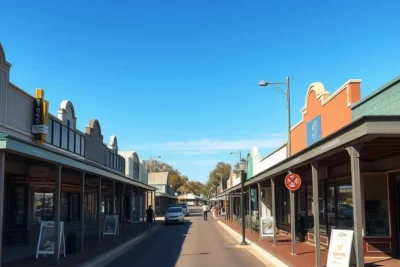
Werribee Suburb Guide: Living in Melbourne’s Outer West

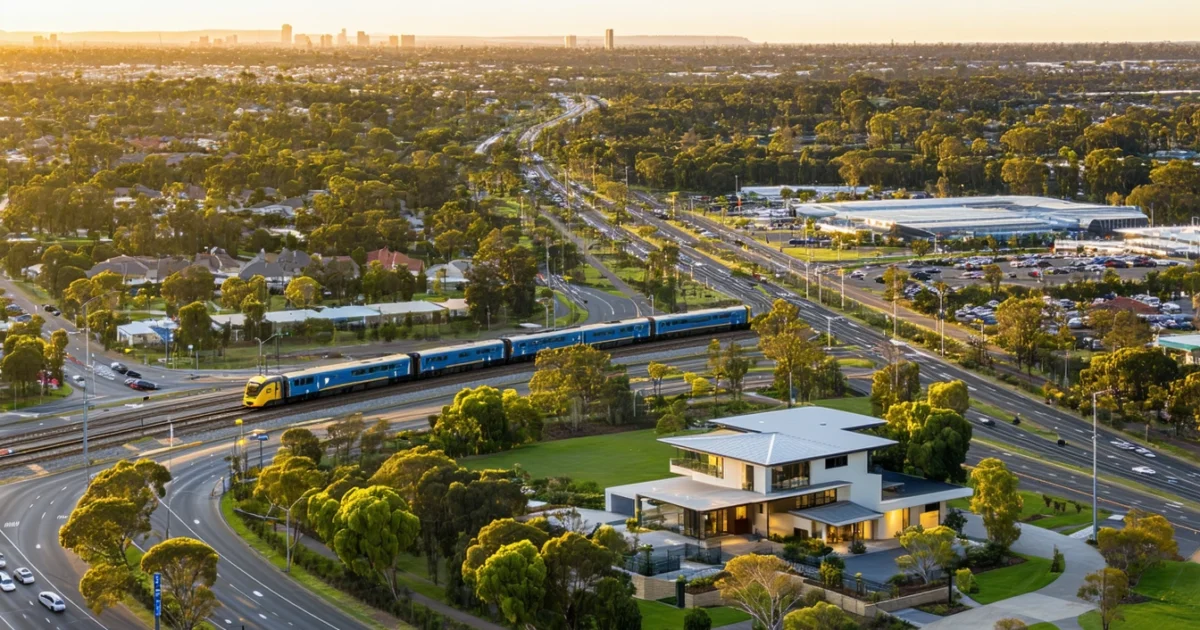
Werribee suburb Melbourne is a rapidly growing outer western suburb located approximately 32 kilometers from Melbourne’s CBD in the Wyndham City Council area. This family-friendly suburb offers affordable housing, excellent transport links via Werribee train station, and popular attractions like the Werribee Open Range Zoo. Furthermore, Werribee provides a balanced lifestyle with Werribee Plaza shopping centre, quality schools, and recreational facilities along the Werribee River.
Located in postcode 3030, Werribee has transformed from a rural township into one of Melbourne’s fastest-growing suburbs. Additionally, the area attracts young families and first-home buyers seeking affordable property prices compared to inner Melbourne. The suburb also benefits from strong infrastructure development and proximity to employment hubs.
Whether you’re considering relocating or investing in property, understanding Werribee’s demographics, transport options, and amenities is essential. Moreover, the suburb’s cultural diversity, healthcare facilities, and future development plans make it an increasingly attractive option for Melbourne residents seeking space and value.
TL;DR
- Location: 32km west of Melbourne CBD in Wyndham City Council (postcode 3030)
- Transport: Direct train services to Melbourne, major highway access via Princes Freeway
- Attractions: Werribee Open Range Zoo, Werribee Plaza, parks and recreational facilities
- Housing: Affordable property prices, suitable for families and first-home buyers
- Amenities: Quality schools, Werribee Mercy Hospital, diverse shopping and dining options
Werribee Overview: Location and Basic Information
Werribee sits strategically in Melbourne’s outer western corridor, approximately 32 kilometres from the Melbourne CBD. This growing suburb occupies a prime position within the Wyndham City Council area, serving as a major residential and commercial hub for the region. The suburb encompasses postcode 3030 and extends across diverse residential zones, from established neighbourhoods to new housing developments.
Geographically, Werribee spans both sides of the Werribee River, which flows through the suburb’s heart toward Port Phillip Bay. The area benefits from excellent connectivity via the Princes Freeway and the Werribee railway line, making commutes to Melbourne’s central business district highly accessible. Moreover, the suburb’s location provides easy access to Geelong, the Surf Coast, and other western Victorian destinations.
The Wyndham City Council governs Werribee alongside neighbouring suburbs including Hoppers Crossing, Point Cook, and Tarneit. This municipal area represents one of Australia’s fastest-growing regions, with Werribee serving as the administrative and commercial centre. Additionally, the council’s boundaries extend from the urban growth corridor to rural farmland, creating diverse community needs and opportunities.
Historically, Werribee began as a pastoral station in the 1850s, established by the Chirnside family who developed the iconic Werribee Mansion. The area transformed from agricultural land into a thriving township throughout the 20th century, particularly after World War II when suburban development accelerated. Consequently, modern Werribee combines heritage elements with contemporary urban planning, creating a unique suburban character.
Today’s Werribee development reflects careful urban planning that balances residential growth with commercial and recreational spaces. The suburb features established areas near the town centre alongside newer residential estates in the north and east. Furthermore, ongoing infrastructure projects continue to enhance connectivity and amenities, supporting the area’s projected population growth over the coming decades.
Quick Location Facts
Demographics and Population Profile
Werribee’s population has experienced remarkable growth, reaching approximately 50,000 residents as of 2024, representing a 15% increase over the past five years. Furthermore, demographic projections indicate the suburb will continue expanding rapidly, with estimates suggesting the population could reach 65,000 by 2030. This growth trajectory positions Werribee among Melbourne’s fastest-developing outer suburbs, driven by affordable housing options and improved transport connectivity.
The age distribution reveals a predominantly young community, with 35% of residents aged between 25-44 years. Additionally, families with children comprise 42% of all households, reflecting Werribee’s appeal to young professionals and growing families seeking suburban lifestyle benefits. Meanwhile, the median age sits at 34 years, significantly lower than Melbourne’s metropolitan average of 37 years.
Cultural Diversity and Ethnic Composition
Werribee demonstrates exceptional cultural diversity, with 48% of residents born overseas representing more than 80 different countries. The largest ethnic communities include Indian, Vietnamese, Filipino, and Sri Lankan populations, each contributing unique cultural elements to the suburb’s identity. Consequently, this multicultural composition creates vibrant community festivals, diverse dining options, and multilingual services throughout the area.
Language diversity further illustrates Werribee’s multicultural character, as 62% of households speak languages other than English at home. Hindi, Vietnamese, Tagalog, and Sinhalese rank among the most commonly spoken languages after English. Moreover, local schools and community centres provide language support services, facilitating integration while preserving cultural heritage.
Income and Employment Statistics
| Income Bracket | Percentage of Households | Melbourne Average |
|---|---|---|
| $0 – $49,999 | 28% | 25% |
| $50,000 – $99,999 | 35% | 32% |
| $100,000 – $149,999 | 22% | 24% |
| $150,000+ | 15% | 19% |
The median household income in Werribee reaches $78,500 annually, slightly below Melbourne’s metropolitan median of $82,400. However, this income level provides excellent value considering Werribee’s lower housing costs and lifestyle benefits. Employment rates remain strong at 94.2%, with many residents commuting to Melbourne CBD or working in local manufacturing, healthcare, and retail sectors.
Major employment sectors include manufacturing (18%), healthcare and social assistance (16%), and retail trade (14%). Additionally, the growing logistics industry around Melbourne’s west provides increasing job opportunities for Werribee residents. Professional services and education sectors also contribute significantly to local employment, supporting the suburb’s economic diversification.
Education Levels and Qualifications
Educational attainment in Werribee reflects the suburb’s diverse population, with 24% of residents holding bachelor’s degrees or higher. Trade qualifications represent 22% of the adult population, indicating strong vocational skills within the community. Meanwhile, 31% of residents completed Year 12 as their highest educational achievement, while others pursued various certificate and diploma programs.
The suburb’s younger demographic drives increasing university enrolment rates, particularly among second-generation immigrant families prioritising higher education. Local educational facilities include multiple primary schools, several secondary colleges, and vocational training centres. Furthermore, proximity to Melbourne’s universities via train connections enables many residents to pursue tertiary education while maintaining affordable suburban living.
Werribee’s population growth of 15% over five years makes it one of Melbourne’s fastest-expanding suburbs
These demographic trends position Werribee as an increasingly attractive suburb for diverse communities seeking affordable housing, cultural diversity, and growth opportunities. The combination of young families, multicultural backgrounds, and improving infrastructure creates a dynamic environment that continues attracting new residents from across Melbourne and internationally.
Real Estate Market and Property Prices
Werribee’s property market demonstrates strong performance with median house prices reaching $650,000 in 2024, representing a 12% increase over the previous year. This growth trajectory positions the suburb as one of Melbourne’s most attractive investment destinations for both owner-occupiers and investors seeking affordable entry points into the property market.
Median House Prices and Market Trends
The Werribee real estate market shows consistent capital appreciation, with houses averaging $650,000 and units selling for approximately $420,000. Recent market analysis reveals that property values increased by 8.5% annually over the past three years, outperforming many established Melbourne suburbs. Additionally, days on market average just 28 days, indicating strong buyer demand and market liquidity.
Market trends favour family homes, particularly three and four-bedroom properties that appeal to young families relocating from inner Melbourne. Furthermore, new developments in Werribee South command premium prices, with some estates achieving $750,000+ for modern homes with contemporary features. The suburb’s proximity to employment hubs and transport infrastructure continues driving sustained price growth.
Rental Market Overview
Werribee’s rental market maintains strong fundamentals with vacancy rates below 2%, creating favourable conditions for property investors. Three-bedroom houses command weekly rents of $450-$520, while two-bedroom units typically rent for $350-$420 per week. These rental yields of approximately 3.8-4.2% exceed many inner Melbourne suburbs, making Werribee attractive for investment purposes.
Rental demand stems primarily from young families and professionals seeking affordable housing with good transport links. Moreover, the suburb’s growing population and limited rental stock ensure consistent tenant demand. Property managers report average tenancy periods of 18 months, indicating tenant satisfaction and rental stability.
Available Property Types
Werribee offers diverse housing options catering to various lifestyle preferences and budgets. Detached houses comprise 75% of available properties, ranging from established 1980s homes to modern architecturally-designed residences. These properties typically feature 3-4 bedrooms, double garages, and generous block sizes averaging 600-800 square metres.
- Houses: $580,000-$850,000 (established to new builds)
- Townhouses: $480,000-$620,000 (medium-density developments)
- Apartments: $380,000-$520,000 (predominantly newer complexes)
- Land packages: $320,000-$450,000 (new estates)
Townhouse developments concentrate around transport nodes, offering low-maintenance living for professionals and downsizers. Meanwhile, apartment complexes near Werribee Station provide convenient access to Melbourne CBD while maintaining suburban amenities. New land releases in Werribee South attract families seeking to build custom homes in master-planned communities.
Investment Potential and Capital Growth
Investment fundamentals in Werribee remain robust, supported by population growth, infrastructure development, and housing affordability relative to inner Melbourne. Capital growth averaged 9.2% annually over five years, with strong prospects for continued appreciation driven by the suburb’s strategic location and ongoing urban development.
Key growth drivers include the Werribee Employment Precinct expansion, improved transport connectivity, and major retail developments. Additionally, government investment in education facilities and healthcare infrastructure enhances long-term property values. Property analysts forecast continued growth of 6-8% annually, making Werribee attractive for both short-term rental yields and long-term capital appreciation.
Comparison with Neighbouring Suburbs
| Suburb | Median House Price | Annual Growth | Rental Yield |
|---|---|---|---|
| Werribee | $650,000 | 12% | 4.0% |
| Hoppers Crossing | $620,000 | 10% | 4.2% |
| Point Cook | $720,000 | 8% | 3.6% |
| Tarneit | $680,000 | 11% | 3.9% |
Compared to neighbouring suburbs, Werribee offers competitive pricing with strong growth potential. While Point Cook commands higher prices due to waterfront proximity, Werribee provides better value for families seeking established amenities and transport access. Similarly, although Tarneit shows comparable growth rates, Werribee’s mature infrastructure and community facilities provide additional lifestyle benefits that support sustained property values.
Transport and Connectivity
Werribee train station serves as the primary transport hub, connecting residents to Melbourne’s extensive rail network through the Werribee line. V/Line services extend connectivity beyond metropolitan Melbourne, providing direct access to regional Victorian destinations including Geelong, Ballarat, and Bendigo. Furthermore, the station features modern facilities with ample parking, making it convenient for commuters who drive to catch trains.
Express services operate during peak hours, significantly reducing travel times to the city. Additionally, the station’s central location within Werribee ensures easy access for residents across the suburb. Train frequency averages every 10-15 minutes during peak periods, while off-peak services run every 20-30 minutes throughout the day.
Public Transport Network
Comprehensive bus routes complement the rail network, providing local connectivity throughout Werribee and surrounding areas. Route 439 connects Werribee Plaza to Caroline Springs, while Route 440 links the station to Hoppers Crossing. Moreover, Route 180 provides direct access to Sunshine, creating additional transport options for commuters.
Local bus services operate at regular intervals, typically every 30-40 minutes during weekdays. Night services ensure connectivity during evening hours, particularly on weekends. Public transport integration allows seamless transfers between bus and train services, enhancing overall network efficiency.
Road Infrastructure and Highway Access
The Princes Freeway provides the primary arterial connection between Werribee and Melbourne CBD, supporting both private vehicle and freight transport. This major highway facilitates efficient movement of goods and people, contributing to the suburb’s economic connectivity. Additionally, Derrimut Road and Heaths Road serve as key local arterials, distributing traffic throughout the area.
Watton Street functions as the main commercial spine, connecting residential areas to shopping and business districts. Traffic management systems optimize flow during peak periods, while ongoing road upgrades address growing transport demands. Highway accessibility positions Werribee strategically for both residential and commercial development.
Commute Times and Accessibility
| Destination | Train Time | Car Time (Peak) | Car Time (Off-Peak) |
|---|---|---|---|
| Melbourne CBD | 35-45 minutes | 50-70 minutes | 35-40 minutes |
| Footscray | 25-30 minutes | 35-45 minutes | 25-30 minutes |
| Geelong | 45-55 minutes | 40-50 minutes | 35-40 minutes |
| Melbourne Airport | 60-75 minutes* | 45-60 minutes | 35-45 minutes |
*Includes connection at Southern Cross Station
Commute patterns demonstrate Werribee’s connectivity to major employment centers across Melbourne’s west. Peak hour congestion affects road travel times significantly, making train services particularly attractive for CBD commuters. Nevertheless, off-peak road travel provides competitive journey times for flexible workers and weekend travelers.
Future Transport Infrastructure
The Werribee line upgrade represents a major infrastructure investment, with plans for increased service frequency and improved rolling stock. Track duplication projects will enhance capacity and reliability, reducing delays during peak periods. Subsequently, these improvements will support population growth and economic development throughout the western suburbs.
Proposed bus rapid transit connections will link Werribee to key destinations including Caroline Springs and Melton. Highway widening projects along the Princes Freeway aim to address growing traffic volumes and improve freight movement. Additionally, cycling infrastructure expansion includes new bike paths connecting residential areas to transport hubs and commercial centers.
Transport Planning
Long-term transport planning incorporates population projections and urban development patterns to ensure adequate connectivity. Smart traffic systems and real-time information displays will improve user experience across all transport modes. These infrastructure investments reinforce Werribee’s position as a well-connected suburb with excellent access to employment, education, and recreational opportunities throughout metropolitan Melbourne.
Education and Schools
Werribee offers comprehensive educational opportunities across all levels, from early childhood through tertiary education. The suburb features numerous primary schools and secondary colleges that serve local families and attract students from surrounding areas. Moreover, both public and private educational institutions provide diverse learning pathways to meet varying family preferences and student needs.
Primary Schools and Ratings
Werribee Primary School serves as the suburb’s flagship government institution, consistently achieving strong academic results and community engagement scores. The school emphasizes literacy, numeracy, and STEM programs while maintaining excellent facilities and resources. Additionally, Corpus Christi Primary School provides Catholic education with a focus on values-based learning and community service.
Manor Lakes P-12 College operates as a comprehensive institution offering primary education alongside secondary programs. This innovative approach creates seamless transitions between educational levels and fosters strong school community connections. Furthermore, Suzanne Cory High School extends its excellence down to primary levels through specialized programs and academic pathways.
| School Name | Type | Enrollment | NAPLAN Performance |
|---|---|---|---|
| Werribee Primary School | Government | 450+ | Above Average |
| Corpus Christi Primary | Catholic | 300+ | Above Average |
| Manor Lakes P-12 (Primary) | Government | 600+ | Well Above Average |
Secondary Education Options
Suzanne Cory High School ranks among Victoria’s top-performing secondary institutions, offering selective entry programs and exceptional VCE results. The school specializes in science, technology, and mathematics while maintaining strong humanities and arts programs. Consequently, graduates achieve outstanding ATAR scores and university entrance rates that exceed state averages significantly.
Werribee Secondary College provides comprehensive education with diverse subject offerings and vocational pathways. The college emphasizes student wellbeing, career preparation, and community engagement through various programs and partnerships. Meanwhile, MacKillop College Werribee delivers Catholic secondary education with strong academic standards and values-based learning approaches.
Specialized programs include STEM academies, performing arts streams, and trade preparation courses that connect students with local industry partners. These pathways ensure students can pursue academic excellence or practical skills development according to their interests and career goals. VCE ATAR calculations help students understand university entry requirements and course selection strategies.
Private and Public School Choices
Government schools dominate Werribee’s educational landscape, providing high-quality public education with modern facilities and experienced teaching staff. These institutions offer free education with voluntary contributions supporting enhanced programs and resources. Subsequently, families can access excellent education without significant financial burden while maintaining choice in educational approaches.
Catholic schools represent the primary private education option, combining academic excellence with faith-based values and community service. These institutions typically charge moderate fees compared to independent schools while delivering strong educational outcomes. Additionally, some specialized private institutions serve students with particular learning needs or educational philosophies.
Pros
- Excellent public school options
- Strong academic performance
- Diverse program offerings
- Modern facilities
Cons
- Limited independent school choices
- Some schools at capacity
- Competition for selective entry
Tertiary Education Facilities
Victoria University operates a campus in nearby Footscray, providing accessible higher education opportunities for Werribee residents. The university offers undergraduate and postgraduate programs across business, health sciences, engineering, and education fields. Furthermore, TAFE institutes in the western region deliver vocational training and apprenticeship programs aligned with local industry needs.
The University of Melbourne and Monash University remain easily accessible via train connections, enabling students to pursue prestigious degrees while living affordably in Werribee. Travel times to these institutions range from 45-60 minutes, making daily commuting feasible for dedicated students. Moreover, online learning options have expanded access to quality tertiary education without geographical constraints.
School Catchment Zones and Enrollment
School zones in Werribee follow clear geographical boundaries that determine enrollment eligibility for government schools. Families residing within designated catchment areas receive guaranteed placement, while out-of-zone applications depend on available capacity. Therefore, understanding catchment boundaries becomes crucial when selecting residential locations for families with school-age children.
Enrollment processes typically begin in March for the following year, with early applications recommended for popular schools. Government schools prioritize local students first, followed by siblings of current students, then out-of-zone applicants. Meanwhile, private schools conduct their own selection processes with varying criteria including academic performance, interviews, and entrance examinations.
- Government school enrollment requires proof of residence and birth certificates
- Catholic school applications include baptismal certificates and parish references
- Selective entry programs require entrance examinations and academic records
- Specialized programs may require auditions, portfolios, or aptitude tests
School transport services connect students from across Werribee to their designated institutions, ensuring accessibility regardless of residential location. Bus routes cover suburban areas while walking and cycling paths provide safe routes to nearby schools. Consequently, families can choose suitable educational options without being constrained by transportation limitations or distance considerations.
Shopping and Retail Facilities
The Werribee suburb melbourne shopping landscape centers around Werribee Plaza, a major regional shopping destination that anchors the area’s retail ecosystem. This expansive shopping center houses over 450 specialty stores, including major department stores, fashion retailers, electronics outlets, and dining establishments. Furthermore, the plaza serves residents from across Melbourne’s western suburbs, making it a significant commercial hub that drives local economic activity.
Beyond the main shopping center, local shopping strips throughout Werribee provide convenient neighborhood retail options. Watton Street forms the traditional main street precinct, featuring cafes, boutiques, professional services, and specialty stores. Additionally, smaller shopping nodes in Point Cook Road and Heaths Road offer essential services closer to residential areas, reducing travel time for everyday purchases.
Supermarkets and Essential Shopping
Major supermarket chains provide comprehensive grocery shopping throughout the suburb, with Coles and Woolworths operating multiple locations. The largest supermarkets anchor shopping centers, while smaller format stores serve specific neighborhoods. Moreover, ALDI offers budget-conscious alternatives, creating competitive pricing across the retail market.
- Werribee Plaza – Full-line Coles and Woolworths supermarkets
- Watton Street – Independent grocers and specialty food stores
- Neighborhood centers – Convenience stores and small supermarkets
- Pharmacy chains – Chemist Warehouse, Priceline, and independent pharmacies
Specialty Stores and Professional Services
The retail mix extends beyond basic shopping to include specialty stores catering to diverse community needs. Electronics retailers like JB Hi-Fi and Harvey Norman provide technology solutions, while furniture stores offer home decoration options. Similarly, automotive services, medical centers, and professional offices create a comprehensive service ecosystem within the suburb.
Banking services remain well-represented through major institutions including Commonwealth Bank, ANZ, Westpac, and NAB. These facilities provide both branch services and ATM networks throughout the area. Consequently, residents access financial services without traveling to Melbourne’s central business district.
Future Retail Development
Planned retail expansions reflect Werribee’s growing population and economic development trajectory. Werribee Plaza continues expanding its retail footprint through staged developments, adding new specialty stores and dining options. These expansions respond to increasing consumer demand from both local residents and visitors from surrounding suburbs.
Additionally, new shopping precincts are planned for emerging residential areas, particularly around transport nodes and major roads. These developments will create walkable retail environments that reduce car dependency while supporting local economic growth. Therefore, future retail infrastructure will enhance both convenience and community connectivity across the Werribee suburb melbourne area.
Shopping Tip
Recreation and Entertainment
The Werribee suburb melbourne area offers diverse recreational opportunities that cater to families, nature enthusiasts, and entertainment seekers. Werribee Open Range Zoo stands as the region’s premier attraction, featuring African savanna experiences where visitors observe lions, giraffes, and zebras in open-range environments. Furthermore, this world-class facility attracts over 350,000 annual visitors, making it one of Victoria’s most popular tourist destinations.
Parks and Natural Reserves
Extensive parklands provide recreational spaces throughout the suburb, with Werribee Park offering 200 hectares of landscaped gardens, walking trails, and picnic areas. Additionally, Chirnside Park features modern playgrounds, basketball courts, and open grass areas for community sports. These green spaces create natural buffers between residential areas while supporting biodiversity conservation efforts.
The Werribee River corridor provides waterfront recreational opportunities including fishing, kayaking, and riverside walking paths. Moreover, the river system connects multiple parks and reserves, creating a continuous green network that spans several kilometers. Consequently, residents enjoy both active and passive recreation options within walking distance of most neighborhoods.
Sports and Community Facilities
Eagle Stadium serves as the primary indoor sports venue, hosting basketball, netball, and volleyball competitions throughout the year. Similarly, numerous football clubs operate from local ovals, including Werribee Football Club which competes in the Victorian Football League. These sporting organizations provide pathways for junior development while fostering community engagement across age groups.
- Werribee Sports and Fitness Centre – comprehensive gym and aquatic facilities
- Galvin Park Recreation Reserve – cricket and football grounds with pavilion
- Ripper Indoor Sports – futsal, basketball, and social sports leagues
- Werribee Tennis Club – eight courts with coaching programs
Community centers throughout the area host cultural events, workshops, and social gatherings that strengthen neighborhood connections. Notably, the Wyndham Cultural Centre presents performing arts programs, exhibitions, and educational activities for all ages. These venues create spaces where residents participate in lifelong learning while celebrating cultural diversity.
Entertainment and Dining
Entertainment options range from family-friendly activities to sophisticated dining experiences that reflect the suburb’s growing cosmopolitan character. Village Cinemas Werribee provides the latest movie releases in modern theater facilities, while Shadowfax Winery offers wine tasting experiences with vineyard tours. Therefore, residents access both mainstream entertainment and unique local experiences without traveling to Melbourne’s city center.
The dining scene encompasses diverse cuisines reflecting the area’s multicultural population, with restaurants serving Indian, Italian, Vietnamese, and contemporary Australian fare. Furthermore, local pubs and cafes create social hubs where community members gather for meals and events. This variety ensures dining options suit different budgets, dietary requirements, and social occasions throughout the week.
Weekend Activities
Seasonal events and festivals utilize these recreational spaces to celebrate community milestones and cultural traditions. Werribee Park Mansion hosts concerts, markets, and heritage tours that showcase the area’s historical significance. Consequently, the entertainment calendar provides year-round activities that enhance quality of life while supporting local businesses and tourism initiatives.
Safety and Crime Statistics
Werribee’s crime statistics show rates below the Melbourne metropolitan average across most offense categories, making it a relatively safe suburban choice for families and professionals. According to Victoria Police data, the suburb records approximately 6,847 offenses per 100,000 residents annually, compared to Melbourne’s average of 7,200 offenses per 100,000 people. Therefore, residents experience lower crime exposure than many inner-city areas while maintaining suburban convenience.
| Crime Category | Werribee Rate (per 100k) | Melbourne Average |
|---|---|---|
| Property Crime | 2,890 | 3,150 |
| Drug Offenses | 1,240 | 1,380 |
| Public Order | 980 | 1,100 |
| Assault | 850 | 920 |
| Theft | 687 | 750 |
Property crimes constitute the most common offense type, including burglary, theft, and vandalism incidents concentrated primarily in commercial areas and apartment complexes. However, residential break-ins occur less frequently than in comparable outer suburbs, with most incidents involving opportunistic theft rather than organized criminal activity. Additionally, drug-related offenses typically involve possession rather than trafficking, reflecting community-level issues rather than serious organized crime.
Victoria Police maintains consistent presence through the Werribee Police Station on Watton Street, which serves the broader Wyndham region with 24-hour emergency response capabilities. Furthermore, regular patrol schedules cover residential neighborhoods, shopping centers, and transport hubs during peak hours and weekends. Community policing initiatives include school visits, neighborhood forums, and crime prevention workshops that strengthen relationships between officers and residents.
Safety Tip
Neighborhood watch programs operate across 15 residential precincts, coordinating with local police to monitor suspicious activities and share safety information through monthly meetings. These volunteer groups focus on crime prevention education, emergency preparedness, and community engagement rather than direct intervention. Consequently, participants report feeling more connected to their neighborhoods while contributing to overall security awareness.
Community safety initiatives include improved street lighting along pedestrian pathways, CCTV installation in shopping precincts, and after-hours security patrols in high-traffic areas. Werribee City Centre features comprehensive surveillance coverage, while residential streets benefit from motion-sensor lighting and clear sightlines that deter criminal activity. Moreover, local council coordinates with police to address safety concerns raised through resident feedback and crime mapping data.
Emergency response times average 8.5 minutes for priority calls, comparing favorably with outer suburban benchmarks of 10-12 minutes. Ambulance services operate from nearby stations, while fire brigade coverage includes both urban and rural response capabilities for the surrounding region. Therefore, residents receive prompt emergency assistance despite the suburb’s distance from central Melbourne services.
Safety perceptions among residents remain positive, with 78% reporting feeling safe walking alone during daylight hours and 65% comfortable with evening activities in well-lit areas. However, some concerns exist regarding youth antisocial behavior near shopping centers and public transport hubs, prompting increased security measures and community engagement programs. These targeted interventions address specific issues while maintaining the suburb’s overall reputation for family-friendly safety standards.
Healthcare and Medical Services
Werribee Mercy Hospital serves as the primary healthcare facility for the Werribee suburb Melbourne area, delivering comprehensive medical services to over 400,000 residents across the western metropolitan region. This major public hospital provides emergency care, maternity services, surgical procedures, and specialist consultations under the Mercy Health network. Additionally, the facility operates a 24-hour emergency department with trauma capabilities, ensuring critical care remains accessible for local families.
The hospital features 280 beds across multiple departments, including cardiology, orthopedics, general medicine, and pediatric services. Furthermore, specialized units include intensive care, coronary care, and stroke treatment facilities that meet metropolitan hospital standards. Consequently, residents avoid lengthy transfers to central Melbourne hospitals for most medical procedures and emergency situations.
General Practice and Primary Care
Multiple GP clinics throughout Werribee provide primary healthcare services, with over 15 medical centers operating across the suburb. These practices offer bulk-billing options, after-hours care, and comprehensive family medicine services that cater to diverse community needs. Moreover, many clinics feature multilingual staff and culturally sensitive care approaches reflecting the area’s demographic diversity.
Specialist medical services include cardiology, dermatology, gastroenterology, and endocrinology practices located within the suburb or nearby Hoppers Crossing. Patients access these specialists through GP referrals, with most appointments available within 2-4 weeks for non-urgent consultations. Therefore, residents receive coordinated care without extensive travel to Melbourne’s central medical districts.
Allied Health and Dental Services
Dental clinics operate throughout Werribee, including both private practices and public dental health services through the Victorian government program. The Werribee Community Health Centre provides subsidized dental care for eligible residents, while private practices offer comprehensive oral health services including orthodontics and cosmetic dentistry. Additionally, emergency dental services remain available through hospital emergency departments and after-hours clinics.
Allied health providers include physiotherapy clinics, psychology practices, occupational therapy services, and podiatry centers distributed across shopping precincts and medical hubs. These services support rehabilitation, injury prevention, and ongoing health management for residents of all ages. Furthermore, many allied health professionals accept private health insurance and Medicare rebates, improving affordability for routine care.
Emergency and Mental Health Services
Emergency services accessibility remains excellent, with ambulance response times averaging 8.5 minutes for priority calls throughout the suburb. Paramedic stations strategically located in Werribee and surrounding areas ensure rapid response to medical emergencies, accidents, and urgent health situations. Moreover, helicopter emergency services can access the area when required for critical patient transfers.
Mental health services include community mental health teams, private psychology practices, and crisis intervention programs coordinated through the local health network. The Werribee Community Health Centre provides counseling services, group therapy programs, and mental health support for individuals and families. Additionally, specialized youth mental health services address the needs of adolescents and young adults in the growing suburban population.
Community health initiatives focus on preventive care, health education, and early intervention programs that address chronic disease management and wellness promotion. These services include diabetes education, cardiac rehabilitation, women’s health programs, and immunization clinics that support overall community health outcomes. Consequently, residents benefit from comprehensive healthcare coverage that extends beyond treatment to include prevention and health maintenance services.
Employment and Economic Opportunities
The Werribee suburb Melbourne employment landscape centers around diverse industry sectors that provide substantial job opportunities for local residents. Major employers include Wyndham City Council, which employs over 1,200 staff across various municipal services, and Mercy Health, operating the largest private hospital in Melbourne’s west. Furthermore, retail giants like Pacific Werribee shopping center employ hundreds of workers in customer service, management, and logistics roles.
Manufacturing and industrial employment remains strong throughout the Werribee employment precinct, with companies like Kellogg’s Australia maintaining significant operations in nearby areas. Additionally, logistics and distribution centers capitalize on Werribee’s strategic location, providing warehouse, transport, and supply chain management positions. The growing healthcare sector also creates nursing, allied health, and administrative job opportunities across multiple facilities.
Business and Industrial Precincts
The Werribee Technology Precinct serves as a key economic driver, housing technology companies, research facilities, and innovation hubs that generate high-skilled employment opportunities. This precinct focuses on advanced manufacturing, biotechnology, and digital services that align with Melbourne’s knowledge economy growth. Moreover, the Werribee Plaza Commercial Centre supports numerous retail, hospitality, and professional service businesses.
Industrial zones surrounding Werribee accommodate manufacturing, food processing, and automotive industry businesses that provide blue-collar employment across various skill levels. These zones benefit from excellent transport connectivity via the Princes Highway and proximity to Melbourne Airport for freight operations. Consequently, businesses can efficiently access metropolitan markets while maintaining competitive operational costs.
Proximity to Employment Hubs
Werribee’s location provides excellent access to major Melbourne employment hubs, with the CBD accessible within 30-45 minutes via train or car during peak periods. The Werribee railway line connects directly to Southern Cross Station, enabling seamless commuting to central Melbourne’s financial and business districts. Additionally, nearby employment centers in Geelong and Laverton offer alternative job markets within reasonable commuting distances.
The suburb’s strategic position between Melbourne and Geelong creates unique employment advantages, as residents can access job opportunities in both metropolitan areas. Furthermore, the developing Werribee South area includes plans for additional commercial and industrial development that will create local employment without requiring lengthy commutes. This geographic advantage particularly benefits professionals working in logistics, manufacturing, and regional business operations.
Economic Development and Future Growth
Economic development initiatives focus on transforming Werribee into a regional employment center that reduces dependence on Melbourne CBD commuting. The Wyndham City Economic Development Strategy targets job creation in technology, healthcare, education, and advanced manufacturing sectors through strategic investment attraction. These efforts aim to create 15,000 additional jobs within the municipality by 2030.
Infrastructure investments including the Werribee City Centre redevelopment will establish new commercial precincts, office spaces, and mixed-use developments that support business growth. The planned Werribee National Employment and Innovation Cluster will leverage the area’s proximity to universities and research institutions. Moreover, government incentives encourage businesses to establish operations in Werribee, creating a competitive advantage for economic expansion.
Werribee’s unemployment rate of 4.2% sits below the Victorian average, indicating strong local employment opportunities
Future growth projections indicate significant employment expansion driven by population growth and strategic economic planning. The development of the Werribee South Green Spine will create environmental technology jobs, while healthcare expansion supports growing aged care and medical service employment. Ultimately, these economic development strategies position Werribee as a self-sufficient employment hub rather than merely a residential suburb dependent on external job markets.
Pros and Cons of Living in Werribee
Pros
- Affordable housing costs compared to inner Melbourne suburbs
- Spacious family homes with larger block sizes
- Strong community atmosphere and family-friendly environment
- Growing employment opportunities and economic development
- Excellent schools and educational facilities
- Direct train access to Melbourne CBD
- Proximity to beaches and natural attractions
- Lower population density and less congestion
Cons
- 45-minute commute to Melbourne CBD during peak hours
- Limited nightlife and entertainment options
- Fewer cultural attractions compared to inner suburbs
- Reliance on car transport for local activities
- Limited high-end dining and shopping venues
- Distance from Melbourne's major business districts
- Fewer public transport options within the suburb
- Limited late-night services and amenities
Advantages of Werribee Living
Affordability stands as Werribee’s most compelling advantage, with median house prices approximately 30% lower than inner Melbourne suburbs. Families can purchase spacious four-bedroom homes on generous blocks for prices that would secure only small apartments in areas like Richmond or Fitzroy. Additionally, rental costs remain significantly below metropolitan averages, making homeownership and quality accommodation accessible to middle-income earners.
The suburb provides exceptional space and lifestyle benefits that attract growing families seeking room to expand. Properties typically feature larger backyards, multiple living areas, and established gardens that support outdoor activities and entertaining. Furthermore, the community maintains a relaxed suburban atmosphere with tree-lined streets, parks within walking distance, and neighborly connections that create a genuine sense of belonging.
Family-friendly infrastructure throughout Werribee supports households with children across all age groups. The area boasts numerous primary schools, secondary colleges, and early childhood centers that maintain strong academic reputations. Moreover, recreational facilities include multiple sporting clubs, playgrounds, and the expansive Werribee Open Range Zoo that provides educational entertainment opportunities.
Disadvantages and Limitations
The distance from Melbourne CBD creates the most significant drawback for residents who work in central business districts. Peak-hour train journeys require approximately 45 minutes each way, while driving during rush periods can extend to over an hour. Consequently, daily commuting costs and time commitments substantially impact work-life balance for city-based professionals.
Limited nightlife and entertainment options restrict social activities for young professionals and couples seeking vibrant cultural experiences. The suburb lacks sophisticated dining venues, live music venues, and late-night establishments that characterize inner Melbourne’s social scene. Instead, residents must travel to central Melbourne or nearby Geelong for diverse entertainment, adding time and expense to social outings.
Public transport limitations within Werribee itself create dependency on private vehicles for local activities. While train connections to Melbourne remain reliable, bus services operate less frequently and cover limited routes throughout the suburb. Therefore, households typically require multiple cars to manage work, shopping, and recreational commitments effectively.
Lifestyle Suitability Assessment
Young families find Werribee ideally suited to their needs, with affordable housing, quality schools, and safe neighborhoods supporting child-rearing priorities. The suburb’s community events, sporting clubs, and recreational facilities create natural social networks for parents. However, young professionals without children may feel isolated from Melbourne’s cultural and social opportunities, particularly those working in creative industries or seeking diverse nightlife options.
Retirees and empty nesters appreciate Werribee’s peaceful environment, healthcare facilities, and proximity to natural attractions like the Werribee River and nearby beaches. The lower cost of living allows fixed-income households to maintain comfortable lifestyles with reduced financial pressure. Conversely, career-focused individuals in their twenties and thirties often prefer inner suburbs that offer networking opportunities and shorter commutes to business centers.
Comparison with Inner Melbourne Suburbs
Unlike established suburbs closer to the city, Werribee offers significantly more space and affordability while sacrificing convenience and cultural amenities. Inner suburbs like Carlton, Fitzroy, and South Yarra provide walkable neighborhoods with diverse dining, shopping, and entertainment within minutes of home. However, these areas command premium prices that exclude many first-home buyers and growing families from the market.
Transport connectivity favors inner suburbs with multiple train lines, extensive tram networks, and frequent bus services that reduce car dependency. Nevertheless, Werribee’s single train line provides reliable CBD access, while inner suburbs often experience overcrowding and service disruptions during peak periods. The trade-off between convenience and space ultimately depends on individual lifestyle priorities and financial circumstances.
Future Development Potential and Challenges
Werribee’s development trajectory indicates substantial growth in employment opportunities, infrastructure, and amenities over the next decade. The planned Werribee National Employment and Innovation Cluster will create local job opportunities that reduce commuting requirements for residents. Additionally, the Werribee City Centre redevelopment promises improved shopping, dining, and entertainment options that address current lifestyle limitations.
Population growth projections suggest Werribee will add 50,000 new residents by 2030, potentially straining existing infrastructure and services. Transport capacity, school enrollment, and healthcare facilities must expand proportionally to maintain current service levels. Furthermore, rapid development risks altering the suburb’s character and affordability that currently attract residents seeking alternatives to inner Melbourne’s density and costs.
Environmental challenges including flood risk management and sustainable development practices will shape Werribee’s long-term livability. The Werribee South Green Spine project demonstrates commitment to environmental sustainability while creating new employment opportunities. Ultimately, successful management of growth pressures will determine whether Werribee maintains its family-friendly appeal while developing into a self-sufficient regional center.
Frequently Asked Questions
Is Werribee, VIC a good place to live?
Yes, Werribee is considered an excellent place to live, particularly for families and first-home buyers. The suburb offers affordable housing compared to inner Melbourne, excellent transport links via Werribee train station, and quality amenities including schools, shopping centres, and recreational facilities. With its proximity to the Werribee Open Range Zoo and access to parks along the Werribee River, it provides a balanced lifestyle combining urban convenience with natural spaces.
How far is Melbourne from Werribee?
Werribee is located approximately 32 kilometres west of Melbourne’s CBD. The suburb offers excellent connectivity through direct train services on the Werribee line and major highway access via the Princes Freeway, making commutes to central Melbourne highly accessible for residents.
What is Werribee's postcode?
Werribee’s postcode is 3030. This postcode covers the main Werribee suburb area within the Wyndham City Council boundaries.
What are the main attractions in Werribee?
Werribee offers several popular attractions including:
- Werribee Open Range Zoo – A major wildlife attraction
- Werribee Plaza – Major shopping and dining destination
- Werribee Mansion – Historic heritage site
- Werribee River parks and recreational facilities
- Various parks and recreational spaces throughout the suburb
How is the transport connectivity in Werribee?
Werribee offers excellent transport connectivity with direct train services to Melbourne CBD via Werribee railway station. The suburb also benefits from major highway access through the Princes Freeway, providing easy access to Melbourne, Geelong, and the Surf Coast. This strategic location makes commuting highly convenient for residents.
What type of housing is available in Werribee?
Werribee offers affordable housing options compared to inner Melbourne, making it particularly attractive to families and first-home buyers. The suburb features a mix of established neighbourhoods near the town centre and newer residential estates in the north and east, providing diverse housing choices to suit different budgets and preferences.
What council area is Werribee in?
Werribee is located within the Wyndham City Council area, which governs the suburb alongside neighbouring areas including Hoppers Crossing, Point Cook, and Tarneit. Wyndham City Council represents one of Australia’s fastest-growing regions, with Werribee serving as the administrative and commercial centre.
What shopping and dining options are available in Werribee?
Werribee offers diverse shopping and dining options, with Werribee Plaza serving as the major shopping centre. The suburb features a variety of retail outlets, restaurants, cafes, and specialty stores that cater to the area’s culturally diverse population, providing residents with convenient access to everyday needs and entertainment.
Are there good schools in Werribee?
Yes, Werribee is home to quality educational facilities that serve the growing family population. The suburb offers various primary and secondary schools, making it an attractive option for families with children seeking good educational opportunities in an affordable location.
What healthcare facilities are available in Werribee?
Werribee provides excellent healthcare services, including Werribee Mercy Hospital as the major medical facility. The suburb offers various healthcare services and medical practitioners, ensuring residents have access to quality healthcare without needing to travel to Melbourne’s inner areas.
What is the population growth like in Werribee?
Werribee has experienced remarkable population growth, reaching approximately 50,000 residents as of 2024, representing a 15% increase in recent years. This growth reflects the suburb’s attractiveness to young families and first-home buyers seeking affordable property prices and quality amenities.
Is Werribee suitable for property investment?
Werribee presents attractive investment opportunities due to its affordable property prices compared to inner Melbourne, strong infrastructure development, and projected population growth. The suburb’s excellent transport links, growing amenities, and proximity to employment hubs make it an increasingly popular choice for property investors.
What recreational facilities are available in Werribee?
Werribee offers excellent recreational facilities including parks and walking trails along the Werribee River, various sporting facilities, and green spaces throughout the suburb. The area provides residents with ample opportunities for outdoor activities, family recreation, and community sports, contributing to the suburb’s family-friendly appeal.
You May Also Like

Moving to Australia: The Complete Checklist and Guide (2026)

NT Public Holidays 2026: Full Calendar, Dates and How Darwin and Alice Springs Celebrate