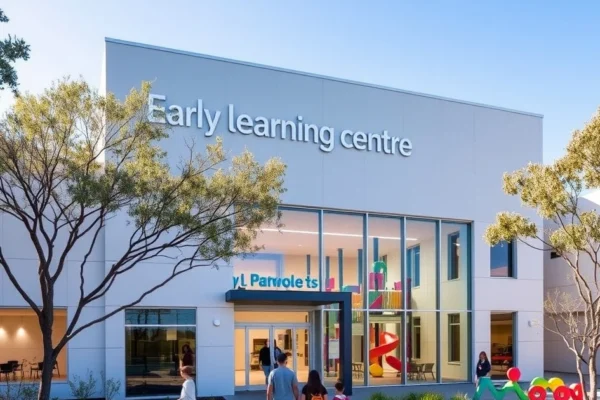
Early Learning Centres Victoria: Complete Guide 2026

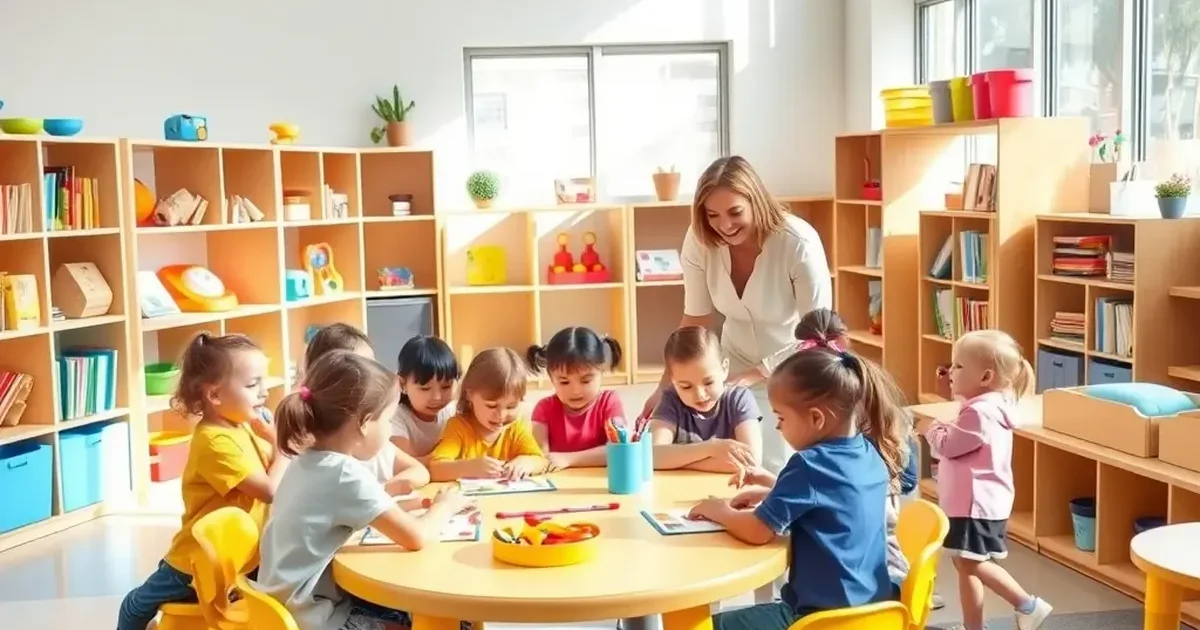
Finding quality early childhood education and care for your child in Victoria has become easier with a diverse range of options available across metropolitan and regional areas. From government-owned Early Learning Victoria centres to private providers like G8 Education, Explorers, and Nido, parents can choose from various educational philosophies, programs, and locations to suit their family’s needs.
The Victorian Government’s commitment to expanding access through 50 new Early Learning Victoria centres, combined with established private and not-for-profit providers, means families have unprecedented choice in early childhood education. These centres offer comprehensive programs from long day care for infants as young as six weeks through to integrated kindergarten programs for school readiness, often co-located with schools for convenience.
Whether you’re seeking a structured learning environment or a play-based approach, Victoria’s early learning landscape provides options across different educational philosophies including Reggio Emilia, Montessori, and traditional frameworks. With government subsidies like the Child Care Subsidy and Free Kinder programs, quality early childhood education has become more accessible to Victorian families than ever before.
TL;DR: Key Information About Early Learning Centres in Victoria
Quick Overview: Victoria offers diverse early learning options from government-owned Early Learning Victoria centres to private providers, serving children from 6 weeks to 6 years with integrated programs, financial support, and various educational approaches.
- Centre Types: Government Early Learning Victoria centres, private providers (G8 Education, Explorers, Nido), community-based centres, and not-for-profit options (Uniting, Goodstart)
- Programs Available: Long day care, 3-year-old kindergarten, 4-year-old kindergarten, Pre-Prep, before/after school care, and vacation care
- Age Groups: Services for children from 6 weeks to 6 years, with age-appropriate programs and school readiness preparation
- Government Initiative: 50 new Early Learning Victoria centres being rolled out, with 18 currently open and more planned through 2028
- Financial Support: Child Care Subsidy (CCS), Free Kinder programs for 3 and 4-year-olds, and additional hardship support options available
- Quality Standards: All centres operate under the National Quality Framework with qualified early childhood teachers and educators
- Location Coverage: Centres available across metropolitan Melbourne and regional Victoria, often co-located with schools for convenience
- Enrolment Process: Online applications, waitlist systems, and centre tours available with required documentation including birth certificates and immunisation records
What Are Early Learning Centres in Victoria?
Early learning centres in Victoria are specialised facilities that provide education and care services for children from birth to school age. These centres play a crucial role in supporting child development during the most formative years, offering structured learning environments that prepare children for their educational journey ahead.
Definition and Purpose of Early Learning Centres
Early learning centres in Victoria are licensed facilities that combine childcare with educational programs designed to foster children’s cognitive, social, emotional, and physical development. Unlike traditional childcare that primarily focuses on supervision and care, early learning centres emphasise structured learning experiences that align with the Early Years Learning Framework (EYLF) and the Victorian Early Years Learning and Development Framework.
These centres operate under the National Quality Framework, ensuring they meet stringent standards for educational programs, staff qualifications, physical environments, and child safety. The primary purpose extends beyond childcare to include school readiness preparation, social skill development, and establishing foundations for lifelong learning.
Key Differences Between Service Types
Understanding the distinctions between early learning centres, traditional childcare centres, and kindergartens helps families make informed choices. Early learning centres integrate both care and education, typically operating longer hours (often 7:00 AM to 6:30 PM) to accommodate working families while delivering structured learning programs throughout the day.
Traditional childcare centres primarily focus on supervision and basic care activities, though many now incorporate educational elements. Kindergartens, particularly government-funded programs, operate for shorter sessions (typically 15 hours per week for 4-year-olds) and concentrate specifically on pre-school education rather than full-day care.
Early learning centres bridge this gap by offering the convenience of long day care with the educational rigour of kindergarten programs, often employing qualified early childhood teachers alongside diploma-trained educators.
Age Groups and Program Structure
Early learning centres in Victoria typically serve children across distinct age groups, each with tailored programs. Nursery programs accommodate infants from 6 weeks to approximately 18 months, focusing on sensory exploration, attachment building, and basic developmental milestones.
Toddler programs (18 months to 3 years) emphasise language development, social interaction, and independence skills. Pre-kindergarten and kindergarten programs (3 to 6 years) concentrate on school readiness, literacy, numeracy, and complex social skills development.
Many centres now offer integrated Three-Year-Old and Four-Year-Old Kindergarten programs within their long day care structure, allowing children to access government-funded kindergarten hours while remaining in familiar environments for extended care periods.
Types of Programs Available
Victorian early learning centres offer diverse program types to meet varying family needs. Long day care remains the most common option, providing full-day services typically from 7:00 AM to 6:30 PM, Monday through Friday. These programs integrate educational activities throughout the day while accommodating working parents’ schedules.
Integrated kindergarten programs combine government-funded kindergarten hours with additional care hours, allowing children to access quality early childhood education without transitioning between different facilities. Some centres offer sessional kindergarten programs that operate for shorter periods, typically 3-4 hours per session.
Specialised programs may include before and after school care for school-aged children, vacation care during school holidays, and occasional care for families requiring flexible arrangements. The Victorian Government’s new Early Learning Victoria centres specifically offer integrated programs combining long day care with Three-Year-Old and Four-Year-Old Kindergarten, with plans to introduce Pre-Prep programs.
Role in Child Development and School Readiness
Early learning centres play a pivotal role in preparing children for formal schooling while supporting holistic development. Research consistently demonstrates that quality early learning experiences significantly impact children’s academic, social, and emotional outcomes throughout their educational journey.
These centres focus on developing pre-literacy and pre-numeracy skills through play-based learning approaches. Children engage in activities that build phonological awareness, early writing skills, mathematical concepts, and scientific thinking. Social and emotional development receives equal emphasis, with programs designed to enhance communication skills, emotional regulation, and collaborative abilities.
The structured yet flexible environment of early learning centres helps children develop independence, resilience, and confidence. Qualified early childhood teachers design learning experiences that challenge children appropriately while ensuring they feel secure and supported. This foundation proves invaluable when children transition to primary school, as they arrive with established learning habits, social skills, and emotional maturity that facilitate successful adaptation to formal education settings.
Types of Early Learning Centres in Victoria
Victoria offers a diverse range of early learning centres to meet varying family needs, educational philosophies, and community requirements. Understanding the different types available helps parents make informed decisions about their child’s early education journey.
Government-owned Early Learning Victoria centres
The Victorian Government operates Early Learning Victoria centres as part of its commitment to expanding access to quality early childhood education. These government-owned facilities provide integrated long day care with Three-Year-Old and Four-Year-Old Kindergarten programs, transitioning to include Pre-Prep as part of the state’s educational reforms.
Early Learning Victoria centres are strategically located in communities with the greatest need for childcare and kindergarten places. Many centres are co-located with schools to facilitate smoother transitions to primary education and provide convenience for families. The first centres opened in 2025, with additional locations opening progressively through 2028 and beyond.
Private early learning providers
Private operators form the largest segment of early learning centres in Victoria. Major chains like G8 Education operate nearly 400 centres across Australia, including numerous Victorian locations. These providers offer comprehensive early learning programs from nursery through kindergarten age groups.
Explorers Early Learning focuses on Reggio Emilia-inspired approaches across Melbourne locations, while Nido Early School emphasises their unique educational philosophy combining care with structured learning. Milestones Early Learning operates centres throughout metropolitan and regional Victoria, providing nursery, toddler, and preschool programs with extended operating hours.
Community-based centres
Community-based early learning centres are typically managed by local committees or incorporated associations. These centres often reflect the specific needs and values of their local communities, offering flexible programs that respond to neighbourhood demographics and cultural diversity.
Community centres frequently provide additional services beyond standard childcare, including playgroups, parenting support programs, and community events. They often maintain strong connections with local schools, health services, and cultural organisations to support holistic child development.
Not-for-profit providers
Not-for-profit organisations play a significant role in Victoria’s early learning landscape. Uniting Vic.Tas operates numerous centres across Victoria and Tasmania, focusing on inclusive environments where all children can thrive. Their programs emphasise play-based learning aligned with the Early Years Learning Framework.
Goodstart Early Learning, Australia’s largest not-for-profit early learning provider, operates centres throughout Victoria with a strong focus on inclusion and supporting children with additional needs. These providers typically reinvest profits back into improving facilities, resources, and staff professional development.
Integrated centres
Integrated early learning centres are co-located with primary schools, creating seamless educational pathways from early childhood through primary years. This model supports continuity of learning relationships and helps children transition more smoothly into formal schooling.
These centres often share resources with schools, including outdoor spaces, specialist facilities, and professional development opportunities for educators. Families benefit from the convenience of having early learning and school-age children at the same location, particularly valuable for families with multiple children.
Specialist centres
Victoria hosts various specialist early learning centres following specific educational philosophies. Montessori centres emphasise child-led learning through carefully prepared environments and specialised materials. These centres focus on developing independence, concentration, and intrinsic motivation in young learners.
Reggio Emilia-inspired centres, like those operated by Explorers Early Learning, view children as capable researchers and collaborators. These centres emphasise project-based learning, documentation of children’s thinking processes, and strong community connections.
Steiner (Waldorf) centres focus on nurturing imagination and creativity through natural materials, artistic activities, and rhythm-based daily routines. These centres typically delay formal academic instruction in favour of play-based exploration and artistic expression during the early years.
Each type of early learning centre offers unique advantages, and families should consider factors including location, educational philosophy, operating hours, and specific services when selecting the most appropriate option for their child’s needs and family circumstances.
Early Learning Victoria: Government Centres
The Victorian Government is transforming early childhood education through its ambitious expansion of government-owned early learning centres. This comprehensive initiative aims to provide accessible, high-quality education and care in communities with the greatest need across Victoria.
The 50 Centres Initiative Overview
Early Learning Victoria represents the Victorian Government’s largest investment in early childhood infrastructure, establishing 50 new government-owned centres across metropolitan and regional areas. These centres prioritise communities experiencing childcare shortages and areas with higher socioeconomic disadvantage, as measured by SEIFA (Socio-Economic Indexes for Areas) data.
The initiative strategically targets locations where existing childcare supply cannot meet community demand. Government analysis identified these priority areas by examining childcare availability, unmet demand levels, and community disadvantage indicators to ensure resources reach families who need them most.
Currently Operational Centres
As of 2026, 18 Early Learning Victoria centres are fully operational and accepting enrolments. The first four centres opened in 2025, including Early Learning Victoria Bani Walup in Murtoa, Muyan in Sunshine, Nyernilang Lar in Eaglehawk North, and Wimbi in Fawkner.
The 2026 openings expanded the network with 14 additional centres across diverse communities. These include urban centres like Gamadji in Craigieburn and Garrong in Kings Park, alongside regional locations such as Dupitjin in Wedderburn and Thookay Yarkeen in Portland South. Each centre reflects local Aboriginal language naming conventions, honouring the traditional custodians of the land.
Planned Openings 2027-2028
The rollout continues with six centres scheduled for 2027, including Early Learning Victoria Avoca, Cohuna, Meeniyan, Newborough East, Nicholson and District, and Red Cliffs. These locations span regional Victoria, from Gippsland to the Mallee region, ensuring rural communities access quality early learning services.
Six additional centres will open in 2028, including Churchill, Lockington, Maffra, Maryborough, St Leonards, and Warrnambool. Beyond 2028, confirmed locations include major growth areas like Cranbourne, Dandenong, and Mickleham, alongside regional centres such as Alexandra, Hamilton, and Wonthaggi-Inverloch.
Comprehensive Service Offerings
Early Learning Victoria centres provide integrated early childhood services under one roof. Long day care accommodates children from six weeks to school age, offering extended hours to support working families. The centres deliver both Three-Year-Old and Four-Year-Old Kindergarten programs, with Four-Year-Old Kindergarten transitioning to Pre-Prep as part of Victoria’s kindergarten reform.
Pre-Prep represents an enhanced kindergarten experience, increasing funded hours from 15 to up to 30 hours per week for four-year-olds. This expanded program provides more time for play-based learning while maintaining the developmental focus of traditional kindergarten. The integration of these services eliminates the need for families to navigate multiple providers and locations.
Strategic Co-location Model
Most Early Learning Victoria centres are strategically co-located with primary schools, creating educational precincts that support children’s learning journeys from early childhood through school age. This co-location model offers practical benefits for families with children of different ages, simplifying drop-off and pick-up routines.
Where school co-location isn’t feasible, centres are positioned near hospitals, TAFE institutions, and major employers to maximise accessibility for working parents. Some centres also incorporate space for maternal and child health services, playgroups, and other community services, creating comprehensive family support hubs.
Location Selection Methodology
The Victorian Government employed data-driven analysis to identify the 50 centre locations, ensuring resources target communities with genuine need. The selection process examined childcare supply and demand ratios, identifying areas where existing services cannot meet community requirements.
Socioeconomic factors played a crucial role, with priority given to areas ranking lower on the SEIFA index, indicating higher levels of disadvantage. This approach ensures government investment supports families who may face barriers accessing quality early learning services. The final distribution includes 28 regional locations and 22 metropolitan sites, reflecting the commitment to serving both urban and rural communities equitably.
Early Learning Victoria centres represent a significant step forward in making quality early childhood education accessible to all Victorian families, regardless of location or circumstances. The comprehensive approach, combining childcare, kindergarten, and community services, positions these centres as vital community infrastructure supporting children’s development and family wellbeing.
Programs and Services Offered
Early learning centres in Victoria provide comprehensive educational and care services designed to support children’s development from infancy through to school readiness. These government and private centres offer structured programs that cater to different age groups and developmental stages, ensuring families have access to quality early childhood education and care options.
Core Early Learning Programs
Long day care forms the foundation of services at most early learning centres, accommodating children from 6 weeks to 6 years old. This comprehensive care option typically operates from 6:30 AM to 6:30 PM, Monday to Friday, providing working families with flexible childcare solutions that align with standard business hours.
Three-Year-Old Kindergarten programs introduce children to structured learning environments through play-based activities. These programs focus on social skill development, early literacy, and numeracy concepts while maintaining the fun and exploratory nature that young children need for healthy development.
Four-Year-Old Kindergarten programs prepare children for the transition to primary school through more structured educational activities. Led by qualified kindergarten teachers, these programs emphasise school readiness skills including following instructions, working in groups, and developing independence in learning tasks.
Transitional and Specialised Services
Pre-Prep programs represent Victoria’s newest initiative, designed to bridge the gap between kindergarten and primary school. These programs provide additional funded hours for four-year-olds, allowing children more time in structured learning environments before beginning formal schooling.
Integrated kindergarten within long day care offers the convenience of combining childcare and kindergarten services in one location. This arrangement eliminates the need for families to manage multiple drop-offs and pick-ups while ensuring children receive both care and educational components throughout their day.
Before and after school care programs support school-aged children, typically operating from 6:30 AM before school starts and from 3:00 PM until 6:00 PM after school ends. These programs provide homework support, recreational activities, and nutritious snacks in safe, supervised environments.
Flexible Care Options
Vacation care programs operate during school holidays, providing full-day care for school-aged children when regular classes are not in session. These programs typically include excursions, special activities, and themed weeks that keep children engaged and entertained during holiday periods.
Occasional care services offer flexible childcare solutions for families who need care on an irregular basis. This option suits parents who work part-time, study, or require childcare for appointments and other commitments without needing regular weekly bookings.
Many centres also incorporate additional community services such as maternal and child health consultations, playgroups, and family support programs. This integrated approach creates comprehensive family support hubs that address multiple needs within single locations, making access to services more convenient for busy families.
The diversity of programs available across Victoria’s early learning centres ensures that families can find services that match their specific needs, whether they require full-time care, part-time educational programs, or flexible occasional care options. This comprehensive service model supports both child development and family wellbeing throughout the crucial early years.
Finding Early Learning Centres in Victoria
Locating quality early learning centres in Victoria has become streamlined through several dedicated search tools and resources. The Victorian Government and various organizations provide comprehensive directories to help families find suitable childcare and kindergarten options across metropolitan and regional areas.
Using the Early Learning Victoria Centre Locator
The Early Learning Victoria website features an interactive map-based centre locator that allows families to search by address, suburb, postcode, or council name. This government-owned platform displays all 50 new Early Learning Victoria centres, showing their current operational status and enrolment availability. The tool provides filtering options by centre status (open now, opening 2027, opening 2028) and enrolment status (taking enrolments, waitlist opening soon).
Each centre listing includes essential details such as location, operating hours, and available programs including long day care, Three-Year-Old Kindergarten, and Four-Year-Old Kindergarten transitioning to Pre-Prep. The platform also offers direct links to individual centre pages with comprehensive information about facilities and services.
Government 'Find a Kinder' Program Search Tool
Victoria’s official ‘Find a Kinder’ interactive map helps families locate kindergarten programs approved by the Victorian Government. This comprehensive tool covers both government and community-managed kindergarten services across the state. Users can search by location and filter results based on specific program requirements and proximity preferences.
The platform integrates with the broader Victorian Government early childhood service network, providing families with verified information about program availability, funding eligibility, and enrolment processes. This ensures families access accurate, up-to-date information when making important decisions about their child’s early education.
Starting Blocks Government Directory
The Starting Blocks ‘Find Child Care’ tool serves as the national directory for childcare services, including comprehensive coverage of Victorian centres. This Australian Government resource allows detailed searches using address, suburb, or postcode parameters. The platform provides extensive information about service types, including long day care, family day care, occasional care, and outside school hours care.
Starting Blocks includes quality ratings, fee information, and availability status for each listed service. The directory also features advanced filtering options allowing families to narrow searches by specific care types, age groups, and special requirements such as inclusion support or cultural programs.
Regional Distribution Across Victoria
Early learning centres in Victoria are strategically distributed to address varying community needs across different regions. The state government’s centre placement strategy considers demographic data, existing service gaps, and socio-economic factors to ensure equitable access to quality early childhood education.
Regional Victoria receives significant attention in expansion plans, with centres planned for communities including Avoca, Cohuna, Meeniyan, Red Cliffs, Churchill, Maffra, Warrnambool, and numerous other locations. This regional focus addresses historical service gaps and supports rural families who previously faced limited childcare options.
Metropolitan vs Regional Centre Availability
Metropolitan Melbourne areas typically offer higher centre density and more diverse service options, including specialized programs and extended operating hours. Major growth corridors such as Wyndham, Casey, Cardinia, and Hume receive priority attention due to rapid population growth and increasing demand for childcare services.
Regional areas face unique challenges including lower population density and workforce recruitment difficulties. However, government initiatives specifically target these communities through the Early Learning Victoria program, which includes 28 regional locations among its 50 planned centres. This balanced approach ensures both metropolitan and regional families benefit from expanded early learning opportunities.
Proximity to Schools, Hospitals, and Major Employers
Strategic placement of early learning centres considers proximity to key community infrastructure and employment hubs. Many Early Learning Victoria centres are co-located with primary schools to facilitate smooth transitions and provide convenience for families with multiple children across different age groups.
Hospital and TAFE co-locations support healthcare workers, students, and staff who require flexible childcare arrangements. Major employment precincts also influence centre placement decisions, ensuring working families can access convenient, high-quality early learning services near their workplaces. This integrated approach to community planning recognizes that accessible childcare supports broader economic participation and family wellbeing across Victoria.
Enrolment Process and Requirements
Securing a place at an early learning centre in Victoria requires understanding the specific enrolment procedures for different types of centres. Whether you’re considering Early Learning Victoria centres, private providers, or community-based services, each has distinct requirements and processes that families need to navigate.
Waitlist Applications for Early Learning Victoria Centres
Early Learning Victoria centres operate on a waitlist system rather than traditional enrolments. Families can complete a waitlist application online at no cost, which allows them to express interest in multiple centres across the state. The waitlist system prioritizes families based on specific criteria including vulnerability indicators, proximity to the centre, and application timing.
For centres opening in 2027 and beyond, waitlist applications will open approximately 12 months before the centre’s scheduled launch. Currently operational centres like those in Sunshine, Fawkner, and Frankston are accepting enrolments directly, having moved beyond the initial waitlist phase.
General Enrolment Procedures for Private Centres
Private early learning centres typically follow a more traditional enrolment approach. Most providers require families to complete centre tours before submitting formal applications. The process generally involves initial enquiry, booking a tour, completing application forms, and providing required documentation.
Many centres operate their own waiting lists, particularly in high-demand areas like Melbourne’s growth corridors. Some providers offer online enrolment systems, while others prefer face-to-face consultations to discuss individual family needs and centre availability.
Required Documentation
All early learning centres in Victoria require specific documentation for enrolment completion. Essential documents include your child’s birth certificate or passport for age verification, current immunisation records from the Australian Immunisation Register, and proof of residence such as utility bills or lease agreements.
Additional documentation may include medical information for children with specific health needs, court orders if applicable for custody arrangements, and Centrelink documentation for Child Care Subsidy eligibility. Some centres request emergency contact details and authorised pickup person information during the enrolment process.
Priority Criteria and Waiting Lists
Priority systems vary significantly between centre types. Early Learning Victoria centres prioritize vulnerable families, including those experiencing family violence, homelessness, or significant disadvantage. Geographic proximity and siblings already enrolled also influence priority rankings.
Private centres often prioritize existing families with siblings, employees, and local residents. Some community centres give preference to families within specific postcodes or those meeting particular demographic criteria. Understanding each centre’s priority system helps families make informed decisions about where to apply.
Enrolment Timing and Planning Ahead
Strategic timing significantly impacts enrolment success, particularly in Victoria’s competitive early learning market. Families should begin researching centres and submitting applications 12-18 months before their desired start date, especially in growth areas like Wyndham, Casey, and Cardinia.
January and February typically see the highest demand as families return from holidays and new kindergarten cohorts begin. Mid-year intakes may offer additional opportunities, particularly for younger children in long day care programs. Some centres maintain year-round rolling admissions, while others have specific intake periods.
Centre Tours and Information Sessions
Centre tours provide crucial insights into program quality, facilities, and cultural fit for your family. Most centres offer scheduled group tours or individual appointments, allowing families to observe daily operations and meet educators. Tours typically last 30-45 minutes and cover indoor and outdoor learning environments.
Information sessions often accompany tours, covering program philosophy, daily routines, fee structures, and parent involvement opportunities. Some centres host special events like recruitment open days, particularly beneficial for families considering multiple options. Attending tours demonstrates genuine interest and may positively influence your application’s consideration.
Many providers now offer virtual tours alongside in-person visits, accommodating families with scheduling constraints or those relocating to Victoria. These digital options provide preliminary insights before committing to physical centre visits.
Fees and Financial Support
Understanding the financial aspects of early learning centres in Victoria helps families make informed decisions and access available support. The Victorian Government provides substantial assistance to reduce the cost burden on families, while centres offer various fee structures and additional support options.
Child Care Subsidy (CCS) Eligibility and Rates
The Child Care Subsidy significantly reduces childcare costs for eligible families across Victoria. Your subsidy rate depends on your combined family income, with higher subsidies available for lower-income families. Families earning under $80,000 annually may receive up to 90% subsidy, while those earning between $80,000-$530,000 receive sliding scale support.
To maintain CCS eligibility, families must meet activity requirements through work, study, volunteering, or job searching. The recent Activity Test Reform guarantees at least three subsidised days per fortnight regardless of activity levels, providing greater security for Victorian families.
Free Kinder Program for 3 and 4-Year-Olds
Victoria’s Free Kinder initiative provides substantial savings for families accessing funded kindergarten programs. Three-year-old kindergarten offers 15 hours per week at no cost, while four-year-old programs provide similar benefits. This government investment ensures quality early learning remains accessible regardless of family financial circumstances.
The program covers session fees at community kindergartens and reduces costs significantly at integrated centres within long day care settings. Families may still encounter additional charges for materials, excursions, or extended hours beyond the funded allocation.
Fee Structures at Different Centre Types
Early learning centres in Victoria operate various fee structures depending on their type and funding arrangements. Community-based kindergartens typically charge minimal fees beyond government funding, while private long day care centres set their own daily rates ranging from $80-150 per day.
Government-owned Early Learning Victoria centres offer competitive pricing with transparent fee schedules. Family day care providers generally charge lower rates than centre-based care, while occasional care services operate on casual booking systems with hourly rates.
Additional Costs and Considerations
Beyond base fees, families should budget for additional expenses including meals, excursions, educational resources, and special programs. Many centres include nutritious meals in their daily fees, while others charge separately for morning tea, lunch, and afternoon snacks.
Excursion costs vary depending on destinations and activities, typically ranging from $10-30 per child. Some centres request families provide specific resources like art supplies, sunscreen, or spare clothing, while others include these items in their fee structure.
Financial Hardship Support Options
Victorian families experiencing financial difficulties can access various support mechanisms. Many centres offer payment plans, fee reductions, or hardship assistance for families facing temporary financial stress. Community organisations and local councils often provide emergency childcare funding or vouchers.
The Victorian Government’s Additional Child Care Subsidy provides extra support for vulnerable families, including those experiencing domestic violence, homelessness, or exceptional circumstances. Indigenous families may access specific funding through targeted programs supporting cultural inclusion and accessibility.
Kinder Kits for 3-Year-Old Kindergarten
Every child enrolled in funded Three-Year-Old Kindergarten programs receives a complimentary Kinder Kit containing essential learning materials. These kits include age-appropriate books, educational toys, art supplies, and developmental resources designed to support home learning and family engagement.
The initiative reduces financial barriers for families while ensuring all children have access to quality learning materials. Kinder Kits complement centre-based programs and encourage continued learning beyond formal session times, strengthening the connection between home and early learning environments.
Quality and Standards
Early learning centres in Victoria operate under comprehensive quality frameworks designed to ensure children receive high-standard education and care. These regulatory systems create consistency across the sector while maintaining safety and educational excellence.
National Quality Framework Compliance
All early learning centres in Victoria must comply with the National Quality Framework (NQF), which sets uniform standards across Australia. This framework establishes seven quality areas covering educational programs, children’s health and safety, physical environments, staffing arrangements, relationships with children, collaborative partnerships with families and communities, and governance and leadership.
The NQF ensures centres maintain consistent approaches to child development, learning outcomes, and family engagement regardless of location or operator. Centres undergo regular assessments against these standards, creating accountability and transparency for families choosing early learning services.
Victorian Early Childhood Regulatory Authority Oversight
The Victorian Early Childhood Regulatory Authority serves as the primary regulatory body overseeing early learning centres throughout the state. This authority conducts regular inspections, investigates complaints, and ensures centres meet legislative requirements under the Education and Care Services National Law.
The authority maintains detailed records of centre performance, compliance issues, and improvement plans. Families can access this information when researching potential centres, providing transparency about regulatory standing and any corrective actions taken.
Quality Ratings and Assessments
Victorian early learning centres receive quality ratings ranging from Significant Improvement Required to Excellent, with most centres achieving Meeting National Quality Standard or Exceeding National Quality Standard ratings. These assessments evaluate educational programs, staff qualifications, physical environments, and family engagement practices.
Quality ratings are publicly available through government databases, allowing families to compare centres based on objective assessments. Centres must display their current rating prominently, ensuring transparency about their performance against national benchmarks.
Qualified Early Childhood Teachers and Educators
Victorian regulations mandate specific qualification requirements for early childhood staff. Centres must employ qualified early childhood teachers with approved four-year teaching degrees for children’s programs, while educators require minimum Certificate III qualifications in Early Childhood Education and Care.
Staff-to-child ratios are strictly regulated, with specific requirements for different age groups. For children under 24 months, centres maintain one educator for every four children, while 2-3 year olds require one educator per five children, and 3-5 year olds need one educator per ten children when qualified teachers are present.
Educational Frameworks and Curricula
Victorian early learning centres implement approved learning frameworks, primarily the Early Years Learning Framework (EYLF) and Victorian Early Years Learning and Development Framework. These frameworks guide curriculum development, assessment practices, and learning outcome documentation.
Centres develop individual learning plans for each child, documenting progress across key developmental areas including communication, physical development, social and emotional wellbeing, and approaches to learning. Regular assessment and planning cycles ensure programs remain responsive to children’s changing needs and interests.
Health and Safety Standards
Comprehensive health and safety regulations govern Victorian early learning centres, covering areas such as physical environment safety, food handling, medication administration, and emergency procedures. Centres must maintain detailed policies addressing child protection, incident reporting, and risk management.
Regular safety audits ensure playground equipment, indoor spaces, and facilities meet Australian safety standards. Staff undergo mandatory training in first aid, CPR, and emergency response procedures, with regular refresher courses required to maintain currency.
Food safety protocols require centres to follow strict guidelines for meal preparation, storage, and service, with particular attention to dietary requirements, allergies, and cultural considerations. Many centres employ qualified cooks and maintain detailed nutrition policies aligned with Australian Dietary Guidelines.
Choosing the Right Early Learning Centre
Selecting the right early learning centre for your child is one of the most important decisions you’ll make as a parent. With numerous early learning centres in Victoria offering different approaches, programs, and environments, understanding what to look for ensures your child receives quality education and care that supports their development and wellbeing.
Key Factors to Consider When Selecting a Centre
Location plays a crucial role in your daily routine and long-term satisfaction with your chosen centre. Consider proximity to your home, workplace, or your child’s future school, as well as accessibility via public transport. Many Victorian centres are strategically located near schools to facilitate smoother transitions to primary education.
Educational philosophy significantly impacts your child’s learning experience. Some centres follow play-based approaches aligned with the Victorian Early Years Learning and Development Framework, while others may incorporate specific methodologies like Reggio Emilia or Montessori. Understanding how these philosophies align with your family’s values and your child’s learning style is essential.
Program offerings vary considerably across centres. Look for centres that provide age-appropriate curricula, integrated kindergarten programs, and enrichment activities. Many Victorian centres now offer Three-Year-Old and Four-Year-Old Kindergarten programs within long day care settings, providing continuity and convenience for families.
Essential Questions for Centre Visits
During centre tours, ask about staff qualifications and ratios. Victorian regulations require specific educator-to-child ratios, but many quality centres exceed minimum requirements. Inquire about early childhood teachers, their ongoing professional development, and how long staff members have been with the centre, as stability indicates a positive work environment.
Discuss the centre’s approach to individual learning plans and how they document children’s progress. Quality centres should provide regular updates about your child’s development across key areas including communication, social skills, and school readiness preparation.
Ask about meal provision, dietary accommodations, and nutrition policies. Many centres employ qualified cooks and follow Australian Dietary Guidelines, while others may require packed lunches. Understanding these arrangements helps you plan accordingly.
Understanding Different Educational Approaches
Play-based learning remains the foundation of quality early childhood education in Victoria. This approach recognises that children learn best through exploration, creativity, and hands-on experiences. Centres following this methodology create environments where children can investigate, experiment, and discover while educators guide and extend their learning.
The Reggio Emilia approach, popular among many Victorian centres, views children as capable researchers who learn through projects and collaboration. This philosophy emphasises documentation of learning, community involvement, and the environment as the “third teacher.”
Some centres incorporate STEM (Science, Technology, Engineering, Mathematics) programs or language immersion opportunities. Consider whether these specialised approaches align with your child’s interests and your family’s educational goals.
Assessing Centre Facilities and Learning Environments
Quality physical environments support children’s learning, safety, and wellbeing. Look for centres with well-designed indoor and outdoor spaces that accommodate different types of play and learning. Natural lighting, age-appropriate furniture, and accessible resources indicate thoughtful planning.
Outdoor areas should offer diverse experiences including nature play, physical challenges, and quiet spaces. Many Victorian centres incorporate sustainability features like vegetable gardens, rainwater collection, and recycling programs that teach environmental responsibility.
Safety features including secure entry systems, appropriate fencing, and well-maintained equipment demonstrate the centre’s commitment to child protection. Observe cleanliness standards and ask about cleaning protocols, particularly important considerations for health and hygiene.
Staff Qualifications and Child-to-Educator Ratios
Victorian regulations mandate specific qualifications for early childhood educators and teachers. Centres should employ qualified Early Childhood Teachers with bachelor degrees and experienced educators with appropriate diplomas or certificates. Higher qualified staff often indicate better program quality and child outcomes.
Educator-to-child ratios directly impact the quality of care and attention your child receives. While regulatory minimums exist, many quality centres maintain lower ratios to provide more individualised support and meaningful interactions.
Staff stability and ongoing professional development reflect centre management quality. High staff turnover can disrupt children’s sense of security and relationship building, while centres investing in staff development typically provide higher quality programs.
Gathering Parent Feedback and Community Reputation
Current and former families provide valuable insights into centre operations, communication practices, and child experiences. Many centres can arrange conversations with existing families or provide references upon request.
Online reviews and community feedback offer additional perspectives, though consider the source and recency of comments. Local parenting groups and social media communities often discuss centre experiences and recommendations.
Consider the centre’s reputation within the broader community, including relationships with local schools, health services, and community organisations. Strong community connections often indicate quality programming and professional management.
Take time to observe centre operations during your visit. Notice how educators interact with children, manage transitions, and handle challenging situations. Quality centres demonstrate warm, responsive relationships and positive behaviour guidance approaches that support children’s emotional development and learning.
Regional Coverage Across Victoria
Victoria’s early learning landscape spans diverse geographical regions, from bustling metropolitan centres to remote rural communities. Understanding the distribution and accessibility of early learning centres across the state helps families make informed decisions about their children’s educational journey.
Melbourne Metropolitan Centres
Melbourne’s metropolitan area hosts the highest concentration of early learning centres in Victoria, with established providers operating across inner-city, middle, and outer suburban locations. Major operators like G8 Education, Explorers Early Learning, and Goodstart maintain extensive networks throughout Melbourne’s growth corridors, including Casey, Cardinia, Wyndham, and Whittlesea regions.
The metropolitan network ensures families can access quality early learning services within reasonable distances of residential areas, with many centres strategically located near transport hubs, shopping centres, and employment precincts to support working families.
Regional Victoria Locations
Regional Victoria presents a more complex early learning landscape, with centres distributed across major regional cities and smaller towns. Key regional hubs like Ballarat, Bendigo, Geelong, Shepparton, and Warrnambool maintain multiple early learning options, while smaller communities often rely on community-operated or government-supported services.
The Victorian Government’s Early Learning Victoria initiative specifically targets regional areas with identified service gaps. Centres in locations like Murtoa, Eaglehawk North, Wedderburn, and Numurkah demonstrate the commitment to ensuring regional families have access to quality early childhood education and care.
Growth Corridor Developments
Victoria’s rapid population growth in outer metropolitan areas has created significant demand for new early learning facilities. Growth corridors in areas like Craigieburn, Wollert, Tarneit, and Cranbourne are experiencing substantial investment in early learning infrastructure.
Private providers are establishing new centres in these high-growth areas, while the government’s Early Learning Victoria program includes strategic placement in growth corridors. These developments often feature co-location with primary schools, creating integrated educational precincts that support smooth transitions from early learning to formal schooling.
Rural and Remote Area Services
Rural and remote areas face unique challenges in early learning provision, including smaller population bases, geographic isolation, and limited infrastructure. These communities often rely on innovative service delivery models, including mobile services, family day care networks, and community-operated centres.
The Victorian Government recognises these challenges through targeted funding programs and the inclusion of remote locations in the Early Learning Victoria expansion. Towns like Cohuna, Avoca, and Meeniyan will receive new government-operated centres, addressing critical service gaps in rural communities.
Transport and Accessibility Considerations
Geographic accessibility extends beyond simple distance to include transport connectivity and infrastructure quality. Melbourne’s metropolitan centres benefit from extensive public transport networks, making early learning centres accessible to families without private vehicles.
Regional and rural areas face greater transport challenges, with many families requiring private vehicle access to reach early learning services. The government’s strategy of co-locating centres with schools, hospitals, and major employers aims to improve accessibility by aligning early learning locations with existing travel patterns and community hubs.
Future Expansion Plans
Victoria’s early learning expansion continues beyond current developments, with confirmed locations extending to 2028 and beyond. Future sites include Alexandra, Bendigo South, Casterton, Dandenong, and Hamilton, demonstrating ongoing commitment to comprehensive state-wide coverage.
These expansion plans prioritise areas with identified service gaps, using data-driven approaches to determine locations with greatest need. The strategy considers existing childcare availability, unmet demand levels, and socio-economic factors to ensure equitable access across Victoria’s diverse communities.
Planning beyond early learning
Early learning is only the first stage – it is worth researching primary school options early too, since enrolment zones and waitlists can take time to navigate. See our guide to the best schools in Victoria for how to start that research, and our Strathtulloh Primary School guide for an example of what a detailed individual school profile looks like.
Frequently Asked Questions
What are Early Learning Victoria centres?
Early Learning Victoria centres are government-owned early learning and childcare facilities that provide long day care and integrated kindergarten programs. The Victorian Government is building 50 new centres across the state, with 18 currently open and more planned through 2028. These centres offer Three-Year-Old and Four-Year-Old Kindergarten programs within long day care hours, with plans to introduce Pre-Prep programs.
How many Early Learning Victoria centres are currently open?
Currently, 18 Early Learning Victoria centres are open across Victoria. The first 4 centres opened in 2025, followed by 14 additional centres in 2026. The Victorian Government plans to complete all 50 centres by 2028, with specific locations confirmed for 2027 and 2028 openings.
What age groups do early learning centres in Victoria serve?
Early learning centres in Victoria serve children from 6 weeks to 6 years of age. Programs include nursery care for infants from 6 weeks to 18 months, toddler programs for 18 months to 3 years, and pre-kindergarten and kindergarten programs for 3 to 6 years. Many centres offer integrated Three-Year-Old and Four-Year-Old Kindergarten programs within their long day care structure.
What is the difference between early learning centres and traditional childcare?
Early learning centres integrate both care and education, operating longer hours (typically 7:00 AM to 6:30 PM) while delivering structured learning programs throughout the day. Traditional childcare centres primarily focus on supervision and basic care activities. Early learning centres employ qualified early childhood teachers alongside diploma-trained educators and operate under the National Quality Framework with emphasis on educational outcomes and school readiness.
What government subsidies are available for early learning centres in Victoria?
Victorian families can access the Child Care Subsidy (CCS) for long day care services and Free Kinder programs for 3 and 4-year-olds enrolled in government-funded kindergarten programs. Additional hardship support options are available for families in need. These subsidies make quality early childhood education more accessible and affordable for Victorian families.
Where are Early Learning Victoria centres located?
Early Learning Victoria centres are located across metropolitan Melbourne and regional Victoria, with 28 regional locations and 22 metropolitan locations planned. Many centres are co-located with schools for convenience and to support smooth transitions to primary school. Current open locations include Murtoa, Sunshine, Eaglehawk North, Fawkner, Teesdale, Werribee, Craigieburn, Kings Park, Hallam, Noble Park, Frankston, and others.
How do I enrol my child in an early learning centre in Victoria?
Enrolment typically involves completing online applications and joining waitlist systems. You can book centre tours to visit facilities before enrolling. Required documentation usually includes birth certificates and immunisation records. For Early Learning Victoria centres, there is no fee to apply for the waitlist, and you can complete applications through their website.
What educational approaches do early learning centres in Victoria use?
Victorian early learning centres offer various educational philosophies including Reggio Emilia, Montessori, and traditional frameworks. Many centres use play-based learning approaches that align with the Early Years Learning Framework and Victorian Early Years Learning and Development Framework. Programs focus on developing pre-literacy, pre-numeracy, social skills, and school readiness through structured yet flexible learning experiences.
What are the operating hours for early learning centres in Victoria?
Most early learning centres in Victoria operate from 7:00 AM to 6:30 PM, Monday through Friday, to accommodate working families. Some centres may have slightly different hours, with some opening as early as 6:15 AM or closing as late as 7:00 PM. Sessional kindergarten programs typically operate for shorter periods, usually 3-4 hours per session or 15 hours per week for 4-year-olds.
What types of programs are available at early learning centres?
Early learning centres offer long day care, Three-Year-Old Kindergarten, Four-Year-Old Kindergarten, and some centres provide Pre-Prep programs. Additional services may include before and after school care, vacation care during school holidays, and occasional care for flexible arrangements. Integrated kindergarten programs combine government-funded kindergarten hours with additional care hours in the same facility.
What major early learning providers operate in Victoria?
Major early learning providers in Victoria include government-owned Early Learning Victoria centres, private providers like G8 Education, Explorers, Nido, and Milestones, and not-for-profit options such as Uniting and Goodstart. Each provider offers different educational approaches, with some specialising in specific philosophies like Reggio Emilia or Montessori approaches while maintaining compliance with National Quality Framework standards.
How are early learning centres in Victoria regulated for quality?
All early learning centres in Victoria operate under the National Quality Framework, ensuring they meet stringent standards for educational programs, staff qualifications, physical environments, and child safety. Centres must employ qualified early childhood teachers and diploma-trained educators. The Victorian Early Childhood Regulatory Authority oversees compliance and quality assurance across all licensed early learning facilities in the state.
You May Also Like

How to Become a Teacher in Victoria (2026): Full Guide to Qualifications, VIT Registration and Salary

The Four D’s: Dyslexia, Dysgraphia, Dyscalculia and Dyspraxia Explained (2026)