Early Learning Centres Canberra & ACT: Complete Guide 2026

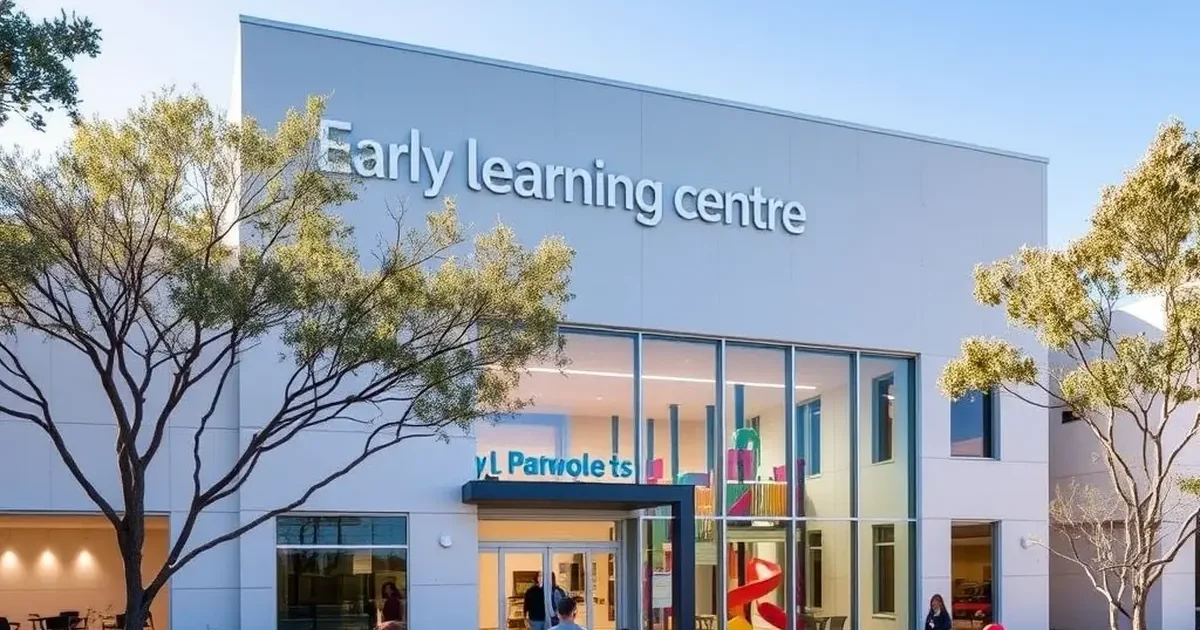
Finding the right early learning centre for your child is one of the most important decisions you’ll make as a parent. Canberra and the ACT offer an extensive network of quality early childhood education services, from long day care centres and preschools to family day care and before-and-after school programs. With over 140 centres across the region, families have access to diverse educational philosophies, flexible care options, and programs designed to support children’s development from birth through to school readiness.
The early learning landscape in Canberra includes major providers like Goodstart Early Learning, YWCA Canberra Children’s Services, Communities at Work, and The Y Canberra Region, alongside Catholic centres, independent operators, and specialised services. Whether you’re looking for early learning options similar to Victoria’s offerings, or need specific support for children with additional needs, the ACT’s regulated and quality-rated centres provide comprehensive care that meets National Quality Standard requirements.
TL;DR
Canberra and the ACT offer over 140 early learning centres across all regions, with options ranging from long day care and preschools to family day care and school age programs. Major providers include Goodstart Early Learning, YWCA Canberra, Communities at Work, and The Y Canberra Region, with most centres meeting or exceeding National Quality Standards.
- Service Types: Long day care (6 weeks-5 years), preschools/kindergartens (3-5 years), family day care, occasional care, and before/after school programs
- Regional Coverage: Centres available in North Canberra, South Canberra, Belconnen, Tuggeranong, Gungahlin, Inner Canberra, and Weston Creek/Molonglo Valley
- Average Costs: Long day care approximately $122-153 per day, with Child Care Subsidy reducing out-of-pocket expenses significantly
- Quality Standards: 45.7% of centres exceed National Quality Standards, with comprehensive regulation by ACECQA
- Educational Approaches: Early Years Learning Framework implementation, play-based learning, Reggio Emilia approaches, and school readiness programs
Early Learning Centres in Canberra & ACT: Complete Guide for Families
Canberra and the Australian Capital Territory offer one of the most comprehensive and high-quality early childhood education landscapes in Australia, with over 140 centres serving families across all districts. From major providers like Goodstart Early Learning, YWCA Canberra, Communities at Work, and The Y Canberra Region to Catholic centres, independent operators, and specialised services, the ACT’s regulated and quality-rated centres provide comprehensive care that meets National Quality Standard requirements.
The early learning sector in Canberra represents a significant investment in children’s futures, with research consistently showing that quality early childhood education and care provides lasting benefits for cognitive, social, and emotional development. These formative years from birth to five are critical for brain development, with 90% of brain growth occurring during this period. Quality early learning centres provide structured, play-based learning environments where children develop essential skills including language, numeracy, social interaction, and emotional regulation that form the foundation for lifelong learning success.
Key Benefits of Quality Early Learning
The ACT’s early childhood education and care services encompass multiple program types designed to meet diverse family needs. Long day care centres accommodate working families with extended hours typically from 6:30am to 6:30pm, providing comprehensive care for children aged 6 weeks to 5 years. Preschools and kindergartens focus on school readiness programs for 3-5 year olds, while family day care offers home-based alternatives with smaller group sizes. Before and after school care programs support school-aged children, and occasional care provides flexible options for families requiring irregular childcare arrangements.
Regional coverage across the ACT ensures families in all districts have access to quality early learning options. North Canberra suburbs including Dickson, Watson, and Hackett host numerous centres, while South Canberra areas like Garran, Curtin, and Forrest provide convenient access for families in parliamentary and diplomatic precincts. Belconnen’s growing population is served by centres in suburbs such as Bruce, Macquarie, and Aranda, while Tuggeranong families can access services in Calwell, Wanniassa, and Richardson. The rapidly expanding Gungahlin region features modern centres in Harrison, Franklin, and Casey, and Inner Canberra locations serve families in Barton, Turner, and Reid. The newer Weston Creek and Molonglo Valley developments also feature purpose-built early learning facilities.
This comprehensive guide helps families navigate the early learning landscape by providing detailed information about available services, quality standards, costs, and enrolment processes. Whether you’re seeking early learning options similar to Victoria’s offerings, or need specific support for children with additional needs, understanding your options ensures you can make informed decisions that best support your child’s development and your family’s circumstances.
Types of Early Learning Services in Canberra & ACT
Families in Canberra and the ACT have access to a comprehensive range of early learning services designed to support children’s development from birth through school age. Understanding the different types of services available helps parents make informed decisions about their child’s care and education journey.
Long Day Care Centres
Long day care centres provide comprehensive early education and care for children aged 6 weeks to 5 years, typically operating from 6:30 AM to 6:30 PM, Monday through Friday. These centres offer full-day programs that combine structured learning activities with play-based exploration, supporting working families with extended hours. Many centres feature age-specific rooms with qualified early childhood teachers and educators who implement the Early Years Learning Framework. Services include nutritious meals, nappy changing, sleep routines for younger children, and kindergarten programs for school-ready children.
Preschools and Kindergartens
Preschools and kindergartens focus specifically on preparing children aged 3-5 years for school readiness through structured educational programs. These services typically operate shorter hours than long day care, often following school term patterns with morning or afternoon sessions. Programs emphasize literacy, numeracy, social skills, and independence development through play-based learning approaches. Many preschools are located within primary school grounds, providing natural transition pathways to formal schooling.
Family Day Care Services
Family day care offers home-based early learning in a family environment, with qualified educators caring for small groups of children in their own homes. This option provides flexible hours, including evenings and weekends, making it ideal for families with non-standard work schedules. Children benefit from mixed-age group interactions and individualized attention in a nurturing home setting. Family day care educators follow the same quality standards as centre-based services while maintaining the intimacy of family-style care.
Occasional Care and Casual Booking Options
Occasional care services provide flexible childcare for families who need irregular or short-term care arrangements. These services accommodate parents attending appointments, studying, working casual shifts, or requiring respite care. Many centres offer casual booking systems that allow families to book individual days or sessions as needed, providing valuable flexibility without long-term commitments. Some services specialize in drop-in care for emergencies or unexpected situations.
Before and After School Care Programs
Before and after school care programs support school-aged children with safe, supervised care outside regular school hours. These programs typically operate from 6:30 AM before school and until 6:00 PM after school, providing homework support, recreational activities, and healthy snacks. Many programs are located on school premises, ensuring convenient transitions between school and care. Activities focus on social development, creative expression, and physical activity in a relaxed environment.
School Holiday Programs
School holiday programs provide full-day care and activities for school-aged children during school breaks, including term holidays and pupil-free days. These programs feature excursions, themed activities, sports, arts and crafts, and special events designed to keep children engaged and active during holidays. Many providers offer both indoor and outdoor activities, with qualified staff ensuring children’s safety and enjoyment while parents work.
Mobile and Home-Based Services
Mobile and home-based services bring early learning directly to families, particularly beneficial for children with special needs, families in remote areas, or those preferring personalized care. These services include mobile preschools that visit communities, in-home childcare where educators come to the family home, and specialized support services for children requiring additional assistance. Home-based options offer maximum flexibility and individualized attention while maintaining professional early learning standards.
Each service type offers unique benefits, and many families combine different options to create care arrangements that suit their specific needs. Whether seeking full-time care, flexible occasional support, or specialized services, early learning options similar to Victoria’s offerings ensure Canberra families have comprehensive choices for their children’s early education and care journey.
Top Early Learning Centre Providers in Canberra & ACT
Canberra and the ACT offer families a diverse range of early learning centre providers, each bringing unique philosophies and approaches to early childhood education. From large national providers to independent family-owned centres, parents can choose from various options that align with their values and children’s needs.
Goodstart Early Learning Locations and Services
Goodstart Early Learning operates as one of Australia’s largest early childhood providers with multiple locations across Canberra and the ACT. Their centres provide long day care, kindergarten programs, and school readiness preparation for children from six weeks to school age. Goodstart centres feature play-based learning environments, qualified early childhood teachers, and comprehensive educational programs aligned with the Early Years Learning Framework.
The provider emphasizes quality education through their structured curriculum, nutritious meals, and dedicated outdoor learning spaces. Goodstart centres across Canberra maintain strong community connections and offer flexible care arrangements to support working families throughout the region.
YWCA Canberra Children's Services Centres
YWCA Canberra operates multiple early childhood services and school age care programs throughout the ACT. Their services include long day care centres, school age care programs, and school holiday programs designed to support children’s development and working families’ needs. YWCA centres focus on inclusive practices, community engagement, and child-centered learning approaches.
The organization’s early childhood services emphasize social justice values, cultural diversity, and creating safe environments where all children can thrive. Their experienced educators implement play-based learning programs while maintaining strong partnerships with families and local communities across Canberra.
Communities at Work Early Learning Centres
Communities at Work operates several early learning centres throughout Canberra, providing comprehensive childcare and education services for families across the ACT. Their centres offer long day care, preschool programs, and school age care with a focus on community connection and social support for families.
As a not-for-profit organization, Communities at Work emphasizes accessible, quality early childhood education while supporting families through various community programs. Their centres feature qualified educators, engaging learning environments, and programs designed to prepare children for successful transitions to school.
The Y Canberra Region Centres
The Y Canberra Region operates seven early learning centres across Canberra in Belconnen, Gungahlin, Holt, Holder, Jamison, Kambah, and Strathnairn. Each centre serves children from six weeks to school age with programs grounded in community values and play-based learning approaches.
The Y’s centres implement Reggio Emilia inspired learning approaches, emphasizing children as capable learners within supportive community environments. Their educators receive above-award wages and ongoing professional development, ensuring high-quality care and education for children and families throughout Canberra.
Papilio Early Learning Centres
Papilio Early Learning operates three centres in the ACT located in Barton, Bruce, and Turner. These centres provide comprehensive early childhood education and care services for children from nursery age through preschool, implementing their Lifelong Learning Curriculum designed for children aged 0-5.
Papilio centres feature specialized programs including Big Thinkers STEM, MathSeeds and Reading Eggs, and First Nations education components. Their approach emphasizes realizing each child’s potential through structured learning experiences and quality educational environments across their Canberra locations.
Catholic Early Learning Centres
The ACT features nine Catholic early learning centres located in Calwell, Curtin, Gowrie, Harrison, Holder, Nicholls, O’Connor, Wanniassa, and West Belconnen. These centres integrate Catholic values with quality early childhood education, providing faith-based learning environments for families seeking religious education components.
Catholic early learning centres emphasize community service, moral development, and inclusive practices while maintaining high educational standards. They offer preschool programs, long day care options, and school readiness preparation within supportive, values-based environments.
Independent and Family-Owned Centres
Canberra hosts numerous independent and family-owned early learning centres that offer personalized approaches to early childhood education. These centres often provide smaller group sizes, individualized attention, and unique educational philosophies tailored to specific community needs.
Independent providers like LillyPilly Early Education Centre in Gordon emphasize family-centered approaches, child-led play-based curricula, and intimate learning environments. These centres often feature specialized programs, flexible arrangements, and strong connections between educators, children, and families throughout the local community.
Comparison of Major Providers' Philosophies and Approaches
| Feature | Product A | Product B |
|---|---|---|
| Price | $99 | $149 |
| Rating | 4.5 | 4.8 |
| Performance | Good | Excellent |
| Battery Life | 8 hours | 12 hours |
| Weight | 1.2 kg | 1.4 kg |
Each provider brings distinct strengths to Canberra’s early learning landscape. Families seeking comprehensive educational programs often choose larger providers like Goodstart, while those prioritizing community values may prefer YWCA or The Y centres. Early learning options similar to Victoria’s offerings ensure Canberra families have diverse, quality choices for their children’s early education and care journey.
Early Learning Centres by Canberra Region
Canberra’s diverse early learning landscape spans multiple regions, each offering unique advantages for families seeking quality childcare and education. Understanding the geographical distribution of centres helps parents identify convenient options that align with their work, transport, and community preferences across the ACT.
North Canberra Centres
North Canberra encompasses established suburbs including Dickson, Watson, Hackett, and Ainslie, offering families mature communities with excellent early learning infrastructure. This region features a strong concentration of both major providers and boutique centres, reflecting the area’s family-friendly demographics and established residential character.
Major providers like Goodstart operate centres in Braddon, while YWCA services include Majura School Age Care in Watson. Independent centres such as Pinocchio Early Learning Centre in Dickson and Majura Early Childhood Centre provide specialized approaches to early education. North Ainslie Primary School offers integrated preschool units, demonstrating the region’s commitment to seamless educational transitions.
South Canberra Centres
South Canberra regions including Garran, Hughes, Curtin, and Woden provide families with established early learning options in mature suburban settings. These areas benefit from excellent transport links and proximity to major employment hubs, making them attractive for working families seeking convenient childcare solutions.
The region hosts diverse providers ranging from large networks to specialized Catholic centres. Holy Trinity Preschool in Curtin exemplifies the area’s Catholic early learning options, while Communities at Work operates multiple centres throughout the southern suburbs. These centres often feature established outdoor spaces and mature learning environments that benefit from decades of community development.
Belconnen Region Centres
Belconnen region centres serve families across suburbs including Belconnen, Bruce, Page, and Holt, offering modern facilities in well-planned residential areas. This region has experienced significant growth in early learning provision, with both established and newer centres catering to diverse family needs.
The Y Canberra Region operates multiple centres throughout Belconnen, including their flagship Belconnen Early Learning Centre established in 2010. Papilio Early Learning Bruce provides contemporary early education services, while numerous school-based programs offer integrated care and education options. The region’s planned development ensures centres benefit from modern infrastructure and community amenities.
Tuggeranong Centres
Tuggeranong’s early learning centres serve families across suburbs including Tuggeranong, Wanniassa, and Kambah, providing essential services in Canberra’s southern growth corridor. This region combines established centres with newer facilities designed to meet growing demand from young families.
The Y Canberra Region’s Kambah centre exemplifies modern early learning provision in the area, while Catholic centres like St Anthony’s Preschool in Wanniassa offer values-based education options. Communities at Work operates several centres throughout the region, ensuring families have access to not-for-profit early learning options alongside commercial providers.
Gungahlin Centres
Gungahlin region centres, including those in Gungahlin, Harrison, and Franklin, serve Canberra’s newest and fastest-growing residential areas. These centres often feature contemporary design and modern educational approaches, reflecting the area’s young demographic and forward-thinking community planning.
YWCA’s Winyu Early Childhood Service in Gungahlin represents purpose-built modern early learning infrastructure, while Mother Teresa Preschool in Harrison provides Catholic education options. The Y Canberra Region also operates centres in the area, ensuring families have access to diverse educational philosophies and approaches in these newer suburbs.
Inner Canberra Centres
Inner Canberra suburbs including Braddon, Turner, Reid, and Barton offer premium early learning options in central locations convenient for parliamentary and business district workers. These centres often command higher fees but provide exceptional convenience and specialized programs.
Papilio Early Learning operates centres in both Turner and Barton, offering corporate-standard early education services. YWCA’s Reid Early Childhood Service provides community-focused alternatives, while independent providers like LillyPilly Early Education Centre offer boutique, family-centered approaches. The central location makes these centres particularly attractive for families working in Canberra’s government and business sectors.
Weston Creek and Molonglo Valley Options
Weston Creek and the emerging Molonglo Valley represent Canberra’s western growth areas, with early learning provision expanding to meet increasing demand from new residential developments. These areas offer families newer facilities in planned communities with excellent outdoor learning opportunities.
The Y Canberra Region’s Holder and Strathnairn centres serve these western communities, while The Y’s Jamison centre provides additional options for Weston Creek families. These centres benefit from modern design principles and often feature extensive outdoor learning spaces that take advantage of the area’s natural environment and planned green spaces.
Regional distribution ensures all Canberra families have access to quality early learning options within reasonable travel distances. Each area’s unique character influences centre offerings, from inner-city convenience to suburban community focus, providing diverse choices for different family preferences and needs.
Understanding Costs and Child Care Subsidy in ACT
Understanding the financial aspects of early learning centres in Canberra and ACT is crucial for families planning their childcare budget. With various fee structures, subsidy options, and additional costs to consider, having clear information helps parents make informed decisions about their child’s early education journey.
Average Daily Fees for Different Service Types
Early learning centres across Canberra and ACT typically charge different rates depending on the service type and age group. Long day care centres generally charge between $120 and $180 per day, with premium centres in central locations like Barton and Turner commanding higher fees. Preschool and kindergarten programs average around $135 per day, while family day care services offer more affordable alternatives at approximately $110-130 per day.
School age care programs have different pricing structures, with before school care averaging $24 per session and after school care around $31 per session. Vacation care programs typically cost between $80-90 per day. These rates can vary significantly between providers, with not-for-profit organisations like YWCA and Communities at Work often offering more competitive pricing compared to premium private centres.
Child Care Subsidy Eligibility and Rates
The Child Care Subsidy (CCS) significantly reduces out-of-pocket costs for eligible families in the ACT. Families can receive between 0% and 90% subsidy coverage based on their combined family income, with the highest rates available to families earning under $80,000 annually. The subsidy applies to a maximum hourly rate cap of $13.73 for most services in 2026.
To qualify for CCS, families must meet activity requirements including work, study, or volunteering commitments. The recent introduction of the 3-day guarantee ensures families can access at least three days of subsidised care regardless of their activity test results, providing greater flexibility for working parents across Canberra’s early learning centres.
How to Calculate Your Out-of-Pocket Costs
Calculating your actual childcare costs involves several factors beyond the base daily fee. Start with the centre’s published daily rate, then subtract your eligible CCS percentage. For example, if a centre charges $150 per day and you receive 85% subsidy, your daily cost would be approximately $22.50 plus any additional fees.
Many providers offer online calculators to estimate your costs, including Goodstart’s CCS estimator and government resources. Remember that subsidy calculations are based on hourly rates, so longer days may result in some unsubsidised hours if you exceed the standard 10-11 hour day covered by most centres.
Additional Fees and Charges
Beyond daily fees, families should budget for additional charges that may apply at early learning centres across Canberra and ACT. Most centres include nutritious meals and snacks in their daily fee, but some may charge extra for specialty dietary requirements or premium meal programs.
Excursion fees typically range from $5-15 per outing, while resource levies for educational materials may cost $20-50 per term. Some centres charge late pickup fees of $1-2 per minute after closing time, and casual booking fees may apply for irregular attendance patterns. Premium centres might also charge enrollment fees or annual resource contributions.
Fee Structures and Payment Methods
Most early learning centres in Canberra operate on weekly billing cycles, with fees calculated based on booked days rather than attendance. This provides families with consistent budgeting but means you’ll pay for public holidays and sick days. Some centres offer flexible casual rates for irregular users, though these typically cost 10-20% more than permanent bookings.
Payment methods vary by provider, with most accepting direct debit, credit cards, and electronic funds transfer. Many centres use specialized childcare management systems that integrate with Centrelink for automatic CCS processing, reducing administrative burden for families. Some providers offer sibling discounts or loyalty programs for long-term families.
Financial Assistance and Hardship Support
Families experiencing financial difficulties have several support options available through early learning centres in Canberra and ACT. The Additional Child Care Subsidy (ACCS) provides higher subsidy rates for vulnerable families, including those experiencing domestic violence, homelessness, or other exceptional circumstances.
Many not-for-profit providers like YWCA and Communities at Work offer hardship payment plans and fee reduction programs for families in need. Some centres participate in government initiatives providing free or reduced-cost places for priority families. Catholic early learning centres may offer bursary programs, while community-based providers often have flexible payment arrangements to support local families during difficult periods.
Quality Standards and Accreditation
Understanding quality standards and accreditation is crucial when choosing among early learning centres in Canberra and ACT. These frameworks ensure your child receives high-quality education and care while maintaining safety standards that give families peace of mind.
National Quality Standard (NQS) Ratings Explained
The National Quality Standard provides a comprehensive framework for assessing early learning centres across Australia. Centres receive ratings based on seven quality areas including educational programs, children’s health and safety, physical environment, staffing arrangements, relationships with children, collaborative partnerships with families, and governance and leadership.
NQS ratings range from ‘Working Towards NQS’ (the minimum acceptable standard) through ‘Meeting NQS’ to ‘Exceeding NQS’ and the highest rating of ‘Excellent’. These ratings reflect the centre’s commitment to continuous improvement and quality outcomes for children and families.
How to Check a Centre's Quality Rating
Parents can easily verify quality ratings through the Australian Children’s Education and Care Quality Authority (ACECQA) website. The Starting Blocks website also provides searchable databases where you can find detailed information about each centre’s rating history, assessment reports, and specific strengths or areas for improvement.
When researching centres, look for the official NQS rating certificate displayed prominently at the centre or request to see their most recent assessment report. This transparency demonstrates the centre’s commitment to quality and accountability.
What 'Exceeding' and 'Meeting' NQS Means
Centres rated as ‘Meeting NQS’ demonstrate they satisfy all requirements of the National Quality Standard, providing a solid foundation for children’s learning and development. These centres maintain appropriate educator-to-child ratios, implement approved learning frameworks, and ensure children’s health and safety needs are met.
An ‘Exceeding NQS’ rating indicates the centre goes beyond minimum requirements, demonstrating innovative practices, strong community connections, and exceptional outcomes for children. These centres often showcase advanced educational programs, outstanding family engagement, and continuous professional development for staff.
ACECQA Regulation and Oversight
The Australian Children’s Education and Care Quality Authority works collaboratively with state and territory regulatory authorities to oversee quality standards. In the ACT, this includes regular assessments, compliance monitoring, and support for continuous improvement initiatives across all approved early learning services.
ACECQA’s oversight ensures consistent application of the National Quality Framework, providing families with confidence that quality standards are maintained regardless of which centre they choose. This regulatory framework also supports professional development and best practice sharing across the sector.
Educator Qualification Requirements
Early learning centres must employ qualified educators who meet strict educational and professional standards. All educators must hold approved qualifications in early childhood education and care, with ongoing professional development requirements to maintain their registration and stay current with best practices.
Educational leaders in centres must hold at least a diploma-level qualification in early childhood education, while teachers require university-level qualifications. This ensures children receive developmentally appropriate programs delivered by knowledgeable professionals who understand child development and learning theories.
Child-to-Educator Ratios by Age Group
Strict ratios ensure adequate supervision and individual attention for each child. For children under 24 months, centres must maintain a maximum ratio of 4 children to 1 educator. Children aged 24 months to preschool age require ratios of no more than 5 children per educator, while preschool-aged children can have ratios up to 10 children per educator.
These ratios represent maximum limits, and many quality centres maintain lower ratios to provide enhanced individual attention and support. Some providers, particularly those focused on premium early learning experiences, may offer even smaller group sizes to optimize learning outcomes.
Safety and Child Protection Standards
All early learning centres must implement comprehensive safety and child protection policies. This includes mandatory background checks for all staff, secure entry systems, risk management procedures, and clear protocols for incident reporting and emergency situations.
Centres must also maintain current first aid qualifications among staff, implement food safety protocols, and ensure playground equipment meets Australian safety standards. Regular safety audits and continuous risk assessments help maintain secure environments where children can explore and learn safely.
Child protection training is mandatory for all educators, ensuring they can recognize signs of abuse or neglect and respond appropriately. This creates additional safeguards for vulnerable children and supports early intervention when needed.
Educational Programs and Learning Approaches
Early Learning Centres in Canberra & ACT deliver comprehensive educational programs built on evidence-based pedagogical approaches. These programs create rich learning environments where children develop essential skills while preparing for their future educational journey.
Early Years Learning Framework (EYLF) Implementation
All quality early learning centres across Canberra and the ACT implement the Early Years Learning Framework as their foundation curriculum. This national framework guides educators in supporting children’s learning through the principles of Belonging, Being, and Becoming.
The EYLF emphasizes five key learning outcomes: children develop a strong sense of identity, connect with and contribute to their world, have a strong sense of wellbeing, become confident and involved learners, and develop effective communication skills. Educators use these outcomes to plan meaningful experiences that respond to each child’s interests, strengths, and cultural backgrounds.
Play-Based Learning Methodologies
Play-based learning forms the cornerstone of quality early childhood education in Canberra. This approach recognizes that children learn most effectively through purposeful play experiences that engage their natural curiosity and creativity.
Educators facilitate both child-initiated and teacher-guided play activities, creating environments where learning emerges naturally through exploration, experimentation, and social interaction. Play-based methodologies support cognitive development, social skills, emotional regulation, and physical coordination while maintaining children’s intrinsic motivation to learn.
Reggio Emilia and Other Pedagogical Approaches
Many premium early learning centres in Canberra incorporate the Reggio Emilia approach, viewing children as capable researchers and co-constructors of knowledge. This Italian-inspired philosophy emphasizes the environment as the “third teacher,” alongside educators and families.
Other popular pedagogical approaches include Montessori methods, which promote independence and self-directed learning, and emergent curriculum practices that follow children’s interests and questions. These diverse approaches allow centres to cater to different learning styles and family preferences while maintaining high educational standards.
School Readiness and Transition Programs
Comprehensive school readiness programs prepare children for their transition to formal schooling. These programs focus on developing pre-literacy and numeracy skills, social competencies, emotional regulation, and independence skills essential for school success.
Transition programs often include visits to local primary schools, meetings with school teachers, and gradual introduction of more structured learning activities. Early learning centres in Victoria follow similar transition practices, providing valuable insights for ACT families considering interstate moves.
STEM and Literacy Programs
Forward-thinking early learning centres integrate STEM (Science, Technology, Engineering, Mathematics) concepts through hands-on exploration and inquiry-based learning. Children engage with coding toys, building materials, nature investigations, and simple scientific experiments that develop critical thinking and problem-solving skills.
Literacy programs encompass phonological awareness, vocabulary development, storytelling, and early writing skills. Many centres incorporate digital literacy components, teaching children to navigate technology safely and purposefully while maintaining focus on traditional literacy foundations.
Cultural Inclusion and Diversity Programs
Canberra’s multicultural community is reflected in early learning centres through comprehensive cultural inclusion programs. These initiatives celebrate diverse backgrounds, languages, and traditions while promoting understanding and respect among all children and families.
Programs include multicultural celebrations, bilingual story times, cultural cooking experiences, and family sharing opportunities. Aboriginal and Torres Strait Islander perspectives are embedded throughout curricula, honoring Australia’s First Nations heritage and promoting reconciliation from an early age.
Special Needs Support and Inclusion Practices
Quality early learning centres provide comprehensive inclusion support for children with additional needs. This includes individualized learning plans, specialized equipment and resources, and collaboration with allied health professionals such as speech therapists, occupational therapists, and psychologists.
Educators receive ongoing professional development in inclusive practices, ensuring all children can participate meaningfully in programs regardless of their abilities or challenges. Support extends to families through resource sharing, referrals to specialist services, and advocacy assistance.
Assessment and Documentation Methods
Contemporary assessment practices focus on authentic observation and documentation rather than formal testing. Educators use learning stories, photographic documentation, work samples, and developmental checklists to capture children’s learning journeys and progress.
Digital platforms enable real-time sharing with families, allowing parents to engage with their child’s learning experiences throughout the day. Regular formal assessments track developmental milestones while informal observations inform daily programming decisions and individual learning support strategies.
Choosing the Right Early Learning Centre
Selecting the perfect Early Learning Centres in Canberra & ACT requires careful consideration of multiple factors that will impact your child’s development and your family’s daily routine. The decision involves evaluating educational approaches, facility quality, staff expertise, and practical considerations that align with your family’s values and needs.
Key Factors to Consider When Selecting a Centre
Location and accessibility form the foundation of your selection process. Consider proximity to your home or workplace, parking availability, and public transport connections. The centre’s operating hours should align with your work schedule, including flexibility for occasional late pickups or early drop-offs.
Educational philosophy compatibility is crucial for your child’s learning journey. Research whether centres follow play-based learning, Reggio Emilia approaches, or structured academic programs. Some centres integrate specialized programs like STEM learning, cultural education, or environmental sustainability initiatives that may align with your family’s priorities.
Safety and security measures require thorough evaluation. Examine entry systems, playground equipment maintenance, emergency procedures, and child protection policies. Quality centres maintain comprehensive safety protocols and regularly update their risk management strategies.
Essential Questions to Ask During Centre Visits
Prepare structured questions before visiting potential centres. Inquire about educator-to-child ratios for different age groups, as these directly impact the quality of individual attention your child receives. Ask about staff turnover rates, professional development opportunities, and the centre’s approach to managing challenging behaviors.
Request detailed information about daily routines, meal provision, sleep arrangements, and outdoor play opportunities. Understanding how centres handle transitions between activities and age groups helps assess their developmental appropriateness.
Discuss the centre’s communication methods with families. Modern centres often use digital platforms for real-time updates, photo sharing, and developmental progress reports. Clarify how often formal parent meetings occur and how concerns are addressed.
Evaluating Educational Philosophy Alignment
Educational philosophy determines how your child will experience learning and development. Play-based programs emphasize natural exploration and discovery, while structured approaches may include formal learning activities. Consider your child’s personality, learning style, and developmental needs when evaluating different philosophies.
Examine how centres implement the Early Years Learning Framework (EYLF) and their approach to school readiness preparation. Quality programs balance structured learning with free play, ensuring children develop academic skills alongside social and emotional competencies.
Cultural inclusivity and diversity representation should reflect your community values. Investigate how centres celebrate different cultural backgrounds, incorporate Aboriginal and Torres Strait Islander perspectives, and support children from diverse linguistic backgrounds.
Assessing Facilities and Learning Environments
Physical environments significantly influence children’s learning experiences. Evaluate indoor spaces for natural lighting, age-appropriate furniture, and resource accessibility. Well-designed centres feature distinct areas for different activities, quiet spaces for rest, and creative zones for artistic expression.
Outdoor play areas should offer varied experiences including natural elements, climbing equipment, garden spaces, and open areas for physical activities. Safety surfaces, shade structures, and weather protection demonstrate thoughtful facility planning.
Technology integration varies between centres. Some incorporate interactive learning tools, while others emphasize hands-on experiences. Consider your preferences regarding screen time and digital learning in early childhood education.
Understanding Staff Qualifications and Stability
Educator qualifications directly impact program quality and child outcomes. Inquire about minimum qualification requirements, ongoing professional development expectations, and specialized training in areas like inclusion support or behavioral management.
Staff stability affects relationship building and program consistency. High turnover rates may indicate workplace issues or inadequate compensation. Established teams provide continuity for children’s emotional security and developmental progress.
Leadership experience and centre management structures influence overall quality. Experienced directors typically maintain higher standards, implement effective policies, and create positive workplace cultures that benefit children and families.
Communication Methods and Family Engagement
Effective communication strengthens the partnership between families and educators. Modern centres utilize various platforms including mobile apps, email newsletters, and digital portfolios to share daily activities, learning milestones, and important announcements.
Regular feedback opportunities ensure your child’s needs are met and concerns addressed promptly. Quality centres schedule formal parent meetings, offer informal check-ins, and maintain open-door policies for family involvement.
Family engagement activities like parent workshops, community events, and volunteer opportunities strengthen centre relationships and support children’s development through consistent home-centre connections.
Flexibility in Booking and Attendance
Modern families require flexible childcare arrangements to accommodate varying work schedules and lifestyle needs. Investigate centres’ policies regarding casual bookings, permanent day changes, and holiday attendance requirements.
Some centres offer part-time options, while others require minimum attendance commitments. Understanding fee structures, notice periods for changes, and makeup day policies helps avoid unexpected costs or scheduling conflicts.
Emergency care provisions and sick child policies impact your work flexibility. Centres with backup care options or extended operating hours provide valuable support for working families.
When evaluating Early Learning Centres in Canberra & ACT, remember that the best choice combines quality education, practical convenience, and family values alignment. Take time to visit multiple centres, observe daily operations, and trust your instincts about where your child will thrive. For families considering options beyond the ACT, you might also explore Early Learning Centres Victoria for comparative insights into different state approaches to early childhood education.
Enrolment Process and Requirements
Navigating the enrolment process for Early Learning Centres in Canberra & ACT requires understanding specific procedures, documentation requirements, and policies that vary between providers. Each centre follows structured protocols designed to ensure smooth transitions for children and families while maintaining regulatory compliance.
Step-by-Step Enrolment Guide
The enrolment journey typically begins with initial enquiry through centre websites, phone calls, or in-person visits. Most centres offer online enquiry forms that capture basic family information, preferred start dates, and care requirements. Following initial contact, centres schedule tours to showcase facilities, meet educators, and discuss specific needs.
Application submission involves completing comprehensive enrolment forms detailing child development history, dietary requirements, medical conditions, and family circumstances. Centres require signed agreements acknowledging policies, fee structures, and operational procedures before confirming placement offers.
Required Documentation and Immunisation Records
Essential documentation includes birth certificates, immunisation records, medical action plans for allergies or conditions, and current health assessments. The ACT Government requires up-to-date immunisation certificates for enrolment, with exemptions only granted under specific medical circumstances.
Additional documents typically include custody arrangements (if applicable), Medicare card details, and emergency contact information. Centres may request recent photographs for identification purposes and dietary requirement confirmations from healthcare providers for children with special needs.
Waitlist Management and Priority Systems
Most quality centres maintain waitlists due to high demand, particularly in popular suburbs. Priority systems often favour families with existing siblings enrolled, staff members, and those requiring full-time care. Some centres implement first-come-first-served policies, while others consider proximity to the centre or special circumstances.
Regular waitlist updates keep families informed about position changes and expected availability. Centres typically require deposits or holding fees to secure positions, with specific timeframes for accepting placement offers once available.
Orientation and Settling-In Procedures
Professional centres implement structured orientation programs to ease children’s transition into care. These typically include pre-start meetings with assigned educators, facility tours focusing on the child’s specific room, and discussions about daily routines, comfort items, and individual needs.
Settling-in procedures vary but commonly involve graduated introduction periods. Children might attend for shorter initial sessions, gradually building to full days as they become comfortable with the environment and educators. Parents receive regular updates during this transition period.
Trial Days and Gradual Introduction Processes
Many centres offer trial days or gradual introduction programs to support smooth transitions. These might include short visits where children explore the environment with parents present, followed by brief supervised separations. Some centres provide flexible trial arrangements, allowing children to attend for half-days before committing to regular schedules.
Gradual introduction processes recognise individual children’s adaptation needs. Educators work closely with families to identify optimal introduction schedules, considering factors like age, previous care experience, and temperament. This personalised approach reduces separation anxiety and builds positive associations with the centre environment.
Contract Terms and Conditions
Enrolment contracts outline comprehensive terms covering attendance requirements, fee structures, payment schedules, and operational policies. These legally binding documents specify minimum attendance commitments, typically requiring permanent bookings rather than casual arrangements for ongoing places.
Contracts detail additional charges for late pickups, extra services, and special programs. They also outline centre responsibilities regarding care standards, safety protocols, and educational programming. Understanding these terms prevents misunderstandings and ensures clear expectations for both parties.
Notice Periods and Withdrawal Procedures
Standard notice periods for withdrawal typically range from two to four weeks, with some centres requiring longer notice for permanent full-time positions. Contracts specify whether notice periods require payment regardless of attendance and outline procedures for temporary absences versus permanent withdrawal.
Important Notice Requirements
Withdrawal procedures often include exit interviews, return of personal belongings, and final fee reconciliation. Some centres offer re-enrolment options with reduced notice requirements if families need to return within specified timeframes.
Emergency Contact and Medical Information Requirements
Comprehensive emergency contact information must include multiple authorised pickup persons, with current phone numbers and identification requirements. Centres typically require at least three emergency contacts beyond parents, including details about any custody restrictions or special pickup arrangements.
Medical information requirements encompass current health conditions, medication schedules, allergy management plans, and healthcare provider details. Centres need updated medical action plans for serious conditions, signed medication administration authorities, and regular health assessment updates. This information ensures appropriate care and emergency response capabilities.
When selecting from the many Early Learning Centres in Canberra & ACT, thorough preparation of required documentation and understanding of enrolment procedures streamlines the process. Taking time to review contracts carefully and maintain open communication with centre staff establishes positive foundations for your child’s early learning journey.
Special Considerations for ACT Families
Early Learning Centres in Canberra & ACT recognize the unique needs of families in the Australian Capital Territory, offering specialized services and accommodations that reflect the diverse community they serve. These considerations extend beyond standard childcare provisions to address the specific requirements of ACT families.
Public Service and Shift Work Accommodation
Many ACT families work in public service roles with varying schedules, including shift work, parliamentary sitting hours, and emergency service requirements. Early learning centres accommodate these needs through flexible operating hours, extended care options, and priority booking systems for essential workers. Some centres offer 24-hour care arrangements for emergency services personnel and healthcare workers.
Centres often provide drop-in services for families with unpredictable schedules and maintain waiting lists specifically for public service families requiring urgent placement. Communication systems ensure parents receive real-time updates during extended work periods, with some centres offering secure video monitoring access.
Multicultural and Language Support Services
The ACT’s diverse population requires comprehensive multicultural support within early learning environments. Centres provide multilingual staff, cultural celebration programs, and resources in multiple languages to support families from various backgrounds. Many centres employ educators who speak community languages including Mandarin, Hindi, Arabic, and European languages.
Translation services for enrolment documents, parent meetings, and emergency communications ensure all families can fully participate. Cultural dietary requirements are accommodated through specialized menu planning, and religious observances are respected through flexible scheduling and appropriate facilities.
Aboriginal and Torres Strait Islander Programs
Recognizing the significance of Aboriginal and Torres Strait Islander culture in the ACT, many early learning centres incorporate Indigenous perspectives throughout their programs. This includes acknowledgment of traditional custodians, integration of Indigenous stories and art, and connections with local Aboriginal organizations.
Centres often employ Aboriginal educators and maintain relationships with community elders who contribute to cultural learning experiences. Programs may include traditional language learning, bush tucker gardens, and participation in NAIDOC Week celebrations.
Children with Additional Needs Support
Early Learning Centres in Canberra & ACT provide comprehensive support for children with additional needs through specialized staffing, equipment, and program modifications. Centres work closely with therapists, disability support services, and families to create individualized learning plans.
Additional support includes sensory-friendly environments, communication aids, and accessibility modifications. Many centres maintain partnerships with Therapy ACT and other support services to ensure seamless care coordination.
Rural and Regional Service Access
While Canberra is urban, many ACT families live in surrounding rural areas or commute from regional NSW locations. Centres address these needs through extended operating hours, shuttle services from key locations, and flexible booking arrangements for families traveling longer distances.
Some centres offer priority placement for rural families with limited alternative options and maintain communication systems that account for varying internet connectivity in regional areas. Mobile early learning services occasionally extend to outer ACT areas.
Transport and Accessibility Considerations
ACT’s public transport network influences centre accessibility, with many facilities located near major bus routes and light rail stations. Centres provide secure parking, bike storage, and connections to Early Learning Centres Victoria for families relocating between states.
Accessibility features include wheelchair access, hearing loops, and visual aids for families with disabilities. Some centres offer transport coordination services for families without private vehicles, particularly during school holiday programs.
Integration with ACT Public School System
Early learning centres maintain strong connections with ACT public schools to ensure smooth transitions for children entering formal education. This includes alignment with ACT curriculum frameworks, school readiness programs, and collaborative planning with local primary schools.
Centres participate in transition-to-school programs, host school visits, and provide detailed progress reports that support school enrolment processes. Many maintain relationships with specific school clusters to facilitate continuity of learning.
Community Connections and Local Partnerships
ACT early learning centres emphasize community engagement through partnerships with local libraries, museums, sports clubs, and community organizations. These connections enrich children’s learning experiences while building strong community networks for families.
Regular excursions to Parliament House, the National Gallery, and local parks provide unique learning opportunities specific to the ACT environment. Centres often host community events, cultural celebrations, and family engagement activities that strengthen local connections and support networks for all families choosing Early Learning Centres in Canberra & ACT.
Making the Most of Your Early Learning Experience
Success at Early Learning Centres in Canberra & ACT extends far beyond enrollment. Building meaningful partnerships with educators, actively participating in your child’s learning journey, and connecting with the centre community creates the foundation for optimal early childhood development and school readiness.
Building Strong Partnerships with Educators
Establishing positive relationships with your child’s educators forms the cornerstone of successful early learning experiences. Regular communication through daily conversations, scheduled meetings, and digital platforms helps maintain consistency between home and centre environments.
Share information about your child’s interests, developmental milestones, and any concerns with educators. This collaborative approach enables personalized learning experiences that align with your child’s unique needs and family values. Many centres use platforms like Storypark to facilitate ongoing communication and share learning moments throughout the day.
Supporting Learning at Home
Extending centre-based learning into the home environment reinforces educational concepts and maintains learning continuity. Educators often provide suggestions for home activities that complement classroom themes and support developmental goals.
Create learning opportunities through everyday activities like cooking, gardening, and reading together. These experiences build on concepts introduced at the centre while strengthening family bonds. Document your child’s home learning experiences to share with educators, creating a comprehensive picture of their development.
Participating in Centre Events and Activities
Active participation in centre events strengthens community connections and demonstrates your commitment to your child’s early learning journey. Family fun days, cultural celebrations, and educational workshops provide opportunities to engage with other families and understand the centre’s educational philosophy.
Many centres organize parent information sessions, sustainability projects, and fundraising activities that welcome family involvement. These events help build the village approach to child-rearing that characterizes quality Early Learning Centres in Canberra & ACT.
Understanding Your Child's Development Reports
Regular assessment and documentation provide valuable insights into your child’s learning progress and developmental milestones. Educators use observation-based assessment methods aligned with the Early Years Learning Framework to track growth across all developmental domains.
Review development reports carefully and discuss any questions with educators. These documents serve as valuable records for future educational settings and help identify areas where additional support or extension activities might benefit your child’s learning journey.
Preparing for School Transition
The transition from early learning to formal schooling represents a significant milestone requiring careful preparation and support. Most centres begin school readiness programs in the year before children start school, focusing on independence skills, social competencies, and academic foundations.
Work with educators to identify your child’s strengths and areas for development as they approach school age. Many centres maintain relationships with local primary schools to facilitate smooth transitions and provide detailed transition statements that support enrollment processes. Early Learning Centres Victoria offer similar transition support programs that demonstrate best practices in school preparation.
Addressing Concerns and Providing Feedback
Open communication channels ensure that concerns are addressed promptly and constructively. Most centres have established grievance procedures and welcome feedback that helps improve service quality and child outcomes.
Approach concerns with a collaborative mindset, focusing on solutions that benefit your child’s development. Document specific incidents or observations to facilitate productive discussions with educators and centre management. Regular feedback helps centres maintain high standards and adapt programs to meet evolving community needs.
Connecting with Other Families in the Centre Community
Building relationships with other families creates support networks that extend beyond the centre environment. Parent groups, social media communities, and informal gatherings provide opportunities to share experiences, organize playdates, and develop lasting friendships.
Many families find that connections made through early learning centres continue throughout their children’s school years, creating a supportive community network. These relationships provide practical benefits like shared transportation arrangements, emergency childcare support, and social opportunities for both children and families.
Centre-organized parent committees and volunteer opportunities offer structured ways to contribute to the centre community while building meaningful connections with other families who share similar values and experiences in early childhood education.
Frequently Asked Questions
How many early learning centres are there in Canberra and the ACT?
Canberra and the ACT have over 140 early learning centres across all regions. These centres include long day care, preschools, family day care, and school age programs, providing comprehensive coverage from North Canberra to Tuggeranong and all districts in between.
What are the major early learning providers in Canberra?
The major providers include Goodstart Early Learning, YWCA Canberra Children’s Services, Communities at Work, and The Y Canberra Region. These organizations operate multiple centres across the ACT, alongside Catholic centres, independent operators, and specialized services.
How much does long day care cost in Canberra?
Long day care in Canberra costs approximately $122-153 per day before Child Care Subsidy. The Child Care Subsidy can significantly reduce out-of-pocket expenses, with many families receiving substantial government support based on their income and activity levels.
What types of early learning services are available in the ACT?
The ACT offers long day care for children 6 weeks to 5 years, preschools and kindergartens for 3-5 year olds, family day care in home environments, occasional care for flexible arrangements, and before and after school programs. Each service type meets different family needs and schedules.
Which regions in Canberra have early learning centres?
Early learning centres are available across all ACT regions including North Canberra, South Canberra, Belconnen, Tuggeranong, Gungahlin, Inner Canberra, and Weston Creek/Molonglo Valley. This ensures families in every district have access to quality early childhood education services.
What are the operating hours for early learning centres in Canberra?
Most long day care centres operate from 6:30 AM to 6:30 PM, Monday through Friday. Preschools typically offer shorter hours following school term patterns, while family day care can provide more flexible hours including evenings and weekends for families with non-standard work schedules.
How do ACT early learning centres rate for quality?
45.7% of ACT centres exceed National Quality Standards, with comprehensive regulation by ACECQA. The ACT has one of the highest quality ratings in Australia, with most centres meeting or exceeding the required standards for educational programs, physical environments, and staff qualifications.
What educational approaches do Canberra early learning centres use?
Centres implement the Early Years Learning Framework through play-based learning approaches. Many also offer specialized programs including Reggio Emilia approaches, STEM programs, school readiness curricula, and culturally inclusive practices that support children’s development from birth to school age.
Are there Catholic early learning centres in the ACT?
Yes, there are nine Catholic Early Learning Centres across the ACT located in Calwell, Curtin, Gowrie, Harrison, Holder, Nicholls, O’Connor, Wanniassa, and West Belconnen. These centres combine quality early education with Catholic values and community connections.
What is family day care and is it available in Canberra?
Family day care provides home-based early learning with qualified educators caring for small groups of children in their own homes. It offers flexible hours including evenings and weekends, mixed-age group interactions, and individualized attention while following the same quality standards as centre-based services.
How do I choose the right early learning centre in Canberra?
Consider factors including location convenience, operating hours that match your schedule, educational philosophy alignment, quality ratings, staff qualifications, and whether the centre meets your child’s specific needs. Visit potential centres, meet educators, and assess the learning environment before making your decision.
Do early learning centres in Canberra provide meals?
Most long day care centres provide nutritious meals including breakfast, morning tea, lunch, and afternoon tea as part of their daily programs. Centres follow strict nutritional guidelines and accommodate dietary requirements, allergies, and cultural food preferences to support children’s healthy development.
What support is available for children with additional needs?
ACT early learning centres provide inclusive programs with specialized support for children with additional needs. This includes individual support plans, qualified inclusion support educators, modified environments and activities, and partnerships with families and external specialists to ensure every child can participate fully.
You May Also Like

How to Become a Teacher in Victoria (2026): Full Guide to Qualifications, VIT Registration and Salary

The Four D’s: Dyslexia, Dysgraphia, Dyscalculia and Dyspraxia Explained (2026)