Cheapest Bachelor Degrees in Australia by State 2026

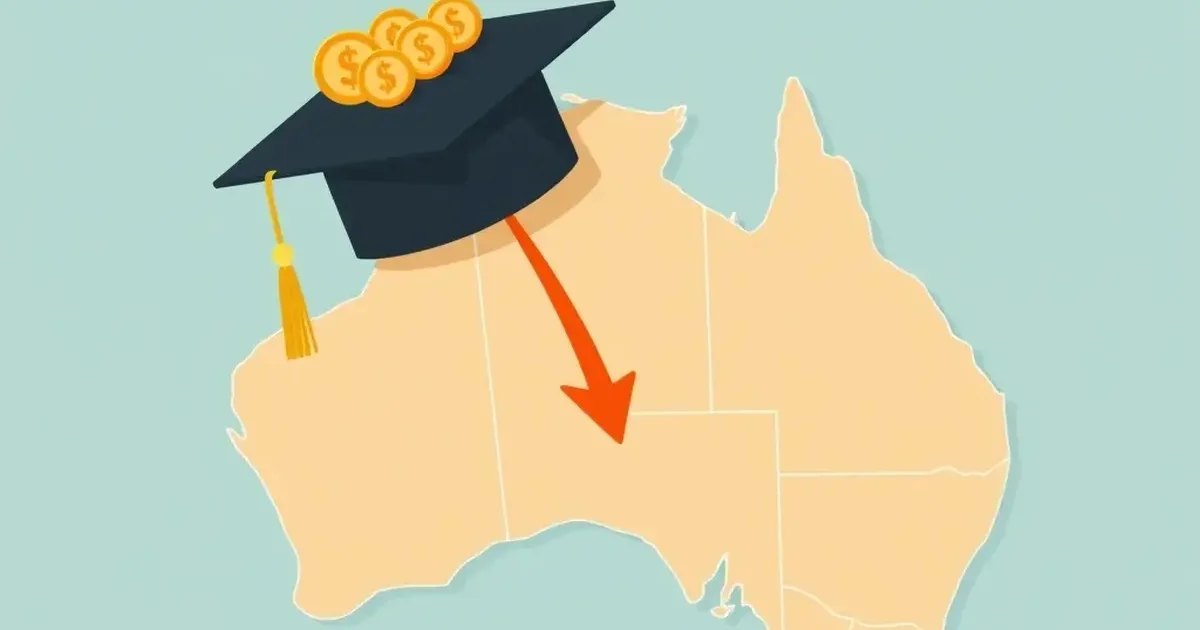
An Australian bachelor degree is a world-class investment, but the price tag varies enormously, from around A$20,000 a year at the most affordable universities to over A$50,000 at the elite Group of Eight. For international students on a budget, knowing where the cheapest degrees are, state by state, can save you tens of thousands of dollars across a three or four-year degree without sacrificing quality or your post-study options. This guide breaks down the cheapest bachelor degrees in Australia in 2026, region by region, with clear fee tables and charts for every state and territory.
We start with how tuition is priced and a national overview of the most affordable universities, then work through each state and territory in turn, so you can find the best-value option wherever you want to study.
Fees are indicative 2026 starting rates for international undergraduate students and vary by course and year. Always confirm the exact fee for your course on the university’s website.
TL;DR: Cheapest Bachelor Degrees in Australia
The cheapest Australian bachelor degrees start around A$20,000–$28,000 a year, mostly at regional and newer universities such as Charles Sturt (NSW), CQUniversity and the University of Southern Queensland (QLD), Federation University (VIC) and Charles Darwin University (NT). Fees are generally lower in regional areas and in Queensland, South Australia and the territories, and higher in central Sydney and Melbourne. Choosing a regional university not only cuts tuition and living costs but can also add extra post-study work rights and migration points. Arts, education and nursing are usually the cheapest fields; medicine and engineering the dearest.
How Bachelor Fees Work in Australia
International bachelor fees depend on three things: the university (prestigious city universities charge more), the field of study (lab and clinical courses like medicine and engineering cost more than arts or education), and the location (regional campuses are cheaper than inner-city ones). Across the country, undergraduate fees range from roughly A$17,000 to A$53,000 a year, so where and what you study makes a huge difference.
The regional discount is double value
National Overview: The Most Affordable Universities
Before the state-by-state detail, here are some of the most affordable universities in Australia for an international bachelor degree, by indicative starting fee.
| University | State | From (A$/yr) | Known for |
|---|---|---|---|
| Charles Sturt University | NSW (regional) | ~$25,000 | Nursing, education, agriculture |
| CQUniversity | QLD (regional) | ~$26,000 | Trades, health, engineering |
| University of the Sunshine Coast | QLD | ~$26,000 | Business, health, education |
| Charles Darwin University | NT | ~$27,000 | Nursing, IT, regional benefits |
| University of Southern Queensland | QLD (regional) | ~$27,000 | Education, engineering, business |
| Federation University | VIC (regional) | ~$27,000 | IT, nursing, trades |
| University of New England | NSW (regional) | ~$27,000 | Education, agriculture, online |
| Victoria University | VIC | ~$28,000 | Business, sport, block model |
For more ways to cut costs, see our guides to the cheapest courses for international students and the many university scholarships on offer.
State-by-State Breakdown
Fees vary by state as well as by university. Below we break down the most affordable bachelor options in each state and territory, starting with New South Wales.
Cheapest Bachelor Degrees in New South Wales (NSW)
NSW is home to Australia’s most expensive universities in central Sydney, such as the University of Sydney and UNSW, where bachelor fees often top A$45,000 a year. But the state also has excellent, far more affordable options, mostly its regional universities, where you get the same nationally recognised degree for around A$25,000–$33,000.
| University | Main campuses | From (A$/yr) | Regional? |
|---|---|---|---|
| Charles Sturt University | Bathurst, Wagga Wagga, Albury | ~$25,000 | Yes |
| University of New England | Armidale (and online) | ~$27,000 | Yes |
| Southern Cross University | Lismore, Coffs Harbour, Gold Coast | ~$28,000 | Yes |
| Western Sydney University | Greater Western Sydney | ~$31,000 | Outer metro |
| University of Wollongong | Wollongong | ~$33,000 | Partly |
| University of Newcastle | Newcastle | ~$33,000 | Partly |
Best value in NSW: Charles Sturt University and the University of New England offer the lowest fees, and as regional universities they also unlock extra post-study work rights and migration points. Western Sydney University is the most affordable larger metropolitan option if you want to be near Sydney. For context, a Go8 degree in central Sydney can cost A$45,000–$55,000 a year, so a regional NSW degree can save you A$60,000 or more across a full bachelor.
Cheapest Bachelor Degrees in Victoria (VIC)
Victoria, like NSW, has a split market: prestigious Melbourne universities such as the University of Melbourne and Monash charge A$45,000–$50,000 or more a year, while the state’s regional and newer universities offer the same recognised degrees from around A$27,000. Melbourne is also frequently rated one of the world’s best student cities, so Victoria can combine affordability with a great student experience if you choose the right university.
| University | Main campuses | From (A$/yr) | Regional? |
|---|---|---|---|
| Federation University | Ballarat, Berwick, Gippsland | ~$27,000 | Yes |
| Victoria University | Footscray, Melbourne City | ~$28,000 | Metro (block model) |
| La Trobe University | Melbourne, Bendigo, Albury-Wodonga | ~$33,000 | Partly (regional campuses) |
| Swinburne University | Hawthorn, Melbourne | ~$35,000 | No |
| Deakin University | Geelong, Warrnambool, Melbourne | ~$36,000 | Partly |
| RMIT University | Melbourne CBD | ~$38,000 | No |
Best value in Victoria: Federation University is the cheapest and, as a regional university, adds extra post-study work and migration benefits. Victoria University is the standout affordable Melbourne option, known for its “block model” where you study one subject at a time. If you want a larger university with a regional discount, La Trobe’s Bendigo and Albury-Wodonga campuses cut both fees and living costs. To plan Melbourne living costs, see our cheapest Melbourne student suburbs guide and the Melbourne weather guide.
Cheapest Bachelor Degrees in Queensland (QLD)
Queensland is one of the best-value states in Australia, combining lower tuition with warm weather and a lower cost of living than Sydney or Melbourne. It is especially attractive for migration-minded students, because most of Queensland outside Brisbane, including the Gold Coast and Sunshine Coast, is classed as a designated regional area, unlocking extra post-study work rights and migration points on top of the lower fees.
| University | Main campuses | From (A$/yr) | Regional? |
|---|---|---|---|
| CQUniversity | Rockhampton, Cairns, Brisbane and more | ~$26,000 | Yes (most campuses) |
| University of the Sunshine Coast | Sunshine Coast, Moreton Bay | ~$26,000 | Yes (regional) |
| University of Southern Queensland (UniSQ) | Toowoomba, Ipswich, Springfield | ~$27,000 | Yes (Toowoomba) |
| James Cook University | Townsville, Cairns | ~$32,000 | Yes (regional / tropical) |
| Griffith University | Gold Coast, Brisbane | ~$33,000 | Partly (Gold Coast) |
| Queensland University of Technology (QUT) | Brisbane | ~$35,000 | No |
Best value in Queensland: CQUniversity and the University of the Sunshine Coast are the cheapest, both with strong regional credentials. UniSQ in Toowoomba is another low-fee, fully regional option, and James Cook University is ideal if you want a regional, tropical campus with the migration bonus. Even the Gold Coast (Griffith, Southern Cross, Bond) counts as regional, so you can enjoy a beach lifestyle and still earn extra post-study work time. For context, the University of Queensland, a Go8 university in Brisbane, charges around A$48,000 a year.
Cheapest Bachelor Degrees in Western Australia (WA)
Western Australia has a standout advantage for budget and migration-focused students: the entire state, including Perth, is classed as a designated regional area. That means every WA university, even the Group of Eight University of Western Australia, qualifies you for extra post-study work rights and migration points. Combine that with Perth’s lower living costs and you get genuine value.
| University | Main campuses | From (A$/yr) | Regional? |
|---|---|---|---|
| Murdoch University | Murdoch (Perth) | ~$30,000 | Yes (all WA) |
| University of Notre Dame Australia | Fremantle | ~$33,000 | Yes |
| Edith Cowan University (ECU) | Joondalup, Mount Lawley | ~$33,000 | Yes |
| Curtin University | Bentley (Perth) | ~$34,000 | Yes |
| University of Western Australia (UWA) | Crawley | ~$45,000 | Yes (Go8 + regional) |
Best value in WA: Murdoch University is the most affordable, followed by Notre Dame and ECU. The unique draw is that even a prestigious Go8 degree from UWA comes with the regional migration bonus here, something you cannot get at the Go8 universities in Sydney or Melbourne. To plan your move, see our guides to student accommodation in Perth and the safest Perth suburbs.
Cheapest Bachelor Degrees in South Australia (SA)
South Australia is one of the most affordable and migration-friendly states. The whole state, including Adelaide, is a designated regional area, so every SA university comes with extra post-study work and migration benefits, and Adelaide consistently ranks among the world’s most liveable and affordable cities. A major change for 2026 is the creation of the new Adelaide University, formed by merging the University of Adelaide and the University of South Australia (UniSA).
| University | Main campuses | From (A$/yr) | Regional? |
|---|---|---|---|
| Torrens University Australia | Adelaide (private) | ~$30,000 | Yes (all SA) |
| Flinders University | Adelaide (Bedford Park) | ~$34,000 | Yes |
| Adelaide University* | Adelaide (Adelaide + UniSA merged, 2026) | ~$38,000+ | Yes (regional) |
*From 2026, the University of Adelaide and UniSA have combined into the new Adelaide University. Best value in SA: Torrens and Flinders offer the lowest fees, while the new Adelaide University pairs prestige with the regional migration bonus, the same rare combination WA offers. With Adelaide’s low living costs on top, SA is excellent value for budget-conscious and migration-minded students. Browse current options in our Adelaide university scholarships guide.
Cheapest Bachelor Degrees in Tasmania (TAS)
Tasmania has the lowest cost of living of any Australian state and is entirely a designated regional area, so it is a strong choice for value and migration. Its main public university is the University of Tasmania (UTAS), which spans Hobart and Launceston and is well regarded internationally.
| University | Main campuses | From (A$/yr) | Regional? |
|---|---|---|---|
| University of Tasmania (UTAS) | Hobart, Launceston | ~$33,000 | Yes (all Tasmania) |
Best value in Tasmania: UTAS combines moderate fees, the cheapest living costs in the country, and full regional migration benefits, often with generous scholarships for international students. It is one of the best all-round value packages in Australia.
Cheapest Bachelor Degrees in the ACT (Canberra)
The Australian Capital Territory is small but, like WA and SA, it is a designated regional area, so even its Group of Eight university carries the migration bonus. Canberra has two main universities at very different price points.
| University | Main campus | From (A$/yr) | Regional? |
|---|---|---|---|
| University of Canberra | Canberra (Bruce) | ~$33,000 | Yes |
| Australian National University (ANU) | Canberra (Acton) | ~$47,000 | Yes (Go8 + regional) |
Best value in the ACT: the University of Canberra is the affordable, career-focused option, while ANU offers world-top-50 prestige with the unusual benefit of regional migration points. See the ANU scholarships guide for ways to offset the higher fee.
Cheapest Bachelor Degrees in the Northern Territory (NT)
The Northern Territory offers some of the lowest fees in the country plus the strongest migration incentives, as the whole territory is regional and the NT runs its own nomination pathways. Its main university is Charles Darwin University (CDU) in Darwin.
| University | Main campus | From (A$/yr) | Regional? |
|---|---|---|---|
| Charles Darwin University (CDU) | Darwin (Casuarina) | ~$27,000 | Yes (all NT) |
Best value in the NT: CDU is one of the cheapest universities in Australia and sits in a territory that actively encourages skilled migration, making it a smart pick if PR is your long-term goal. See the Charles Darwin University scholarships guide.
Territories and Tasmania at a Glance
The Verdict: Cheapest State for a Degree
Putting it all together, here is the cheapest entry-level option in each state and territory, and how they compare nationally.
| State / Territory | Cheapest option | From (A$/yr) | Regional benefit? |
|---|---|---|---|
| NSW | Charles Sturt University | ~$25,000 | Yes (regional campuses) |
| QLD | CQUniversity | ~$26,000 | Yes (most of QLD) |
| VIC | Federation University | ~$27,000 | Yes (regional campuses) |
| NT | Charles Darwin University | ~$27,000 | Yes (all NT) |
| WA | Murdoch University | ~$30,000 | Yes (all WA, incl. Perth) |
| SA | Torrens University | ~$30,000 | Yes (all SA, incl. Adelaide) |
| TAS | University of Tasmania | ~$33,000 | Yes (all Tasmania) |
| ACT | University of Canberra | ~$33,000 | Yes (all ACT) |
The bottom line on value
Frequently Asked Questions
Final Thoughts
A quality Australian bachelor degree does not have to cost a fortune. The cheapest options, mostly regional and newer universities, deliver the same nationally recognised qualification for around A$25,000 a year, less than half the price of an elite city university, while adding lower living costs and valuable migration benefits. Use the state-by-state tables above to find the best value where you want to study, weigh tuition against living costs and post-study options, and check current fees and scholarships directly with each university before you apply.
You May Also Like

How to Become a Hairdresser in Australia (2026): Certificate III, TAFE Costs and Visa Pathway for International Students

Studying Accounting in Australia: Courses, Costs and Career Path