
Hybrid Cars in Australia 2026: Full, Mild and Plug-in Hybrids, Prices and Which to Buy


TL;DR: Hybrid Cars in Australia, October 2026
- Three kinds of hybrid, very different: a full hybrid (no plug, small electric boost), a mild hybrid (tiny motor, small saving) and a plug-in hybrid (big battery you charge). A battery-electric car (EV) is a fourth, separate category.
- Hybrids are mainstream. Hybrids were 16.4% of new vehicle sales in September 2026 and plug-in hybrids 9.3%, according to CarExpert’s VFACTS report.
- Cheapest hybrids start around $28,000 to $30,000 drive-away (MG3 Hybrid, Haval Jolion Hybrid, Chery Tiggo 4 Hybrid, MG ZS Hybrid), per an RACV price list published 22 April 2026. Prices move, so check current offers.
- Real-world savings are real but vary. AAA testing, reported by CarExpert, found the Corolla Hybrid used 2.0 L/100km less than the petrol version, while one mild hybrid used slightly more fuel than its petrol twin.
- Use the estimator below to test whether the extra purchase price pays back for your kilometres.
This guide explains the types of hybrid in plain language, shows which models are cheapest and best selling, compares claimed and real-world fuel use, and gives you a checklist for buying new or used. Prices and sales figures are attributed and dated because they change quickly; we checked sources on 30 October 2026.
What this guide covers and does not
Hybrid, Mild Hybrid, Plug-in Hybrid and EV: What Is the Difference?
Carmakers use “hybrid” for several different systems. RACV and CarAdvice describe them like this:
| Type | What it is | Do you plug it in? | Can it drive on electricity alone? |
|---|---|---|---|
| Full hybrid (HEV) | Petrol engine plus an electric motor and a small battery that recharges from the engine and braking. | No | Only for short distances at low speed. CarAdvice says about a kilometre or two when driven gently. |
| Mild hybrid (MHEV) | A conventional engine with a small motor, often 48 volts, that helps the engine and lets it switch off sooner. | No | No. It assists the engine but cannot drive the car on its own. |
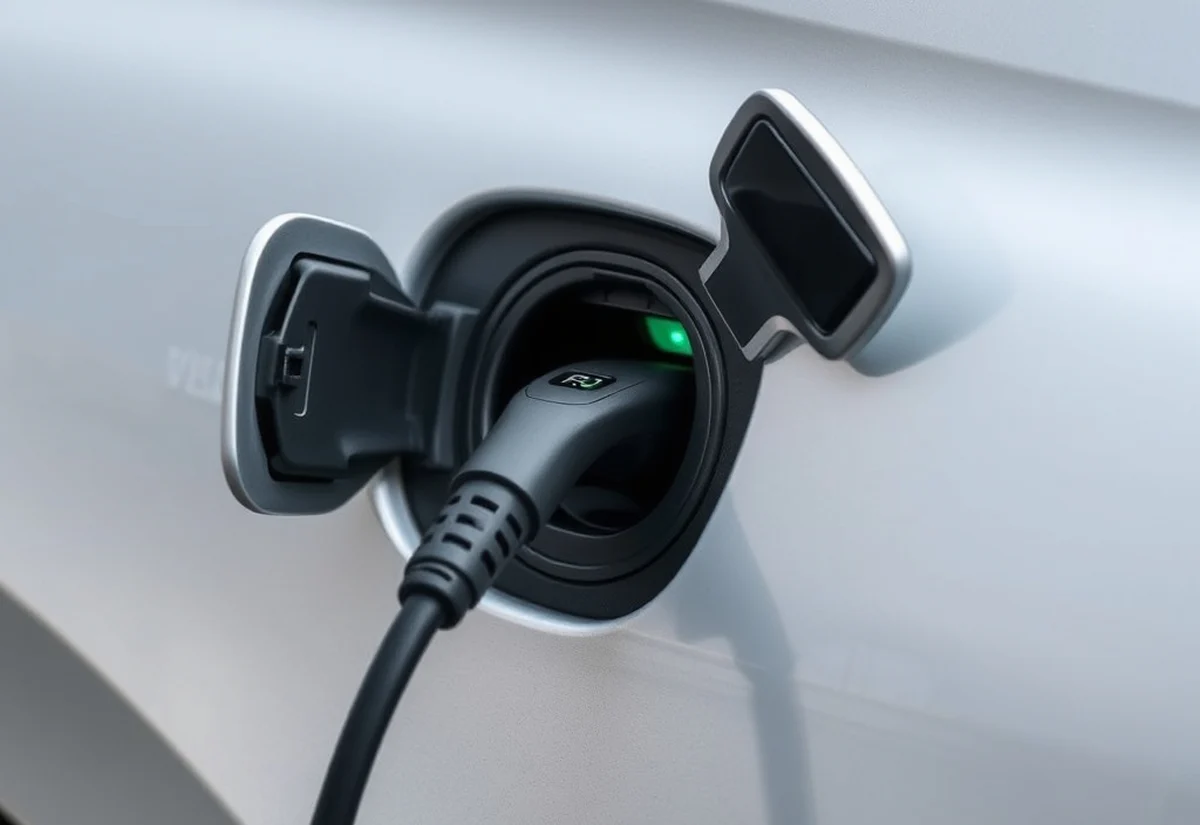
| Plug-in hybrid (PHEV) | A petrol engine plus a larger battery and motor that you charge from a power point. | Yes | Yes. RACV says typical electric range is 40 km or more, with some newer models over 100 km. |
| Battery electric (EV) | No petrol engine. A large battery powers electric motors. | Yes | Always |
RACV says a full hybrid can cut fuel use by up to about 50% in stop-start driving and that the price premium over a petrol equivalent can be as little as $1,500. It says a Toyota-style mild hybrid claims up to 10% better city efficiency, and that mild hybrids are often not worth paying extra for compared with a regular hybrid.
A plug-in hybrid only saves a lot of fuel if you charge it regularly. RACV and CarAdvice both note that once the battery is flat, a PHEV can use more fuel than a regular hybrid because it carries a bigger, heavier battery. Charging at home also adds an electricity cost, so compare the cost per kilometre, not only the fuel saved.
How Popular Are Hybrids in Australia?
According to CarExpert’s VFACTS September 2026 report, here is how new vehicle sales split by fuel type:
| Fuel type | September 2026 sales | September share | Year to date share |
|---|---|---|---|
| Electric | 26,287 | 24.2% | 18.9% |
| Petrol | 26,018 | 23.9% | 28.2% |
| Diesel | 25,173 | 23.1% | 24.3% |
| Hybrid | 17,843 | 16.4% | 16.7% |
| Plug-in hybrid | 10,072 | 9.3% | 8.9% |
Hybrids and plug-in hybrids together made up about a quarter of new sales in September. Electric cars outsold petrol that month, which also affects resale values and choices for buyers weighing the cheapest electric cars against hybrids.
Best-Selling Hybrids in Australia in 2026
For January to June 2026, CarExpert (using FCAI data, published 24 July 2026) listed these as the top hybrid models by deliveries:
| Rank | Model | Hybrid deliveries | Hybrid share of that model’s sales |
|---|---|---|---|
| 1 | Toyota RAV4 | 14,894 | 95.8% |
| 2 | Hyundai Tucson | 8,400 | 74.8% |
| 3 | Hyundai Kona | 8,086 | 61.6% |
| 4 | Toyota Corolla | 7,111 | 97.2% |
| 5 | Toyota Corolla Cross | 6,867 | 100.0% |
| 6 | Kia Sportage | 6,707 | 69.5% |
| 7 | Toyota Camry | 6,359 | 100.0% |
| 8 | Toyota Yaris Cross | 4,247 | 100.0% |
| 9 | GWM Haval Jolion | 3,468 | 30.2% |
| 10 | Subaru Forester | 3,030 | 52.9% |
Three models, the Corolla Cross, Camry and Yaris Cross, were sold only as hybrids in that period. For most Toyota buyers the hybrid is simply the default.
Cheapest Hybrids You Can Buy
The RACV list of the cheapest hybrid and plug-in cars (published 22 April 2026) gives drive-away prices for national or Victorian private buyers. Here are some of the entries. Prices have likely moved since April, so treat these as a guide to the order and the price band, not a quote.
| Model | Type | Starting price (drive-away, RACV April 2026) |
|---|---|---|
| MG3 Hybrid | Hybrid | $28,490 |
| GWM Haval Jolion Hybrid | Hybrid | $28,990 |
| Chery Tiggo 4 Hybrid | Hybrid | $29,990 |
| MG ZS Hybrid | Hybrid | $29,990 |
| Toyota Yaris Hybrid | Hybrid | $33,217 |
| Hyundai i30 Hybrid (sedan) | Hybrid | $34,990 |
| Toyota Yaris Cross Hybrid | Hybrid | $36,135 |
| Toyota Corolla Hybrid (hatch) | Hybrid | $36,471 |
| Honda HR-V e:HEV | Hybrid | $39,900 |
| Hyundai Kona Hybrid | Hybrid | $39,990 |
| Toyota Corolla Cross Hybrid | Hybrid | $42,020 |
| Kia Sportage Hybrid | Hybrid | $44,490 |
| Toyota Camry Hybrid (sedan) | Hybrid | $44,679 |
| Hyundai Tucson Hybrid | Hybrid | $44,990 |
| Toyota RAV4 Hybrid | Hybrid | $50,931 |
| Chery Tiggo 7 PHEV | Plug-in hybrid | $34,990 |
| BYD Sealion 5 PHEV | Plug-in hybrid | $37,583 |
| Toyota RAV4 PHEV | Plug-in hybrid | $65,027 |
Drive-away prices include on-road costs, which vary by state. Our guides to car registration costs and CTP insurance and green slips explain the main on-road charges.
What About the Kia Niro Hybrid?
The Kia Niro is one of the most searched hybrids by name. According to CarExpert, the Niro Hybrid is sold as a single Gt-Line variant from $54,998 drive-away (Sydney, including delivery, registration, plates and road taxes), with a 1.6 litre petrol hybrid making 104 kW and 265 Nm, a six speed dual clutch automatic, a listed 4 L/100km and a seven year unlimited kilometre warranty.
The same CarExpert page links to news that the Niro has been axed in Australia, so check availability, run-out deals and used stock with a dealer before you plan around one. If your budget is nearer $40,000 to $45,000, the Kia Sportage Hybrid and Hyundai Kona Hybrid in the tables above are the closest alternatives from the same group.
Mild Hybrids: Worth Paying For?
Mild hybrids add a small motor to a normal petrol engine. They are common on European and some Japanese models, including the Suzuki Swift and the previous Subaru Forester tested by AAA. They cannot drive the car on electric power alone.
The results are mixed. In AAA real-world testing reported by CarExpert, the Suzuki Swift mild hybrid used 1.1 L/100km (17.5%) less than its petrol-only version, while the outgoing Subaru Forester mild hybrid used 0.2 L/100km (2.8%) more. RACV says mild hybrids are often not worth the extra cost over a regular hybrid. If fuel savings are the goal, a full hybrid is usually the safer choice; if a mild hybrid comes with the car you already want at no extra cost, treat it as a small bonus.
Claimed vs Real-World Fuel Use
Fuel figures on the windscreen come from lab tests published on the Green Vehicle Guide. The Australian Automobile Association (AAA) runs real-world road tests, and CarExpert’s write-up (14 April 2025) compared them. Here are the savings versus each model’s petrol-only version:
| Model | Real-world saving (L/100km) | Lab-test saving (L/100km) |
|---|---|---|
| Toyota RAV4 Hybrid | 2.0 (29.4%) | 1.3 (21.7%) |
| Toyota Corolla Hybrid | 2.0 (32.3%) | 1.8 (30.0%) |
| Toyota Camry Hybrid | 2.2 (32.4%) | 2.6 (38.2%) |
| Toyota Kluger Hybrid | 2.7 (31.8%) | 2.7 (32.5%) |
| Honda CR-V Hybrid | 1.9 (23.5%) | 1.6 (22.5%) |
| GWM Haval Jolion Hybrid | 1.3 (16.5%) | 3.1 (38.3%) |
| Suzuki Swift (mild hybrid) | 1.1 (17.5%) | 0.8 (16.7%) |
| Subaru Forester (mild hybrid, outgoing) | uses 0.2 more (2.8% more) | 0.7 (9.5%) |
The message is that most full hybrids from Toyota and Honda delivered close to, or better than, their lab claims, while some other models fell short. Your own savings depend on how you drive. Hybrids tend to help most in suburban stop-start traffic and less on long, steady highway runs.
Hybrid Fuel Savings and Payback Estimator
Use this to see whether a hybrid’s extra price pays back for your driving. Replace the placeholder numbers with real ones from the Green Vehicle Guide or the AAA tests above, and with the petrol price you pay.
Running Costs, Servicing and Battery Warranty
- Fuel: the biggest saving. Use the estimator above with your own kilometres.
- Servicing: a full hybrid still has a petrol engine, so it needs regular servicing. RACV notes a PHEV still needs petrol-car servicing. Ask the dealer for the capped price servicing schedule for the exact model.
- Battery warranty: this varies by brand. Toyota’s dealer information says eligible owners who complete annual Hybrid Health Checks from the fifth year of ownership may get a Toyota-backed extension of up to 10 years on the hybrid battery, subject to terms and conditions (Sunshine Toyota). The Kia Niro listing above shows a seven year unlimited kilometre warranty. Always read the warranty booklet for the exact car.
- Insurance and registration: premiums depend on the car, driver and state, so get quotes before you buy. See our car insurance cost guide for how premiums are worked out.
- Finance and tax: if you are considering a novated lease, our novated lease vs buying a car guide explains how it compares.
Hybrid vs Petrol vs Plug-in vs EV: Which Suits You?
| If you… | Consider | Why |
|---|---|---|
| Drive mostly around town and cannot charge at home | Full hybrid | No plug and good savings in stop-start traffic. |
| Have a fixed commute under about 40 km and can charge at home or work | Plug-in hybrid | Daily commutes can run mostly on electricity with petrol as backup (RACV). |
| Do lots of long highway driving | Efficient petrol or full hybrid | Hybrid savings are smaller at steady highway speeds. |
| Can charge at home and want the lowest running costs | Electric car | RACV says EVs typically have the lowest running costs, though they cost more to buy. |
| Have a tight budget | Cheapest hybrids or a sensible used car | See the price table above and our used car buying guide. |
If you want to compare against electric options, see our guide to the cheapest EVs in Australia.
Buying a Used Hybrid: A Checklist
Used hybrids can be good value, but they need a few extra checks. This is general guidance, not a manufacturer rule:

- Ask for the full service history, including any hybrid health checks or high voltage system checks.
- Check whether the hybrid battery warranty is still active and whether it transfers to a new owner.
- Look for dashboard warning lights and test that the car switches between petrol and electric smoothly.
- Have an independent mechanic who works on hybrids do a pre-purchase inspection, including a battery health check where available.
- Run a vehicle history check for finance owing and write-off status before you pay.
- Compare the price with petrol versions of the same age, using the estimator above to see whether the saving is worth it.
Our used car buying guide covers inspections, history checks and paperwork in detail. If you are looking at a used European model, also read which used European cars are reliable in Australia.
Hybrids for Rideshare and Gig Driving
High-kilometre drivers get the biggest fuel savings from a hybrid. If you are thinking about driving for Uber or DiDi, our guide for international students driving Uber and DiDi covers the rules, and our cost of living price guide shows how car costs fit into a household budget.
Accessories Worth Buying
As an Amazon Associate, newlifeinaus.com.au earns from qualifying purchases. This costs you nothing extra and does not change what we say above.
Frequently Asked Questions
Sources
- RACV: The cheapest hybrid and PHEV cars in Australia for 2026
- RACV: Hybrid vs PHEV vs EV differences
- CarExpert: VFACTS September 2026
- CarExpert: Australia’s best-selling hybrids so far in 2026
- CarExpert: Real-world testing shows not all hybrids are created equal at saving fuel
- Australian Automobile Association: Do your homework before choosing a hybrid vehicle
- CarExpert: Kia Niro 2026
- CarAdvice: Hybrid, plug-in hybrid and mild hybrid, what’s the difference
- Sunshine Toyota: Toyota Hybrid Health Check
- Australian Government Green Vehicle Guide
General information only
You May Also Like

Airport Parking Australia 2026: Rates at Sydney, Melbourne, Brisbane, Perth and Adelaide

Tax ID and VAT Number in Australia: TFN, ABN and GST Explained