Abbotsford Melbourne: Complete Suburb Guide 2026

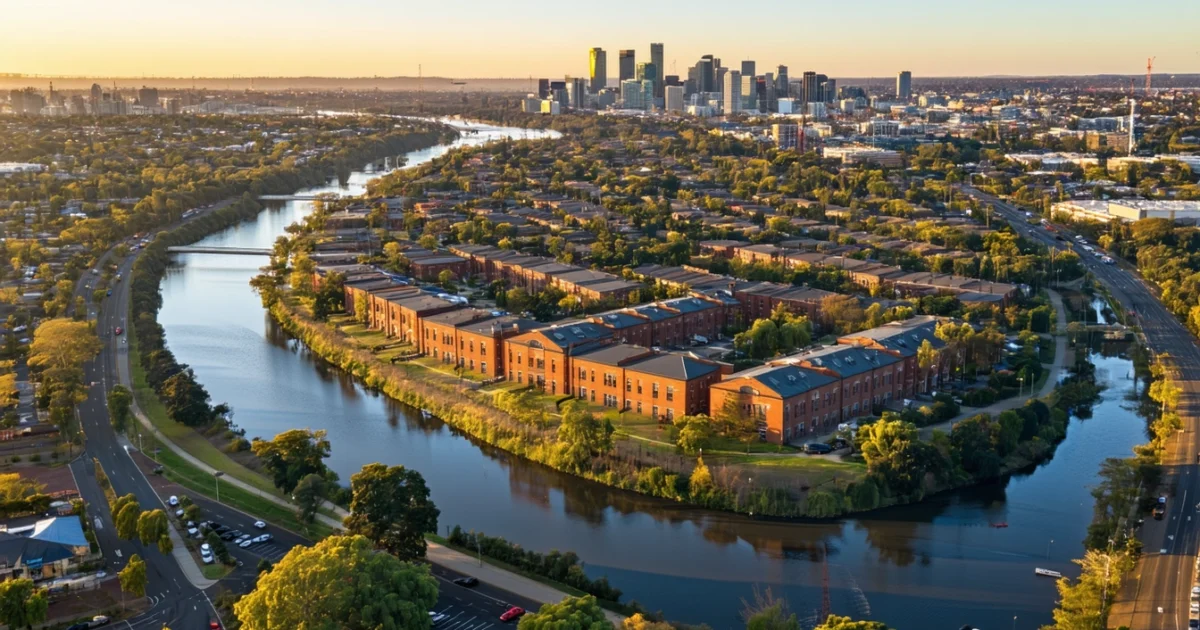
Abbotsford suburb Melbourne is a vibrant inner-city area located just 3 kilometers northeast of the CBD in postcode 3067. This trendy suburb combines rich industrial heritage with modern urban living, offering residents excellent transport links, cultural attractions like the historic Abbotsford Convent, and a thriving cafe scene. Moreover, Abbotsford attracts young professionals and families seeking an alternative to expensive inner-city options while maintaining easy access to Melbourne’s core.
Situated along the Yarra River, Abbotsford borders Richmond, Collingwood, and Clifton Hill. Additionally, the suburb features diverse housing stock from converted warehouses to modern apartments, with median house prices reflecting its desirability among Melbourne buyers.
Furthermore, residents enjoy excellent connectivity via train stations, extensive cycling paths, and major arterial roads. The area also boasts numerous parks, quality schools, and a strong sense of community that makes it particularly appealing for those considering Melbourne suburb living.
TL;DR
- Location: Inner northeast Melbourne, 3km from CBD in postcode 3067
- Transport: Excellent rail connections, cycling infrastructure, and road access
- Attractions: Historic Abbotsford Convent, Yarra River frontage, vibrant dining scene
- Housing: Mix of converted warehouses, apartments, and heritage homes with strong market demand
- Lifestyle: Perfect for young professionals and families seeking culture, convenience, and community
Abbotsford Melbourne: Location and Overview
Abbotsford Melbourne occupies a strategic position in Melbourne’s inner north-east, precisely 3 kilometers from the Central Business District. This compact suburb spans across postcode 3067 and falls under the jurisdiction of the City of Yarra local government area. Furthermore, its prime location places residents within easy reach of Melbourne’s economic and cultural heart while maintaining a distinct suburban character.
The suburb’s boundaries create a well-defined geographic area bordered by several prominent Melbourne neighborhoods. Richmond lies to the south, while Collingwood extends along the western border. Additionally, Clifton Hill forms the northern boundary, and the Yarra River creates a natural eastern edge. These neighboring areas contribute to Abbotsford’s connectivity and cultural diversity within Melbourne’s inner urban fabric.
| Direction | Neighboring Suburb | Distance to CBD |
|---|---|---|
| South | Richmond | 2.5km |
| West | Collingwood | 3km |
| North | Clifton Hill | 4km |
| East | Yarra River | N/A |
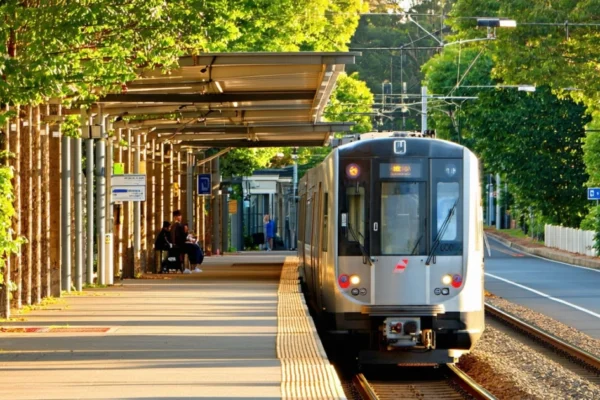
Transportation connectivity defines Abbotsford’s appeal for Melbourne residents and commuters. The suburb enjoys excellent access to the CBD through multiple transport modes, including the Collingwood railway station on the Hurstbridge line. Moreover, cycling infrastructure along the Capital City Trail provides scenic routes for bicycle commuters. Major arterial roads such as Johnston Street and Swan Street facilitate quick vehicle access to central Melbourne and surrounding areas.
Historically, Abbotsford evolved from an industrial manufacturing hub into a vibrant residential community. The area’s transformation began in the 1980s and 1990s when former factory buildings underwent conversion into contemporary apartments and townhouses. Consequently, this industrial heritage creates unique architectural character that distinguishes Abbotsford from other Melbourne suburbs. The preservation of heritage structures alongside modern developments reflects the suburb’s successful urban renewal story.
Regional context positions Abbotsford as part of Melbourne’s highly sought-after inner-city corridor. This location provides residents with proximity to employment centers, educational institutions, and cultural attractions. Additionally, the suburb’s position along the Yarra River enhances its environmental appeal and recreational opportunities. The combination of urban convenience and natural amenities makes Abbotsford particularly attractive for professionals, young families, and lifestyle-focused residents seeking authentic Melbourne living experiences.
The suburb’s compact size of approximately 1.2 square kilometers creates an intimate community atmosphere while maintaining urban sophistication. Population density reflects this balance, with around 8,000 residents calling Abbotsford home. Furthermore, this demographic composition includes diverse age groups and backgrounds, contributing to the area’s dynamic social fabric and cultural richness that characterizes inner Melbourne neighborhoods.
Abbotsford Suburb Profile and Demographics
Abbotsford suburb melbourne attracts a diverse population of 8,147 residents according to the latest Australian Bureau of Statistics data. The demographic composition reflects the area’s appeal to young professionals, creative individuals, and established families seeking inner-city lifestyle benefits. Moreover, this population density creates a vibrant community atmosphere while maintaining the intimate character that distinguishes Abbotsford from larger Melbourne suburbs.
Population Statistics and Growth Patterns
Population growth demonstrates steady increases over the past decade, with 12% growth recorded between 2016 and 2021. This expansion reflects the suburb’s increasing desirability among Melbourne residents seeking alternatives to CBD living. Additionally, the population density of approximately 6,789 people per square kilometer positions Abbotsford as a medium-density inner suburb that balances urban convenience with residential comfort.
Gender distribution shows a slight female majority at 52.1%, while males comprise 47.9% of the population. Furthermore, this demographic balance contributes to the suburb’s family-friendly atmosphere and diverse community dynamics that characterize successful inner Melbourne neighborhoods.
Age Distribution and Household Composition
Age demographics reveal Abbotsford’s appeal to younger demographics, with 35.2% of residents aged between 25-39 years. This concentration of young adults reflects the suburb’s attraction for early-career professionals and creative industry workers. Meanwhile, children aged 0-14 represent 18.3% of the population, indicating strong family presence within the community.
| Age Group | Percentage | Population Count |
|---|---|---|
| 0-14 years | 18.3% | 1,491 |
| 15-24 years | 12.8% | 1,043 |
| 25-39 years | 35.2% | 2,868 |
| 40-54 years | 20.1% | 1,638 |
| 55+ years | 13.6% | 1,108 |
Household composition shows 2.1 people per household on average, reflecting the prevalence of couples and small families. Single-person households comprise 38.4% of all dwellings, while couple families with children represent 28.7%. Consequently, this household diversity creates a balanced community that supports various lifestyle preferences and life stages.
Income Levels and Economic Indicators
Median household income reaches $78,400 annually, positioning Abbotsford above Melbourne’s metropolitan average. This income level reflects the suburb’s appeal to middle-to-upper-middle-class residents and professional workers. Additionally, individual median income stands at $52,600, demonstrating strong earning capacity among residents.
78.4% of Abbotsford residents hold post-secondary qualifications
Educational attainment correlates strongly with income levels, as 78.4% of residents hold post-secondary qualifications. University graduates comprise 45.2% of the adult population, while vocational education graduates represent another 33.2%. Furthermore, this high education level supports the suburb’s reputation as a knowledge-worker community within Melbourne’s inner ring.
Cultural Diversity and Community Characteristics
Cultural diversity enriches Abbotsford’s community fabric, with 31.2% of residents born overseas. The largest immigrant communities originate from the United Kingdom (4.8%), India (3.2%), and China (2.9%). Moreover, this multicultural composition contributes to the suburb’s vibrant dining scene and cultural events that attract visitors from across Melbourne.
Language diversity reflects this cultural richness, as 23.4% of households speak languages other than English at home. Mandarin, Italian, and Spanish represent the most common non-English languages. Additionally, this linguistic diversity supports local businesses and cultural organizations that serve various community needs.
Religious affiliation shows 42.1% identifying as having no religion, while 28.3% identify as Christian. Other faiths including Buddhism, Islam, and Judaism contribute to the suburb’s spiritual diversity. Consequently, this religious tolerance creates an inclusive community atmosphere that welcomes residents from various backgrounds.
Employment Patterns and Professional Occupations
Employment statistics reveal 94.2% workforce participation among working-age residents, significantly exceeding Melbourne’s metropolitan average. Professional occupations dominate the employment landscape, with 38.7% working in professional, scientific, and technical services. Meanwhile, creative industries employ another 15.3% of residents, reflecting Abbotsford’s artistic heritage and cultural identity.
- Professional services: 38.7%
- Creative and arts industries: 15.3%
- Healthcare and social assistance: 12.8%
- Education and training: 11.2%
- Information technology: 9.4%
- Finance and insurance: 7.8%
Commuting patterns show 67.3% of residents travel to work by public transport or walking, demonstrating the suburb’s excellent connectivity to Melbourne CBD. Car ownership remains relatively low at 1.2 vehicles per household, reflecting urban lifestyle preferences and environmental consciousness. Therefore, these transportation choices align with Abbotsford’s sustainable living ethos and inner-city location advantages.
Unemployment rates remain consistently low at 3.8%, well below national averages and reflecting strong economic conditions within the suburb. This employment stability contributes to community confidence and supports local business growth throughout Melbourne’s competitive suburb market.
Real Estate Market and Property Prices
Abbotsford’s property market demonstrates robust growth patterns with median house prices reaching $1,485,000 in 2026, representing a 12.3% increase from the previous year. Unit prices average $685,000, making this inner Melbourne suburb increasingly attractive to both investors and owner-occupiers. Furthermore, the suburb’s proximity to Melbourne CBD continues driving property values upward across all housing categories.
| Property Type | Median Price 2026 | Annual Growth | Days on Market |
|---|---|---|---|
| Houses | $1,485,000 | +12.3% | 28 days |
| Units/Apartments | $685,000 | +8.7% | 22 days |
| Townhouses | $1,125,000 | +10.1% | 25 days |
Rental Market Performance and Vacancy Rates
Rental demand remains exceptionally strong with vacancy rates at 1.2%, well below Melbourne’s metropolitan average of 2.8%. Weekly rental prices average $650 for houses and $485 for units, reflecting the suburb’s desirability among young professionals and creative workers. Additionally, rental yields average 2.8% for houses and 3.7% for apartments, providing competitive returns for property investors.
Rental turnover occurs rapidly, with properties typically leasing within 7-10 days of listing. This quick absorption rate demonstrates sustained tenant demand driven by Abbotsford’s cultural attractions, transport connectivity, and employment opportunities. Consequently, landlords benefit from minimal vacancy periods and consistent rental income streams.
Housing Stock Composition and Property Types
Abbotsford’s housing stock reflects its industrial heritage with 45% warehouse conversions and modern apartments comprising the majority of available properties. Victorian-era terraces represent 28% of housing stock, while contemporary townhouse developments account for 18% of total dwellings. Moreover, heritage-listed properties command premium prices due to their architectural significance and scarcity.
- Warehouse conversions and loft apartments: 45%
- Victorian terraces and heritage homes: 28%
- Modern townhouse developments: 18%
- New apartment complexes: 9%
Building heights typically range from 2-6 stories, maintaining the suburb’s character while accommodating urban density requirements. Development approvals favor medium-density projects that preserve Abbotsford’s artistic community atmosphere and architectural heritage. Therefore, new construction focuses on boutique developments rather than high-rise towers.
Market Trends and Investment Potential
Property investment fundamentals remain strong with capital growth averaging 9.2% annually over the past five years. Buyer demographics show 42% investors, 35% first-home buyers, and 23% upgraders, indicating diverse market appeal. Subsequently, this balanced buyer composition supports price stability and reduces market volatility risks.
Investment properties in Abbotsford generate average annual returns of 6.5% when combining rental yield and capital growth
Market analysts predict continued growth driven by infrastructure improvements and zoning changes allowing increased density. The suburb’s transformation from industrial precinct to cultural hub attracts young professionals seeking lifestyle amenities and CBD proximity. Furthermore, government investment in public transport and community facilities enhances long-term investment prospects for property owners.
Auction clearance rates consistently exceed 75%, indicating strong buyer confidence and competitive market conditions. International buyers represent 8% of purchases, primarily targeting premium warehouse conversions and heritage properties. Consequently, this diverse buyer base provides market resilience and supports sustained price growth across different property segments.
Transport and Accessibility
Abbotsford suburb melbourne offers exceptional transport connectivity with multiple rail, bus, and cycling options connecting residents to Melbourne CBD and surrounding areas. The suburb’s strategic location provides diverse commuting alternatives that suit different lifestyle preferences and travel patterns.
Train Stations and Rail Connections
West Richmond Station serves as the primary railway hub for Abbotsford residents, located just 800 meters from the suburb’s center. This station operates on the Craigieburn, Upfield, and Mernda lines, providing direct services to Melbourne Central, Flinders Street, and Parliament stations. Additionally, trains run every 10-15 minutes during peak hours and every 20 minutes during off-peak periods.
Collingwood Station provides alternative rail access for eastern Abbotsford residents, positioned approximately 1.2 kilometers from the suburb boundary. Furthermore, this station connects to the Hurstbridge line, offering additional route options for commuters traveling to different CBD locations and northern suburbs.
Bus Routes and Public Transport Options
Comprehensive bus networks supplement rail services with Route 200, 201, and 207 providing frequent connections throughout Abbotsford. Route 200 operates along Johnston Street, connecting Abbotsford to Fitzroy, Carlton, and the University of Melbourne campus. Meanwhile, Route 201 travels via Swan Street, linking residents to Richmond, Prahran, and St Kilda destinations.
Night bus services ensure 24-hour connectivity with NightRider Route 940 operating Friday and Saturday evenings. Consequently, residents enjoy reliable late-night transport options for entertainment and hospitality workers common in this creative suburb.
Cycling Infrastructure and Bike Paths
Capital City Trail forms the backbone of Abbotsford’s cycling network, following the Yarra River through the suburb’s southern boundary. This dedicated bike path connects cyclists to Docklands, Southbank, and eastern suburbs without encountering traffic intersections. Moreover, the trail provides scenic commuting routes that enhance the daily travel experience for cycling enthusiasts.
Local cycling infrastructure includes separated bike lanes on Johnston Street and Hoddle Street, creating safe corridors for commuter cyclists. Protected intersections and bike storage facilities at major destinations support the suburb’s growing cycling community. Therefore, many residents choose bicycles as their primary transport mode for short to medium distance trips.
Road Access and Major Arterials
Hoddle Street provides the primary north-south arterial connection, linking Abbotsford directly to the CBD via Bridge Road and Swan Street. This major roadway carries significant traffic volumes but offers efficient access during off-peak periods. Additionally, Johnston Street serves as the main east-west corridor, connecting to Fitzroy, Collingwood, and inner northern suburbs.
Punt Road offers alternative CBD access via the southeastern route, particularly useful for residents traveling to South Yarra, Toorak, and bayside areas. Traffic congestion occurs during peak hours on all major arterials, however, multiple route options provide flexibility for motorists navigating around bottlenecks.
Commute Times to Key Melbourne Destinations
| Destination | Train | Car (Off-Peak) | Car (Peak) | Cycling |
|---|---|---|---|---|
| Melbourne CBD | 12-15 minutes | 8-12 minutes | 20-30 minutes | 15-20 minutes |
| Richmond | 5-8 minutes | 5-8 minutes | 12-18 minutes | 8-12 minutes |
| Fitzroy | 15-18 minutes | 6-10 minutes | 15-25 minutes | 10-15 minutes |
| South Yarra | 18-22 minutes | 12-15 minutes | 25-35 minutes | 20-25 minutes |
| Carlton | 20-25 minutes | 10-15 minutes | 20-30 minutes | 15-20 minutes |
Public transport consistently outperforms private vehicle travel during peak hours, making train and bus services the preferred commuting option for most residents. Peak hour congestion significantly impacts car travel times, particularly on Hoddle Street and Johnston Street corridors. Consequently, many Abbotsford residents combine multiple transport modes, using bicycles for local trips and trains for CBD commuting.
Weekend travel times remain relatively consistent across all transport modes, with reduced traffic congestion and regular public transport frequencies. The suburb’s central location ensures most Melbourne destinations remain accessible within 30 minutes regardless of chosen transport method.
Amenities and Local Facilities
Abbotsford suburb melbourne provides residents with comprehensive amenities and facilities that enhance daily living. Moreover, the area combines historic charm with modern conveniences, creating a vibrant community atmosphere. Local businesses thrive alongside cultural institutions, while green spaces offer recreational opportunities throughout the neighborhood.
Shopping Precincts and Retail Options
Swan Street serves as Abbotsford’s primary retail corridor, featuring boutique shops, specialty stores, and independent retailers. Additionally, the strip offers vintage clothing stores, antique dealers, and artisan workshops that reflect the suburb’s creative character. Local shopping includes everything from organic grocers to handcrafted furniture stores.
Victoria Gardens Shopping Centre provides major retail options just minutes away in neighboring Richmond. Furthermore, residents access department stores, supermarkets, and chain retailers within this comprehensive shopping complex. The center houses over 130 specialty stores, including fashion outlets, electronics retailers, and home improvement suppliers.
Independent retailers dominate the local shopping scene, with many businesses operating from converted warehouses and heritage buildings. Consequently, shopping in Abbotsford offers unique experiences unavailable in typical suburban malls. Local markets and pop-up stores regularly feature handmade goods, local produce, and artisan products.
Dining Scene and Cafe Culture
The dining scene in Abbotsford showcases diverse culinary offerings from casual cafes to fine dining establishments. Meanwhile, cafe culture thrives throughout the suburb, with numerous specialty coffee roasters and artisan bakeries serving the community. Local restaurants feature cuisine ranging from modern Australian to authentic ethnic specialties.
Swan Street hosts acclaimed restaurants that attract diners from across Melbourne. Similarly, converted warehouse spaces house trendy eateries and craft breweries that capitalize on the area’s industrial heritage. The dining landscape includes everything from Vietnamese pho houses to contemporary European bistros.
Local cafes serve as community gathering spaces, offering specialty coffee, fresh pastries, and light meals throughout the day. Additionally, many establishments feature outdoor seating areas that take advantage of Melbourne’s favorable climate. Weekend brunch culture remains particularly strong, with popular venues often requiring reservations.
Parks, Recreation Areas, and Green Spaces
Abbotsford Convent provides extensive parklands and recreational facilities within a heritage-listed precinct. Furthermore, the grounds feature walking trails, picnic areas, and open lawns suitable for various outdoor activities. The site combines cultural attractions with natural green spaces along the Yarra River.
Yarra Bend Park offers one of Melbourne’s largest urban parklands just across the river from Abbotsford. Consequently, residents enjoy access to bushwalking trails, cycling paths, and wildlife viewing opportunities within minutes of home. The park features BBQ facilities, playgrounds, and sports fields for community recreation.
- Dights Falls – Historic weir and picnic area along the Yarra River
- Studley Park – Riverside parkland with boat ramp and walking trails
- Local pocket parks – Small green spaces scattered throughout residential areas
- Community gardens – Shared growing spaces for local food production
The Capital City Trail passes through Abbotsford, providing dedicated cycling and walking paths that connect to Melbourne’s broader trail network. Additionally, riverside paths offer scenic routes for jogging, cycling, and leisurely strolls along the Yarra River.
Educational Institutions and Schools
Abbotsford Primary School serves the local community with quality primary education in a heritage building setting. Meanwhile, the school emphasizes creative arts programs that align with the suburb’s cultural character. Enrollment typically includes students from diverse cultural backgrounds reflecting the area’s demographic composition.
Secondary education options include several highly-regarded schools within nearby suburbs, accessible via public transport. Furthermore, Collingwood College and other specialized institutions provide alternative educational pathways for local students. Private school options exist throughout the inner northern suburbs for families seeking specific educational approaches.
Tertiary education access includes proximity to RMIT University, Melbourne University, and other major institutions via direct train connections. Additionally, TAFE campuses and vocational training centers operate throughout the inner Melbourne area. Adult education and community learning programs run regularly at local community centers.
Healthcare Facilities and Medical Services
Medical centers and general practitioners operate throughout Abbotsford, providing primary healthcare services to local residents. Moreover, specialist medical practices include dental clinics, physiotherapy centers, and allied health services. Bulk-billing options ensure affordable healthcare access for Medicare cardholders.
St Vincent’s Hospital Melbourne provides major hospital services within easy reach of Abbotsford residents. Consequently, emergency care, specialist treatments, and surgical procedures remain readily accessible. The hospital’s proximity ensures rapid response times for medical emergencies.
Alternative healthcare practitioners operate throughout the area, including naturopaths, acupuncturists, and massage therapists. Additionally, pharmacies and medical supply stores serve the community’s ongoing healthcare needs. Mental health services and counseling practices provide psychological support within the local area.
Community health centers offer preventive care programs, health screenings, and wellness initiatives for residents. Furthermore, maternal and child health services support families with young children through various stages of development. Aged care facilities and home care services cater to elderly residents requiring additional support.
Abbotsford Convent and Cultural Attractions
The Abbotsford Convent stands as Melbourne’s premier cultural destination, transforming a historic 19th-century religious site into a vibrant arts precinct. Located on the banks of the Yarra River, this remarkable heritage complex attracts visitors from across Melbourne and beyond. The convent’s Gothic Revival architecture creates a stunning backdrop for contemporary arts programming and cultural events.
Multiple arts venues operate within the convent grounds, including galleries, performance spaces, and artist studios. Furthermore, the Convent Gallery showcases rotating exhibitions featuring local and international artists. The Rosina Auditorium hosts theatrical performances, concerts, and cultural presentations throughout the year.
Arts Venues and Cultural Programs
Artist studios throughout the precinct provide working spaces for painters, sculptors, ceramicists, and textile artists. Additionally, the Kerferd Learning Centre offers workshops, classes, and educational programs for all ages. Creative industries thrive within this supportive environment, fostering artistic collaboration and innovation.
The Abbotsford Convent Foundation coordinates cultural programming that celebrates both heritage preservation and contemporary arts. Moreover, residency programs attract artists from around Australia and internationally. These initiatives ensure the convent remains a dynamic center for artistic creation and cultural exchange.
Markets and Community Events
The famous Slow Food Farmers Market operates every fourth Saturday, showcasing local produce, artisan foods, and sustainable agriculture. Consequently, this market attracts food enthusiasts seeking organic vegetables, heritage grains, and specialty products. The market’s commitment to slow food principles supports local farmers and promotes environmental sustainability.
Regular community events include outdoor cinema screenings, music festivals, and seasonal celebrations. Furthermore, the convent hosts wedding ceremonies, corporate events, and private functions in its historic buildings. These activities generate significant tourism revenue while maintaining the site’s cultural significance.
Visitor Information
Heritage Architecture and Buildings
The convent’s Gothic Revival architecture dates from 1863, featuring bluestone construction and distinctive ecclesiastical design elements. Additionally, the complex includes the original chapel, dormitories, and administrative buildings that housed the Good Shepherd Sisters for over a century. Heritage Victoria protects these structures as significant examples of 19th-century religious architecture.
Restoration efforts have preserved original features while adapting buildings for contemporary cultural use. Moreover, the Magdalen Laundry building now serves as exhibition space, maintaining its historical integrity while supporting modern arts programming. These adaptive reuse projects demonstrate successful heritage conservation practices.
The convent’s gardens feature heritage plantings, walking paths, and riverside access that enhance the site’s cultural appeal. Subsequently, landscape architecture complements the historic buildings while providing spaces for outdoor events and community gatherings. The combination of built heritage and natural beauty creates an exceptional cultural destination.
Tourism Impact and Visitor Attractions
Tourism statistics show the Abbotsford Convent attracts over 500,000 visitors annually, contributing significantly to the local economy. International tourists particularly appreciate the site’s unique combination of heritage architecture and contemporary arts programming. The convent’s riverside location provides stunning views of the Melbourne city skyline.
Nearby attractions complement the convent experience, including the Collingwood Children’s Farm and Yarra River walking trails. Additionally, the precinct’s proximity to other Melbourne suburbs makes it accessible for day trips and cultural tourism. Public transport connections ensure easy access from Melbourne’s CBD and surrounding areas.
The convent’s cultural significance extends beyond tourism, serving as a community hub that strengthens Abbotsford’s identity as a creative suburb. Furthermore, its success demonstrates how heritage preservation can support economic development while maintaining cultural authenticity. This model influences similar projects throughout Melbourne’s inner suburbs.
Safety and Livability
Abbotsford suburb Melbourne maintains a relatively safe environment with crime statistics showing below-average rates compared to Melbourne’s inner-city areas. Victoria Police data indicates property crime occurs at moderate levels, while violent crime remains uncommon in residential zones. However, some areas near entertainment precincts experience higher incidents during weekend evenings.
Community policing initiatives strengthen neighborhood security through regular foot patrols and resident engagement programs. Moreover, the Yarra Police Service Area coordinates with local community groups to address safety concerns proactively. Neighborhood Watch programs operate in several residential streets, fostering collaboration between residents and law enforcement.
Crime Statistics and Safety Measures
Recent crime data shows Abbotsford experiences approximately 15% lower burglary rates than the Melbourne metropolitan average. Additionally, street crime incidents concentrate mainly around commercial areas rather than residential neighborhoods. The suburb’s proximity to the CBD means increased police presence during major events and peak commuting hours.
Safety Considerations
Security cameras monitor key intersections and public spaces, particularly around Swan Street and the Abbotsford Convent precinct. Furthermore, emergency services maintain quick response times with the nearest police station located just 2.5 kilometers away in Collingwood. Private security patrols supplement police presence in commercial areas during business hours.
Walkability and Infrastructure
The suburb achieves a Walk Score of 78, indicating most errands can be accomplished on foot. Consequently, pedestrian infrastructure includes well-maintained footpaths, crossing signals, and dedicated bike lanes along major routes. Street lighting coverage extends throughout residential areas, though some riverside paths require additional illumination.
Public transport accessibility enhances walkability with Abbotsford Station providing direct connections to Melbourne CBD within 15 minutes. Similarly, multiple tram and bus routes serve different neighborhood sections, reducing dependence on private vehicles. The walkability standards compare favorably to other inner Melbourne suburbs.
- Well-lit pedestrian crossings at major intersections
- Dedicated cycling infrastructure along Johnston Street
- Regular footpath maintenance and accessibility features
- 24-hour lighting in commercial precincts
- Emergency call boxes in parks and isolated areas
Environmental Quality and Noise Levels
Noise pollution varies significantly across different areas, with residential streets maintaining quiet environments while commercial zones experience moderate traffic sounds. Aircraft noise from Melbourne Airport affects the suburb minimally due to flight path positioning. Industrial activities in nearby areas occasionally generate noise during daytime hours.
Air quality measurements show acceptable levels for most pollutants, though proximity to major roads creates localized concerns during peak traffic periods. The Yarra River provides natural air circulation that helps disperse urban pollutants. Green spaces and tree coverage contribute to improved air quality in residential neighborhoods.
Environmental factors include occasional flooding risks near the river during extreme weather events. Nevertheless, council drainage improvements have reduced flood frequency significantly over recent years. Waste management services operate efficiently with regular collection schedules and recycling programs.
Overall Livability Assessment
Abbotsford receives a livability rating of 7.2 out of 10 based on safety, amenities, transport, and community factors. Quality of life indicators show strong performance in cultural access, dining options, and recreational facilities. However, housing affordability challenges affect some residents’ overall satisfaction levels.
Community cohesion strengthens through local events, farmers markets, and neighborhood associations that foster social connections. Additionally, healthcare access includes nearby medical centers and the proximity to major hospitals enhances emergency care availability. Educational facilities serve families well with both public and private school options.
Residents rate community safety at 7.5/10 and neighborhood satisfaction at 8.1/10 in recent surveys
The suburb’s transformation from industrial to residential use continues improving livability standards through urban renewal projects. Consequently, property values reflect growing desirability while maintaining some affordability compared to premium inner-city locations. Future development plans prioritize sustainable growth and community infrastructure enhancement.
Living in Abbotsford: Pros and Cons
Pros
- Vibrant arts and culture scene with galleries and studios
- Excellent public transport connectivity to Melbourne CBD
- Historic charm with heritage buildings and tree-lined streets
- Growing food and dining scene with trendy cafes
- Strong community spirit and local events
- Riverside parks and recreational facilities
- Proximity to major employment hubs
- Good schools and educational facilities
Cons
- Higher housing costs compared to outer suburbs
- Limited parking availability in popular areas
- Occasional noise from nearby industrial areas
- Flood risk in some riverside locations
- Gentrification pressures affecting local character
- Traffic congestion during peak hours
- Limited large retail shopping options
- Competition for rental properties
Advantages of Choosing Abbotsford as Home
Abbotsford offers residents an exceptional blend of urban convenience and cultural richness that few Melbourne suburbs can match. Furthermore, the suburb’s artistic heritage creates a unique living environment where creativity flourishes alongside modern amenities. Historic buildings house contemporary galleries, studios, and performance spaces that contribute to the area’s distinctive character.
Transport accessibility stands as one of Abbotsford’s greatest strengths, with multiple train stations providing direct connections to Melbourne CBD in under 15 minutes. Additionally, extensive tram and bus networks ensure residents can easily access employment, education, and entertainment opportunities across the metropolitan area. Cycling infrastructure continues expanding with dedicated bike lanes and river trail connections.
The suburb’s culinary landscape attracts food enthusiasts with award-winning restaurants, specialty coffee roasters, and weekend farmers markets. Moreover, Abbotsford Convent serves as a cultural hub hosting festivals, workshops, and community events throughout the year. Green spaces along the Yarra River provide residents with recreational opportunities including walking trails, picnic areas, and water activities.
Potential Drawbacks and Considerations
Housing affordability presents the most significant challenge for prospective Abbotsford residents, with median property prices exceeding many outer suburban alternatives. Consequently, rental competition intensifies as demand outpaces supply, particularly for well-located properties near transport and amenities. Young professionals and families often struggle to secure affordable housing within walking distance of key facilities.
Parking limitations affect daily life for residents who rely on private vehicles, especially in heritage-listed streets where on-street spaces remain scarce. Industrial legacy issues occasionally surface, including noise from remaining manufacturing operations and historical soil contamination in specific areas. Traffic congestion during peak periods can impact travel times despite excellent public transport options.
Gentrification pressures continue reshaping the suburb’s demographic composition, potentially displacing long-term residents and altering community dynamics. Additionally, flood risks exist in low-lying areas near the river, requiring residents to consider insurance implications and emergency preparedness measures.
Suitability for Different Lifestyle Preferences
Creative professionals find Abbotsford particularly appealing due to its established arts community and affordable studio spaces compared to inner-city alternatives. Similarly, young professionals benefit from the suburb’s proximity to major employment centers while enjoying vibrant nightlife and dining options. Families appreciate quality educational facilities and safe recreational areas, though housing costs may strain household budgets.
Retirees seeking cultural engagement and community connection thrive in Abbotsford’s active social environment. However, older residents may find limited aged care facilities and medical specialists compared to more established suburban areas. Students and young adults value the suburb’s affordability relative to premium inner-city locations while maintaining easy access to universities and employment opportunities.
Environmental enthusiasts appreciate Abbotsford’s commitment to sustainability through community gardens, renewable energy initiatives, and car-free living options. Nevertheless, residents requiring extensive retail shopping or large-format stores may need to travel to nearby commercial centers for comprehensive shopping needs.
Comparison with Similar Melbourne Suburbs
| Suburb | Median House Price | CBD Distance | Cultural Score | Transport Rating |
|---|---|---|---|---|
| Abbotsford | $1.45M | 4km | 9/10 | 9/10 |
| Richmond | $1.65M | 3km | 8/10 | 10/10 |
| Fitzroy | $1.55M | 3km | 10/10 | 8/10 |
| Collingwood | $1.35M | 4km | 8/10 | 9/10 |
Compared to neighboring Richmond, Abbotsford offers slightly more affordable housing while maintaining similar transport connectivity and cultural amenities. Fitzroy provides greater artistic prestige but commands higher property prices and experiences more tourist congestion. Collingwood presents a more industrial character with lower housing costs but fewer heritage attractions and cultural institutions.
Unlike outer western suburbs like Werribee, Abbotsford provides immediate access to Melbourne’s cultural heart without lengthy commute times. However, outer suburbs offer larger properties and family-friendly amenities at significantly lower costs. Inner-city alternatives like South Yarra provide luxury amenities but lack Abbotsford’s authentic community character and artistic heritage.
Future Development Plans and Outlook
Yarra City Council has approved comprehensive development plans focusing on sustainable growth while preserving Abbotsford’s heritage character. Major infrastructure projects include riverside park expansions, improved cycling networks, and enhanced flood protection measures. Additionally, planning permits prioritize medium-density housing developments that maintain neighborhood scale and architectural integrity.
The Abbotsford Precinct Structure Plan outlines strategic development zones that balance residential growth with commercial and cultural preservation. Furthermore, public transport improvements include potential tram line extensions and enhanced bus frequency to support population growth. Green infrastructure initiatives emphasize urban forest expansion and sustainable stormwater management systems.
Property market projections indicate continued strong demand driven by Abbotsford’s cultural appeal and transport accessibility. However, planning controls aim to prevent overdevelopment while ensuring adequate community infrastructure keeps pace with population growth. Investment in digital infrastructure and creative industry support programs positions the suburb for continued economic diversification beyond traditional manufacturing sectors.
Abbotsford combines inner-city convenience with authentic community character, making it ideal for residents seeking cultural richness and urban accessibility
Frequently Asked Questions
Is Abbotsford a good suburb in Melbourne?
Yes, Abbotsford is considered an excellent suburb in Melbourne. Located just 3km from the CBD in postcode 3067, it offers the perfect balance of urban convenience and community living. The suburb attracts young professionals and families seeking an alternative to expensive inner-city options while maintaining easy access to Melbourne’s core. With excellent transport links, cultural attractions like the historic Abbotsford Convent, and a thriving cafe scene, it’s highly desirable among Melbourne buyers.
Which part of Melbourne is Abbotsford?
Abbotsford is located in inner northeast Melbourne, precisely 3 kilometers from the Central Business District. The suburb falls under the City of Yarra local government area and is bordered by Richmond to the south, Collingwood to the west, Clifton Hill to the north, and the Yarra River to the east. This strategic position places residents within Melbourne’s highly sought-after inner-city corridor.
What is Abbotsford known for?
Abbotsford is renowned for several distinctive features:
- The historic Abbotsford Convent – a major cultural attraction and arts precinct
- Industrial heritage architecture with converted warehouses and factory buildings
- Beautiful Yarra River frontage with scenic cycling paths
- Vibrant dining scene and trendy cafe culture
- Excellent transport connectivity to Melbourne CBD
- Successful urban renewal transformation from industrial hub to residential community
How far is Abbotsford from Melbourne CBD?
Abbotsford is located 3 kilometers northeast of Melbourne’s Central Business District. This proximity provides excellent connectivity via multiple transport modes, including the Collingwood railway station on the Hurstbridge line, cycling infrastructure along the Capital City Trail, and major arterial roads like Johnston Street and Swan Street.
What type of housing is available in Abbotsford Melbourne?
Abbotsford features diverse housing stock that reflects its industrial heritage and modern development. Options include:
- Converted warehouses and factory buildings with unique architectural character
- Modern apartments and contemporary townhouses
- Heritage homes with period features
- New developments that blend with existing streetscapes
The median house prices reflect the suburb’s desirability among Melbourne buyers, with strong market demand driven by the area’s location and amenities.
Is Abbotsford Melbourne safe?
Abbotsford is generally considered a safe suburb with a strong sense of community. As part of Melbourne’s inner-city corridor, it benefits from good street lighting, regular foot traffic, and proximity to emergency services. The area’s transformation from an industrial hub to a vibrant residential community has contributed to improved safety and community engagement. Like any urban area, residents should exercise normal precautions, but the suburb’s popularity among families and young professionals indicates its overall safety reputation.
What transport options are available in Abbotsford?
Abbotsford offers excellent transport connectivity through multiple options:
- Rail transport: Collingwood railway station on the Hurstbridge line
- Cycling: Capital City Trail and extensive cycling infrastructure
- Road access: Major arterial roads including Johnston Street and Swan Street
- Public transport: Bus routes connecting to surrounding suburbs
- Walking: Pedestrian-friendly streets and river paths
What attractions and amenities does Abbotsford offer?
Abbotsford provides residents with numerous attractions and amenities:
- Abbotsford Convent: Historic arts precinct with galleries, studios, and events
- Yarra River frontage: Scenic walking and cycling paths
- Parks and green spaces: Numerous recreational areas for families
- Vibrant dining scene with trendy cafes and restaurants
- Quality schools serving the local community
- Cultural attractions and community events
What is the rental market like in Abbotsford Melbourne?
The rental market in Abbotsford is competitive and dynamic, reflecting the suburb’s desirability. Properties range from converted warehouse apartments to modern developments, catering to various budgets and preferences. The area’s proximity to the CBD, excellent transport links, and cultural amenities make it particularly attractive to young professionals and students. Rental prices typically reflect the suburb’s inner-city location and strong demand, with converted industrial spaces often commanding premium rates due to their unique character.
How has Abbotsford's character changed over time?
Abbotsford has undergone a remarkable transformation since the 1980s and 1990s. Originally an industrial manufacturing hub, the area evolved into a vibrant residential community through successful urban renewal. Former factory buildings were converted into contemporary apartments and townhouses, while heritage structures were preserved alongside modern developments. This transformation created the suburb’s distinctive architectural character and established it as part of Melbourne’s highly sought-after inner-city corridor.
What makes Abbotsford appealing to families?
Abbotsford attracts families for several compelling reasons:
- Community atmosphere: Strong sense of neighborhood connection
- Educational options: Quality schools within the local area
- Recreation: Parks, river access, and cycling paths
- Cultural enrichment through the Abbotsford Convent and local arts scene
- Convenience: Easy access to CBD while maintaining suburban feel
- Safe, walkable streets with good infrastructure
What are the neighboring suburbs around Abbotsford?
Abbotsford is strategically positioned among several prominent Melbourne neighborhoods. Richmond lies to the south (2.5km from CBD), Collingwood extends along the western border (3km from CBD), and Clifton Hill forms the northern boundary (4km from CBD). The Yarra River creates a natural eastern edge. These neighboring areas contribute to Abbotsford’s connectivity and cultural diversity within Melbourne’s inner urban fabric.
You May Also Like
Albert Park Melbourne: Complete Suburb Guide 2026
Werribee Suburb Guide: Living in Melbourne’s Outer West