
Albert Park Melbourne: Complete Suburb Guide 2026

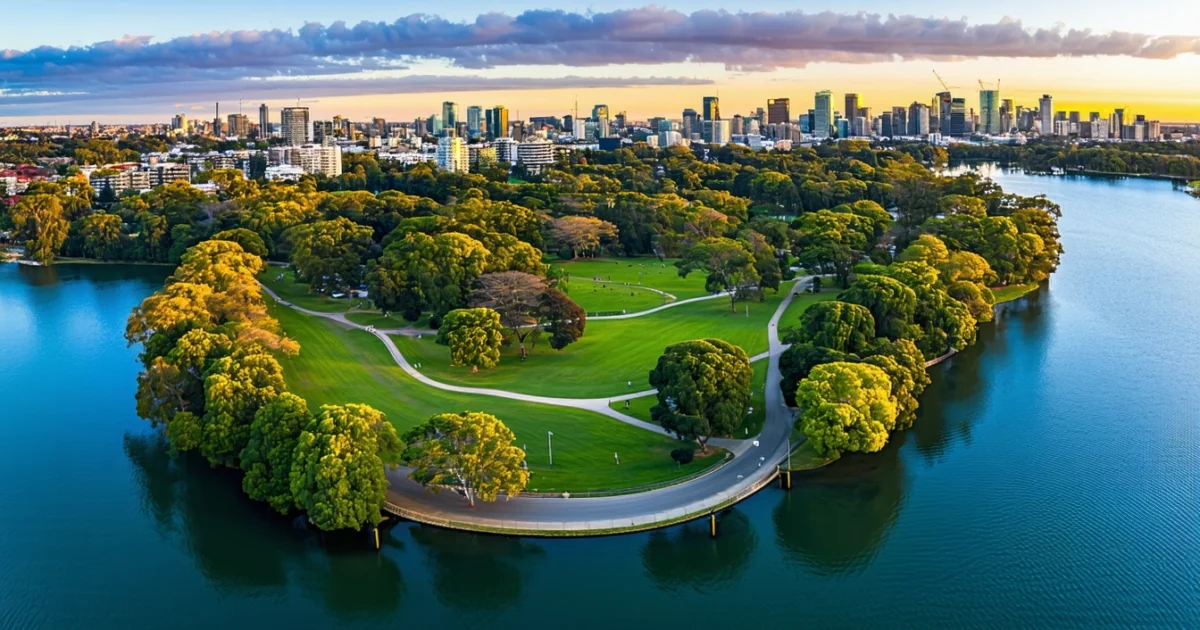
Albert Park suburb Melbourne is a prestigious lakeside community located about 3 to 4 kilometres south of Melbourne’s CBD, renowned for hosting the Formula 1 Australian Grand Prix and offering an exceptional urban lifestyle. Situated within the Port Phillip council, this sought-after suburb combines heritage charm with modern amenities, featuring the iconic Albert Park Lake as its centerpiece and attracting young professionals and families seeking premium inner-city living.
Moreover, Albert Park stands out as one of Melbourne’s most desirable addresses due to its unique blend of recreational facilities, excellent transport links, and vibrant dining scene. The suburb’s strategic location provides residents with easy access to St Kilda Beach, the Melbourne CBD via tram routes 1, 12, and 96, while maintaining a distinct community character around the famous racing circuit.
Furthermore, the area offers diverse housing options from heritage Victorian terraces to contemporary apartments, making it appealing to various demographics. Whether you’re considering relocating within Melbourne or exploring investment opportunities, Albert Park delivers exceptional lifestyle benefits with its parks, shopping precincts, and cultural attractions.
TL;DR
- Premium location: About 3 to 4km from Melbourne CBD with tram connections and a lakeside setting
- Famous attractions: Home to Formula 1 Grand Prix circuit and Albert Park Lake recreational facilities
- Diverse housing: Heritage homes and apartments, with a premium price point (check current listings)
- Lifestyle benefits: Cafes and dining, local schools, and easy access to beaches and city amenities
Albert Park Overview: Melbourne's Premier Lakeside Suburb
Albert Park occupies a prestigious position within the Port Phillip council area, between South Melbourne, Middle Park and Port Melbourne, with the foreshore along Beaconsfield Parade on Port Phillip Bay. Only part of Albert Park Lake and the surrounding reserve sits inside the suburb itself, the rest falls in neighbouring suburbs. Check the Port Phillip council map for exact boundaries.
Located about 3 to 4 kilometres south of Melbourne’s central business district, Albert Park has good access to the city centre. Residents have tram connections via routes 1, 12, and 96, and trip times to the CBD depend on the stop and time of day (check the PTV journey planner). The suburb also connects to South Melbourne, Middle Park, and St Kilda by tram.
The magnificent Albert Park Lake serves as the suburb’s defining geographical feature, creating a unique lakeside environment rarely found in inner Melbourne. The roads around the lake form a 5.278-kilometre circuit that transforms annually into the Formula 1 Australian Grand Prix track (the race is contracted to continue at Albert Park until 2035), bringing international recognition to the area. Beyond race weekend, the lake functions as a recreational hub featuring walking paths, sailing facilities, and parkland of more than 220 hectares managed by Parks Victoria.
Furthermore, the suburb’s character reflects its dual identity as both a residential haven and entertainment destination. The Albert Park circuit attracts motorsport enthusiasts globally, while the surrounding parkland provides daily recreation for locals. This combination creates a dynamic environment where world-class events coexist with peaceful lakeside living.
According to the latest census data, Albert Park had a population of about 6,000 (6,044 at the 2021 Census) across diverse age groups and income brackets, with a mix of young professionals and families attracted by the schools and recreational facilities. Check the ABS QuickStats page for the latest figures.
The suburb’s character emerges from its blend of heritage Victorian architecture and contemporary developments. Tree-lined streets feature beautifully preserved terraces alongside modern apartment complexes, creating visual diversity that appeals to different lifestyle preferences. This architectural mix contributes to Albert Park’s reputation as a sophisticated yet approachable neighbourhood.
Moreover, the community atmosphere reflects the suburb’s affluent yet welcoming nature. Local cafes, boutique shops along Dundas Place, and the popular South Melbourne Market nearby foster neighbourhood connections. Residents frequently gather at lakeside events, weekend markets, and sporting activities, creating strong social bonds within this premium location. For those exploring other Melbourne suburbs, Abbotsford offers a different inner-city experience with its industrial heritage and artistic community.
Location and Accessibility
Albert Park sits in Melbourne’s inner south, about 3 to 4 kilometres from the Melbourne CBD. The suburb runs towards Beaconsfield Parade along Port Phillip Bay, with Canterbury Road and Albert Park Lake nearby. Check the Port Phillip council map for exact boundaries.
Neighbouring suburbs create a premium corridor of inner Melbourne locations. South Melbourne and Port Melbourne sit to the north and west, providing additional shopping and dining options. Additionally, Middle Park extends southward along the bay, with St Kilda nearby. This positioning places residents within reach of multiple vibrant communities.
Public Transport Excellence
Three tram routes serve Albert Park. Tram Route 1 runs along Victoria Avenue and connects to the CBD, continuing to East Coburg. Meanwhile, Route 12 runs along Mills Street and connects to the CBD and St Kilda.
Route 96 runs alongside Canterbury Road, from East Brunswick through the CBD to St Kilda Beach. Frequencies change, so check the PTV timetable for your stop. There is no train station in Albert Park, as the old railway line was converted to tram.
| Tram Route | Journey Time to CBD | Peak Frequency | Key Destinations |
|---|---|---|---|
| Route 1 | Check PTV | Check PTV | Flinders Street, Melbourne Uni, East Coburg |
| Route 12 | Check PTV | Check PTV | Collins Street, St Kilda |
| Route 96 | Check PTV | Check PTV | Bourke Street, St Kilda Beach |
Major Road Networks
Canterbury Road serves as the primary arterial connection, linking Albert Park to the broader Melbourne road network. Routes from the area connect to the West Gate Freeway and CityLink tollway system, which lead to Melbourne Airport (travel time varies a lot with traffic).
St Kilda Road offers another crucial arterial route, connecting Albert Park to Melbourne’s CBD via one of the city’s most prestigious boulevards. Additionally, Beaconsfield Parade provides scenic coastal access, linking to Brighton and other bayside suburbs. Traffic can still be heavy at peak times and during major events.
Walking and Cycling Infrastructure
Albert Park features extensive pedestrian and cycling networks that encourage active transportation. The Albert Park Lake Circuit provides a dedicated 5-kilometre path for walking, jogging, and cycling, separate from vehicle traffic. This circuit connects seamlessly to broader Melbourne bike path networks.
Cycling routes in the area link to the Capital City Trail and Bay Trail, creating routes to the CBD and coastal areas. Facilities vary by street, so check the council’s bike map.
- Cycling routes linking to the Bay Trail and Capital City Trail
- Pedestrian crossings at major intersections
- Shared pathways through Albert Park Lake precinct
- Bike parking at key locations
Proximity to Key Destinations
Albert Park’s central location provides remarkable access to Melbourne’s most important destinations. The Melbourne CBD sits about 3 to 4 kilometres north, reachable by tram or car (travel time varies with traffic). Melbourne Airport lies roughly 25 kilometres away.
Port Phillip Bay beaches stretch directly south of Albert Park, offering immediate coastal recreation without travel time. Furthermore, the Chapel Street shopping and entertainment precinct is a short trip east. The Arts Precinct along St Kilda Road, including the National Gallery of Victoria, is a short tram or drive trip.
Albert Park residents have quick access to Melbourne CBD and proximity to Port Phillip Bay beaches
Educational institutions cluster within easy reach of Albert Park families. Several well-known schools such as Melbourne High School and Mac.Robertson Girls’ High School are in South Yarra, but entry to those is selective or zone-based, so check eligibility. Major universities including Melbourne University and RMIT can be reached by tram, making Albert Park attractive to students and academic professionals.
Housing Market and Property Landscape
Albert Park’s property market reflects its prestigious inner-city status, with median house prices around $2.3 million and median unit prices around $800,000 in late 2026 (indicative, check current listings and sales data). Values have been mixed over recent years, so look at recent sales rather than headline growth claims.
Property Types and Architectural Character
Victorian-era terraces dominate Albert Park’s housing landscape, featuring ornate cast-iron lacework and period facades that define the suburb’s character. Additionally, Edwardian homes showcase bay windows and decorative timber details throughout established streets. Art Deco apartments from the 1930s provide mid-rise housing options, particularly around the park precinct and nearby streets.
Contemporary townhouses have emerged in recent developments, offering modern amenities while respecting neighbourhood scale. Furthermore, converted warehouse spaces near the industrial heritage areas provide unique loft-style living options. Single-fronted cottages occupy smaller blocks, appealing to first-time buyers seeking Albert Park’s prestige at entry-level prices.
Heritage Properties and Character Homes
Many streets in Albert Park are covered by heritage overlays that preserve its Victorian-era architecture. These heritage properties often command premium prices. Conservation overlays protect streetscape character, requiring council approval for external alterations and ensuring architectural integrity.
Character homes feature original elements like timber floors, high ceilings, and decorative cornices that attract heritage enthusiasts. However, restoration of heritage homes can be very expensive, which influences purchase decisions. Many buyers specifically seek unrenovated heritage properties for customisation opportunities while maintaining period authenticity.
New Developments and Modern Housing
Several boutique apartment complexes have transformed former industrial sites into contemporary residential precincts. Redevelopment tends to be small-scale because of the heritage overlays and the limited land available.
Newer townhouses and apartments exist in pockets, often with private courtyards. Planning controls remain strict, which limits new supply.
Development Restrictions
Rental Market Dynamics
Albert Park’s rental market is popular with tenants who want inner-city living. Median weekly rents are roughly $680 for units and $995 for houses in late 2026 (indicative, check current listings), and premium properties with park or bay views cost more.
Professional couples and young families comprise the primary rental demographic, attracted by transport connectivity and lifestyle amenities. Additionally, international students and temporary residents seek furnished accommodation near the CBD and universities. Rental yields are generally modest compared with the purchase price, as is common in premium inner-city suburbs.
Investment Performance and Capital Growth
Albert Park has long been a premium suburb, but recent capital growth has been mixed, and some data sources show values lower than five years ago. Scarcity value supports prices over the long term, but past performance is no guide. The Abbotsford Melbourne suburb shows similar inner-city growth patterns, though Albert Park commands higher absolute values.
Heritage protections limit new supply, and the suburb’s proximity to employment centres and transport supports demand from owner-occupiers and tenants. No forecast of future growth is guaranteed, so get independent advice.
Past price growth in Albert Park has been uneven, so research recent sales before you buy
Entry costs for houses are high (around or above $2 million), which limits investor participation to well-capitalised buyers.
Lifestyle and Amenities
Albert Park offers an exceptional lifestyle combining urban sophistication with recreational abundance. The suburb’s crown jewel, Albert Park Lake, provides year-round recreational facilities including walking tracks, cycling paths, and water sports opportunities. Moreover, the roughly 5-kilometre circuit around the lake attracts fitness enthusiasts and families seeking outdoor activities within minutes of Melbourne’s CBD.
Recreational facilities around the lake include sailing and rowing clubs, a golf course and driving range, and sports fields. Additionally, the Melbourne Sports and Aquatic Centre (MSAC) features swimming pools, gym facilities, and fitness classes. These amenities create a vibrant community atmosphere that distinguishes Albert Park from other inner-city suburbs.
Shopping and Dining Precincts
Dundas Place forms the suburb’s primary shopping precinct, featuring boutique retailers, cafes, and essential services within walking distance of residential areas. The strip offers everything from artisanal bakeries to contemporary fashion stores, creating a village-like atmosphere despite the urban setting. Furthermore, Victoria Avenue complements Dundas Place with additional dining options and specialty shops that serve both locals and visitors.
The area has a range of cafes, restaurants and pubs, including options on the lakeside and along Victoria Avenue, and the nearby South Melbourne and St Kilda food precincts add to the choice.
- Dundas Place: Primary shopping strip with boutiques and cafes
- Victoria Avenue: Additional dining and specialty retail options
- Albert Park Village: Supermarkets and everyday services
- South Melbourne Market: Nearby fresh produce and gourmet foods
Health and Community Services
Healthcare facilities in Albert Park include multiple medical centres, dental practices, and allied health services that ensure comprehensive care for residents. The Albert Park Medical Centre provides general practitioner services, while specialist clinics offer cardiology, dermatology, and physiotherapy treatments. Residents can access care locally, and larger hospitals are a short trip away.
Community services encompass the Port Phillip Library Service with branches offering digital resources, study spaces, and community programs. These libraries host regular events including book clubs, children’s storytimes, and technology workshops that foster social connections. Check the City of Port Phillip website for local community centres and programs.
Childcare and Education Support
Childcare facilities in Albert Park include both long daycare centres and family daycare options that accommodate working parents’ schedules. Several local centres provide early childhood education. Search the Starting Blocks website for current services, availability and quality ratings.
Aged care services in and around Albert Park include residential facilities and home care providers. Use the My Aged Care website to compare current options.
Lifestyle Tip
The combination of recreational facilities, shopping precincts, and essential services creates a self-contained lifestyle that minimises daily travel requirements. Residents enjoy walkable access to most amenities while benefiting from excellent public transport connections to Melbourne’s broader metropolitan area. This balance between convenience and connectivity explains why Albert Park consistently ranks among Melbourne’s most desirable residential locations.
Education and Schools
Albert Park provides families with diverse educational pathways, from early childhood centres to secondary schools. The suburb’s proximity to Melbourne’s central education district ensures excellent access to both public and private schooling options that serve different learning needs and family preferences.
Primary School Options and Catchment Zones
Albert Park Primary School serves as the main government primary school for local families, offering comprehensive programs from Foundation to Year 6. The school maintains strong academic standards while emphasising creative arts and environmental education that reflect the suburb’s cultural character. Additionally, the school’s proximity to Albert Park Lake provides unique outdoor learning opportunities for students.
Catchment zones for Albert Park Primary School encompass most residential streets within the suburb boundaries. However, families living near the Port Melbourne border may also access Port Melbourne Primary School, which offers alternative curriculum approaches and specialist programs. Furthermore, the nearby South Melbourne Primary School provides another government option for families seeking different educational philosophies.
Secondary School Access and Transport
Albert Park College stands as the local government secondary school, serving students from Years 7 to 12 with comprehensive academic and vocational programs. The college offers VCE, including the Vocational Major pathway (which replaced VCAL), preparing students for university, TAFE or work. Moreover, the school’s performing arts programs utilise nearby cultural venues for practical learning experiences.
Transport connections enable students to access prestigious secondary schools throughout inner Melbourne. Trams and buses connect to schools in South Yarra, the CBD, Port Melbourne and St Kilda. Consequently, families can choose from a broader range of educational options without relocating from Albert Park.
Private School Alternatives
Several prestigious private schools operate within reasonable distance of Albert Park, offering alternative educational approaches for families seeking independent schooling. Examples include Wesley College (St Kilda Road and other campuses) and Haileybury (Brighton and other campuses), so check each school’s campus details and fees.
St Michael’s Grammar School in St Kilda (an Anglican school) is accessible by public transport, and there are Catholic and other independent schools in nearby suburbs. Check each school’s admission requirements and fees.
Early Childhood Education Centres
Early childhood education facilities throughout Albert Park cater to families with children from birth to school age. Early childhood services in the area deliver play-based learning programs run by qualified educators.
Family daycare networks operate throughout the suburb, providing home-based care options for parents seeking smaller group settings. These services offer flexible hours that accommodate shift workers and professionals with varying schedules. Furthermore, several kindergartens prepare four-year-olds for primary school transition through structured literacy and numeracy programs that align with Victorian curriculum standards.
Higher Education Proximity
University of Melbourne is accessible from Albert Park by tram (allow roughly 30 minutes, check PTV), making the suburb attractive to students and academic staff. The Parkville campus offers comprehensive undergraduate and postgraduate programs across multiple faculties, while maintaining world-class research facilities. Additionally, RMIT University in the CBD provides alternative higher education pathways in technology, design, and business disciplines.
Monash University’s Caulfield campus remains accessible via public transport, offering specialised programs in business, design, and information technology. The proximity to multiple universities enables residents to pursue continuing education, professional development, and research opportunities without lengthy commutes. Moreover, several TAFE institutions in nearby suburbs provide vocational training and apprenticeship programs for trade-based careers.
Education Planning Tip
Recreation and Green Spaces
Albert Park Lake serves as the suburb’s crown jewel, offering diverse recreational activities throughout the year. The roughly 5-kilometre circuit around the lake attracts many walkers, joggers, and cyclists, while the lake itself hosts sailing clubs, rowing teams, and dragon boat groups. Boat hire is available at times, so check with Parks Victoria.
The world-famous Formula 1 Australian Grand Prix transforms Albert Park into a global sporting destination each March. This prestigious event utilises the roads around Albert Park Lake as a temporary circuit, bringing international attention and significant economic impact to the area. However, the annual event creates temporary access restrictions and increased traffic, affecting local residents during setup and dismantling periods. The race is contracted to stay at Albert Park until 2035.
Coastal Access and Beach Activities
Port Phillip Bay beaches lie within walking distance of most Albert Park properties, offering sandy shores and swimming areas. Middle Park Beach and South Melbourne Beach are popular local options. Furthermore, the foreshore path connects seamlessly to St Kilda and Brighton, creating an extensive coastal walking and cycling network.
Beach activities flourish year-round due to Melbourne’s temperate climate and the bay’s sheltered waters. Kitesurfing and windsurfing enthusiasts use the bay, while fishing from the piers attracts anglers.
Family-Friendly Parks and Playgrounds
Gasworks Arts Park is an arts and community venue on the site of the former Albert Park gasworks, with open lawns and performance spaces. Check its website for current events and facilities.
Neighbourhood parks throughout Albert Park provide localised recreational opportunities within walking distance of residential areas. The City of Port Phillip lists local parks, playgrounds and dog off-leash areas on its website. These smaller parks ensure residents have convenient access to green space regardless of their specific location within the suburb.
Sports Clubs and Athletic Facilities
Local sports clubs cover football, tennis, cricket and more. Check the City of Port Phillip website for clubs currently operating near Albert Park.
Sailing clubs around Albert Park Lake offer membership packages that include boat storage, training programs, and social events. Sailing and rowing clubs use the lake for training and competition, contributing to Melbourne’s strong rowing tradition.
Cultural Venues and Entertainment
The Gasworks Arts Park hosts regular cultural events, including outdoor cinema screenings, live music performances, and art exhibitions throughout the year. Check its website for the current program.
Proximity to St Kilda and the CBD expands entertainment options significantly, with world-class venues accessible within minutes via public transport. The Palais Theatre, Luna Park, and numerous live music venues in St Kilda provide regular entertainment options for Albert Park residents. Moreover, the nearby inner-city suburbs offer additional cultural attractions, galleries, and performance spaces that enrich the overall lifestyle experience.
Local cafes and restaurants around Albert Park Lake create vibrant social hubs where residents gather before and after recreational activities. These establishments often feature outdoor seating areas that overlook the lake, combining dining experiences with scenic lake views. Community events such as farmers markets, charity runs, and cultural festivals regularly utilise the park’s open spaces, fostering neighbourhood connections and local business support.
Demographics and Community Profile
Albert Park attracts a distinctive demographic profile that reflects its status as one of Melbourne’s premium inner-city suburbs. The area predominantly houses young professionals and affluent families who value proximity to the CBD while maintaining access to recreational amenities. Check the ABS Census QuickStats for current age and household data.
Age Distribution and Household Composition
The suburb has a notable share of young adults, while families with children represent a significant portion of households. Professional couples without children form another substantial demographic segment, attracted by the suburb’s lifestyle offerings and transport connectivity. Furthermore, the area maintains a smaller but notable population of empty nesters and retirees who appreciate the cultural amenities and walkable neighbourhood design.
Household sizes are generally small, with apartment living accommodating singles and couples while larger homes house growing families. The housing mix supports diverse living arrangements, from luxury penthouses overlooking Albert Park Lake to family townhouses near local schools. Additionally, the suburb’s rental market attracts young professionals seeking premium locations with excellent transport links to Melbourne’s business districts.
Income Levels and Employment Sectors
Albert Park is among Melbourne’s higher-income suburbs, and many residents work in professional occupations, reflecting the suburb’s appeal to white-collar workers. Many residents commute to the CBD via tram or train, while others work in nearby South Melbourne’s business precincts.
Albert Park residents have high levels of educational attainment (see ABS Census data for figures)
Creative industries also maintain a strong presence, with many residents working in media, advertising, and design fields. The proximity to St Kilda’s entertainment district and the CBD’s corporate centres creates employment opportunities across multiple sectors. Consequently, the suburb attracts ambitious professionals who value both career advancement and quality lifestyle amenities.
Cultural Diversity and Community Groups
The community includes people from many backgrounds, including long-established European communities. International professionals from various countries contribute to the suburb’s cosmopolitan character, bringing diverse perspectives and cultural experiences. Moreover, the area’s proximity to multicultural hubs like St Kilda enhances cultural exchange and community diversity.
Community organisations include residents’ associations, environmental groups, and sporting clubs that foster neighbourhood connections. Local residents’ groups advocate for local interests. Additionally, various cultural societies and professional networks operate within the suburb, creating opportunities for social interaction and community engagement.
Family-Friendliness and Young Professional Appeal
Families find Albert Park particularly attractive due to its excellent schools, safe streets, and abundant green spaces for children’s activities. The suburb’s family-friendly infrastructure includes playgrounds and cycling paths around Albert Park Lake. Local primary schools maintain strong reputations, while secondary education options in nearby suburbs provide additional choices for growing families.
Young professionals appreciate the suburb’s vibrant cafe culture, fitness facilities, and proximity to Melbourne’s nightlife districts. The area offers an ideal balance between urban sophistication and recreational opportunities, appealing to career-focused individuals who prioritise lifestyle quality. Furthermore, the strong public transport connections enable easy access to employment centres while maintaining a residential atmosphere.
Community Events and Local Initiatives
The Australian Grand Prix represents Albert Park’s most significant annual event, transforming the suburb into an international sporting destination each March. This event brings temporary economic benefits while showcasing the area to global audiences. However, local residents also organise smaller-scale community initiatives throughout the year, including environmental conservation projects and neighbourhood improvement campaigns.
Regular community events include park clean-up days, charity fundraisers, and local markets that strengthen neighbourhood bonds and support local businesses. The Gasworks Arts Park hosts community festivals and cultural celebrations that attract residents from across the inner-city region. Additionally, sporting clubs and fitness groups organise regular activities around Albert Park Lake, creating opportunities for social interaction and healthy lifestyle promotion.
Environmental initiatives focus on lake conservation and sustainable transport promotion, reflecting the community’s commitment to preserving the area’s natural assets. Residents actively participate in tree-planting programs and wildlife protection efforts that maintain Albert Park’s ecological value. These initiatives demonstrate the community’s long-term vision for maintaining the suburb’s environmental quality and residential appeal for future generations.
Safety and Livability Factors
Albert Park suburb Melbourne is generally regarded as a safe, well-maintained inner-city suburb. For current figures, check the Crime Statistics Agency Victoria website, which publishes offence data by suburb and local government area.
Crime Statistics and Safety Performance
As in most inner-city areas, property offences such as theft from vehicles are more common than violent offences. Standard precautions such as locking vehicles and removing valuables apply, and you can compare Albert Park with other suburbs on the Crime Statistics Agency Victoria site.
Security is increased during major events like the Grand Prix. As anywhere, be aware of your surroundings when walking alone at night, including around the lake.
Street Lighting and Pedestrian Infrastructure
Street lighting is provided on residential streets and main roads, but lighting in parkland areas around Albert Park Lake varies, so take care at night.
Pedestrian infrastructure includes dedicated crossing points, well-maintained footpaths, and clearly marked bike lanes that separate cyclists from foot traffic. Traffic calming measures are used in some residential streets.
Noise Considerations and Environmental Impact
The Australian Grand Prix creates temporary noise impacts during race weekend, which can be loud in nearby residential areas. However, this event occurs only once annually over a few days, and many residents accept the temporary disruption.
Daily traffic noise remains moderate despite the suburb’s inner-city location, as most streets carry local traffic rather than through-traffic volumes. Roads such as Canterbury Road and Queens Road carry more traffic. Aircraft noise can occasionally affect the area.
Grand Prix Noise Impact
Air Quality and Environmental Health
Air quality in Albert Park is generally good, helped by the bayside location and extensive parkland, and you can check live readings on the EPA Victoria website. Nevertheless, temporary air quality impacts occur during major events when increased traffic and temporary facilities operate in the area.
Sea breezes from Port Phillip Bay help disperse pollution, and there is little heavy industry in the immediate vicinity.
Walkability and Cycling Infrastructure
Albert Park is a very walkable suburb (check walkscore.com for the current score of your address), with most errands accomplishable on foot. The flat terrain and well-connected street network make walking convenient for residents of all ages and mobility levels. Essential services including supermarkets, cafes, and public transport stops lie within comfortable walking distance of most residential areas.
Cycling infrastructure includes on-road lanes and shared paths around the lake circuit. The Albert Park Lake circuit provides a safe, car-free cycling environment that connects to broader Melbourne bike networks. Bike parking facilities at shopping centres and transport hubs encourage cycling as a practical transport option for daily activities.
| Safety Metric | Albert Park | Melbourne Average |
|---|---|---|
| Crime Rate | See Crime Statistics Agency Victoria | See Crime Statistics Agency Victoria |
| Walk Score | Check walkscore.com for your address | Varies |
| Air Quality | Check EPA Victoria live readings | Check EPA Victoria live readings |
These comprehensive safety and livability factors position Albert Park as one of Melbourne’s most desirable residential locations. The combination of parkland, infrastructure, and bayside setting creates an attractive living environment, which is reflected in the suburb’s premium property values.
Future Development and Growth
Albert Park is an established suburb with strict heritage controls, so large-scale change is limited. This section does not list specific projects, as plans and timelines change. For current developments, check the City of Port Phillip and the Victorian Government’s planning and transport websites.
Planned Infrastructure Improvements
Albert Park has no train station, as the old railway line is now part of tram route 96, so public transport improvements here relate to trams and buses. Check the Department of Transport and Planning for any upgrades.
Road and cycling improvements are decided by the City of Port Phillip and state agencies, so check their websites for current projects.
Zoning Changes and Development Approvals
Planning rules in Albert Park include heritage overlays and design guidelines, which limit what can be built. Check the City of Port Phillip planning scheme for the controls that apply to a specific property.
Developments proposed or approved can be searched on the City of Port Phillip planning register.
Population Growth Projections
The suburb’s population was about 6,000 at the 2021 Census and has not grown quickly, because of limited land and heritage controls. Check the City of Port Phillip’s forecast.id.com.au profile for population forecasts.
Albert Park’s population has been broadly stable, with limited room for growth
Limited land supply supports prices over the long term, but future price movements cannot be predicted, so speak to an independent adviser before buying.
Transport Upgrades and Connectivity Enhancements
The Metro Tunnel rail project does not include a station in Albert Park, which relies on trams for public transport. Check PTV for current routes and timetables.
Route 96 is a tram route, and frequencies are set by the state government, so check PTV for the latest timetable.
Cycling connections around the lake link to the broader Melbourne bike network. Check Parks Victoria and the council for any path works.
Environmental Sustainability Initiatives
Parks Victoria manages Albert Park Lake, including its water quality and vegetation. Check the Parks Victoria website for current works.
The City of Port Phillip has urban forest and tree planting programs, so check the council website for current targets and community programs.
Residents can check the Victorian Government’s solar and energy programs and the council website for current rebates and EV charging locations.
Development Timeline
Frequently Asked Questions
Is Albert Park a good suburb in Melbourne?
Yes, Albert Park is considered one of Melbourne’s premier suburbs. Located about 3 to 4km from the CBD with tram connections, it offers a unique lakeside lifestyle with access to Formula 1 Grand Prix events, quality dining, and recreational facilities around Albert Park Lake. The suburb attracts young professionals and families seeking premium inner-city living.
Is Albert Park a wealthy suburb?
Albert Park is indeed considered a prestigious and affluent suburb within Melbourne. The area features heritage Victorian terraces and contemporary apartments at premium prices (median house prices were around $2.3 million in late 2026, indicative). Its proximity to the CBD, lakeside setting, and world-class amenities contribute to its status as one of Melbourne’s most desirable addresses.
Why is Albert Park so expensive?
Albert Park commands premium prices due to several factors: its location about 3 to 4km from Melbourne CBD, the unique lakeside setting around Albert Park Lake, international recognition from hosting the Formula 1 Australian Grand Prix, excellent transport links via trams 1, 12, and 96, and limited housing supply in this prestigious inner-city location.
What suburb is Albert Park in Melbourne?
Albert Park is its own distinct suburb located within the City of Port Phillip. It sits near South Melbourne, Port Melbourne and Middle Park, with the foreshore along Beaconsfield Parade. Check the council’s map for exact boundaries.
What transport options are available in Albert Park?
Albert Park offers excellent public transport connectivity with tram routes 1, 12, and 96 to the Melbourne CBD (use the PTV journey planner for trip times). There is no train station in the suburb. The trams also connect to South Melbourne, Middle Park, and St Kilda.
What housing options are available in Albert Park?
Albert Park offers diverse housing options including beautifully preserved heritage Victorian terraces and contemporary apartments. The tree-lined streets feature a blend of historic architecture and modern developments, making it appealing to various demographics from young professionals to families seeking premium inner-city accommodation.
What recreational facilities does Albert Park offer?
Albert Park Lake serves as the main recreational hub, featuring a walking circuit of roughly 5 kilometres, sailing facilities, and more than 220 hectares of parkland. The area also provides easy access to St Kilda Beach, various dining establishments, shopping precincts, and cultural attractions, creating exceptional lifestyle benefits for residents.
When does the Formula 1 Grand Prix take place in Albert Park?
The Formula 1 Australian Grand Prix typically takes place annually at Albert Park, turning the roads around Albert Park Lake into a 5.278-kilometre international racing circuit. The race is contracted to stay at Albert Park until 2035. This world-class event brings global recognition to the suburb while the lake functions as a peaceful recreational space throughout the rest of the year.
What is the demographic profile of Albert Park residents?
Albert Park had a population of about 6,000 at the 2021 Census (6,044), with a mix of young professionals and families attracted by the schools, recreational facilities, and the premium inner-city lifestyle.
Is Albert Park safe and what about crime rates?
Albert Park is generally considered a safe, well-maintained suburb with regular foot traffic around the lake. For current figures, check the Crime Statistics Agency Victoria website. As a prestigious area with strong community character and excellent amenities, it maintains the safety standards expected of Melbourne’s premier inner-city suburbs.
What shopping and dining options are available in Albert Park?
Albert Park features a vibrant dining scene and quality shopping precincts that complement its premium lifestyle offering. The suburb provides various retail and hospitality options while maintaining easy access to the broader shopping and entertainment districts of nearby South Melbourne and St Kilda.
How close is Albert Park to Melbourne's beaches?
Albert Park offers excellent access to Port Phillip Bay beaches, with the foreshore along Beaconsfield Parade. Residents enjoy easy access to St Kilda Beach and other bayside recreational areas, combining lakeside living with proximity to Melbourne’s premier coastal destinations.
You May Also Like

Australia Public Holidays 2027: Dates by State and Territory

Overtime Pay in Australia 2026 (Horas Extras 2026): Rates, Rules and How to Check Your Pay