Best Schools in Victoria 2026: Top Rankings & Guide

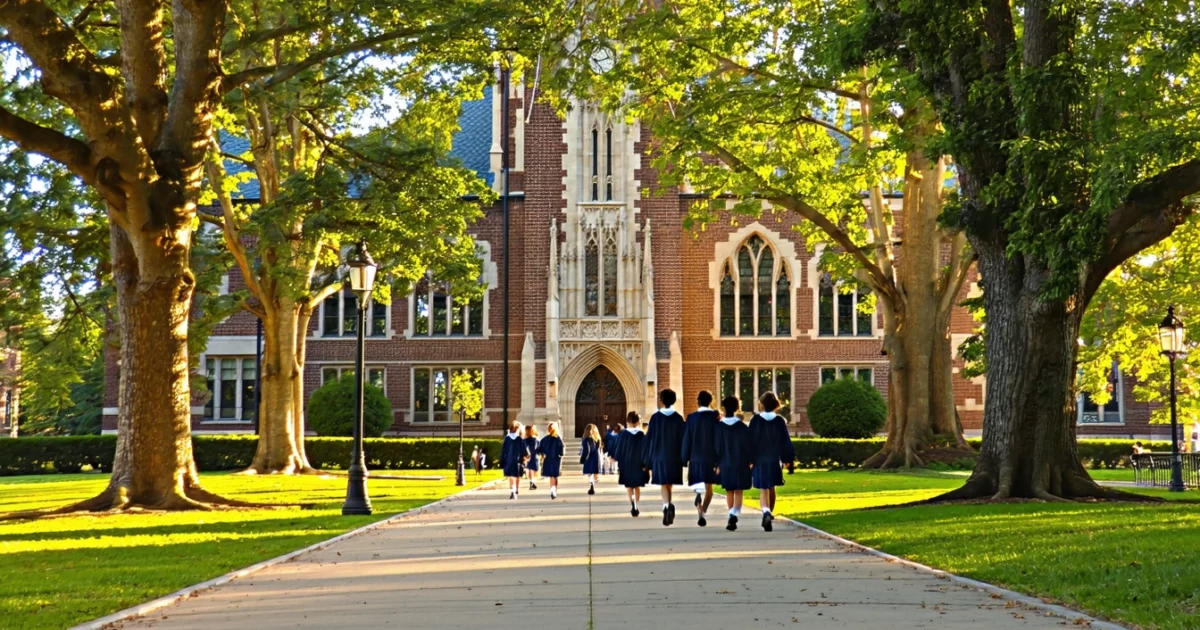
Finding the best schools in Victoria requires careful consideration of academic performance, teaching quality, and educational outcomes across both public and private sectors. Victoria hosts some of Australia’s most prestigious educational institutions, from Melbourne Grammar School and Presbyterian Ladies’ College to top-performing selective government schools like Mac.Robertson Girls’ High School and Melbourne High School.
Moreover, school selection depends on various factors including VCE median scores, NAPLAN performance, university entrance rates, and alignment with your child’s learning style. Furthermore, location plays a crucial role, especially when considering Victoria’s school calendar and transport accessibility.
Additionally, both independent and government schools in Victoria demonstrate exceptional educational standards. However, the right choice ultimately depends on your family’s priorities, budget, and educational philosophy.
TL;DR
- Top private schools include Melbourne Grammar, Presbyterian Ladies’ College, and Scotch College with outstanding VCE results
- Best public schools feature Mac.Robertson Girls’ High, Melbourne High, and John Monash Science School for selective entry excellence
- School selection criteria should include academic performance, teaching quality, location, fees, and cultural fit for your child
- Regional options like Ballarat Grammar and Geelong Grammar provide excellent education outside Melbourne
Top 10 Best Schools in Victoria 2026
These top 10 schools in Victoria represent the pinnacle of educational excellence, combining outstanding academic performance with comprehensive student development programs. Furthermore, each institution demonstrates exceptional VCE median scores, university entrance rates, and holistic educational approaches that prepare students for future success.
1. Melbourne Grammar School
Melbourne Grammar School stands as Victoria’s premier boys’ educational institution, delivering academic excellence through traditional values and innovative teaching methods. Additionally, the school achieves consistently high VCE results with median scores exceeding 35, while maintaining strong pathways to Australia’s Group of Eight universities.
Moreover, Melbourne Grammar provides comprehensive programs spanning academics, sports, arts, and leadership development. The institution’s boarding facilities accommodate students from regional Victoria and interstate, creating a diverse learning community.
2. Presbyterian Ladies' College (PLC Melbourne)
Presbyterian Ladies’ College delivers outstanding girls’ education through innovative pedagogical approaches and exceptional academic standards. Subsequently, the school consistently ranks among Victoria’s top performing schools with VCE median scores above 34 and impressive university entrance achievements.
Furthermore, PLC Melbourne emphasizes STEM education, creative arts, and global citizenship programs. The school’s co-curricular offerings include extensive sporting programs, music ensembles, and international exchange opportunities.
3. Scotch College
Scotch College provides comprehensive boys’ education combining academic rigor with character development and sporting excellence. Therefore, the institution maintains exceptional VCE performance while fostering well-rounded graduates through diverse educational experiences.
Additionally, Scotch College offers extensive facilities including modern science laboratories, performing arts centers, and world-class sporting venues. The school’s alumni network spans business, politics, arts, and professional fields across Australia.
4. Methodist Ladies' College (MLC)
Methodist Ladies’ College pioneers innovative learning approaches while maintaining exceptional academic standards for girls’ education. Consequently, MLC achieves outstanding educational outcomes through personalized learning programs and cutting-edge teaching methodologies.
Moreover, the school emphasizes global perspectives, sustainability education, and entrepreneurship programs. MLC’s university preparation programs ensure graduates gain admission to prestigious institutions worldwide.
5. Xavier College
Xavier College combines strong academic programs with exceptional sporting achievements across multiple campuses in Melbourne. Furthermore, the school maintains high VCE performance standards while developing students’ athletic, artistic, and leadership capabilities.
Additionally, Xavier’s Jesuit educational philosophy emphasizes service learning, social justice, and intellectual development. The college’s sporting programs consistently produce state and national representatives across various disciplines.
6. Lauriston Girls' School
Lauriston Girls’ School delivers exceptional educational outcomes through innovative curriculum design and personalized learning approaches. Subsequently, the school achieves outstanding VCE results while fostering creativity, critical thinking, and global citizenship among students.
Moreover, Lauriston emphasizes technology integration, environmental sustainability, and international programs. The school’s university pathways program provides comprehensive support for tertiary education transitions.
7. Trinity Grammar School
Trinity Grammar School maintains a balanced education philosophy combining academic excellence with character development and community service. Therefore, the school produces well-rounded graduates who excel in university studies and professional careers.
Furthermore, Trinity’s comprehensive programs span academics, arts, sports, and outdoor education. The school’s house system fosters belonging, leadership, and healthy competition among students.
8. Firbank Grammar School
Firbank Grammar School focuses on academic achievement while providing comprehensive girls’ education in a supportive environment. Additionally, the school maintains excellent VCE performance through small class sizes and individualized attention.
Moreover, Firbank emphasizes STEAM education, cultural diversity, and community engagement. The school’s pastoral care program ensures student wellbeing and academic success throughout their educational journey.
9. Camberwell Grammar School
Camberwell Grammar School provides strong university pathways through rigorous academic programs and comprehensive student support services. Consequently, the school achieves impressive tertiary entrance results while maintaining focus on character development and community values.
Furthermore, Camberwell Grammar offers extensive co-curricular programs including debate, music, drama, and outdoor education. The school’s career counseling services guide students toward appropriate university courses and career paths.
10. Mentone Grammar School
Mentone Grammar School delivers comprehensive co-educational programs from early learning through Year 12, emphasizing academic excellence and personal development. Additionally, the school maintains strong VCE performance while fostering inclusive learning environments for all students.
Moreover, Mentone Grammar provides extensive facilities including modern learning spaces, sporting venues, and performing arts centers. The school’s international programs offer students global perspectives and cultural exchange opportunities that enhance their educational experience.
Best Public Schools in Victoria
Victoria’s public education system features several outstanding schools that consistently deliver exceptional academic results and comprehensive learning opportunities. These top-performing public schools combine rigorous curricula with innovative teaching methods to prepare students for university and career success.
Selective Entry Schools Leading Excellence
Mac.Robertson Girls’ High School stands as Victoria’s premier selective entry school for girls, consistently ranking among Australia’s top academic institutions. Furthermore, this Melbourne-based school achieves outstanding VCE results through its rigorous selection process and specialized learning programs.
Melbourne High School represents the pinnacle of boys’ selective education in Victoria, offering academically gifted students challenging curricula and exceptional university preparation. Additionally, the school maintains strong traditions while embracing modern educational approaches that foster critical thinking and leadership skills.
Specialized STEM and Innovation Programs
John Monash Science School delivers cutting-edge STEM education through partnerships with Monash University and leading research institutions. Consequently, students engage in real-world scientific research while completing their VCE studies in purpose-built laboratories and facilities.
Nossal High School pioneers innovative learning approaches through project-based curricula and collaborative teaching methods. Moreover, the school emphasizes student agency and personalized learning pathways that prepare graduates for future challenges in rapidly evolving industries.
High-Achieving Comprehensive Schools
Suzanne Cory High School focuses intensively on academic achievement while providing comprehensive support services for diverse student populations. Therefore, the school consistently produces excellent VCE results through small class sizes and individualized attention from experienced teachers.
University High School maintains its strong academic reputation through rigorous programs and extensive co-curricular offerings. Additionally, the school’s proximity to the University of Melbourne creates unique partnership opportunities that enhance student learning experiences.
Balwyn High School offers comprehensive programs that cater to diverse student interests and abilities across academic, artistic, and sporting domains. Furthermore, the school’s multicultural environment reflects Melbourne’s diversity while maintaining high academic standards and inclusive practices.
Glen Waverley Secondary College exemplifies multicultural excellence through its diverse student body and internationally recognized academic programs. Notably, the school achieves outstanding results across multiple languages and cultural studies while maintaining strong performance in traditional academic subjects.
Key Selection Factors for Top Public Schools
These leading public schools share common characteristics that contribute to their exceptional performance and reputation. Primarily, they maintain high academic standards through selective entry processes, specialized programs, or rigorous curriculum delivery that challenges students appropriately.
Additionally, successful public schools invest heavily in teacher quality, modern facilities, and comprehensive student support services. Victoria’s school calendar provides these institutions with structured learning periods that maximize educational outcomes and student achievement.
Most importantly, these schools balance academic excellence with holistic development through extensive co-curricular programs, leadership opportunities, and community engagement initiatives that prepare students for lifelong success.
Best Primary Schools in Victoria
Victoria’s primary education landscape showcases exceptional government and independent schools that consistently deliver outstanding academic results and comprehensive student development programs. Moreover, these institutions establish strong foundations for lifelong learning through innovative teaching methodologies and diverse educational opportunities.
Top Performing Government Primary Schools
Balwyn North Primary School consistently ranks among Victoria’s highest-achieving government primary institutions through its rigorous academic programs and exceptional NAPLAN performance indicators. Additionally, the school maintains strong community partnerships that enhance learning outcomes across all year levels.
McKinnon Primary School demonstrates excellence through comprehensive curriculum delivery and outstanding student achievement rates in literacy and numeracy assessments. Furthermore, the school’s innovative approach to early childhood education programs creates seamless transitions from prep to Year 6.
Brighton Primary School exemplifies government school excellence through its specialized learning support programs and high-quality teaching practices. Consequently, students achieve remarkable academic growth while developing critical thinking skills and creative capabilities.
Leading Independent Primary Schools
Melbourne Grammar School Prep establishes educational excellence through small class sizes, individualized learning approaches, and comprehensive co-curricular programs. Similarly, the school’s emphasis on character development and academic rigor prepares students for secondary education success.
Scotch College Junior School delivers exceptional primary education through innovative teaching methodologies and extensive facilities that support diverse learning styles. Moreover, the school’s strong tradition of academic achievement combines with modern educational practices to maximize student potential.
Methodist Ladies’ College Junior School provides outstanding educational opportunities through inquiry-based learning programs and comprehensive student support services. Therefore, students develop strong academic foundations while exploring their individual interests and talents.
Catholic Primary Schools with Strong Results
St Kevin’s College Junior School achieves exceptional academic outcomes through values-based education and comprehensive curriculum programs that emphasize both academic excellence and personal development. Additionally, the school’s supportive learning environment fosters student confidence and achievement across all subject areas.
Sacred Heart Primary School Oakleigh demonstrates outstanding performance through innovative teaching practices and strong community engagement that enhances student learning experiences. Furthermore, the school’s commitment to inclusive education ensures all students receive appropriate support and challenges.
St Monica’s Primary School Moonee Ponds maintains high academic standards through dedicated teaching staff and comprehensive programs that address diverse learning needs. Consequently, students achieve excellent NAPLAN results while developing strong social and emotional skills.
Primary School Selection Criteria and Considerations
Successful primary school selection requires careful evaluation of multiple factors that impact your child’s educational experience and academic development. Primarily, consider the school’s teaching philosophy, curriculum approach, and alignment with your family’s educational values and expectations.
- Academic performance indicators including NAPLAN results and student achievement data
- Teaching quality and staff qualifications, experience, and professional development
- School culture and values alignment with family expectations and beliefs
- Facilities and resources including libraries, technology, and specialized learning spaces
- Class sizes and student-teacher ratios that support individual attention
- Co-curricular programs encompassing sports, arts, and enrichment activities
Additionally, examine the school’s approach to student wellbeing, learning support services, and communication practices with families. These factors significantly influence your child’s primary education experience and long-term academic success.
Early Childhood Education Programs
Victoria’s leading primary schools implement comprehensive early childhood education programs that establish strong foundations for academic success and social development. Specifically, these programs focus on play-based learning approaches that develop literacy, numeracy, and critical thinking skills through engaging activities.
Prep programs in top-performing schools emphasize smooth transitions from kindergarten to formal schooling through structured learning environments and individualized support strategies. Moreover, experienced early childhood educators utilize evidence-based teaching practices that cater to diverse learning styles and developmental needs.
Furthermore, quality early childhood programs incorporate social-emotional learning components that help children develop resilience, empathy, and positive relationships with peers and teachers. These foundational skills prove essential for future academic achievement and personal wellbeing throughout primary education.
Primary School NAPLAN Performance Indicators
NAPLAN assessments provide standardized measures of student achievement in reading, writing, language conventions, and numeracy across Years 3 and 5. However, these results represent only one aspect of school quality and should be considered alongside other performance indicators and school characteristics.
Top-performing primary schools consistently achieve above-average NAPLAN results while demonstrating strong student growth over time. Additionally, these schools show minimal achievement gaps between different student groups and maintain high participation rates in national assessments.
Nevertheless, parents should examine NAPLAN data within context, considering factors such as student demographics, school resources, and educational approaches. Victoria’s school calendar ensures consistent assessment timing that allows meaningful comparisons between institutions and tracking of student progress over time.
Ultimately, the best primary schools demonstrate consistent improvement in student outcomes while maintaining supportive learning environments that nurture each child’s individual potential and academic growth.
School Rankings and Assessment Criteria
Evaluating Victoria’s best schools requires examining multiple performance indicators beyond simple rankings. Furthermore, comprehensive assessment considers academic achievement, teaching quality, student support systems, and institutional culture to provide a complete picture of educational excellence.
VCE Median Scores and ATAR Results
VCE median scores serve as primary indicators of senior secondary achievement across Victoria’s top-performing schools. Additionally, these scores reflect consistent academic excellence and effective teaching methodologies that prepare students for tertiary education pathways.
Leading Victorian schools typically achieve VCE median scores above 32, with elite institutions reaching medians of 35-40. Moreover, ATAR results demonstrate the percentage of students achieving scores above 90, 95, and 99, indicating university entrance competitiveness.
However, parents should examine score distributions rather than focusing solely on median figures. Consequently, schools with consistent performance across all students often provide better educational outcomes than institutions with high medians but significant achievement gaps.
NAPLAN Performance Across Year Levels
NAPLAN assessments measure student achievement in Years 3, 5, 7, and 9 across reading, writing, language conventions, and numeracy domains. Similarly, these standardized tests provide comparative data between schools and track student growth over time.
Top Victorian schools consistently achieve results in the top two bands while demonstrating strong student progress between assessment years. Furthermore, quality schools maintain high participation rates and show minimal achievement gaps between different student demographic groups.
University Entrance Rates and Pathways
Elite schools typically achieve university entrance rates exceeding 85%, with many students gaining admission to prestigious institutions like Melbourne University, Monash, and interstate Group of Eight universities. Additionally, successful schools provide diverse pathways including VCE, IB programs, and vocational education options.
Career counseling services play crucial roles in student outcomes, helping individuals navigate course selections and university applications. Consequently, schools with dedicated careers staff and strong tertiary partnerships often achieve superior post-graduation results for their students.
Teaching Quality and Staff Qualifications
Teacher qualifications significantly impact student learning outcomes, with leading schools employing staff holding advanced degrees and specialized subject expertise. Moreover, professional development programs ensure teachers maintain current pedagogical knowledge and implement evidence-based teaching practices.
Staff retention rates indicate school culture and working conditions, with stable teaching teams providing consistency and relationship building opportunities. Therefore, schools with low teacher turnover often demonstrate stronger student-teacher relationships and improved academic outcomes over time.
Student Wellbeing and Support Programs
Comprehensive wellbeing programs address mental health, social development, and academic support needs across all year levels. Additionally, quality schools employ qualified counselors, psychologists, and learning support specialists to assist students facing various challenges.
Anti-bullying initiatives, peer support programs, and inclusive policies create safe learning environments where all students can thrive. Furthermore, schools with strong wellbeing frameworks typically demonstrate higher student satisfaction rates and improved academic engagement levels.
Facilities and Resources Available
Modern educational facilities including science laboratories, technology centers, libraries, and sporting complexes support diverse learning experiences and student interests. Similarly, well-resourced schools provide access to current textbooks, digital learning platforms, and specialized equipment for practical subjects.
Campus infrastructure reflects institutional commitment to educational excellence, with purpose-built learning spaces enhancing teaching effectiveness and student engagement. Consequently, schools investing in facility upgrades often demonstrate improved student outcomes and teacher satisfaction rates.
Extracurricular Opportunities and Achievements
Extracurricular programs encompass sports, performing arts, academic competitions, leadership opportunities, and community service initiatives that develop well-rounded individuals. Moreover, diverse activity offerings allow students to explore interests, develop talents, and build social connections beyond classroom learning.
Achievement in interschool competitions, state championships, and national events demonstrates program quality and student dedication. Additionally, schools with strong extracurricular traditions often foster school pride and alumni networks that benefit current and future students.
School Culture and Values Alignment
School culture encompasses shared values, expectations, and traditions that shape daily interactions and learning experiences. Furthermore, positive school cultures promote respect, inclusivity, academic excellence, and personal growth while maintaining high behavioral standards.
Parent and community engagement levels reflect cultural strength, with successful schools fostering collaborative relationships between families, staff, and students. Therefore, schools with strong cultural foundations typically achieve better academic outcomes and higher satisfaction rates among all stakeholders involved.
Private vs Public School Performance
Educational performance comparisons between private and public schools in Victoria reveal significant differences across multiple metrics. However, these distinctions often reflect socioeconomic factors rather than inherent educational quality differences between sectors.
Academic Performance Comparison Between Sectors
NAPLAN results consistently show private schools achieving higher average scores than public schools across reading, writing, numeracy, and spelling domains. Nevertheless, this performance gap narrows significantly when researchers control for student background factors including family income and parental education levels.
VCE completion rates demonstrate similar patterns, with private schools recording completion rates above 95% compared to public school averages around 85%. Furthermore, private school students achieve higher median ATAR scores, though selective government schools often outperform many private institutions in academic rankings.
Private schools achieve 15-20 point higher average ATAR scores, but socioeconomic factors explain 60% of this difference
Cost Considerations and Value for Money
Private school fees in Victoria range from $8,000 annually for Catholic systemic schools to over $40,000 for elite independent institutions. Additionally, families face extra costs including uniforms, textbooks, excursions, and co-curricular activities that can add $3,000-$8,000 yearly.
Public education remains free for Australian residents, though voluntary contributions and activity fees typically total $500-$1,500 annually. Consequently, families save substantial amounts by choosing public education, allowing investment in private tutoring, enrichment programs, or university savings plans.
Value analysis suggests that high-performing public schools often deliver comparable educational outcomes at significantly lower cost than private alternatives. Moreover, Victoria’s school calendar provides consistent term structures across both sectors, ensuring equal learning time allocation.
Admission Requirements and Selection Processes
Public schools operate under open enrollment policies, accepting all students within designated catchment areas without academic or financial prerequisites. However, selective government schools require entrance examinations and maintain competitive admission standards similar to private institutions.
Private school admissions involve application processes that may include academic testing, interviews, and demonstrated commitment to school values. Additionally, many private schools prioritize siblings of current students, creating multi-generational enrollment patterns that can limit access for new families.
| School Type | Admission Process | Key Requirements |
|---|---|---|
| Public Comprehensive | Automatic enrollment | Proof of residence |
| Public Selective | Entrance examination | Academic merit |
| Catholic Systemic | Application + interview | Religious affiliation preferred |
| Independent Private | Testing + interview | Academic ability + fees |
Class Sizes and Student-Teacher Ratios
Class size differences represent one of the most tangible distinctions between sectors, with private schools maintaining average class sizes of 18-22 students compared to public school averages of 22-26 students. Furthermore, private institutions often achieve student-teacher ratios below 12:1 through additional specialist staff and support personnel.
Smaller class sizes enable more individualized attention, frequent assessment feedback, and stronger teacher-student relationships. However, research indicates that teacher quality matters more than class size for student outcomes, with excellent teachers achieving outstanding results regardless of student numbers.
Specialised Programs and Opportunities
Private schools typically offer extensive co-curricular programs including elite sports academies, performing arts centers, and international exchange opportunities. Additionally, many private institutions provide specialized learning support services and gifted education programs tailored to individual student needs.
Public schools increasingly develop specialized programs including STEM academies, language immersion courses, and arts-focused curricula that rival private offerings. Moreover, government schools often partner with universities and industry organizations to provide unique learning experiences and career pathways.
Program diversity varies significantly within each sector, with some public schools offering exceptional opportunities while certain private schools maintain traditional approaches. Therefore, families should evaluate specific school programs rather than making sector-wide assumptions about educational offerings.
Long-term Educational Outcomes Analysis
University admission rates show private school graduates entering higher education at rates of 85-90% compared to 65-70% for public school students. Nevertheless, completion rates and academic performance at university level demonstrate minimal differences between sectors when controlling for entry scores and course selection.
Career outcomes research indicates that networking opportunities and alumni connections from elite private schools can provide advantages in certain professional fields. However, academic achievement and personal qualities ultimately determine long-term success more than school sector attended.
Longitudinal studies suggest that family support and student motivation influence educational outcomes more significantly than school type. Consequently, engaged families can achieve excellent results in either sector by choosing schools that align with their values and educational priorities.
The best school for any child is one that matches their learning style, interests, and family circumstances, regardless of whether it operates in the public or private sector.
Regional Victoria's Best Schools
Regional Victoria offers exceptional educational opportunities that rival metropolitan schools, with institutions providing world-class facilities and programs tailored to rural communities. These schools combine academic excellence with unique advantages of regional living, creating distinctive learning environments that prepare students for global success.
Premier Regional Institutions
Ballarat Grammar School stands as a beacon of regional educational excellence, delivering comprehensive programs from preparatory through Year 12. The school achieves consistently high ATAR results while maintaining strong community connections that define regional education. Furthermore, its extensive co-curricular offerings include rowing, debating, and performing arts programs that compete at state and national levels.
Geelong Grammar School represents Australia’s most prestigious regional boarding institution, attracting students from across the globe to its historic Corio campus. The school combines academic rigour with character development through its unique house system and outdoor education programs. Additionally, Geelong Grammar’s alumni network includes business leaders, politicians, and cultural figures who demonstrate the school’s lasting impact on student development.
Bendigo Senior Secondary College exemplifies excellence in public education, offering comprehensive VCE and VCAL programs alongside specialist pathways in technology and trades. The college achieves remarkable results through innovative teaching methods and strong industry partnerships that connect students with local employment opportunities. Moreover, its modern facilities rival those of elite private schools while maintaining accessibility for all families.
Warrnambool College provides comprehensive secondary education with particular strengths in agricultural studies, marine science, and environmental programs that reflect the region’s natural advantages. The school leverages its coastal location to offer unique learning experiences including marine biology research and sustainable agriculture projects. Consequently, graduates often pursue careers in environmental science, agriculture, and marine industries.
Regional School Considerations
Rural and regional schools face unique challenges including smaller cohorts, limited subject offerings, and distance from universities and cultural institutions. However, these challenges often translate into advantages such as smaller class sizes, stronger teacher-student relationships, and closer community connections that support student development.
Technology integration becomes crucial for regional schools to access resources and connect with broader educational networks. Many regional institutions now offer online learning components and virtual excursions that expand educational horizons beyond geographical limitations. Therefore, families should evaluate schools’ technological capabilities when considering regional options.
Subject variety in regional schools typically focuses on core academic areas plus specialisations that reflect local industries and opportunities. While some niche subjects may not be available, regional schools often excel in practical learning experiences and work-integrated programs that prepare students for immediate employment or further education.
Boarding School Options
Boarding schools provide essential educational access for families in remote areas while offering structured environments that develop independence and resilience. These institutions combine academic programs with pastoral care systems designed to support students away from home. Additionally, boarding schools create diverse communities where students from various backgrounds learn together and form lifelong friendships.
Costs for regional boarding schools range from $25,000 to $45,000 annually, including accommodation, meals, and educational programs. Financial assistance programs help families access boarding education through scholarships, bursaries, and payment plans that make quality education achievable. Furthermore, many boarding schools offer sibling discounts and rural family concessions that recognise the financial challenges of regional living.
Boarding school selection requires careful consideration of pastoral care quality, weekend programs, and holiday arrangements that ensure student wellbeing. Successful boarding schools maintain strong communication with families and provide regular opportunities for students to return home while building independence and academic achievement.
Choosing the Right School for Your Child
Selecting the right school represents one of the most significant decisions parents make for their child’s future. Moreover, this choice extends beyond academic rankings to encompass learning styles, values alignment, and practical considerations that shape your child’s educational journey. Consequently, thorough research and careful evaluation ensure you find a school that nurtures your child’s unique potential while meeting your family’s needs.
Academic Fit and Learning Style Considerations
Academic programs must align with your child’s learning preferences and intellectual strengths to maximise educational outcomes. Furthermore, schools offering diverse teaching methodologies accommodate different learning styles, whether your child thrives through visual, auditory, or kinesthetic approaches. Additionally, curriculum flexibility allows students to pursue their interests while building essential foundational skills across all subject areas.
Assessment methods vary significantly between schools, with some emphasising continuous assessment while others focus on formal examinations. Therefore, understanding how each school evaluates student progress helps determine the best fit for your child’s learning style and stress tolerance. Similarly, class sizes directly impact individual attention levels, with smaller classes typically providing more personalised instruction and support.
School Culture and Values Alignment
School culture profoundly influences your child’s social development and personal values formation throughout their educational experience. Consequently, visiting schools during regular hours provides authentic insights into daily interactions, student behaviour, and staff attitudes that define the institutional atmosphere. Additionally, reviewing school policies on discipline, inclusion, and student wellbeing reveals how the institution handles challenges and supports student growth.
Religious or philosophical orientations significantly shape school environments and teaching approaches across various educational institutions. Therefore, families should consider whether denominational schools, secular institutions, or alternative education philosophies best reflect their personal beliefs and expectations. Furthermore, extracurricular programs often reflect school values through community service, environmental initiatives, or cultural celebrations that extend learning beyond traditional subjects.
Location and Transport Accessibility
Geographic proximity affects daily routines, family schedules, and your child’s overall school experience in measurable ways. Additionally, transport options including school buses, public transport, or private arrangements determine feasibility and costs associated with school attendance. Moreover, travel time impacts homework schedules, extracurricular participation, and family time that contributes to work-life balance.
Safety considerations encompass both travel routes and school neighbourhood characteristics that influence parental peace of mind. Furthermore, backup transport arrangements become essential during emergencies, illness, or transport disruptions that could affect school attendance. Similarly, parking availability and drop-off procedures impact daily logistics, particularly for families with multiple children or complex schedules.
Financial Planning and Fee Structures
School fees vary dramatically across Victoria, with government schools charging minimal costs while elite private institutions exceed $40,000 annually for senior students. Additionally, hidden costs including uniforms, textbooks, technology devices, and excursions can add $3,000 to $8,000 to annual education expenses. Therefore, comprehensive budgeting requires detailed fee schedules and transparent communication about additional costs throughout the school year.
Payment plans and scholarship opportunities provide financial flexibility for families managing education costs alongside other household expenses. Furthermore, sibling discounts, early payment incentives, and hardship provisions help make quality education accessible across different economic circumstances. Consequently, discussing financial arrangements early in the selection process prevents unexpected financial strain and ensures sustainable education planning.
Enrolment Timelines and Application Processes
Application deadlines for top schools in Victoria often occur 12 to 24 months before intended enrolment, requiring early planning and preparation. Moreover, competitive schools may require entrance examinations, interviews, or portfolio submissions that demand significant preparation time and effort. Additionally, waiting lists operate at popular institutions, making backup school applications essential for securing placement.
Documentation requirements typically include academic reports, birth certificates, immunisation records, and character references that demonstrate student suitability. Furthermore, application fees range from $50 to $300 per school, adding costs to the selection process that families should budget accordingly. Similarly, some schools require deposits upon acceptance that secure enrolment positions while families finalise their decisions.
School Visits and Information Sessions
Campus tours reveal facility quality, learning environments, and student engagement levels that brochures and websites cannot adequately convey. Additionally, observing classes in session provides authentic insights into teaching quality, student behaviour, and classroom dynamics that define daily educational experiences. Therefore, multiple visits during different times help parents understand school operations and student life comprehensively.
Information sessions allow direct interaction with principals, teachers, and current families who provide valuable perspectives on school strengths and challenges. Furthermore, asking specific questions about academic support, pastoral care, and communication protocols helps evaluate how well each school meets your family’s particular needs. Consequently, taking notes during visits enables meaningful comparisons between different institutions and informed decision-making.
Special Needs Support and Inclusive Education
Learning support programs accommodate students with diverse educational needs through specialised teaching approaches and individualised assistance plans. Moreover, schools with strong inclusion policies provide appropriate resources, trained staff, and modified curricula that enable all students to achieve their potential. Additionally, early intervention programs identify and address learning difficulties before they impact academic progress significantly.
Disability access encompasses physical infrastructure, assistive technologies, and support staff that ensure equal educational opportunities for students with various needs. Furthermore, social inclusion initiatives promote acceptance and understanding among all students while building supportive school communities. Therefore, evaluating special needs provisions helps families determine which schools can best support their child’s unique requirements and learning journey.
Future Pathway Planning and Career Guidance
Career counselling services help students explore interests, identify strengths, and plan educational pathways that align with future aspirations and industry requirements. Additionally, Victorian schools offering diverse subject combinations enable students to pursue university entrance requirements or vocational training pathways effectively. Furthermore, industry partnerships and work experience programs provide practical insights into career options and workplace expectations.
University preparation programs including VCE support, study skills development, and tertiary application assistance significantly impact post-school outcomes and opportunities. Moreover, schools with strong alumni networks often provide mentoring, internships, and career connections that benefit students throughout their professional lives. Consequently, understanding each school’s track record in university placements and career outcomes helps parents evaluate long-term educational value and return on investment.
2026 School Performance Updates
Victorian schools continue demonstrating exceptional academic achievements through 2025 VCE results that reshape performance rankings across the state. Moreover, several institutions achieved remarkable improvements in median study scores, with Melbourne Grammar School maintaining its position among top performers alongside Presbyterian Ladies’ College and Scotch College. Additionally, government schools including Mac.Robertson Girls’ High School and Melbourne High School sustained their excellence in selective education outcomes.
Furthermore, newly established schools are entering top performance lists through innovative educational approaches and exceptional teaching standards. Berwick Lodge Primary School and Clyde North Primary School exemplify how newer institutions achieve rapid recognition through dedicated staff and comprehensive programs. Consequently, these emerging schools provide additional options for families seeking high-quality education in growing metropolitan areas.
Infrastructure and Program Enhancements
Significant infrastructure investments across Victorian schools enhance learning environments and expand educational opportunities for students statewide. STEM laboratories, modern libraries, and technology centres provide students with cutting-edge facilities that support contemporary learning approaches. Additionally, performing arts centres and sports facilities enable schools to offer comprehensive programs that develop students’ diverse talents and interests.
Meanwhile, curriculum enhancements include expanded language programs, advanced mathematics courses, and specialized vocational education pathways. Schools implementing International Baccalaureate programs provide globally recognized qualifications that facilitate university entrance worldwide. Therefore, these program improvements ensure students receive education that meets international standards while preparing them for future academic and career success.
Enrolment Policies and Availability
Updated enrolment policies reflect changing demographics and government initiatives to improve educational access across Victoria. Selective entry schools maintain rigorous academic criteria while implementing measures to increase diversity and representation among student populations. Furthermore, zoning adjustments for government schools ensure equitable distribution of educational resources and opportunities throughout metropolitan and regional areas.
Current waiting lists indicate strong demand for top-performing schools, particularly in sought-after suburbs where educational excellence attracts families from across Melbourne. Private school waiting lists often extend several years, requiring early application and careful planning by prospective families. However, government school options continue expanding through new school constructions and capacity increases at existing high-performing institutions.
Additionally, Victorian school term dates remain consistent with previous years, providing families with predictable scheduling for educational planning. Enrolment deadlines typically occur in May for the following year, though specific dates vary between government and private institutions across different regions.
Recent Recognition and Awards
Victorian schools received numerous awards recognizing excellence in teaching, innovation, and student outcomes throughout 2025. Australian Education Awards honored several institutions for outstanding contributions to student learning and community engagement. Moreover, international recognition programs acknowledged Victorian schools for global citizenship education and environmental sustainability initiatives.
Teacher excellence awards highlighted individual educators whose innovative approaches significantly impact student achievement and engagement. Principal leadership awards recognized school leaders who successfully implement educational reforms and foster positive school cultures. Consequently, these accolades demonstrate the high standards maintained by Victorian educational professionals and their commitment to student success.
Furthermore, student achievement awards celebrate exceptional academic performance, artistic accomplishments, and community service contributions across diverse school communities. These recognitions reflect the comprehensive education provided by Victoria’s best schools and their success in developing well-rounded graduates prepared for future challenges and opportunities.
Frequently Asked Questions
What is the best school in Victoria Australia?
Melbourne Grammar School is widely considered one of the best schools in Victoria, consistently achieving VCE median scores exceeding 35 and maintaining exceptional university entrance rates to Australia’s Group of Eight universities. However, the “best” school depends on your child’s needs, with other top performers including Presbyterian Ladies’ College, Scotch College, and selective government schools like Mac.Robertson Girls’ High School.
How do I choose between public and private schools in Victoria?
Consider these key factors when choosing between public and private schools:
- Academic performance: Both sectors have top performers – compare VCE and NAPLAN results
- Budget: Private school fees can range from $15,000 to $40,000+ annually
- Location and transport: Consider proximity and accessibility
- Educational philosophy: Traditional vs progressive teaching approaches
- Class sizes: Private schools typically offer smaller class sizes
What are the top 10 high schools in Melbourne?
The top 10 high schools in Melbourne include a mix of private and selective government schools: Melbourne Grammar School, Presbyterian Ladies’ College, Scotch College, Methodist Ladies’ College, Mac.Robertson Girls’ High School, Melbourne High School, John Monash Science School, Trinity Grammar School, Camberwell Grammar School, and Lauriston Girls’ School. These schools consistently achieve excellent VCE results and university entrance rates.
How important are VCE median scores when selecting a school?
VCE median scores are important indicators of academic performance but shouldn’t be the only factor in school selection. Top schools typically achieve median scores above 30, with elite institutions reaching 35+. However, also consider teaching quality, student support, co-curricular programs, and how well the school matches your child’s learning style and interests.
Are there excellent schools outside Melbourne in regional Victoria?
Yes, regional Victoria offers several outstanding schools including Ballarat Grammar School, Geelong Grammar School, and Geelong College. These institutions provide excellent education with smaller class sizes, strong community connections, and often boarding facilities. Many regional schools achieve comparable academic results to Melbourne schools while offering unique advantages like outdoor education programs and closer teacher-student relationships.
What should I look for when visiting potential schools?
During school visits, focus on these key areas:
- Classroom environment: Observe student engagement and teaching methods
- Facilities: Check science labs, libraries, sports facilities, and technology
- School culture: Notice student behavior, teacher interactions, and overall atmosphere
- Academic support: Ask about tutoring, learning support, and extension programs
- Co-curricular activities: Review sports, arts, and leadership opportunities
How do selective government schools compare to private schools in Victoria?
Selective government schools like Mac.Robertson Girls’ High School and Melbourne High School often match or exceed private school academic performance while offering free education. These schools require entrance exams and typically achieve VCE median scores comparable to top private institutions. However, private schools may offer smaller class sizes, more extensive facilities, and broader co-curricular programs.
When should I start the school application process in Victoria?
Start the application process at least 12-18 months before your child’s intended start date. For selective government schools, applications typically open in Year 5 for Year 7 entry. Private schools often have waiting lists, so earlier applications are advantageous. Some popular schools recommend registering at birth or in early primary years to secure a place.
You May Also Like

SACE ATAR Calculator 2026: Estimate Your South Australian Rank

VCE ATAR Calculator 2026 – Estimate Your ATAR Score