Best SIM Cards for Newcomers at Australian Airports: Pros and Cons

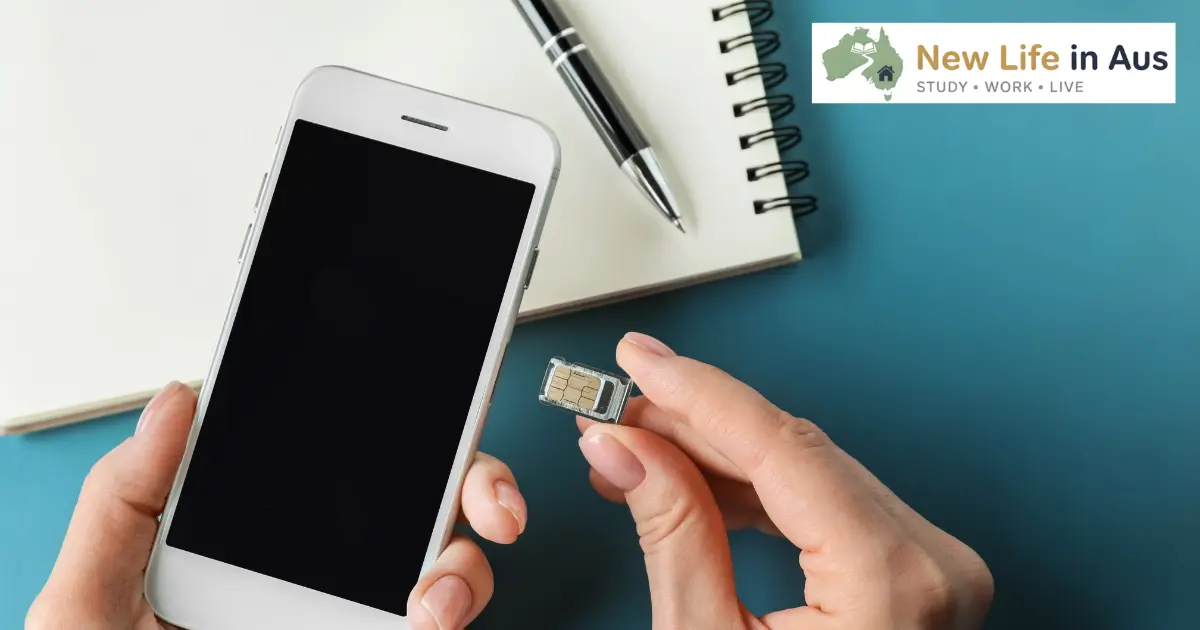
Choosing the best SIM cards at Australian airports shouldn’t be complicated, but I managed to mess it up spectacularly when I landed at Melbourne Airport last year. I was exhausted from a 14-hour flight, desperately needed internet to message my family and call an Uber, and walked straight into the first mobile kiosk I saw.
Fifty dollars later, I had a Telstra prepaid SIM with 10GB of data that would have cost me $30 if I’d just waited and bought the exact same thing at a Telstra store in the city two days later. The airport premium is real, and nobody warns you about it.
But here’s the thing. Sometimes paying that premium makes sense. Sometimes it doesn’t. And if you’re reading this before you board your flight to Australia, you have options I didn’t know existed.
I’ve now helped six classmates navigate this decision, tested three different networks across Melbourne, and figured out exactly when airport SIM purchases are worth it and when they’re a waste of money. Here’s everything you need to know about getting the best SIM cards at Australian airports without overpaying.
What You'll Actually See at the Airport
When you clear customs at Sydney, Melbourne, or Brisbane airports, you’ll walk into the arrivals hall and immediately see mobile network kiosks. They’re usually positioned right where you exit, designed to catch tired newcomers who need connectivity immediately.
The main players you’ll encounter are Telstra, Optus, and Vodafone. These are Australia’s three major mobile networks. Sometimes you’ll also see smaller resellers or travel-specific SIM counters, but 90% of the time you’re choosing between those big three.
Each kiosk will have staff ready to help, prepaid SIM starter packs on display, and deals that look convenient but aren’t necessarily the best value. The staff are friendly and genuinely helpful with activation, but they’re working on commission and their job is to sell you something, not to comparison shop for you.
At Melbourne Airport, the kiosks are clustered near the Skybus terminal and taxi ranks. At Sydney, they’re spread across the arrivals area near both domestic and international exits. Brisbane has them positioned right as you exit customs. You can’t miss them, which is exactly the point.
When I landed, I didn’t even consider that I had alternatives. I assumed buying at the airport was standard procedure. It’s not. It’s just the most convenient option, and convenience costs money.
The Three Networks Explained Simply
Before I get into which SIM to actually buy, you need to understand what these networks are and why the choice matters. This isn’t complicated, but it affects everything from your coverage to your monthly costs.
Telstra is the largest network in Australia with the widest coverage. If you’re planning to travel outside major cities, visit regional areas, or do road trips, Telstra reaches places the other networks don’t. Their reputation for reliability is deserved. They’re also the most expensive option, both at the airport and everywhere else.
When I bought that overpriced Telstra SIM at the airport, the coverage was genuinely excellent. I traveled to Geelong, the Dandenongs, and even out to the Grampians for a weekend trip, and I had signal everywhere. My classmate with Optus had patchy coverage outside Melbourne’s suburbs.
Optus is the second-largest network and offers the best balance of coverage and value for most students. If you’re living in Melbourne, Sydney, Brisbane, or any major city and not planning extensive regional travel, Optus gives you solid performance at better prices than Telstra. Their coverage in metro areas is essentially equivalent to Telstra.
I switched to Optus three months after arriving and haven’t had any issues in Melbourne’s suburbs or CBD. The monthly plans are cheaper, the prepaid deals are better, and for my needs (living in Carlton, studying at uni, occasionally visiting friends in Footscray or Box Hill), the coverage is perfect.
Vodafone is the third network and the budget option. Their coverage in inner-city areas is fine, but it drops off more noticeably once you leave metro zones. The trade-off is that their prepaid plans are often the cheapest of the three. If you’re living in the CBD or inner suburbs and genuinely won’t travel much, Vodafone can save you money.
I don’t know many people using Vodafone long-term. Most students either start with it for budget reasons and switch later, or they skip it entirely. But for a first-month SIM at the airport, it’s not a terrible choice if you’re purely focused on price.
Should You Even Buy at the Airport?
This is the real question. Airport SIM purchases make sense in specific situations and are a waste of money in others. Let me break down exactly when each approach works.
Buy at the airport if:
- You need internet immediately for maps, Uber, or contacting accommodation
- You’re arriving late at night when shops are closed
- You’re traveling straight to regional areas where you need guaranteed coverage
- You can’t handle the stress of sorting it out later when you’re tired and disoriented
- Your phone doesn’t support eSIM or you didn’t set it up before departure
Don’t buy at the airport if:
- You can use airport Wi-Fi and wait until you reach your accommodation
- You have someone picking you up who can help you get settled first
- You want to compare plans properly before committing
- Your accommodation has Wi-Fi and you can spend a day researching options
- You’re comfortable buying online or visiting a store in the city the next day
When I landed, I technically didn’t need that SIM right away. My university had arranged temporary accommodation with Wi-Fi, and I had someone meeting me at the airport. But I panicked and bought it anyway because I felt vulnerable without connectivity. That $20 premium I paid was basically anxiety tax.
If I could do it again, I’d have set up an eSIM before my flight (more on that below) or just waited until the next morning to visit a Telstra or Optus store in the city. The airport convenience only matters if you genuinely need it.
The first month setup costs in Australia add up quickly, and every unnecessary premium you pay at the airport is money you could use for more important things like bond, groceries, or textbooks.
The Best Airport SIM Options for Different Situations
Let me give you specific recommendations based on actual newcomer scenarios, not generic advice. These are the choices that make sense for different types of students arriving in Australia.
If you’re a student living primarily in Melbourne, Sydney, or Brisbane:
Buy an Optus prepaid starter pack at the airport. It’ll cost you $30-50 depending on data inclusion, gives you solid metro coverage, and won’t overcharge you as badly as Telstra. Optus kiosks at the airport usually have decent deals on prepaid plans with 20-40GB data for your first month.
This is what I should have bought instead of Telstra. I didn’t need the extra coverage for the premium price, and I ended up switching to Optus anyway three months later.
If you’re planning to travel around Australia or study in regional areas:
Buy a Telstra prepaid SIM or look for Boost Mobile (which runs on Telstra’s network but costs less). Yes, you’ll pay more, but regional coverage genuinely matters if you’re not staying in capital cities. Boost isn’t always available at airport kiosks, but if you see it, it’s better value than Telstra for the same network access.
My friend studying at Deakin Geelong bought Optus at the airport and regretted it within a week. The coverage on the train from Melbourne to Geelong was patchy, and he had dead zones around his campus accommodation. He switched to Boost and the problem disappeared.
If you’re on a tight budget and staying inner-city:
Consider Vodafone prepaid. It’ll be the cheapest option at the airport, usually $20-30 for a starter pack. Coverage in inner Melbourne, inner Sydney, and Brisbane CBD is totally fine. Just accept that you’ll probably want to switch to Optus or Telstra later if you move to outer suburbs or travel.
One of my classmates used Vodafone for her first six months living in the CBD and had zero issues. She only switched when she moved to Bundoora near La Trobe and realized her coverage had dropped significantly.
If you need to call home frequently:
Check which airport kiosk has the best international calling inclusions. Optus and Vodafone both offer prepaid plans with international minutes to certain countries. Telstra’s international rates are generally worse. But honestly, most people use WhatsApp, WeChat, or Telegram for international calls now, so this matters less than it used to.
I’ve written about international calling options in detail if you need to make regular calls to family back home. But for staying connected via data (WhatsApp calls and messages), any of the three networks work fine.
The eSIM Option Nobody Tells You About
This is the move I wish I’d known about before landing. If your phone supports eSIM (most iPhones from XR onwards, Google Pixels, Samsung flagships, and many other modern phones do), you can set up your Australian mobile connection before you even board your flight.
Both Telstra and Optus offer prepaid eSIM plans that you can buy online and activate digitally. You scan a QR code, the SIM profile downloads to your phone, and you land in Australia with a working phone number and data immediately. No airport kiosks, no queues, no physical SIM cards to deal with.
The process takes about 10 minutes to set up online before you fly. You’ll need your passport information and a way to pay (international credit card or PayPal work). Once activated, the eSIM goes live when you land in Australia and turn on your phone.
The huge advantage is that you keep your home country SIM active simultaneously. This matters because banks, university login systems, and other services send verification codes to your home number. With an eSIM, you can receive those SMS codes while using your Australian number for calls and data.
I set this up for my younger brother when he came to Melbourne six months after me. He landed with full connectivity, used Google Maps immediately, booked an Uber, and messaged me through WhatsApp within minutes of clearing customs. Zero stress, and he actually saved money compared to airport kiosk prices because online prepaid plans are usually better value.
The eSIM guide for international students covers the full setup process, but the short version is: if your phone supports it, do this instead of buying at the airport. It’s easier, often cheaper, and removes arrival stress.
What the Airport Sales Staff Won't Tell You
I had a conversation with an Optus sales rep at Melbourne Airport a few months ago (I was meeting a friend who was arriving). She was honest about things customers usually don’t hear. Here’s what she told me.
The airport starter packs are marked up. The same Optus prepaid plan that costs $40 at the airport costs $30 at an Optus store in the CBD. You’re paying $10 extra for convenience and immediate activation help. Sometimes that’s worth it, sometimes it’s not.
The “special deals” aren’t always special. Airport kiosks promote “traveler deals” or “welcome to Australia packs” that sound like they’re designed for newcomers. Usually, they’re just standard prepaid plans with travel-focused branding. Check what you’re actually getting (data, validity period, inclusions) against their regular website prices.
Staff have sales quotas. The person helping you is measured on how many SIMs they sell and what value plans they upsell to. They’ll be friendly and helpful (most genuinely are), but they’re incentivized to sell you more expensive plans. If they push you toward a $50 plan when you asked about budget options, that’s why.
Activation is the same everywhere. The main benefit of buying at the airport is having staff help with activation and setup. But activating a prepaid SIM in Australia is extremely simple. You insert the SIM, turn on the phone, and it usually activates automatically within 5-10 minutes. You don’t need someone to do this for you unless you’re uncomfortable with technology.
You can’t negotiate. Unlike many countries where you can bargain with airport mobile vendors, Australian airport pricing is fixed. The staff can’t give you discounts or throw in extra data. What you see is what you pay.
The sales rep also mentioned that most experienced international students now buy online or wait and visit stores in the city. The airport kiosks mainly serve first-time visitors and tourists who don’t know better. Once you understand the system, you realize you’re paying for convenience you don’t really need.
Comparing the Big Three at the Airport
Let me break down what you actually get with each network at typical airport pricing. This is based on what I’ve seen at Melbourne Airport over the past year, though exact plans change regularly.
Telstra at the airport:
- Starter pack: $40-50 for 40-50GB on 28-day expiry
- Coverage: Best in Australia, especially regional areas
- Network speed: Fastest when you have signal
- Extra cost: Usually 20-30% more than city store prices
- Best for: Regional travelers, people who prioritize reliability over cost
Optus at the airport:
- Starter pack: $30-40 for 35-45GB on 28-day expiry
- Coverage: Excellent in cities, good in regional areas
- Network speed: Very good in metro areas
- Extra cost: 10-20% more than city store prices
- Best for: Most students staying in major cities
Vodafone at the airport:
- Starter pack: $20-30 for 30-40GB on 28-day expiry
- Coverage: Good in inner cities, weaker in outer suburbs and regional
- Network speed: Fine for normal use
- Extra cost: 10-15% more than city store prices
- Best for: Budget-conscious students staying inner-city
The data allowances look generous, and for your first month they are. But remember these are prepaid plans that expire after 28 days. You’ll need to either recharge the same SIM or switch to a better monthly plan.
Most students I know use an airport SIM for 2-4 weeks while they settle in, then switch to proper monthly SIM-only plans that offer better value. I’ve compared the best mobile phone plans for students separately, but airport SIMs are meant to be temporary solutions, not long-term options.
The Activation Process at the Airport
When you buy a SIM at the airport, here’s exactly what happens. Understanding this removes any mystery and helps you know what to expect.
The staff member will ask for your passport. This is legally required for identity verification when activating any Australian mobile service. They’ll scan or photocopy your passport details and keep a record. This is normal and happens whether you buy at the airport, in a city store, or online.
You’ll fill out a short form with your name, date of birth, address (you can use your accommodation address even if temporary), and emergency contact. The whole process takes 3-5 minutes.
They’ll ask whether you want a physical SIM or eSIM if your phone supports both. Unless you specifically need eSIM features, physical SIM is simpler for airport purchases. They pop it in your phone, it activates within a few minutes, and you’re done.
You’ll pay by card (they accept international credit and debit cards) or cash if you have Australian dollars already. They’ll give you a receipt with your new Australian phone number, the plan details, and the expiry date.
Before you walk away, test that the SIM works. Open a browser, load a website, send a message to someone. If there’s any problem, the staff can troubleshoot immediately. Once you leave the kiosk, you’re on your own.
When I bought mine, the activation took about 10 minutes total including the sales conversation. The Telstra rep was genuinely helpful, explained how to check my data balance, and made sure everything worked before I left. The customer service at these airport kiosks is usually quite good, which is part of what you’re paying extra for.
What to Do After You Buy Your Airport SIM
You’ve got your SIM, it’s working, and you’re connected. Now what? Here’s what I wish I’d done in those first few days.
Set up mobile banking immediately. Get your Australian bank account sorted within your first week and link it to your phone. This makes recharging your prepaid SIM or switching to a monthly plan much easier later. I’ve covered opening a bank account step-by-step if you need help.
Download data monitoring apps. Australian prepaid plans don’t roll over unused data. If you have 40GB and only use 15GB, you lose the remaining 25GB when the plan expires. Apps like “My Data Manager” help you track usage so you can choose appropriate data amounts for future recharges.
Connect to Wi-Fi wherever possible. Your accommodation, university campus, cafes, shopping centers, and public libraries all have free Wi-Fi. Save your mobile data for when you genuinely need it. I burned through my first month’s data in two weeks because I didn’t realize how much background apps were using.
Start researching monthly plans. Once you’re settled and have Wi-Fi at your accommodation, spend an hour comparing monthly SIM-only plans from different providers. After your airport starter pack expires, you can either recharge the same SIM with a better plan or port your number to a cheaper provider.
Keep the SIM packaging. It has your PUK code, customer service numbers, and other details you might need if something goes wrong. I threw mine away and regretted it when I needed to unlock my SIM after entering the wrong PIN too many times.
The prepaid versus postpaid plans guide explains your longer-term options once you’re settled. But for your first month, just focus on having working connectivity and not stressing about optimizing everything perfectly.
The Alternatives to Airport SIMs
If you’re reading this before you fly, you have several better options than buying at the airport. Let me lay them out clearly.
Option 1: Buy an eSIM online before departure
Cost: $25-40 for first month. Setup time: 10 minutes. Coverage: Same as buying at the airport. Convenience: Land connected. Savings: $10-20 compared to airport prices. This is my top recommendation if your phone supports eSIM.
Option 2: Order a physical SIM online and have it delivered to your accommodation
Cost: $20-30. Setup time: Wait for delivery (3-5 days). Coverage: Better value plans available. Convenience: Requires planning ahead. Savings: $15-25 compared to airport. Only works if you have a confirmed address and someone to receive delivery.
Option 3: Use airport Wi-Fi and buy at a city store next day
Cost: $20-35. Setup time: One day delay. Coverage: Same as airport. Convenience: Requires waiting. Savings: $10-20 compared to airport. You need to be comfortable being offline for 12-24 hours.
Option 4: Just buy at the airport and accept the convenience premium
Cost: $30-50. Setup time: Immediate. Coverage: Decent. Convenience: Maximum. Savings: None, you’re paying extra. Sometimes this is the right choice despite the cost.
I’ve tested all four approaches across different arrivals (my own, my brother’s, helping classmates). The eSIM option is objectively the best if you’re organized enough to set it up before departure. But if you forget or can’t be bothered, buying at the airport isn’t a disaster. You’re paying $10-20 for convenience and immediate peace of mind, which can be worth it when you’re exhausted from international travel.
Common Mistakes Newcomers Make
I’ve watched enough international students arrive and deal with phone plans to spot the recurring errors. Avoid these and you’ll have a better experience.
Mistake 1: Choosing the wrong data amount
Most newcomers either overestimate or underestimate their data needs. If you’ll have Wi-Fi at home and university, 30-40GB per month is usually plenty. If you’re living somewhere without Wi-Fi or constantly streaming content, 40GB disappears quickly. I’ve written about how much data students actually need based on different usage patterns.
Mistake 2: Not checking phone compatibility
Make sure your phone is unlocked and works on Australian frequencies (most modern phones do). I’ve seen people buy SIMs only to discover their phone is locked to their home carrier and won’t accept Australian SIMs.
Mistake 3: Losing the SIM before activating it
Airport SIMs are tiny. If you buy one at the kiosk but don’t activate it immediately, it’s easy to lose in your luggage or pockets. Get it activated at the counter before you walk away.
Mistake 4: Not understanding the expiry system
Prepaid SIMs in Australia work on expiry dates, not billing cycles. If you buy a 28-day plan on December 5th, it expires on January 2nd whether you used all the data or not. This confused me for my first two months.
Mistake 5: Ignoring better options after the first month
Your airport starter pack is meant to be temporary. Once you’re settled, switch to a proper monthly plan that offers better value. Too many students just keep recharging the expensive airport plan out of habit.
Mistake 6: Not setting up auto-recharge
If you run out of credit unexpectedly, your phone service stops immediately. Set up auto-recharge or put a reminder in your phone to recharge 2-3 days before expiry. I missed my expiry date once and lost my phone service during exam week, which was stressful and unnecessary.
Frequently Asked Questions
Can I keep my Australian number if I switch providers later?
Yes, you can port your number to any other provider. The process takes 1-2 business days and is free. When I switched from Telstra to Optus, I filled out a form online, waited 24 hours, and my number transferred automatically. All Australian carriers are required to support number portability.
Do airport SIMs work everywhere in Australia or just in certain cities?
They work nationwide, but coverage depends on which network you choose. Telstra gives you the widest coverage including rural and remote areas. Optus and Vodafone cover all cities and most regional areas but have gaps in remote locations. Your SIM will work anywhere your chosen network has towers.
Can I use my airport SIM for mobile hotspot or tethering?
Yes, all three major networks allow tethering on prepaid plans. You can share your phone’s data connection with your laptop or other devices. Just be aware this uses your data allowance quickly. I used my phone as a hotspot for my first week before getting home internet sorted.
What happens when my prepaid plan expires?
Your phone number stays active for 90-180 days (depends on provider), but you can’t make calls, send texts, or use data until you recharge. If you don’t recharge within that grace period, you lose the number permanently. As long as you recharge before the deadline, you keep everything.
Should I get a small data plan and top up later or start with a large plan?
Start with a mid-range plan (35-45GB) for your first month. You can always top up if you run out, but you can’t get refunds for unused data. After your first month, you’ll understand your actual usage patterns and can choose more accurately for future recharges.
Can I buy a SIM at the airport if I'm under 18?
Yes, but you might need parental consent and additional documentation. Each provider has slightly different policies for minors. Telstra and Optus generally require parent or guardian details for anyone under 18. If you’re coming as a student under 18, bring any guardian documentation you have.
Final Thoughts
Choosing the best SIM cards at Australian airports isn’t about finding a perfect option, it’s about making a smart trade-off between convenience, cost, and coverage that suits your specific situation.
If I were arriving again tomorrow, I’d set up a Telstra or Optus eSIM before my flight and avoid the airport entirely. But when I actually landed tired and anxious last year, buying that overpriced Telstra SIM at the airport was probably the right decision for that moment. I needed the peace of mind more than I needed to save $20.
The real mistake isn’t buying at the airport. The mistake is not understanding what you’re buying, why you’re buying it, and what your alternatives are. Now you know all three.
For most students staying in major cities, Optus at the airport offers the best balance of coverage, price, and network quality. For regional travelers, Telstra or Boost are safer choices. For budget-conscious inner-city students, Vodafone works fine for a first month.
If you’re still planning your arrival, check out my guides on mobile data needs and cheap plans under $30 to understand what you’ll actually need. The best SIM cards at Australian airports are the ones that get you connected stress-free so you can focus on the bigger challenges of settling into your new life in Australia.
Buy what makes sense for your situation. You can always optimize later.
You May Also Like

Best Student Bank Account in Australia 2026 – Which One Is Actually Worth It?

Best Bank Accounts in Australia for International Students: Compared
Looking for a bank account? Real comparison from a Melbourne student.

How to Open a Bank Account in Australia: Step by Step Guide for Students
Need to open a bank account? Real step by step guide from a Melbourne student.