Hydroseeding & Hydromulching Guide Australia 2026

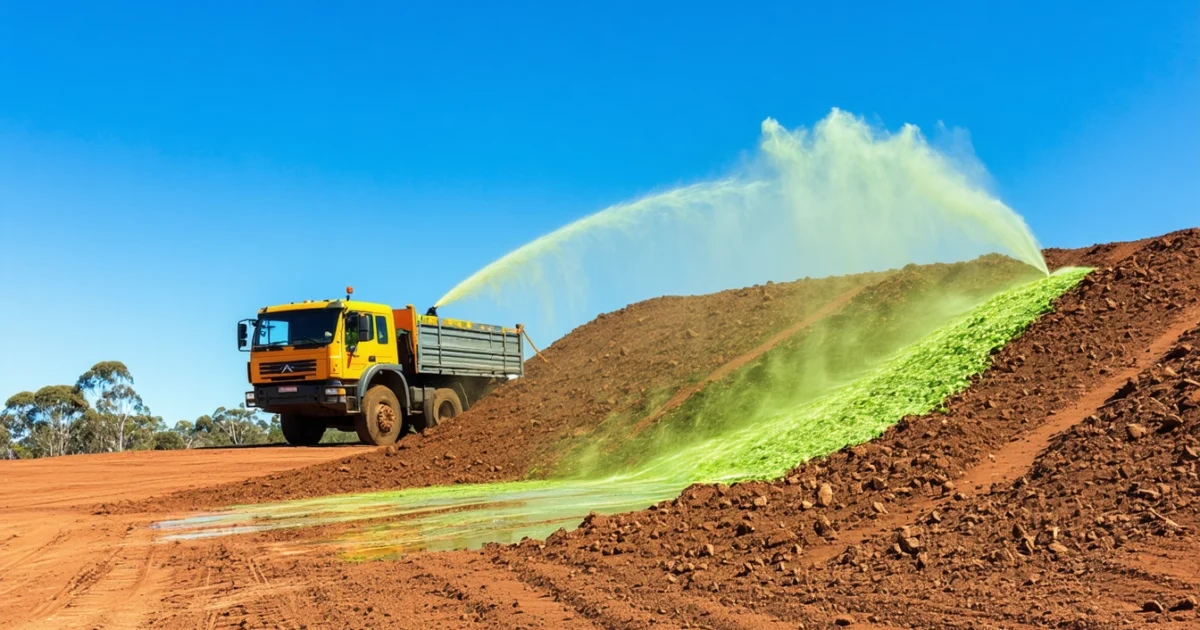
Hydroseeding and hydromulching are innovative hydraulic seeding techniques that spray a nutrient-rich slurry mixture directly onto soil to establish vegetation quickly and effectively. These methods combine seeds, mulch, fertilizer, and tackifier in a water-based solution, creating superior erosion control and faster germination compared to traditional broadcast seeding. Both techniques use specialized equipment to apply the mixture evenly across large areas, making them ideal for slope stabilization, construction site rehabilitation, and environmental restoration projects throughout Australia.
While hydroseeding focuses primarily on seed establishment, hydromulching emphasizes fiber application for erosion control. Therefore, the choice between these methods depends on your specific project requirements, terrain conditions, and budget considerations. Understanding the differences helps property owners and contractors select the most effective approach for their vegetation establishment needs.
Furthermore, both techniques offer significant advantages over conventional seeding methods. They provide uniform seed distribution, enhanced moisture retention, and rapid establishment on challenging terrain where traditional seeding often fails.
TL;DR
- Hydroseeding and hydromulching spray seed-mulch slurries for faster germination and erosion control than traditional seeding
- Costs range from $0.50-$3.00 per square meter depending on area size, terrain, and seed type across Australia
- Professional application recommended for slopes and large areas, while DIY options exist for smaller residential projects
- Best applications include construction sites, roadside vegetation, slope stabilization, and environmental restoration projects
What Are Hydroseeding and Hydromulching?
Hydroseeding represents a hydraulic seeding method that combines grass seeds, fertilizer, mulch, and water into a homogeneous slurry for spray application. This technique, also known as hydraulic mulch seeding, creates an optimal growing environment by delivering all essential components simultaneously across the target area. Professional contractors use specialized equipment to ensure uniform distribution and proper seed-to-soil contact.
Meanwhile, hydromulching focuses primarily on applying protective fiber materials and tackifiers to prevent soil erosion while supporting seed establishment. The hydromulching process emphasizes erosion control through fiber application rather than seed distribution alone. Consequently, this method proves particularly effective for steep slopes and areas prone to washout during heavy rainfall.
Key Differences Between Hydroseeding and Hydromulching
Although both techniques share similar application methods, their primary purposes differ significantly. Hydroseeding prioritizes rapid seed germination and establishment through comprehensive slurry composition. Conversely, hydromulching emphasizes immediate erosion protection while supporting vegetation growth over time.
| Aspect | Hydroseeding | Hydromulching |
|---|---|---|
| Primary Focus | Seed establishment and germination | Erosion control and soil protection |
| Fiber Content | Moderate mulch for moisture retention | High fiber concentration for stabilization |
| Application Timing | Optimal growing seasons | Year-round erosion control |
| Cost per m² | $0.50 – $2.00 | $1.00 – $3.00 |
Slurry Composition and Components
The slurry composition forms the foundation of both hydroseeding and hydromulching success. Each mixture contains carefully balanced proportions of seeds, mulch materials, fertilizers, and binding agents. Professional applicators adjust these ratios based on soil conditions, climate factors, and project requirements.
- Seeds: Native grass varieties, wildflowers, or specialized erosion control species
- Mulch: Wood fiber, paper pulp, or recycled cellulose materials for moisture retention
- Fertilizer: Slow-release nutrients supporting initial growth phases
- Tackifier: Binding agents ensuring slurry adhesion to soil surfaces
- Water: Carrier medium enabling uniform distribution and application
Furthermore, the tackifier component plays a crucial role in preventing washout during rainfall events. These binding agents create a protective matrix that holds seeds and mulch materials in place until vegetation establishes sufficient root systems for natural stabilization.
Spray Application Methodology
Professional spray application methodology ensures optimal coverage and seed distribution across target areas. Specialized hydroseeding equipment maintains consistent slurry mixing while delivering the material through high-pressure spray systems. Operators adjust spray patterns, pressure settings, and application rates based on terrain conditions and wind factors.
Additionally, the application process requires careful timing and weather consideration. Ideal conditions include calm winds, moderate temperatures, and adequate soil moisture for immediate seed-to-soil contact. Experienced contractors often apply the slurry in multiple passes to achieve uniform coverage density across challenging terrain.
Application Tip
Moreover, post-application care significantly influences establishment success rates. Regular watering schedules, typically 2-3 times daily for the first two weeks, ensure adequate moisture for germination. Subsequently, monitoring for erosion signs and reapplying materials as needed maintains project integrity throughout the establishment period.
How Hydroseeding and Hydromulching Work
Understanding the hydroseeding process begins with specialized equipment that transforms seeds, mulch, and water into an effective growing medium. Hydroseeding machines utilize powerful agitation systems to create uniform slurry mixtures, while high-pressure spray systems deliver precise application across target areas. These units typically feature tank capacities ranging from 500 to 3,000 gallons, enabling coverage of substantial acreage in single operations.
Professional operators employ truck-mounted units for large-scale projects, whereas smaller trailer-mounted systems serve residential applications effectively. Additionally, the equipment includes calibrated pumps that maintain consistent pressure throughout the application process, ensuring even distribution regardless of terrain variations.
Site Preparation Requirements
Proper site preparation determines hydroseeding success rates significantly. Soil testing reveals pH levels, nutrient content, and compaction issues that require correction before application. Furthermore, grading activities establish appropriate drainage patterns while removing debris, rocks, and vegetation that could interfere with seed establishment.
Contractors typically perform soil decompaction using specialized equipment to improve water infiltration and root penetration. Meanwhile, erosion control measures such as temporary barriers protect prepared areas from washout during the establishment period. These preparatory steps create optimal conditions for seed germination and subsequent plant development.
Mixing Process for Seed Slurry
The slurry mixing process follows precise ratios to achieve optimal growing conditions. Water serves as the primary carrier, typically comprising 80-90% of the total mixture volume. Subsequently, operators add seeds at rates between 50-150 pounds per acre, depending on species selection and desired coverage density.
- Mulch materials: 1,500-3,000 pounds per acre for erosion control
- Fertilizer components: 200-400 pounds per acre based on soil analysis
- Tackifier agents: 50-150 pounds per acre for slurry adhesion
- Lime or sulfur: Applied as needed for pH adjustment
Continuous agitation maintains ingredient suspension throughout the mixing and application phases. Moreover, operators monitor mixture consistency to prevent settling or separation that could result in uneven coverage patterns. The mixing duration typically ranges from 5-15 minutes, ensuring complete integration of all components.
Application Techniques and Coverage Patterns
Spray application techniques vary according to site conditions and project specifications. Operators adjust nozzle configurations to achieve droplet sizes that prevent wind drift while maintaining adequate coverage density. Additionally, overlapping spray patterns ensure uniform distribution without creating gaps or excessive buildup areas.
Professional contractors employ systematic application methods, typically working in parallel strips across the target area. Furthermore, they adjust spray pressure between 30-60 PSI based on wind conditions and terrain characteristics. Cross-pattern applications often follow initial coverage to eliminate potential missed areas.
Application Best Practices
Germination and Establishment Timeline
Seed germination typically begins within 7-14 days following application under optimal conditions. However, establishment timelines vary considerably based on species selection, weather patterns, and maintenance practices. Cool-season grasses generally germinate faster than warm-season varieties, with visible growth appearing within the first week.
| Timeline | Growth Stage | Maintenance Requirements |
|---|---|---|
| Days 1-7 | Seed activation and sprouting | Daily watering, 2-3 times per day |
| Days 8-21 | Initial leaf development | Reduce watering frequency to once daily |
| Days 22-45 | Root system establishment | Deep watering every 2-3 days |
| Days 46-90 | Canopy development | Normal irrigation schedule |
Complete establishment typically occurs within 60-90 days, depending on growing conditions and species characteristics. During this period, regular monitoring identifies potential issues such as erosion, pest problems, or nutrient deficiencies. Successful establishment results in dense vegetation coverage that provides long-term erosion control and aesthetic value.
Environmental factors significantly influence establishment success rates. Temperature fluctuations, rainfall patterns, and soil moisture levels directly affect germination timing and plant development. Consequently, contractors often recommend supplemental irrigation during dry periods to maintain optimal growing conditions throughout the establishment phase.
Benefits and Advantages
Hydroseeding and hydromulching deliver significant advantages over traditional seeding methods, particularly in large-scale applications. These techniques accelerate germination rates while providing superior erosion control capabilities that conventional broadcasting cannot match.
Accelerated Germination Performance
Faster germination represents the most compelling benefit of hydroseeding applications. Seeds germinate 30-50% faster compared to traditional broadcasting methods due to optimal moisture retention and nutrient availability. Furthermore, the hydromulch matrix creates a protective microenvironment that maintains consistent soil temperature and humidity levels.
The slurry application ensures direct seed-to-soil contact, eliminating air gaps that often prevent proper germination in broadcast seeding. Additionally, tackifiers within the mixture bind seeds firmly to the soil surface, preventing displacement during rainfall or irrigation events.
Superior Erosion Control Capabilities
Erosion control effectiveness surpasses traditional methods through immediate surface protection and long-term stabilization. The hydromulch blanket provides instant coverage that reduces soil displacement by up to 85% during the critical establishment period. Moreover, this protective layer maintains its integrity even during heavy rainfall events.
Slope stabilization becomes particularly effective on gradients exceeding 3:1 ratios where conventional seeding typically fails. The tackified mulch adheres to steep surfaces, creating a cohesive mat that prevents soil movement while vegetation establishes. Consequently, contractors recommend hydroseeding for challenging terrain where erosion poses significant environmental risks.
Economic and Distribution Advantages
Cost-effectiveness becomes apparent in large-area applications where labor costs significantly impact project budgets. A single operator can cover 5-10 acres per day using hydroseeding equipment, compared to 1-2 acres with traditional broadcasting methods. Therefore, projects exceeding 10,000 square meters typically show substantial cost savings through reduced labor requirements.
Uniform seed distribution eliminates the patchy coverage common in broadcast seeding applications. The hydraulic application ensures consistent seed density across the entire treatment area, resulting in even establishment patterns. Additionally, operators can adjust application rates precisely to match specific site requirements and species recommendations.
Pros
- Germination rates increase by 30-50%
- Immediate erosion protection upon application
- Single operator covers 5-10 acres daily
- Uniform seed distribution eliminates patchy areas
- Moisture retention reduces irrigation requirements
- Effective on slopes up to 1:1 ratio
Cons
- Higher initial equipment investment
- Weather-dependent application windows
- Requires specialized operator training
- Limited effectiveness in extreme temperatures
Moisture Management Benefits
Moisture retention properties extend irrigation intervals while maintaining optimal growing conditions throughout the establishment phase. The mulch matrix absorbs and slowly releases water, reducing evaporation losses by approximately 40% compared to bare soil conditions. Subsequently, irrigation requirements decrease significantly during the critical first month following application.
Water-absorbing polymers within premium hydromulch formulations enhance moisture storage capacity further. These additives can absorb up to 300 times their weight in water, creating a reservoir that sustains plant growth during dry periods. As a result, establishment success rates improve dramatically in arid climates where traditional seeding often fails.
Hydroseeding reduces establishment time by 30-50% while providing immediate erosion control that protects soil integrity during the critical germination period.
Applications and Use Cases
Hydroseeding and hydromulching applications span diverse industries requiring rapid vegetation establishment and erosion control. Construction sites benefit from immediate soil stabilization during project development phases. Meanwhile, environmental restoration projects utilize these techniques to restore damaged ecosystems efficiently.
Construction Site Rehabilitation
Construction companies apply hydroseeding to rehabilitate disturbed areas following project completion. The hydraulic application covers large construction zones quickly, establishing vegetation before soil erosion becomes problematic. Furthermore, construction schedules benefit from the rapid establishment times compared to traditional seeding methods.
Temporary erosion control during active construction phases utilizes hydromulching without seeds. This application protects exposed soil surfaces from rainfall impact while maintaining site accessibility. Additionally, the biodegradable mulch matrix decomposes naturally as permanent landscaping replaces temporary protection.
Slope and Embankment Stabilization
Steep slopes and embankments require specialized erosion control solutions that traditional methods cannot provide effectively. Hydromulching creates an immediate protective barrier while seeds germinate beneath the mulch layer. Consequently, root systems develop to provide long-term slope stability.
Highway departments extensively use these applications for roadside embankment protection. The hydraulic application reaches steep grades safely without requiring workers to access dangerous slopes directly. Moreover, the uniform coverage ensures consistent protection across irregular terrain features.
Roadside Vegetation Establishment
Roadside revegetation projects benefit from the speed and efficiency of hydroseeding applications. Traffic management requirements favor rapid application methods that minimize lane closures and worker exposure. Therefore, hydroseeding completes large linear projects in significantly less time than broadcast seeding.
Native grass establishment along highways creates wildlife corridors while providing ongoing erosion protection. The seed mixture can include drought-tolerant species adapted to roadside conditions. Subsequently, maintenance requirements decrease as established vegetation becomes self-sustaining.
Environmental Restoration Projects
Environmental restoration utilizes hydromulching to reestablish native plant communities in degraded habitats. The application protects newly seeded areas from wildlife disturbance while providing optimal germination conditions. Additionally, the organic mulch components improve soil biology as they decompose.
Wetland restoration projects apply specialized seed mixes through hydroseeding to establish aquatic and semi-aquatic vegetation. The hydraulic application distributes seeds evenly across difficult-to-access wetland areas. Furthermore, the mulch matrix helps seeds remain in place during fluctuating water levels.
Residential and Commercial Landscaping
Residential developments increasingly choose hydroseeding for establishing lawns and common areas efficiently. The uniform application creates consistent lawn density without the labor requirements of sod installation. Moreover, the cost savings make hydroseeding attractive for large residential projects.
Commercial landscaping projects utilize hydromulching for establishing groundcover in areas unsuitable for regular maintenance. The mulch protection reduces irrigation requirements while plants establish root systems. Subsequently, maintenance costs decrease as vegetation matures and becomes drought-tolerant.
Mining Site Remediation
Mining rehabilitation requires specialized applications to restore vegetation on contaminated or nutrient-poor soils. Hydromulching incorporates soil amendments and fertilizers directly into the application mixture. Therefore, plants receive essential nutrients during the critical establishment phase.
Tailings dam rehabilitation utilizes erosion control applications to prevent wind and water erosion of exposed surfaces. The immediate protection prevents dust generation while vegetation establishes slowly in challenging soil conditions. Additionally, the organic matter improves soil structure over time through decomposition processes.
Application Selection Guide
Cost Factors and Pricing in Australia
Understanding hydroseeding and hydromulching costs requires examining multiple pricing variables that affect project expenses. Australian contractors typically charge between $0.50 to $2.50 per square meter for basic hydroseeding applications. However, hydromulching projects often cost $1.00 to $4.00 per square meter due to additional mulch materials and application complexity.
Cost Per Square Meter Breakdown
| Application Type | Basic Cost (per m²) | Premium Cost (per m²) | Typical Project Size |
|---|---|---|---|
| Basic Hydroseeding | $0.50 – $1.20 | $1.50 – $2.50 | 1,000+ m² |
| Standard Hydromulching | $1.00 – $2.00 | $2.50 – $4.00 | 500+ m² |
| Erosion Control | $1.50 – $3.00 | $3.50 – $6.00 | Variable |
| Slope Stabilization | $2.00 – $4.50 | $5.00 – $8.00 | Variable |
Material costs represent approximately 40-60% of total project expenses for hydroseeding applications. Consequently, seed selection significantly impacts pricing, with native grass varieties costing more than common lawn seeds. Additionally, specialized erosion control applications require premium mulch materials that increase overall project costs.
Factors Affecting Pricing
Project area size creates the most significant pricing variation in hydroseeding and hydromulching applications. Large projects benefit from economies of scale, reducing per-square-meter costs substantially. Meanwhile, small residential applications often carry premium pricing due to equipment mobilization costs.
Terrain complexity directly affects application difficulty and equipment requirements for successful project completion. Steep slopes require specialized equipment and safety measures that increase labor costs significantly. Furthermore, rocky or uneven surfaces may need site preparation before hydroseeding applications can proceed effectively.
- Seed type selection – Native species cost 2-3x more than common varieties
- Mulch material quality – Wood fiber costs less than straw or paper mulch
- Fertilizer requirements – Soil testing determines nutrient amendment needs
- Site accessibility – Remote locations increase equipment transport costs
- Application timing – Peak season pricing may increase 15-25%
Soil conditions influence pricing through preparation requirements and amendment costs for optimal plant establishment. Poor drainage areas need additional materials to improve growing conditions before application. Subsequently, soil testing helps determine specific fertilizer requirements that affect total project costs.
Regional Pricing Variations
Melbourne and Sydney markets typically command premium pricing due to higher labor costs and increased demand for landscaping services. Urban areas experience 20-30% higher costs compared to regional locations for similar hydroseeding projects. However, greater contractor availability in metropolitan areas creates competitive pricing for larger commercial applications.
Queensland and Western Australia often feature lower baseline pricing but higher material transport costs for remote project locations. Regional contractors may offer competitive rates for local projects while charging premiums for distant applications. Therefore, location proximity to contractor bases significantly affects final pricing quotations.
Regional Cost Factors
Equipment Rental vs Professional Services
DIY hydroseeding equipment rental costs approximately $200-400 per day for basic units suitable for residential applications. However, material costs, application expertise, and time investment often make professional services more cost-effective for most property owners. Moreover, improper application techniques can result in poor establishment rates requiring expensive re-application.
Professional contractors bring specialized knowledge about seed selection, application rates, and timing that ensures successful project outcomes. Their equipment efficiency typically completes projects faster than DIY approaches while achieving superior coverage uniformity. Additionally, most contractors provide establishment guarantees that protect against application failures.
Pros
- Professional expertise ensures optimal results
- Equipment efficiency reduces application time
- Establishment guarantees protect investment
- Bulk material purchasing reduces costs
Cons
- Higher upfront costs than DIY approaches
- Limited control over application timing
- Dependency on contractor availability
- Potential for miscommunication about expectations
Long-term Cost Benefits
Hydroseeding and hydromulching provide substantial long-term savings compared to traditional seeding methods and sod installation alternatives. Reduced irrigation requirements during establishment lower ongoing water costs significantly. Furthermore, the uniform coverage prevents bare spots that require expensive patching or overseeding later.
Erosion prevention benefits eliminate costly soil replacement and drainage repairs that result from unprotected slopes. The immediate ground coverage protects against storm damage that could require extensive remediation work. Subsequently, property owners avoid emergency repair costs through proactive erosion control applications.
Hydroseeding costs 60-80% less than sod installation while providing comparable establishment success rates for most applications.
Maintenance cost reductions become apparent after the first growing season when established vegetation requires minimal intervention. Native plant selections adapted to local conditions reduce fertilizer and pesticide requirements substantially. Therefore, the initial investment in quality hydroseeding applications pays dividends through reduced ongoing maintenance expenses.
DIY vs Professional Services
Choosing between DIY hydroseeding and professional services requires careful evaluation of equipment requirements, skill levels, and project complexity. DIY hydroseeding appeals to cost-conscious property owners, while professional contractors deliver guaranteed results through specialized equipment and expertise.
Equipment Requirements for DIY Hydroseeding
Hydroseeding equipment demands significant investment for effective DIY applications. Basic hydroseeding units cost between $15,000-$35,000 for new machines, making purchase impractical for single-use projects. However, rental options provide more accessible alternatives for determined DIY enthusiasts.
Essential equipment includes a hydromulch tank with agitation systems, high-pressure pumps, and spray guns capable of uniform distribution. Additionally, water transport vehicles become necessary for larger projects where on-site water access remains limited. Furthermore, seed storage and mixing equipment ensures proper material preparation before application.
- Hydroseeding tank (500-3000 gallon capacity)
- High-pressure pump system (minimum 50 PSI)
- Spray gun with adjustable nozzles
- Agitation paddles or mechanical mixers
- Water transport truck or trailer
- Seed and mulch storage containers
Skill Level and Experience Needed
DIY hydroseeding success depends heavily on understanding seed selection, mixing ratios, and application techniques. Inexperienced operators frequently struggle with proper slurry consistency that affects coverage uniformity and establishment rates. Moreover, slope applications require specialized knowledge of erosion control principles and safety procedures.
Critical skills include calculating application rates based on soil conditions, selecting appropriate seed varieties for local climates, and timing applications with weather patterns. Additionally, troubleshooting equipment malfunctions during operation requires mechanical aptitude and problem-solving abilities. Therefore, successful DIY projects typically require extensive research and preparation phases.
DIY Complexity Warning
When to Hire Professional Contractors
Professional hydroseeding services become essential for projects exceeding 5,000 square meters or involving steep slopes with erosion risks. Commercial projects requiring establishment guarantees mandate professional application to ensure insurance coverage and warranty protection. Furthermore, time-sensitive projects benefit from contractor efficiency and reliability.
Complex site conditions including poor soil quality, extreme slopes, or challenging access areas favor professional expertise over DIY attempts. Additionally, projects requiring specialized seed mixtures or hydromulching applications exceed typical DIY capabilities. Subsequently, regulatory compliance for commercial developments often requires certified contractor involvement.
| Project Factor | DIY Suitable | Professional Required |
|---|---|---|
| Area Size | Under 2,000 m² | Over 5,000 m² |
| Slope Grade | Under 15% | Over 25% |
| Timeline | Flexible | Strict deadlines |
| Guarantee Needed | No | Yes |
Equipment Rental Options and Availability
Equipment rental services provide viable alternatives for DIY hydroseeding projects across major Australian cities. Daily rental rates range from $200-$400 for basic hydroseeding units, while weekly rates offer better value for larger projects. However, availability varies significantly between metropolitan and regional areas.
Rental packages typically include basic training sessions covering equipment operation and safety procedures. Additionally, some providers offer technical support during rental periods to assist with troubleshooting and application guidance. Nevertheless, renters remain responsible for material selection, mixing, and application quality outcomes.
Transportation logistics present additional challenges since hydroseeding equipment requires specialized trailers and adequate towing capacity. Furthermore, rental insurance and damage deposits add substantial costs to overall project budgets. Therefore, careful cost analysis comparing rental expenses with professional service quotes proves essential.
Success Rate Comparisons
Professional hydroseeding services achieve establishment success rates between 85-95% under normal conditions, while DIY projects typically range from 60-75% success rates. Equipment calibration errors, improper mixing ratios, and timing mistakes contribute to reduced DIY effectiveness. Moreover, professional contractors provide remedial applications when initial attempts fail.
Professional hydroseeding achieves 85-95% establishment success compared to 60-75% for DIY applications
Cost-effectiveness calculations must consider failure rates and potential re-application expenses for DIY projects. Additionally, time investment for research, equipment rental, and application often exceeds initial estimates for inexperienced operators. Consequently, professional services frequently provide better value despite higher upfront costs.
Quality outcomes from professional applications include superior coverage uniformity, appropriate seed selection for site conditions, and proper establishment timing. Furthermore, contractor warranties protect against application failures that could require expensive remediation work. Therefore, critical projects warrant professional expertise despite higher initial investment requirements.
Limitations and Disadvantages
While hydroseeding and hydromulching offer numerous benefits, several limitations restrict their application effectiveness. Understanding these constraints helps property owners make informed decisions about lawn establishment methods. Additionally, recognizing potential drawbacks enables better project planning and realistic expectation setting.
Weather Dependency and Timing Constraints
Weather conditions significantly impact hydroseeding success rates and application windows. Rain within 24-48 hours after application can wash away the slurry mixture before proper adhesion occurs. Conversely, extended dry periods require frequent irrigation to maintain seed moisture levels for germination.
Temperature extremes limit optimal application timing throughout the year. Summer heat stress reduces establishment success rates below 60% in many Australian regions. Similarly, winter frost conditions prevent seed germination and can damage newly established seedlings.
Wind speeds exceeding 15 km/h create uneven application patterns and drift problems during spraying operations. Furthermore, humidity levels below 40% accelerate mixture drying, reducing coverage uniformity across target areas. Therefore, weather monitoring becomes essential for successful hydroseeding projects.
Initial Higher Cost Compared to Broadcast Seeding
Professional hydroseeding services cost between $2-8 per square metre compared to $0.50-2.00 for traditional broadcast seeding methods. Equipment rental, specialised materials, and labour requirements drive higher upfront investment costs. Additionally, hydromulch components add 30-50% to basic seed mixture expenses.
Cost Consideration
Project size affects cost efficiency, with smaller areas experiencing disproportionately higher per-square-metre rates. Moreover, site preparation requirements often exceed those needed for conventional seeding methods. Consequently, budget-conscious property owners may find traditional seeding more economically viable for basic applications.
Equipment Requirements and Maintenance
Hydroseeding equipment requires significant capital investment ranging from $15,000-100,000 for commercial-grade systems. Tank capacity, pump specifications, and agitation mechanisms determine equipment costs and operational capabilities. Additionally, regular maintenance schedules prevent costly breakdowns during peak application seasons.
Cleaning procedures between different seed mixtures prevent cross-contamination and maintain equipment longevity. Thorough flushing removes residual materials that could clog spray nozzles or contaminate subsequent applications. Furthermore, winter storage requires antifreeze protection and component inspection to prevent freeze damage.
Operator training becomes essential for proper equipment operation and mixture preparation. Inexperienced users often struggle with calibration settings, leading to uneven application rates and poor establishment results. Therefore, equipment complexity can limit accessibility for smaller contractors and DIY applications.
Site Accessibility Limitations
Steep slopes exceeding 30-degree angles present application challenges and safety concerns for hydroseeding operations. Equipment positioning becomes difficult on unstable terrain, while gravity affects mixture distribution patterns. Additionally, rocky or heavily wooded areas restrict vehicle access and hose deployment.
Urban environments often limit equipment access through narrow gates, overhead obstacles, or parking restrictions. Hose length limitations typically restrict application distance to 150-200 metres from equipment positioning. Moreover, neighbouring property considerations may prevent optimal equipment placement for comprehensive coverage.
Soil compaction from heavy equipment can negatively impact seed establishment in sensitive areas. Furthermore, underground utilities and irrigation systems require careful identification to prevent damage during application processes. Consequently, site surveys become necessary to identify potential access limitations before project commencement.
Seed Type Restrictions
Large seeds and coated varieties may not suspend properly in hydroseed mixtures, leading to settling and uneven distribution. Certain native grass species require specific germination conditions that hydromulch materials cannot provide effectively. Additionally, some premium seed varieties command higher costs that make hydroseeding economically prohibitive.
Mixing ratios must accommodate seed size variations to prevent clogging in spray equipment. Fine seeds distribute more evenly but may require different carrier materials than larger varieties. Moreover, seed storage requirements before application can affect viability and germination rates in prepared mixtures.
Specialty applications requiring specific seed varieties may not suit standard hydroseeding formulations. Furthermore, organic certification requirements can limit approved mulch and fertiliser options for environmentally sensitive projects. Therefore, seed selection flexibility becomes more restricted compared to conventional broadcasting methods.
Best Practices and Success Tips
Successful hydroseeding and hydromulching projects depend on precise timing, thorough preparation, and consistent monitoring throughout the establishment period. Professional contractors achieve superior results by following proven methodologies that maximise germination rates while minimising project costs. However, optimal outcomes require attention to environmental conditions, site-specific factors, and ongoing maintenance protocols.
Optimal Weather Conditions for Application
Temperature ranges between 15°C and 25°C provide ideal conditions for hydroseeding applications across most Australian climates. Furthermore, wind speeds below 15 km/h prevent spray drift and ensure accurate seed placement on target areas. Consequently, early morning applications often deliver the best results when atmospheric conditions remain stable.
Rainfall predictions significantly influence application timing decisions for successful project outcomes. Additionally, soil moisture levels should reach field capacity without creating waterlogged conditions that impede seed-to-soil contact. Therefore, contractors monitor weather forecasts closely to schedule applications during optimal windows.
Avoid These Conditions
Humidity levels above 60% reduce evaporation rates and extend the working time for hydromulch applications. Moreover, overcast conditions protect freshly applied materials from excessive UV exposure during the critical establishment phase. Subsequently, timing applications before mild weather periods enhances germination success rates significantly.
Proper Site Preparation Techniques
Soil testing reveals pH levels, nutrient deficiencies, and compaction issues that require correction before hydroseeding commences. Additionally, grading operations create appropriate slopes for drainage while eliminating low spots where water accumulation occurs. Consequently, thorough site preparation directly correlates with long-term establishment success.
- Remove debris, rocks, and vegetation that interfere with seed-to-soil contact
- Correct soil compaction through decompaction or tillage operations
- Install drainage systems in areas prone to waterlogging
- Apply soil amendments based on laboratory test recommendations
- Establish final grade elevations for proper surface water management
Erosion control measures become essential on slopes exceeding 3:1 ratios where surface runoff threatens seed retention. Furthermore, temporary irrigation systems may require installation in areas lacking natural water sources during establishment periods. Therefore, comprehensive site preparation addresses both immediate application needs and long-term maintenance requirements.
Seed Selection for Local Conditions
Native grass species demonstrate superior drought tolerance and pest resistance compared to introduced varieties in Australian conditions. Additionally, local seed suppliers provide varieties specifically adapted to regional climate patterns and soil types. Consequently, seed selection decisions significantly impact establishment success and ongoing maintenance requirements.
| Climate Zone | Recommended Species | Germination Time |
|---|---|---|
| Temperate | Perennial Ryegrass, Tall Fescue | 7-14 days |
| Subtropical | Couch Grass, Buffalo Grass | 10-21 days |
| Arid | Saltbush, Native Grasses | 14-28 days |
Seed quality certifications ensure genetic purity and germination rates meet industry standards for professional applications. Moreover, coating technologies enhance seed performance through improved moisture retention and nutrient availability during germination. Subsequently, premium seed investments typically generate superior long-term results despite higher initial costs.
Post-Application Care and Maintenance
Irrigation scheduling maintains consistent soil moisture without creating waterlogged conditions that promote fungal diseases. Additionally, light watering frequencies prevent surface crusting while encouraging deep root development in establishing seedlings. Consequently, proper irrigation management determines establishment success rates across diverse site conditions.
Traffic restrictions protect vulnerable seedlings during the critical establishment period when root systems remain underdeveloped. Furthermore, fertiliser applications support vigorous growth while avoiding excessive nitrogen levels that promote weed competition. Therefore, maintenance protocols require careful balance between growth promotion and environmental protection.
Pros
- Consistent moisture promotes rapid germination
- Light irrigation prevents surface crusting
- Fertiliser applications support vigorous growth
Cons
- Overwatering encourages fungal diseases
- Heavy traffic damages emerging seedlings
- Excessive nitrogen promotes weed growth
Monitoring Germination Progress
Daily inspections during the first two weeks identify potential problems before they compromise establishment success. Additionally, photographic documentation tracks progress and provides evidence for warranty claims if germination rates fall below specifications. Consequently, systematic monitoring protocols enable timely interventions when necessary.
Germination counts in representative sample areas provide quantitative data for project evaluation and future planning decisions. Moreover, soil moisture measurements guide irrigation adjustments while preventing both drought stress and waterlogging conditions. Subsequently, data-driven monitoring approaches deliver more consistent results than visual assessments alone.
Professional monitoring achieves 85-95% germination success rates compared to 60-75% for unmonitored applications
Weather station data correlates environmental conditions with germination performance to optimise future application timing. Furthermore, early problem identification enables corrective measures such as reseeding or irrigation adjustments before establishment windows close. Therefore, comprehensive monitoring systems justify their costs through improved project outcomes and reduced warranty claims.
Finding Services in Australia
Locating qualified hydroseeding contractors requires systematic research across multiple channels. Moreover, professional associations like the Australian Landscape Contractors Association maintain member directories that verify industry credentials. Subsequently, local councils often provide approved contractor lists for erosion control and revegetation projects.
Online platforms such as ServiceSeeking and hipages connect property owners with local hydromulching specialists. Additionally, landscape supply centres frequently recommend trusted contractors who purchase equipment and materials regularly. Therefore, multiple sourcing strategies increase your chances of finding experienced professionals in your area.
Essential Questions for Service Providers
Effective contractor evaluation begins with specific technical questions about their hydroseeding experience and equipment capabilities. Furthermore, requesting details about seed mix formulations and application rates reveals their expertise level. Consequently, knowledgeable contractors provide detailed explanations rather than vague responses.
- What hydromulch materials do you use for different soil types?
- How many years of hydroseeding experience does your team have?
- Can you provide references from recent projects in similar conditions?
- What warranty coverage do you offer on germination rates?
- Do you conduct soil testing before application?
- What follow-up maintenance services are included?
Insurance verification protects property owners from liability during application processes. Additionally, contractors should carry both public liability and professional indemnity insurance with adequate coverage limits. Therefore, requesting current insurance certificates ensures protection against potential damages or accidents.
Comparing Quotes and Service Offerings
Quote comparison requires detailed breakdowns of materials, labour, and additional services rather than simple per-square-metre pricing. Moreover, comprehensive quotes specify seed varieties, mulch types, and application methods for accurate comparisons. Subsequently, the lowest price often reflects reduced quality or hidden costs that emerge later.
| Service Component | Basic Package | Premium Package |
|---|---|---|
| Site preparation | Basic grading | Soil testing + amendments |
| Seed mix | Standard grass blend | Custom species selection |
| Mulch type | Paper-based | Wood fibre + tackifier |
| Warranty period | 30 days | 90 days + maintenance |
| Follow-up visits | None included | 3 inspections included |
Value assessment considers long-term outcomes rather than initial costs alone. Additionally, contractors offering comprehensive packages typically deliver better establishment success rates. Therefore, investing in quality services reduces the risk of failed germination and costly reapplication requirements.
Checking Credentials and Experience
Contractor verification involves checking business registration, trade licences, and industry certifications through official channels. Furthermore, the Australian Business Register confirms legitimate business operations and ABN validity. Subsequently, state-based licensing authorities verify trade qualifications and compliance records.
Project portfolio reviews demonstrate contractor capabilities across different site conditions and project scales. Moreover, recent references provide insights into work quality, timeliness, and customer service standards. Consequently, speaking directly with previous clients reveals practical experiences that marketing materials cannot convey.
Experienced contractors achieve 90-95% germination success rates compared to 70-80% for newcomers
Equipment inspection reveals contractor professionalism and capability levels. Additionally, well-maintained hydroseeding equipment indicates attention to detail and quality standards. Therefore, contractors with modern, calibrated equipment typically deliver more consistent application results.
Regional Availability Across Australian States
Service availability varies significantly between metropolitan areas and regional locations across Australia. Moreover, major cities like Melbourne, Sydney, and Brisbane host multiple specialised contractors, while rural areas may have limited options. Subsequently, remote locations often require contractors to travel substantial distances, increasing project costs.
Queensland and New South Wales maintain the highest concentration of hydroseeding services due to extensive development activity and erosion control requirements. Additionally, Western Australia shows growing service availability as mining rehabilitation projects increase demand. Therefore, contractors in these states typically offer more competitive pricing and shorter scheduling windows.
Regional contractors often specialise in local conditions and native species requirements. Furthermore, they understand state-specific regulations and environmental compliance requirements better than distant providers. Consequently, local expertise frequently outweighs potential cost savings from metropolitan contractors travelling to regional projects.
Booking Tip
Frequently Asked Questions
Are hydromulch and hydroseed the same?
No, hydromulch and hydroseed are not the same, although they use similar application methods. Hydroseeding focuses primarily on seed establishment and germination through a comprehensive slurry that combines seeds, fertilizer, mulch, and water. Hydromulching emphasizes erosion control through high fiber concentration and tackifiers, with less focus on seed distribution. The choice depends on whether your priority is rapid vegetation establishment or immediate soil protection.
What are the disadvantages of hydroseeding?
While hydroseeding offers many benefits, it has some limitations:
- Higher upfront costs compared to traditional broadcast seeding
- Requires specialized equipment and professional application for best results
- Weather-dependent application timing for optimal germination
- May require reapplication in areas with severe erosion or poor soil conditions
- Limited effectiveness on extremely steep slopes without additional stabilization
Can I do hydroseeding by myself?
Yes, DIY hydroseeding is possible for smaller residential projects, but it requires renting specialized equipment and understanding proper mixing ratios. Professional application is recommended for slopes, large areas, and critical erosion control projects. DIY options work best for flat residential lawns under 500 square meters, while commercial projects typically require professional contractors with experience in slurry composition and application techniques.
When should you not hydro seed?
Avoid hydroseeding during extreme weather conditions or inappropriate seasons:
- During drought conditions or water restrictions
- In freezing temperatures or when frost is expected
- During peak summer heat in most Australian regions
- On waterlogged or poorly draining soils
- When heavy rainfall is forecast within 24-48 hours of application
- On slopes exceeding 3:1 ratio without additional stabilization measures
How much does hydroseeding cost per square meter in Australia?
Hydroseeding costs in Australia typically range from $0.50 to $2.00 per square meter, while hydromulching costs $1.00 to $3.00 per square meter. Factors affecting price include project size, terrain difficulty, seed type selection, and location. Larger areas generally receive better per-square-meter rates, while steep slopes or remote locations may increase costs due to equipment access and application complexity.
Where can I find hydroseeding services near me?
Hydroseeding and hydromulching services are available throughout Australia in major cities and regional areas. Search for “hydroseeding near me” or contact local landscaping contractors, erosion control specialists, or environmental restoration companies. Many providers service Melbourne, Sydney, Brisbane, Adelaide, and Perth, with regional contractors available for rural and remote projects.
Can I buy hydroseeding equipment at Bunnings?
Bunnings typically stocks basic seeding supplies and some hydromulch products, but specialized hydroseeding equipment requires rental from professional suppliers or landscape equipment dealers. For DIY projects, you can purchase individual components like seeds, fertilizer, and mulch materials at Bunnings, but the hydraulic spray equipment needs to be rented from specialized equipment hire companies.
What's the best time of year for hydroseeding in Australia?
The optimal timing varies by Australian region, but generally autumn and spring provide the best conditions for hydroseeding. In southern regions, March-May and September-November offer moderate temperatures and reliable rainfall. Northern Australia may have different optimal windows due to tropical climate patterns. Avoid extreme summer heat and winter frost periods for best germination results.
How long does it take for hydroseeded grass to grow?
Hydroseeded grass typically shows initial germination within 7-14 days under optimal conditions, with visible coverage appearing in 3-4 weeks. Full establishment usually occurs within 6-8 weeks, depending on grass species, weather conditions, and soil quality. The protective mulch layer helps maintain moisture and accelerate germination compared to traditional seeding methods.
What types of seeds work best for hydroseeding?
The best seeds for hydroseeding depend on your location and purpose:
- Native grasses: Kangaroo grass, wallaby grass, and other indigenous species for environmental restoration
- Erosion control: Fast-establishing species like ryegrass and fescue for immediate soil protection
- Turf applications: Couch grass, buffalo grass, and kikuyu for residential lawns
- Wildflower mixes: Native flowering species for aesthetic and ecological benefits
Is hydroseeding suitable for steep slopes?
Hydroseeding can be effective on moderate slopes, but hydromulching is generally better for steep slopes due to its higher fiber content and superior erosion control properties. Slopes steeper than 3:1 ratio may require additional stabilization measures such as erosion control blankets, terracing, or mechanical anchoring systems combined with hydraulic application methods.
How do I maintain hydroseeded areas after application?
Proper maintenance ensures hydroseeding success:
- Watering: Keep the area consistently moist but not waterlogged for the first 4-6 weeks
- Traffic control: Avoid foot traffic and vehicles until grass is well-established
- Monitoring: Watch for wash-out areas that may need reapplication
- First mowing: Wait until grass reaches 7-10cm height before initial cutting
- Fertilization: Apply additional nutrients after 6-8 weeks if growth appears slow
What's included in a typical hydroseeding slurry mixture?
A standard hydroseeding slurry contains four main components: seeds (grass varieties or wildflowers), mulch (wood fiber or recycled cellulose for moisture retention), fertilizer (slow-release nutrients for initial growth), and tackifier (binding agents to help the mixture adhere to soil). Professional contractors adjust these ratios based on soil conditions, climate factors, and specific project requirements.
You May Also Like

Keon Park Melbourne: Station, Suburb & Transport Guide 2026

What is Life Insurance? Complete Guide to Coverage & Benefits