
Keon Park Melbourne: Station, Suburb & Transport Guide 2026

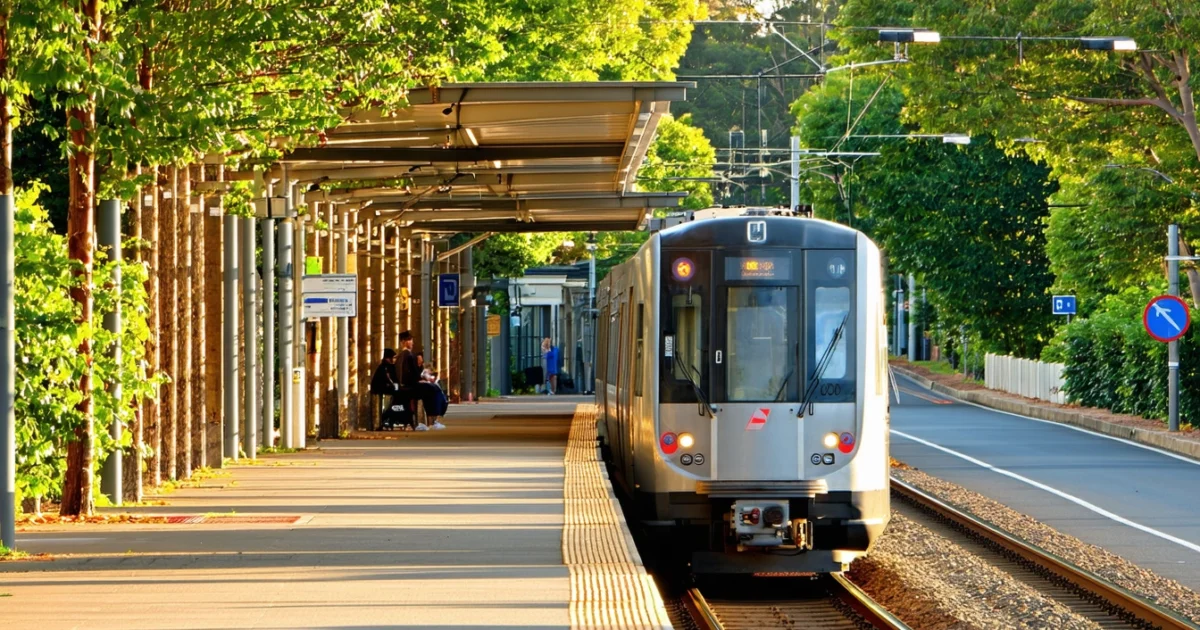
Keon Park, Melbourne is a quiet residential suburb located in the northern region of Melbourne, approximately 16 kilometers from the CBD. This charming suburb is well-connected to the city via the Hurstbridge railway line, making it an attractive location for commuters seeking affordable housing with convenient public transport access.
Nestled between Reservoir and Preston, Keon Park offers a peaceful suburban lifestyle while maintaining excellent connectivity to Melbourne’s central business district. The suburb features Keon Park Railway Station as its transport hub, providing regular train services throughout the day.
Furthermore, the area boasts local amenities including the Keon Park Football Club, various parks and recreational facilities, plus essential services that cater to the community’s daily needs. Whether you’re planning to visit, move to the area, or simply need transport information, this comprehensive guide covers everything about Keon Park’s location, transport options, and local features.
TL;DR
- Keon Park is located 16km north of Melbourne CBD, bordered by Reservoir and Preston
- Keon Park Railway Station on the Hurstbridge line provides regular train services to the city
- Journey time to Flinders Street Station is approximately 25-30 minutes during peak hours
- Local amenities include Keon Park Football Club, parks, shops, and community facilities
- The suburb offers affordable housing with excellent public transport connectivity for commuters
Keon Park Location and Overview
Keon Park sits strategically in Melbourne’s northern suburbs, positioned approximately 16 kilometers from the central business district. This residential suburb occupies a prime location that balances suburban tranquility with urban accessibility. The area forms part of the City of Darebin and serves as a gateway between Melbourne’s inner and outer northern regions.
Geographically, Keon Park maintains clear boundaries with its neighboring suburbs. Reservoir borders the suburb to the north and west, while Preston extends along the southern boundary. Additionally, Thornbury touches the eastern edge, creating a well-defined suburban enclave. These boundaries establish Keon Park as a distinct community within Melbourne’s broader metropolitan area.
The suburb’s proximity to major Melbourne landmarks enhances its appeal for residents and visitors alike. Melbourne CBD lies just 16 kilometers south, making daily commutes highly manageable. Furthermore, the area provides convenient access to La Trobe University in nearby Bundoora and RMIT University’s Bundoora campus. Preston Market, one of Melbourne’s largest fresh food markets, operates within easy reach of Keon Park residents.
| Destination | Distance from Keon Park | Travel Method |
|---|---|---|
| Melbourne CBD | 16 km | Train/Car |
| Preston Market | 2 km | Walking/Cycling |
| La Trobe University | 8 km | Car/Bus |
| Melbourne Airport | 25 km | Car/Public Transport |
Residential characteristics define Keon Park’s suburban identity and community atmosphere. The suburb predominantly features single-family homes built between the 1950s and 1980s, creating a cohesive architectural landscape. Many properties sit on generous blocks that allow for gardens and outdoor living spaces. Moreover, the area maintains a quiet, family-friendly environment with tree-lined streets and well-maintained public spaces.
Population demographics reveal Keon Park’s diverse and stable community profile. According to recent census data, the suburb houses approximately 3,200 residents across roughly 1,400 households. The median age sits at 39 years, indicating a balanced mix of young families and established residents. Additionally, the area attracts first-home buyers and young professionals seeking affordable housing options with excellent transport links.
Cultural diversity enriches the community fabric of Keon Park. The suburb welcomes residents from various ethnic backgrounds, including established Australian families and newer migrants from European, Asian, and Middle Eastern countries. This diversity manifests in local businesses, community events, and the multicultural atmosphere that characterizes many of Melbourne’s northern suburbs.
Housing affordability makes Keon Park particularly attractive to first-time buyers and young families. Property prices remain significantly lower than inner Melbourne suburbs while still offering excellent connectivity to the city center. Consequently, the area experiences steady population growth as more people discover its combination of affordability, accessibility, and community amenities.
Keon Park Railway Station
Keon Park Railway Station serves as a vital transport hub connecting residents to Melbourne’s extensive rail network. Located at Station Street, Keon Park, this suburban station provides convenient access to the city center and surrounding areas. Furthermore, the station operates as an integral part of the Hurstbridge line, positioning itself strategically within Melbourne’s northern railway corridor.
The Hurstbridge line connects Keon Park to central Melbourne through a comprehensive network spanning 37 kilometers. Trains travel from Flinders Street Station in the city center to Hurstbridge in the outer northeast, with Keon Park serving as the tenth station along this route. Additionally, the line provides direct connections to major interchanges including Jolimont, Parliament, and Melbourne Central stations.
Platform Configuration and Station Layout
Keon Park Station features a single platform configuration with two tracks serving both directions of travel. The platform extends approximately 150 meters in length, accommodating six-car train sets that operate on the Hurstbridge line. Moreover, the station design follows Metro Trains Melbourne’s standard suburban layout with clear signage and passenger information displays.
Station infrastructure includes modern passenger information systems displaying real-time arrival and departure times. Digital screens provide updates on service disruptions, delays, and platform changes throughout the day. Consequently, commuters receive accurate information to plan their journeys effectively.
Accessibility Features and Disability Access
Accessibility compliance ensures Keon Park Station accommodates passengers with mobility requirements. The station provides wheelchair-accessible pathways from street level to the platform area. Additionally, tactile ground surface indicators guide visually impaired passengers along safe walking routes.
However, the station currently lacks lift access to the platform, requiring passengers to use stairs or ramps. Metro Trains Melbourne continues upgrading accessibility features across the network, with plans for enhanced disability access at various stations. Therefore, passengers with mobility challenges should check current accessibility options before traveling.
Station Facilities and Amenities
Passenger facilities at Keon Park Station include covered waiting areas protecting commuters from weather conditions. The station provides adequate shelter along the platform with seating arrangements for passenger comfort. Furthermore, bicycle storage facilities encourage sustainable transport options for local residents.
- Covered platform shelters with seating
- Bicycle racks and storage areas
- Passenger information displays
- Emergency communication systems
- Adequate lighting for evening travel
Security features include CCTV surveillance monitoring platform areas and station approaches. Emergency help points connect passengers directly to Metro Trains Melbourne’s control center when assistance is required. Additionally, regular security patrols ensure passenger safety during peak and off-peak hours.
Parking Availability and Capacity
Car parking facilities at Keon Park Station provide approximately 50 spaces for commuter use. The parking area operates on a first-come, first-served basis with no reservation system available. Moreover, parking remains free for rail passengers, making it an attractive option for drive-and-ride commuters.
Peak hour demand often exceeds available parking capacity, particularly during weekday morning periods. Consequently, early arrival ensures better parking availability for commuters traveling to the city center. Alternative transport options include local bus services and bicycle access to reduce parking pressure.
Myki Ticketing and Fare Zone Information
Keon Park Station operates within Myki Zone 2 of Melbourne’s integrated ticketing system. Passengers must touch on and touch off using Myki cards or mobile devices when entering and exiting the station. Furthermore, fare gates monitor passenger movement and ensure correct fare payment for all journeys.
Zone 2 fares apply to travel within the outer metropolitan area, with different pricing for peak and off-peak periods. Daily and weekly Myki passes offer cost-effective options for regular commuters traveling to Melbourne’s city center. Additionally, concession fares provide reduced pricing for eligible students, seniors, and healthcare cardholders.
Travel Tip
Train Services and Timetables
Keon Park Station operates on the Hurstbridge line, providing regular train services throughout the week. The station connects passengers to Melbourne’s city center with frequent departures during peak periods and consistent service during off-peak hours. Additionally, the Hurstbridge line serves as a vital transport link for residents traveling between outer northeastern suburbs and central Melbourne.
Service Frequency and Operating Hours
Weekday services commence at approximately 5:30 AM with the first citybound train departing Keon Park. Regular departures continue throughout the day until the final service around 12:30 AM the following morning. Furthermore, peak hour frequency increases to accommodate higher passenger demand during morning and evening commuter periods.
During peak hours (7:00-9:00 AM and 5:00-7:00 PM), trains typically operate every 10-15 minutes in both directions. Off-peak services maintain a consistent 20-30 minute frequency throughout the day. Consequently, passengers can rely on predictable service patterns for planning their daily commutes and leisure travel.
Journey Times to Key Destinations
| Destination | Travel Time | Distance |
|---|---|---|
| Flinders Street Station | 35-40 minutes | 22 km |
| Melbourne Central | 32-37 minutes | 20 km |
| Jolimont Station | 30-35 minutes | 18 km |
| Clifton Hill | 15-20 minutes | 8 km |
Travel times vary depending on service type and time of day, with express services reducing journey duration during peak periods. Direct trains to Flinders Street provide the most efficient route to Melbourne’s central business district. Moreover, connections at major interchange stations enable access to other metropolitan rail lines and tram networks.
Weekend and Public Holiday Services
Weekend train services operate with reduced frequency compared to weekday schedules. Saturday services typically commence around 6:00 AM and continue until midnight with trains departing every 20-40 minutes. Sunday services follow a similar pattern, though frequency may decrease during early morning and late evening periods.
Public holiday timetables generally follow Sunday service patterns with some variations for major holidays. Christmas Day and Good Friday feature significantly reduced services or complete suspension of operations. Therefore, passengers should check current timetables before traveling during holiday periods to avoid service disruptions.
Connection Points and Interchange Opportunities
Clifton Hill Station serves as the primary interchange point for Hurstbridge line passengers. This major junction connects to the Mernda line and provides access to additional suburban destinations. Furthermore, the interchange facilitates seamless transfers between different train services without requiring city loop travel.
City loop stations offer extensive connection opportunities to Melbourne’s comprehensive public transport network. Melbourne Central provides direct access to the metropolitan tram system and shopping precincts. Similarly, Flinders Street Station connects to all metropolitan train lines, regional V/Line services, and numerous tram routes throughout the city.
Real-time Information and Service Updates
Digital information displays at Keon Park Station provide real-time departure information and service announcements. The PTV Mobile app delivers live updates about delays, cancellations, and alternative transport options directly to passengers’ smartphones. Additionally, audio announcements keep waiting passengers informed about approaching trains and platform changes.
Service disruptions receive immediate notification through multiple communication channels including station displays, mobile applications, and Public Transport Victoria’s website. Planned maintenance works and weekend track closures are communicated well in advance to allow passengers to arrange alternative travel arrangements. Consequently, travelers can stay informed about service changes that may affect their journey plans.
Travel Planning Tip
Getting to and from Keon Park
Multiple transport options connect Keon Park Station to Melbourne’s broader network, providing commuters with flexible travel choices. The station serves as a crucial interchange point between metropolitan rail services and local bus networks. Moreover, well-planned road access and pedestrian pathways ensure convenient arrival and departure for all transport modes.
Train Connections from Melbourne CBD
Direct rail services operate between Keon Park Station and Melbourne’s central business district via the Hurstbridge line. Trains depart regularly throughout the day, connecting passengers to key city loop stations including Flinders Street, Parliament, and Melbourne Central. The journey typically takes approximately 35-40 minutes during peak periods.
Express services during morning and evening peak hours reduce travel times significantly for CBD-bound commuters. Additionally, weekend services maintain regular frequency, though journey times may extend slightly due to reduced express operations. Consequently, passengers can rely on consistent connectivity between Keon Park and Melbourne’s commercial heart.
Bus Services and Local Transport Links
SmartBus Route 903 provides crucial east-west connectivity through Keon Park, linking the area to major shopping centres and employment hubs. This high-frequency service operates seven days per week with stops located within walking distance of the railway station. Furthermore, local bus routes connect residential areas to the station precinct and surrounding suburbs.
- Route 566: Connects to Northland Shopping Centre via Reservoir
- Route 567: Services Preston and Thornbury areas
- Route 903 SmartBus: East-west corridor to Altona and Mordialloc
- Route 350: Links to Doncaster Shoppingtown
Night bus services extend public transport availability during late evening hours, particularly on weekends. These services ensure connectivity when train operations conclude for scheduled maintenance periods.
Driving Directions and Major Road Access
High Street provides the primary vehicular access route to Keon Park Station, connecting directly to Melbourne’s northern arterial road network. Drivers approaching from the city can access the area via Bell Street or the Metropolitan Ring Road (M80). Similarly, the nearby Plenty Road offers an alternative north-south corridor for regional traffic.
Limited kiss-and-ride parking facilities accommodate short-term vehicle stops for passenger drop-off and collection. However, long-term parking options remain restricted, encouraging public transport usage for daily commuting. Therefore, most drivers use the station for brief passenger transfers rather than all-day parking.
Walking and Cycling Paths to the Station
Dedicated pedestrian pathways connect surrounding residential streets to Keon Park Station entrances, ensuring safe access for walking commuters. The station features bicycle parking facilities with secure storage options for cyclists combining bike and train travel. Additionally, well-lit walkways enhance personal safety during early morning and evening travel periods.
Local cycling infrastructure includes designated bike lanes along major approach roads, facilitating safe bicycle access to the transport hub. Furthermore, the station’s proximity to residential areas makes walking a viable option for many local residents within a 800-metre catchment radius.
Nearby Transport Hubs and Connections
Reservoir Station serves as the closest major interchange point, located approximately 2.5 kilometres south of Keon Park. This facility provides additional bus connections and enhanced parking facilities for regional commuters. Meanwhile, Preston Station offers alternative access to the Mernda line and cross-suburban travel options.
The broader transport network includes connections to La Trobe University via dedicated bus services, making Keon Park an important access point for students and staff. Regional bus services also connect to outer metropolitan destinations, extending the station’s catchment area beyond immediate suburbs.
Transport Planning Tip
Local Amenities and Community Features
Keon Park provides residents with essential community facilities and recreational opportunities that enhance suburban living in Melbourne’s northern corridor. The suburb features a balanced mix of sporting venues, educational institutions, and commercial services that cater to diverse community needs.
Sporting Facilities and Recreation
Keon Park Football Club serves as the suburb’s primary sporting hub, hosting Australian Rules Football matches and community events throughout the year. The club operates from well-maintained facilities that include playing fields, clubrooms, and spectator areas. Additionally, the venue provides training opportunities for junior and senior players across multiple age groups.
Local parks and reserves offer recreational spaces for families and fitness enthusiasts seeking outdoor activities. These green spaces feature playground equipment, walking paths, and open areas suitable for informal sports and community gatherings. Moreover, the recreational facilities support active lifestyles while providing venues for neighbourhood social interaction.
Commercial Areas and Shopping
The suburb’s commercial precinct includes local shops and cafes that serve daily convenience needs for residents. These establishments provide essential services such as grocery shopping, postal services, and casual dining options. Furthermore, nearby shopping centres in adjacent suburbs offer expanded retail choices for household and specialty purchases.
Small business operators contribute to the local economy through automotive services, professional offices, and trade-related enterprises. Consequently, residents can access many services without travelling to major commercial districts in central Melbourne.
Educational Institutions
Primary and secondary schools within the catchment area provide educational opportunities for local families with school-aged children. These institutions offer both public and private schooling options that cater to different educational preferences and requirements. Additionally, specialized programs and extracurricular activities enhance the learning experience for students.
The proximity to La Trobe University via public transport connections makes Keon Park attractive to students and academic staff seeking affordable housing options. This accessibility supports the suburb’s appeal among young professionals and families pursuing higher education opportunities.
Healthcare and Community Services
Local healthcare services include medical centres and allied health practitioners who provide primary care services to community members. These facilities offer general practice consultations, specialist referrals, and preventive health programs. Moreover, community health initiatives support wellness programs and health education for residents.
Community centres host social programs, cultural events, and support services that strengthen neighbourhood connections and provide assistance to vulnerable community members. Therefore, these facilities play crucial roles in maintaining social cohesion and community wellbeing throughout the suburb.
History and Development
Keon Park Railway Station opened on 23 May 1889 as part of the original Heidelberg railway line extension. The Victorian Railways constructed this station to serve the growing residential areas in Melbourne’s northern suburbs. Initially, the station operated as a simple platform facility with basic passenger amenities and a modest station building.
During the early 20th century, the railway line played a crucial role in connecting outer suburban communities to Melbourne’s central business district. Furthermore, the station facilitated industrial development in the surrounding areas by providing reliable freight and passenger transport services. This connectivity attracted manufacturing businesses and residential developers to establish operations near the railway corridor.
The suburb of Keon Park experienced significant urban growth following World War II when government housing initiatives expanded residential development throughout Melbourne’s outer suburbs. Consequently, the Housing Commission of Victoria constructed numerous public housing estates in the area during the 1950s and 1960s. These developments transformed the previously rural landscape into a suburban residential community.
Notable historical milestones include the electrification of the Hurstbridge line in 1922, which improved service frequency and reliability for local commuters. Additionally, the station underwent major infrastructure upgrades during the 1980s when new platforms and accessibility features were installed. These improvements enhanced passenger safety and comfort while accommodating increased ridership demands.
Recent infrastructure developments have modernized the station’s facilities and improved connectivity throughout Melbourne’s rail network. The Victorian Government invested in level crossing removal projects and platform extensions during the 2010s to reduce traffic congestion and enhance public transport efficiency. Moreover, digital ticketing systems and real-time passenger information displays were installed to improve the overall travel experience.
The station’s historical significance extends beyond its transport function, as it witnessed the suburb’s transformation from agricultural land to a diverse residential community. Today, Keon Park Station continues to serve thousands of daily commuters while preserving its heritage value as part of Melbourne’s extensive railway network that has connected communities for over 130 years.
Frequently Asked Questions
Where is Keon Park located?
Keon Park is located in Melbourne’s northern suburbs, approximately 16 kilometers from the CBD. It sits within the City of Darebin and is bordered by Reservoir to the north and west, Preston to the south, and Thornbury to the east.
How do I get to Keon Park by train?
Keon Park is serviced by Keon Park Railway Station on the Hurstbridge line. Regular train services run throughout the day, with journey times to Flinders Street Station taking approximately 25-30 minutes during peak hours.
Where can I find the Keon Park station timetable?
You can find the current Keon Park station timetable on the Public Transport Victoria (PTV) website or mobile app. The station operates on the Hurstbridge line with regular services connecting to Melbourne’s city center and other metropolitan destinations.
What amenities are available in Keon Park?
Keon Park offers several local amenities including:
- Keon Park Football Club
- Various parks and recreational facilities
- Local shops and essential services
- Community facilities
- Easy access to Preston Market (2km away)
How long does it take to travel from Keon Park to Flinders Street?
The train journey from Keon Park Station to Flinders Street takes approximately 25-30 minutes during peak hours. Travel times may vary slightly depending on the time of day and any service disruptions.
What type of housing is available in Keon Park?
Keon Park predominantly features single-family homes built between the 1950s and 1980s. Many properties sit on generous blocks with gardens and outdoor living spaces, making it attractive for families and first-home buyers seeking affordable housing options.
How far is Keon Park from Melbourne Airport?
Keon Park is approximately 25 kilometers from Melbourne Airport. You can reach the airport by car or public transport, though a combination of train and bus services may be required for the most cost-effective public transport option.
What is the population of Keon Park?
According to recent census data, Keon Park houses approximately 3,200 residents across roughly 1,400 households. The median age is 39 years, indicating a balanced mix of young families and established residents.
Is Keon Park good for commuters?
Yes, Keon Park is excellent for commuters. The suburb offers affordable housing with convenient public transport access via the Hurstbridge railway line. Regular train services provide easy connectivity to Melbourne CBD and other metropolitan areas.
What universities are near Keon Park?
Keon Park provides convenient access to several universities:
- La Trobe University in Bundoora (8km away)
- RMIT University’s Bundoora campus
- Easy train access to city universities via the Hurstbridge line
Can I walk to Preston Market from Keon Park?
Yes, Preston Market is only 2 kilometers from Keon Park, making it easily accessible by walking or cycling. This proximity to one of Melbourne’s largest fresh food markets is a significant advantage for local residents.
What is the history of Keon Park?
Keon Park developed as a residential suburb primarily between the 1950s and 1980s. The area was established as part of Melbourne’s northern suburban expansion, with the railway station serving as a key transport hub that facilitated the suburb’s growth and development.
Is Keon Park family-friendly?
Absolutely! Keon Park maintains a quiet, family-friendly environment with tree-lined streets, well-maintained public spaces, parks, and recreational facilities. The suburb’s demographics show a balanced community with many young families choosing the area for its affordability and connectivity.
You May Also Like

What is Life Insurance? Complete Guide to Coverage & Benefits

Hydroseeding & Hydromulching Guide Australia 2026