Complete Adelaide Guide for International Students 2026

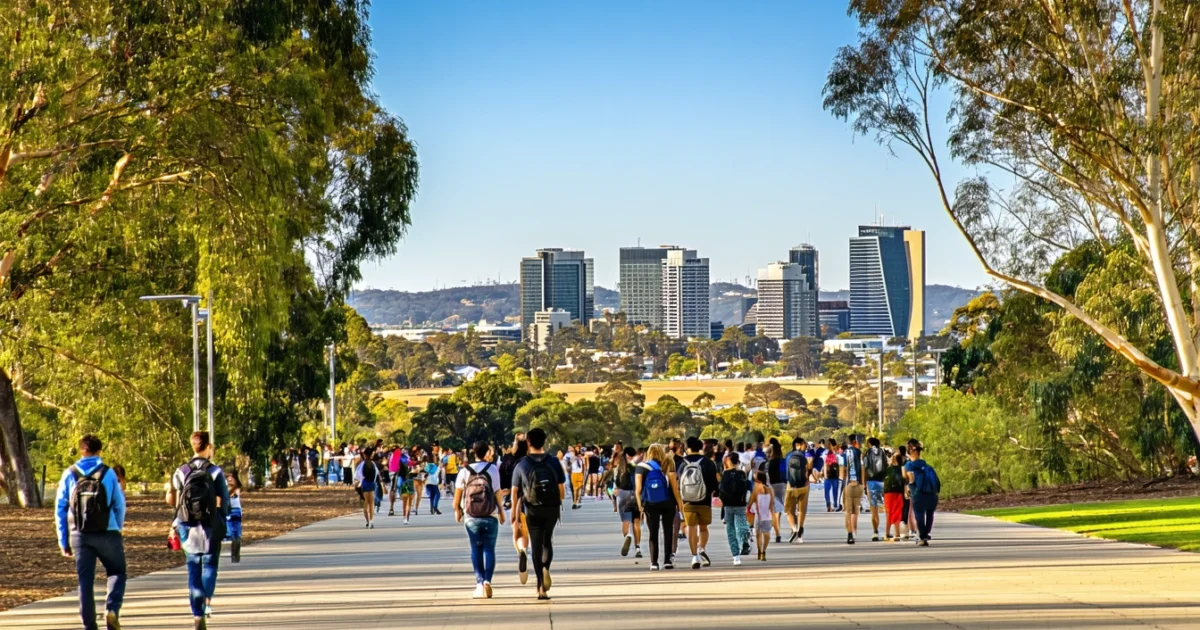
Living in Adelaide Guide for International Students reveals why South Australia’s capital offers an exceptional study experience with affordable living costs, world-class universities, and a welcoming multicultural community. Furthermore, Adelaide provides international students with significantly lower expenses compared to Sydney and Melbourne, while maintaining excellent educational standards through institutions like Adelaide University (formed from the 2026 merger of the former University of Adelaide and UniSA) and Flinders University. Additionally, the city’s Mediterranean climate, safe environment, and proximity to stunning natural attractions make it an ideal destination for overseas students.
This comprehensive guide covers everything from accommodation options and transportation systems to work opportunities and healthcare services. Moreover, you’ll discover practical tips for navigating Adelaide’s rental market, understanding student visa work rights, and accessing essential services like banking and healthcare. Meanwhile, we’ll explore the city’s vibrant cultural scene, social activities, and strategies for building meaningful connections within Adelaide’s diverse international student community.
Whether you’re considering Adelaide as your study destination or preparing for your arrival, this guide addresses common challenges while highlighting the unique advantages of choosing Australia’s education city. Consequently, you’ll gain valuable insights into managing living costs, finding suitable accommodation, and making the most of your international student experience in South Australia.
TL;DR
- Adelaide offers 30-40% lower living costs than Sydney/Melbourne with excellent universities and safe, multicultural environment
- Weekly expenses range $300-600 including accommodation, food, transport, and entertainment with numerous student discounts available
- Strong work opportunities for international students with 20-hour weekly work rights, plus comprehensive healthcare and support services
Why Choose Adelaide as an International Student
Adelaide stands as Australia’s education city, earning this prestigious title through its exceptional commitment to academic excellence and student-focused infrastructure. Furthermore, the city consistently ranks among the world’s most liveable destinations, offering international students an ideal balance of quality education, affordability, and lifestyle benefits.
World-Class Universities and Academic Excellence
The city hosts two renowned institutions that attract students globally. Adelaide University (formed from the 2026 merger of the University of Adelaide and UniSA) ranks among Australia’s Group of Eight research-intensive universities while also leading in industry connections and practical learning approaches. Flinders University excels in health sciences, social work, and innovative research programs.
These universities collectively offer over 400 degree programs across diverse fields including medicine, engineering, business, and creative arts. Moreover, Adelaide’s academic institutions maintain strong industry partnerships, providing students with valuable internship opportunities and career pathways upon graduation.
Significant Cost Advantages
Living expenses in Adelaide average 30-40% lower than Sydney and Melbourne, making it Australia’s most affordable capital city for international students. Consequently, students can enjoy a high quality of life without the financial strain experienced in larger metropolitan areas.
| Expense Category | Adelaide (Weekly) | Sydney/Melbourne (Weekly) | Savings |
|---|---|---|---|
| Shared Accommodation | $150-220 | $250-350 | 40% |
| Groceries | $80-120 | $100-150 | 25% |
| Public Transport | $25-35 | $40-60 | 35% |
| Entertainment | $50-80 | $80-120 | 30% |
These cost savings allow students to allocate more resources toward educational materials, travel experiences, and building emergency funds. Therefore, Adelaide provides excellent value for international students seeking quality education without excessive financial burden.
Safe and Welcoming Environment
Adelaide consistently ranks as one of Australia’s safest capital cities, with low crime rates and well-lit public spaces throughout the metropolitan area. Meanwhile, the city’s compact size enables easy navigation, reducing concerns about getting lost or finding yourself in unfamiliar areas late at night.
Local communities actively welcome international students through various support programs and cultural integration initiatives. Student visa holders benefit from dedicated support services at universities, including orientation programs, mentoring systems, and 24/7 emergency assistance hotlines.
Cultural Diversity and Multicultural Community
Over 25% of Adelaide’s population comprises overseas-born residents, creating a vibrant multicultural environment where international students feel genuinely welcomed. This diversity manifests through numerous cultural festivals, international food markets, and community celebrations throughout the year.
The city hosts significant populations from China, India, Vietnam, Italy, and the United Kingdom, among many other nations. Consequently, students can easily find cultural communities, authentic cuisine, and familiar products from their home countries while experiencing Australia’s unique culture.
Cultural Integration Tip
Gateway to Natural Attractions
Adelaide serves as the perfect base for exploring South Australia’s world-renowned attractions, offering students incredible weekend and holiday experiences. The famous Barossa Valley wine region sits just 60 minutes from the city center, while Kangaroo Island’s unique wildlife experiences are accessible via a short ferry journey.
Students can easily reach the stunning Adelaide Hills, pristine beaches along the Fleurieu Peninsula, and the rugged beauty of the Flinders Ranges. Furthermore, Adelaide’s central location provides affordable flight connections to other Australian cities and international destinations, making it an ideal hub for broader travel experiences.
The city’s Mediterranean climate ensures year-round outdoor activities, from beach visits and hiking to cycling and festival attendance. Therefore, students enjoy a perfect balance between academic pursuits and recreational opportunities that enhance their overall Australian experience.
Cost of Living in Adelaide for International Students
Understanding the cost of living in Adelaide helps international students plan their finances effectively and make informed decisions about their study abroad experience. Adelaide offers significantly more affordable living costs compared to other major Australian cities, making it an attractive destination for budget-conscious students.
Weekly Accommodation Costs by Type
| Accommodation Type | Weekly Cost (AUD) | Features |
|---|---|---|
| Shared Housing | $120-$200 | Private room, shared facilities |
| Student Housing | $180-$280 | Furnished, utilities included |
| Homestay | $250-$320 | Meals included, family environment |
| Studio Apartment | $300-$450 | Private bathroom, kitchenette |
Shared housing represents the most popular choice among international students, offering affordable accommodation while fostering social connections. Moreover, many students find shared houses in suburbs like Norwood, Unley, and Glenelg, which provide excellent public transport links to universities.
Student housing facilities typically include internet, electricity, and water in their weekly rates. Additionally, these accommodations often feature study areas, common rooms, and organized social activities that enhance the student experience.
Food and Grocery Expenses Breakdown
International students can expect to spend $80-$120 per week on groceries and food expenses, depending on their dietary preferences and cooking habits. Furthermore, Adelaide’s diverse food scene offers numerous budget-friendly options for students who prefer eating out occasionally.
- Grocery shopping: $60-$80 per week at major supermarkets (Coles, Woolworths, ALDI)
- Eating out: $15-$25 for casual dining, $8-$12 for food court meals
- Coffee: $4-$6 per cup at cafes, $2-$3 at university outlets
- International food: Asian groceries and halal options widely available
Students who cook regularly save significantly on food costs. Additionally, buying in bulk, shopping at discount supermarkets like ALDI, and taking advantage of weekly specials can reduce grocery expenses by 20-30%.
Transportation Costs and Options
Adelaide Metro provides comprehensive public transportation through buses, trains, and trams, with student concession fares making travel highly affordable. International students with valid student visas can access discounted public transport rates after applying for a student concession card.
- Student concession card: 50% discount on all public transport
- Daily cap: $4.60 for unlimited travel across all zones
- Monthly pass: $85-$95 for regular commuting
- Cycling: Free with bike purchase ($200-$500 for decent second-hand bikes)
- Walking: Adelaide’s compact city center makes walking highly practical
Many students combine cycling with public transport for optimal cost savings and flexibility. Consequently, Adelaide’s flat terrain and extensive bike paths make cycling a popular and economical transportation choice.
Utilities and Internet Expenses
Utility costs vary significantly depending on accommodation type and sharing arrangements. Most students living in shared housing split utility bills among housemates, making individual costs quite manageable.
| Utility | Monthly Cost (AUD) | Notes |
|---|---|---|
| Electricity | $30-$60 (shared) | Higher in summer (air conditioning) |
| Gas | $15-$25 (shared) | Heating and hot water |
| Internet | $15-$25 (shared) | NBN plans, unlimited data |
| Water | $10-$20 (shared) | Often included in rent |
Student accommodations frequently include utilities in their weekly rates, simplifying budgeting for international students. However, private rentals typically require separate utility arrangements and bill splitting among tenants.
Entertainment and Social Activities Budget
Adelaide offers numerous affordable entertainment options for international students, from free festivals and cultural events to discounted movie tickets and student club activities. Most students allocate $40-$80 per week for entertainment and social activities.
- Cinema tickets: $12-$15 (student discounts available)
- Gym membership: $15-$25 per week
- Nightlife: $20-$40 for drinks and cover charges
- Cultural events: Many free festivals, concerts, and exhibitions
- Sports activities: University clubs offer affordable membership rates
Universities provide extensive recreational facilities and organized social events at minimal cost. Therefore, students can maintain active social lives without exceeding reasonable entertainment budgets.
Comparison with Other Australian Cities
Adelaide consistently ranks as one of Australia’s most affordable cities for international students, offering substantial savings compared to Sydney, Melbourne, and Brisbane. These cost differences can significantly impact students’ overall study abroad budgets.
| City | Weekly Living Cost | Accommodation | Food |
|---|---|---|---|
| Adelaide | $400-$550 | $120-$320 | $80-$120 |
| Brisbane | $450-$650 | $150-$400 | $90-$140 |
| Melbourne | $500-$750 | $180-$450 | $100-$150 |
| Sydney | $600-$900 | $220-$550 | $110-$160 |
Students choosing Adelaide over Sydney can save approximately $200-$350 per week on living expenses. Similarly, Adelaide offers 15-20% lower costs compared to Melbourne and Brisbane, making it an excellent choice for budget-conscious international students.
Money-Saving Tips and Student Discounts
International students can significantly reduce their living costs through strategic planning and taking advantage of available student discounts throughout Adelaide. These savings strategies can reduce overall expenses by 20-30% when implemented consistently.
- Student ID benefits: Discounts at restaurants, retailers, and entertainment venues
- Bulk buying: Share grocery costs with housemates for better prices
- Second-hand shopping: Gumtree, Facebook Marketplace for furniture and electronics
- Free activities: Beach visits, hiking, festival attendance
- Part-time work: 48 hours per fortnight allowed on student visas
- University facilities: Free gym access, library resources, study spaces
Many students work part-time in hospitality, retail, or tutoring roles to supplement their income. Additionally, universities often provide on-campus employment opportunities specifically designed for international students.
Budget Planning Tip
Adelaide’s affordable cost of living, combined with excellent educational opportunities and quality of life, makes it an outstanding choice for international students. Therefore, students can focus on their studies and cultural experiences without excessive financial stress, creating a more enjoyable and successful study abroad experience.
Finding Accommodation in Adelaide
Securing suitable accommodation represents one of the most important decisions for international students arriving in Adelaide. Moreover, the city offers diverse housing options that cater to different budgets, preferences, and lifestyle needs. Students can choose between on-campus residence halls, off-campus apartments, homestay programs, and shared housing arrangements.
Student Accommodation Options: On-Campus vs Off-Campus
On-campus accommodation provides convenience and immediate access to university facilities, libraries, and social activities. Furthermore, residence halls typically include utilities, internet, and meal plans in their weekly rates. Universities like Adelaide University and Flinders University offer modern student villages with single and shared rooms ranging from $280-$450 per week.
Conversely, off-campus housing offers greater independence and often more affordable options for budget-conscious students. Additionally, off-campus rentals allow students to experience authentic Australian living while developing practical life skills. Many international students prefer this option after their first semester to reduce costs and gain more freedom.
Pros
- Convenient campus access
- Utilities included
- Built-in social community
- Security and support services
Cons
- Higher weekly costs
- Limited cooking facilities
- Strict rules and curfews
- Less independence
Best Suburbs for International Students
North Adelaide stands out as the premium choice for students seeking upscale living within walking distance of the city center. However, rental prices reflect this desirability, with studio apartments starting at $350 per week and shared houses ranging from $180-$250 per room. The suburb features excellent public transport connections and numerous cafes popular with university students.
Glenelg attracts international students who prioritize beachside living and vibrant nightlife. Subsequently, this coastal suburb offers a perfect blend of study and leisure activities. Rental costs typically range from $200-$300 per week for shared accommodation, while the tram system provides direct access to the city center in just 30 minutes.
Norwood provides an excellent middle-ground option with trendy restaurants, boutique shopping, and reasonable rental prices. Indeed, students can find quality shared housing for $160-$220 per week while enjoying easy bus connections to major universities. The Parade shopping strip offers diverse dining options and student-friendly venues.
Rental Market Overview and Average Prices
Adelaide’s rental market offers competitive prices compared to other major Australian cities, making it particularly attractive for international students. Specifically, the median rental costs remain 20-30% lower than Sydney or Melbourne, allowing students to allocate more budget toward education and experiences.
| Accommodation Type | Weekly Cost Range | Typical Features |
|---|---|---|
| Shared Room | $120-$180 | Shared bedroom, common areas |
| Private Room | $180-$280 | Own bedroom, shared facilities |
| Studio Apartment | $300-$450 | Self-contained, utilities extra |
| One-Bedroom Unit | $350-$500 | Private kitchen, bathroom |
How to Search for Accommodation
Successful accommodation hunting requires utilizing multiple search platforms and starting the process 6-8 weeks before arrival. Therefore, students should create a systematic approach combining online resources with university support services.
- Domain.com.au and Realestate.com.au for professional rental listings
- Flatmates.com.au for shared housing opportunities
- Facebook Marketplace and local student housing groups
- Gumtree.com.au for budget-friendly options
- University accommodation services and notice boards
- Student housing apps like Unilodgers and Student.com
University international student services provide invaluable assistance with accommodation searches, offering pre-arrival guidance and local market insights. Additionally, many institutions maintain partnerships with verified accommodation providers, ensuring safe and suitable housing options for new arrivals.
Understanding Rental Agreements and Tenant Rights
International students must understand their rental rights and responsibilities under South Australian tenancy laws before signing any accommodation agreements. Furthermore, proper documentation protects both tenants and landlords throughout the rental period.
Key rental agreement components include bond payments (typically 4 weeks’ rent), lease duration terms, utility responsibilities, and property condition reports. Students should carefully review all clauses and seek clarification on any unclear terms before committing to a lease agreement.
Important Legal Requirements
Homestay Programs and Benefits
Homestay arrangements provide international students with immersive cultural experiences while offering structured support during their initial adjustment period. Consequently, many students choose homestays for their first semester before transitioning to independent accommodation options.
Homestay benefits include meals provided, English language practice, cultural guidance, and emotional support from experienced host families. Costs typically range from $280-$350 per week including accommodation, meals, and utilities. Host families undergo thorough screening processes to ensure safe and welcoming environments for international students.
Shared Housing Etiquette and Tips
Successful shared housing requires clear communication, mutual respect, and understanding of Australian household customs. Moreover, establishing ground rules early prevents conflicts and creates harmonious living environments for all housemates.
Essential shared housing practices include cleaning rosters, grocery sharing agreements, quiet hours respect, and utility bill splitting. Students should discuss expectations regarding visitors, cleaning standards, and shared space usage before moving in together.
- Communicate openly about household preferences and concerns
- Respect shared spaces and clean up after yourself
- Contribute fairly to household expenses and utilities
- Be mindful of noise levels, especially during study periods
- Inform housemates about overnight guests in advance
- Participate in house meetings and decision-making processes
Successful shared housing experiences often lead to lasting friendships and provide excellent opportunities for cultural exchange. Therefore, international students should approach shared living with openness, flexibility, and willingness to learn from their Australian and international housemates.
Getting Around Adelaide: Transportation Guide
Adelaide offers comprehensive public transportation that connects international students to universities, shopping centers, and entertainment districts efficiently. Furthermore, the city’s compact design makes navigation straightforward for newcomers adjusting to Australian urban environments.
Adelaide Metro System: Your Gateway to the City
Adelaide Metro operates an integrated network of buses, trains, and trams serving metropolitan Adelaide and surrounding regions. Additionally, the system uses a unified ticketing structure that simplifies travel planning for international students navigating multiple transport modes.
The Glenelg tram line connects the city center to popular beachside destinations, while train services reach outer suburbs including university campuses. Bus routes provide comprehensive coverage throughout Adelaide’s residential areas, ensuring students can access accommodation options across the metropolitan region.
| Transport Mode | Coverage | Operating Hours | Frequency |
|---|---|---|---|
| Buses | Metropolitan wide | 5:00 AM – 11:30 PM | 15-30 minutes |
| Trains | 6 suburban lines | 5:30 AM – 12:00 AM | 15-60 minutes |
| Trams | City to Glenelg | 5:00 AM – 12:30 AM | 7-15 minutes |
Student Concessions and Money-Saving Transport Options
International students studying full-time qualify for student concession cards that reduce public transport costs by approximately 50%. Moreover, these concessions apply to all Adelaide Metro services including buses, trains, and trams throughout South Australia.
Students must apply for concession cards through their educational institution with valid enrollment documentation. The metroCARD system allows contactless payment and automatic fare calculation, while weekly and monthly passes provide additional savings for regular commuters.
Concession Application Tip
Cycling Infrastructure and Bike-Friendly Routes
Adelaide features extensive cycling infrastructure with over 120 kilometers of dedicated bike paths connecting universities, residential areas, and the city center. Consequently, many international students choose cycling as their primary transportation method due to cost-effectiveness and health benefits.
The River Torrens Linear Park Trail provides a scenic route from the Adelaide Hills to the coast, while dedicated bike lanes on major roads ensure safe commuting. Bike storage facilities at universities and shopping centers accommodate student cyclists throughout the metropolitan area.
- Free bike repair stations at university campuses
- Secure bike storage at train stations and shopping centers
- Bike sharing programs in the city center
- Dedicated cycling lanes on major arterial roads
- Integration with public transport for longer journeys
Walking Distances and Pedestrian-Friendly Design
Adelaide’s compact city layout enables international students to walk between major universities, shopping precincts, and entertainment districts within 15-20 minutes. Furthermore, the city’s grid system simplifies navigation for newcomers unfamiliar with Australian urban planning.
Adelaide University spans both the city center (the former University of Adelaide site) and nearby pedestrian-friendly routes (the former UniSA campuses). Flinders University requires public transport access, but surrounding areas offer pleasant walking environments for daily activities.
Ride-Sharing and Taxi Services
Uber and DiDi operate throughout Adelaide, providing convenient transportation options for late-night travel, airport transfers, and journeys to areas with limited public transport. Additionally, traditional taxi services remain available through phone booking and designated taxi ranks in the city center.
Ride-sharing costs typically range from $15-$25 for trips between universities and popular student accommodation areas. International students often share rides to reduce costs, particularly for airport transfers and weekend social activities.
Car Ownership Considerations for International Students
International students considering car ownership must obtain an Australian driver’s license, arrange comprehensive insurance, and budget for registration, fuel, and maintenance costs. However, Adelaide’s excellent public transport often makes car ownership unnecessary for students living near universities.
Students from countries with reciprocal licensing agreements can convert their international licenses, while others must complete driving tests. Parking costs in the city center range from $3-$8 per hour, making public transport more economical for daily university attendance.
Pros
- Freedom to explore South Australia's regions
- Convenience for grocery shopping and errands
- Potential for ride-sharing income opportunities
Cons
- High upfront purchase and ongoing maintenance costs
- Limited parking availability near universities
- Insurance costs for international students
Free City Connector Services
Adelaide provides free city connector buses that link major shopping areas, universities, and tourist attractions within the central business district. These services operate every 10-15 minutes during business hours, making short-distance travel completely cost-free for international students.
The City Connector service includes stops at Rundle Mall, Adelaide Railway Station, and the University of Adelaide campus. Tourist transport options like the Adelaide Explorer bus provide affordable sightseeing opportunities for students wanting to explore the city’s cultural attractions and surrounding regions.
Working While Studying in Adelaide
International students in Adelaide enjoy extensive work rights that enable them to support their studies while gaining valuable Australian work experience. Student visa holders can work up to 48 hours per fortnight during study periods and unlimited hours during scheduled course breaks. These work rights activate automatically once students commence their enrolled course, providing financial flexibility throughout their academic journey.
Student Visa Work Rights and Limitations
The 48-hour fortnightly limit applies to all work activities, including casual employment, internships, and volunteer positions that involve remuneration. Students must track their working hours carefully, as exceeding this limit can result in visa cancellation. However, work undertaken as part of mandatory course requirements doesn’t count toward the 48-hour restriction.
During official study breaks, international students can work unlimited hours, making summer and winter holidays ideal for intensive employment. Additionally, students pursuing master’s by research or doctoral degrees can work unlimited hours throughout their studies, reflecting the flexible nature of research-based programs.
Popular Part-Time Job Opportunities
Adelaide’s service industry offers numerous entry-level positions suitable for international students. Retail roles in shopping centers like Rundle Mall and Westfield Marion provide flexible scheduling around class timetables. Hospitality positions in restaurants, cafes, and bars remain consistently popular, with many establishments specifically seeking multilingual staff to serve diverse customer bases.
- Retail assistant positions in major shopping districts
- Food service roles in restaurants and cafes
- Customer service positions in call centers
- Tutoring opportunities for academic subjects
- Campus jobs at universities and libraries
- Delivery driver roles for food and package services
University campuses provide excellent employment opportunities through on-campus positions including library assistance, student services support, and research assistant roles. These positions often offer greater flexibility with academic schedules and provide networking opportunities within the university community.
Job Search Strategies and Platforms
Successful job hunting requires utilizing multiple platforms and networking approaches. Online job boards like Seek, Indeed, and Gumtree list thousands of part-time positions suitable for students. Meanwhile, direct applications to local businesses often yield better results than online applications alone.
University career services provide specialized support for international students, including resume workshops, interview preparation, and job placement programs. Many institutions maintain exclusive job boards featuring positions specifically designed for student workers with flexible scheduling requirements.
Networking through student associations, cultural groups, and community organizations opens doors to hidden job opportunities. Furthermore, attending job fairs and industry events helps students connect directly with potential employers and learn about company cultures before applying.
Understanding Australian Workplace Culture
Australian workplaces emphasize egalitarian principles where employees address supervisors by first names and contribute ideas regardless of hierarchy. Punctuality demonstrates respect for colleagues’ time, while open communication and teamwork form the foundation of most workplace relationships.
Work-life balance receives significant emphasis in Australian culture, with employers generally respecting students’ academic commitments. However, reliability and consistency in scheduled shifts build trust with supervisors and often lead to increased hours and responsibilities over time.
Tax Obligations and TFN Application
All working international students must obtain a Tax File Number (TFN) before commencing employment. The TFN application process takes 10-15 business days and requires proof of identity and visa status. Students without a TFN face the highest tax rate of 47% on all earnings.
International students typically pay tax rates between 19-32.5% depending on their annual income. However, students earning under $18,200 annually may receive full tax refunds when filing annual tax returns. Tax obligations include income tax, Medicare levy, and potentially superannuation contributions for permanent positions.
TFN Application Tip
Balancing Work and Study Commitments
Successful students develop time management strategies that prioritize academic performance while maintaining steady income. Creating detailed weekly schedules helps identify optimal work hours that don’t conflict with lectures, tutorials, or assignment deadlines.
Many students find working 15-20 hours per week provides adequate income without compromising academic results. Additionally, choosing employment related to your field of study can enhance learning outcomes and provide relevant experience for future career opportunities.
Communication with employers about academic commitments prevents scheduling conflicts during exam periods. Most Adelaide employers understand student priorities and offer flexible arrangements during assessment periods, particularly in industries accustomed to employing international students.
Minimum Wage and Fair Work Standards
Australia maintains robust worker protection laws that apply equally to international students. The national minimum wage currently stands at $23.23 per hour, with penalty rates for weekend, evening, and public holiday work. Casual employees receive an additional 25% loading to compensate for lack of leave entitlements.
| Employment Type | Minimum Hourly Rate | Additional Benefits |
|---|---|---|
| Casual | $29.04 | 25% casual loading |
| Part-time | $23.23 | Pro-rata leave entitlements |
| Weekend (Saturday) | $27.73 | Time and a quarter |
| Weekend (Sunday) | $34.85 | Time and a half |
Fair Work Australia protects employees from exploitation through mandatory break periods, maximum shift lengths, and proper notice for roster changes. International students experiencing workplace issues can access free advice through Fair Work ombudsman services and university support programs.
Understanding your employment rights prevents exploitation and ensures fair treatment in Australian workplaces. Moreover, maintaining records of worked hours, pay slips, and employment contracts provides essential documentation for tax returns and any potential workplace disputes.
Healthcare and Essential Services
International students must navigate Australia’s healthcare system to maintain their wellbeing throughout their studies. Overseas Student Health Cover (OSHC) provides mandatory medical insurance that covers essential healthcare services, hospital treatments, and prescription medications for the duration of your student visa.
Overseas Student Health Cover Requirements
All international students require OSHC coverage before arriving in Australia, with policies typically costing between $450-$650 annually for single coverage. Major providers include Medibank, Bupa, Allianz Care, and nib, each offering different coverage levels and additional benefits beyond basic requirements.
OSHC covers 85% of the Medicare Benefits Schedule fee for medical services, full coverage for public hospital treatments, and partial coverage for prescription medications listed on the Pharmaceutical Benefits Scheme. However, dental, optical, and physiotherapy services require additional coverage or out-of-pocket payments.
Finding Medical Care in Adelaide
Adelaide’s medical infrastructure provides comprehensive healthcare services through bulk-billing clinics that accept OSHC without upfront payments. Popular medical centers near universities include Adelaide Medical Centre, North Adelaide Medical Centre, and Wayville Family Practice, all offering extended hours for student convenience.
The Royal Adelaide Hospital serves as the city’s primary public hospital, providing emergency services and specialist treatments covered under OSHC. Additionally, Flinders Medical Centre in the south and Lyell McEwin Hospital in the north offer accessible healthcare options for students living in different areas.
- Bulk-billing clinics: No upfront payment required with OSHC
- After-hours services: Adelaide After Hours GP Clinics available until 10 PM
- Specialist referrals: GP referral required for specialist consultations
- Pathology services: SA Pathology provides blood tests and diagnostic services
Mental Health Support Services
International students face unique psychological challenges, including cultural adjustment, academic pressure, and social isolation. Beyond Blue offers 24/7 mental health support through their helpline (1300 22 4636), while Lifeline provides crisis support for students experiencing severe distress.
Each university maintains dedicated counseling services staffed by qualified psychologists who understand international student experiences. These services typically offer individual counseling, group therapy sessions, workshops on stress management, and crisis intervention support at no additional cost to enrolled students.
Mental Health Resources
Emergency Services and Hospital Access
Australia’s emergency services respond to 000 calls for police, fire, and ambulance assistance. Ambulance services in South Australia charge fees not fully covered by OSHC, making ambulance cover an important additional insurance consideration for international students.
Emergency departments at Royal Adelaide Hospital and Flinders Medical Centre operate 24/7, providing immediate treatment for serious medical conditions. Furthermore, after-hours GP clinics offer non-emergency medical care when regular practices close, preventing unnecessary emergency department visits.
| Emergency Service | Contact Number | Coverage Details |
|---|---|---|
| Police/Fire/Ambulance | 000 | Free emergency response |
| Poisons Information | 13 11 26 | 24/7 poison advice |
| Mental Health Triage | 13 14 65 | Crisis mental health support |
| Nurse On Call | 1300 606 024 | Health advice and guidance |
Pharmacy Services and Medications
Chemist Warehouse, Priceline Pharmacy, and Terry White Chemmart operate throughout Adelaide, offering prescription medications, over-the-counter treatments, and health consultations. Pharmacists provide valuable advice on medication interactions, dosage requirements, and alternative treatments for common health issues.
OSHC covers medications listed on the Pharmaceutical Benefits Scheme (PBS) up to the patient co-payment amount, typically $30-$50 per prescription. Consequently, students should always present their OSHC card when collecting prescriptions to receive appropriate coverage benefits.
Dental and Optical Care
Basic OSHC policies provide limited dental coverage, typically only emergency treatments and general check-ups up to $300 annually. Therefore, comprehensive dental care often requires additional private health insurance or out-of-pocket payments ranging from $150-$400 for routine treatments.
Optical care follows similar limitations, with OSHC covering basic eye examinations but not prescription glasses or contact lenses. However, several Adelaide optometry chains offer student discounts and payment plans to make vision care more affordable for international students on tight budgets.
University Health Services
University health centers provide convenient on-campus medical services staffed by qualified doctors and nurses familiar with student health needs. Adelaide University Health Service operates clinics at North Terrace and Waite campuses, while Flinders University Health offers comprehensive medical care at Bedford Park.
These services typically include general practice consultations, sexual health advice, travel medicine, immunizations, and health education programs. Most importantly, university health services understand the specific health challenges international students face and provide culturally sensitive care tailored to diverse student populations.
Pros
- Convenient on-campus locations
- Student-focused healthcare approach
- Bulk-billing arrangements with OSHC
- Extended hours during exam periods
Cons
- Limited specialist services available
- May have longer wait times
- Restricted to enrolled students only
- Basic facilities compared to private clinics
Adelaide's Climate and What to Expect
Adelaide enjoys a Mediterranean climate characterized by warm, dry summers and mild, wet winters. This climate pattern creates distinct seasonal variations that international students must understand for comfortable living throughout the year.
Mediterranean Climate Characteristics
The city experiences hot, dry summers from December to February with temperatures regularly exceeding 30°C (86°F). Meanwhile, winter months from June to August bring cooler temperatures averaging 15°C (59°F) with most of the annual rainfall occurring during this period.
Adelaide receives approximately 530mm of rainfall annually, with 70% falling between May and September. Additionally, the city enjoys over 2,500 hours of sunshine yearly, making it one of Australia’s sunniest capital cities for outdoor activities and study breaks.
Seasonal Weather Patterns and Temperatures
| Season | Months | Average High | Average Low | Rainfall |
|---|---|---|---|---|
| Summer | Dec-Feb | 29°C (84°F) | 16°C (61°F) | Low |
| Autumn | Mar-May | 23°C (73°F) | 12°C (54°F) | Moderate |
| Winter | Jun-Aug | 16°C (61°F) | 8°C (46°F) | High |
| Spring | Sep-Nov | 22°C (72°F) | 11°C (52°F) | Moderate |
Spring brings variable weather conditions with occasional thunderstorms and gusty winds. Furthermore, autumn offers the most pleasant temperatures for outdoor activities, making it ideal for exploring Adelaide’s parks and beaches during study breaks.
What Clothing to Pack for Different Seasons
Summer clothing essentials include lightweight cotton shirts, shorts, sundresses, and breathable fabrics that allow air circulation. Moreover, pack a wide-brimmed hat, quality sunglasses, and comfortable sandals for daily wear during the hottest months.
- Summer: Light cotton clothing, swimwear, sun hat, sunglasses, comfortable walking shoes
- Winter: Warm jacket, long pants, closed shoes, umbrella, layers for temperature changes
- Year-round: Versatile layers, waterproof jacket, comfortable walking shoes, casual and formal options
Winter requires layered clothing systems including a warm jacket, long pants, and closed-toe shoes for rainy days. However, Adelaide’s winter rarely requires heavy coats or snow gear, making it more affordable than colder Australian cities.
Dealing with Adelaide's Hot Summers
Extreme heat days above 40°C (104°F) occur several times each summer, requiring specific preparation and safety measures. Consequently, students must plan indoor activities during peak heat hours between 11 AM and 4 PM.
Heat Safety Alert
Air conditioning becomes essential during summer months, significantly impacting electricity bills for student accommodations. Therefore, budget an additional $50-100 monthly for cooling costs during December through February periods.
Winter Weather and Heating Considerations
Adelaide’s winter temperatures rarely drop below 5°C (41°F), but indoor heating becomes necessary for comfortable study conditions. Most student accommodations include heating systems, though electricity costs increase during winter months.
Rainy days occur frequently during winter, making waterproof clothing and sturdy umbrellas essential items. Additionally, indoor humidity can increase during wet periods, potentially affecting study materials and electronic equipment storage.
UV Protection and Sun Safety
Australia has the world’s highest skin cancer rates, making sun protection crucial for international students from less sunny climates. UV radiation remains dangerous even during cloudy days, requiring consistent protection measures throughout the year.
- Apply SPF 30+ sunscreen daily, reapplying every 2 hours
- Wear protective clothing covering arms and legs during peak UV hours
- Seek shade between 10 AM and 3 PM when UV levels peak
- Use quality sunglasses with UV protection for eye safety
The UV Index frequently reaches 10+ during summer, classified as extreme risk levels. Therefore, outdoor study sessions and recreational activities require careful timing and adequate protection to prevent sunburn and long-term skin damage.
Weather Apps and Resources
Bureau of Meteorology (BOM) provides official weather forecasts, warnings, and climate data through their website and mobile app. Similarly, the BOM app offers real-time radar, temperature alerts, and UV index information specifically for Adelaide conditions.
Popular weather apps among Adelaide residents include WeatherZone, Weatherman Plus, and ABC Weather for detailed local forecasts. Furthermore, these applications provide push notifications for severe weather warnings, helping students plan daily activities and transportation accordingly.
Emergency weather alerts reach mobile phones through the Emergency Alert system during extreme conditions like heatwaves or severe storms. Consequently, students should ensure their mobile phones receive government emergency broadcasts for safety during dangerous weather events.
Social Life and Cultural Activities
Adelaide’s vibrant social scene offers international students countless opportunities to build meaningful connections while experiencing Australian culture. The city’s compact size creates an intimate community atmosphere where students can easily navigate between cultural events, entertainment districts, and recreational activities.
Adelaide Festival and Cultural Events Calendar
The Adelaide Festival transforms the city each March into Australia’s premier arts celebration, featuring world-class theatre, dance, music, and visual arts performances. Additionally, the Adelaide Fringe Festival runs concurrently, offering over 1,300 events across 300 venues, making it the second-largest fringe festival globally.
Year-round cultural events include WOMADelaide world music festival, Adelaide Film Festival, and Tasting Australia food and wine celebration. Moreover, the Adelaide Cabaret Festival and OzAsia Festival provide diverse entertainment options that celebrate both local and international artistic traditions.
- March: Adelaide Festival and Fringe Festival
- May: Adelaide Film Festival
- June: Adelaide Cabaret Festival
- October: OzAsia Festival
- November: Tasting Australia
Student Clubs and Societies at Universities
Adelaide University hosts over 140 student clubs covering academic interests, cultural backgrounds, sports, and hobbies. Flinders University likewise maintains an extensive club network that helps international students find like-minded peers and develop new skills.
Popular student organizations include the International Student Association, various cultural societies representing different countries, and academic clubs related to specific study fields. Furthermore, leadership opportunities through student government positions allow international students to develop professional skills while contributing to campus community development.
Club membership typically costs between $5-20 annually, providing access to social events, networking opportunities, and skill development workshops. Consequently, joining multiple clubs enables students to explore diverse interests while building comprehensive social networks across different communities.
International Student Communities and Support Groups
Study Adelaide coordinates support services specifically designed for international students, including orientation programs, cultural adaptation workshops, and peer mentoring initiatives. Additionally, the Multicultural Communities Council of SA connects students with established immigrant communities throughout Adelaide.
Country-specific support groups operate through social media platforms and regular meetups, helping students maintain cultural connections while adapting to Australian life. For instance, groups like Indians in Adelaide, Chinese Students Association, and Latin American Community organize cultural celebrations, language exchange programs, and professional networking events.
Building Your Network
Nightlife and Entertainment Districts
Hindley Street serves as Adelaide’s primary nightlife hub, featuring diverse bars, clubs, and live music venues that cater to student budgets and preferences. Meanwhile, Rundle Street offers a more sophisticated entertainment scene with wine bars, cocktail lounges, and cultural venues.
The Adelaide Central Market area transforms into an evening entertainment precinct with rooftop bars and restaurants. Similarly, Gouger Street combines dining and nightlife options, while Peel Street hosts intimate venues perfect for live music and comedy performances.
Student-friendly venues offer $5-8 drinks during happy hours and special student nights with discounted entry fees. Therefore, international students can enjoy Adelaide’s nightlife without exceeding typical weekly entertainment budgets of $50-80.
Sports and Recreational Activities
Adelaide Oval hosts AFL matches and cricket games, providing international students with authentic Australian sporting experiences. Additionally, numerous recreational facilities offer affordable sports participation, including tennis courts, swimming pools, and basketball courts throughout metropolitan Adelaide.
The Adelaide Hills provide hiking and cycling opportunities just 30 minutes from the city center, while Glenelg Beach offers swimming, volleyball, and water sports activities. Furthermore, university sport clubs welcome international students regardless of skill level, promoting fitness and social interaction simultaneously.
- Free activities: Beach volleyball, hiking trails, park fitness equipment
- Low-cost options: Public swimming pools ($6), tennis courts ($15/hour)
- University sports: Gym membership ($200-300/year), club sports ($50-100/semester)
Volunteer Opportunities and Community Involvement
Volunteering SA&NT connects international students with community organizations seeking assistance, offering valuable work experience while contributing to local causes. Moreover, volunteer work enhances English language skills, cultural understanding, and professional networks essential for future career development.
Popular volunteer opportunities include environmental conservation projects, community event assistance, and aged care support programs. Additionally, many organizations provide training, references, and networking opportunities that benefit international students’ professional development and visa applications.
University volunteer programs coordinate student mentoring, campus tour guiding, and international student orientation assistance. Consequently, these roles develop leadership skills while helping new arrivals adapt to Adelaide’s academic and social environment.
Making Friends and Building Social Networks
International students successfully build friendships through shared accommodation, study groups, and regular activity participation rather than relying solely on formal social events. Therefore, consistency in attending classes, clubs, and community activities creates natural opportunities for meaningful relationship development.
Language exchange programs pair international students with local Australians seeking to learn foreign languages, creating mutually beneficial friendships while improving English proficiency. Similarly, conversation clubs and cultural exchange meetups provide structured environments for cross-cultural relationship building.
Social apps like Meetup, Bumble BFF, and Facebook Events help students discover local activities and connect with people sharing similar interests. Additionally, workplace friendships through part-time employment create diverse social connections beyond the university environment, enriching the overall Adelaide living experience.
Adelaide’s compact size means most social activities are within 30 minutes of each other, making it easy to maintain multiple friend groups and participate in diverse cultural experiences.
Essential Services and Administrative Tasks
International students must complete several administrative tasks within their first weeks in Adelaide to establish legal residency and access essential services. Furthermore, these foundational steps enable smooth integration into Australian systems while ensuring compliance with visa requirements.
Opening an Australian Bank Account
Major Australian banks including Commonwealth Bank, ANZ, Westpac, and NAB offer specialized student accounts with reduced fees and international transfer benefits. Additionally, students can open accounts online before arrival or visit branches within six weeks of entering Australia using their passport and student visa.
Student bank accounts typically waive monthly fees and provide free ATM access across Adelaide’s extensive banking network. Moreover, most banks offer mobile apps with budgeting tools specifically designed for international students managing living expenses and tuition payments.
Getting an Australian Phone Plan
Prepaid mobile plans from Telstra, Optus, and Vodafone provide flexible options for international students without requiring lengthy contracts or credit history. Consequently, students can start with affordable monthly plans ranging from $15-40 while maintaining connectivity throughout Adelaide and regional South Australia.
Budget providers like Aldi Mobile, Boost, and Amaysim offer competitive rates using major network infrastructure, making them popular choices among cost-conscious students. Therefore, comparing data allowances, international calling rates, and network coverage helps students select optimal plans for their communication needs.
Obtaining a Tax File Number (TFN)
The Tax File Number application through the Australian Taxation Office (ATO) website takes 10-15 business days for international students holding valid visas with work rights. However, students must apply for their TFN before starting any employment to avoid excessive tax deductions from their wages.
Students working without a TFN face 47% tax deductions on all earnings, making early application essential for financial planning. Additionally, the TFN enables tax return lodgment, potentially resulting in refunds for students working part-time while studying in Adelaide.
Registering with University Services
Student enrollment confirmation activates access to university libraries, health services, counseling support, and academic resources across Adelaide’s major institutions. Similarly, student ID cards provide discounted public transport, cinema tickets, and retail purchases throughout the city.
- Academic support services including tutoring and study skills workshops
- Health and wellbeing services with on-campus medical facilities
- Career development programs and internship placement assistance
- International student support offices for visa and accommodation guidance
Understanding Australian Consumer Rights
The Australian Consumer Law protects international students from unfair business practices, defective products, and misleading advertising across all purchases and service agreements. Furthermore, students have rights to refunds, repairs, or replacements when goods fail to meet acceptable quality standards.
Consumer protection extends to rental agreements, mobile phone contracts, and educational services, ensuring international students receive fair treatment in commercial transactions. Therefore, understanding these rights helps students navigate disputes and seek appropriate remedies when problems arise.
Emergency Contacts and Important Numbers
| Service | Contact Number | Purpose |
|---|---|---|
| Emergency Services | 000 | Police, Fire, Ambulance |
| Police Assistance | 131 444 | Non-emergency police help |
| Health Direct | 1800 022 222 | 24/7 health advice |
| Lifeline | 13 11 14 | Crisis support and suicide prevention |
| SES | 132 500 | Storm and flood assistance |
Government Services and Student Support
Services Australia provides Medicare enrollment for eligible international students, enabling access to subsidized healthcare and prescription medications throughout their studies. Additionally, the Department of Home Affairs offers visa information and compliance guidance for maintaining legal status in Australia.
Adelaide City Council operates community centers offering free services including internet access, meeting spaces, and cultural programs for international residents. Moreover, multicultural support organizations provide translation services, legal advice, and settlement assistance specifically designed for new arrivals navigating Australian systems.
Students experiencing financial hardship can access emergency relief funds through university welfare offices, while community organizations like the Salvation Army and Red Cross provide additional support during difficult periods. Consequently, multiple safety nets exist to help international students maintain their studies and wellbeing in Adelaide.
Exploring Adelaide and South Australia
Adelaide offers international students an exceptional blend of cultural attractions, natural beauty, and affordable entertainment options. Furthermore, the city’s compact layout makes exploring easy, while South Australia’s diverse regions provide endless weekend adventure opportunities.
Must-Visit Attractions in Adelaide City
Adelaide Oval stands as the city’s premier sporting venue, hosting AFL matches and cricket games throughout the year. Additionally, the Art Gallery of South Australia showcases impressive collections of Australian and international artworks, offering free admission to permanent exhibitions.
The Adelaide Zoo houses over 2,500 animals across beautifully landscaped grounds, while Botanic Gardens provides peaceful study spaces and stunning plant collections. Moreover, the South Australian Museum features fascinating displays of natural history and Aboriginal culture, making it essential for understanding local heritage.
Adelaide Hills and Wine Regions
Adelaide Hills offers cool climate wines and charming German heritage towns like Hahndorf, just 30 minutes from the city center. Similarly, the Barossa Valley produces world-renowned Shiraz wines and provides cellar door experiences perfect for weekend trips with friends.
Clare Valley specializes in exceptional Riesling wines, while McLaren Vale combines wine tasting with stunning coastal views. Consequently, these regions offer affordable group tours and public transport options, making wine exploration accessible for student budgets.
Beaches: Glenelg, Brighton, Henley
Glenelg Beach serves as Adelaide’s most popular coastal destination, accessible via the historic tram line from the city center. Additionally, the beach features swimming areas, volleyball courts, and numerous cafes offering affordable meals with ocean views.
Brighton Beach provides excellent swimming conditions and colorful beach boxes that create perfect photo opportunities for social media. Meanwhile, Henley Beach offers a more relaxed atmosphere with its long jetty and family-friendly facilities ideal for picnics and study breaks.
Day Trips and Weekend Getaways
Kangaroo Island showcases native wildlife and pristine landscapes just two hours from Adelaide, offering student discounts on ferry services. Furthermore, the Flinders Ranges provides spectacular hiking opportunities and Aboriginal rock art sites perfect for outdoor enthusiasts.
Victor Harbor combines coastal beauty with whale watching opportunities during migration season, while Murray River towns offer houseboating and water sports activities. Therefore, these destinations provide affordable accommodation options including hostels and camping facilities suitable for student groups.
Food and Dining Scene Highlights
Adelaide’s Central Market operates as Australia’s largest undercover fresh produce market, offering international cuisines and affordable ingredients for home cooking. Additionally, Gouger Street features diverse restaurants serving authentic Asian dishes at student-friendly prices.
Rundle Street East provides trendy cafes and bars perfect for socializing, while Peel Street offers late-night dining options near university campuses. Moreover, many venues provide student discounts and happy hour specials, making dining out more accessible for international students managing tight budgets.
Shopping Areas: Rundle Mall, Central Market
Rundle Mall serves as Adelaide’s primary shopping precinct, featuring major department stores, fashion outlets, and the iconic Mall’s Balls sculpture. Similarly, the pedestrian-only zone hosts regular street performances and cultural events throughout the year.
Adelaide Central Market offers fresh produce, specialty foods, and international ingredients essential for cooking diverse cuisines in shared accommodation. Additionally, Jetty Road Glenelg provides beachside shopping with outlet stores and second-hand shops perfect for budget-conscious students.
Free Activities and Budget-Friendly Entertainment
Adelaide provides numerous free festivals throughout the year, including the Adelaide Fringe Festival and WOMADelaide, offering world-class entertainment without admission costs. Furthermore, the city’s extensive park lands provide free barbecue facilities, walking trails, and sports courts for recreational activities.
- Free museum days at major cultural institutions
- Beach activities including swimming and volleyball
- Hiking trails in Adelaide Hills and nearby ranges
- Library programs offering workshops and study spaces
- Community events in local parks and squares
University campuses regularly host free movie nights, cultural celebrations, and social events specifically designed for international students. Consequently, these activities help build friendships while exploring Australian culture without straining student budgets, making Adelaide an ideal destination for affordable student life.
Challenges and How to Overcome Them
While Adelaide offers excellent opportunities for international students, several challenges require proactive management and strategic planning. Understanding these obstacles beforehand helps students develop effective coping strategies and maintain academic success throughout their studies.
Common Disadvantages of Living in Adelaide
Limited nightlife options compared to Melbourne or Sydney can initially disappoint students accustomed to vibrant evening entertainment. However, Adelaide’s quality over quantity approach means fewer but higher-caliber venues, fostering closer community connections among international students.
The city’s smaller population creates a more intimate environment where students may feel everyone knows each other. Consequently, this tight-knit community offers stronger support networks but requires adjustment for those preferring anonymity in larger metropolitan areas.
Weather Considerations
Limited Public Transport Compared to Larger Cities
Adelaide Metro operates fewer routes and reduced frequency compared to Sydney’s or Melbourne’s extensive networks. Nevertheless, the system efficiently connects major student areas, universities, and the CBD with reliable tram, bus, and train services.
- Purchase a MetroCard for discounted student fares
- Download the Adelaide Metro app for real-time schedules
- Consider cycling as Adelaide features excellent bike paths
- Share ride costs with fellow students for weekend trips
- Walk when possible – Adelaide’s compact CBD makes most destinations accessible
Evening and weekend services operate less frequently than weekday schedules. Therefore, students should plan social activities around transport timetables or arrange alternative transportation for late-night events.
Smaller Job Market Considerations
Employment opportunities for international students exist primarily in hospitality, retail, and casual labor sectors. Moreover, Adelaide’s growing tech and healthcare industries increasingly offer part-time positions suitable for student visa work restrictions.
Competition for popular student jobs intensifies during semester breaks when domestic students also seek employment. Additionally, understanding Fair Work Australia regulations ensures international students receive proper wages and working conditions.
| Industry | Average Hourly Rate | Typical Roles |
|---|---|---|
| Hospitality | $22-28 | Waitstaff, Kitchen Hand, Barista |
| Retail | $21-25 | Sales Assistant, Cashier, Stock |
| Tutoring | $25-40 | Academic Support, Language Teaching |
| Campus Work | $23-30 | Library Assistant, Admin Support |
Dealing with Homesickness and Cultural Adjustment
Homesickness affects most international students during their first semester, particularly around cultural holidays and family celebrations. Furthermore, Adelaide’s multicultural community provides numerous cultural associations that help maintain connections to home traditions.
Cultural adjustment challenges include understanding Australian workplace culture, social etiquette, and academic expectations. Similarly, language barriers may persist even for proficient English speakers when encountering local slang and informal communication styles.
Pros
- Strong multicultural support networks
- Smaller city enables easier integration
- Regular cultural festivals and events
- University counseling services available
Cons
- Limited direct flights to some home countries
- Fewer ethnic restaurants than larger cities
- Smaller international student population
- Distance from major cultural centers
Academic Pressure and Study-Life Balance
Australian academic standards often differ significantly from international education systems, requiring adjustment to independent learning approaches and critical thinking emphasis. Consequently, many students initially struggle with assignment formats, referencing styles, and participation expectations.
Balancing 20-hour work limits with full-time study creates time management challenges for international students. Additionally, social integration requires time investment while maintaining academic performance and meeting visa requirements.
- Utilize university learning support centers for academic skills development
- Join study groups to share workload and build friendships
- Schedule regular breaks and recreational activities
- Seek help early when struggling with coursework
- Use campus mental health services for stress management
Building Professional Networks in a Smaller City
Professional networking opportunities in Adelaide require more intentional effort compared to larger cities with frequent industry events. However, the smaller professional community means stronger relationships and better mentorship opportunities for motivated students.
Industry associations host regular networking events, while universities organize career fairs connecting students with local employers. Moreover, LinkedIn becomes particularly valuable for connecting with Adelaide-based professionals in relevant fields.
Volunteering with local organizations provides networking opportunities while contributing to community development. Subsequently, these connections often lead to employment opportunities and professional references for future career advancement.
Resources for International Student Support
University international offices provide comprehensive support services including orientation programs, visa guidance, and emergency assistance. Furthermore, peer mentor programs connect new arrivals with experienced international students for practical advice and social integration.
Government agencies offer additional support through the Study Adelaide initiative, providing information about accommodation, employment, and community services. Additionally, multicultural centers throughout Adelaide offer language classes, cultural programs, and settlement assistance.
- Lifeline: 13 11 14 for crisis support and counseling
- Beyond Blue: Mental health resources and support groups
- Study Adelaide: Comprehensive student support services
- Multicultural Communities Council SA: Cultural integration programs
- Legal Aid SA: Free legal advice for students
Emergency support services operate 24/7 for international students facing urgent situations. Therefore, maintaining contact information for these services ensures access to help when needed, contributing to overall safety and well-being in Adelaide.
Frequently Asked Questions
How much does it cost to live in Adelaide as an international student?
Weekly living expenses in Adelaide range from $300-600 for international students, which is 30-40% lower than Sydney or Melbourne. This includes shared accommodation ($150-220), groceries ($80-120), public transport ($25-35), and entertainment ($50-80). The lower costs allow students to maintain a comfortable lifestyle while studying.
What are the main universities in Adelaide for international students?
Adelaide hosts two world-class universities: Adelaide University (formed from the 2026 merger of the University of Adelaide and UniSA, combining Group of Eight research strength with strong industry connections) and Flinders University (excellent for health sciences and social work). These institutions offer over 400 degree programs across diverse fields including medicine, engineering, business, and creative arts.
Can international students work while studying in Adelaide?
Yes, international students in Adelaide have 20-hour weekly work rights during study periods and unlimited hours during semester breaks. The city offers strong employment opportunities in hospitality, retail, tutoring, and part-time professional roles. Many students find work that complements their studies and helps cover living expenses.
Is Adelaide safe for international students?
Adelaide is considered one of Australia’s safest capital cities with low crime rates and a welcoming multicultural community. The city consistently ranks among the world’s most liveable destinations, offering international students a secure environment for studying and living. Public transport and campus areas are well-maintained and safe.
What accommodation options are available for international students in Adelaide?
International students can choose from several accommodation types:
- Shared housing: $150-220 per week
- Student accommodation: On-campus and purpose-built facilities
- Homestay: Living with local families
- Private rentals: Studios and one-bedroom apartments
How does Adelaide's climate compare to other Australian cities?
Adelaide enjoys a Mediterranean climate with warm, dry summers and mild winters. The weather is more moderate than the humidity of Brisbane or the unpredictable conditions of Melbourne. This pleasant climate allows for year-round outdoor activities and comfortable living conditions for international students.
What healthcare services are available to international students in Adelaide?
International students in Adelaide have access to comprehensive healthcare services through Overseas Student Health Cover (OSHC). The city has excellent medical facilities, including public hospitals, GP clinics, and specialized services. Many universities also provide on-campus health services and counseling support.
What are the disadvantages of living in Adelaide compared to larger cities?
While Adelaide offers many advantages, some students may find fewer entertainment options compared to Sydney or Melbourne, a smaller job market in certain industries, and limited international flight connections. However, these are often offset by lower living costs, better work-life balance, and easier access to natural attractions.
How does public transport work in Adelaide for students?
Adelaide’s public transport system includes buses, trains, and trams covering the metropolitan area. Students can access discounted fares with a student concession card, making weekly transport costs around $25-35. The system is reliable and connects major university campuses to the city center and suburban areas.
What cultural and social opportunities exist for international students in Adelaide?
Adelaide offers a vibrant cultural scene with festivals, museums, galleries, and multicultural events throughout the year. The city hosts the Adelaide Festival, Fringe Festival, and numerous cultural celebrations. International students can join university clubs, volunteer organizations, and community groups to build meaningful connections within the diverse student community.
How close is Adelaide to natural attractions and travel opportunities?
Adelaide provides excellent access to stunning natural attractions including the Adelaide Hills (30 minutes), Barossa Valley wine region (1 hour), and beautiful beaches along the coast. The city serves as a gateway to Kangaroo Island, the Flinders Ranges, and other South Australian destinations, making it ideal for students who enjoy outdoor activities and weekend trips.
What banking and financial services should international students know about in Adelaide?
International students can easily open bank accounts with major Australian banks in Adelaide. Most banks offer student-friendly accounts with no monthly fees and provide services like online banking, mobile apps, and ATM access. Students should compare options from Commonwealth Bank, ANZ, Westpac, and NAB to find the best fit for their needs.
You May Also Like

Best Hospitals in Australia (2026): The Complete City-by-City Guide

Best Hospitals in Darwin (2026): Public, Private and How to Choose