Strathtulloh Primary School Perth: Complete School Guide 2026

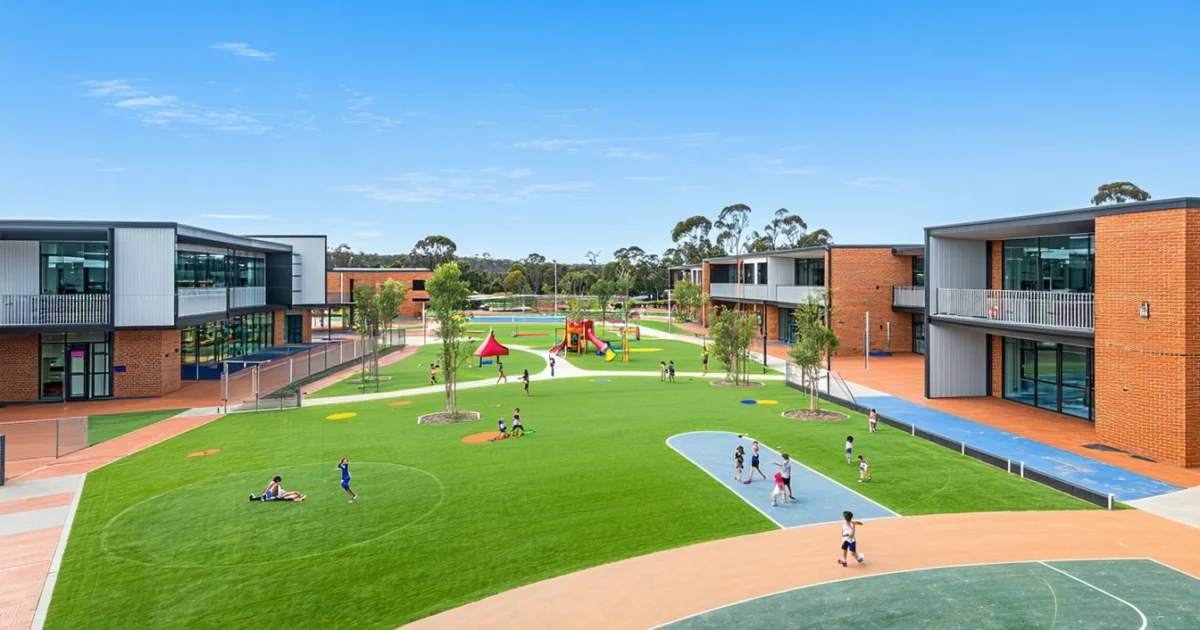
Strathtulloh Primary School is a well-established public primary school located in Perth, Western Australia, serving students from Kindergarten to Year 6 under the Department of Education Western Australia. This comprehensive educational institution offers a complete Western Australian Curriculum implementation alongside specialist programs in Physical Education, Arts, and Technologies. Furthermore, the school provides extensive support services including ESL programs for culturally diverse students and learning intervention programs.
Located within a defined catchment area, Strathtulloh Primary School maintains strong community connections through its Parent and Citizens Association and school council involvement. Additionally, the school offers before and after school care programs, making it a convenient choice for working families in the Perth metropolitan area.
The school’s facilities include modern classrooms, library resources, sports facilities, and specialist rooms for Arts, Science, and Technology. Moreover, students benefit from qualified teaching staff, small class sizes, and comprehensive student welfare programs that support both academic achievement and personal development.
TL;DR
- Strathtulloh Primary School is a Department of Education Western Australia public school serving K-6 students with comprehensive curriculum and specialist programs
- The school offers extensive support services including ESL programs, learning interventions, and before/after school care for working families
- Modern facilities include specialist rooms, sports areas, and digital learning resources with qualified teaching staff maintaining small class sizes
About Strathtulloh Primary School
Strathtulloh Primary School operates as a public educational institution under the Department of Education Western Australia, delivering quality primary education to students from Kindergarten through Year 6. The school embraces a comprehensive educational philosophy that balances academic excellence with personal development, ensuring every student receives individualized attention and support.
Located in Perth, Western Australia, this primary school serves the local community within its designated catchment area. The school’s strategic location provides families with convenient access to quality education while maintaining strong community ties through active parent participation and local partnerships.
Established several decades ago, Strathtulloh Primary School has built a solid reputation for educational excellence and community engagement. The school’s historical foundation reflects the growing educational needs of Perth’s expanding suburban communities during the late 20th century.
Current enrollment figures indicate the school maintains a manageable student population that allows for personalized attention and small class sizes. Additionally, the student demographics reflect the multicultural nature of Perth’s population, with students from diverse cultural and linguistic backgrounds contributing to a rich learning environment.
As part of the Department of Education Western Australia network, Strathtulloh Primary School adheres to state educational standards and curriculum requirements. This connection ensures students receive education that meets Western Australian Certificate of Education pathways while preparing them for successful transitions to secondary education. Moreover, the school benefits from departmental resources, professional development opportunities for staff, and standardized assessment protocols that maintain educational quality across the state system.
School Classification
School Leadership and Staff
Strathtulloh Primary School maintains a dedicated leadership team committed to educational excellence and student development. The current principal leads the school with extensive educational experience and a vision for innovative teaching practices. Furthermore, the leadership structure includes assistant principals and curriculum coordinators who oversee specific learning areas and student welfare programs.
The administrative team supports daily operations through efficient management of school resources and community communications. Additionally, these professionals coordinate parent engagement initiatives and maintain strong connections with local educational networks throughout Perth’s western suburbs.
Teaching Staff Qualifications and Experience
Teaching qualifications at Strathtulloh Primary School meet rigorous Western Australian standards for primary education. All classroom teachers hold Bachelor of Education degrees or equivalent qualifications from recognized Australian universities. Moreover, many staff members possess additional specializations in areas such as special education, English as a Second Language (ESL), and gifted and talented education.
The teaching team brings diverse experience from various educational settings across Australia. Consequently, this breadth of experience enriches classroom instruction and provides students with exposure to different pedagogical approaches. Professional experience ranges from newly graduated educators to veteran teachers with decades of classroom expertise.
Support Staff and Administrative Team
Educational assistants provide crucial support for students with diverse learning needs throughout the school. These professionals work closely with classroom teachers to implement individualized learning plans and support inclusive education practices. Additionally, the school employs specialist support staff including a school psychologist, speech therapist, and occupational therapist on a part-time basis.
The administrative team includes office managers, registrars, and maintenance personnel who ensure smooth daily operations. Furthermore, library staff and information technology coordinators support digital literacy initiatives and resource management across all year levels.
Professional Development and Teaching Standards
Professional development opportunities align with Australian Professional Standards for Teachers and Department of Education requirements. Staff participate in regular training sessions covering curriculum updates, assessment practices, and innovative teaching methodologies. Moreover, the school supports teachers pursuing advanced qualifications and specialized certifications.
Collaborative planning sessions occur weekly, allowing teachers to share best practices and develop cross-curricular connections. Additionally, the school maintains partnerships with leading educational institutions for ongoing professional learning opportunities and research-based teaching strategies.
Staff-to-Student Ratios and Class Sizes
Class sizes at Strathtulloh Primary School typically range from 20 to 25 students per classroom, ensuring personalized attention for each learner. This student-to-teacher ratio allows for differentiated instruction and individualized support across all year levels. Furthermore, smaller class sizes facilitate stronger teacher-student relationships and more effective classroom management.
Specialist classes including physical education, music, and visual arts maintain even smaller ratios to maximize hands-on learning opportunities. Additionally, intervention programs operate with significantly reduced class sizes, often featuring one-on-one or small group instruction for students requiring additional academic support.
Teaching Excellence
Academic Programs and Curriculum
Strathtulloh Primary School implements the comprehensive Western Australian Curriculum across all year levels, ensuring students receive nationally recognized educational standards. The curriculum framework provides structured learning pathways while allowing flexibility for innovative teaching approaches. Additionally, the school aligns its programs with Australian Curriculum Assessment and Reporting Authority (ACARA) guidelines to maintain consistency with national educational objectives.
Teachers deliver core subject areas through integrated learning experiences that connect multiple disciplines. Furthermore, the school emphasizes cross-curricular connections to help students understand real-world applications of their learning. Regular curriculum reviews ensure programs remain current with educational research and industry demands.
Core Subject Areas
English programs focus on developing literacy skills through reading, writing, speaking, and listening activities. Students engage with diverse texts including fiction, non-fiction, poetry, and digital media to build comprehension and critical thinking abilities. Moreover, the school implements phonics-based instruction for early years students while advancing to complex literary analysis for upper primary learners.
Mathematics instruction emphasizes problem-solving strategies and real-world applications of numerical concepts. The curriculum covers number and algebra, measurement and geometry, and statistics and probability domains. Additionally, teachers use manipulatives and digital tools to support visual and kinesthetic learners in understanding abstract mathematical concepts.
Science education encourages inquiry-based learning through hands-on experiments and investigations. Students explore biological sciences, chemical sciences, physical sciences, and earth and space sciences through age-appropriate activities. Furthermore, the school maintains well-equipped science laboratories and outdoor learning spaces to support practical scientific exploration.
Humanities and Social Sciences (HASS) programs develop students’ understanding of history, geography, civics, and economics. Through project-based learning, students investigate local and global issues while developing research and analytical skills. Consequently, learners gain appreciation for cultural diversity and civic responsibility within their community and beyond.
Specialist Programs
Physical Education programs promote healthy lifestyles through structured fitness activities and competitive sports. Students develop fundamental movement skills, teamwork abilities, and sportsmanship values through diverse physical challenges. Moreover, the school offers specialized coaching in swimming, athletics, and team sports to cater for varying interests and abilities.
Arts education encompasses visual arts, music, drama, and dance to foster creative expression and cultural appreciation. Students explore various artistic mediums while developing technical skills and aesthetic understanding. Additionally, regular performances and exhibitions showcase student achievements and build confidence in public presentation.
Technologies programs introduce students to digital literacy, design thinking, and problem-solving through practical applications. The curriculum includes coding, robotics, and engineering challenges that prepare students for future technological demands. Furthermore, students learn responsible digital citizenship and cyber safety practices essential for modern communication.
Learning Support and Intervention
Comprehensive learning support programs identify and address individual student needs through targeted interventions. Educational support staff work collaboratively with classroom teachers to develop personalized learning plans for students requiring additional assistance. Subsequently, regular progress monitoring ensures interventions remain effective and adjust to changing student requirements.
Reading recovery programs support students experiencing literacy difficulties through intensive one-on-one instruction. Mathematics intervention groups provide additional practice and alternative teaching strategies for numeracy challenges. Consequently, these targeted approaches help students achieve grade-level expectations while building confidence in their abilities.
Gifted and Talented Provisions
Gifted and talented programs extend high-achieving students through enrichment activities and accelerated learning opportunities. Teachers identify exceptional abilities through multiple assessment methods including academic performance, creative thinking, and leadership potential. Additionally, the school provides mentoring relationships and advanced project work to challenge intellectually gifted learners.
Extension programs include academic competitions, leadership roles, and collaborative projects with secondary schools. Students participate in specialized workshops covering advanced topics beyond standard curriculum requirements. Therefore, these provisions ensure gifted learners remain engaged and motivated throughout their primary education journey.
ESL Support Services
English as a Second Language (ESL) support assists culturally diverse students in developing English proficiency while maintaining their cultural identity. Specialized ESL teachers provide targeted instruction in language fundamentals, academic vocabulary, and communication skills. Furthermore, the school celebrates multilingualism as an asset while ensuring all students access mainstream curriculum content.
Cultural liaison officers facilitate communication between families and school staff to support student integration. Translation services and multicultural events promote understanding and inclusion across the school community. Ultimately, these comprehensive support systems help ESL students achieve academic success while preserving their cultural heritage and family connections.
School Facilities and Resources
Strathtulloh Primary School provides comprehensive facilities designed to support diverse learning experiences across all year levels. Modern classroom facilities feature flexible learning spaces that accommodate various teaching methodologies and student needs. Additionally, the school’s infrastructure supports both traditional instruction and contemporary educational approaches through thoughtfully designed environments.
Classroom Facilities and Learning Spaces
Contemporary classrooms incorporate interactive whiteboards, flexible seating arrangements, and abundant natural lighting to enhance student engagement. Each learning space provides adequate storage, display areas for student work, and climate control systems for year-round comfort. Furthermore, breakout spaces adjacent to classrooms enable small group activities and individualized instruction sessions.
Collaborative learning areas connect multiple classrooms, allowing teachers to implement team-teaching approaches and cross-curricular projects. These shared spaces feature moveable furniture that adapts to different group sizes and learning activities. Moreover, outdoor learning environments extend classroom instruction into natural settings, promoting environmental awareness and hands-on exploration.
Library and Digital Learning Resources
The school library serves as a central hub for research, reading, and digital literacy development across all year levels. Extensive book collections include fiction, non-fiction, and reference materials aligned with curriculum requirements and student interests. Additionally, digital resources provide access to online databases, educational software, and multimedia learning materials.
Qualified teacher-librarians guide students in developing information literacy skills and research methodologies. Reading programs encourage lifelong learning habits while supporting diverse reading abilities and preferences. Therefore, the library environment fosters independent learning and collaborative research projects throughout the academic year.
Sports Facilities and Playground Equipment
Physical education facilities include multipurpose courts for basketball, netball, and indoor sports activities during various weather conditions. Outdoor playing fields accommodate cricket, soccer, and athletics programs that promote physical fitness and teamwork skills. Furthermore, age-appropriate playground equipment provides safe recreational opportunities during break times and after-school programs.
Specialized sports storage areas house equipment for various physical activities and interschool competitions. Shaded areas and seating provide comfortable spaces for spectators during sporting events and outdoor assemblies. Consequently, these facilities support the school’s commitment to developing healthy, active lifestyles among all students.
Specialist Rooms for Arts, Science, and Technology
Dedicated art rooms feature specialized equipment for visual arts, including pottery wheels, painting stations, and display areas for student exhibitions. Science laboratories provide hands-on learning opportunities with safety equipment, microscopes, and experimental materials aligned with curriculum standards. Meanwhile, technology rooms house computers, robotics equipment, and digital design tools that prepare students for future learning.
Music rooms include acoustic treatments, various instruments, and recording equipment for performance and composition activities. Drama spaces offer flexible staging areas and costume storage for theatrical productions and creative expression. Subsequently, these specialist facilities enable students to explore diverse interests and develop talents across multiple disciplines.
Accessibility Features and Inclusive Design
Universal design principles ensure all students can access learning spaces regardless of physical abilities or mobility requirements. Ramps, accessible toilets, and wide doorways accommodate wheelchairs and mobility aids throughout the school campus. Moreover, hearing loops, visual aids, and adjustable furniture support students with sensory impairments and diverse learning needs.
Quiet spaces provide retreat areas for students who require sensory breaks or focused learning environments. Clear signage and wayfinding systems help students navigate the campus independently and confidently. Therefore, inclusive design features create an equitable learning environment where all students can participate fully in educational activities.
Technology Infrastructure and Digital Devices
Robust internet connectivity supports digital learning initiatives and online educational resources across all classrooms and common areas. Device programs provide students with access to tablets, laptops, or computers appropriate for their year level and learning objectives. Additionally, charging stations and technical support ensure technology remains functional and accessible throughout the school day.
Interactive displays and projection systems enable multimedia presentations and collaborative digital activities in various learning spaces. Network security measures protect student data while allowing appropriate access to educational websites and online learning platforms. Ultimately, comprehensive technology infrastructure prepares students for digital citizenship and modern connectivity requirements in their future educational and career pursuits.
Enrollment and Admissions
Strathtulloh Primary School serves families within its designated catchment area, which encompasses the growing residential developments of Strathtulloh and surrounding neighborhoods. Furthermore, the school’s enrollment zone includes specific streets and postcodes that determine automatic admission eligibility for local families. Boundary maps are available through the school office and provide clear guidance on catchment area limits.
Enrollment applications require completion of standard Victorian government forms along with supporting documentation. Additionally, parents must provide proof of residence within the catchment area, such as utility bills or rental agreements dated within the past three months. Birth certificates, immunization records, and previous school reports form essential components of the application package.
Kindergarten and Transition Programs
Kindergarten transition programs help young learners adapt to primary school environments through structured orientation activities. These programs typically run during Term 4 and include classroom visits, playground exploration, and meet-and-greet sessions with teachers. Moreover, transition activities familiarize children with school routines, expectations, and social interactions before their official enrollment begins.
Pre-primary programs bridge the gap between early childhood education and formal schooling through age-appropriate learning activities. Consequently, these initiatives support children’s emotional, social, and academic readiness for Foundation year studies. Parent information sessions accompany transition programs to ensure families understand school policies, procedures, and communication channels.
Application Process and Requirements
- Completed enrollment form with parent/guardian signatures
- Proof of residence within the catchment area
- Birth certificate or passport for age verification
- Immunization records from healthcare providers
- Previous school reports for transfer students
- Court orders or custody documents where applicable
Mid-year enrollment procedures accommodate families relocating to the area throughout the academic year. However, class placement depends on available spaces and appropriate year level matching for incoming students. School administrators assess transfer students’ academic progress and may recommend additional support services to ensure smooth transitions.
Waiting Lists and Out-of-Area Applications
Out-of-area applications are considered when enrollment capacity permits after accommodating all catchment area students. Waiting lists operate on a first-come, first-served basis for families seeking placement outside the designated school zone. Nevertheless, priority may be given to siblings of current students or families with special circumstances requiring consideration.
Application deadlines typically fall in August for the following year’s enrollment, though specific dates vary annually. Early submission ensures optimal placement opportunities and allows sufficient time for transition program participation. Therefore, families should contact the school office directly to confirm current enrollment procedures and availability.
Important Note
Immunization requirements follow Victorian government health standards and must be current before school commencement. Additionally, medical conditions, allergies, or special needs should be disclosed during enrollment to ensure appropriate support services are arranged. School nurses and support staff work collaboratively with families to develop individualized care plans where necessary.
School Operations and Policies
Strathtulloh Primary School operates comprehensive policies designed to create a structured learning environment for all students. Furthermore, these operational frameworks ensure consistency in educational delivery while maintaining clear expectations for families and staff members.
School Hours and Daily Schedule
The school day commences at 9:00 AM with classes concluding at 3:30 PM from Monday through Friday. Additionally, supervision begins at 8:45 AM for students arriving early, while after-school supervision extends until 3:45 PM for collection purposes.
Break periods include a morning recess from 11:00 AM to 11:30 AM and lunch break from 1:30 PM to 2:30 PM. Moreover, specialist classes such as physical education, arts, and library sessions are integrated throughout the weekly timetable to provide diverse learning opportunities.
Term Dates and School Calendar for 2026
| Term | Start Date | End Date | Duration |
|---|---|---|---|
| Term 1 | January 29, 2026 | March 27, 2026 | 9 weeks |
| Term 2 | April 14, 2026 | June 26, 2026 | 11 weeks |
| Term 3 | July 13, 2026 | September 18, 2026 | 10 weeks |
| Term 4 | October 5, 2026 | December 18, 2026 | 11 weeks |
Public holidays and pupil-free days are scheduled throughout each term for professional development and administrative purposes. Consequently, families receive advance notice of these dates through the school newsletter and official communications to plan accordingly.
Uniform Policy and Dress Code Requirements
The Strathtulloh Primary School uniform consists of navy blue polo shirts, grey shorts or skirts, and navy blue jumpers bearing the school logo. Similarly, students must wear black leather school shoes with white socks, while sports uniforms include navy blue shorts and house-colored polo shirts for physical education classes.
- Navy blue polo shirts with school logo
- Grey tailored shorts or pleated skirts
- Navy blue knitted jumpers or cardigans
- Black leather school shoes (no sneakers)
- Navy blue school hat for outdoor activities
- House-colored shirts for sports days
Hair accessories must complement the school colors, while jewelry is limited to watches and small stud earrings for safety reasons. Additionally, the uniform shop operates on designated days for purchases and exchanges throughout the school year.
Attendance Policy and Procedures
Regular attendance is essential for academic progress, with the school maintaining detailed records of student presence and absence patterns. Therefore, parents must notify the school office before 9:30 AM when children cannot attend due to illness or family circumstances.
Extended absences require written explanation and may necessitate completion of absence forms for official documentation. Furthermore, the school follows up on unexplained absences through phone contact and may implement attendance improvement plans for students with chronic absenteeism issues.
Behavior Management and Student Welfare
Positive behavior support forms the foundation of the school’s approach to student conduct and social development. Consequently, the school implements a tiered system recognizing good choices while addressing inappropriate behavior through restorative justice practices and clear consequences.
Student Wellbeing Focus
Classroom teachers establish consistent expectations while specialist staff provide targeted interventions for students experiencing social or emotional challenges. Moreover, the school maintains anti-bullying policies with clear reporting procedures and follow-up protocols to ensure safe learning environments.
Communication Channels with Families
The school utilizes multiple communication platforms to maintain strong family partnerships throughout the academic year. Additionally, the weekly newsletter provides updates on school events, curriculum information, and important administrative notices for all families.
- Weekly digital newsletters via email
- School app for urgent notifications
- Parent-teacher interview sessions twice yearly
- Class representative meetings each term
- Principal’s open door policy for concerns
- Social media updates on school activities
Parent-teacher conferences occur in Term 2 and Term 4 to discuss student progress and set learning goals collaboratively. Furthermore, families can request additional meetings throughout the year to address specific concerns or celebrate achievements with classroom teachers and specialist staff.
Extended Care and Support Services
Strathtulloh Primary School provides comprehensive extended care services that support working families throughout the school year. Additionally, these programs ensure students receive quality supervision and engaging activities during before and after school hours.
Before and After School Care Programs
The school operates before school care from 7:00 AM until the start of classes, providing a safe environment where children can enjoy breakfast and participate in quiet activities. Meanwhile, after school care runs from 3:30 PM until 6:00 PM, offering homework support, recreational activities, and nutritious afternoon snacks.
Qualified childcare professionals supervise all extended care sessions while maintaining appropriate child-to-staff ratios for safety and engagement. Furthermore, the program includes both indoor and outdoor activities tailored to different age groups and interests.
Vacation Care Services
School holiday programs operate during term breaks to support families who require care during vacation periods. Consequently, these programs feature excursions, creative workshops, sports activities, and educational experiences designed to keep students engaged and learning.
Vacation care services typically run from 7:30 AM to 6:00 PM on weekdays during school holidays. Moreover, the program includes both on-site activities and supervised excursions to local attractions and recreational facilities.
School Canteen and Healthy Eating
The school canteen operates multiple days per week, providing nutritious lunch options that meet dietary guidelines for growing children. Additionally, the canteen menu emphasizes fresh ingredients, balanced nutrition, and affordable pricing for all families.
- Fresh sandwiches and wraps with lean proteins
- Seasonal fruit cups and vegetable sticks
- Whole grain options and dairy products
- Special dietary accommodations for allergies
- Water and milk as primary beverage choices
Parent volunteers often support canteen operations while healthy eating initiatives include nutrition education programs and kitchen garden activities. Furthermore, the school promotes waste-free lunch policies to encourage environmental responsibility.
Transport and School Bus Services
School bus services connect Strathtulloh Primary School with surrounding residential areas, providing safe and reliable transportation for eligible students. Meanwhile, the school coordinates with local transport providers to ensure routes cover the broader catchment area effectively.
Families can access information about transport options including bus routes, pickup times, and eligibility criteria through the school office. Additionally, the school maintains updated transport schedules and communicates any changes to affected families promptly.
Student Counseling and Wellbeing Support
Professional student counseling services provide emotional and social support for children experiencing various challenges or transitions. Consequently, the school counselor works individually with students while also facilitating group programs focused on resilience, friendship skills, and emotional regulation.
Wellbeing support programs include mindfulness activities, peer mediation training, and social skills development workshops. Moreover, the school maintains referral networks with external mental health professionals when students require specialized intervention or ongoing therapeutic support.
Special Needs Support and Inclusion
The school implements comprehensive special needs support programs that ensure all students can access quality education regardless of their individual learning requirements. Additionally, qualified education support staff work alongside classroom teachers to provide targeted assistance and accommodations.
Inclusion programs focus on creating supportive learning environments where students with disabilities participate fully in school activities and curriculum. Furthermore, the school develops individualized education plans in partnership with families, specialists, and external support services to maximize each student’s potential and achievement.
Regular case conferences ensure that support strategies remain effective while adaptive technologies and modified learning materials help students overcome specific barriers to learning. The school also provides professional development for staff to enhance their capacity to support diverse learning needs effectively.
Community Engagement and Extracurricular Activities
Strathtulloh Primary School fosters vibrant community connections through diverse engagement opportunities that strengthen relationships between families, students, and staff. Furthermore, the school’s comprehensive extracurricular program ensures students develop talents beyond academic subjects while building lasting friendships and community bonds.
Parent and Citizens Association Leadership
The Parent and Citizens (P&C) Association serves as the primary vehicle for parent involvement in school decision-making and community building activities. Additionally, P&C members collaborate with school leadership to organize fundraising events, advocate for student needs, and support educational initiatives that enhance learning outcomes.
Regular P&C meetings provide forums for parents to voice concerns, contribute ideas, and participate in strategic planning processes. Moreover, the association coordinates volunteer programs that support classroom activities, school events, and facility improvements throughout the academic year.
School Council and Community Representation
School council members represent diverse community perspectives while contributing expertise to governance decisions that shape educational policies and resource allocation. Consequently, the council ensures that community voices influence curriculum development, infrastructure planning, and student welfare initiatives.
Community representatives bring valuable insights from local businesses, cultural organizations, and professional networks that enrich student learning experiences. Furthermore, council meetings facilitate transparent communication between school administration and the broader Strathtulloh community, fostering accountability and shared ownership of educational outcomes.
Sports Teams and Interschool Competitions
The school’s sports program develops athletic skills, teamwork abilities, and competitive spirit through participation in local and regional competitions. Additionally, students compete in basketball, netball, athletics, and cross-country events that showcase their talents while representing their school with pride and sportsmanship.
Interschool competitions provide opportunities for students to test their abilities against peers from neighboring schools while building resilience and determination. Moreover, coaching staff emphasize skill development, fair play, and inclusive participation that ensures all students can contribute to team success regardless of their initial ability levels.
Music and Performing Arts Excellence
Music programs nurture creative expression through choir participation, instrumental lessons, and ensemble performances that develop artistic skills and cultural appreciation. Subsequently, students showcase their talents at school concerts, community events, and eisteddfods that celebrate musical achievement and build confidence.
Performing arts opportunities include drama productions, dance performances, and public speaking competitions that enhance communication skills and stage presence. Furthermore, these programs integrate with curriculum learning while providing platforms for students to explore creative interests and develop lifelong artistic passions.
Community Events and Fundraising Initiatives
Annual community events strengthen school spirit while generating funds for educational resources, playground equipment, and technology upgrades that benefit all students. Additionally, events such as school fetes, trivia nights, and fun runs create opportunities for families to connect socially while supporting their children’s education.
Fundraising activities engage students in community service learning while teaching valuable lessons about civic responsibility and collective action. Moreover, successful fundraising campaigns enable the school to purchase additional learning materials, upgrade facilities, and provide enrichment programs that enhance educational opportunities for every student.
Volunteer Opportunities for Families
Parent volunteers contribute essential support across classroom assistance, library operations, canteen services, and special event coordination that enriches the educational experience. Consequently, volunteer programs create meaningful ways for families to participate in their children’s schooling while building relationships with other parents and school staff.
Volunteer opportunities accommodate diverse schedules and skill sets, ensuring that all families can contribute according to their availability and expertise. Furthermore, the school provides training and support for volunteers, creating welcoming environments where parents feel valued and equipped to make positive contributions to the school community.
Academic Performance and Recognition
Strathtulloh Primary School demonstrates consistent academic excellence through standardized assessments and comprehensive educational outcomes that reflect the institution’s commitment to student achievement. Furthermore, the school’s performance data reveals sustained improvement across literacy and numeracy domains, positioning it favorably among comparable educational institutions in Western Australia.
NAPLAN Results and Academic Achievements
Recent NAPLAN assessments showcase the school’s academic strengths across reading, writing, spelling, grammar, and numeracy components for Years 3 and 5 students. Additionally, longitudinal data analysis demonstrates consistent student progress from initial baseline assessments through to graduation, indicating effective teaching methodologies and curriculum implementation.
Student achievement extends beyond standardized testing to encompass creative writing competitions, mathematics olympiads, and science fair presentations that celebrate diverse learning capabilities. Moreover, individual student accomplishments in academic contests and external examinations highlight the school’s capacity to nurture exceptional talent while supporting all learners’ educational journeys.
School Ranking and Comparative Performance
Within Perth’s competitive educational landscape, Strathtulloh Primary School maintains a respected position among government primary schools through consistent academic outcomes and community satisfaction ratings. Consequently, the school’s performance metrics align with or exceed state averages across multiple assessment categories, reflecting effective educational practices and dedicated teaching staff.
Comparative analysis with similar demographic schools reveals strengths in student engagement, academic progress, and educational innovation that distinguish the institution within the broader educational sector. Therefore, families seeking quality primary education recognize the school’s commitment to excellence through measurable academic outcomes and positive learning environments.
Awards and Recognition Programs
Academic awards ceremonies celebrate student achievements across curriculum areas while fostering a culture of excellence and recognition throughout the school community. Additionally, merit-based awards acknowledge consistent effort, improvement, and outstanding performance in subjects ranging from mathematics and science to creative arts and physical education.
External recognition through educational awards and community acknowledgments validates the school’s commitment to academic excellence and innovative teaching practices. Furthermore, student participation in regional competitions and collaborative projects with other schools demonstrates the institution’s engagement with broader educational networks and commitment to continuous improvement.
Student Achievement Celebrations
Regular celebration assemblies highlight individual and collective student accomplishments while reinforcing positive learning behaviors and academic dedication throughout the school community. Moreover, achievement recognition extends beyond academic performance to encompass leadership, citizenship, creativity, and personal growth that reflects the school’s holistic educational approach.
Graduation ceremonies and year-level celebrations mark significant educational milestones while acknowledging student progress and preparing learners for future academic challenges. Consequently, these celebratory events strengthen school culture while motivating continued excellence and fostering pride in educational achievements among students, families, and staff members.
Continuous Improvement Initiatives
Data-driven improvement strategies guide curriculum refinement and teaching practice enhancement through regular assessment analysis and educational research implementation. Additionally, professional development programs ensure teaching staff remain current with best practices while adapting pedagogical approaches to meet evolving student needs and educational standards.
Collaborative planning processes involve teachers, administrators, and community stakeholders in identifying improvement opportunities and implementing targeted interventions that enhance student outcomes. Therefore, the school’s commitment to continuous enhancement ensures sustained academic excellence while adapting to changing educational landscapes and student requirements for future success.
Contact Information and School Tours
Parents seeking information about Strathtulloh Primary School can access comprehensive contact details and administrative support through multiple communication channels. Furthermore, the school maintains dedicated office hours and professional staff members who assist families with enrollment inquiries, academic concerns, and general administrative matters throughout the academic year.
School Address and Contact Details
Strathtulloh Primary School operates from its campus location with clearly defined postal addresses and direct telephone contact numbers for immediate assistance. Additionally, email communication provides convenient access to administrative staff, teaching personnel, and specialized support services that address specific parent inquiries and student needs.
The school’s main reception desk serves as the primary contact point during business hours, while emergency contact procedures ensure continuous accessibility for urgent matters. Moreover, dedicated phone lines connect families directly with relevant departments including enrollment services, student welfare coordinators, and academic administration teams.
Office Hours and Administrative Support
Administrative offices maintain consistent operating schedules that accommodate working parent schedules while ensuring adequate support coverage throughout school days. Consequently, reception staff provide assistance with enrollment documentation, uniform inquiries, payment processing, and general information requests during designated business hours.
Extended office hours during peak enrollment periods and school events ensure families receive timely support when accessing school services. Therefore, administrative teams coordinate appointments, process applications, and facilitate communication between parents and teaching staff through structured scheduling systems.
Website and Online Resources
The school’s official website serves as a comprehensive digital resource hub containing curriculum information, event calendars, policy documents, and parent communication portals. Additionally, online platforms provide access to student progress reports, homework assignments, and important announcements that keep families informed about academic and administrative matters.
Digital newsletters and email subscriptions deliver regular updates about school activities, educational initiatives, and community events directly to parent inboxes. Furthermore, downloadable resources including enrollment forms, uniform guidelines, and academic calendars streamline administrative processes while providing convenient access to essential school information.
School Tours and Open Day Events
Prospective families can schedule personalized school tours that showcase classroom environments, learning spaces, and educational facilities while meeting teaching staff and administrative personnel. Moreover, guided tours provide opportunities to observe daily learning activities, explore specialist programs, and understand the school’s educational philosophy through direct experience.
Open day events offer comprehensive school experiences including curriculum demonstrations, student performances, and information sessions that highlight academic programs and extracurricular opportunities. Subsequently, these events enable families to assess school culture, meet community members, and make informed enrollment decisions based on firsthand observations.
Tour booking systems accommodate flexible scheduling options while ensuring adequate staff availability for meaningful interactions with visiting families. Therefore, advance reservations guarantee personalized attention and comprehensive facility access during scheduled visit times.
Social Media and Communication Channels
Active social media presence across multiple platforms enables real-time communication about school achievements, upcoming events, and community celebrations that engage broader school audiences. Additionally, official social media accounts share student work, educational initiatives, and school news that showcase learning outcomes and community involvement.
Parent communication apps and messaging systems facilitate direct contact between families and teaching staff while maintaining organized records of academic discussions and behavioral updates. Consequently, these digital tools enhance parent engagement while streamlining communication processes that support student learning and development.
Emergency Contact Procedures
Comprehensive emergency contact protocols ensure immediate communication with families during urgent situations while maintaining student safety and welfare as primary priorities. Furthermore, multiple contact methods including phone calls, text messages, and email notifications provide redundant communication systems that guarantee message delivery during critical incidents.
Emergency contact information requires regular updates from families to ensure accuracy and accessibility when urgent communication becomes necessary. Therefore, the school maintains current parent contact details, alternative emergency contacts, and medical information that supports rapid response procedures during unexpected situations or health emergencies.
Frequently Asked Questions
Where is Strathtulloh Primary School located?
Strathtulloh Primary School is located in Perth, Western Australia. The school serves students within its designated catchment area and is part of the Department of Education Western Australia network.
What year levels does Strathtulloh Primary School offer?
Strathtulloh Primary School serves students from Kindergarten to Year 6, providing a complete primary education experience under the Western Australian Curriculum.
What year did Strathtulloh Primary School open?
Strathtulloh Primary School was established several decades ago, reflecting the growing educational needs of Perth’s expanding suburban communities during the late 20th century. The school has built a solid reputation for educational excellence over its years of operation.
Does Strathtulloh Primary School offer after school care?
Yes, Strathtulloh Primary School offers before and after school care programs, making it a convenient choice for working families in the Perth metropolitan area.
What specialist programs are available at Strathtulloh Primary School?
The school offers specialist programs in:
- Physical Education
- Arts
- Technologies
These programs are delivered alongside the comprehensive Western Australian Curriculum implementation.
Does Strathtulloh Primary School support ESL students?
Yes, Strathtulloh Primary School provides ESL (English as a Second Language) programs for culturally diverse students, along with learning intervention programs to support all students’ educational needs.
What facilities does Strathtulloh Primary School have?
The school features modern facilities including:
- Modern classrooms
- Library resources
- Sports facilities
- Specialist rooms for Arts, Science, and Technology
- Digital learning resources
What are the class sizes like at Strathtulloh Primary School?
Strathtulloh Primary School maintains small class sizes that allow for personalized attention and individualized support for every student. The manageable student population ensures quality educational delivery.
How can parents get involved at Strathtulloh Primary School?
The school maintains strong community connections through its Parent and Citizens Association and school council involvement, providing multiple opportunities for parent participation in school activities and decision-making.
Is Strathtulloh Primary School a public or private school?
Strathtulloh Primary School is a public school operating under the Department of Education Western Australia, ensuring students receive education that meets state standards and curriculum requirements.
What support services are available for students?
The school provides comprehensive support services including:
- ESL programs for culturally diverse students
- Learning intervention programs
- Student welfare programs
- Qualified teaching staff support
- Programs supporting both academic achievement and personal development
How does Strathtulloh Primary School prepare students for secondary education?
As part of the Department of Education Western Australia network, the school ensures students receive education that meets Western Australian Certificate of Education pathways, preparing them for successful transitions to secondary education through standardized curriculum and assessment protocols.
You May Also Like

SACE ATAR Calculator 2026: Estimate Your South Australian Rank

VCE ATAR Calculator 2026 – Estimate Your ATAR Score