Work From Home Tax Deduction 2026: 70c Fixed Rate vs Actual Cost

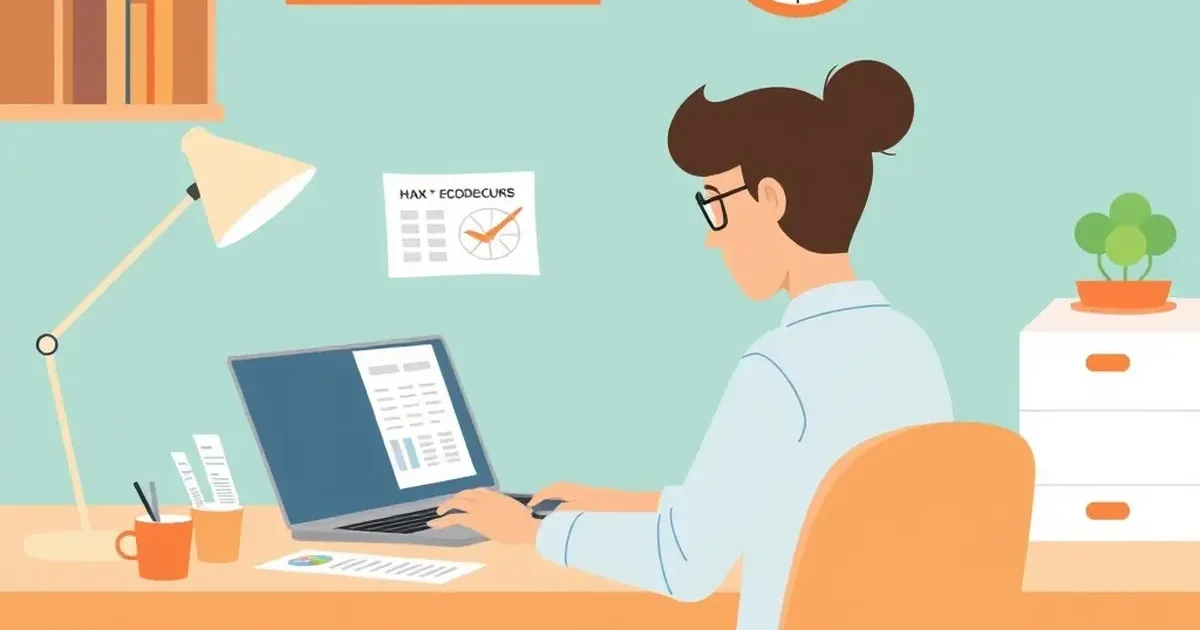
If you do any of your job from home, you can claim a tax deduction for the extra costs, and with tax season opening on 1 July, now is the time to get it right. For the 2025-26 financial year the ATO offers two ways to claim: the simple fixed rate method, which has risen to 70 cents per hour, and the more detailed actual cost method. Choosing the better one for your situation, and keeping the records the ATO now demands, can be the difference between a small deduction and a much larger refund.
This guide explains exactly how each method works in 2026, what each one covers, the equipment you can claim on top, what you cannot claim, and how to decide which method puts more money back in your pocket.
This is general information, not personal tax advice. For your own circumstances, check the ATO or speak to a registered tax agent.
TL;DR: Working From Home Deductions 2026
For 2025-26 you can claim working-from-home running costs two ways. The fixed rate method gives you 70 cents for every hour worked at home and covers energy, phone, internet, stationery and computer consumables in one figure. The actual cost method lets you claim the real work-related portion of each expense, which can be larger but needs detailed records and usually a dedicated office. Under both methods you can also separately claim the decline in value of equipment like desks, chairs and laptops. You now need a record of your actual hours for the whole year; estimates are no longer accepted.
Can You Claim a Working From Home Deduction?
Before choosing a method, make sure you qualify. To claim, you must meet three conditions: you work from home to actually carry out your employment duties, not just occasionally check emails or take a call; you incur additional running costs because of that work; and you keep records that show you incurred them. If you only answer the odd message from your couch, you do not qualify. If you regularly do real work from home, you do.
The Two Methods at a Glance
| Feature | Fixed rate (70c/hour) | Actual cost |
|---|---|---|
| How you claim | 70c × hours worked at home | Work-related portion of real expenses |
| Effort | Low | High |
| Dedicated office needed | No | Usually yes |
| Records | All hours for the year + one bill per expense | All receipts, bills and hours |
| Best for | Simplicity, modest bills | High bills, dedicated office |
Method 1: The Fixed Rate (70 Cents per Hour)
The revised fixed rate method is the simplest option. You multiply the total hours you worked from home during the year by 70 cents, and that single figure is your deduction for running costs. Importantly, the rate increased from 67 cents in earlier years to 70 cents for 2025-26.
What the 70c rate covers
A quick example: if you worked from home for 6 hours a day, 3 days a week, for 44 working weeks, that is about 792 hours. At 70 cents, your running-cost deduction would be roughly $554, on top of any equipment depreciation. You can work out your own figure with our home office rate deduction calculator.
Method 2: The Actual Cost Method
The actual cost method lets you claim the genuine work-related portion of each running expense rather than a flat rate. You work out what share of your electricity, internet, phone and other costs relates to work, often based on the floor area of your office and the hours you use it, and claim that portion. It usually requires a dedicated home office and a lot more record-keeping, but if you have high energy bills and a proper work space, it can produce a larger deduction than the fixed rate.
What You Can Also Claim: Equipment and Furniture
Desks, chairs and laptops are claimed separately
This is one of the most commonly missed deductions. The 70c rate does not include these assets, so claiming a new chair or laptop on top of your hourly claim is both allowed and worthwhile.
What You Cannot Claim
As an employee, some costs are off limits. You generally cannot claim occupancy expenses like rent, mortgage interest, council rates or home insurance. You cannot claim items your employer reimbursed you for, or general household items such as coffee, tea, snacks or toilet paper. And you cannot double-dip by using the fixed rate and then separately claiming the phone and internet it already covers.
Sole Traders and the Self-Employed: Different Rules Apply
This guide covers employees, not business owners
70c vs Actual Cost: Which Should You Choose?
The simple rule is to use whichever method gives you the bigger deduction, then weigh the effort. The fixed rate wins on simplicity: one number, minimal records, no dedicated office required. The actual cost method can win on size if you have high running costs, a separate room set up as an office, and you are willing to keep detailed records and receipts all year. For many people with modest bills, the 70c rate gives a very similar result for a fraction of the work. If you have a serious home office and large energy use, it is worth calculating both.
The Records You Now Need
Estimates are no longer accepted
How to Claim
You claim your working-from-home deduction in your annual tax return, which you can lodge from 1 July through myGov and myTax or with a registered tax agent. Add up your hours, apply your chosen method, include any equipment depreciation, and keep your records for five years in case the ATO asks. If you are new to the process, our step-by-step guide to lodging your first tax return online walks you through it, and you can estimate your overall refund with our Australian tax calculator. To make sure you have a Tax File Number sorted first, see our guide to the TFN and how to apply.
Frequently Asked Questions
Home Office Equipment Worth Claiming
Remember, equipment and furniture are claimed separately from the 70c rate or actual cost method. A few common, easily justified purchases:
As an Amazon Associate, newlifeinaus.com.au earns from qualifying purchases. Prices and availability change, so check the current price on Amazon before buying.
Ergonomic Office Chair
A dedicated home-office chair is a depreciating asset you can claim separately from the 70c rate — and your back will thank you.
Shop on Amazon AU →Standing Desk Converter
Turns any desk into a sit-stand setup. A common equipment claim for people working from home most of the week.
Shop on Amazon AU →Laptop Stand with Cooling
Raises your laptop to eye level and helps with heat during long work-from-home days.
Shop on Amazon AU →24-inch Monitor
A second screen is one of the most claimed pieces of home-office equipment for remote workers.
Shop on Amazon AU →LED Desk Lamp
Good lighting for video calls and paperwork, and an easy sub-$300 equipment claim.
Shop on Amazon AU →Surge Protector Power Board
Protects your work laptop and monitor, and keeps a tidy record of a small, easily justified equipment purchase.
Shop on Amazon AU →Final Thoughts
Working from home is now a normal part of Australian working life, and the tax system reflects that. For 2025-26, the choice comes down to the simple 70-cent fixed rate or the more detailed actual cost method, plus the equipment depreciation you can claim under either. Decide which method suits your bills and your patience, claim your desk and chair on top, and above all keep a full-year record of your hours, because that is the rule that trips most people up. For the official detail and current rates, check the ATO working from home expenses pages.
You May Also Like

Novated Lease vs Buying a Car in Australia (2026): Which Is Cheaper?
HECS-HELP Repayment Calculator 2026-27: Thresholds, Rates & How Much You Pay