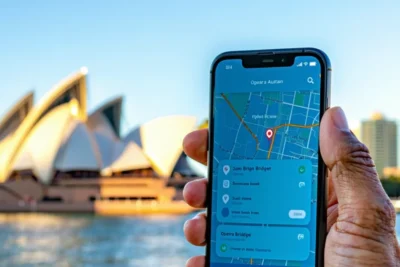
DiDi Driver Australia 2026: Requirements & $20–35/hr Earnings


Didi Driver Guide Australia provides everything you need to know about joining the growing rideshare platform as a driver in 2026. Becoming a Didi driver requires meeting specific age and residency requirements, obtaining proper vehicle authorization, and completing background checks. However, the process offers competitive earnings potential with flexible working hours across major Australian cities.
Furthermore, Didi’s expanding market presence creates new opportunities for drivers seeking alternatives to traditional rideshare platforms. The application process typically takes 1-2 weeks from initial signup to approval. Additionally, drivers can expect to earn between $20-35 per hour depending on location and peak demand periods.
Moreover, understanding the requirements, earnings structure, and tax obligations helps you make an informed decision about joining Didi Australia. This comprehensive guide covers everything from vehicle standards to maximizing your income potential as a professional rideshare driver.
TL;DR
- Requirements: Must be 21+, Australian resident, hold valid license (1-3 years), pass background checks, and obtain CPV authority
- Earnings: Average $20-35/hour with commission rates, surge pricing, and weekly incentives available
- Process: Online application, document verification, vehicle inspection, and training modules take 1-2 weeks to complete
- Vehicle Standards: Maximum 10-15 years old, comprehensive insurance, roadworthy certificate, and regular inspections required
Didi in Australia: Current Status and Market Position
Didi launched its Australian operations in 2018, initially targeting Melbourne before expanding to other major metropolitan areas. The Chinese rideshare giant positioned itself as a cost-effective alternative to established competitors, offering significantly lower fares than Uber to attract both riders and drivers. Since then, the platform has steadily grown its market share through aggressive pricing strategies and driver incentive programs.
Current Operational Cities and 2026 Expansion Plans
Currently, Didi operates in seven major Australian cities: Melbourne, Sydney, Brisbane, Perth, Adelaide, Geelong, and the Gold Coast. The platform maintains its strongest presence in Melbourne and Sydney, where driver availability remains consistently high throughout peak hours. Furthermore, these metropolitan areas generate the highest ride volumes and driver earnings potential.
Additionally, Didi plans to expand into Canberra and Newcastle by mid-2026, targeting university towns and regional centers with growing populations. The company focuses on cities with populations exceeding 300,000 residents to ensure sustainable driver demand. Moreover, expansion decisions depend on regulatory approval from local transport authorities and sufficient driver recruitment numbers.
Market Competition Analysis
Uber dominates the Australian rideshare market with approximately 70% market share, while Didi holds roughly 15-20% in its operational cities. Bolt recently entered the Australian market, creating additional competition for both platforms. However, Ola’s complete withdrawal from Australia in 2022 eliminated one major competitor from the landscape.
Consequently, Didi competes primarily on price, offering fares that are typically 10-25% lower than comparable Uber rides. The platform also provides unique features like split billing and enhanced safety measures to differentiate itself. Nevertheless, ride availability remains lower than Uber during off-peak hours and in suburban areas.
| Platform | Market Share | Key Strengths | Primary Weakness |
|---|---|---|---|
| Uber | 70% | Wide coverage, high availability | Higher pricing |
| Didi | 15-20% | Lower fares, driver incentives | Limited coverage areas |
| Bolt | 5-10% | Competitive pricing, new features | Small driver network |
Regulatory Compliance and Transport Authority Relations
Didi maintains full compliance with Australian transport regulations across all operational states. The platform requires drivers to obtain Commercial Passenger Vehicle (CPV) authority and maintains comprehensive insurance coverage for all rides. Furthermore, regular vehicle inspections and driver background checks ensure ongoing regulatory compliance.
Moreover, state transport authorities monitor Didi’s operations through quarterly reporting requirements and safety audits. The company works closely with regulators to address concerns about driver welfare and passenger safety standards. Additionally, airport pickup authorizations vary by location, with some airports restricting rideshare access during peak periods.
Therefore, regulatory compliance costs represent a significant operational expense for Didi Australia. The platform invests heavily in safety technology, driver training programs, and administrative systems to meet government requirements. However, these investments help build trust with both regulators and passengers, supporting long-term market growth.
Essential Requirements to Become a Didi Driver
Becoming a Didi driver in Australia requires meeting specific eligibility criteria that ensure passenger safety and regulatory compliance. Consequently, prospective drivers must satisfy multiple requirements before they can start earning through the platform. These requirements protect both drivers and passengers while maintaining service quality standards.
Age and Residency Requirements
Didi requires drivers to be at least 21 years old to operate on the platform. Additionally, applicants must hold Australian residency or citizenship status with valid documentation. This age requirement exceeds standard driving license minimums because rideshare driving involves commercial passenger transport responsibilities.
Furthermore, temporary visa holders may qualify depending on their visa conditions and work authorization status. However, student visa holders face restrictions on working hours that may limit their driving availability. Therefore, checking visa work rights before applying prevents application delays and complications.
Driver's License and Experience Requirements
Applicants must possess a valid Australian driver’s license with minimum driving experience ranging from 1 to 3 years depending on the state. Moreover, the license must remain current throughout the driver’s active period on the platform. Interstate license holders can typically transfer their credentials to meet local requirements.
Additionally, drivers cannot have serious traffic violations or license suspensions within recent years. Didi reviews driving records during the application process to assess risk factors. Consequently, maintaining a clean driving record significantly improves approval chances and demonstrates responsible driving behavior.
Background Check Requirements
All Didi drivers must complete a National Police Check to verify their criminal history background. Similarly, drivers require a Working with Children Check in most states because they may transport minors during regular operations. These background checks ensure passenger safety and meet regulatory compliance standards.
The background check process typically takes 5-10 business days to complete once submitted. However, processing times may extend during peak application periods or if additional verification becomes necessary. Therefore, applying early prevents delays in starting your driving activities on the platform.
Commercial Vehicle Authorization
Drivers must obtain Commercial Passenger Vehicle (CPV) authority or equivalent rideshare driver authorization from their state transport department. This authorization demonstrates compliance with commercial transport regulations and passenger safety requirements. Furthermore, the CPV authority process includes vehicle inspections and insurance verification.
Each Australian state maintains different CPV requirements and application processes. For instance, New South Wales requires annual vehicle inspections while Queensland mandates specific insurance coverage levels. Consequently, drivers should research their state’s specific requirements before beginning the authorization process.
English Language Proficiency
Didi requires drivers to demonstrate sufficient English proficiency for effective passenger communication and navigation. This requirement ensures drivers can understand pickup instructions, communicate with passengers, and handle emergency situations appropriately. Additionally, language skills help drivers provide better customer service experiences.
The platform may assess English skills through the application process or require additional documentation for non-native speakers. However, formal language testing typically isn’t mandatory if drivers demonstrate clear communication abilities. Therefore, practicing common passenger interactions and navigation terminology helps prepare for platform requirements.
Smartphone and Technology Requirements
Drivers need a compatible smartphone running iOS 12.0 or later or Android 7.0 or higher to access the Didi driver app. Moreover, the device must support GPS navigation, cellular data connectivity, and camera functionality for trip documentation. These technical specifications ensure reliable app performance and navigation accuracy.
Additionally, drivers should maintain adequate data plans to support continuous app usage without interruption. The Didi app requires stable internet connectivity for receiving ride requests, navigation updates, and payment processing. Therefore, unlimited or high-data plans prevent connectivity issues during driving sessions.
| Requirement Category | Specific Details | Processing Time |
|---|---|---|
| Age & Residency | 21+ years, Australian resident/citizen | Immediate verification |
| Driver’s License | Valid Australian license, 1-3 years experience | 1-2 business days |
| Background Checks | National Police Check, Working with Children Check | 5-10 business days |
| Vehicle Authorization | CPV authority or rideshare authorization | 2-4 weeks |
| English Proficiency | Sufficient communication skills | Assessment during application |
| Technology | Compatible smartphone with GPS and data | Immediate setup |
Vehicle Requirements and Standards
Didi maintains strict vehicle standards to ensure passenger safety and service quality across Australia. Furthermore, these requirements differ from other rideshare platforms, making it essential for potential drivers to understand specific criteria before applying.
Vehicle Age and Type Restrictions
Vehicles must be maximum 10-15 years old depending on the city and service tier. Additionally, Didi accepts sedans, hatchbacks, SUVs, and wagons that meet minimum seating requirements. However, convertibles, motorcycles, and commercial vehicles remain ineligible for the platform.
The age limit ensures vehicles maintain modern safety features and reliability standards. Moreover, newer vehicles provide better passenger experiences and reduce breakdown risks during trips. Therefore, drivers should verify their vehicle’s manufacturing year before beginning the application process.
Seating Capacity and Interior Standards
All vehicles must accommodate minimum four passengers plus the driver with functioning seatbelts for each seat. Additionally, vehicles require four doors for easy passenger access and sufficient legroom for comfortable rides. These capacity requirements ensure Didi can fulfill various passenger group sizes effectively.
Interior cleanliness standards demand spotless upholstery, odor-free cabins, and functioning air conditioning systems. Furthermore, vehicles cannot display excessive wear, tears, or stains that impact passenger comfort. Regular cleaning and maintenance help drivers meet these presentation requirements consistently.
Safety Inspections and Certificates
Drivers must obtain vehicle safety certificates from authorized inspection centers before platform approval. These inspections verify brakes, lights, tires, steering, and other critical safety systems function properly. Additionally, certificates typically remain valid for six to twelve months depending on state requirements.
The inspection process includes comprehensive checks of mechanical systems, bodywork condition, and safety equipment functionality. Moreover, vehicles failing initial inspections require repairs before resubmission for certification. Therefore, drivers should address any known mechanical issues before scheduling safety inspections.
Insurance and Registration Requirements
Comprehensive vehicle insurance covering rideshare activities remains mandatory for all Didi drivers in Australia. Standard personal insurance policies typically exclude commercial rideshare coverage, requiring specialized rideshare insurance additions. Additionally, drivers must maintain continuous coverage throughout their active driving period.
Current vehicle registration and roadworthy certificates must remain valid throughout the driver’s platform participation. Furthermore, registration documents should match the driver’s name or include proper authorization for vehicle use. These requirements ensure legal compliance and passenger protection during rideshare operations.
Insurance costs vary significantly between providers and coverage levels, impacting overall driver profitability. However, comparing rideshare insurance options helps drivers find affordable coverage meeting Didi’s requirements. Therefore, researching multiple insurance providers before starting ensures cost-effective compliance with platform standards.
| Requirement | Specification | Validity Period |
|---|---|---|
| Vehicle Age | Maximum 10-15 years | Ongoing |
| Seating Capacity | Minimum 4 passengers + driver | Ongoing |
| Safety Certificate | Authorized inspection center | 6-12 months |
| Insurance | Comprehensive + rideshare coverage | Continuous |
| Registration | Current roadworthy certificate | Annual renewal |
These vehicle requirements ensure Didi maintains service quality while protecting both drivers and passengers. Additionally, meeting these standards positions drivers competitively within Australia’s growing rideshare market, similar to other platforms covered in our best rideshare apps guide.
Step-by-Step Sign-Up Process
The Didi driver registration process follows a structured seven-step pathway designed to ensure driver quality and passenger safety. Moreover, understanding each stage helps applicants prepare documentation efficiently and avoid common delays that extend approval timeframes.
Creating Your Didi Driver Account Online
Prospective drivers begin their journey by visiting the official Didi driver portal and completing the initial registration form. Subsequently, the system requires basic personal information including full name, mobile number, email address, and residential address. This digital application serves as the foundation for all subsequent verification processes.
The online account creation process generates a unique driver ID number that tracks application progress throughout the approval journey. Additionally, applicants receive automated email confirmations containing important next steps and required documentation lists. Therefore, maintaining accurate contact information ensures seamless communication during the registration period.
Document Upload Requirements and Verification Process
Document submission represents the most critical phase of the Didi driver verification process, requiring multiple forms of identification and certification. Furthermore, all documents must be current, clearly legible, and match the applicant’s registered name exactly. The platform’s automated verification system flags discrepancies immediately, preventing processing delays.
- Driver’s licence: Full Australian licence with minimum 1-year validity remaining
- Vehicle registration: Current certificate matching driver or authorized user documentation
- Insurance certificate: Comprehensive coverage including rideshare endorsement
- Bank account details: Australian bank account for earnings deposits
- Tax file number: Valid TFN for taxation compliance
- Passport or citizenship documents: Proof of Australian work authorization
Document verification typically processes within 24-48 hours for standard submissions, though complex cases may require additional review time. However, incomplete or unclear documents trigger automatic rejection, requiring resubmission and extending overall approval timelines.
Background Check Submission and Processing Times
Didi partners with accredited background check providers to conduct comprehensive criminal history and driving record assessments. Additionally, the platform evaluates traffic violations, license suspensions, and criminal convictions within specified timeframes. This thorough screening process protects passengers while maintaining platform integrity.
Background check processing requires 3-7 business days for most applicants, depending on the complexity of their history and verification requirements. Nevertheless, applicants with interstate driving records or overseas experience may experience longer processing periods. The system automatically notifies drivers when background checks complete successfully.
Background checks process within 3-7 business days for 85% of Didi driver applications
Vehicle Inspection Booking and Completion
Vehicle inspection scheduling becomes available once document verification and background checks receive preliminary approval. Moreover, authorized inspection centers operate across major Australian cities, offering flexible appointment times for driver convenience. The inspection process evaluates vehicle safety, cleanliness, and compliance with Didi’s service standards.
Professional inspectors examine exterior condition, interior cleanliness, mechanical safety, and technology compatibility during comprehensive vehicle assessments. Subsequently, vehicles passing inspection receive digital certificates valid for six months, requiring periodic renewal to maintain platform eligibility. Failed inspections provide detailed repair lists enabling drivers to address issues before rescheduling.
Inspection appointments typically last 30-45 minutes and cost between $50-80 depending on location and service provider. However, some inspection centers offer group discounts for multiple vehicle assessments, reducing costs for fleet operators or driver partnerships.
Driver Training Modules and Safety Briefings
Didi’s mandatory driver education program covers customer service excellence, safety protocols, app navigation, and earnings optimization strategies. Furthermore, interactive training modules adapt to individual learning speeds while ensuring comprehensive knowledge retention. These educational components distinguish professional rideshare drivers from casual transportation providers.
Safety briefings emphasize passenger protection, emergency procedures, and conflict resolution techniques essential for successful rideshare operations. Additionally, training covers local traffic regulations, optimal pickup strategies, and professional communication standards. Completing all modules typically requires 2-3 hours of focused study time.
The training system tracks progress automatically and generates completion certificates required for account activation. Moreover, drivers can revisit training materials anytime through their dashboard, ensuring continuous skill development throughout their rideshare career.
Account Activation and First Ride Preparation
Account activation occurs automatically once all verification stages complete successfully, triggering welcome emails with important getting-started information. Subsequently, new drivers receive access to the Didi driver app and can begin accepting ride requests immediately. The platform provides initial guidance for optimal earnings during peak demand periods.
First ride preparation involves downloading the driver app, familiarizing yourself with navigation features, and understanding the complete Didi app functionality. Additionally, drivers should prepare vehicle supplies including phone chargers, cleaning materials, and emergency contact information. Therefore, thorough preparation ensures smooth first-day operations and positive passenger experiences.
Estimated Timeline from Application to Approval
The complete Didi driver approval process typically requires 7-14 business days from initial application submission to account activation. However, processing times vary based on document quality, background check complexity, and inspection center availability. Well-prepared applicants often complete the process within the shorter timeframe.
| Process Stage | Estimated Duration | Key Requirements |
|---|---|---|
| Account Creation | 15 minutes | Basic personal information |
| Document Upload | 1-2 hours | All required certifications |
| Document Verification | 24-48 hours | Clear, current documents |
| Background Check | 3-7 business days | Clean driving/criminal record |
| Vehicle Inspection | 2-5 business days | Roadworthy vehicle condition |
| Training Completion | 2-3 hours | All modules finished |
| Account Activation | 24 hours | All stages completed |
Expediting the approval process requires submitting high-quality documents, scheduling inspections promptly, and completing training modules efficiently. Furthermore, understanding why Didi offers competitive advantages over other platforms motivates drivers to complete registration quickly and begin earning immediately.
Didi Driver Earnings Structure
Understanding Didi’s earnings structure enables drivers to maximize their income potential across Australia’s major cities. The platform operates on a transparent fare calculation system that combines base rates, distance charges, and time-based fees to determine total trip earnings.
Base Fare Calculation and Distance/Time Rates
Didi calculates fares using three primary components: a fixed base fare, distance-based charges per kilometer, and time-based rates per minute. Base fares typically range from $2.50 to $4.00 depending on the city and service type. Distance rates vary between $1.20 to $2.10 per kilometer, while time charges apply at $0.35 to $0.55 per minute during slow-moving or stationary periods.
Furthermore, minimum fare guarantees ensure drivers receive adequate compensation for short trips. These minimums typically range from $6.00 to $8.50 across different Australian markets, protecting driver earnings regardless of trip duration or distance.
Commission Structure and Driver Take-Home Percentage
Didi charges drivers a service commission ranging from 15% to 25% of gross trip earnings, significantly lower than many competitors. This competitive commission structure means drivers retain 75% to 85% of total fare revenue. Additionally, new drivers often benefit from reduced commission rates during their first month of operation.
The commission covers platform maintenance, customer support, insurance coverage, and payment processing services. Moreover, transparent fee structures ensure drivers understand exactly how much they’ll earn from each completed trip before accepting ride requests.
Peak Hour Bonuses and Surge Pricing Opportunities
Dynamic pricing algorithms increase fare rates during high-demand periods, typically occurring during morning rush hours (7:00-9:00 AM), evening commutes (5:00-7:00 PM), and weekend entertainment periods. Surge multipliers range from 1.2x to 3.0x normal rates, substantially boosting driver earnings during these peak windows.
Strategic positioning near airports, business districts, and entertainment venues during surge periods maximizes earning potential. Additionally, Didi’s surge notifications alert drivers to high-demand areas in real-time, enabling them to capitalize on premium pricing opportunities effectively.
Weekly and Monthly Incentive Programs
Performance-based incentives reward consistent, high-quality service through weekly and monthly bonus structures. Weekly targets typically require completing 30-50 trips with minimum 4.7-star ratings to qualify for bonuses ranging from $50 to $200. Monthly programs offer larger rewards, with top performers earning additional $300 to $800 based on trip volume and customer satisfaction scores.
Furthermore, consecutive driving streaks unlock progressive bonuses, encouraging regular platform engagement. These streak bonuses increase incrementally, rewarding drivers who maintain consistent availability throughout the week.
Referral Bonuses for New Driver Recruitment
Driver referral programs provide substantial earning opportunities through successful recruitment of new drivers. Referring drivers typically earn $200 to $500 per successful referral, with payments distributed after the new driver completes their first 20-50 trips. These programs help expand Australia’s rideshare driver network while providing existing drivers additional income streams.
Successful referrals require new drivers to complete the full registration process, pass all requirements, and maintain active status for specified periods. Additionally, tiered referral systems offer increasing bonuses for drivers who successfully refer multiple new team members.
Tips and Additional Earning Opportunities
In-app tipping features allow passengers to add gratuities directly through the Didi app interface, with drivers receiving 100% of tip amounts. Average tips range from $2 to $10 per trip, depending on service quality and trip distance. Exceptional service, including assistance with luggage, route optimization, and professional demeanor, significantly increases tipping frequency and amounts.
Moreover, delivery partnerships and special event transportation provide supplementary earning opportunities during slower rideshare periods. These additional services help drivers maintain consistent income throughout varying demand cycles.
Payment Schedule and Methods
Didi processes payments weekly, with earnings deposited directly into driver bank accounts every Tuesday for the previous week’s completed trips. However, instant cash-out options enable drivers to access their earnings immediately for a small processing fee of $0.50 to $2.00 per transaction.
Payment methods include direct bank transfers, digital wallet deposits, and prepaid card options. Furthermore, detailed earnings statements provide comprehensive breakdowns of trip earnings, bonuses, commissions, and expenses, facilitating accurate tax preparation and financial planning for driver partners.
Realistic Income Expectations
Understanding potential earnings helps drivers make informed decisions about joining the Didi platform. However, income varies significantly based on location, driving patterns, and market conditions across Australian cities.
Average Hourly Earnings in Major Australian Cities
Didi drivers in Sydney typically earn between $18 to $28 per hour before expenses during standard periods. Meanwhile, Melbourne drivers average $16 to $25 per hour, while Brisbane and Perth drivers earn approximately $15 to $23 per hour under similar conditions.
| City | Standard Hours | Peak Hours | Late Night |
|---|---|---|---|
| Sydney | $18-$28 | $25-$40 | $22-$35 |
| Melbourne | $16-$25 | $22-$35 | $20-$30 |
| Brisbane | $15-$23 | $20-$32 | $18-$28 |
| Perth | $15-$23 | $19-$30 | $17-$26 |
These figures represent gross earnings before deducting vehicle expenses, fuel costs, and platform commissions. Additionally, actual earnings fluctuate based on demand patterns, surge pricing, and individual driving efficiency.
Factors Affecting Earnings
Location significantly impacts driver earnings, with CBD areas and airport zones generating higher trip values than suburban regions. Furthermore, drivers operating near entertainment districts, shopping centers, and transport hubs typically experience more consistent demand throughout the day.
Hours worked directly correlate with earning potential, as full-time drivers averaging 40+ hours weekly earn substantially more than part-time drivers working 10-15 hours. However, strategic scheduling during peak periods often yields better hourly rates than extended driving during low-demand periods.
Vehicle type affects both trip acceptance rates and passenger preferences. Newer vehicles with higher comfort ratings receive more trip requests, while fuel-efficient cars reduce operational costs and increase net profit margins.
Comparison with Other Rideshare Platforms
Didi’s commission structure typically ranges from 15% to 20%, compared to Uber’s standard 25% commission in most Australian markets. This lower commission rate means drivers retain more earnings per trip, making Didi potentially more profitable for consistent drivers.
However, trip volume varies between platforms, with Didi vs Uber ride availability differing across cities and time periods. Consequently, many drivers operate on multiple platforms simultaneously to maximize earning opportunities and minimize idle time between trips.
Peak Earning Periods and Optimal Driving Strategies
Peak earning periods occur during weekday morning rush hours (7:00-9:00 AM), evening commutes (5:00-7:00 PM), and weekend nights (10:00 PM-3:00 AM). During these high-demand windows, surge pricing can increase trip earnings by 1.5x to 3x standard rates.
- Monday to Friday: Focus on business districts during commute hours
- Friday and Saturday nights: Target entertainment precincts and nightlife areas
- Sunday afternoons: Position near shopping centers and family destinations
- Public holidays and events: Monitor surge zones around venues and transport hubs
Strategic positioning near airport pickup zones and train stations provides consistent trip opportunities, though competition from other drivers may increase wait times. Therefore, successful drivers balance high-demand locations with efficient route planning to minimize unpaid driving time.
Expenses to Consider
Fuel costs represent the largest operational expense, typically consuming 15% to 25% of gross earnings depending on vehicle efficiency and driving patterns. Additionally, regular maintenance, including oil changes, tire replacements, and brake services, costs approximately $150 to $300 monthly for active drivers.
Commercial rideshare insurance premiums range from $2,000 to $4,000 annually, significantly higher than standard personal vehicle insurance. Moreover, comprehensive phone plans with unlimited data cost $50 to $80 monthly to support GPS navigation and app functionality.
- Fuel: 15-25% of gross earnings
- Vehicle maintenance: $150-$300 monthly
- Commercial insurance: $2,000-$4,000 annually
- Phone plan: $50-$80 monthly
- Vehicle depreciation: $200-$500 monthly
- Cleaning supplies and accessories: $30-$50 monthly
Net Income Calculations and Profit Margins
After deducting all expenses, successful Didi drivers typically achieve net profit margins of 40% to 60% of their gross earnings. For example, a driver earning $800 weekly in gross income might retain $320 to $480 after covering operational costs.
Full-time Didi drivers in Sydney average $600-$900 weekly net income after expenses
Part-time drivers working 20 hours weekly typically earn $200 to $400 net income, while full-time drivers averaging 40+ hours can achieve $600 to $900 weekly depending on efficiency and market conditions. However, these calculations assume optimal driving strategies and consistent demand patterns.
Tax implications significantly affect net earnings, as rideshare income counts as business revenue requiring GST registration for drivers earning over $75,000 annually. Consequently, drivers must factor tax obligations and potential deductions when calculating actual take-home income from Didi driving activities.
Tax Obligations and Business Considerations
Didi drivers operate as independent contractors rather than employees, creating specific tax obligations under Australian law. Furthermore, the Australian Taxation Office (ATO) classifies rideshare income as business income, requiring drivers to meet various compliance requirements and maintain detailed financial records.
ABN Registration Requirements
All Didi drivers must obtain an Australian Business Number (ABN) before commencing rideshare activities. Additionally, drivers earning over $75,000 annually from rideshare services must register for Goods and Services Tax (GST) and charge customers the 10% GST rate on all fares.
The ABN registration process typically takes 10-20 business days through the Australian Business Register website. Moreover, drivers should register their business structure as a sole trader unless operating through a company or partnership arrangement.
GST Obligations and Threshold Considerations
Rideshare drivers earning below the $75,000 GST threshold can choose voluntary GST registration to claim input tax credits on business expenses. However, voluntary registration requires quarterly Business Activity Statement (BAS) lodgments and adds administrative complexity to tax obligations.
GST-registered drivers must charge customers the additional 10% tax on all fares, which Didi automatically calculates and displays in the app. Consequently, drivers must remit collected GST to the ATO quarterly while claiming credits for GST paid on deductible business expenses.
Deductible Business Expenses
Didi drivers can claim various tax deductions to reduce their taxable income and overall tax liability. Specifically, the ATO allows deductions for expenses directly related to earning rideshare income, provided drivers maintain accurate records and receipts.
- Vehicle expenses: Fuel, maintenance, repairs, registration, insurance, and depreciation
- Phone and data costs: Mobile plans, device purchases, and accessories for navigation
- Cleaning supplies: Interior cleaning products, air fresheners, and detailing services
- Tolls and parking: Road tolls, airport fees, and customer-related parking charges
- Professional development: Training courses, safety equipment, and industry publications
Vehicle expense deductions can be claimed using either the logbook method or cents per kilometre method. The logbook method requires detailed records of business versus private use, while the cents per kilometre method allows claims up to 5,000 business kilometres annually at the current ATO rate.
Record Keeping Requirements
The ATO mandates that rideshare drivers maintain comprehensive records for five years after lodging their tax return. Therefore, drivers must document all income, expenses, and business-related activities to substantiate deduction claims and comply with tax obligations.
Essential records include trip summaries from the Didi app, fuel receipts, maintenance invoices, insurance documents, and detailed logbooks tracking business kilometres. Additionally, drivers should photograph receipts and store digital copies to prevent loss of crucial documentation.
Popular record-keeping apps for Australian rideshare drivers include MileIQ, Stride Tax, and QuickBooks Self-Employed. These applications automatically track driving distances, categorise expenses, and generate reports for tax preparation purposes.
Quarterly BAS and Annual Tax Returns
GST-registered Didi drivers must lodge quarterly Business Activity Statements by the 28th day following each quarter end. Furthermore, all rideshare drivers must complete annual tax returns declaring their business income and claiming eligible deductions through the ATO’s online portal or registered tax agents.
The annual tax return process requires drivers to report total rideshare income from all platforms, including earnings from other rideshare services beyond Didi. Consequently, drivers operating across multiple platforms must consolidate income and expense records for comprehensive tax reporting.
Professional Tax Advice Recommendations
Given the complexity of rideshare taxation, drivers should consider engaging qualified tax professionals familiar with gig economy regulations. Specifically, accountants specialising in small business taxation can optimise deduction strategies and ensure compliance with evolving ATO requirements.
Professional tax preparation services typically cost $200 to $500 annually but often generate savings exceeding their fees through maximised deductions and strategic tax planning. Moreover, tax agents provide ongoing advice regarding record keeping, GST registration decisions, and business structure optimisation for growing rideshare operations.
Professional tax advice can save rideshare drivers $1,000+ annually through optimised deduction strategies
Driver Support and Resources
Didi provides comprehensive support infrastructure to assist Australian drivers throughout their rideshare journey. Additionally, the platform offers multiple communication channels and resources designed to address driver concerns promptly and effectively.
24/7 Driver Support Channels
Didi operates round-the-clock driver support through its dedicated in-app messaging system, providing immediate assistance for urgent issues. Furthermore, drivers can access phone support during peak operating hours, with average response times of under 5 minutes for critical safety concerns.
The support team handles various inquiries including payment disputes, technical issues, and safety incidents through prioritised escalation protocols. Moreover, drivers receive automated responses for common questions, while complex matters connect directly to specialised support representatives.
Driver Hub Locations and In-Person Assistance
Didi maintains physical driver hubs in major Australian cities including Sydney, Melbourne, and Brisbane for face-to-face support services. Subsequently, these locations provide document verification, vehicle inspections, and personalised assistance for complex account issues.
- Sydney Hub: Level 2, 100 Harris Street, Pyrmont (Mon-Fri 9AM-5PM)
- Melbourne Hub: Suite 15, 123 Collins Street, Melbourne CBD (Mon-Fri 9AM-5PM)
- Brisbane Hub: Level 8, 200 Adelaide Street, Brisbane City (Mon-Fri 9AM-5PM)
Driver hub services include onboarding assistance, payment troubleshooting, and vehicle compliance checks. Additionally, these centres host regular information sessions covering platform updates and regulatory changes affecting Australian rideshare operations.
Training Resources and Safety Guidelines
Didi provides extensive online training modules covering customer service excellence, safety protocols, and platform navigation through its driver portal. Consequently, drivers complete mandatory safety training before activation and access ongoing educational resources throughout their partnership.
The training curriculum includes defensive driving techniques, emergency response procedures, and passenger interaction best practices. Furthermore, drivers receive regular safety updates addressing seasonal hazards, traffic law changes, and incident prevention strategies specific to Australian road conditions.
Safety training completion rates exceed 95% among active Didi drivers, contributing to improved incident prevention across the platform.
Vehicle Maintenance Partnerships and Discounts
Didi partners with national automotive service chains to provide discounted maintenance services for registered drivers. Similarly, these partnerships include major brands like Repco, Supercheap Auto, and independent mechanical workshops across metropolitan areas.
Driver benefits include 15-25% discounts on routine services such as oil changes, tyre rotations, and safety inspections. Additionally, emergency roadside assistance programs offer priority response times and reduced call-out fees for active drivers experiencing vehicle breakdowns.
| Service Category | Discount Rate | Partner Network |
|---|---|---|
| Oil Changes | 20% | Valvoline Instant Oil Change |
| Tyre Services | 15% | Bob Jane T-Marts |
| General Repairs | 10-25% | Local Partner Workshops |
| Roadside Assistance | 30% | RACV/NRMA Partners |
Driver Community Forums and Networking
Didi facilitates driver community engagement through official forums and social media groups where experienced drivers share insights and support newcomers. Moreover, these platforms enable peer-to-peer knowledge sharing regarding optimal driving locations, peak hour strategies, and earnings maximisation techniques.
Regional driver meetups occur monthly in major cities, providing networking opportunities and direct communication with Didi representatives. Consequently, these events feature guest speakers covering topics like tax planning, vehicle financing, and career development within the gig economy.
The community forums complement official support channels by offering real-world experiences and practical advice from fellow drivers. Furthermore, active community participation often leads to beta testing opportunities for new platform features and driver incentive programs.
Escalation Procedures for Disputes
Didi implements structured escalation protocols for resolving driver disputes, payment issues, and account concerns through multiple review levels. Initially, drivers submit issues through the in-app support system, which routes concerns to appropriate specialist teams based on issue category.
Unresolved matters escalate to senior support managers within 48-72 hours, ensuring comprehensive review of complex situations. Additionally, drivers can request external mediation through industry ombudsman services for disputes involving significant financial impacts or policy disagreements.
- Initial support ticket submission via driver app
- Automated acknowledgment within 2 hours
- Specialist team review and response within 24 hours
- Senior manager escalation if unresolved after 48 hours
- External mediation referral for complex disputes
The escalation process maintains detailed documentation of all communications and resolutions to ensure consistent treatment of similar issues. Therefore, drivers receive regular updates throughout the resolution process, with final outcomes typically reached within 5-7 business days for standard disputes.
Tips for Success as a Didi Driver
Successful Didi drivers in Australia combine strategic planning with exceptional service delivery to maximize their earnings and build sustainable careers. Moreover, understanding optimal driving patterns, customer expectations, and platform incentives creates significant competitive advantages in the rideshare market.
Optimal Driving Hours and Location Strategies
Peak demand periods occur during weekday morning rush (7:00-9:30 AM), evening commute (5:00-7:30 PM), and weekend nights (9:00 PM-3:00 AM) across major Australian cities. Additionally, business districts generate consistent demand during lunch hours (12:00-2:00 PM), while entertainment precincts surge during weekend evenings.
Strategic positioning near transport hubs including airports, train stations, and bus terminals ensures steady ride requests throughout operational hours. Furthermore, monitoring local events through community calendars and social media helps drivers anticipate demand spikes at sporting venues, concert halls, and convention centers.
Weather conditions significantly impact ride demand patterns, with rainy days increasing requests by 30-40% compared to sunny conditions. Consequently, experienced drivers adjust their schedules to capitalize on weather-driven demand while avoiding oversaturated areas during quiet periods.
Customer Service Best Practices for Higher Ratings
Five-star ratings result from consistent attention to passenger comfort, safety, and communication throughout the journey experience. Initially, drivers should confirm passenger identity politely before beginning trips, ensuring correct pickup locations and destinations.
Vehicle climate control maintains comfortable temperatures regardless of external weather conditions, while offering amenities like phone chargers and water bottles enhances passenger satisfaction. Meanwhile, professional conversation skills involve reading passenger cues to determine appropriate interaction levels.
- Arrive promptly at pickup locations within 3-5 minutes
- Maintain clean, odor-free vehicle interiors
- Follow GPS directions while accepting passenger route preferences
- Handle luggage assistance professionally when requested
- Conclude trips with polite farewells and rating reminders
Effective communication includes providing estimated arrival times, explaining any route changes, and addressing passenger concerns promptly. Therefore, drivers who consistently deliver exceptional service experiences achieve average ratings above 4.8 stars, qualifying for premium incentive programs.
Vehicle Maintenance and Presentation Tips
Regular vehicle maintenance ensures reliable performance while preventing costly breakdowns that impact earning potential and passenger safety. Subsequently, drivers should establish weekly cleaning routines including interior vacuuming, exterior washing, and window cleaning for optimal presentation standards.
Preventive maintenance schedules include oil changes every 5,000-7,500 kilometers, tire pressure checks weekly, and brake inspections every 6 months. Additionally, maintaining comprehensive service records demonstrates professionalism during vehicle inspections and insurance claims.
Interior presentation involves removing personal items, ensuring seat cleanliness, and eliminating odors from food, pets, or smoking. Furthermore, dashboard organization with phone mounts, chargers, and air fresheners creates professional environments that passengers appreciate and remember positively.
Safety Protocols and Emergency Procedures
Driver safety protocols begin with pre-trip vehicle inspections including lights, brakes, tires, and fuel levels to prevent mechanical failures during service hours. Moreover, drivers should maintain emergency kits containing first aid supplies, flashlights, and emergency contact information.
Personal safety measures include trusting instincts about suspicious passengers, avoiding isolated pickup locations during late hours, and maintaining awareness of surroundings throughout trips. Additionally, the Didi app provides emergency features including panic buttons and GPS tracking for enhanced security.
Emergency procedures involve immediately contacting emergency services (000) for medical incidents, accidents, or threatening situations while documenting incidents through app reporting systems. Therefore, drivers should familiarize themselves with local hospital locations and police stations within their operating areas.
Maximizing Incentives and Bonus Opportunities
Surge pricing periods multiply base fares by 1.5-3.0x during high-demand situations, significantly increasing hourly earnings for strategic drivers. Furthermore, completing consecutive trips during surge periods often triggers additional completion bonuses ranging from $5-15 per qualifying ride.
Weekly and monthly incentive programs reward drivers who complete specific trip quotas with bonus payments between $50-200 per achievement tier. Similarly, maintaining high ratings above 4.7 stars qualifies drivers for premium passenger matching and exclusive bonus opportunities.
Referral programs provide $100-300 bonuses for successfully recruiting new drivers who complete initial activity requirements within specified timeframes. Additionally, participating in promotional campaigns and special events often includes enhanced earning multipliers and completion rewards.
Building a Sustainable Driving Schedule
Sustainable driving schedules balance earning objectives with personal well-being, preventing burnout while maintaining consistent income streams. Initially, drivers should establish realistic daily hour limits between 6-10 hours to maintain alertness and service quality throughout shifts.
Weekly planning involves scheduling rest days, vehicle maintenance periods, and personal commitments around peak earning opportunities. Moreover, tracking earnings per hour across different time periods helps optimize schedules for maximum profitability while minimizing unnecessary driving time.
Long-term sustainability requires diversifying income through multiple rideshare platforms, building regular passenger relationships, and developing complementary skills for career advancement. Consequently, successful drivers often transition into fleet management, driver training, or transportation consulting roles within the expanding gig economy sector.
Top-performing Didi drivers in Australia average $25-35 per hour during peak periods while maintaining 4.8+ star ratings
Frequently Asked Questions
What are the basic requirements to become a Didi driver in Australia?
To become a Didi driver in Australia, you must be at least 21 years old, an Australian resident, hold a valid driver’s license for 1-3 years, pass background checks, and obtain Commercial Passenger Vehicle (CPV) authority. Your vehicle must also meet Didi’s standards and have comprehensive insurance coverage.
How much can I earn as a Didi driver in Australia?
Didi drivers in Australia typically earn between $20-35 per hour, depending on location and peak demand periods. Earnings vary based on commission rates, surge pricing during busy times, and weekly incentive programs. Major cities like Melbourne and Sydney generally offer higher earning potential.
Which Australian cities does Didi operate in?
Didi currently operates in seven major Australian cities: Melbourne, Sydney, Brisbane, Perth, Adelaide, Geelong, and the Gold Coast. The platform plans to expand into Canberra and Newcastle by mid-2026, targeting cities with populations exceeding 300,000 residents.
How long does the Didi driver application process take?
The complete Didi driver application process typically takes 1-2 weeks from initial signup to approval. This includes online application submission, document verification, vehicle inspection, and completion of required training modules.
What vehicle standards does Didi require?
Didi requires vehicles to be maximum 10-15 years old with comprehensive insurance coverage and a current roadworthy certificate. Vehicles must pass regular inspections and meet safety standards. The specific age limit may vary by city and vehicle type.
How does Didi compare to Uber in Australia?
Didi offers fares that are typically 10-25% lower than comparable Uber rides and holds approximately 15-20% market share in its operational cities. While Uber dominates with 70% market share and wider coverage, Didi provides competitive driver incentives and unique features like split billing.
Do I need special permits or licenses to drive for Didi?
Yes, you need to obtain Commercial Passenger Vehicle (CPV) authority from your state’s transport authority in addition to your regular driver’s license. This involves additional background checks and compliance with commercial transport regulations.
What are the tax implications of driving for Didi in Australia?
As a Didi driver, you’re considered a sole trader for tax purposes. You’ll need to register for an ABN, keep detailed records of income and expenses, and may need to pay GST if you earn over $75,000 annually. Vehicle expenses, fuel, and phone costs are typically tax-deductible.
You May Also Like

Moving to Australia: The Complete Checklist and Guide (2026)

NT Public Holidays 2026: Full Calendar, Dates and How Darwin and Alice Springs Celebrate