
Living with Flatmates in Australia: Rules, Etiquette and How to Handle Conflicts

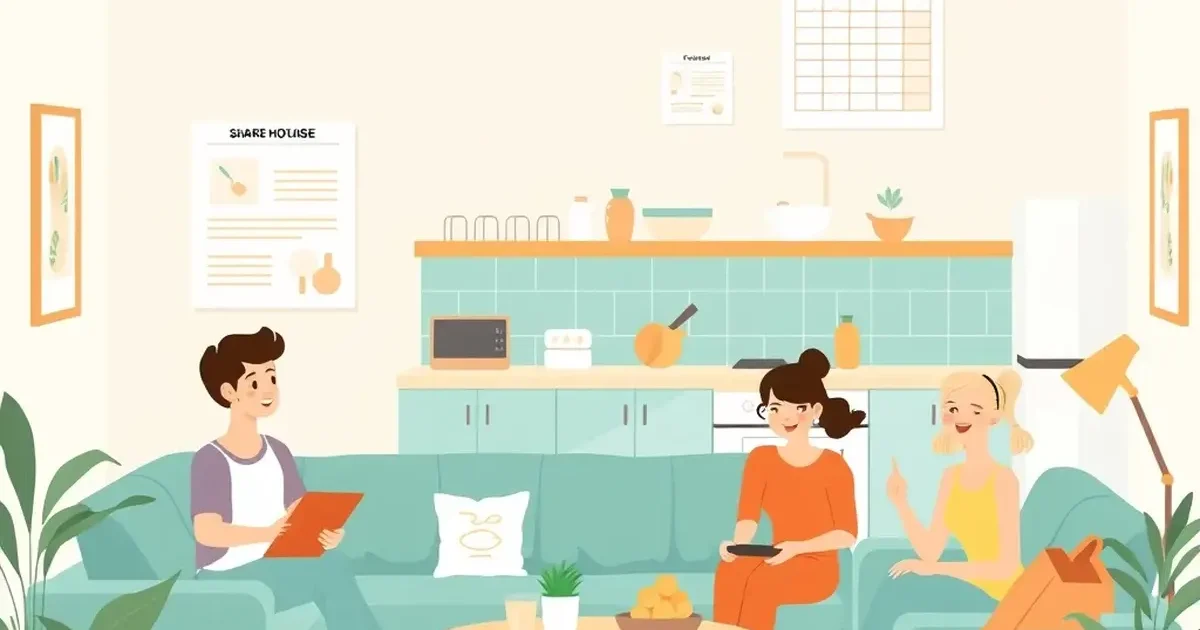
For most students and new arrivals, a share house is the first home they have in Australia. It is cheaper than renting alone, instantly social, and flexible, which is exactly why so many people choose it. But living with flatmates is also where a lot of newcomers run into trouble, from money disputes and cleaning wars to losing a bond they never legally protected in the first place. Getting it right is part etiquette, part money management, and, crucially, part understanding your legal position, which most guides skip entirely.
This is the complete guide to living with flatmates in Australia: how to protect yourself legally before you move in, how to find good housemates, how to split rent and bills fairly, the unwritten rules of shared living, how to handle conflict before it explodes, and how to leave the right way and get your bond back. Whether you are joining an established house or starting one, this covers what you actually need to know.
This is general information, not legal advice. Tenancy rules vary by state and territory, so check your local tenancy authority for your situation.
TL;DR: Living With Flatmates in Australia
Before you move in, know whether you are a co-tenant on the lease, a sub-tenant, or just an occupant, because it decides your rights. Never pay a bond without a receipt, and make sure any bond is lodged with your state’s bond authority, not just handed to a housemate. Agree on rent, bills, cleaning, guests and noise in writing from day one. Split bills fairly, communicate early when problems arise, and take photos at move-in and move-out to protect your bond. Good share-house living is mostly respect, clear money rules, and dealing with issues before they grow.
Why Share Housing Is So Common in Australia
With rents high in every major city, sharing is the most affordable way to live well. A share house splits rent, bills and often groceries across several people, cutting your housing costs dramatically compared with a studio or one-bedroom. It also gives you an instant social circle, local knowledge, and the flexibility of shorter arrangements, which suits students and people still finding their feet. If you are weighing your options, our guide comparing a share house, studio and homestay breaks down which suits whom, and our starter guide to finding student accommodation covers where to look.
Before You Move In: Know Your Legal Position
This is the single most important and most ignored part of share-house living. Your rights depend entirely on your legal status in the property, and there are three common situations.
- Co-tenant: your name is on the lease. You have full rights and responsibilities under your state’s tenancy law, and you are jointly responsible for the rent and the property.
- Sub-tenant: you rent from a head tenant rather than the landlord directly. This is only legal if the landlord has given written permission, and your agreement should be in writing too.
- Occupant or boarder/lodger: you live there but are not on any lease. You often have the fewest protections, so a written agreement matters even more.
Protect your bond before you hand over a cent
Whatever your status, do an entry condition report with photos of every room when you move in, time-stamped, so you are not blamed for damage that was already there. Our guides to bond and upfront moving costs and the room inspection checklist before signing a lease walk through exactly what to record.
Finding and Vetting Good Flatmates
Most share rooms are advertised on Flatmates.com.au, Facebook groups and Gumtree. The listing is only the start; the people matter far more than the property. Always inspect in person or by live video before paying anything, meet the existing housemates, and trust your instincts. Reading the ad carefully helps too, and our guide on how to read a rental advertisement and its terms explains the jargon.
Ask the questions that reveal how the house actually runs:
- How are rent and bills split, and what is included?
- How much is the bond, and where will it be held?
- Am I going on the lease, or is this a sublet?
- What are the rules on guests, noise and cleaning?
- Who else lives here, and how long have they stayed?
- What is the notice period if I need to leave?
Flatmate red flags to watch for
The Money Rules
Money is the number one source of share-house conflict, so settle it clearly and early. Agree how rent, bond and every bill are split, and put it in writing. Here is how the common costs usually work.
| Cost | Typical split | Notes |
|---|---|---|
| Rent | By room size or equally | Bigger or ensuite rooms often pay more |
| Electricity & gas | Equally | Heavy users may agree to pay more |
| Water | Equally or by lease terms | Tenants sometimes pay usage only |
| Internet | Equally | Everyone benefits, so split evenly |
| Shared groceries | A kitty or rotate | Keep personal food separate if preferred |
Use a money app like Splitwise or Beem to track who owes what, set due dates so nobody chases late payments, and decide upfront how bills are transferred into and out of each person’s name when people move. If budgeting is tight, see our breakdown of how much rent students pay by city to sanity-check your share is fair.
The Golden Rules of Share-House Etiquette
Beyond money, most friction comes down to everyday respect. The golden rule is simple: treat shared spaces and other people’s things as if they were not yours to use freely. The specifics that keep a house happy:
- Clean up after yourself immediately, especially in the kitchen and bathroom
- Never eat or use someone else’s food, toiletries or belongings without asking
- Keep noise down at night and during study or work hours
- Be clear about guests and partners staying over, and do not let a guest become an unofficial extra resident
- Respect shared spaces; do not leave your things spread across the living room
- Pay your share on time, every time
- Communicate about anything that affects others, from parties to parcels
- Replace what you finish, from toilet paper to dish soap
Cleaning Without the Wars
Cleaning is the most common ongoing flashpoint. The fix is a clear, agreed system rather than hoping people pull their weight. Set a simple roster for shared areas that rotates weekly, agree a basic standard everyone accepts, and decide how cleaning products are bought and shared. Some houses pool money for a fortnightly cleaner, which can be cheaper than the arguments. Whatever you choose, write it down so there is no debate about whose turn it is.
Create a House Agreement
A short written house agreement prevents most disputes by making expectations explicit. It does not need to be formal; a shared document everyone signs is enough. Cover:
- Rent and bond amounts, who pays what, and due dates
- How each bill is split and in whose name it sits
- The cleaning roster and standards
- Rules on guests, partners staying over and parties
- Quiet hours and noise expectations
- Shared versus personal food and items
- Notice required before someone moves out, and how a replacement is found
- How disputes will be handled
How to Handle Conflict
Conflict is normal; letting it fester is what wrecks share houses. Handle it in stages, starting gently and escalating only if needed.
- Address it early and privately. Raise the issue calmly and directly with the person, focusing on the behaviour, not their character.
- Hold a house meeting. If it affects everyone, talk it through together and agree a fix, then write it down.
- Return to the agreement. Point back to the house rules you all signed; this depersonalises the disagreement.
- Seek outside help. For bigger disputes, free community mediation services can help, and your state tenancy authority can advise on rights.
- Escalate formally. If money, bond or the lease is involved and cannot be resolved, contact your tenancy authority or seek tenant advice.
The one habit that prevents most fights
When and How to Leave
Sometimes a house just is not working, and leaving well protects your money and your reputation. Give the notice your agreement or lease requires, in writing. If you are on the lease, you may need to find a replacement tenant and get the landlord’s approval before you are released from your obligations, so do not just walk out. If you are a sub-tenant or occupant, follow the notice you agreed. Settle any outstanding bills before you go, and document the condition of the property on your way out.
Getting Your Bond Back
Your bond is your money, and you should expect it back if you leave the place as you found it. Clean thoroughly, repair any damage you caused, and compare the property against your move-in condition report and photos. If your bond was properly lodged with the state authority, you claim it back through that authority, which protects you if a head tenant or landlord tries to withhold it unfairly. This is exactly why lodging the bond correctly at the start, covered earlier, matters so much. Take dated photos at move-out as your evidence.
Notes for International Students
International students are the most common share-house residents and, unfortunately, the most common targets for dodgy arrangements. Be extra careful never to pay a bond or rent for a place you have not seen, insist on written agreements even with friendly housemates, and know that your rights as a tenant do not depend on your visa. If something goes wrong, free help exists: Study Australia explains how to protect your rights in a share house, and every state has a tenancy authority and tenant advice service.
Frequently Asked Questions
Final Thoughts
A great share house can be the best part of your time in Australia: affordable, social and full of people who become friends. The difference between a great one and a miserable one comes down to a few things you control, namely sorting your legal position and bond before you move in, agreeing clear money and cleaning rules, respecting shared spaces, and dealing with problems early and kindly. Set those foundations and the rest tends to look after itself. For your specific rights, always check your state or territory tenancy authority.
You May Also Like

Moving to Australia: The Complete Checklist and Guide (2026)

NT Public Holidays 2026: Full Calendar, Dates and How Darwin and Alice Springs Celebrate