Inner City vs Suburban Living: Best Choice for Students 2026

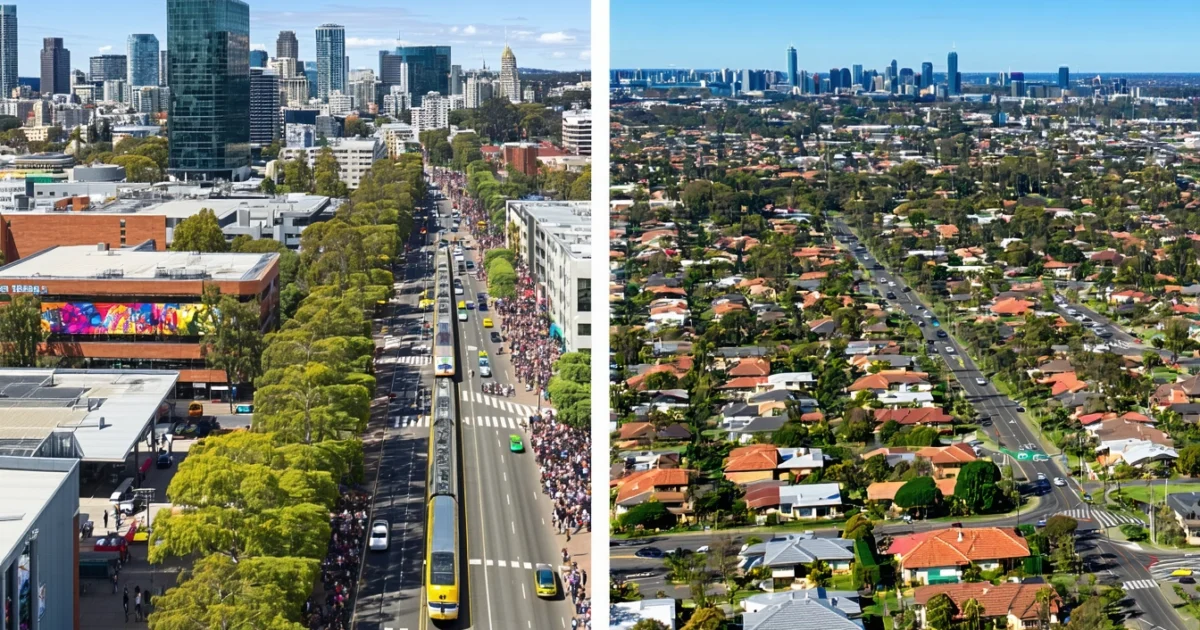
Inner City vs Suburban Living in Australia presents distinct advantages for students, with inner city areas offering proximity to universities and vibrant social scenes, while suburban locations provide affordable rent and quieter study environments. Most Australian students face this critical decision when choosing accommodation in major cities like Sydney, Melbourne, Brisbane, Perth, and Adelaide. The choice significantly impacts your budget, commute time, social life, and academic performance throughout your studies.
Furthermore, the decision affects your access to part-time employment opportunities, with inner city areas typically offering more job prospects but at higher living costs. Meanwhile, suburban living can reduce accommodation expenses by 30-50% but may increase transport costs and commuting time. Understanding these trade-offs helps students make informed decisions that align with their financial situation, lifestyle preferences, and academic goals.
Additionally, factors like public transport accessibility, safety considerations, and community dynamics vary significantly between inner city and suburban areas. International students often prioritize different aspects compared to domestic students, making this choice even more complex. This comprehensive guide examines all key factors to help you determine which option suits your specific needs and circumstances as a student in Australia.
TL;DR
- Inner city living costs 30-50% more but offers proximity to universities, better job opportunities, and vibrant social scenes
- Suburban accommodation provides significant cost savings, quieter study environments, and more space but increases commute time and transport costs
- Consider your budget, study needs, social preferences, and career goals when choosing between inner city convenience and suburban affordability
- Transport costs and reliability can offset suburban rental savings, especially in cities with limited public transport networks
Understanding Inner City vs Suburban Living for Australian Students
When choosing accommodation in Australia, students must understand the distinct characteristics of inner city and suburban areas. Inner city zones typically encompass areas within 10-15 kilometres of central business districts, featuring high-density housing, extensive public transport networks, and proximity to universities. Conversely, suburban regions extend beyond these boundaries, offering detached houses, townhouses, and low-rise apartments with more green space and community amenities.
Australian students prioritize several key factors when selecting their living arrangements. Cost considerations dominate decision-making, with accommodation expenses consuming 40-60% of student budgets. Additionally, proximity to educational institutions influences choices, as commute times directly impact study schedules and work-life balance. Furthermore, access to employment opportunities shapes preferences, particularly for international students seeking part-time work to support their studies.
Safety and security concerns also drive accommodation decisions, especially for students new to Australian cities. Moreover, social connectivity and community access influence lifestyle satisfaction, with some students preferring vibrant urban environments while others seek quieter suburban settings. Transport accessibility remains crucial, as reliable public transport can offset distance disadvantages in suburban locations.
Major Australian Student Cities: Inner City vs Suburban Dynamics
Sydney presents the most expensive accommodation market, with inner city areas like Ultimo, Chippendale, and Newtown commanding premium rents but offering excellent university access. Suburban options in Parramatta, Liverpool, and Blacktown provide 30-40% cost savings while maintaining reasonable transport links through the extensive rail network. However, commute times can exceed 60 minutes during peak hours.
Melbourne offers more balanced options, with inner suburbs like Carlton, Fitzroy, and South Yarra providing student-friendly environments at moderate prices. The city’s comprehensive tram system enables students to live in middle-ring suburbs like Brunswick, Richmond, and St Kilda while maintaining easy campus access. Consequently, Melbourne students often find better value propositions compared to other major cities.
In Brisbane, the inner city accommodation market centers around South Bank, West End, and Fortitude Valley, offering proximity to Queensland University of Technology and University of Queensland campuses. Suburban areas like Toowong, St Lucia, and Indooroopilly provide family-friendly environments with lower rental costs but limited nightlife and social opportunities for students.
Perth students benefit from relatively affordable inner city options in Northbridge, Mount Lawley, and Subiaco, though choices remain limited compared to eastern cities. Suburban living in areas like Joondalup, Fremantle, and Murdoch offers significant cost advantages while maintaining university access through dedicated transport routes. Nevertheless, Perth’s sprawling layout can create isolation challenges for students without private transport.
Adelaide provides the most affordable major city option, with inner areas like North Adelaide, Hindmarsh, and Mile End offering reasonable proximity to University of Adelaide and University of South Australia campuses. Suburban alternatives in Glenelg, Norwood, and Prospect deliver excellent value while preserving community connections through Adelaide’s compact urban design.
2026 Housing Market Trends Affecting Student Choices
Current market conditions significantly impact student accommodation decisions across Australia. Rental vacancy rates remain below 2% in major cities, creating intense competition for affordable properties. Consequently, students increasingly consider shared accommodation arrangements and purpose-built student housing as viable alternatives to traditional rental markets.
Rising interest rates have pushed property investors toward higher rental yields, resulting in 15-20% rent increases across most Australian cities during 2024-2025. This trend particularly affects inner city markets, where student demand concentrates around university precincts. Meanwhile, suburban rental markets show more stability, making them increasingly attractive for budget-conscious students.
International student numbers continue recovering post-pandemic, intensifying accommodation demand in traditional student areas. Universities respond by expanding on-campus housing options and partnering with private developers for purpose-built student accommodation (PBSA) projects. These developments typically locate in inner city areas, offering modern amenities but at premium prices.
Transport infrastructure improvements influence student location choices, with new metro lines and bus rapid transit systems enhancing suburban connectivity. For instance, Sydney’s Metro expansion and Melbourne’s level crossing removals improve access to previously less connected areas. Similarly, students increasingly utilize rideshare services to bridge transport gaps, particularly for late-night travel between suburban homes and inner city social venues.
Additionally, hybrid learning models adopted by many universities reduce the necessity for daily campus attendance, making suburban living more viable for students who previously required inner city proximity. This shift enables students to prioritize cost savings over convenience, fundamentally altering traditional accommodation decision-making patterns.
Cost Comparison: Inner City vs Suburban Student Living
Average Rental Costs in Inner City Areas
Inner city student accommodation commands premium prices across Australia’s major metropolitan areas. Sydney’s inner suburbs average $350-450 per week for shared accommodation within 5km of the CBD, while similar properties reach $280-380 weekly in Melbourne’s inner ring. Brisbane’s inner city zones typically cost $250-350 per week, reflecting the city’s lower overall rental market.
Furthermore, Perth and Adelaide present more affordable inner city options, with shared accommodation ranging $200-300 and $180-280 per week respectively. However, these prices represent significant increases from pre-pandemic levels, with inner city rents rising 15-25% across most capitals during 2023-2024.
Purpose-built student accommodation (PBSA) in inner city locations commands even higher premiums. These modern facilities typically charge $400-600 per week in Sydney and Melbourne, while offering all-inclusive pricing that covers utilities, internet, and common area access.
Suburban Accommodation Pricing and Savings Potential
Suburban student housing delivers substantial cost savings compared to inner city alternatives. Outer suburban areas in Sydney offer shared accommodation for $200-300 per week, representing potential savings of $100-150 weekly. Melbourne’s outer suburbs provide similar value, with weekly rents typically ranging $180-280.
Additionally, Brisbane’s suburban markets offer exceptional value, with quality shared housing available for $150-250 per week. Perth and Adelaide suburban areas provide even greater affordability, with weekly rents often falling below $200 for decent shared accommodation.
Students can achieve annual savings of $5,000-8,000 by choosing suburban over inner city accommodation in Sydney and Melbourne. These savings prove particularly significant for international students managing tight budgets and currency fluctuations.
Hidden Costs: Transport, Utilities, and Lifestyle Expenses
Transport costs significantly impact the true affordability of suburban living. Monthly transport passes in major cities range $100-200, while students using rideshare services for occasional trips spend $50-150 monthly depending on usage patterns.
Utility expenses vary substantially between accommodation types. Inner city apartments often include utilities in rent, while suburban houses typically require separate utility payments averaging $30-60 per person weekly. Internet costs add another $15-25 weekly per person in shared suburban housing.
Grocery shopping presents mixed cost implications. Suburban supermarkets often offer lower prices and bulk buying opportunities, potentially saving students $20-40 weekly. However, limited local dining options may increase grocery spending as students cook more frequently at home.
Social and entertainment expenses typically decrease in suburban areas due to fewer nearby venues and activities. Students report spending $50-100 less weekly on entertainment when living in outer suburbs, though this may impact their university social experience.
Budget Breakdown Examples for Different Financial Situations
| Expense Category | Inner City (Weekly) | Suburban (Weekly) | Savings |
|---|---|---|---|
| Accommodation | $350 | $220 | $130 |
| Transport | $25 | $40 | -$15 |
| Utilities/Internet | $0 | $45 | -$45 |
| Groceries | $120 | $100 | $20 |
| Entertainment | $100 | $50 | $50 |
| Total Weekly | $595 | $455 | $140 |
Budget-conscious students can maximize savings by choosing suburban accommodation and utilizing public transport strategically. Annual savings of $7,280 become achievable through careful location selection and transport planning.
International students on tight budgets particularly benefit from suburban living, as the $140 weekly savings significantly extends their financial runway. These savings can cover textbooks, emergency expenses, or reduce reliance on part-time work hours.
Government Assistance and Student Housing Subsidies
Youth Allowance and Austudy provide crucial support for eligible domestic students, with maximum payments reaching $806.70 fortnightly for students living away from home. Rent Assistance adds up to $157.20 fortnightly for students paying market rent, making both inner city and suburban options more affordable.
State-specific programs offer additional support. NSW Student Accommodation provides subsidized housing options, while Victoria’s Student Housing Company delivers affordable accommodation across Melbourne. These programs typically reduce housing costs by 20-40% compared to private market rates.
Students should explore specialized student banking products that offer fee-free accounts and student-specific benefits. Additionally, many universities provide emergency accommodation assistance and short-term financial support for students experiencing housing stress.
International students face more limited subsidy options but can access university-specific bursaries and emergency accommodation funds. Some institutions offer guaranteed accommodation for first-year international students, providing cost certainty during the initial adjustment period.
Transportation and Campus Accessibility
Transportation costs significantly impact the total cost of student living, with inner city students spending an average of $25-40 weekly on public transport compared to suburban students who face $60-90 weekly commuting expenses. However, inner city residents often walk or cycle to campus, eliminating daily transport costs entirely.
Public Transport Networks and University Connections
Melbourne’s extensive tram network connects suburban areas directly to major universities, with Monash University accessible via multiple tram lines from outer suburbs. Similarly, Sydney’s train system links western suburbs to University of Sydney and UNSW through efficient rail connections. Brisbane students benefit from dedicated bus routes serving University of Queensland from various suburban locations.
Perth’s Transperth network provides reliable connections between northern and southern suburbs to Curtin University and University of Western Australia. Additionally, Adelaide’s integrated bus and train system ensures suburban students reach University of Adelaide and Flinders University within reasonable timeframes.
Commuting Time and Daily Travel Costs
| Location Type | Average Commute Time | Daily Transport Cost | Weekly Total |
|---|---|---|---|
| Inner City | 5-15 minutes | $3.50-5.70 | $17.50-28.50 |
| Middle Ring Suburbs | 25-40 minutes | $7.20-9.80 | $36-49 |
| Outer Suburbs | 45-75 minutes | $9.80-12.60 | $49-63 |
Students living in Fitzroy or Newtown typically walk to nearby campuses within 10-20 minutes, saving substantial transport costs. Conversely, students in Frankston or Penrith face lengthy commutes requiring multiple transport modes, significantly increasing both time and financial costs.
Peak hour congestion affects suburban commuters more severely, with journey times increasing by 30-50% during morning and evening rush periods. Furthermore, late-night transport options become limited, forcing suburban students to leave campus earlier or arrange alternative transport for evening classes.
Walking and Cycling Accessibility
Inner city locations offer exceptional walking accessibility, with most universities within 2-3 kilometers of central accommodation options. Melbourne’s bike-sharing programs and dedicated cycling lanes make cycling a viable transport option for inner city students, reducing transport costs to virtually zero.
Sydney’s harbor geography creates unique challenges, but inner city areas like Glebe and Ultimo provide excellent walking access to multiple universities. Brisbane’s subtropical climate supports year-round cycling, with dedicated bike paths connecting inner city areas to QUT and Griffith University.
Suburban students face significant barriers to active transport, with distances typically exceeding comfortable walking or cycling ranges. However, some outer suburbs offer park-and-ride facilities, allowing students to drive partway and complete journeys via public transport.
Transport Reliability and Service Frequency
Inner city transport services operate with high frequency, with buses and trains running every 5-10 minutes during peak periods. This reliability reduces stress and allows flexible scheduling around classes and work commitments. Moreover, multiple transport options provide backup alternatives when primary services experience delays.
Suburban services typically operate with 15-30 minute intervals during peak times, extending to 30-60 minutes during off-peak periods. Consequently, missed connections can result in significant delays, requiring careful schedule planning and earlier departure times.
Weekend and holiday services reduce dramatically in suburban areas, with some routes operating hourly or ceasing entirely. This limitation affects students attending weekend classes, campus events, or requiring library access during non-standard hours.
Transport Strikes and Service Disruptions
Transport strikes disproportionately impact suburban students, who lack viable walking alternatives to reach campus. Recent Sydney train strikes forced suburban students to arrange expensive rideshare alternatives or miss classes entirely, while inner city students continued walking or cycling to campus.
Melbourne’s tram strikes particularly affect students living in outer suburbs who rely on train-to-tram connections. Meanwhile, students in Carlton or South Yarra maintain easy campus access through multiple transport modes or walking options.
Engineering works and planned maintenance create additional challenges for suburban commuters, often requiring complex replacement bus services that significantly extend journey times. These disruptions typically occur on weekends, affecting students with weekend commitments or study schedules.
Smart students mitigate transport risks by choosing accommodation with multiple transport options or considering alternative rideshare services for emergency situations. Additionally, understanding transport patterns helps students plan study schedules around predictable service limitations.
Social Life and Student Community
Social opportunities fundamentally differ between inner city and suburban living environments, creating distinct community experiences for Australian students. Furthermore, your choice of location significantly impacts friendship formation, cultural engagement, and professional networking potential throughout your university years.
Inner City Nightlife and Cultural Events
Melbourne’s CBD offers students immediate access to rooftop bars, live music venues, and late-night eateries within walking distance. Consequently, students living in areas like Carlton or South Yarra can spontaneously join friends for drinks or cultural events without transport concerns.
Sydney’s inner suburbs provide similar advantages, with Newtown and Surry Hills hosting diverse nightlife scenes that cater to student budgets. Additionally, these areas feature regular cultural festivals, art gallery openings, and community events that foster social connections among young residents.
Inner city students frequently attend impromptu social gatherings because venues remain accessible via short walks or quick rideshare trips. Moreover, the concentration of entertainment options creates natural meeting points where students from different universities interact and form broader social networks.
Suburban Community Dynamics
Suburban communities develop closer-knit social relationships through shared local experiences and regular neighborhood interactions. However, social activities typically require more planning due to transport limitations and fewer spontaneous entertainment options.
Students in suburban areas often participate in community sports clubs, local volunteer organizations, and neighborhood events that create lasting friendships beyond university circles. These connections prove valuable for long-term networking and career development within specific geographic regions.
Nevertheless, suburban social scenes may feel limited for students seeking diverse cultural experiences or frequent nightlife activities. Consequently, many suburban students travel to inner city areas for weekend entertainment, creating additional costs and transport challenges.
University Campus Social Accessibility
Campus social events become more accessible for inner city students who can easily return home after late-night activities or early morning gatherings. Therefore, these students participate more frequently in student society events, club meetings, and informal study groups.
Suburban students face participation barriers when campus events extend beyond public transport operating hours. Specifically, evening lectures, weekend workshops, and social club activities may require expensive rideshare services or overnight accommodation arrangements.
Additionally, inner city proximity enables students to maintain stronger connections with campus-based communities through regular library visits, casual campus dining, and spontaneous study sessions with classmates.
International Student Integration
International students often find integration easier in inner city environments where cultural diversity creates welcoming atmospheres for newcomers. Furthermore, established international communities in areas like Melbourne’s CBD or Sydney’s Haymarket provide familiar cultural touchstones and support networks.
Inner city areas host multicultural festivals, international food markets, and cultural celebration events that help international students maintain connections to their heritage while building Australian friendships. These opportunities occur less frequently in suburban locations with more homogeneous populations.
However, suburban communities sometimes offer more personalized integration experiences through local mentorship programs and smaller community groups. Consequently, international students may develop deeper individual relationships despite fewer overall social opportunities.
Building Friendships and Professional Networks
Professional networking opportunities concentrate heavily in inner city business districts where students can attend industry events, career fairs, and professional development workshops. Moreover, proximity to corporate offices enables students to pursue internships and part-time positions that build career-relevant connections.
Inner city students frequently encounter diverse professional communities through casual interactions in cafes, co-working spaces, and public events. These serendipitous meetings often lead to mentorship opportunities, job referrals, and collaborative projects that benefit long-term career development.
Conversely, suburban students may develop stronger local business networks through community involvement and neighborhood connections. These relationships prove particularly valuable for students planning to establish careers or businesses within specific regional areas rather than major metropolitan centers.
Ultimately, both environments offer distinct social advantages that align with different personality types, career goals, and lifestyle preferences. Therefore, students should consider their social priorities alongside practical factors when choosing between inner city and suburban living arrangements.
Study Environment and Academic Performance
Academic success depends significantly on environmental factors that either enhance or hinder concentration, learning, and study habits. Furthermore, the physical and social environment where students live directly influences their ability to maintain consistent study routines and achieve educational goals.
Noise Levels and Distractions
Inner city environments typically generate higher ambient noise levels from traffic, construction, and nightlife activities that can disrupt study sessions. Additionally, frequent sirens, public transport sounds, and street conversations create constant background distractions that require students to develop stronger focus techniques.
However, many inner city students adapt to these conditions by using noise-cancelling headphones or seeking quiet study spaces in libraries and cafes. Consequently, they often develop better concentration skills and learn to study effectively despite environmental challenges.
Suburban areas provide naturally quieter environments with minimal traffic noise and fewer late-night disturbances. Moreover, residential neighborhoods typically maintain consistent quiet hours that support regular study schedules and better sleep patterns essential for academic performance.
Access to Libraries and Study Spaces
Inner city students enjoy superior access to multiple library systems, including state libraries, university libraries, and specialized research facilities within walking distance. Additionally, numerous cafes, co-working spaces, and public study areas provide diverse environments that cater to different learning preferences and study styles.
These urban study spaces often feature extended operating hours, advanced technology resources, and collaborative work areas that support both individual and group study sessions. Furthermore, the variety of available spaces allows students to change environments when productivity decreases or specific study requirements change.
Suburban students typically rely on local council libraries and campus facilities that may have limited hours or fewer specialized resources. However, these spaces often provide quieter, less crowded environments that some students find more conducive to deep focus and extended study sessions.
Internet Connectivity and Digital Infrastructure
Internet reliability varies significantly between inner city and suburban locations, directly impacting students’ ability to access online learning resources, submit assignments, and participate in virtual classes. Inner city areas generally offer faster broadband speeds and more service provider options due to higher population density and infrastructure investment.
Additionally, inner city students benefit from widespread public Wi-Fi networks in libraries, cafes, and educational institutions that provide backup connectivity options. This redundancy proves crucial for students who depend on consistent internet access for research, online coursework, and digital collaboration with classmates.
Suburban areas may experience slower internet speeds or less reliable connections, particularly in newer developments or areas with limited infrastructure. Nevertheless, many suburban households invest in higher-quality home internet plans to compensate for fewer public connectivity options.
Physical Study Space Requirements
Inner city accommodation typically offers limited private study space due to smaller living areas and shared housing arrangements common among students. Consequently, many inner city students must rely on external study venues, which can increase daily commute time and limit study flexibility during peak hours or busy periods.
However, this limitation often encourages students to utilize diverse study environments that can enhance learning through environmental variation and reduced isolation. Moreover, shared study spaces facilitate peer interaction and collaborative learning opportunities that benefit academic development.
Suburban housing generally provides larger individual rooms and dedicated study areas that support personalized learning environments and extended study sessions. Additionally, students can control lighting, temperature, and noise levels to optimize their personal study conditions without external constraints.
Impact on Academic Outcomes
Research indicates that environmental factors significantly influence academic performance through their effects on sleep quality, stress levels, and study consistency. Students in quieter suburban environments often report better sleep patterns and lower stress levels that contribute to improved cognitive function and academic focus.
Conversely, inner city students frequently develop stronger time management skills and adaptability due to environmental challenges and resource competition. These skills often translate into better preparation for professional environments and increased resilience when facing academic pressures.
Ultimately, academic success depends more on individual adaptation strategies and study habits than location alone. Therefore, students should consider their personal learning preferences, financial resources for study materials, and ability to create effective study routines regardless of their chosen living environment.
Employment and Career Opportunities
Location significantly impacts students’ access to employment opportunities, career development resources, and professional networking possibilities. Furthermore, the type of work available varies dramatically between inner city and suburban areas, affecting both immediate income and long-term career prospects.
Part-Time Job Availability in Inner City Areas
Inner city areas offer abundant part-time employment opportunities across diverse industries including hospitality, retail, tutoring, and administrative support. Additionally, the concentration of businesses creates competitive wages and flexible scheduling options that accommodate student timetables effectively.
Students can access casual retail positions in shopping centres, cafes, and restaurants within walking distance of their accommodation. Moreover, the high turnover rate in hospitality creates continuous job openings, though competition remains intense due to the large student population seeking similar opportunities.
Transportation convenience allows students to work multiple part-time jobs across different city locations without significant travel costs. Consequently, many inner city students develop diverse skill sets and professional networks through varied employment experiences that enhance their career prospects.
Suburban Employment Options for Students
Suburban areas typically offer fewer but more stable employment opportunities, often requiring students to commute longer distances to access diverse job markets. However, local businesses frequently provide consistent hours and develop stronger relationships with student employees over extended periods.
Common suburban employment includes tutoring positions, childcare services, local retail outlets, and community-based roles that offer valuable experience in customer service and community engagement. Additionally, students often find opportunities in suburban shopping centres, though these positions may require reliable transportation to maintain consistent attendance.
The lower cost of living in suburban areas means students can potentially work fewer hours while maintaining similar financial outcomes compared to their inner city counterparts. Therefore, suburban students often achieve better work-study balance despite having fewer immediate employment choices.
Internship and Networking Opportunities Proximity
Professional internships concentrate heavily in inner city business districts, providing students with direct access to industry leaders, corporate headquarters, and government agencies. Consequently, inner city students can participate in networking events, professional workshops, and career fairs without significant travel expenses or time commitments.
Major corporations, startups, and professional services firms typically locate their offices in central business districts, creating internship pipelines that favour students with inner city access. Furthermore, the proximity allows students to maintain part-time internships alongside their studies more effectively than suburban counterparts.
Suburban students face transportation challenges when pursuing competitive internships, often requiring significant commute times that can conflict with class schedules. However, remote work opportunities and suburban business parks increasingly provide alternative internship pathways that don’t require city centre access.
Industry Connections and Career Development Access
Industry connections develop more naturally for inner city students through proximity to professional associations, alumni networks, and industry events hosted in central locations. Additionally, students can attend after-work networking sessions and professional development seminars without overnight accommodation costs.
Career services and professional development resources cluster around university campuses and business districts, providing inner city students with enhanced access to resume writing workshops, interview preparation sessions, and industry-specific career guidance. Moreover, recruitment agencies and headhunters frequently establish offices in central areas to access the largest talent pools.
Students benefit from spontaneous networking opportunities through coffee meetings, professional lunches, and impromptu industry discussions that occur naturally in business-dense environments. Therefore, career development becomes more organic and relationship-driven rather than structured and formal.
Work-Study Balance Considerations by Location
Work-study balance varies significantly between locations due to commute times, employment flexibility, and cost pressures that influence working hour requirements. Inner city students often work more hours to cover higher living costs but benefit from reduced travel time between work, study, and accommodation.
Suburban students typically require fewer working hours due to lower living expenses but face longer commutes that reduce available study time. Additionally, limited public transport options may restrict employment flexibility and create scheduling conflicts between work commitments and academic requirements.
The concentration of student-friendly employers in inner city areas creates more understanding workplace cultures that accommodate exam periods, assignment deadlines, and academic commitments. Conversely, suburban employers may have less experience managing student employees and fewer policies supporting academic priorities over work demands.
Students should consider their work rights and limitations when choosing locations, as employment opportunities must align with visa conditions and study requirements. Ultimately, successful work-study integration depends on location choice, time management skills, and employer flexibility rather than purely on job availability or wage rates.
Lifestyle and Personal Preferences
Personal lifestyle preferences significantly influence the inner city versus suburban living decision for students in Australia. Moreover, individual priorities regarding social interaction, privacy, and daily activities determine which environment provides better quality of life and academic success.
Urban Lifestyle Benefits
Inner city living offers unparalleled access to diverse dining experiences, from affordable food courts to international restaurants that cater to student budgets. Furthermore, entertainment venues including cinemas, live music venues, and cultural events create vibrant social opportunities that enhance the university experience.
Cultural diversity becomes a defining characteristic of urban student life, with international communities, festivals, and cultural centers providing educational experiences beyond the classroom. Additionally, this diversity creates networking opportunities with students from different backgrounds and industries, potentially benefiting future career prospects.
The convenience of 24/7 services in inner city areas supports flexible study schedules and late-night academic sessions. Consequently, students can access libraries, study spaces, and essential services regardless of their preferred study times or academic deadlines.
Suburban Advantages
Suburban environments provide significantly more personal space, with larger bedrooms, common areas, and outdoor spaces that support different study styles and recreational activities. Meanwhile, the quieter atmosphere reduces distractions and creates conducive environments for concentration and academic focus.
Family-friendly neighborhoods offer stable, mature communities where students can develop meaningful relationships with residents beyond their age group. Furthermore, these areas often feature parks, recreational facilities, and community centers that support physical activities and mental wellbeing.
Lower population density in suburban areas translates to less crowded public spaces, reduced noise pollution, and more opportunities for outdoor activities. Therefore, students who value peace and tranquility often find suburban living more aligned with their personal preferences and study requirements.
Safety Considerations
Safety perceptions vary significantly between inner city and suburban areas, with each environment presenting different risk factors and security considerations. Inner city areas typically experience higher crime rates but offer better street lighting, security presence, and populated areas that provide natural surveillance.
Suburban areas generally report lower crime statistics but may present challenges such as isolated walking paths, limited public transport during late hours, and fewer people around during emergencies. Additionally, students should consider personal safety when traveling between suburban locations and university campuses during early morning or late evening hours.
Campus security services often extend further into inner city areas due to proximity, while suburban students may need to rely more on personal safety measures and rideshare services for safe transportation during non-standard hours.
Health and Wellness Facilities
Healthcare accessibility differs markedly between locations, with inner city areas typically offering more medical centers, specialists, and emergency services within walking distance or short public transport journeys. Conversely, suburban areas may require longer travel times to access comprehensive healthcare services.
Fitness facilities and recreational options vary by location, with inner city areas featuring more gyms, yoga studios, and specialized fitness centers, while suburban areas often provide parks, cycling paths, and outdoor recreational spaces. Therefore, students should consider their preferred exercise routines and wellness activities when choosing locations.
Mental health support services concentrate more heavily in inner city areas, including counseling centers, support groups, and crisis intervention services. However, suburban environments may offer natural stress relief through green spaces and quieter atmospheres that support mental wellbeing through environmental factors.
Personal Space and Privacy Factors
Privacy expectations significantly influence location satisfaction, with suburban living typically offering more personal space, private outdoor areas, and separation from neighbors. Meanwhile, inner city living often involves shared walls, limited outdoor space, and closer proximity to other residents.
Noise levels affect study environments differently across locations, with inner city areas experiencing traffic, construction, and nightlife sounds, while suburban areas may have lawn maintenance, family activities, and occasional aircraft noise. Consequently, students with different noise tolerances may prefer different environments for optimal academic performance.
Storage space and personal belongings management varies considerably, with suburban accommodations typically offering more storage options, while inner city living requires more efficient organization and potentially storage solutions. Students should honestly assess their space requirements and organizational skills when making location decisions that will impact their daily comfort and academic success.
Accommodation Types and Quality
Student accommodation options differ dramatically between inner city and suburban locations, with each environment offering distinct housing types that cater to different lifestyle preferences and budgets. Understanding these differences helps students make informed decisions about their living arrangements throughout their academic journey.
Inner City Housing Options
Student apartments dominate inner city accommodation markets, typically featuring compact studio or one-bedroom units designed specifically for student occupancy. These apartments often include basic furnishing, shared laundry facilities, and proximity to university campuses that reduces commuting time significantly.
Shared housing arrangements provide cost-effective alternatives where students rent individual bedrooms within larger apartments or converted houses. Furthermore, this option creates natural networking opportunities while splitting utility costs among multiple tenants, making inner city living more financially accessible.
Purpose-built student accommodation represents premium inner city options, offering fully-furnished units with integrated study spaces, high-speed internet, and comprehensive security systems. Additionally, these developments typically include communal areas, fitness facilities, and organized social events that enhance the student experience.
Suburban Housing Alternatives
Family homes provide spacious suburban accommodation where students rent individual rooms within established residential properties. These arrangements often include access to full kitchens, multiple bathrooms, and private outdoor spaces that create comfortable living environments for focused study.
Townhouses offer middle-ground options between apartments and houses, featuring multiple levels, private entrances, and small outdoor areas. Moreover, townhouse living typically provides more privacy than shared apartments while maintaining affordability compared to detached houses.
Student-specific developments in suburban areas combine purpose-built design with spacious layouts, creating accommodation that balances modern amenities with room to breathe. These developments often feature parking spaces, study rooms, and recreational facilities tailored to student needs.
Quality and Amenities Comparison
| Feature | Inner City | Suburban |
|---|---|---|
| Room Size | Compact (15-25 sqm) | Spacious (20-40 sqm) |
| Kitchen Access | Shared/Basic | Full Kitchen Access |
| Bathroom Facilities | Shared (2-4 people) | Private/Semi-Private |
| Internet Speed | High-Speed Fiber | Variable Quality |
| Parking | Limited/Expensive | Usually Included |
| Outdoor Space | Balcony/None | Garden/Yard Access |
Amenity quality varies significantly, with inner city accommodations prioritizing technology integration and space efficiency, while suburban options emphasize comfort and traditional living spaces. Consequently, students must evaluate which amenities align with their study habits and lifestyle preferences.
Lease Terms and Flexibility
Inner city lease agreements typically offer greater flexibility with shorter minimum terms, semester-based contracts, and easier subletting arrangements that accommodate academic schedules. However, these flexible terms often come with higher weekly rates and stricter occupancy rules.
Suburban lease terms usually require longer commitments of 12 months or more, though they provide more stability and often include utilities in rental costs. Additionally, suburban landlords may offer more negotiation flexibility regarding pets, modifications, and early termination clauses.
Bond requirements differ substantially, with inner city properties typically requiring four weeks’ rent as security deposits, while suburban accommodations may accept lower bonds but require additional references and income verification.
Maintenance and Property Management Standards
Professional property management dominates inner city student accommodation, providing 24/7 maintenance hotlines, rapid response times, and standardized repair procedures. These services ensure consistent quality but may lack personal attention to individual tenant needs.
Private landlord management characterizes many suburban properties, offering more personalized relationships and flexible problem-solving approaches. Nevertheless, response times may vary significantly depending on landlord availability and maintenance priorities.
Maintenance quality standards reflect these management differences, with purpose-built student accommodation maintaining higher consistency through professional oversight, while suburban properties may offer better long-term relationships but inconsistent service quality. Students should consider their comfort level with different management approaches when selecting accommodation that supports their academic success and personal wellbeing.
Making the Right Choice: Decision Framework
Choosing between inner city and suburban living requires systematic evaluation of personal priorities, financial constraints, and academic objectives. Therefore, students must assess their individual circumstances against available housing options to make informed decisions that support both immediate needs and long-term educational goals.
Personal Priority Assessment
Budget constraints typically determine initial housing choices, with students needing to calculate total living costs beyond rent payments. Consequently, inner city accommodation may cost $350-600 weekly including utilities, while suburban options range from $200-400 weekly with additional transport expenses.
Lifestyle preferences significantly influence satisfaction levels, particularly regarding social interaction, entertainment access, and personal space requirements. Moreover, students prioritizing nightlife, cultural events, and networking opportunities often prefer inner city environments, whereas those valuing quiet study spaces and outdoor recreation may choose suburban locations.
Academic needs encompass library access, campus proximity, and study environment quality. Furthermore, students with intensive coursework, frequent campus visits, or laboratory requirements benefit from reduced commute times, while those with flexible schedules may prioritize cost savings over convenience.
Short-term vs Long-term Considerations
Short-term housing decisions focus on immediate comfort, convenience, and academic performance during specific study periods. Additionally, students completing intensive programs, exchange semesters, or final year studies may prioritize proximity over long-term financial considerations.
Long-term planning involves career development, professional networking, and post-graduation opportunities that different locations provide. Subsequently, inner city living offers greater access to internships, part-time employment, and industry connections, while suburban areas may provide better savings potential for future investments.
Financial planning requires balancing current expenses against future earning potential and debt management strategies. Importantly, students should consider how housing choices affect their ability to build emergency funds, pursue additional qualifications, or invest in career development opportunities.
International vs Domestic Student Factors
International students face unique challenges including visa requirements, cultural adaptation, and limited local knowledge when selecting accommodation. Therefore, purpose-built student accommodation in inner city areas often provides essential support services, community networks, and simplified rental processes that ease transition difficulties.
Domestic students typically possess greater familiarity with Australian rental markets, consumer rights, and local transportation systems. Consequently, they may navigate suburban rental markets more effectively and negotiate better terms with private landlords who prefer local tenants with established credit histories.
Support network availability varies significantly between locations, with inner city areas offering more international student services, cultural communities, and peer support systems. Meanwhile, suburban areas may provide opportunities for deeper integration with Australian families and local communities through part-time employment and volunteer activities.
Trial Periods and Flexibility Options
Short-term rental arrangements allow students to test different locations before committing to longer leases. Moreover, many inner city student accommodations offer semester-based contracts, while suburban properties may require minimum six-month commitments with break clauses.
Flexibility provisions include early termination options, subletting permissions, and lease transfer possibilities that accommodate changing circumstances. Additionally, students should negotiate these terms upfront, particularly regarding academic exchange programs, internship opportunities, or family emergencies that may require housing changes.
Trial strategies involve staying in temporary accommodation while exploring different areas, utilizing university housing services, and connecting with current students for firsthand experiences. Furthermore, online community groups and campus accommodation offices provide valuable insights into specific properties and neighborhood characteristics.
Red Flags to Avoid
Inner city warning signs include properties with excessive noise complaints, inadequate security measures, or landlords demanding cash payments without proper receipts. Similarly, overcrowded buildings, poor maintenance standards, and lack of proper ventilation create unsuitable study environments despite convenient locations.
Suburban red flags encompass isolated properties with limited transport access, particularly during evening hours when rideshare services may be less available or more expensive. Additionally, properties with unclear utility arrangements, restrictive guest policies, or landlords who seem reluctant to provide references should be avoided.
Universal warning signs include rental agreements without proper legal documentation, requests for excessive bond payments, or pressure to sign contracts without inspection periods. Therefore, students should always verify landlord credentials, inspect properties thoroughly, and seek advice from university housing services or legal aid organizations when uncertain about rental terms.
Financial red flags encompass hidden fees, unclear utility responsibilities, or rental costs significantly below market rates that may indicate property issues or fraudulent listings. Consequently, students should research comparable properties, understand their banking rights, and maintain detailed records of all housing-related transactions and communications.
Frequently Asked Questions
How much more expensive is inner city living compared to suburban areas for students?
Inner city accommodation typically costs 30-50% more than suburban options. However, you need to factor in transport costs when living in suburban areas, which can offset some of the rental savings. In cities like Sydney and Melbourne, inner city rent might be $300-400 per week compared to $200-250 in suburban areas.
What are the main advantages of living in inner city areas as a student?
- Proximity to universities – shorter commute times mean more time for study and social activities
- Better job opportunities – more part-time work options in retail, hospitality, and services
- Vibrant social scene – access to cafes, bars, cultural events, and student communities
- Excellent public transport – frequent services and multiple transport options
- Walkable lifestyle – reduced reliance on cars and transport costs
Why might suburban living be better for some students?
Suburban living offers significant cost savings on accommodation, quieter study environments with less noise and distractions, more living space including potential for private rooms or yards, and stronger community connections. It’s particularly beneficial for students who prefer peaceful environments for studying and don’t mind longer commutes.
How do transport costs affect the overall budget when living in suburban areas?
Transport costs can significantly impact your budget when living in suburban areas. Weekly transport passes in major Australian cities range from $40-60, and longer commutes mean higher fuel costs if driving. These expenses can offset 20-30% of your rental savings, so it’s important to calculate total living costs, not just rent.
Which Australian cities offer the best suburban transport connections for students?
Melbourne has excellent suburban rail networks extending to areas like Parramatta and Blacktown. Sydney offers comprehensive train services to outer suburbs. Brisbane and Perth have good bus networks, while Adelaide provides reliable suburban connections. Melbourne and Sydney generally offer the most frequent and reliable suburban transport options.
What should international students specifically consider when choosing between inner city and suburban living?
- Visa work restrictions – inner city areas offer more part-time job opportunities within work hour limits
- Cultural communities – some suburban areas have established international student communities
- Banking and services access – inner city areas typically have more international banking options
- Emergency services proximity – important for students unfamiliar with local healthcare systems
- Social integration opportunities – inner city areas often provide more chances to meet local and international students
How do safety considerations differ between inner city and suburban areas?
Both areas have different safety profiles. Inner city areas may have more foot traffic and activity at night, which can feel safer but also brings urban crime risks. Suburban areas are generally quieter with lower crime rates but may feel isolated, especially for students walking alone at night. Most Australian student areas in both settings are considered safe with proper precautions.
What percentage of a student budget should accommodation consume in Australia?
Accommodation typically consumes 40-60% of student budgets in Australia. This high percentage makes the choice between inner city and suburban living crucial for financial planning. Students should aim to keep housing costs closer to 40% to allow for other expenses like food, transport, textbooks, and social activities.
You May Also Like

Moving to Australia: The Complete Checklist and Guide (2026)

NT Public Holidays 2026: Full Calendar, Dates and How Darwin and Alice Springs Celebrate