Cheap Weekly Meal Plans for Students in Australia (2026): 5 Plans from $50

You can eat well in Australia on $50 to $80 a week — but only with a plan. Most students overspend not because groceries are expensive, but because they shop without knowing what they’ll cook, buy fresh food that rots, and end up ordering delivery three nights a week. Below are five complete weekly meal plans — budget, balanced, vegetarian, halal and South Asian — each with every meal mapped out, a full shopping list, and a realistic cost. Copy one, shop once, and you’re done for the week.
Prices are indicative for 2026 and vary by store and city. Aldi typically runs 15–30% below Coles and Woolworths on staples, and buying rice, lentils and spices at an ethnic grocer can cut those items by half again — a 10kg bag of jasmine rice might be around $18 at an Asian grocer versus roughly $30 at a major supermarket. See our suburb-by-suburb grocery guide for where to go.
The five rules that make any plan work
- Cook once, eat twice. Every plan below deliberately makes extra at dinner so tomorrow’s lunch is already done. This single habit saves more money than any coupon.
- Build around a cheap base. Rice, pasta, potatoes, oats and bread cost cents per serving. Protein and vegetables go on top.
- Buy frozen vegetables. They’re cheaper, last months, are just as nutritious, and never rot in the crisper. Frozen peas, corn, beans and mixed veg are the student’s best friend.
- Shop with a list, once a week. Every extra trip costs money. Never shop hungry.
- Use the whole ingredient. A $12 roast chicken is three meals: dinner, sandwiches, then stock and soup from the bones.
Your pantry starter kit
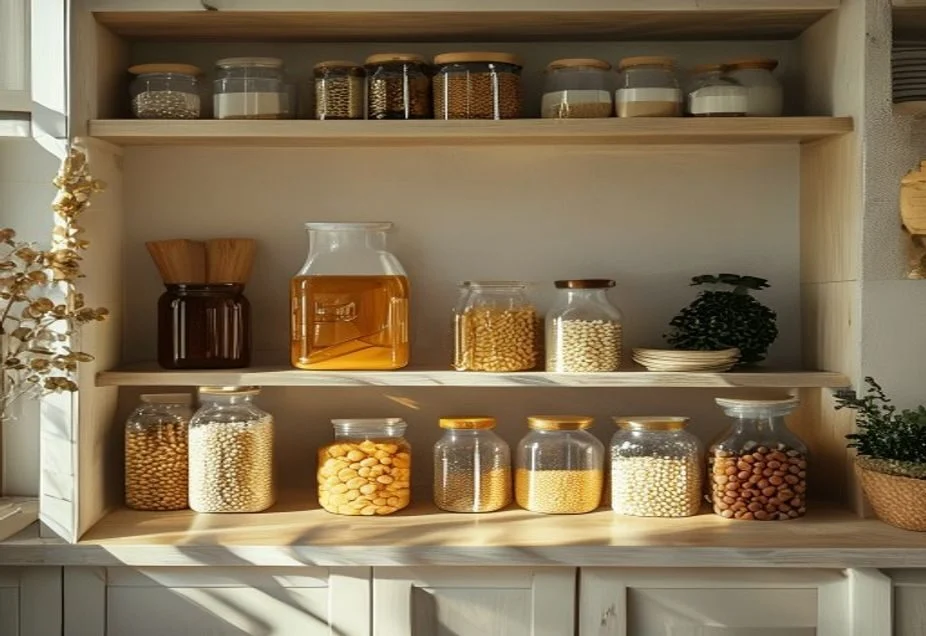
Spend around $45–$60 once on these and they’ll last a month or more, which is why the weekly plans below are cheaper than they look. Buy them at an ethnic grocer if you can.
| Item | Roughly | Lasts |
|---|---|---|
| Rice (5–10kg bag) | $15–$20 | 1–2 months |
| Pasta (multiple 500g packs) | $1–$2 each | Indefinitely |
| Rolled oats (1kg) | ~$3 | 1 month |
| Cooking oil | $5–$8 | 2–3 months |
| Onions, garlic, ginger | ~$5 | 2–3 weeks |
| Salt, pepper, cumin, turmeric, chilli, curry powder | $8–$15 | Months |
| Soy sauce, tomato paste, stock cubes | ~$8 | Months |
| Dried lentils & chickpeas (1kg each) | $3–$5 | Months |
| Tinned tomatoes & beans (stock up on special) | ~$1 each | Years |
Five weekly meal plans you can copy
Each plan assumes you have the pantry kit above, cooks extra at dinner to cover the next day’s lunch, and feeds one person for seven days. Mix and match freely — nobody follows a plan perfectly.
The $50 Survival Week
For the leanest weeks – still three real meals a day, built almost entirely on rice, eggs, lentils and frozen veg. Nothing fancy, nothing wasted.
Shopping list for the week
- Eggs (dozen)
- Frozen mixed veg 1kg
- Bananas
- Bread
- Tinned tuna x2
- Tinned tomatoes x2
- Tinned beans x2
- Potatoes 2kg
- Onions
- Carrots
- Cabbage
- Chicken thighs 1kg
- Cheese block
- Milk
- Peanut butter
- Noodles
Key move: Sunday’s curry is the anchor – cook a big pot and it covers Sunday dinner plus two more meals. Rice, lentils and spices come from your pantry kit.
The $70 Balanced Week
The sweet spot for most students – proper protein and vegetables every day, enough variety that you won’t get bored, and still well under what takeaway would cost.
Shopping list for the week
- Whole chicken ~$12
- Beef mince 500g
- Chicken thighs 500g
- Eggs (dozen)
- Milk 2L
- Yoghurt 1kg
- Cheese block
- Bread + wraps
- Potatoes 2kg
- Onions & garlic
- Carrots, broccoli, capsicum
- Frozen veg 1kg
- Salad greens
- Tomatoes
- Bananas + seasonal fruit
- Tinned tomatoes x3
- Tinned tuna x2
- Weet-Bix
Key move: The whole roast chicken on Sunday or Monday is the trick – dinner, then sandwiches and wraps, then boil the bones for Sunday’s soup. One $12 bird stretches across the week.
The $65 Vegetarian Week
Meat-free and genuinely filling, built on lentils, chickpeas, beans, eggs and paneer or tofu. Often the cheapest way to eat well in Australia.
Shopping list for the week
- Eggs (dozen)
- Tofu or paneer
- Milk
- Yoghurt 1kg
- Cheese block
- Hummus
- Bread + wraps + flatbread
- Sweet potato
- Potatoes
- Onions & garlic
- Carrots, broccoli, capsicum, spinach
- Frozen veg 1kg
- Tinned chickpeas x3
- Tinned beans x2
- Tinned tomatoes x3
- Bananas + fruit
- Noodles
- Peanut butter
Key move: Dried chickpeas and lentils soaked overnight cost a fraction of tinned. Keep a couple of tins for the nights you forget to soak.
The $75 Halal Week
Built around halal chicken and lamb mince from a halal butcher, with plenty of vegetarian nights to keep the cost down. Buying meat at a halal butcher is usually better value than the supermarket anyway.
Shopping list for the week
- Halal chicken 1kg
- Halal lamb or beef mince 500g
- Eggs (dozen)
- Yoghurt 1kg
- Milk
- Cheese
- Flatbread / roti
- Bread
- Onions, garlic, ginger
- Tomatoes
- Carrots, capsicum, spinach
- Potatoes
- Frozen veg 1kg
- Tinned chickpeas x3
- Tinned tomatoes x3
- Lemons
- Bananas + fruit
- Fresh coriander
Key move: Buy meat at a halal butcher in Auburn, Lakemba, Dandenong, Preston or your local equivalent – usually cheaper per kilo than the supermarket and cut how you want it.
The $70 Desi Week
Home food, done affordably – dahl, sabzi, roti and rice through the week, with one or two chicken dishes. Shopping at an Indian grocer makes this the best-value plan on the page.
Shopping list for the week
- Chicken 1kg
- Eggs (dozen)
- Yoghurt 1kg
- Milk
- Atta (roti flour)
- Onions 2kg
- Tomatoes 1kg
- Potatoes 2kg
- Cauliflower
- Carrots, peas, spinach
- Ginger & garlic
- Green chillies
- Fresh coriander
- Lemons
- Kidney beans (dried or tinned)
- Chana / chickpeas
- Masoor & toor dahl
- Tea + spices
- Bananas
Key move: Dahl, atta, rice and spices from an Indian grocer cost a fraction of supermarket prices – Harris Park, Dandenong, Blacktown, Sunnybank. One trip a month covers most of this list.
How to make these plans cheaper still
- Shop at Aldi for staples — typically 15–30% below the big two on comparable items, which can be $15–$30 a week for one person.
- Buy the supermarket’s own brand. Coles and Woolworths house brands are often 30–50% cheaper than the name brand for the same thing.
- Go to an ethnic grocer for rice, lentils, spices and herbs — frequently half the supermarket price, and fresher.
- Shop the markdowns. Supermarkets discount meat, bread and bakery items in the evening. Buy, portion and freeze immediately.
- Buy whole, not pre-cut. A whole pumpkin, a block of cheese, a whole chicken — all much cheaper per kilo than the prepared version.
- Freeze bread and toast from frozen. It stops the loaf going mouldy in humid weather.
- Bring lunch. A $15 lunch bought five days a week is $75 — more than any of these entire meal plans.
We compare the supermarkets in detail in our Coles vs Woolworths vs Aldi guide, and break down realistic totals in our student grocery cost guide.
A realistic first month
Don’t try to run a perfect plan from day one. What actually works:
- Week 1: buy the pantry kit plus one week of fresh food. Your first shop will be the most expensive one you do — that’s normal, and it’s an investment, not a weekly cost.
- Week 2: follow one plan exactly. Don’t improvise yet.
- Week 3: swap in the meals you actually liked and drop the ones you didn’t.
- Week 4: you’ll have your own rotation of six or seven dinners you can cook without thinking. That’s the goal — not variety, but a reliable set you enjoy.
Keep one night a week free for eating out or takeaway. Plans that allow zero flexibility get abandoned by Wednesday.
Eating well, not just cheaply
A cheap diet can still be a good one. The things worth protecting in your budget:
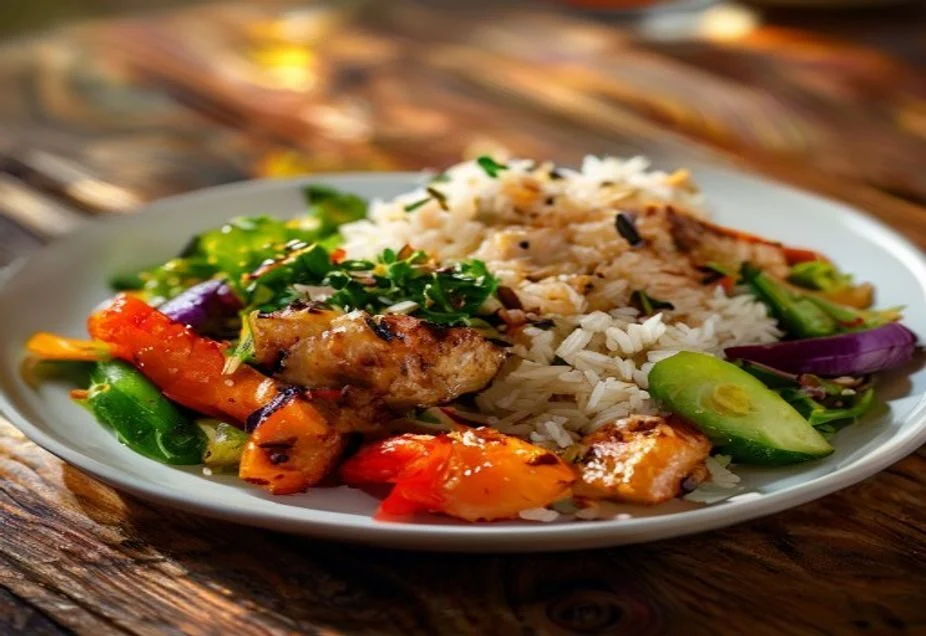
- Protein at every dinner — eggs, lentils, chickpeas, tinned tuna, chicken thighs and mince are all inexpensive per serve.
- Vegetables at every dinner — frozen counts. Aim for colour on the plate.
- Fruit — bananas and whatever is in season are the cheapest. Seasonal produce is dramatically cheaper than out-of-season.
- Dairy or an alternative — milk, yoghurt or a fortified alternative.
If money gets genuinely tight, universities run free or low-cost food programmes — food pantries, community meals and breakfast clubs are common on Australian campuses and are there to be used. Ask your student association or international student office; there’s no stigma, and thousands of students use them.
For more, see our guides to cooking cheap healthy meals, healthy eating on a student budget and saving money on groceries without eating junk.
The bottom line
Eating well as a student in Australia costs $50 to $80 a week if you plan, and double that if you don’t. Pick one of the five plans above, buy the pantry kit once, shop with a list on the same day each week, and cook enough at dinner to cover tomorrow’s lunch. Buy staples at Aldi or an ethnic grocer, frozen vegetables instead of fresh you won’t get through, and protect protein, vegetables and fruit in the budget before anything else. Within a month you’ll have your own rotation and won’t need the plan at all.
Beyond food, our guide to budget shopping in Australia covers where to buy everything else cheaply — Kmart, Aldi, Chemist Warehouse, Officeworks, Bunnings, Costco and op shops compared.
Once you are in the aisle, our guide to reading Australian food labels explains use by vs best before, the nutrition panel line by line, and the allergen rules.
Once you know what to buy, the next step is cooking it. Our guide to cheap healthy meals in Australia has ten costed recipes from about $1 a serve, the cheapest protein in the supermarket, and the meal-prep and food-safety rules that make batch cooking work.
You May Also Like

Moving to Australia: The Complete Checklist and Guide (2026)

NT Public Holidays 2026: Full Calendar, Dates and How Darwin and Alice Springs Celebrate