Australian Party & Drinking Etiquette: Safety, Standard Drinks and Saying No

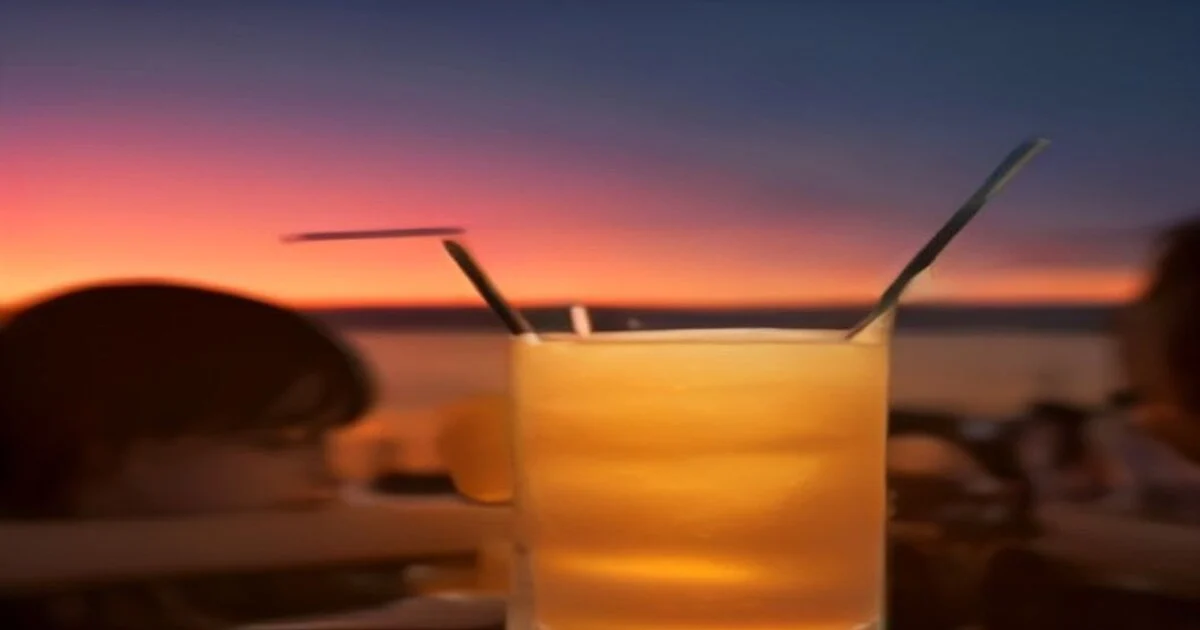
Australian drinking and party culture runs on a specific set of unwritten rules — rounds, standard drinks, RSA (Responsible Service of Alcohol) laws, and a genuine, low-pressure acceptance of people who don’t drink at all. This guide covers the legal basics, how to pace yourself using standard drinks, how to say no without it being awkward, and the safety habits worth building in your first few months. For where to actually go, see our nightlife guide to every major Australian city.
Quick facts: The legal drinking and purchasing age is 18 nationwide. Venues legally require photo ID for anyone who looks under 25 in most states, so carry a passport or Australian ID even if you’re well over 18. Declining a drink is completely normal in Australia — “I’m right, thanks” or “I’m driving” ends the conversation instantly.
The legal basics
The legal drinking age across every Australian state and territory is 18. Venues are legally required to refuse entry or service to anyone who can’t provide valid photo ID when asked, and most bars and clubs apply a “look under 25, show ID” policy regardless of your actual age — an international student ID card isn’t accepted as proof of age, so carry your passport or an Australian state ID/driver’s licence. Staff who serve alcohol are trained under Responsible Service of Alcohol (RSA) laws, which legally require them to refuse service to anyone who appears intoxicated — being cut off isn’t personal, it’s a legal obligation on the venue.
Understanding standard drinks
Australian alcohol labelling uses “standard drinks,” a measure of pure alcohol content rather than serving size — a large, strong beer can easily contain 2 standard drinks even though it looks like one serve. The National Health and Medical Research Council’s guideline is no more than 4 standard drinks on any one occasion to reduce the risk of alcohol-related injury. Every can, bottle and tap at a licensed venue in Australia displays its standard drink count, so check the label rather than judging by glass size alone.
| Drink | Typical serve | Approx. standard drinks |
|---|---|---|
| Full-strength beer (schooner, 425ml) | 1 schooner | ~1.4 |
| Mid-strength beer (schooner, 425ml) | 1 schooner | ~1.0 |
| Wine (150ml glass) | 1 glass | ~1.5 |
| Spirits (30ml nip) | 1 nip/shot | ~1.0 |
| Pre-mixed spirits (can, 375ml) | 1 can | ~1.4 – 1.8 |
How rounds and shouting work
“Shouting a round” means one person buys a drink for everyone in the group, with the expectation that each person takes a turn buying the next round. It’s a genuinely important piece of social etiquette — consistently accepting drinks without ever buying a round yourself is noticed. If you don’t drink alcohol, you’re not expected to sit out the round system: shout non-alcoholic drinks or soft drinks in your turn, and it’s completely normal to do so. Nobody will assume you have to buy alcohol just because it’s your round.
How to say no without it being awkward
Not drinking, whether for religious, health, personal or any other reason, is genuinely common and well accepted in Australian social settings — non-alcoholic beer and zero-proof cocktails (“zero-proof” or “mocktails”) are standard menu items at most bars now, not a niche request. A short, confident response ends the topic quickly:
- “I’m right, thanks” — the standard, casual Australian way to decline a drink offer, no explanation needed
- “I’m driving tonight” — universally respected and never questioned further
- “I don’t drink, but I’ll grab a soft drink” — direct and simple
- “Not for me, but thank you” — polite and final
You generally won’t be pressured further after any of these — persistent pressure to drink after a clear no is considered poor etiquette on the other person’s part, not a normal part of the culture.

Staying safe on a night out
Basic precautions are worth building into habit from your first night out: keep your own drink in sight at all times and don’t accept an open drink from someone you don’t know well, tell a friend or flatmate your general plans, and agree on how you’re getting home before you go out rather than deciding at 2am. Drink spiking, while relatively uncommon, does happen — if you feel suddenly and unusually intoxicated, disoriented or unwell, tell venue staff or security immediately and ask a trusted friend to stay with you. For how to actually get home safely from a night out in your city, including night bus and train options, see our nightlife and getting-home guide.
Lockout laws and last drinks
Some entertainment precincts have had lockout-style laws restricting new entry to venues after a set time (historically applied in parts of Sydney and the Gold Coast), though these have been progressively wound back in most areas in recent years. Rules still vary by state, council and precinct, and individual venues set their own last-drinks and last-entry times regardless of any citywide law — check the specific venue’s website or call ahead if you’re planning a late night, rather than assuming the rules from one city apply everywhere.
House party and BYO etiquette
“BYO” (bring your own) is the default expectation at most house parties and casual gatherings — arriving without a drink or a small contribution to food is noticed, even at a casual get-together. If you don’t drink, bringing a six-pack of soft drink, juice or sparkling water is a perfectly normal BYO contribution. Arriving on time or slightly late (10–15 minutes) is standard for a casual party; arriving early is unusual unless you’ve specifically offered to help set up.
Bottom line
Carry ID everywhere, use the standard drinks label to pace yourself, and don’t worry about declining a drink — it’s a normal, unremarkable part of Australian social life. The etiquette that actually matters is taking your turn in a round (with any drink, alcoholic or not) and having a plan for getting home before you go out.
You May Also Like

Moving to Australia: The Complete Checklist and Guide (2026)
Mother’s Day Gifts Australia 2027: Gift Ideas for Mum by Budget and Interest