Volunteering in Australia: Friends, Skills, References and Your Visa


Volunteering is one of the fastest ways to build a genuine friend group, get real Australian workplace references, and practise English in a low-pressure setting — but most international students never look into it because they assume it will interfere with their visa work-hour limit or cost money they don’t have. Neither is generally true. This guide covers how volunteering actually works in Australia, where to find legitimate opportunities, and what it does for your resume and your visa file.
Quick facts: Genuine unpaid volunteering for a registered charity or not-for-profit generally does not count towards your student visa’s paid work-hour limit under Condition 8105 — but always confirm your specific situation against your visa grant letter or directly with the Department of Home Affairs, since unpaid trial shifts and internships with for-profit businesses are treated differently and do count.
Why volunteering is worth your time
Beyond the obvious community benefit, volunteering solves three problems international students commonly face at the same time: it’s a structured way to meet people outside your course or share house, it gives you a genuine local reference and Australian-context experience to put on a resume that otherwise only lists overseas experience, and it builds practical spoken English confidence in a setting with far less pressure than a job interview or a paid workplace.
Does volunteering affect my student visa work-hour limit?
Student visas carry a paid work-hour condition (Condition 8105) capping how many hours you can work in paid employment per fortnight while your course is in session. Genuine voluntary work — unpaid work for a registered charity or not-for-profit where you receive no wage or material benefit — generally sits outside this cap. The important word is “genuine”: an unpaid trial shift, unpaid internship, or “volunteer” role at a for-profit business is treated very differently and can still count as work, or breach your visa conditions entirely if it’s really disguised unpaid labour. If you’re ever unsure whether a specific role is genuine volunteering, check directly with the organisation’s registration status and, if in doubt, confirm your position with the Department of Home Affairs rather than assuming.
Where to find legitimate volunteering opportunities

| Where to look | What it’s good for |
|---|---|
| GoVolunteer (govolunteer.com.au) | Australia’s largest dedicated volunteering listings site, searchable by cause and location |
| Your university’s volunteering or careers office | Campus-based and partner opportunities, often specifically set up for students |
| SEEK Volunteer | Volunteer listings alongside SEEK’s regular job board, useful if you’re already using SEEK for paid work |
| State Emergency Service (SES) and Rural Fire Service | Structured training and genuine community responsibility, though it requires a real time commitment |
| Local council volunteering pages | Community events, environmental clean-ups, local libraries — usually casual and low-commitment |
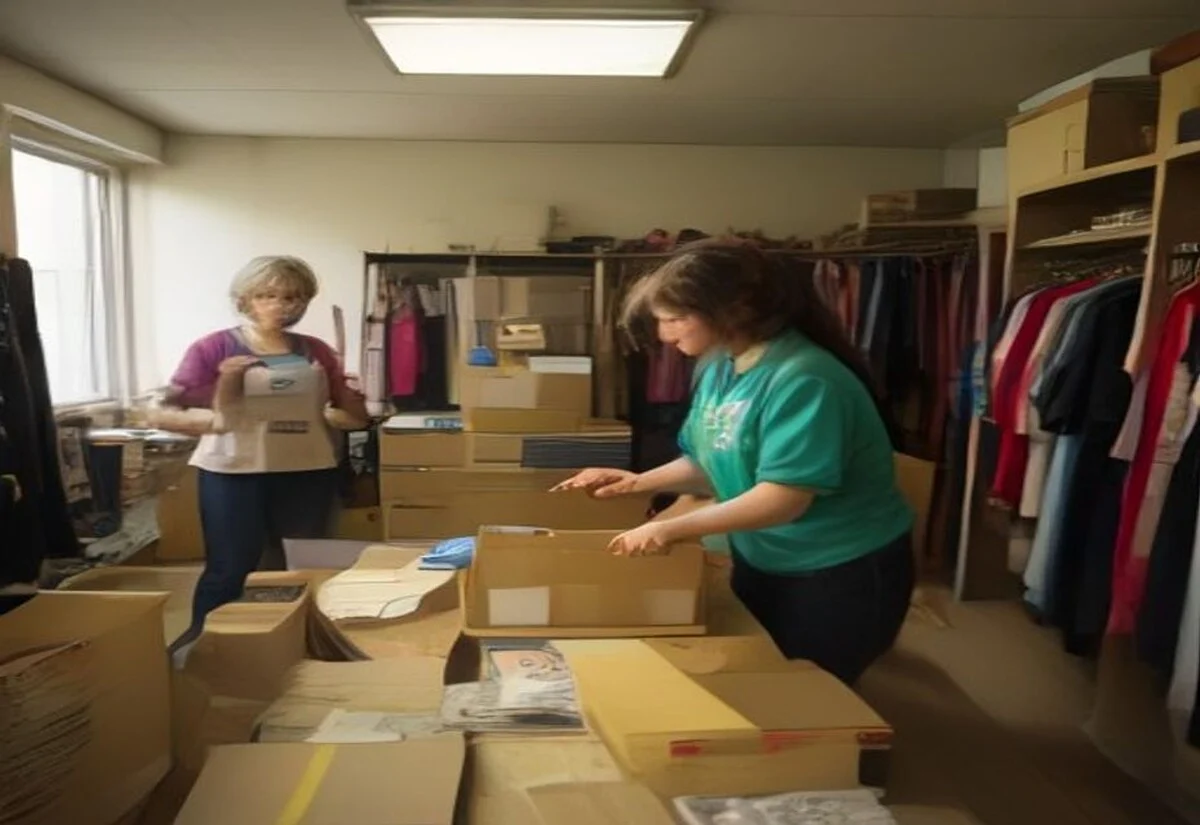
| Op shops (Vinnies, Salvos, Red Cross) | Easy entry point, regular retail-style shifts, useful if you want customer-facing experience |
| Conservation Volunteers Australia / Landcare | Environmental and outdoor volunteering, often day-trip or weekend-based |
| Foodbank and OzHarvest | Food relief logistics and distribution, typically flexible shift-based volunteering |
What you'll likely need before you start
Most organised volunteering roles require basic paperwork before your first shift. A National Police Check is common for roles involving vulnerable people or handling money. A Working with Children Check (WWCC) — the exact name and process varies by state — is mandatory for any role involving direct, unsupervised contact with children, and it’s usually free or low-cost for genuine volunteers. Our state-by-state Working with Children Check guide breaks down the exact fee, validity period and application steps for every state and territory. Some organisations also require a short induction session or basic training before you’re rostered on, particularly for emergency services or aged care roles. None of this should cost you significant money — be cautious of any “volunteer program” that charges a substantial upfront fee, which is more commonly associated with paid volunteer-tourism operators than genuine local community organisations.
How to put volunteering on your resume properly
List volunteer roles the same way you’d list paid work: organisation name, your role title, dates, and 2-3 bullet points on what you actually did and any measurable outcome. “Volunteer, Vinnies Op Shop — sorted and priced donated stock, assisted customers, handled cash register” is a legitimate, resume-worthy entry, especially if it’s your first piece of Australian workplace experience. Australian employers do recognise volunteering as genuine experience, particularly for entry-level and casual roles where reliability and customer-facing comfort matter more than technical skill.
How much time should you commit?
Start smaller than you think — a single 3-4 hour shift once a fortnight is a completely legitimate level of involvement and easier to sustain around study than a weekly commitment. Most organisations would rather have a volunteer who reliably shows up once a fortnight than one who commits to weekly shifts and burns out after a month. Be upfront about your availability and exam periods when you sign up; established volunteer programs are used to working around student schedules.
Bottom line
Genuine, unpaid volunteering with a registered charity is one of the lowest-risk, highest-value things you can do with a few spare hours a fortnight — it builds your local network, your resume and your confidence without the visa complications of paid work. Start with GoVolunteer or your university’s volunteering office, confirm any paperwork requirements upfront, and commit to a level you can actually sustain around your study schedule.
You May Also Like

Moving to Australia: The Complete Checklist and Guide (2026)

Mother’s Day Gifts Australia 2027: Gift Ideas for Mum by Budget and Interest