Preston Melbourne: Complete Suburb Guide 2026 | Living, Safety

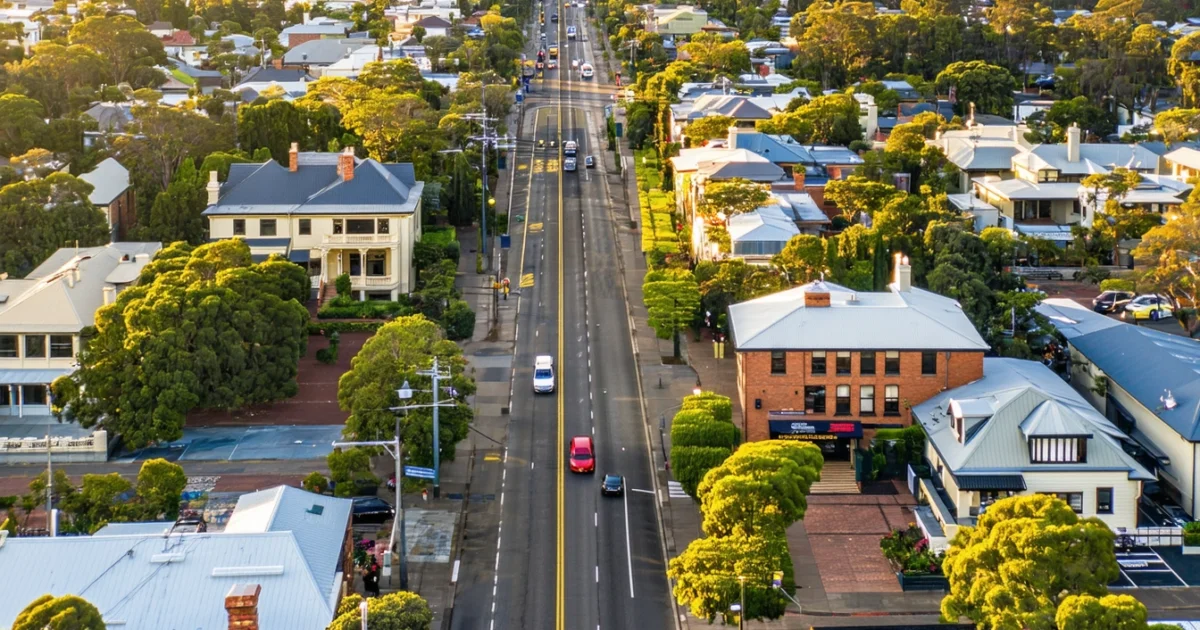
Preston is a vibrant inner-northern suburb located just 9 kilometres from Melbourne‘s CBD, offering an affordable and culturally diverse community within the Darebin City Council area. This postcode 3072 suburb has transformed from its industrial roots into a trendy neighbourhood known for excellent transport links, multicultural dining, and strong community spirit.
Located between High Street and Bell Street, Preston provides easy access to Melbourne’s city centre via Preston railway station and multiple bus routes. The suburb attracts young professionals, families, and students seeking affordable housing options while maintaining proximity to Melbourne’s employment hubs.
Furthermore, Preston’s diverse community creates a unique neighbourhood character with authentic restaurants, local markets, and cultural venues. The area continues to experience steady property growth while remaining more affordable than many comparable inner-city suburbs, making it an attractive option for first-home buyers and investors alike.
TL;DR
- Preston sits 9km north of Melbourne CBD with excellent train and bus connections via Preston station
- The suburb offers affordable housing options with median prices below Melbourne average, attracting diverse demographics
- Strong multicultural community with vibrant dining scene, local markets, and family-friendly amenities including parks and schools
- Generally safe neighbourhood with improving crime statistics and active community engagement
- Growing property market with solid investment potential due to transport links and ongoing urban development
Preston Melbourne: Location and Overview
Preston sits strategically in Melbourne’s inner north, positioned 9 kilometres from the Central Business District. This vibrant suburb occupies a prime location between High Street to the south and Bell Street to the north, creating clear geographical boundaries that define the neighbourhood’s character. The suburb’s central position provides residents with excellent connectivity to both the city centre and surrounding areas.
The postcode 3072 encompasses Preston’s entire residential and commercial areas. Additionally, Preston shares borders with several notable suburbs including Thornbury to the south, Reservoir to the west, and Coburg North to the southwest. These neighbouring areas contribute to Preston’s diverse character while maintaining distinct community identities.
Darebin City Council governs Preston alongside other inner northern suburbs. This local government area provides essential services including waste management, community facilities, and urban planning initiatives. The council’s progressive approach to community development has significantly enhanced Preston’s livability and cultural diversity over recent years.
Historical Development and Transformation
Preston’s history traces back to the 1850s when European settlers established farming communities in the area. Originally, the suburb served as agricultural land with dairy farms and market gardens supplying fresh produce to Melbourne’s growing population. The arrival of the railway line in 1889 marked a turning point that transformed Preston from rural farmland into a suburban community.
Industrial development flourished throughout the early 20th century, with textile mills, clothing factories, and manufacturing plants establishing operations in Preston. These industries attracted waves of migrants, particularly from Southern and Eastern Europe, who created the multicultural foundation that defines Preston today. Consequently, the suburb developed its distinctive character through this blend of industrial heritage and cultural diversity.
Urban renewal initiatives began in the 1990s and accelerated through the 2000s, transforming Preston’s industrial landscape. Former factory sites became residential developments, while High Street evolved into a bustling commercial strip featuring cafes, restaurants, and specialty shops. This revitalization attracted young professionals and families seeking affordable alternatives to more expensive inner-city suburbs.
Current Demographics and Population Profile
Preston’s current population stands at approximately 29,000 residents according to the latest census data. The suburb attracts a diverse demographic mix including young professionals, families with children, and established migrant communities. This population diversity creates a dynamic neighbourhood where multiple cultures, languages, and traditions coexist harmoniously.
The median age in Preston is 35 years, reflecting the suburb’s appeal to working-age adults and young families. Furthermore, approximately 45% of residents were born overseas, with significant communities from Italy, Greece, Lebanon, and more recently, India and China. This multicultural composition enriches Preston’s social fabric and contributes to its renowned dining and cultural scene.
Housing affordability remains a key attraction for Preston residents, with median property prices sitting below Melbourne’s average. The suburb offers a mix of housing types including renovated period homes, modern townhouses, and apartment developments. This variety ensures Preston accommodates different lifestyle preferences and budget requirements while maintaining its community-focused atmosphere.
Educational attainment levels in Preston continue to rise, with increasing numbers of residents holding tertiary qualifications. The suburb’s proximity to universities and employment centres makes it particularly attractive to students and recent graduates. Moreover, Preston’s strong public transport connections enable residents to access job opportunities across Melbourne’s metropolitan area efficiently.
Living in Preston: Safety, Affordability and Lifestyle
Crime Statistics and Safety Assessment for 2026
Preston maintains moderate safety levels compared to other Melbourne suburbs, with crime statistics showing steady improvement over recent years. According to Victoria Police data for 2025-2026, the suburb records approximately 65 incidents per 1,000 residents annually. This figure places Preston in the middle range of Melbourne’s safety rankings, neither among the safest nor most problematic areas.
Property crime represents the most common safety concern in Preston, accounting for roughly 60% of all reported incidents. However, violent crime rates remain relatively low at 8.2 incidents per 1,000 residents. Most safety issues occur around High Street commercial areas during evening hours, while residential streets generally experience minimal criminal activity.
Community policing initiatives have strengthened neighbourhood security significantly. Furthermore, Preston Police Station coordinates regular patrols throughout the suburb’s main precincts. Residents consistently report feeling safe during daylight hours, with evening safety perceptions varying by specific location within the suburb.
Property Prices and Rental Costs
Median house prices in Preston reached $850,000 in late 2025, representing excellent value compared to Melbourne’s metropolitan average of $1.1 million. This affordability factor makes Preston particularly attractive to first-home buyers and young families seeking quality housing without premium price tags. Additionally, unit prices average $520,000, offering diverse entry points into the property market.
| Property Type | Median Price | Weekly Rent |
|---|---|---|
| House (3BR) | $850,000 | $480 |
| Townhouse (2BR) | $680,000 | $420 |
| Apartment (1BR) | $420,000 | $350 |
| Apartment (2BR) | $520,000 | $450 |
Rental markets in Preston offer competitive rates with three-bedroom houses averaging $480 per week. Two-bedroom apartments typically rent for $450 weekly, while one-bedroom units start around $350. These rental prices sit approximately 15% below Melbourne’s average, making Preston an affordable choice for tenants across different income brackets.
Cost of Living Comparison
Preston’s overall cost of living sits roughly 8% below Melbourne’s metropolitan average, driven primarily by lower housing costs and competitive local services. Grocery shopping at Preston Market and local supermarkets typically costs 5-10% less than inner Melbourne equivalents. Moreover, dining out remains affordable with numerous budget-friendly restaurants and cafes throughout the suburb.
Transportation costs prove particularly economical for Preston residents. The suburb’s excellent public transport connections mean many residents avoid car ownership expenses entirely. Zone 1 Myki fares provide access to Melbourne CBD within 20 minutes, while local amenities remain within walking distance for most daily needs.
Utility costs align with Melbourne averages, though many energy-efficient housing developments help reduce monthly bills. Internet and telecommunications services offer competitive pricing through multiple providers. Additionally, Preston’s proximity to wholesale markets keeps fresh produce costs notably lower than premium inner-city suburbs.
Neighbourhood Character and Community Feel
Preston exudes a relaxed, community-oriented atmosphere that balances urban convenience with suburban tranquility. Tree-lined residential streets feature a mix of renovated Edwardian homes, contemporary townhouses, and modern apartment complexes. This architectural diversity creates visual interest while maintaining neighbourhood cohesion through consistent street planning and mature landscaping.
Local community groups actively organize neighbourhood events and festivals throughout the year, fostering strong social connections among residents. The nearby Thomastown area shares similar community values, creating a broader network of connected suburbs. Furthermore, Preston’s village-like feel encourages walking and cycling, with many residents knowing their immediate neighbours personally.
High Street serves as Preston’s social and commercial heart, buzzing with activity during business hours and evening dining periods. Local cafes become informal community meeting spaces where residents gather regularly. This street-level vibrancy contributes significantly to Preston’s authentic neighbourhood character that many residents cherish.
Cultural Diversity and Multicultural Aspects
Preston celebrates remarkable cultural diversity with over 45% of residents born overseas, creating a vibrant multicultural community. Established Italian and Greek communities maintain strong cultural traditions through local clubs, restaurants, and annual festivals. Meanwhile, newer arrivals from India, China, and Lebanon add contemporary multicultural dimensions to the suburb’s social fabric.
This cultural richness manifests most visibly through Preston’s exceptional dining scene. High Street features authentic restaurants representing dozens of cuisines, from traditional Italian trattorias to modern Vietnamese pho houses. Preston Market showcases this diversity through specialty food stalls, international grocers, and multicultural vendors selling everything from fresh pasta to exotic spices.
Language diversity enriches daily life in Preston, with over 30 languages spoken regularly throughout the community. Local schools embrace this multilingual environment through specialized programs supporting students from non-English speaking backgrounds. Additionally, community centers offer English classes and cultural exchange programs that help newcomers integrate while celebrating their heritage traditions.
Religious diversity flourishes through various places of worship including Catholic churches, Orthodox temples, Islamic mosques, and Buddhist meditation centers. These institutions serve not only spiritual needs but also function as important community gathering spaces that strengthen multicultural bonds across Preston’s diverse population segments.
Transport and Accessibility
Preston railway station serves as the suburb’s primary transport hub, connecting residents directly to Melbourne’s extensive rail network. The station operates on the Mernda line, providing frequent services throughout the day with trains running every 10-20 minutes during peak periods. Consequently, commuters enjoy reliable access to the city center and surrounding metropolitan areas.
Travel times from Preston to key Melbourne destinations remain highly competitive for outer suburban locations. The journey to Melbourne CBD takes approximately 25-30 minutes by train, while connections to major employment hubs like Richmond and South Yarra require 35-40 minutes. Furthermore, direct services to Flinders Street Station provide seamless access to the city’s business district without requiring transfers.
Bus Networks and Public Transport
Multiple bus routes complement the railway services, creating comprehensive public transport coverage throughout Preston suburb Melbourne. Route 513 operates along High Street, connecting Preston Market to nearby shopping centers and residential areas. Additionally, the 566 bus service links Preston to Northland Shopping Centre, while route 350 provides cross-suburban connections to neighboring areas.
These bus services integrate seamlessly with Melbourne’s myki ticketing system, allowing passengers to transfer between trains and buses using a single fare structure. Peak hour services increase frequency to accommodate commuter demand, while weekend services maintain regular schedules for recreational travel and shopping trips.
Major Road Infrastructure
High Street functions as Preston’s main commercial and transport artery, running north-south through the suburb’s center. This major road connects directly to Melbourne’s CBD via Swanston Street, providing motorists with a direct route for city commuting. Traffic flows efficiently during off-peak hours, though peak periods experience typical metropolitan congestion.
Bell Street serves as a crucial east-west connector, linking Preston to the broader northern suburbs network. Meanwhile, Plenty Road provides access to Melbourne’s northeastern corridor, connecting residents to major shopping centers and employment areas. These arterial roads form the backbone of Preston’s road network, supporting both local and through traffic.
Residential streets throughout Preston maintain good connectivity to these major roads through well-planned intersection networks. Local traffic management measures include roundabouts, traffic lights, and pedestrian crossings that enhance safety while maintaining traffic flow efficiency.
Cycling Infrastructure and Active Transport
Preston’s cycling infrastructure continues expanding through dedicated bike paths and shared road networks. The Darebin Creek Trail provides scenic cycling routes connecting Preston to neighboring suburbs while offering recreational opportunities for families and fitness enthusiasts. This trail system links to Melbourne’s broader cycling network, enabling long-distance recreational rides.
On-road cycling lanes along major streets improve cyclist safety and encourage active transport adoption. High Street features designated cycling infrastructure, while residential streets maintain low traffic volumes suitable for recreational cycling. Additionally, bike parking facilities at Preston railway station support multi-modal transport options for commuters.
Local cycling groups organize regular community rides and advocacy efforts that promote cycling culture throughout Preston. These initiatives support Melbourne’s broader sustainable transport goals while building community connections among residents who choose active transport options.
Shopping, Dining and Entertainment
Preston offers diverse shopping experiences that cater to both everyday needs and specialty retail preferences. The suburb combines traditional market culture with modern retail strips, creating a vibrant commercial landscape for residents and visitors alike.
Preston Market and Local Shopping Precincts
Preston Market serves as the suburb’s retail centerpiece, operating as Melbourne’s largest fresh food market since 1978. This bustling marketplace features over 100 specialty stores offering fresh produce, international foods, clothing, and household goods at competitive prices. Market vendors provide multicultural products reflecting Preston’s diverse community demographics.
Local shopping precincts throughout Preston complement the central market with convenience stores, pharmacies, and specialty retailers. These neighborhood commercial clusters support daily shopping needs while maintaining the suburb’s community-focused retail character. Furthermore, independent retailers contribute to Preston’s unique shopping identity distinct from generic chain store experiences.
High Street Preston Retail Strip
High Street Preston forms the suburb’s primary retail corridor, stretching from Murray Road to Bell Street with continuous commercial frontage. This retail strip combines established businesses with emerging enterprises, creating dynamic shopping opportunities for local residents. Mixed-use developments along High Street integrate retail spaces with residential apartments above.
Specialty stores along High Street include fashion boutiques, electronics retailers, and service businesses that serve Preston’s growing population. Additionally, the retail strip benefits from excellent public transport connectivity, making it accessible for shoppers from neighboring suburbs like Lalor and Reservoir.
Proximity to Northland Shopping Centre
Preston residents enjoy convenient access to Northland Shopping Centre, located just minutes away in neighboring Preston South. This major regional shopping destination features over 280 specialty stores including department stores, fashion retailers, electronics outlets, and dining establishments. Northland provides comprehensive shopping options that complement Preston’s local retail offerings.
Direct bus services connect Preston to Northland Shopping Centre, while the short driving distance makes it easily accessible for major shopping trips. This proximity means Preston residents can access both intimate local shopping experiences and large-scale retail conveniences without traveling far from home.
Restaurant Scene and Dining Options
Preston’s restaurant scene reflects the suburb’s multicultural character through diverse dining establishments along High Street and surrounding areas. Italian restaurants maintain strong presence given Preston’s historical Italian community, while newer establishments offer Asian, Middle Eastern, and contemporary Australian cuisines. These dining venues range from casual family restaurants to upscale dining experiences.
Local restaurants emphasize fresh ingredients sourced from Preston Market, creating farm-to-table dining experiences that showcase seasonal produce. Moreover, many establishments offer both dine-in and takeaway options, catering to busy families and professionals who appreciate convenient meal solutions.
Cafes, Bars and Nightlife Venues
Preston’s cafe culture thrives along High Street with independent coffee roasters and specialty cafes serving locally-sourced beans and artisanal food options. These establishments create community gathering spaces where residents socialize and conduct informal business meetings. Specialty coffee shops complement traditional cafes, offering diverse brewing methods and unique flavor profiles.
Bar venues in Preston provide relaxed evening entertainment options including craft beer pubs, wine bars, and cocktail lounges. These establishments often feature live music performances and community events that strengthen neighborhood connections. Consequently, Preston’s nightlife scene maintains a friendly, approachable atmosphere rather than intense party environments.
Cultural Attractions and Entertainment Facilities
Preston offers several cultural attractions that enhance community life and provide entertainment options for residents of all ages. Preston City Oval hosts local football matches and community events, while nearby parks feature playground equipment and recreational facilities for families. The suburb’s proximity to Melbourne CBD ensures easy access to major cultural institutions and entertainment venues.
Community centers throughout Preston organize cultural events, art exhibitions, and educational programs that celebrate the suburb’s diverse heritage. These facilities support local artists and cultural groups while providing venues for community gatherings and celebrations. Additionally, Preston’s entertainment options include cinema complexes and recreational facilities that serve both residents and visitors from surrounding areas.
Education and Family Amenities
Preston provides comprehensive educational opportunities that support families throughout their children’s academic journey. The suburb hosts numerous primary and secondary schools, alongside specialized learning facilities that cater to diverse educational needs. Furthermore, Preston’s family-friendly infrastructure includes quality childcare services, recreational spaces, and healthcare facilities that create an ideal environment for raising children.
Primary and Secondary Schools in Preston
Preston Primary School serves as one of the suburb’s cornerstone educational institutions, providing quality foundation learning for local children. The school emphasizes inclusive education practices and maintains strong community connections through parent involvement programs. Additionally, several other primary schools throughout Preston offer diverse educational approaches including multicultural programs that reflect the suburb’s demographic diversity.
Secondary education options in Preston include Preston High School, which delivers comprehensive curriculum programs from Years 7 to 12. This institution focuses on academic excellence while supporting students’ personal development through extracurricular activities and career guidance services. Moreover, nearby secondary schools provide alternative educational pathways including specialized programs in arts, sciences, and vocational training.
Preston TAFE and Tertiary Education Options
RMIT University’s Preston campus offers tertiary education opportunities directly within the suburb, specializing in engineering, science, and technology programs. Students benefit from modern facilities and industry connections that enhance their career prospects upon graduation. Consequently, this local tertiary presence attracts young professionals and contributes to Preston’s educated demographic profile.
TAFE institutions near Preston provide vocational education and training across various industries including trades, healthcare, and business administration. These facilities support career transitions and skill development for residents seeking professional advancement. Additionally, adult education centers throughout the area offer language classes and community education programs that serve Preston’s multicultural population.
Childcare Centres and Early Learning Facilities
Preston supports working families through numerous childcare centers that provide quality early childhood education and care services. These facilities maintain high safety standards and employ qualified educators who focus on children’s developmental milestones. Furthermore, many centers offer extended hours and flexible scheduling options that accommodate parents’ work commitments.
Early learning centers throughout Preston emphasize play-based learning approaches that prepare children for formal schooling. These facilities incorporate outdoor learning spaces, creative arts programs, and multicultural awareness activities that reflect the community’s diversity. Additionally, family day care services provide alternative childcare arrangements in home-based environments for families preferring smaller group settings.
Parks, Playgrounds and Family-Friendly Spaces
Preston City Park serves as the suburb’s primary recreational space, featuring extensive playground equipment, walking paths, and picnic facilities that attract families throughout the week. The park includes specialized play areas for different age groups, ensuring safe and engaging experiences for toddlers through teenagers. Moreover, regular community events and festivals utilize this space to strengthen neighborhood connections.
Smaller neighborhood parks throughout Preston provide convenient outdoor spaces for daily recreation and exercise. These green spaces feature modern playground equipment, exercise stations, and dog-friendly areas that encourage active lifestyles. Consequently, families enjoy easy access to outdoor recreation without traveling far from their homes, supporting community health and wellbeing initiatives.
Preston Oval and Recreational Facilities
Preston City Oval functions as the suburb’s premier sporting venue, hosting local football matches, cricket games, and community sporting events throughout the year. The facility includes professional-grade playing surfaces, spectator seating, and clubroom facilities that support organized sports participation. Additionally, the oval provides training spaces for junior sports clubs that develop young athletes’ skills and teamwork abilities.
Recreation centers near Preston offer indoor sporting facilities including basketball courts, fitness equipment, and group exercise classes that cater to diverse fitness interests. These centers provide year-round recreational opportunities regardless of weather conditions, supporting residents’ health and fitness goals. Furthermore, swimming pools and aquatic centers in the area offer learn-to-swim programs and competitive swimming training for all age groups.
Healthcare Services and Medical Centres
Preston supports community health through multiple medical centers that provide comprehensive primary healthcare services including general practice, specialist consultations, and preventive health programs. These facilities employ experienced healthcare professionals who understand the local community’s diverse health needs. Additionally, bulk-billing options ensure healthcare accessibility for families across different economic circumstances.
Specialized healthcare services in Preston include dental practices, physiotherapy clinics, and mental health support services that address specific health requirements. Pharmacy services throughout the suburb provide medication dispensing, health consultations, and community health screening programs. Moreover, Preston’s proximity to major hospitals ensures access to emergency services and specialized medical treatments when required, supporting comprehensive healthcare coverage for all residents.
Property Market and Investment Potential
Preston’s property market demonstrates strong investment fundamentals with median house prices reaching $875,000 in 2026, while unit prices average $520,000 across the suburb. These figures represent significant value compared to inner Melbourne suburbs, positioning Preston as an attractive option for both first-home buyers and investors. Additionally, the suburb’s diverse housing stock provides multiple entry points into Melbourne’s competitive property market.
Recent market trends show consistent price growth of approximately 8-12% annually over the past three years, driven by Preston’s improving infrastructure and growing popularity among young professionals. Furthermore, the suburb’s strategic location just 9 kilometers from Melbourne CBD continues to attract buyers seeking affordable alternatives to expensive inner-city areas. Consequently, property values have strengthened as transport connections and local amenities have improved significantly.
Rental Yields and Investment Returns
Investment properties in Preston generate rental yields between 4.2% and 5.8%, with units typically achieving higher yields than houses due to lower purchase prices and strong rental demand. Moreover, the suburb’s proximity to universities and employment centers ensures consistent tenant demand throughout the year. Therefore, investors benefit from both capital growth potential and steady rental income streams.
Rental prices reflect Preston’s growing desirability, with two-bedroom units commanding $380-450 per week and three-bedroom houses renting for $480-580 weekly. These rental rates provide competitive returns while remaining affordable for tenants, creating a balanced market dynamic. Subsequently, vacancy rates stay low at approximately 2.1%, indicating strong rental market fundamentals.
Housing Stock Diversity
Preston’s housing landscape features predominantly older-style homes including weatherboard cottages, brick veneer houses, and Art Deco apartments that reflect the suburb’s historical development. These properties offer renovation opportunities for buyers seeking to add value through improvements and modernization. Additionally, newer apartment complexes and townhouse developments provide contemporary living options with modern amenities.
The suburb contains approximately 60% houses and 40% units, creating diverse investment and living options across different price points. Period homes on larger blocks appeal to families seeking renovation projects, while modern apartments attract young professionals and downsizers. Consequently, this housing mix supports a varied demographic and maintains market stability across different economic cycles.
Development Projects and Growth Prospects
Major infrastructure investments including the Preston Market redevelopment and improved public transport connections signal strong future growth potential for the suburb. These projects enhance Preston’s appeal and support continued property value appreciation over the medium term. Furthermore, the Victorian Government’s commitment to upgrading regional rail services strengthens Preston’s connectivity advantages.
New residential developments focus on medium-density housing that balances growth with community character preservation, ensuring sustainable development patterns. Planning approvals for mixed-use projects near transport hubs create additional housing supply while supporting local businesses. Therefore, Preston’s development trajectory supports both population growth and property market stability, making it an increasingly attractive investment destination in Melbourne’s northern suburbs.
Frequently Asked Questions
Where is Preston, Melbourne?
Preston is an inner-northern suburb of Melbourne located approximately 9 kilometres north of the CBD, within the City of Darebin local government area. It carries the postcode 3072 and sits between Northcote and Reservoir, with Thornbury to the west and Bundoora to the north. The suburb is accessible from the city via the Mernda train line and several tram routes, making it one of the better-connected suburbs in Melbourne’s northern corridor.
What is Preston, Melbourne like?
Preston is a vibrant, multicultural suburb with a strong neighbourhood identity built around fresh food, community markets, diverse dining, and an increasingly active arts and café scene. It has a distinctly lived-in, unpretentious character — a mix of long-established Italian, Greek, and Lebanese communities alongside newer arrivals and a growing wave of young professionals priced out of Northcote and Thornbury. The housing stock ranges from Californian bungalows and Art Deco homes on generous blocks to newer townhouses and apartment developments. High Street and Plenty Road are the two main commercial corridors, and Preston Market remains the suburb’s cultural and social focal point.
What is Preston, Melbourne like to live in?
Day-to-day life in Preston is comfortable, affordable, and well-serviced. The suburb has a genuine community feel, anchored by the market, local cafes, and a High Street strip that has become noticeably livelier over the past few years with new restaurants, bars, and independent retailers. Families are well catered for with multiple primary and secondary schools, parks, and the Preston Reservoir. Renters and first-home buyers particularly value the affordability relative to suburbs further south — Preston consistently offers more floor space for the dollar than comparable inner suburbs. The main trade-offs are that parts of the suburb are still in transition, and the retail and dining scene is not yet as polished as neighbours like Northcote, though the gap is closing year by year.
Is Preston a good suburb?
Yes, Preston is broadly considered a good suburb and increasingly popular with first-home buyers, renters, and investors. First-home buyers priced out of Northcote or Thornbury increasingly target Preston for its lifestyle and long-term capital growth potential. The Realta The suburb offers solid public transport, a strong multicultural food scene, good schools, and a sense of community that many inner-ring suburbs have lost to over-gentrification. It is not a suburb that tries to be fashionable — it just tends to work well for people who live there.
Is Preston, Melbourne a good place to live?
For the right household, it is an excellent place to live. Young professionals benefit from the train and tram access to the city, the affordable rents, and the growing café and bar scene on High Street. Families are drawn by the schools, the parks, and the community atmosphere around the market. Investors value it for its high rental demand from students and professionals, and superior public transport infrastructure. Barry Plant The honest caveats are that some pockets of the suburb feel more transitional than established, and traffic along Plenty Road and Bell Street can be significant during peak hours. Overall though, Preston punches well above its price bracket for liveability.
Is Preston, Melbourne safe?
Preston is a reasonably safe suburb with a crime profile typical of Melbourne’s inner-northern suburbs. Victoria Police data for 2025-2026 indicates around 65 incidents per 1,000 residents annually, placing Preston in the middle range of Melbourne’s safety rankings. Newlifeinaus Property crime — vehicle break-ins and opportunistic theft — is the most common category of incident, concentrated around commercial precincts rather than residential streets. The suburb does not have a reputation for serious violent crime, and residential streets are generally calm. Standard urban precautions apply around the train station and market areas, particularly in the evenings.
What is Preston famous for?
Preston is best known for its market. Preston Market has been successfully running for over 55 years and remains one of Melbourne’s most traditional and beloved markets. Transport Accident Commission Beyond the market, Preston is known for its multicultural character — particularly its Italian, Greek, and Lebanese community influence visible in the food shops, bakeries, and delis along High Street. The suburb also has a place in Melbourne’s industrial history through the Preston Workshops, which manufactured trams for Melbourne’s network from the 1920s onward. More recently, Preston has a growing reputation as a destination for independent cafes, live music venues, and an emerging arts scene.
What is there to do in Preston, Melbourne?
The Preston Market is the obvious starting point — it is a genuine community market rather than a tourist attraction, and worth visiting on any day it is open. High Street has a strong run of cafes, wine bars, and independent restaurants. For outdoor activity, the Merri Creek trails and Preston Reservoir Park offer easy access to green space and walking routes. Melbourne Polytechnic (TAFE) and La Trobe University are both accessible from the suburb. The suburb also has community sports ovals, the Darebin Arts and Entertainment Centre, and several neighbourhood parks. On event nights, the local bar and small-venue live music scene along High Street provides plenty of activity without the cost or crowds of inner-city venues.
Where should I eat in Preston, Melbourne?
High Street is the main dining strip, covering everything from Italian bakeries and Lebanese restaurants to modern cafes and share-plate bars. The multicultural influence shows clearly — you can move between a Greek pastry shop, a Vietnamese pho house, a Lebanese grill, and a third-wave coffee spot within a few hundred metres. Preston Market itself is also a legitimate food destination: the deli counters, fresh seafood hall, and international food stalls make it easy to graze. For a sit-down meal, the cluster of restaurants around the Plenty Road and Murray Road intersection is worth exploring. The suburb does not yet have a Swan Street-style concentration of acclaimed restaurants, but the quality and variety of casual and mid-range dining is genuinely impressive for its price point.
What to eat at Preston Market?
Preston Market is best approached as a produce and specialty food market first, with a strong secondary offering of food stalls and eateries. It is particularly well-regarded for its Italian products, which are rare to find in traditional stores, as well as its wide range of fresh produce, and visitors describe it as a genuine meeting place with an authentic shopping experience. Tripadvisor The fresh meat and fish hall is the centrepiece, surrounded by fruit and vegetable stalls, delis, and bakeries. For eating in, the market has a selection of cafes and small eateries serving everything from Vietnamese rice paper rolls to wood-fired pizza. The deli counters are especially popular for ready-made European foods — olives, cured meats, cheeses, and fresh pasta. Arriving early on Saturday gives you the best selection; arriving just before closing on Saturday can yield bargains on fresh produce.
Where is Preston Market?
Preston Market is located on Cramer Street in Preston, easily identified as it sits directly adjacent to Preston Station. Tripadvisor The full address is 30A The Centreway, Preston VIC 3072. It is one of the most conveniently placed markets in Melbourne for public transport access — the train station is essentially at the market entrance.
Where are the Preston Markets?
Preston has one main market — Preston Market on Cramer Street — which is the suburb’s primary fresh produce and multicultural food market. There is no separate or secondary market operating under a different name. Some listings refer to “Preston Markets” in the plural informally, but they all refer to the same Cramer Street site.
Is Preston Market open today? / Is the Preston Market open?
Preston Market is open Wednesday to Sunday. Wednesday and Thursday hours are 8am to 3pm, Friday hours are 8am to 6pm, and Saturday and Sunday hours are 8am to 3pm. Instagram The market is closed on Mondays and Tuesdays. For public holiday variations or special event closures, check the official Preston Market website at prestonmarket.com.au or their Instagram account for the most current information.
Is Preston Market open tomorrow?
If tomorrow is Wednesday, Thursday, Friday, Saturday, or Sunday, the market will be open. If tomorrow is Monday or Tuesday, the market is closed. Regular trading hours are Wednesday 8am–3pm, Thursday 8am–6pm, Friday 8am–6pm, Saturday 8am–3pm, and Sunday 8am–3pm. Yelp Always confirm on public holidays via prestonmarket.com.au.
Is Preston Market open on Sunday?
Yes. Preston Market is open on Sundays from 8am to 3pm. Tripadvisor Sunday is one of the busier trading days, so arriving earlier in the morning gives you the best choice of produce and avoids the mid-morning crowd.
What days is Preston Market open?
Preston Market trades five days a week: Wednesday, Thursday, Friday, Saturday, and Sunday. It is closed on Monday and Tuesday. Instagram
What time does Preston Market open?
Preston Market opens at 8am on all trading days — Wednesday through Sunday. Instagram
What time does Preston Market close?
Closing time varies by day. Wednesday, Thursday, Saturday, and Sunday close at 3pm. Friday is the exception, with the market staying open until 6pm. Instagram
What time does Preston Market close today?
If today is a Wednesday, Thursday, Saturday, or Sunday, the market closes at 3pm. If today is a Friday, it closes at 6pm. If today is a Monday or Tuesday, the market is not open. For real-time confirmation of any day’s trading status, check prestonmarket.com.au.
When is Preston Market open? / When is Preston Market on?
Preston Market operates Wednesday to Sunday each week, year-round, with the exception of select public holidays. Vendors at Preston Market confirmed in November 2023 that their leases were extended for another five years from January 2024, meaning the market is secured in its current form until at least the end of 2028. Transport Accident Commission
When is Preston Market closing? / When does Preston Market close (permanently)?
There is no current plan for Preston Market to close permanently. Vendor leases were extended for five years beginning January 2024, securing the market’s operation through at least the end of 2028. Transport Accident Commission Concerns about the market’s future arose several years ago when the site was subject to redevelopment proposals, but those plans did not proceed in a way that displaced the market.
How old is Preston Market?
As of 2025, Preston Market has been operating for over 55 years, Transport Accident Commission making it one of Melbourne’s longest-running traditional fresh food markets. It opened in the late 1960s and has traded continuously since, growing into the multicultural community hub it is today.
When did Preston Market open?
Preston Market opened in the late 1960s, establishing itself as a fresh produce market serving Melbourne’s northern suburbs. Over the following decades it evolved from a basic fruit and vegetable market into a multicultural food and community destination reflecting the changing demographics of Preston and the surrounding area.
Who owns Preston Market?
Preston Market is owned by Medich Corporation and managed by Allard Shelton. Prestonmarket The market’s future was a point of public debate for several years as ownership and redevelopment plans were contested, but vendor lease extensions confirmed in 2023 provide stability for current traders through to at least 2028.
How far is Preston from Melbourne CBD?
Preston is approximately 9 kilometres north of Melbourne’s CBD by road. By train on the Mernda line, the journey from the city takes around 20 to 25 minutes, depending on your departure station and whether you catch an express service. Driving takes around 14 to 20 minutes outside of peak hours, though Plenty Road and Bell Street can be congested during morning and afternoon peaks.
What line is Preston Station on?
Preston Station sits on the Mernda line, one of Melbourne’s northern metropolitan rail lines. The Mernda line runs from Flinders Street Station through the CBD, Clifton Hill, and the northern suburbs, continuing through Preston and Reservoir out to South Morang and Mernda. The line provides direct access to the city without requiring a change.
How do I get to Preston by train? / How do I get to Preston train station?
Take the Mernda line from Flinders Street Station, Melbourne Central, or any city loop station. Preston Station is approximately 20 to 25 minutes from the city centre. Trains run frequently during peak hours and at regular intervals throughout the day and evening. Preston Station is located on Cramer Street, directly adjacent to Preston Market, making it one of the most useful station locations in the northern suburbs for local errands.
When does Preston Station open? / When is Preston Station open?
Preston Station operates during standard Metro Trains Melbourne service hours, generally from around 5am until midnight or later on most days. Last services vary by day and direction — use the PTV app or ptv.vic.gov.au for precise first and last train times. The station does not have staffed booking hours separate from service hours; it is a standard suburban station with myki readers and basic facilities.
What zone is Preston in?
Preston falls within Myki Zone 1, the inner Melbourne zone that covers the metropolitan area from the CBD out through the inner and middle suburbs. Zone 1 fares apply for all train, tram, and bus travel within Preston. A Zone 1 daily cap applies if you make multiple trips on the same day.
What council is Preston in?
Preston is part of the City of Darebin local government area. Darebin covers Preston and surrounding suburbs, and the council manages local planning, parks, waste collection, and community services across the municipality. Barry Plant The City of Darebin council offices are located on High Street, Northcote, a short distance south of Preston.
What electorate is Preston, Victoria in?
Preston sits within the state electoral district of Preston at the Victorian Legislative Assembly level. At the federal level, the suburb falls within the electorate of Cooper, which covers Melbourne’s inner northern suburbs. Both electorate boundaries are available at the Victorian Electoral Commission (vec.vic.gov.au) and the Australian Electoral Commission (aec.gov.au) websites, with address-based search tools to confirm your specific enrolment.
Where do I vote in Preston, VIC? / Where to vote near Preston, VIC?
Polling booths in Preston are set up at local schools, community halls, and public buildings during election periods. The Victorian Electoral Commission and Australian Electoral Commission both have online tools to find your nearest polling place by address. Pre-poll voting centres are typically set up at the Darebin Council offices or other central locations in the weeks before each election.
Where is Preston High School?
Preston High School is a co-educational government secondary school that has been operating since its opening in 2019. Phs It is located on Tyler Street, Preston VIC 3072, on the site of the former Preston Girls’ Secondary College. The school serves Years 7 to 12 and is within the City of Darebin school catchment for the northern suburbs.
How many students does Preston High School have?
Preston High School is a medium-sized government secondary school. Exact current enrolment numbers shift each year as it continues to grow since its 2019 opening. For the most current enrolment figures, contact the school directly on (03) 9484 1800 or visit phs.vic.edu.au. The school has an enrolment restriction under Victorian Department of Education placement policy, meaning families outside the catchment zone need to apply and will be assessed against availability.
Why is Preston High School closing?
Preston High School is not closing. The keyword likely refers to the closure of the former Preston Girls’ Secondary College, which was decommissioned and re-opened as the new co-educational Preston High School in Term 1, 2019, when it welcomed its first Year 7 students. Victorian School Building Authority The transition was a deliberate government policy decision to replace the former single-sex school with a new co-educational institution on the same site, supported by significant capital investment. The school is currently active and accepting enrolments for future year levels.
What happened at the Preston School of Industry?
The Preston School of Industry is a historic building, not a current institution. It was a 19th-century mechanics institute and community hall built in the Victorian era as part of Preston’s early civic infrastructure. The building has heritage significance and has been repurposed over the decades. It is not related to Preston High School or Melbourne Polytechnic TAFE. For detailed historical information, the City of Darebin heritage register and the Public Record Office Victoria hold records about the site.
Where do I park in Preston? / Where to park near Preston Station?
Preston Market has its own car park, managed by Preston Market Developments, with parking restrictions enforced by the City of Darebin. On market days (Wednesday to Sunday), the first two hours of parking are free with no ticket required. Additional time costs $2.50 per hour, and there is a maximum stay of four hours on market days. On non-market days (Monday and Tuesday), parking costs $2.50 per hour and requires a ticket from the start. Transport Accident Commission Street parking on residential streets around High Street and Plenty Road is subject to time limits during business hours, typically one to two hours. For longer stays, the market car park is the most practical option if you are visiting that precinct.
You May Also Like

Moving to Australia: The Complete Checklist and Guide (2026)

NT Public Holidays 2026: Full Calendar, Dates and How Darwin and Alice Springs Celebrate