Albert Park Melbourne: Complete Suburb Guide 2026

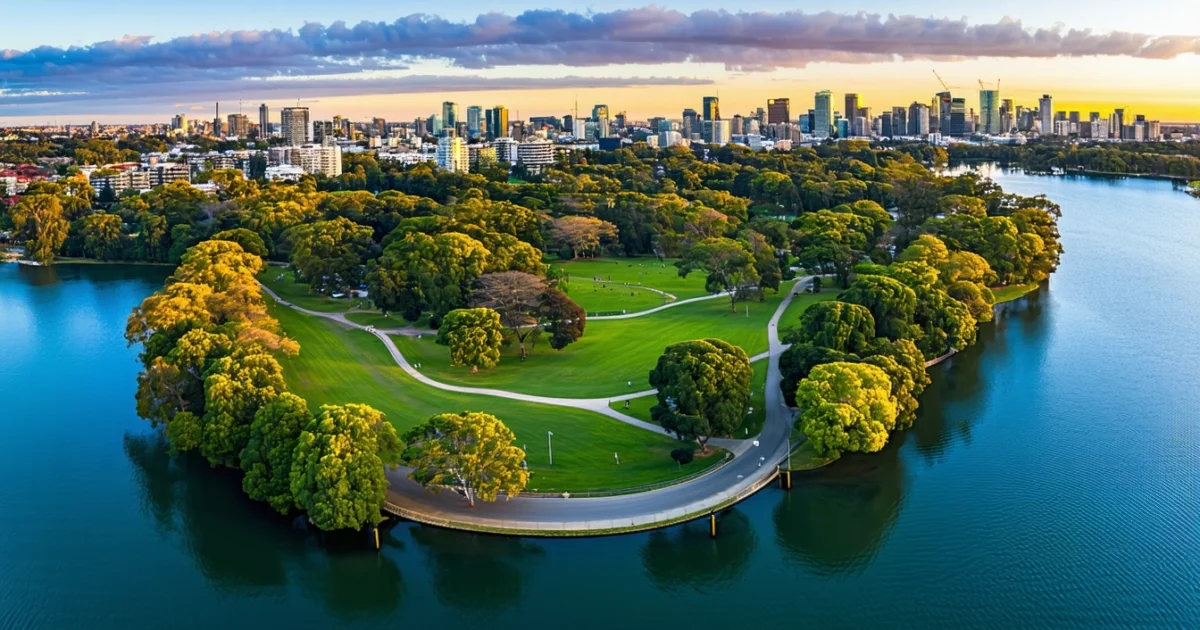
Albert Park suburb Melbourne is a prestigious lakeside community located just 3 kilometers south of Melbourne’s CBD, renowned for hosting the Formula 1 Australian Grand Prix and offering an exceptional urban lifestyle. Situated within the Port Phillip council, this sought-after suburb combines heritage charm with modern amenities, featuring the iconic Albert Park Lake as its centerpiece and attracting young professionals and families seeking premium inner-city living.
Moreover, Albert Park stands out as one of Melbourne’s most desirable addresses due to its unique blend of recreational facilities, excellent transport links, and vibrant dining scene. The suburb’s strategic location provides residents with easy access to St Kilda Beach, the Melbourne CBD via tram routes 1, 12, and 96, while maintaining a distinct community character around the famous racing circuit.
Furthermore, the area offers diverse housing options from heritage Victorian terraces to contemporary apartments, making it appealing to various demographics. Whether you’re considering relocating within Melbourne or exploring investment opportunities, Albert Park delivers exceptional lifestyle benefits with its parks, shopping precincts, and cultural attractions.
TL;DR
- Premium location: 3km from Melbourne CBD with excellent tram connections and lakeside setting
- Famous attractions: Home to Formula 1 Grand Prix circuit and Albert Park Lake recreational facilities
- Diverse housing: Heritage homes and modern apartments with strong investment potential and high rental demand
- Lifestyle benefits: Vibrant dining scene, quality schools, and easy access to beaches and city amenities
Albert Park Overview: Melbourne's Premier Lakeside Suburb
Albert Park occupies a prestigious position within the Port Phillip council area, stretching from Fitzroy Street in the north to Beaconsfield Parade in the south. The suburb’s eastern boundary follows Canterbury Road, while its western edge extends to the foreshore along Port Phillip Bay. This strategic positioning places Albert Park among Melbourne’s most coveted inner-city locations.
Located just 3 kilometres south of Melbourne’s central business district, Albert Park provides exceptional accessibility to the city centre. Residents enjoy direct tram connections via routes 1, 12, and 96, with journey times averaging 15-20 minutes to the CBD. Additionally, the suburb connects seamlessly to surrounding areas including South Melbourne, Middle Park, and St Kilda through well-established public transport networks.
The magnificent Albert Park Lake serves as the suburb’s defining geographical feature, creating a unique lakeside environment rarely found in inner Melbourne. This 1.8-kilometre circuit around the lake transforms annually into the Formula 1 Australian Grand Prix track, bringing international recognition to the area. Beyond race weekend, the lake functions as a recreational hub featuring walking paths, sailing facilities, and parkland that spans 225 hectares.
Furthermore, the suburb’s character reflects its dual identity as both a residential haven and entertainment destination. The Albert Park circuit attracts motorsport enthusiasts globally, while the surrounding parkland provides daily recreation for locals. This combination creates a dynamic environment where world-class events coexist with peaceful lakeside living.
According to the latest census data, Albert Park houses approximately 6,200 residents across diverse age groups and income brackets. The demographic profile shows a strong representation of young professionals aged 25-39, comprising nearly 35% of the population. Meanwhile, families with children represent 28% of households, attracted by the suburb’s excellent schools and recreational facilities.
The suburb’s character emerges from its blend of heritage Victorian architecture and contemporary developments. Tree-lined streets feature beautifully preserved terraces alongside modern apartment complexes, creating visual diversity that appeals to different lifestyle preferences. This architectural mix contributes to Albert Park’s reputation as a sophisticated yet approachable neighbourhood.
Moreover, the community atmosphere reflects the suburb’s affluent yet welcoming nature. Local cafes, boutique shops along Dundas Place, and the popular South Melbourne Market nearby foster neighbourhood connections. Residents frequently gather at lakeside events, weekend markets, and sporting activities, creating strong social bonds within this premium location. For those exploring other Melbourne suburbs, Abbotsford offers a different inner-city experience with its industrial heritage and artistic community.
Location and Accessibility
Albert Park sits strategically in Melbourne’s inner south, positioned just 3 kilometres from the Melbourne CBD. The suburb’s precise boundaries extend from Fitzroy Street in the north to Beaconsfield Parade along Port Phillip Bay in the south. Furthermore, Canterbury Road forms the eastern boundary, while Pickles Street and the Albert Park Lake define the western edge.
Neighbouring suburbs create a premium corridor of inner Melbourne locations. South Melbourne borders Albert Park to the north, providing additional shopping and dining options. Additionally, Middle Park extends southward along the bay, while St Kilda West connects to the eastern boundary. This positioning places residents within walking distance of multiple vibrant communities.
Public Transport Excellence
Three major tram routes provide exceptional connectivity throughout Albert Park. Tram Route 1 runs along Fitzroy Street, connecting residents directly to Flinders Street Station and continuing to East Coburg. Meanwhile, Route 12 travels through St Kilda Road, offering express services to the city during peak hours.
Route 96 serves the eastern sections of Albert Park, running from East Brunswick through the CBD to St Kilda Beach. These services operate at 5-10 minute intervals during peak periods, ensuring reliable access to Melbourne’s central business district. Moreover, weekend services maintain regular schedules for leisure travel and events.
| Tram Route | Journey Time to CBD | Peak Frequency | Key Destinations |
|---|---|---|---|
| Route 1 | 12 minutes | 5-8 minutes | Flinders Street, Melbourne Uni |
| Route 12 | 10 minutes | 6-10 minutes | Collins Street, Victoria Market |
| Route 96 | 15 minutes | 8-12 minutes | Bourke Street, St Kilda Beach |
Major Road Networks
Canterbury Road serves as the primary arterial connection, linking Albert Park to the broader Melbourne road network. This major thoroughfare provides direct access to the West Gate Freeway and CityLink tollway system. Consequently, residents enjoy efficient routes to Melbourne Airport, taking approximately 35-40 minutes during off-peak periods.
St Kilda Road offers another crucial arterial route, connecting Albert Park to Melbourne’s CBD via one of the city’s most prestigious boulevards. Additionally, Beaconsfield Parade provides scenic coastal access, linking to Brighton and other bayside suburbs. These multiple route options ensure residents avoid traffic bottlenecks during peak commuting hours.
Walking and Cycling Infrastructure
Albert Park features extensive pedestrian and cycling networks that encourage active transportation. The Albert Park Lake Circuit provides a dedicated 5-kilometre path for walking, jogging, and cycling, separate from vehicle traffic. This circuit connects seamlessly to broader Melbourne bike path networks.
Protected bike lanes run along major streets, including Fitzroy Street and parts of Canterbury Road. These dedicated cycling corridors link to the Capital City Trail and Bay Trail, creating safe routes to the CBD and coastal areas. Moreover, bike parking facilities throughout the suburb support cycling as a primary transport mode.
- Dedicated cycling lanes on Fitzroy Street and St Kilda Road
- Pedestrian crossings with extended crossing times at major intersections
- Shared pathways through Albert Park Lake precinct
- Bike repair stations and secure parking at key locations
Proximity to Key Destinations
Albert Park’s central location provides remarkable access to Melbourne’s most important destinations. The Melbourne CBD sits just 3 kilometres northeast, reachable within 10-15 minutes by tram or car during off-peak periods. Similarly, Melbourne Airport lies approximately 25 kilometres away, accessible via multiple route options.
Port Phillip Bay beaches stretch directly south of Albert Park, offering immediate coastal recreation without travel time. Furthermore, Chapel Street shopping and entertainment precinct in Prahran sits just 2 kilometres east. The Arts Precinct along St Kilda Road, including the National Gallery of Victoria, requires only a 5-minute tram journey.
Albert Park residents enjoy 10-minute access to Melbourne CBD and immediate proximity to Port Phillip Bay beaches
Educational institutions cluster within easy reach of Albert Park families. Melbourne Grammar School sits adjacent to the suburb, while Melbourne High School and Mac.Robertson Girls’ High School lie within 15 minutes by public transport. Additionally, major universities including Melbourne University and RMIT connect directly via tram routes, making Albert Park attractive to students and academic professionals.
Housing Market and Property Landscape
Albert Park’s property market reflects its prestigious inner-city status, with median house prices reaching $2.8 million as of 2026. Meanwhile, apartment prices average $850,000 for two-bedroom units, positioning Albert Park among Melbourne’s premium residential markets. These figures represent a 15% increase from 2025 values, driven by sustained demand and limited housing supply.
Property Types and Architectural Character
Victorian-era terraces dominate Albert Park’s housing landscape, featuring ornate cast-iron lacework and period facades that define the suburb’s character. Additionally, Edwardian homes showcase bay windows and decorative timber details throughout established streets. Art Deco apartments from the 1930s provide mid-rise housing options, particularly along Fitzroy Street and surrounding the park precinct.
Contemporary townhouses have emerged in recent developments, offering modern amenities while respecting neighbourhood scale. Furthermore, converted warehouse spaces near the industrial heritage areas provide unique loft-style living options. Single-fronted cottages occupy smaller blocks, appealing to first-time buyers seeking Albert Park’s prestige at entry-level prices.
Heritage Properties and Character Homes
Over 200 heritage-listed buildings preserve Albert Park’s architectural legacy, including the iconic Albert Park Barracks and numerous Victorian mansions. These heritage properties command premium prices, often exceeding $4 million for fully restored examples. Conservation overlays protect streetscape character, requiring council approval for external alterations and ensuring architectural integrity.
Character homes feature original elements like timber floors, high ceilings, and decorative cornices that attract heritage enthusiasts. However, restoration costs can reach $300,000-$500,000 for comprehensive renovations, influencing purchase decisions. Many buyers specifically seek unrenovated heritage properties for customisation opportunities while maintaining period authenticity.
New Developments and Modern Housing
Several boutique apartment complexes have transformed former industrial sites into contemporary residential precincts. The Gasworks development exemplifies adaptive reuse, converting heritage gas storage facilities into luxury apartments with park views. These projects typically offer 50-80 units with premium finishes and resort-style amenities.
New townhouse developments cluster along Montague Street and adjacent industrial transition zones. Moreover, these projects provide three-bedroom homes with private courtyards, appealing to families seeking modern convenience. Development approval processes remain stringent, limiting oversupply and maintaining neighbourhood character standards.
Development Restrictions
Rental Market Dynamics
Albert Park’s rental market maintains consistently low vacancy rates of 1.8% as of 2026, reflecting strong tenant demand for inner-city living. Two-bedroom apartments command weekly rents of $650-$800, while three-bedroom houses range from $900-$1,200 depending on condition and location. Premium properties with park or bay views achieve significantly higher rental returns.
Professional couples and young families comprise the primary rental demographic, attracted by transport connectivity and lifestyle amenities. Additionally, international students and temporary residents seek furnished accommodation near the CBD and universities. Rental yields average 3.2% for apartments and 2.8% for houses, reflecting the capital growth focus of most investors.
Investment Performance and Capital Growth
Albert Park demonstrates strong long-term capital growth, with properties appreciating 8.5% annually over the past decade. This performance outpaces Melbourne’s median growth rate, driven by scarcity value and infrastructure improvements. The Abbotsford Melbourne suburb shows similar inner-city growth patterns, though Albert Park commands higher absolute values.
Investment fundamentals remain robust due to population density restrictions and heritage protections that limit new supply. Furthermore, the suburb’s proximity to employment centres and transport infrastructure supports sustained demand from owner-occupiers and tenants. Market analysts project continued growth of 6-7% annually through 2030, assuming stable economic conditions.
Albert Park properties have delivered 8.5% annual capital growth over the past decade, significantly outperforming Melbourne’s median
Institutional investors and high-net-worth individuals increasingly target Albert Park for portfolio diversification. However, entry costs above $2.5 million for quality properties limit investor participation to well-capitalised buyers. Consequently, the market maintains stability through reduced speculative activity and strong owner-occupier demand fundamentals.
Lifestyle and Amenities
Albert Park offers an exceptional lifestyle combining urban sophistication with recreational abundance. The suburb’s crown jewel, Albert Park Lake, provides year-round recreational facilities including walking tracks, cycling paths, and water sports opportunities. Moreover, the lake’s 5-kilometre circuit attracts fitness enthusiasts and families seeking outdoor activities within minutes of Melbourne’s CBD.
Recreational facilities around the lake include sailing clubs, dragon boat venues, and golf courses that cater to diverse sporting interests. Additionally, the Albert Park Sports and Aquatic Centre features swimming pools, gymnasiums, and group fitness classes for residents prioritising health and wellness. These amenities create a vibrant community atmosphere that distinguishes Albert Park from other inner-city suburbs.
Shopping and Dining Precincts
Dundas Place forms the suburb’s primary shopping precinct, featuring boutique retailers, cafes, and essential services within walking distance of residential areas. The strip offers everything from artisanal bakeries to contemporary fashion stores, creating a village-like atmosphere despite the urban setting. Furthermore, Victoria Avenue complements Dundas Place with additional dining options and specialty shops that serve both locals and visitors.
Notable dining establishments include award-winning restaurants that showcase Melbourne’s renowned food culture. The Botanical and Claypots Seafood Bar represent the suburb’s diverse culinary landscape, offering everything from modern Australian cuisine to fresh seafood. These venues contribute to Albert Park’s reputation as a dining destination that rivals Melbourne’s established food precincts.
- Dundas Place: Primary shopping strip with boutiques and cafes
- Victoria Avenue: Additional dining and specialty retail options
- Albert Park Village: Supermarkets and everyday services
- South Melbourne Market: Nearby fresh produce and gourmet foods
Health and Community Services
Healthcare facilities in Albert Park include multiple medical centres, dental practices, and allied health services that ensure comprehensive care for residents. The Albert Park Medical Centre provides general practitioner services, while specialist clinics offer cardiology, dermatology, and physiotherapy treatments. Subsequently, residents access quality healthcare without travelling to distant medical precincts.
Community services encompass the Port Phillip Library Service with branches offering digital resources, study spaces, and community programs. These libraries host regular events including book clubs, children’s storytimes, and technology workshops that foster social connections. Additionally, the Albert Park Community Centre provides meeting spaces and organises cultural activities that strengthen neighbourhood bonds.
Childcare and Education Support
Childcare facilities in Albert Park include both long daycare centres and family daycare options that accommodate working parents’ schedules. Albert Park Childcare Centre and Gasworks Arts Park Early Learning Centre provide quality early childhood education with outdoor play areas and structured learning programs. These centres maintain high staff-to-child ratios that ensure personalised attention for developing minds.
Aged care services include Mecwacare Albert Park, which offers residential aged care and community support programs for elderly residents. The facility provides 24-hour nursing care, physiotherapy, and social activities that maintain quality of life for seniors. Moreover, home care services allow older residents to age in place while receiving necessary support and companionship.
Lifestyle Tip
The combination of recreational facilities, shopping precincts, and essential services creates a self-contained lifestyle that minimises daily travel requirements. Residents enjoy walkable access to most amenities while benefiting from excellent public transport connections to Melbourne’s broader metropolitan area. This balance between convenience and connectivity explains why Albert Park consistently ranks among Melbourne’s most desirable residential locations.
Education and Schools
Albert Park provides families with diverse educational pathways, from early childhood centres to secondary schools. The suburb’s proximity to Melbourne’s central education district ensures excellent access to both public and private schooling options that serve different learning needs and family preferences.
Primary School Options and Catchment Zones
Albert Park Primary School serves as the main government primary school for local families, offering comprehensive programs from Foundation to Year 6. The school maintains strong academic standards while emphasising creative arts and environmental education that reflect the suburb’s cultural character. Additionally, the school’s proximity to Albert Park Lake provides unique outdoor learning opportunities for students.
Catchment zones for Albert Park Primary School encompass most residential streets within the suburb boundaries. However, families living near the Port Melbourne border may also access Port Melbourne Primary School, which offers alternative curriculum approaches and specialist programs. Furthermore, the nearby South Melbourne Primary School provides another government option for families seeking different educational philosophies.
Secondary School Access and Transport
Albert Park College stands as the local government secondary school, serving students from Years 7 to 12 with comprehensive academic and vocational programs. The college offers VCE and VCAL pathways that prepare students for university entrance or direct workforce entry. Moreover, the school’s performing arts programs utilise nearby cultural venues for practical learning experiences.
Transport connections enable students to access prestigious secondary schools throughout inner Melbourne. The 96 tram line provides direct routes to schools in South Yarra and the CBD, while bus services connect to institutions in Port Melbourne and St Kilda. Consequently, families can choose from a broader range of educational options without relocating from Albert Park.
Private School Alternatives
Several prestigious private schools operate within reasonable distance of Albert Park, offering alternative educational approaches for families seeking independent schooling. Wesley College in South Yarra provides co-educational programs with strong academic and sporting traditions that attract students from across Melbourne’s inner suburbs. Similarly, Haileybury College offers both day and boarding options with comprehensive facilities.
Catholic education options include Sacred Heart College in St Kilda and St Michael’s Grammar School in St Kilda, both accessible via public transport from Albert Park. These schools combine religious education with academic excellence, providing values-based learning environments. Additionally, several boutique private schools in nearby suburbs offer specialised programs in areas such as Montessori education and arts-focused curricula.
Early Childhood Education Centres
Early childhood education facilities throughout Albert Park cater to families with children from birth to school age. Gasworks Arts Park Early Learning Centre combines childcare with creative arts programs, utilising the adjacent park spaces for outdoor exploration and nature-based learning. The centre maintains qualified early childhood educators who implement play-based learning frameworks.
Family daycare networks operate throughout the suburb, providing home-based care options for parents seeking smaller group settings. These services offer flexible hours that accommodate shift workers and professionals with varying schedules. Furthermore, several kindergartens prepare four-year-olds for primary school transition through structured literacy and numeracy programs that align with Victorian curriculum standards.
Higher Education Proximity
University of Melbourne sits just 15 minutes from Albert Park via tram, making the suburb attractive to students and academic staff. The Parkville campus offers comprehensive undergraduate and postgraduate programs across multiple faculties, while maintaining world-class research facilities. Additionally, RMIT University in the CBD provides alternative higher education pathways in technology, design, and business disciplines.
Monash University’s Caulfield campus remains accessible via public transport, offering specialised programs in business, design, and information technology. The proximity to multiple universities enables residents to pursue continuing education, professional development, and research opportunities without lengthy commutes. Moreover, several TAFE institutions in nearby suburbs provide vocational training and apprenticeship programs for trade-based careers.
Education Planning Tip
Recreation and Green Spaces
Albert Park Lake serves as the suburb’s crown jewel, offering diverse recreational activities throughout the year. The 5-kilometre circuit around the lake attracts thousands of walkers, joggers, and cyclists daily, while the lake itself hosts sailing clubs, rowing teams, and dragon boat racing groups. Additionally, the lake’s calm waters provide ideal conditions for stand-up paddleboarding and kayaking, with equipment rental facilities available on-site.
The world-famous Formula 1 Australian Grand Prix transforms Albert Park into a global sporting destination each March. This prestigious event utilises the roads around Albert Park Lake as a temporary circuit, bringing international attention and significant economic impact to the area. However, the annual event creates temporary access restrictions and increased traffic, affecting local residents for approximately two weeks during setup and dismantling periods.
Coastal Access and Beach Activities
Port Phillip Bay beaches lie within walking distance of most Albert Park properties, offering pristine sandy shores and protected swimming areas. Middle Park Beach provides excellent swimming conditions with minimal waves, while South Melbourne Beach features volleyball courts and barbecue facilities for family gatherings. Furthermore, the foreshore path connects seamlessly to St Kilda and Brighton, creating an extensive coastal walking and cycling network.
Beach activities flourish year-round due to Melbourne’s temperate climate and the bay’s sheltered waters. Kitesurfing and windsurfing enthusiasts take advantage of consistent afternoon breezes, while fishing from the piers attracts both recreational and serious anglers. Moreover, the foreshore reserves feature native vegetation restoration projects that enhance biodiversity while providing educational opportunities for environmental awareness.
Family-Friendly Parks and Playgrounds
Gasworks Arts Park combines industrial heritage with modern recreational facilities, featuring adventure playgrounds, open lawns, and performance spaces. The park’s unique design incorporates former gas production infrastructure into artistic installations, creating an engaging environment for children and adults alike. Additionally, multiple barbecue areas and picnic shelters make this venue popular for birthday parties and community gatherings.
Neighbourhood parks throughout Albert Park provide localised recreational opportunities within walking distance of residential areas. Richardson Reserve offers tennis courts, a children’s playground, and dog off-leash areas, while Bridport Street Reserve features basketball courts and fitness equipment. These smaller parks ensure residents have convenient access to green space regardless of their specific location within the suburb.
Sports Clubs and Athletic Facilities
The Albert Park Football Club operates from Gasworks Arts Park, providing junior and senior Australian Rules Football programs for local residents. Tennis enthusiasts can join the Albert Park Tennis Club, which maintains six courts and offers coaching programs for all skill levels. Meanwhile, the South Melbourne Cricket Club welcomes new members and operates teams across multiple divisions during the summer season.
Sailing clubs around Albert Park Lake offer membership packages that include boat storage, training programs, and social events. The Albert Park Yacht Club caters to both competitive sailors and recreational boating enthusiasts, while providing junior sailing programs during school holidays. Furthermore, several rowing clubs utilise the lake’s protected waters for training and competition, contributing to Melbourne’s strong rowing tradition.
Cultural Venues and Entertainment
The Gasworks Arts Park hosts regular cultural events, including outdoor cinema screenings, live music performances, and art exhibitions throughout the year. This venue’s amphitheatre accommodates large audiences while maintaining an intimate atmosphere for community gatherings. Additionally, the park’s gallery spaces showcase local artists and rotating exhibitions that reflect Melbourne’s vibrant arts scene.
Proximity to St Kilda and the CBD expands entertainment options significantly, with world-class venues accessible within minutes via public transport. The Palais Theatre, Luna Park, and numerous live music venues in St Kilda provide regular entertainment options for Albert Park residents. Moreover, the nearby inner-city suburbs offer additional cultural attractions, galleries, and performance spaces that enrich the overall lifestyle experience.
Local cafes and restaurants around Albert Park Lake create vibrant social hubs where residents gather before and after recreational activities. These establishments often feature outdoor seating areas that overlook the lake, combining dining experiences with scenic lake views. Community events such as farmers markets, charity runs, and cultural festivals regularly utilise the park’s open spaces, fostering neighbourhood connections and local business support.
Demographics and Community Profile
Albert Park attracts a distinctive demographic profile that reflects its status as one of Melbourne’s premium inner-city suburbs. The area predominantly houses young professionals and affluent families who value proximity to the CBD while maintaining access to recreational amenities. Census data reveals that the suburb’s median age sits around 35 years, indicating a mature yet dynamic community composition.
Age Distribution and Household Composition
The demographic structure shows a concentration of 25-44 year olds comprising approximately 45% of the population, while families with children represent a significant portion of households. Professional couples without children form another substantial demographic segment, attracted by the suburb’s lifestyle offerings and transport connectivity. Furthermore, the area maintains a smaller but notable population of empty nesters and retirees who appreciate the cultural amenities and walkable neighbourhood design.
Household sizes typically range from one to three people, with apartment living accommodating singles and couples while larger homes house growing families. The housing mix supports diverse living arrangements, from luxury penthouses overlooking Albert Park Lake to family townhouses near local schools. Additionally, the suburb’s rental market attracts young professionals seeking premium locations with excellent transport links to Melbourne’s business districts.
Income Levels and Employment Sectors
Income statistics position Albert Park among Melbourne’s highest-earning suburbs, with median household incomes significantly exceeding metropolitan averages. The majority of residents work in professional services, finance, and technology sectors, reflecting the suburb’s appeal to white-collar workers. Many residents commute to the CBD via tram or train, while others work in nearby South Melbourne’s business precincts.
Over 65% of Albert Park residents hold university qualifications, indicating high educational attainment levels
Creative industries also maintain a strong presence, with many residents working in media, advertising, and design fields. The proximity to St Kilda’s entertainment district and the CBD’s corporate centres creates employment opportunities across multiple sectors. Consequently, the suburb attracts ambitious professionals who value both career advancement and quality lifestyle amenities.
Cultural Diversity and Community Groups
While Albert Park maintains a predominantly Anglo-Australian demographic, the community includes notable populations from European backgrounds, particularly Italian and Greek families with generational ties to the area. International professionals from various countries contribute to the suburb’s cosmopolitan character, bringing diverse perspectives and cultural experiences. Moreover, the area’s proximity to multicultural hubs like St Kilda enhances cultural exchange and community diversity.
Community organisations include residents’ associations, environmental groups, and sporting clubs that foster neighbourhood connections. The Albert Park Residents Group actively advocates for local interests while organising community events and initiatives. Additionally, various cultural societies and professional networks operate within the suburb, creating opportunities for social interaction and community engagement.
Family-Friendliness and Young Professional Appeal
Families find Albert Park particularly attractive due to its excellent schools, safe streets, and abundant green spaces for children’s activities. The suburb’s family-friendly infrastructure includes playgrounds, cycling paths, and supervised swimming areas around Albert Park Lake. Local primary schools maintain strong reputations, while secondary education options in nearby suburbs provide additional choices for growing families.
Young professionals appreciate the suburb’s vibrant cafe culture, fitness facilities, and proximity to Melbourne’s nightlife districts. The area offers an ideal balance between urban sophistication and recreational opportunities, appealing to career-focused individuals who prioritise lifestyle quality. Furthermore, the strong public transport connections enable easy access to employment centres while maintaining a residential atmosphere.
Community Events and Local Initiatives
The Australian Grand Prix represents Albert Park’s most significant annual event, transforming the suburb into an international sporting destination each March. This event brings temporary economic benefits while showcasing the area to global audiences. However, local residents also organise smaller-scale community initiatives throughout the year, including environmental conservation projects and neighbourhood improvement campaigns.
Regular community events include park clean-up days, charity fundraisers, and local markets that strengthen neighbourhood bonds and support local businesses. The Gasworks Arts Park hosts community festivals and cultural celebrations that attract residents from across the inner-city region. Additionally, sporting clubs and fitness groups organise regular activities around Albert Park Lake, creating opportunities for social interaction and healthy lifestyle promotion.
Environmental initiatives focus on lake conservation and sustainable transport promotion, reflecting the community’s commitment to preserving the area’s natural assets. Residents actively participate in tree-planting programs and wildlife protection efforts that maintain Albert Park’s ecological value. These initiatives demonstrate the community’s long-term vision for maintaining the suburb’s environmental quality and residential appeal for future generations.
Safety and Livability Factors
Albert Park suburb Melbourne maintains excellent safety standards with crime rates significantly below the Melbourne metropolitan average. Victoria Police data shows the area experiences minimal violent crime incidents, while property crime rates remain consistently low compared to other inner-city suburbs. The suburb’s well-maintained streets and active community presence contribute to its reputation as a secure residential destination.
Crime Statistics and Safety Performance
Official crime statistics position Albert Park among Melbourne’s safest inner suburbs, with burglary rates approximately 30% lower than the city average. Assault incidents occur infrequently, while theft from motor vehicles represents the most common reported crime category. The suburb benefits from regular police patrols and an engaged neighbourhood watch network that monitors suspicious activities.
Emergency response times average 6-8 minutes due to the suburb’s proximity to multiple police stations and emergency services facilities. Furthermore, the presence of security personnel during major events like the Grand Prix enhances overall safety awareness throughout the year. Residents report feeling secure when walking alone during evening hours, particularly around the well-lit lake precinct.
Street Lighting and Pedestrian Infrastructure
Comprehensive street lighting coverage ensures pedestrian safety across all residential streets and major thoroughfares in Albert Park. LED lighting systems illuminate footpaths, crossings, and public spaces, creating safe walking conditions during evening hours. Additionally, motion-sensor lighting in parkland areas activates automatically when pedestrians approach, enhancing security around Albert Park Lake.
Pedestrian infrastructure includes dedicated crossing points, well-maintained footpaths, and clearly marked bike lanes that separate cyclists from foot traffic. Traffic calming measures such as speed bumps and reduced speed zones protect pedestrians in residential areas. Moreover, the suburb’s grid street layout provides multiple route options for pedestrians, reducing congestion at peak times.
Noise Considerations and Environmental Impact
The Australian Grand Prix creates temporary noise impacts during race weekend, with sound levels reaching 85-90 decibels in nearby residential areas. However, this event occurs only once annually for four days, while noise mitigation measures include sound barriers and restricted operating hours. Most residents accept this temporary disruption due to the economic and tourism benefits the event generates.
Daily traffic noise remains moderate despite the suburb’s inner-city location, as most streets carry local traffic rather than through-traffic volumes. Lakeside Drive experiences higher noise levels during peak hours, though tree barriers and building setbacks reduce sound transmission to residential properties. Aircraft noise from nearby flight paths occasionally affects the area, particularly during morning and evening peak periods.
Grand Prix Noise Impact
Air Quality and Environmental Health
Air quality in Albert Park consistently meets EPA Victoria standards, with pollution levels typically lower than central Melbourne due to the lake’s natural air circulation effects. The extensive parkland and tree coverage help filter airborne particles while reducing urban heat island effects. Nevertheless, temporary air quality impacts occur during major events when increased traffic and temporary facilities operate in the area.
Prevailing winds from Port Phillip Bay help disperse any pollution, while the absence of heavy industry in the immediate vicinity maintains clean air conditions. Environmental monitoring stations record particulate matter levels well within healthy ranges throughout most of the year. The suburb’s green spaces contribute to carbon dioxide absorption and oxygen production, creating measurably fresher air compared to more densely developed areas.
Walkability and Cycling Infrastructure
Albert Park achieves a Walk Score of 85, indicating excellent walkability with most errands accomplishable on foot. The flat terrain and well-connected street network make walking convenient for residents of all ages and mobility levels. Essential services including supermarkets, cafes, and public transport stops lie within comfortable walking distance of most residential areas.
Dedicated cycling infrastructure includes protected bike lanes along major routes and shared paths around the lake circuit. The Albert Park Lake circuit provides a safe, car-free cycling environment that connects to broader Melbourne bike networks. Bike parking facilities at shopping centres and transport hubs encourage cycling as a practical transport option for daily activities.
| Safety Metric | Albert Park | Melbourne Average |
|---|---|---|
| Crime Rate (per 1000) | 12.3 | 18.7 |
| Walk Score | 85 | 72 |
| Air Quality Index | Good (25-35) | Moderate (35-45) |
| Street Lighting Coverage | 98% | 89% |
These comprehensive safety and livability factors position Albert Park as one of Melbourne’s most desirable residential locations. The combination of low crime rates, excellent infrastructure, and environmental quality creates an attractive living environment that justifies the suburb’s premium property values and strong community satisfaction ratings.
Future Development and Growth
Albert Park stands poised for significant transformation over the next decade, with multiple infrastructure projects and development initiatives shaping its future landscape. The Victorian Government has allocated substantial funding for transport upgrades and environmental enhancements that will further elevate the suburb’s desirability and connectivity within Melbourne’s urban fabric.
Planned Infrastructure Improvements
Major infrastructure developments include the Albert Park Station precinct upgrade, scheduled for completion by 2027. This $45 million project will modernise platform facilities, improve accessibility features, and create additional parking capacity for 200 vehicles. Furthermore, the upgrade encompasses new pedestrian bridges and enhanced lighting systems that will improve safety and convenience for daily commuters.
Road infrastructure improvements focus on the Queens Road corridor enhancement, which will introduce dedicated bus lanes and improved cycling infrastructure. These upgrades aim to reduce traffic congestion while promoting sustainable transport options. Additionally, the project includes smart traffic management systems that will optimise signal timing and reduce travel times during peak periods.
Zoning Changes and Development Approvals
Recent zoning amendments permit medium-density residential development in selected areas along major transport corridors. These changes allow for apartment buildings up to six storeys in height, increasing housing supply while maintaining the suburb’s character. However, strict design guidelines ensure new developments complement existing architectural styles and preserve neighbourhood amenity.
The Albert Park Village precinct has received approval for mixed-use development that will introduce 150 new apartments above ground-floor retail spaces. This development maintains heritage facades while creating modern living spaces that cater to young professionals and downsizing families. Construction commences in early 2025 with completion expected by late 2026.
Population Growth Projections
Population forecasts indicate Albert Park will experience 15% growth by 2030, adding approximately 900 new residents to the current population of 6,200. This growth stems from increased housing density and the suburb’s appeal to young professionals seeking inner-city lifestyle benefits. Demographic analysis shows the strongest growth among 25-40 year age groups, particularly couples and small families.
Population growth of 15% by 2030 will add 900 new residents to Albert Park
Housing demand projections suggest property values will increase by 8-12% annually through 2027, driven by limited land availability and strong buyer interest. The combination of infrastructure improvements and population growth creates upward pressure on both rental and purchase prices, reinforcing Albert Park’s position as a premium Melbourne suburb.
Transport Upgrades and Connectivity Enhancements
The Metro Tunnel project completion will significantly improve Albert Park’s connectivity to Melbourne’s CBD and eastern suburbs. Travel times to Flinders Street Station will reduce from 12 minutes to 8 minutes, while new cross-city rail connections eliminate the need for transfers to reach major employment centres. These improvements position Albert Park as increasingly attractive for professionals working across different Melbourne precincts.
Bus service enhancements include increased frequency on Route 96 and the introduction of express services during peak hours. Weekend service improvements provide 15-minute intervals throughout the day, supporting recreational activities and reducing car dependency. Moreover, real-time passenger information systems will be installed at all bus stops by mid-2025.
Cycling infrastructure expansion includes the Albert Park Circuit shared pathway upgrade, which will create separated lanes for pedestrians and cyclists. This project connects to the broader Melbourne bike network, providing safe routes to the CBD and neighbouring suburbs like Abbotsford. Electric bike charging stations will be installed at key locations to support sustainable transport adoption.
Environmental Sustainability Initiatives
Albert Park Lake restoration projects focus on improving water quality and expanding native vegetation around the shoreline. These initiatives include wetland creation, stormwater filtration systems, and habitat restoration for local bird species. The $3.2 million project will enhance both environmental outcomes and recreational amenities for residents and visitors.
Urban forest expansion targets 25% increase in tree canopy coverage by 2028 through strategic plantings in parks, streets, and public spaces. Native species selection prioritises drought-resistant varieties that provide habitat for local wildlife while reducing urban heat island effects. Community involvement includes resident tree adoption programs and educational workshops on sustainable gardening practices.
Solar energy initiatives encourage residential solar panel installation through council rebate programs and streamlined approval processes. The goal of 40% renewable energy adoption by 2030 aligns with Melbourne’s broader climate action objectives. Additionally, electric vehicle charging infrastructure will be expanded in public car parks and commercial areas to support the transition to sustainable transport.
Development Timeline
Frequently Asked Questions
Is Albert Park a good suburb in Melbourne?
Yes, Albert Park is considered one of Melbourne’s premier suburbs. Located just 3km from the CBD with excellent tram connections, it offers a unique lakeside lifestyle with access to Formula 1 Grand Prix events, quality dining, and recreational facilities around Albert Park Lake. The suburb attracts young professionals and families seeking premium inner-city living.
Is Albert Park a wealthy suburb?
Albert Park is indeed considered a prestigious and affluent suburb within Melbourne. The area features heritage Victorian terraces and contemporary apartments with strong investment potential and high rental demand. Its proximity to the CBD, lakeside setting, and world-class amenities contribute to its status as one of Melbourne’s most desirable addresses.
Why is Albert Park so expensive?
Albert Park commands premium prices due to several factors: its strategic location just 3km from Melbourne CBD, the unique lakeside setting around Albert Park Lake, international recognition from hosting the Formula 1 Australian Grand Prix, excellent transport links via trams 1, 12, and 96, and limited housing supply in this prestigious inner-city location.
What suburb is Albert Park in Melbourne?
Albert Park is its own distinct suburb located within the Port Phillip council area. It’s positioned between South Melbourne to the north, Middle Park to the south, and St Kilda to the southeast. The suburb stretches from Fitzroy Street in the north to Beaconsfield Parade in the south, with Canterbury Road as its eastern boundary.
What transport options are available in Albert Park?
Albert Park offers excellent public transport connectivity with direct tram routes 1, 12, and 96 providing 15-20 minute journeys to Melbourne CBD. The suburb also connects seamlessly to surrounding areas including South Melbourne, Middle Park, and St Kilda through well-established public transport networks.
What housing options are available in Albert Park?
Albert Park offers diverse housing options including beautifully preserved heritage Victorian terraces and contemporary apartments. The tree-lined streets feature a blend of historic architecture and modern developments, making it appealing to various demographics from young professionals to families seeking premium inner-city accommodation.
What recreational facilities does Albert Park offer?
Albert Park Lake serves as the main recreational hub, featuring a 1.8-kilometre walking circuit, sailing facilities, and 225 hectares of parkland. The area also provides easy access to St Kilda Beach, various dining establishments, shopping precincts, and cultural attractions, creating exceptional lifestyle benefits for residents.
When does the Formula 1 Grand Prix take place in Albert Park?
The Formula 1 Australian Grand Prix typically takes place annually at Albert Park, transforming the 1.8-kilometre circuit around Albert Park Lake into an international racing venue. This world-class event brings global recognition to the suburb while the lake functions as a peaceful recreational space throughout the rest of the year.
What is the demographic profile of Albert Park residents?
Albert Park houses approximately 6,200 residents with a strong representation of young professionals aged 25-39 (35% of the population) and families with children (28% of households). The diverse age groups and income brackets are attracted by excellent schools, recreational facilities, and the premium inner-city lifestyle.
Is Albert Park safe and what about crime rates?
Albert Park is generally considered a safe, well-maintained suburb with good lighting, regular foot traffic around the lake, and active community engagement. As a prestigious area with strong community character and excellent amenities, it maintains the safety standards expected of Melbourne’s premier inner-city suburbs.
What shopping and dining options are available in Albert Park?
Albert Park features a vibrant dining scene and quality shopping precincts that complement its premium lifestyle offering. The suburb provides various retail and hospitality options while maintaining easy access to the broader shopping and entertainment districts of nearby South Melbourne and St Kilda.
How close is Albert Park to Melbourne's beaches?
Albert Park offers excellent access to Port Phillip Bay beaches, with its western edge extending to the foreshore along Beaconsfield Parade. Residents enjoy easy access to St Kilda Beach and other bayside recreational areas, combining lakeside living with proximity to Melbourne’s premier coastal destinations.
You May Also Like

Moving to Australia: The Complete Checklist and Guide (2026)

NT Public Holidays 2026: Full Calendar, Dates and How Darwin and Alice Springs Celebrate