BnB Supplies Guide: Wholesale Accommodation Essentials 2026

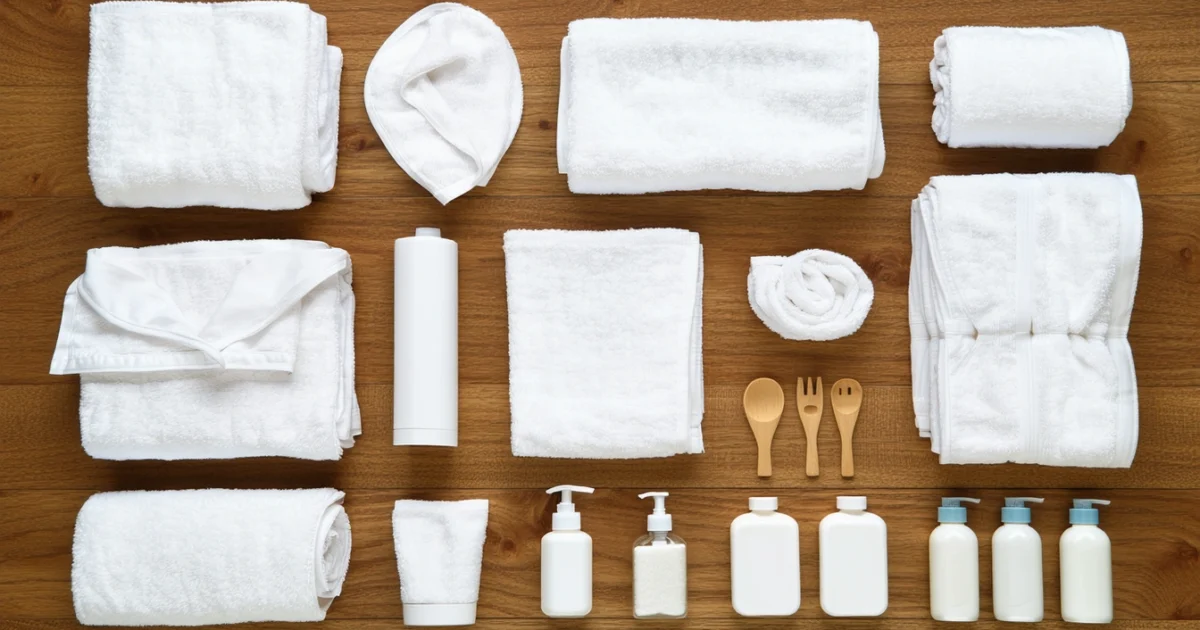
Running a successful accommodation business requires strategic sourcing of bnb supplies that balance quality, cost-effectiveness, and guest satisfaction. Australian property managers and hosts face unique challenges when procuring everything from commercial-grade linens to cleaning supplies, particularly with the country’s diverse supplier landscape and shipping considerations. Smart sourcing strategies can significantly impact your bottom line while maintaining the high standards guests expect from modern accommodation supplies.
The key lies in understanding wholesale vs retail pricing structures, identifying reliable suppliers across Sydney and Melbourne markets, and implementing inventory management systems that prevent costly stockouts. Whether you’re managing a single Airbnb property or multiple accommodations, choosing the right airbnb supplies procurement approach directly affects your operational efficiency and guest reviews.
From bedroom essentials to kitchen equipment, this comprehensive guide covers proven strategies for sourcing quality supplies while optimizing costs across Australia’s competitive accommodation market.
TL;DR
- Wholesale purchasing offers 30-50% savings for multi-property operators with bulk order minimums
- Commercial-grade supplies reduce replacement costs and improve guest satisfaction ratings
- Australian suppliers in Sydney and Melbourne provide faster delivery and local compliance advantages
- Inventory management systems prevent stockouts and optimize storage costs for seasonal demand
- Quality standards directly impact guest reviews and long-term profitability per property
Essential BnB Supply Categories for Accommodation Providers
Successfully outfitting your accommodation requires strategic categorization of bnb supplies across five core areas that directly impact guest satisfaction and operational efficiency. Each category serves distinct functions while contributing to the overall guest experience that drives positive reviews and repeat bookings.
Bedroom Essentials: Foundation of Guest Comfort
Quality linens form the cornerstone of bedroom comfort, with thread counts between 200-400 providing the optimal balance of durability and softness for commercial use. Hotel-grade fitted sheets, flat sheets, and pillowcases withstand frequent washing cycles while maintaining their appearance and feel throughout extended use.
Mattress protectors serve dual purposes by extending mattress lifespan and maintaining hygiene standards that guests expect from professional accommodation supplies. Waterproof yet breathable materials protect against spills and allergens while ensuring comfortable sleep temperatures throughout the night.
Pillow selection requires careful consideration of firmness levels and hypoallergenic properties. Moreover, providing multiple pillow options accommodates different sleep preferences while demonstrating attention to guest comfort that distinguishes your property from competitors.
Bathroom Supplies: Hygiene and Luxury Combined
Towel quality significantly influences guest perceptions, with commercial-grade cotton towels offering superior absorbency and durability compared to standard retail options. Bath towels, hand towels, and washcloths should maintain consistent quality standards across all bathroom spaces.
Toiletry provisions demonstrate hospitality while ensuring guest convenience during their stay. Shampoo, conditioner, body wash, and soap dispensers reduce waste while providing consistent quality that guests associate with professional accommodation management.
Cleaning products specifically designed for bathroom environments maintain sanitation standards between guest stays. Additionally, adequate toilet paper supplies prevent guest inconvenience while supporting your property’s reputation for thorough preparation.
Kitchen and Dining: Functional Hospitality
Professional cookware sets enable guests to prepare meals comfortably while withstanding frequent use across multiple bookings. Non-stick surfaces, sturdy construction, and complete utensil collections support positive guest experiences in self-catering accommodations.
Dinnerware selection balances durability with aesthetic appeal, as ceramic and melamine options resist chipping while maintaining visual quality. Furthermore, complete place settings for your property’s maximum occupancy ensure all guests can dine together comfortably.
Essential appliances including coffee makers, toasters, and microwaves meet modern guest expectations for convenience. These airbnb supplies require regular maintenance schedules to ensure consistent functionality throughout their operational lifespan.
Cleaning and Maintenance: Operational Excellence
Commercial vacuum cleaners designed for frequent use maintain carpet and floor cleanliness between guest stays while reducing long-term maintenance costs. Upright and handheld options provide comprehensive cleaning capabilities for different surface types and accessibility requirements.
Laundry supplies including detergents, fabric softeners, and stain removers ensure linens maintain their quality and appearance throughout multiple wash cycles. Consequently, investing in commercial-grade products reduces replacement frequencies while maintaining guest satisfaction standards.
Disinfectants approved for hospitality use eliminate pathogens while meeting health regulations that govern accommodation providers. Surface cleaners, bathroom disinfectants, and all-purpose solutions support comprehensive sanitation protocols between bookings.
Guest Comfort Items: Memorable Experiences
Welcome amenities create positive first impressions while demonstrating thoughtful hospitality that encourages favorable reviews. Local treats, branded water bottles, or small gift items establish emotional connections that differentiate your property from standard accommodations.
Local guides and information packets provide valuable context about nearby attractions, restaurants, and services that enhance guest experiences. Digital or printed formats help visitors maximize their stay while reducing inquiry calls to property managers.
Emergency supplies including first aid kits, flashlights, and basic tools demonstrate preparedness while ensuring guest safety during unexpected situations. These essential items support your duty of care responsibilities while providing peace of mind for both guests and property managers.
Wholesale vs Retail: Cost-Effective Sourcing Strategies
Property managers operating multiple Airbnb supplies portfolios discover significant cost advantages through wholesale purchasing strategies. Bulk procurement reduces per-unit costs by 20-40% compared to retail pricing, while ensuring consistent quality standards across all properties.
Benefits of Wholesale Purchasing for Multiple Properties
Volume discounts represent the primary advantage of wholesale accommodation supplies procurement. Suppliers typically offer tiered pricing structures that reward larger orders with progressively lower unit costs. Furthermore, consolidated shipping reduces delivery expenses while streamlining inventory management processes.
Standardization across properties becomes achievable through wholesale channels that maintain consistent product specifications. Guests experience uniform quality levels regardless of which property they book, thereby strengthening brand reputation and review scores.
Cash flow optimization occurs when businesses negotiate extended payment terms with wholesale suppliers. Additionally, bulk purchasing reduces ordering frequency, minimizing administrative overhead while ensuring adequate stock levels during peak seasons.
Minimum Order Quantities and Bulk Pricing Structures
Wholesale suppliers establish minimum order quantities (MOQs) that typically range from 50-500 units depending on product categories. Towels and linens often require 100-piece minimums, while cleaning supplies may demand 24-unit case quantities.
| Product Category | Typical MOQ | Bulk Discount Range |
|---|---|---|
| Towels & Linens | 100-200 pieces | 25-35% |
| Toiletries | 144-288 units | 30-40% |
| Cleaning Supplies | 12-24 cases | 20-30% |
| Kitchen Items | 50-100 pieces | 15-25% |
Tiered pricing structures reward larger commitments with enhanced discounts. Consequently, properties managing 10+ units often achieve the most favorable pricing brackets while smaller operators may partner with other hosts to reach volume thresholds.
Quality Considerations When Buying in Bulk
Sample testing becomes crucial before committing to large wholesale orders of bnb supplies. Request product samples to evaluate durability, comfort levels, and washing performance before placing substantial orders that could impact guest satisfaction.
Supplier certifications verify product quality standards and compliance with hospitality industry requirements. Look for suppliers holding ISO certifications or industry-specific quality accreditations that demonstrate consistent manufacturing processes.
Batch consistency monitoring ensures uniform quality across large orders. Establish quality control procedures that include incoming inspection protocols and supplier performance tracking to maintain standards over time.
Seasonal Purchasing and Inventory Planning
Peak season preparation requires strategic inventory planning that anticipates increased demand during high-occupancy periods. Purchase additional towels, linens, and consumables 2-3 months before peak seasons to avoid supply shortages and inflated pricing.
Storage capacity planning becomes essential when implementing bulk purchasing strategies. Calculate storage requirements for different product categories while considering shelf life limitations for consumable items like toiletries and cleaning supplies.
Seasonal promotions from wholesale suppliers often provide optimal purchasing opportunities. Many suppliers offer early bird discounts during off-peak periods, allowing savvy operators to secure inventory at reduced costs.
Supplier Relationship Management for Consistent Supply
Long-term partnerships with reliable wholesale suppliers ensure consistent product availability and preferential pricing. Establish relationships with 2-3 primary suppliers across different product categories to maintain supply chain resilience.
Payment term negotiations can improve cash flow management while strengthening supplier relationships. Many wholesale suppliers offer 30-60 day payment terms for established customers, providing operational flexibility during seasonal fluctuations.
Performance monitoring tracks supplier reliability through delivery times, product quality, and customer service responsiveness. Regular supplier reviews ensure continued alignment with business requirements while identifying opportunities for improved terms or alternative sources.
Wholesale Purchasing Tip
Quality Standards and Commercial-Grade Products
Commercial-grade accommodation supplies undergo rigorous testing to withstand the intensive use patterns of high-turnover rental properties. Unlike residential products, these items must maintain functionality and appearance through hundreds of guest cycles while meeting strict safety and hygiene standards.
Durability Requirements for High-Turnover Properties
Thread count specifications for commercial linens typically range from 200-300 threads per inch, balancing durability with cost-effectiveness. Higher thread counts above 400 often prove counterproductive in rental environments, as they require gentler washing cycles that extend laundry processing times.
Towel weight measurements become critical indicators of longevity in Airbnb supplies. Commercial towels weighing 500-600 GSM (grams per square meter) provide optimal absorption while maintaining structural integrity through frequent washing cycles. Lightweight towels below 400 GSM deteriorate rapidly under commercial laundry conditions.
Fabric composition directly impacts replacement frequency and operational costs. Cotton-polyester blends containing 60-80% cotton offer superior durability compared to 100% cotton alternatives, reducing fabric breakdown and color fading over extended use periods.
Commercial vs Residential Grade Specifications
| Product Category | Residential Grade | Commercial Grade | Usage Cycles |
|---|---|---|---|
| Bed Linens | 150-200 thread count | 200-300 thread count | 300+ washes |
| Towels | 300-400 GSM | 500-600 GSM | 500+ washes |
| Pillows | Standard fill | Hypoallergenic synthetic | 2-3 years |
| Mattress Protectors | Basic waterproof | Breathable membrane | 1000+ washes |
Commercial-grade toiletries feature concentrated formulations that reduce packaging waste while providing consistent user experience. BnB supplies in this category typically contain 2-3 times the active ingredients of consumer versions, ensuring effectiveness across diverse water conditions and usage patterns.
Cleaning product specifications for commercial use require pH-balanced formulations that protect surfaces while delivering superior cleaning power. Professional-grade cleaners maintain effectiveness at lower dilution ratios, reducing storage requirements and transportation costs.
Industry Certifications and Safety Standards
OEKO-TEX Standard 100 certification ensures textile products remain free from harmful chemicals and substances. This certification becomes particularly important for bedding and towels that maintain direct skin contact throughout guest stays.
Fire retardant standards vary significantly across Australian states, with commercial accommodation requiring compliance with AS/NZS 3837 standards for furniture and soft furnishings. Additionally, mattresses must meet AS/NZS 4088 combustion requirements to ensure guest safety.
Antimicrobial treatments applied to fabrics reduce bacterial growth between cleaning cycles, particularly important in high-humidity environments. Silver ion technology and zinc-based treatments provide long-lasting protection without compromising fabric softness or breathability.
Food safety certifications for kitchen supplies ensure compliance with local health department requirements. Cutting boards, utensils, and storage containers must meet NSF International standards for commercial food service applications.
Guest Satisfaction Impact of Supply Quality
Guest reviews consistently highlight linen quality as a primary factor influencing overall satisfaction scores. Properties using commercial-grade bedding report 15-20% higher ratings for comfort and cleanliness compared to those using residential alternatives.
Premium towel quality increases guest satisfaction scores by an average of 0.3 points on 5-star rating systems
Toiletry presentation and quality directly correlate with perceived property value. Guests associate premium amenities with higher-tier accommodations, justifying increased nightly rates and improving booking conversion rates.
Consistency across all touchpoints creates lasting impressions that drive repeat bookings. When guests encounter uniform quality standards from check-in amenities to departure supplies, they develop trust in the property’s attention to detail.
Cost Per Use Calculations for Investment Decisions
Total cost of ownership calculations must include initial purchase price, replacement frequency, and operational costs such as increased laundry expenses. Commercial-grade linens costing 40% more initially often provide 60-80% longer service life, resulting in lower per-use costs.
- Calculate cost per wash cycle: Product cost ÷ Expected wash cycles
- Factor replacement labor costs and inventory management time
- Include guest satisfaction impact on booking rates and pricing power
- Consider seasonal demand fluctuations and storage requirements
Premium accommodation supplies often justify higher upfront investments through reduced replacement frequency and enhanced guest experience. Properties investing in commercial-grade products typically achieve payback periods of 6-12 months through improved operational efficiency and guest satisfaction.
Energy costs associated with frequent washing and replacement purchasing should factor into total ownership calculations. Durable products requiring less frequent replacement reduce transportation costs, storage needs, and administrative overhead associated with supply chain management.
Top Suppliers and Procurement Channels
Successful accommodation operators source their bnb supplies through multiple channels to optimize costs, ensure consistent availability, and maintain quality standards. Moreover, the procurement landscape offers distinct advantages depending on property size, location, and operational requirements.
Specialized Hospitality Supply Companies
Hospitality-focused suppliers understand the unique demands of accommodation properties and stock products designed for commercial use. These companies offer curated selections of linens, amenities, and cleaning supplies specifically engineered for high-turnover environments. Additionally, they provide technical expertise on product durability, maintenance requirements, and replacement cycles.
Leading hospitality suppliers typically maintain dedicated account management teams that assist with inventory planning and seasonal demand forecasting. Furthermore, these partnerships often include volume discounts, flexible payment terms, and priority access to new products designed for the accommodation industry.
Online Wholesale Platforms and Marketplaces
Digital wholesale platforms have revolutionized accommodation supplies procurement by connecting property operators directly with manufacturers and distributors. These platforms offer competitive pricing through reduced intermediary costs and transparent comparison shopping capabilities. Consequently, operators can access broader product ranges and negotiate better terms than traditional retail channels.
Online marketplaces provide 24/7 ordering convenience and detailed product specifications that facilitate informed purchasing decisions. Many platforms offer bulk pricing tiers, subscription services for recurring orders, and integration with property management systems for automated reordering based on occupancy patterns.
Local Suppliers and Regional Distributors
Regional suppliers offer distinct advantages including faster delivery times, reduced shipping costs, and personalized service relationships. Local partnerships enable emergency supply access during peak seasons or unexpected demand spikes. Additionally, regional distributors often provide flexible minimum order quantities that suit smaller property portfolios.
Building relationships with local suppliers creates opportunities for customized product solutions and competitive pricing arrangements. These partnerships frequently include value-added services such as inventory management, product training, and technical support that enhance operational efficiency.
Direct Manufacturer Relationships
Establishing direct manufacturer relationships delivers maximum cost savings and product customization opportunities for larger accommodation operators. Direct sourcing eliminates distributor markups while providing access to exclusive products and private labeling options. However, these arrangements typically require substantial minimum order commitments and longer lead times.
Manufacturer partnerships enable product development collaboration and early access to innovations in airbnb supplies technology. These relationships often include comprehensive product training, technical support, and warranty programs that reduce operational risks and enhance product performance.
Procurement Channel Comparison
| Channel Type | Pricing | Delivery Speed | Service Level | Best For |
|---|---|---|---|---|
| Hospitality Specialists | Premium | 2-5 days | High expertise | Quality-focused properties |
| Online Wholesale | Competitive | 3-7 days | Self-service | Cost-conscious operators |
| Local Suppliers | Moderate | Same day | Personal service | Emergency needs |
| Direct Manufacturers | Lowest | 7-14 days | Technical support | Large-scale operations |
Successful procurement strategies typically combine multiple channels to balance cost optimization with service reliability. Diversified sourcing reduces supply chain risks while enabling operators to leverage each channel’s unique advantages for different product categories and operational requirements.
Payment terms vary significantly across procurement channels, with specialized suppliers often offering extended terms for established accounts. Meanwhile, online platforms typically require immediate payment but provide transparent pricing and detailed order tracking capabilities that enhance procurement efficiency.
Inventory Management for Accommodation Properties
Effective inventory management transforms accommodation operations from reactive purchasing to strategic supply optimization. Property managers who implement systematic inventory controls reduce costs by 15-25% while eliminating stockouts that compromise guest satisfaction. Modern inventory systems integrate demand forecasting, automated reordering, and multi-property coordination to streamline bnb supplies management across diverse accommodation portfolios.
Stock Level Optimization by Property Type
Different accommodation types require distinct inventory strategies based on guest turnover rates and consumption patterns. Boutique hotels typically maintain higher per-room inventory levels due to premium service expectations, while budget accommodations focus on essential items with faster turnover cycles. Vacation rentals demand seasonal adjustments that reflect local tourism patterns and guest demographics.
Studio apartments require minimal accommodation supplies compared to multi-bedroom properties, yet per-guest consumption rates often exceed larger units due to concentrated usage. Consequently, inventory planners calculate optimal stock levels using occupancy rates, average stay duration, and consumption velocity rather than simple room counts.
| Property Type | Inventory Turnover | Safety Stock Level | Reorder Frequency |
|---|---|---|---|
| Budget Hotels | 12-15 days | 7 days | Weekly |
| Boutique Properties | 18-21 days | 10 days | Bi-weekly |
| Vacation Rentals | 21-28 days | 14 days | Monthly |
| Extended Stay | 30-45 days | 21 days | Monthly |
Premium properties maintain higher safety stock levels to prevent service disruptions, while budget accommodations optimize for cost efficiency through lean inventory practices. These strategies reflect different guest expectations and the financial impact of stockouts on property reputation and revenue.
Automated Reordering and Supply Tracking
Automated inventory systems eliminate manual monitoring while ensuring consistent airbnb supplies availability across all property locations. Modern platforms integrate with procurement systems to trigger purchase orders when stock levels reach predetermined thresholds, reducing administrative overhead and human error rates.
RFID tracking and barcode scanning enable real-time inventory updates that improve accuracy beyond traditional manual counting methods. These technologies provide granular visibility into consumption patterns, helping managers identify usage anomalies and optimize reorder quantities based on actual demand data.
Implementation Tip
Integration with property management systems creates seamless workflows where housekeeping staff updates inventory status during room cleaning cycles. This real-time data collection improves forecast accuracy while reducing the administrative burden on management teams.
Storage Solutions for Bulk Purchasing
Strategic storage planning maximizes bulk purchasing benefits while maintaining product quality and accessibility. Climate-controlled storage protects sensitive items like toiletries and linens from temperature fluctuations that compromise product integrity and guest satisfaction.
Centralized storage facilities serve multiple properties efficiently when located within reasonable delivery distances. However, distributed storage at individual properties reduces transportation costs and enables faster response to urgent supply needs during peak occupancy periods.
- Dry storage areas accommodate non-perishable items with extended shelf life
- Refrigerated units preserve amenities requiring temperature control
- Secure storage protects high-value items and controlled substances
- Accessible storage enables efficient housekeeping workflows
Storage capacity planning considers seasonal demand fluctuations and promotional purchasing opportunities. Properties with adequate storage space can capitalize on bulk discounts and supplier promotions that significantly reduce per-unit costs for essential supplies.
Seasonal Demand Planning and Adjustment
Seasonal variations dramatically impact accommodation supplies consumption, requiring dynamic inventory strategies that align with local tourism patterns. Summer destinations experience peak demand for pool supplies and outdoor amenities, while winter locations prioritize heating-related items and indoor comfort products.
Historical data analysis reveals consumption trends that inform seasonal purchasing decisions. Properties track year-over-year usage patterns to identify seasonal peaks, enabling proactive inventory buildup before high-demand periods and strategic reduction during slower seasons.
Promotional timing aligns with seasonal planning to optimize procurement costs. Suppliers often offer pre-season discounts that reward early purchasing commitments, enabling properties to secure favorable pricing while building necessary inventory levels.
Multi-Property Inventory Coordination
Centralized inventory management across multiple properties creates economies of scale while enabling resource sharing during demand fluctuations. Inventory pooling allows properties to transfer supplies based on occupancy variations and emergency needs, reducing overall safety stock requirements.
Standardized product specifications across property portfolios simplify procurement processes and enable bulk purchasing advantages. However, individual property characteristics may require customized inventory mixes that reflect local guest preferences and operational requirements.
Technology platforms coordinate inventory movements between properties through automated transfer requests and approval workflows. These systems track inter-property transfers for accounting purposes while maintaining accurate inventory records at each location.
Pros
- Reduced total inventory investment
- Improved bulk purchasing power
- Emergency supply sharing capability
- Standardized procurement processes
Cons
- Complex coordination requirements
- Transportation costs between properties
- Potential stockouts during transfers
- Increased administrative overhead
Performance metrics track inventory efficiency across the entire portfolio, identifying optimization opportunities and best practices for sharing across properties. Regular analysis reveals which coordination strategies deliver the greatest cost savings and operational improvements.
Regional Considerations and Local Sourcing
Australia’s vast geography and diverse regional markets create unique opportunities for bnb supplies sourcing that balance cost efficiency with local support. Property managers increasingly recognize that regional procurement strategies can deliver competitive advantages while strengthening community relationships and reducing environmental impact through shorter supply chains.
Australia-Specific Suppliers and Distribution Networks
Domestic suppliers specializing in accommodation supplies offer distinct advantages over international alternatives, particularly in understanding Australian consumer preferences and regulatory requirements. Major distribution hubs in Brisbane, Sydney, Melbourne, Adelaide, and Perth provide comprehensive coverage across the continent, while regional suppliers often deliver superior service for local properties.
Furthermore, Australian suppliers maintain extensive knowledge of seasonal demand patterns and guest expectations that international providers cannot match. These partnerships enable property managers to source products specifically designed for Australian conditions, from climate-appropriate bedding to locally-preferred amenities that enhance guest satisfaction.
Established distribution networks reduce delivery timeframes significantly compared to international shipping, enabling more responsive inventory management. Additionally, local suppliers provide better after-sales support and warranty services that prove invaluable when equipment failures threaten property operations.
Sydney and Melbourne Market Opportunities
Sydney’s competitive airbnb supplies market offers numerous specialized wholesalers concentrated in industrial areas like Alexandria and Silverwater. These suppliers serve the city’s extensive short-term rental market with rapid delivery services and competitive pricing structures that reflect high-volume demand.
Melbourne’s supplier ecosystem provides equally robust options, with many businesses offering same-day delivery within metropolitan areas. The city’s strong hospitality culture has fostered suppliers who understand premium guest expectations while maintaining cost-effective pricing for bulk purchases.
Both cities host regular trade shows and supplier exhibitions where property managers can evaluate new products and negotiate favorable terms. These events facilitate relationship building that often translates into preferential pricing and priority service during peak demand periods.
Local vs International Shipping Considerations
Shipping costs from international suppliers can quickly erode apparent savings, particularly for bulky items like furniture and large appliances. Local sourcing eliminates customs delays and reduces the risk of damaged goods during extended transit periods that plague international shipments.
International shipping timelines create inventory planning challenges that require larger safety stock levels and more complex forecasting. Conversely, local suppliers enable just-in-time procurement strategies that reduce carrying costs and storage requirements while maintaining service levels.
Currency fluctuations add another layer of complexity to international purchasing, potentially turning apparent savings into unexpected costs. Local suppliers provide pricing stability that simplifies budgeting and financial planning for property managers operating on tight margins.
Regional Compliance and Safety Requirements
Australian safety standards require specific certifications for electrical appliances, furniture, and textiles used in accommodation supplies. Local suppliers ensure products meet Australian Standards (AS) requirements, eliminating compliance risks that could result in penalties or guest safety issues.
Fire safety regulations vary between states and territories, requiring region-specific product selections for items like mattresses, curtains, and furniture. Local suppliers maintain current knowledge of these requirements and stock compliant products that meet jurisdictional standards.
Additionally, warranty and liability coverage becomes complex when sourcing internationally, as legal recourse may prove difficult or impossible. Australian suppliers provide clear warranty terms and local legal protection that safeguards property managers against defective products or safety failures.
Supporting Local Businesses vs Cost Optimization
Many property managers find that supporting local suppliers creates marketing advantages that justify slightly higher costs. Guests increasingly value businesses that contribute to local communities, and this positioning can differentiate properties in competitive markets.
Local supplier relationships often yield intangible benefits that pure cost analysis cannot capture. Emergency support, flexible payment terms, and personalized service frequently prove more valuable than marginal savings from distant suppliers.
However, cost optimization remains crucial for maintaining competitive pricing and profitability. Successful property managers develop hybrid sourcing strategies that balance local support with cost efficiency, often sourcing high-volume commodities internationally while purchasing specialized or urgent items locally.
Regional Sourcing Strategy
Budget Planning and Cost Optimization
Strategic budget planning transforms bnb supplies procurement from a reactive expense into a profit-driving investment. Property managers who master cost optimization techniques typically achieve 15-25% higher profit margins while maintaining superior guest experiences through smart purchasing decisions.
Initial Setup Costs vs Ongoing Supply Expenses
Initial property setup requires substantial upfront investment in accommodation supplies, typically ranging from $3,000-$8,000 for a two-bedroom apartment. However, this front-loaded spending creates economies of scale that reduce per-unit costs significantly compared to piecemeal purchasing.
Ongoing supply expenses follow different patterns, with consumables representing 60-70% of recurring costs. Toiletries, cleaning supplies, and linens require regular replenishment, while durable items like furniture and appliances depreciate over 3-7 year cycles.
| Category | Initial Investment | Monthly Replenishment | Replacement Cycle |
|---|---|---|---|
| Linens & Towels | $800-1,500 | $50-100 | 12-18 months |
| Toiletries | $200-400 | $80-150 | Monthly |
| Cleaning Supplies | $150-300 | $40-80 | Monthly |
| Kitchen Essentials | $600-1,200 | $30-60 | 6-24 months |
ROI Calculations for Quality vs Budget Options
Quality investments in airbnb supplies generate measurable returns through reduced replacement costs and enhanced guest satisfaction scores. Premium linens costing $40 per set last 18-24 months, while budget alternatives at $15 per set require replacement every 6-8 months.
Premium supplies reduce total cost of ownership by 35% over two years while increasing guest ratings by 0.3-0.5 stars
Guest review analysis reveals that quality accommodation supplies directly impact booking rates and pricing power. Properties with consistently high-quality amenities command 12-18% higher nightly rates and achieve 85% occupancy compared to 72% for budget-focused competitors.
Furthermore, maintenance costs decrease substantially with quality purchases. Professional-grade cleaning equipment reduces labor time by 25%, while durable furnishings eliminate frequent repair calls that disrupt guest experiences and generate negative reviews.
Seasonal Pricing Fluctuations and Buying Strategies
Seasonal demand patterns create significant price variations across wholesale airbnb supplies categories. Linen prices typically drop 20-30% during January-February clearance periods, while outdoor furniture reaches lowest prices in August-September.
Smart procurement managers track these cycles and build inventory during low-price periods. Additionally, end-of-financial-year sales in June offer substantial discounts on commercial-grade supplies as businesses clear inventory for tax purposes.
- January-February: Bedding and bathroom supplies (25-35% discounts)
- March-April: Kitchen equipment and small appliances (15-25% off)
- June-July: Commercial cleaning supplies and bulk toiletries (20-30% savings)
- September-October: Furniture and décor items (30-40% reductions)
Group Buying Opportunities with Other Hosts
Collaborative purchasing through host networks unlocks wholesale pricing tiers previously accessible only to large hotel chains. Property manager cooperatives negotiate 15-40% discounts by combining orders across multiple properties.
Local host associations facilitate group purchases of consumables like toiletries, cleaning supplies, and linens. These arrangements require coordination and storage planning but deliver substantial cost savings while building valuable professional relationships.
Online platforms now connect hosts for bulk purchasing, with minimum order requirements ranging from $1,000-$5,000 depending on product categories. Successful group buying requires clear agreements on quality standards, delivery schedules, and payment responsibilities among participants.
Tax Considerations and Business Expense Management
Proper expense categorization maximizes tax benefits while maintaining compliance with Australian Tax Office requirements. Accommodation supplies purchases qualify as immediate deductions when used within the same financial year, while capital items over $300 require depreciation schedules.
GST registration becomes advantageous for hosts spending more than $75,000 annually on supplies, as input tax credits offset purchase costs. However, this threshold includes all business expenses, not just supply purchases, requiring careful calculation of total operational costs.
Tax Tip
Keep detailed records of all supply purchases with photos linking items to specific properties. This documentation supports deduction claims and simplifies asset tracking for depreciation purposes.
Record-keeping systems should track purchase dates, supplier details, and property allocation for each item. Digital receipt management tools streamline this process while ensuring compliance with ATO record retention requirements of five years for most business expenses.
Frequently Asked Questions
What are the main categories of BnB supplies I need for my accommodation?
The five essential categories are: bedroom essentials (linens, mattress protectors, pillows), bathroom supplies (towels, toiletries, cleaning products), kitchen and dining (cookware, utensils, dinnerware), cleaning supplies (commercial-grade cleaners, equipment), and guest amenities (welcome items, comfort extras). Each category directly impacts guest satisfaction and operational efficiency.
How much can I save by buying Airbnb supplies wholesale instead of retail?
Wholesale purchasing typically offers 30-50% savings compared to retail prices, especially for multi-property operators. However, wholesale requires bulk order minimums and upfront investment. The savings become more significant as you scale your accommodation business across multiple properties.
Where can I find reliable BnB supply wholesalers in Australia?
Major Australian markets like Sydney and Melbourne offer the best supplier networks with faster delivery times and local compliance advantages. Look for suppliers specializing in hospitality and accommodation supplies, as they understand the specific quality requirements and durability needs of the industry.
What thread count should I choose for commercial-grade bed linens?
For commercial accommodation use, choose linens with thread counts between 200-400. This range provides the optimal balance of durability and guest comfort while withstanding frequent washing cycles. Higher thread counts may feel luxurious but often don’t justify the extra cost for commercial applications.
How do I prevent stockouts and manage inventory effectively?
Implement an inventory management system that tracks usage patterns, seasonal demand fluctuations, and lead times from suppliers. Set reorder points based on your occupancy rates and washing cycles. Consider seasonal demand variations and maintain safety stock for essential items like linens and toiletries.
Should I buy accommodation supplies online or from local suppliers?
Both options have advantages. Online suppliers often offer competitive pricing and wider selection, while local suppliers provide faster delivery, easier returns, and the ability to inspect products before purchase. Many successful operators use a hybrid approach, buying bulk items online and urgent supplies locally.
What's the difference between hotel-grade and regular household supplies?
Commercial-grade supplies are designed for frequent use and washing, offering superior durability and longevity. They maintain appearance and functionality longer than household items, reducing replacement costs and ensuring consistent guest experiences across multiple stays.
How do quality accommodation supplies impact guest reviews?
Quality supplies directly influence guest satisfaction and reviews. Poor-quality linens, inadequate toiletries, or worn kitchen equipment frequently appear in negative reviews. Investing in quality supplies demonstrates professionalism and attention to detail that guests notice and appreciate, leading to better ratings and repeat bookings.
What bathroom supplies should I provide for guests?
Essential bathroom supplies include commercial-grade towels (bath, hand, and washcloths), quality toiletries (shampoo, conditioner, body wash, soap), adequate toilet paper supplies, and professional cleaning products for maintenance between stays. Consider providing dispensers to reduce waste and maintain consistent quality.
How often should I replace BnB supplies and linens?
Replacement frequency depends on usage and quality. Commercial-grade linens typically last 100-150 wash cycles, while towels may last 75-100 cycles. Monitor items for wear, staining, or loss of softness. Establish rotation systems to ensure even wear and maintain consistent quality standards across all guest stays.
Are there specific suppliers for Airbnb hosts in Sydney and Melbourne?
Yes, both Sydney and Melbourne have specialized suppliers catering to short-term rental hosts and accommodation providers. These suppliers understand the unique needs of Airbnb properties and often offer tailored packages, faster delivery within metro areas, and products that meet Australian safety and quality standards.
What kitchen supplies are essential for self-catering accommodations?
Essential kitchen supplies include professional cookware sets, complete dinnerware and glassware, quality cutlery, basic appliances (coffee maker, toaster, microwave), and adequate storage containers. Focus on durable, easy-to-clean items that can withstand frequent use by different guests with varying cooking skills.
How do I balance cost and quality when sourcing accommodation supplies?
Focus on total cost of ownership rather than initial purchase price. Higher-quality supplies may cost more upfront but last longer and require less frequent replacement. Calculate cost per use and factor in guest satisfaction impact. Prioritize quality for items that directly affect comfort (linens, towels) while being more cost-conscious with less critical items.
You May Also Like

Moving to Australia: The Complete Checklist and Guide (2026)

NT Public Holidays 2026: Full Calendar, Dates and How Darwin and Alice Springs Celebrate