Melbourne Public Transport Guide: Trams, Trains & Myki 2026

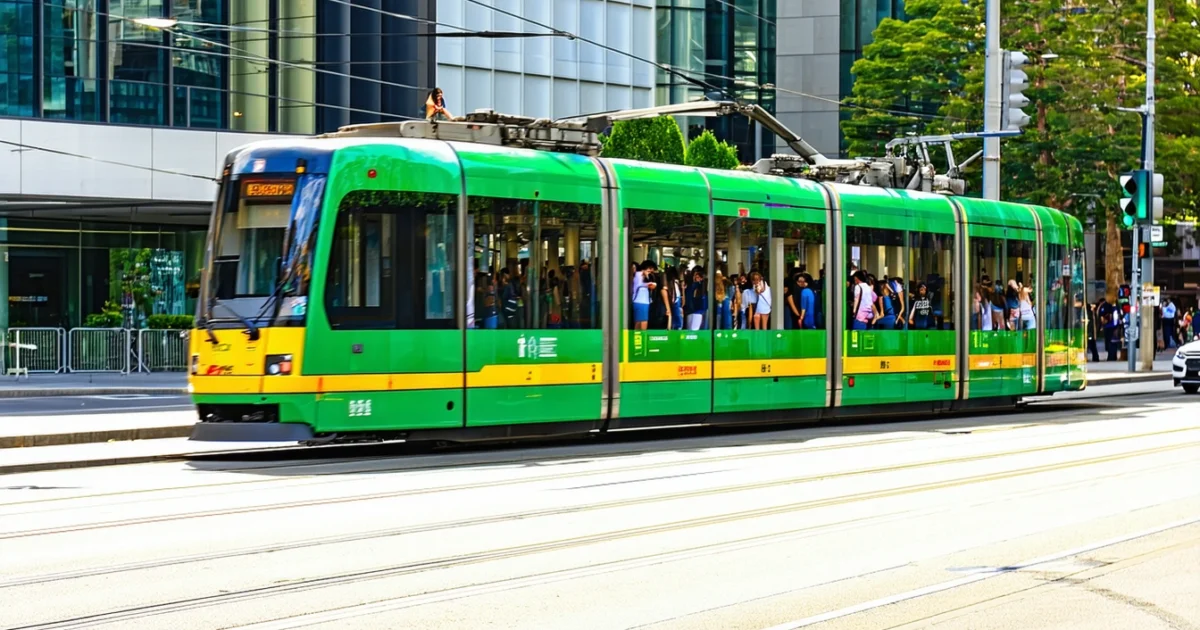
Public transport in Melbourne offers students an extensive network of trams, trains and buses powered by the Myki card system, making it easy to navigate Australia’s cultural capital. Melbourne’s integrated transport system connects all major universities and educational institutions through the world’s largest tram network, comprehensive metro rail lines, and strategic bus routes. Additionally, students can access significant discounts through concession fares, making daily commuting affordable across the city’s two transport zones.
Whether you’re heading to the University of Melbourne, RMIT, or any other educational institution, understanding Melbourne’s Public Transport Victoria (PTV) network will save you time and money. Furthermore, the Myki system integrates seamlessly across all transport modes, allowing smooth transfers between trams, trains and buses with a single card.
This comprehensive guide covers everything new students need to know about navigating Melbourne’s public transport efficiently. From obtaining your first Myki card to maximizing student concessions, you’ll discover practical tips for stress-free commuting throughout your studies.
TL;DR
- Myki card is essential for all Melbourne public transport – get yours from stations, 7-Eleven stores, or online
- Students save up to 50% with concession fares on trams, trains and buses across Zone 1 and Zone 2
- Melbourne’s tram network is the world’s largest, with free travel in the CBD and direct routes to major universities
- Use the PTV Mobile app for real-time journey planning, service updates, and mobile Myki management
Understanding Melbourne's Public Transport System
Public Transport Victoria (PTV) operates Melbourne’s integrated transport network, connecting metropolitan areas through three distinct transport modes. Moreover, the system serves over 5 million residents and visitors daily across Zone 1 and Zone 2 coverage areas.
The network comprises trams, trains, and buses that work together seamlessly through unified ticketing and coordinated timetables. Consequently, passengers can transfer between different transport types using a single Myki card without purchasing separate tickets.
Three Main Transport Modes
Melbourne’s tram network spans over 250 kilometers, making it the world’s largest urban tram system. Additionally, the network features 29 tram routes that connect the CBD to outer suburbs, universities, and major shopping centers.
The metropolitan train system operates 16 lines radiating from the city center to suburban destinations up to 50 kilometers away. Furthermore, trains provide high-frequency services during peak hours, with services running every 10-20 minutes on most lines.
Bus services complement tram and train networks by connecting areas not served by rail infrastructure. Similarly, buses provide essential links between train stations and residential areas, particularly in Melbourne’s outer suburbs.
Integration Between Transport Types
The Myki ticketing system enables seamless transfers between trams, trains, and buses within a two-hour window. Therefore, students can travel from suburban train stations to city trams without paying additional fares during this transfer period.
Interchange hubs strategically connect different transport modes at major stations like Flinders Street, Southern Cross, and Melbourne Central. Subsequently, these hubs feature clear signage, real-time information displays, and covered walkways for comfortable transfers.
The PTV Mobile app provides integrated journey planning across all transport modes, showing optimal routes and real-time service updates. Likewise, the app displays live departure times and service disruptions for informed travel decisions.
Coverage Across Metropolitan Melbourne
Zone 1 encompasses Melbourne’s inner city and inner suburbs, including the CBD, South Yarra, Richmond, and Carlton. Meanwhile, this zone contains most major universities, shopping districts, and entertainment precincts within approximately 15 kilometers of the city center.
Zone 2 extends to outer suburban areas including Frankston, Pakenham, Sunbury, and Craigieburn. However, some services operate across both zones, particularly train lines that connect outer suburbs directly to the city center.
The transport network provides comprehensive coverage to all major educational institutions, with direct services to University of Melbourne, RMIT, Monash University, and Victoria University campuses. Additionally, specialized routes serve major hospitals, shopping centers, and employment hubs throughout the metropolitan area.
Melbourne's Tram Network: The World's Largest
Melbourne operates the world’s largest tram network with over 250 kilometers of track serving 450 stops across the metropolitan area. Furthermore, this extensive tramway system connects students to major universities, colleges, and educational facilities through 24 numbered routes that crisscross the city and inner suburbs.
Major Tram Routes for Students
Route 19 provides direct access to the University of Melbourne from the city, traveling along Elizabeth Street and Royal Parade. Similarly, Route 67 connects the CBD to Melbourne University via Swanston Street, offering frequent services during peak academic hours.
RMIT students benefit from multiple city circle routes including Route 35 (City Circle) which operates free services around the CBD perimeter. Additionally, Routes 1, 3, 5, 6, 16, 64, 67, and 72 all stop within walking distance of RMIT’s city campus buildings.
Monash University’s Clayton campus connects via Route 601 (Smartbus) from Huntingdale Station, while the Caulfield campus receives direct tram services from Route 3 and Route 3a along Dandenong Road.
Key University Tram Stops
- University of Melbourne/Grattan Street – Routes 1, 3, 5, 6, 16, 64, 67, 72
- RMIT University/La Trobe Street – Routes 30, 35 (City Circle)
- Melbourne Central Station – Routes 19, 57, 59 (connects to multiple universities)
- Flinders Street Station – All city-bound tram routes converge here
- Caulfield Station – Route 3, 3a (Monash Caulfield campus)
Reading Tram Stop Information
Tram stops display four-digit stop numbers prominently at the top of each information panel. Consequently, these numbers enable precise location identification when using the PTV Mobile app or calling public transport information services.
Route information appears below stop numbers, showing tram line numbers and their final destinations in both directions. Moreover, maps indicate nearby landmarks, connecting bus routes, and accessibility features available at each stop.
Real-time departure information displays on digital screens at major stops, showing the next three tram arrivals with minute-by-minute countdown timers. However, smaller stops rely on printed timetables updated quarterly with standard operating schedules.
Tram Frequency and Operating Hours
Peak hour services operate every 5-10 minutes on major routes during weekday mornings (7:00-9:00 AM) and evenings (5:00-7:00 PM). Meanwhile, off-peak frequencies extend to 10-20 minutes depending on route popularity and passenger demand.
Weekend services typically run every 15-30 minutes with reduced frequencies on Sunday mornings before 10:00 AM. Additionally, late-night trams operate on Friday and Saturday nights until approximately 1:00 AM on selected routes.
Most tram routes commence service around 5:00 AM and conclude between 11:30 PM and midnight on weekdays. Subsequently, early morning services cater to shift workers and students with early classes or laboratory sessions.
Modern Tram Accessibility Features
Low-floor trams dominate Melbourne’s modern fleet, featuring wheelchair-accessible entrances and designated spaces for mobility devices. Furthermore, these contemporary vehicles include audio announcements for upcoming stops and visual displays showing route information.
Priority seating areas near tram doors accommodate passengers with disabilities, elderly travelers, and pregnant women. Similarly, tactile indicators help visually impaired passengers identify door locations and boarding areas safely.
Newer trams feature automatic wheelchair ramps that deploy at designated accessible stops, eliminating barriers for students and staff using mobility aids. Additionally, audio-visual systems announce stops in clear, multilingual formats supporting Melbourne’s diverse international student population.
Metro Train Network for Student Travel
Melbourne’s extensive metropolitan train network connects students to every major educational institution across the city through 16 electrified lines radiating from the central business district. Consequently, the train system provides reliable access to universities, TAFE colleges, and secondary schools located in both inner and outer metropolitan areas.
Major Train Lines Connecting to Educational Institutions
The Craigieburn Line serves students traveling to RMIT University’s Bundoora campus and La Trobe University, with direct connections from Melbourne Central Station. Similarly, the Glen Waverley Line provides access to Monash University’s Clayton campus via Huntingdale Station, requiring a short bus connection for the final segment.
Students attending Deakin University Burwood utilize the Belgrave or Lilydale lines, alighting at Burwood Station for convenient campus access. Meanwhile, the Frankston Line connects students to Monash University’s Peninsula campus and various secondary colleges throughout the southeastern suburbs.
The Upfield Line serves students traveling to RMIT’s Brunswick campus and several northern secondary schools. Additionally, the Werribee Line provides western suburban students with direct access to Melbourne’s central universities via Southern Cross Station.
Key Stations for University Campuses
Melbourne Central Station serves as the primary hub for students attending University of Melbourne, RMIT City campus, and Melbourne Institute of Technology. Furthermore, this station connects directly to the underground City Loop, providing seamless access to all metropolitan train lines.
Flinders Street Station accommodates students traveling to Federation University’s city campus and various CBD-based education providers. Moreover, this historic station offers direct connections to southeastern and eastern suburban campuses via multiple train lines.
Students attending Victoria University access the Footscray campus via Footscray Station on the Sunbury, Ballarat, and Geelong lines. Similarly, Swinburne University students utilize Glenferrie Station on the Glen Waverley Line for convenient campus access.
Peak and Off-Peak Service Patterns
During peak periods (7:00-9:00 AM and 5:00-7:00 PM weekdays), metropolitan trains operate every 5-10 minutes on most lines to accommodate heavy student and commuter traffic. Consequently, these frequent services ensure students reach morning lectures and return home during evening rush periods without significant delays.
Off-peak services typically run every 15-20 minutes throughout the day, providing adequate frequency for students with flexible timetables or afternoon classes. Additionally, weekend services maintain 15-30 minute frequencies, supporting students attending weekend tutorials, laboratory sessions, or campus activities.
Late-night services operate until approximately 1:00 AM on Friday and Saturday nights on selected lines, accommodating students returning from social events or part-time employment. However, Sunday evening services conclude earlier, typically around 11:00 PM, requiring students to plan accordingly for weekend study sessions.
Express vs Stopping Services
Express services operate during peak periods on major lines, skipping intermediate stations to reduce travel times for students commuting from outer suburbs. For instance, Pakenham and Cranbourne line express trains bypass up to 10 stations between the city and outer terminals, saving approximately 15-20 minutes per journey.
Stopping-all-stations services provide comprehensive coverage for students living near intermediate stations, ensuring access to education facilities regardless of residential location. Meanwhile, these services operate more frequently during off-peak periods when express services are reduced or suspended.
Students should verify service patterns using the PTV Mobile app or station displays, as express services may not operate during school holidays or weekend periods. Furthermore, some lines alternate between express and stopping patterns throughout the day to optimize passenger flow and reduce overcrowding.
Safety and Security on Trains
Protective Services Officers (PSOs) patrol major train stations during evening hours and weekends, providing visible security presence for students traveling to and from campus. Additionally, these officers monitor station platforms and assist passengers with safety concerns or emergency situations.
Modern metropolitan trains feature CCTV surveillance systems and emergency communication buttons in every carriage, enabling students to report incidents or request assistance immediately. Similarly, well-lit platforms and carriages enhance personal safety during early morning or late evening travel periods.
Students should remain aware of their surroundings, keep valuables secure, and travel in groups when possible during late-night journeys. Moreover, the Transit Safety app allows users to report safety concerns directly to Metro Trains Melbourne, ensuring rapid response to potential security issues affecting student travelers.
Myki Card: Your Essential Travel Companion
The Myki card serves as Melbourne’s universal public transport payment system, enabling seamless travel across trains, trams, and buses throughout the metropolitan network. Furthermore, this contactless smart card eliminates the need for paper tickets while providing convenient top-up options and travel history tracking for students managing their transport budgets.
Understanding Myki Technology
Myki cards utilize near-field communication (NFC) technology to process payments instantly when touched against card readers at station gates and vehicle validators. Additionally, the system automatically calculates fares based on travel zones and applies daily and weekly fare caps to minimize costs for frequent travelers like students.
Each card stores electronic credit that deducts automatically during travel, while registered cards provide balance protection and replacement services if lost or stolen. Moreover, the system tracks journey data to ensure accurate fare calculation across multiple transport modes during single trips.
Where to Purchase Your Myki Card
Students can purchase Myki cards from numerous convenient locations throughout Melbourne, ensuring easy access regardless of arrival time or location. Consequently, these widespread distribution points eliminate barriers to immediate public transport access for new arrivals.
- Train stations: Staffed premium stations and automated vending machines
- 7-Eleven stores: Over 600 locations across Melbourne metropolitan area
- Online platform: Official PTV website with home delivery options
- Retail outlets: Selected newsagents, supermarkets, and convenience stores
- Visitor centers: Melbourne Airport and major tourist information points
Physical cards cost $6 initially, while mobile Myki activation requires no upfront fee through compatible smartphones. However, students must add travel credit separately after purchasing or activating their chosen Myki option.
Physical Card vs Mobile Myki Options
Physical Myki cards provide universal compatibility across all transport modes and require no smartphone battery or internet connectivity for successful travel validation. Meanwhile, these plastic cards offer durability and reliability for students who prefer traditional payment methods or own non-compatible devices.
Mobile Myki transforms compatible Android smartphones and iPhones into digital transport cards, eliminating the risk of losing physical cards while enabling instant top-ups through banking apps. Additionally, mobile options provide real-time balance notifications and journey history directly within smartphone wallets or the PTV Mobile app.
| Feature | Physical Card | Mobile Myki |
|---|---|---|
| Initial Cost | $6 | Free |
| Device Compatibility | Universal | NFC smartphones only |
| Battery Dependency | None | Smartphone required |
| Loss Risk | Physical loss possible | Linked to device |
| Top-up Methods | Multiple locations | Instant digital payment |
Registering Your Myki Card
Card registration provides essential protection services including balance recovery, replacement cards, and detailed travel history for expense tracking purposes. Furthermore, registered cards enable online account management and automatic top-up functionality for busy students maintaining consistent travel routines.
Students register cards through the official PTV website by providing personal details, card number, and preferred contact information for account notifications. Subsequently, registered users access online portals to monitor spending patterns, set up automatic payments, and receive balance alerts via email or SMS messaging.
Unregistered cards offer no protection against loss or theft, meaning students forfeit remaining credit if cards become damaged or misplaced. Therefore, registration becomes particularly important for international students managing limited budgets and requiring reliable transport access throughout their studies.
Touching On and Off Procedures
Proper touching on and off procedures ensure accurate fare calculation and prevent penalty fares that can significantly impact student budgets. Additionally, consistent validation habits demonstrate compliance with transport regulations while maximizing daily and weekly fare cap benefits.
Train travel requires touching on at station entry gates and touching off at destination station exits, with the system calculating fares based on zones traveled. Meanwhile, failure to touch off results in default maximum fare charges that exceed actual journey costs for most student travel patterns.
Tram validation involves touching on when boarding and touching off when alighting, except for Free Tram Zone journeys within Melbourne’s city center where no validation is required. However, students traveling beyond this zone must validate correctly to avoid penalty fares during routine compliance checks.
Bus journeys require touching on when boarding and touching off when exiting, similar to tram procedures but with validators located near driver positions and rear doors. Consequently, students should plan sufficient time for validation during peak periods when boarding queues may delay the touching on process.
Always touch on and off to ensure correct fare calculation and avoid maximum fare charges
Student Concessions and Discounts
Student concessions provide substantial savings on Melbourne’s public transport network, making daily travel more affordable for both domestic and international students. Furthermore, concession fares typically offer 50% discounts compared to full adult fares across all transport modes including trams, trains, and buses.
Eligibility Requirements for Student Concessions
Domestic students enrolled in full-time study at recognized educational institutions automatically qualify for concession fares throughout their enrollment period. Additionally, part-time students may qualify if their course load meets minimum study requirements as defined by Public Transport Victoria guidelines.
International students face more restrictive eligibility criteria but can still access concession benefits under specific circumstances. Moreover, international students must hold valid student visas and demonstrate enrollment in approved courses lasting longer than 12 weeks duration.
Application Process for Concession Myki
Students apply for concession Myki cards through Public Transport Victoria’s online portal or at staffed railway stations across Melbourne. Subsequently, the application process requires uploading digital copies of required documentation and completing identity verification steps.
Processing times typically range from 5-10 business days for online applications, while in-person applications at premium stations may receive same-day processing. However, students should apply well before semester commencement to ensure transport access from their first day of classes.
Required Documentation and Identification
- Current student ID card showing enrollment status and validity dates
- Enrollment confirmation letter from educational institution on official letterhead
- Government-issued photo identification such as driver’s license or passport
- Proof of age document for students under 18 or over 60 years
- Visa documentation for international students including student visa grant notice
Documentation must be current and clearly legible when submitted through digital channels, as poor image quality frequently causes application delays. Similarly, international students should ensure their visa documentation clearly shows study rights and validity periods extending beyond their intended travel period.
Savings Comparison: Concession vs Full Fares
| Journey Type | Full Fare | Concession Fare | Daily Savings |
|---|---|---|---|
| Zone 1 Daily | $5.30 | $2.65 | $2.65 |
| Zone 1+2 Daily | $8.60 | $4.30 | $4.30 |
| Weekend Daily | $7.20 | $3.60 | $3.60 |
Annual savings for students using daily public transport can exceed $1,000 per year when comparing concession rates to full adult fares. Consequently, these savings become particularly significant for international students managing tight budgets while studying in Melbourne.
Students save approximately 50% on all public transport fares with valid concession Myki cards
International Student Specific Requirements
International students must provide additional documentation proving their student visa status and enrollment in eligible courses to qualify for concession fares. Furthermore, visa holders studying English language courses shorter than 12 weeks typically cannot access student concession benefits.
Students should maintain current enrollment status throughout their studies, as concession eligibility requires continuous full-time enrollment verification. Additionally, students planning to work while studying should understand that employment opportunities like rideshare driving may complement their transport budget management strategies.
Concession cards expire when student enrollment ends, requiring students to transition to full adult fares or apply for other eligible concession categories. Therefore, students should plan their transport budgets accordingly when approaching graduation or course completion dates.
Melbourne Transport Zones and Fares
Melbourne’s public transport system operates on a two-zone fare structure that determines your travel costs based on distance from the city center. Moreover, understanding these zone boundaries helps students plan their accommodation choices and daily commuting expenses effectively.
Zone 1 and Zone 2 Boundaries Explained
Zone 1 encompasses Melbourne’s inner suburbs and extends approximately 25 kilometers from the city center in most directions. Additionally, this zone includes popular student areas like Carlton, Fitzroy, South Yarra, and Richmond where many universities are located.
Zone 2 covers Melbourne’s outer suburbs and regional areas, extending beyond Zone 1 boundaries to locations like Pakenham, Cranbourne, and Sunbury. Furthermore, some train lines cross both zones, requiring passengers to pay the higher Zone 1+2 combined fare for their entire journey.
Students living in Zone 2 suburbs typically face longer commute times but benefit from lower rental costs compared to inner-city Zone 1 locations. Consequently, this trade-off between transport expenses and accommodation savings becomes a crucial consideration for budget-conscious international students.
Daily and Weekly Fare Caps
Melbourne’s transport system implements daily fare caps that limit your maximum spending regardless of how many trips you take within a single day. Subsequently, students making multiple journeys benefit from automatic fare protection once they reach the daily maximum.
| Fare Type | Zone 1 Daily Cap | Zone 1+2 Daily Cap | Weekend Daily Cap |
|---|---|---|---|
| Full Fare | $5.30 | $8.60 | $7.20 |
| Concession | $2.65 | $4.30 | $3.60 |
Weekly fare caps provide additional savings for regular commuters, automatically applying when your accumulated daily caps exceed the weekly maximum. Therefore, students traveling five or more days per week achieve better value through this automatic capping system.
Free Tram Zone in Melbourne CBD
The Free Tram Zone covers Melbourne’s central business district, allowing unlimited tram travel within designated boundaries without any Myki card charges. Specifically, this zone includes major shopping areas, universities like RMIT City Campus, and popular student destinations along Collins Street, Bourke Street, and Flinders Street.
Students can maximize their savings by planning routes that utilize the free tram zone for CBD connections before continuing to paid zones. However, passengers must still touch on with their Myki card when boarding trams, even for free zone travel, to avoid penalty fares.
The free tram zone boundaries extend from Spring Street in the east to Spencer Street in the west, and from La Trobe Street in the north to Flinders Street in the south. Additionally, this coverage includes major transport hubs like Southern Cross Station and Flinders Street Station.
Weekend and Public Holiday Pricing
Weekend fares apply a special daily cap of $7.20 for full fare and $3.60 for concession, regardless of whether you travel in Zone 1, Zone 2, or both zones combined. Consequently, weekend travel offers significant savings for students exploring Melbourne’s outer suburbs and regional attractions.
Public holiday pricing follows the same structure as weekend fares, making holidays ideal for budget-friendly exploration beyond your usual study areas. Moreover, students can take advantage of these reduced rates to visit friends in distant suburbs or explore Melbourne’s diverse cultural precincts.
Weekend and holiday fares activate from the first service on Saturday morning until the last service on Sunday night, providing extended periods of discounted travel. Furthermore, public holidays receive the same weekend pricing treatment, including Melbourne Cup Day and other Victorian-specific holidays.
Penalty Fares for Travelling Without Valid Ticket
Penalty fares in Melbourne cost $83 for travelling without a valid Myki card or sufficient credit, representing a substantial financial burden for students on tight budgets. Additionally, authorized officers conduct regular inspections across all transport modes, making fare evasion a high-risk strategy.
Students must ensure their Myki card contains sufficient credit before boarding and remember to touch on at the beginning and touch off at the end of each journey. Furthermore, failing to touch off can result in being charged the maximum possible fare for your journey, potentially exceeding daily caps.
International students facing financial hardship should explore alternative transport options rather than risk penalty fares that could impact their already stretched budgets. Subsequently, maintaining valid transport tickets becomes essential for successful budget management throughout your Australian studies.
Essential Apps and Digital Tools
Digital tools transform your Melbourne public transport experience from confusing to convenient, particularly for international students navigating the system for the first time. Moreover, smartphone applications provide real-time information that helps you plan efficient journeys and avoid unexpected delays.
PTV Mobile App: Your Primary Journey Planner
The PTV Mobile app serves as Melbourne’s official public transport companion, offering comprehensive journey planning across trams, trains, and buses. Additionally, this free application calculates optimal routes, displays service times, and estimates travel duration between any two Melbourne locations.
Students can access live departure information directly from their smartphone, eliminating guesswork about when the next service arrives. Furthermore, the app integrates wheelchair accessibility information, helping students with mobility requirements plan suitable journeys.
Journey planning features include multiple route options, allowing you to choose between fastest, least walking, or fewest changes based on your preferences. Subsequently, the app remembers your frequent destinations, making daily commutes to university campuses more efficient.
Real-Time Arrival Information
Real-time tracking displays exact arrival times for trams, trains, and buses, helping students avoid lengthy waits at stops and stations. Moreover, this live information updates continuously, reflecting current network conditions rather than scheduled timetables.
Tram stops throughout Melbourne feature electronic displays showing next arrival times, but the PTV app provides this information before you reach the stop. Additionally, train stations display real-time information on platform screens and station announcements.
Students can check arrival times from their accommodation, allowing them to time their departure perfectly and minimize waiting periods. Furthermore, real-time data helps identify service disruptions before you begin your journey.
Mobile Myki Setup and Management
The Myki mobile app enables students to purchase, top up, and manage their transport cards directly from their smartphones. Additionally, mobile Myki eliminates the need to visit physical top-up locations, providing convenient credit management anywhere with internet access.
Students can register their physical Myki card within the app to access balance protection and transaction history features. Moreover, the app sends low balance notifications, preventing situations where insufficient credit leaves you stranded.
Auto top-up functionality maintains minimum credit levels automatically, ensuring your card never runs out during important journeys to university or work. Subsequently, this feature proves particularly valuable for international students managing multiple financial commitments.
Alternative Apps: Citymapper and Third-Party Options
Citymapper provides an alternative journey planning experience with detailed walking directions, step-by-step navigation, and integration with ride-sharing services. Additionally, this app covers multiple transport modes including public transport, cycling, and walking routes.
International students often prefer Citymapper’s intuitive interface and comprehensive departure boards showing all upcoming services from nearby stops. Furthermore, the app includes estimated costs for different transport options, helping budget-conscious students make informed decisions.
Google Maps also provides Melbourne public transport directions with real-time information and seamless integration with other location-based services. Moreover, students already familiar with Google’s ecosystem find this option convenient for combining transport planning with other daily activities.
Service Disruption Notifications
Push notifications alert students to service disruptions, planned maintenance, and alternative transport arrangements before they impact your journey. Additionally, these alerts help you adjust departure times or choose different routes when services face delays.
The PTV app sends personalized disruption alerts based on your saved routes and frequent journeys, ensuring relevant information reaches you promptly. Furthermore, students can subscribe to specific line notifications for their regular university commute.
Social media channels including @ptv_official on Twitter provide immediate updates about network-wide issues and emergency information. Subsequently, following these accounts ensures you receive critical transport information even when apps experience technical difficulties.
Students should enable notifications for their most important routes while managing settings to avoid information overload during busy study periods. Moreover, understanding disruption patterns helps you develop backup plans for reliable transportation to university commitments.
Practical Tips for New Student Commuters
Navigating Melbourne’s public transport system becomes significantly easier when you understand practical strategies for daily commuting. Furthermore, these essential tips help students avoid common pitfalls while maximizing their transport budget and safety.
Peak Hour Travel Strategies
Peak hours in Melbourne occur between 7:00-9:30 AM and 5:00-7:00 PM on weekdays, when services experience maximum capacity and potential delays. Additionally, students can save money by traveling outside these periods, as off-peak fares cost significantly less than peak pricing.
Planning your university schedule around off-peak travel reduces both costs and crowding stress. Moreover, arriving at platforms 5-10 minutes early during peak times ensures you catch your intended service, as delays frequently occur during busy periods.
Consider alternative routes that avoid major interchange stations like Flinders Street or Southern Cross during peak hours. Subsequently, these quieter routes often provide more comfortable journeys despite potentially longer travel times.
Etiquette on Trams and Trains
Melbourne commuters follow specific etiquette rules that create a pleasant traveling environment for everyone. Furthermore, understanding these unwritten social norms helps international students integrate smoothly into local transport culture.
- Priority seating should be offered to elderly passengers, pregnant women, and people with disabilities
- Remove backpacks when boarding crowded services to create more space
- Move to the center of carriages rather than clustering near doors
- Keep conversations at reasonable volume levels, especially during morning commutes
- Allow passengers to exit before boarding trams and trains
Eating strong-smelling food on public transport is generally discouraged, particularly during peak hours when ventilation becomes limited. Additionally, playing music without headphones disrupts other passengers and violates transport etiquette expectations.
What to Do If Your Myki Card Fails
Myki card failures occur due to technical malfunctions, insufficient balance, or physical damage to the card’s chip. Moreover, students should understand immediate solutions and backup options to avoid transport disruptions.
First, try touching your card to different readers, as individual machines sometimes malfunction while others work normally. Subsequently, if multiple readers reject your card, check your balance using station machines or the PTV app.
Purchase a backup Myki card and keep it with minimal credit for emergencies, storing it separately from your primary card. Furthermore, the Mobile Myki app provides an alternative payment method when physical cards fail completely.
Report faulty cards at staffed stations or through PTV customer service for replacement or refund processing. Additionally, keep receipts from top-up transactions as proof of payment when disputing card issues.
Planning Alternative Routes
Melbourne’s integrated transport network offers multiple route options for most destinations, providing flexibility when primary services face disruptions. Therefore, students should identify 2-3 alternative routes to their university campus before starting regular commuting.
Combine different transport modes strategically, such as taking buses to train stations when tram services experience delays. Moreover, walking short distances between stops can sometimes create faster connections than waiting for direct services.
Save alternative routes in your preferred transport app and practice using them during low-stress periods. Subsequently, familiarity with backup options reduces anxiety when unexpected disruptions occur during important university commitments.
Budget-Friendly Travel Tips
Student transport costs can be minimized through strategic planning and understanding Melbourne’s fare structure. Additionally, several money-saving strategies help international students manage their transport budget effectively.
- Travel during off-peak hours when possible to access cheaper fares
- Use daily fare caps to your advantage by making multiple trips on high-travel days
- Walk or cycle short distances instead of using public transport for nearby destinations
- Share rideshare costs with friends for late-night travel when public transport becomes limited
- Purchase weekly or monthly passes if you travel frequently
Consider living closer to university campuses to reduce daily transport costs, as accommodation savings often offset higher rent prices. Furthermore, many students find walking or cycling becomes their preferred transport method for short distances.
Safety Considerations for Night Travel
Night travel safety requires additional precautions, as reduced service frequency and fewer passengers create different risk factors. Moreover, students should plan evening journeys carefully and understand available safety resources.
Stay near other passengers when waiting at stations, particularly in well-lit areas with security cameras. Additionally, avoid wearing headphones at full volume during night travel, as situational awareness becomes crucial for personal safety.
Many Melbourne stations feature emergency help points that connect directly to transport security and police services. Furthermore, the Safe Transport Victoria initiative provides additional security measures including protective services officers at major stations.
Plan your route home before going out, ensuring you understand service times and potential connection points. Subsequently, having backup transport options like rideshare apps provides security when public transport services end for the evening.
Frequently Asked Questions
How much can students save with concession fares on Melbourne public transport?
Students can save up to 50% on public transport fares with concession rates. This applies to all trams, trains, and buses across both Zone 1 and Zone 2. To access these discounts, you’ll need a valid student ID and must apply for concession eligibility through PTV.
Where can I buy a Myki card in Melbourne?
You can purchase Myki cards from several convenient locations:
- Train stations and major tram stops
- 7-Eleven stores throughout Melbourne
- Online through the PTV website
- Selected newsagents and convenience stores
- Visitor information centers
Is there free public transport in Melbourne's CBD?
Yes! Melbourne offers free tram travel within the CBD area, known as the Free Tram Zone. This covers the city center and is perfect for getting around between universities, shopping areas, and major attractions without using your Myki card.
How long do I have to transfer between different transport modes?
The Myki system allows seamless transfers within a 2-hour window. This means you can switch between trams, trains, and buses without paying additional fares, as long as your transfers occur within this timeframe.
Which universities are directly connected by Melbourne's tram network?
Melbourne’s extensive tram network provides direct routes to major universities including:
- University of Melbourne (Routes 1, 3, 5, 6, 16, 64, 67, 72)
- RMIT University (Multiple city tram routes)
- Monash University Clayton (Route 601 bus connection)
- La Trobe University (Route 86 tram)
- Victoria University (Various train and tram connections)
What's the best app for navigating Melbourne public transport?
The PTV Mobile app is the official and most comprehensive option for Melbourne public transport. It provides real-time journey planning, live departure times, service updates, mobile Myki management, and works across all transport modes including trams, trains, and buses.
What's the difference between Zone 1 and Zone 2 in Melbourne?
Zone 1 covers Melbourne’s inner city and inner suburbs, including the CBD, South Yarra, Richmond, and Carlton – where most major universities are located. Zone 2 extends to outer suburban areas up to 50 kilometers from the city center. Your fare depends on which zones you travel through during your journey.
How frequently do trains and trams run during peak hours?
During peak hours (typically 7-9 AM and 5-7 PM), Melbourne trains run every 10-20 minutes on most lines, providing high-frequency services for students commuting to universities. Trams generally operate every 5-15 minutes during peak times, with more frequent services on popular routes connecting to educational institutions.
You May Also Like

Moving to Australia: The Complete Checklist and Guide (2026)

NT Public Holidays 2026: Full Calendar, Dates and How Darwin and Alice Springs Celebrate