Ultimate Guide to Living in Sydney for International Students: Areas, Costs and Lifestyle


Sydney is Australia’s most expensive city for international students, and pretending otherwise doesn’t help anyone budget properly. What actually helps is knowing exactly which suburbs suit which university, what rent really costs suburb by suburb, how the Opal transport system works, and what day-to-day life feels like once you’re settled. This guide covers all of it with named suburbs and real numbers, not vague categories.


Which suburb suits which university
Sydney’s student suburbs cluster tightly around its main universities, and picking based on your specific campus – rather than a generic “inner city” search – is the single biggest factor in whether your commute is 10 minutes or 50.
| Suburb | Best for | Why |
|---|---|---|
| Newtown | University of Sydney, UTS | A lively, diverse inner-west suburb with a strong arts and music scene, international food and a genuinely walkable distance to both campuses. |
| Redfern | University of Sydney | Directly adjacent to USYD, with Redfern Station giving fast access to the CBD and beyond. Cheaper student housing here tends to be shared terraces and older apartment blocks. |
| Kingsford | UNSW | About 1km south of UNSW’s main campus, letting students live close to class without moving fully into the CBD; light rail connects the suburb to Central Station and the city. |
| Ultimo & Haymarket | UTS | Right next to UTS and close to the CBD, popular for short-commute student accommodation, though this convenience carries a rent premium. |
| Chatswood | Macquarie University, North Shore campuses | A consistently recommended homestay location – convenient, safe, family-friendly and well-connected via the North Shore rail line. |
For a deeper breakdown of suburb options specifically ranked by distance to USYD, UNSW and UTS, see our dedicated guide to the best student suburbs near Sydney’s major universities.
What rent actually costs, suburb by suburb
Sydney-wide, unit rents sit at a record $750 a week and house rents at $800 a week as of early 2026 – but that citywide figure hides an enormous range depending on suburb and property type. Year-on-year rent growth has slowed to around 3.5% for units and 2.8% for houses, a marked cooldown compared to the double-digit increases of 2023 and 2024, which is at least some good news for anyone budgeting now.
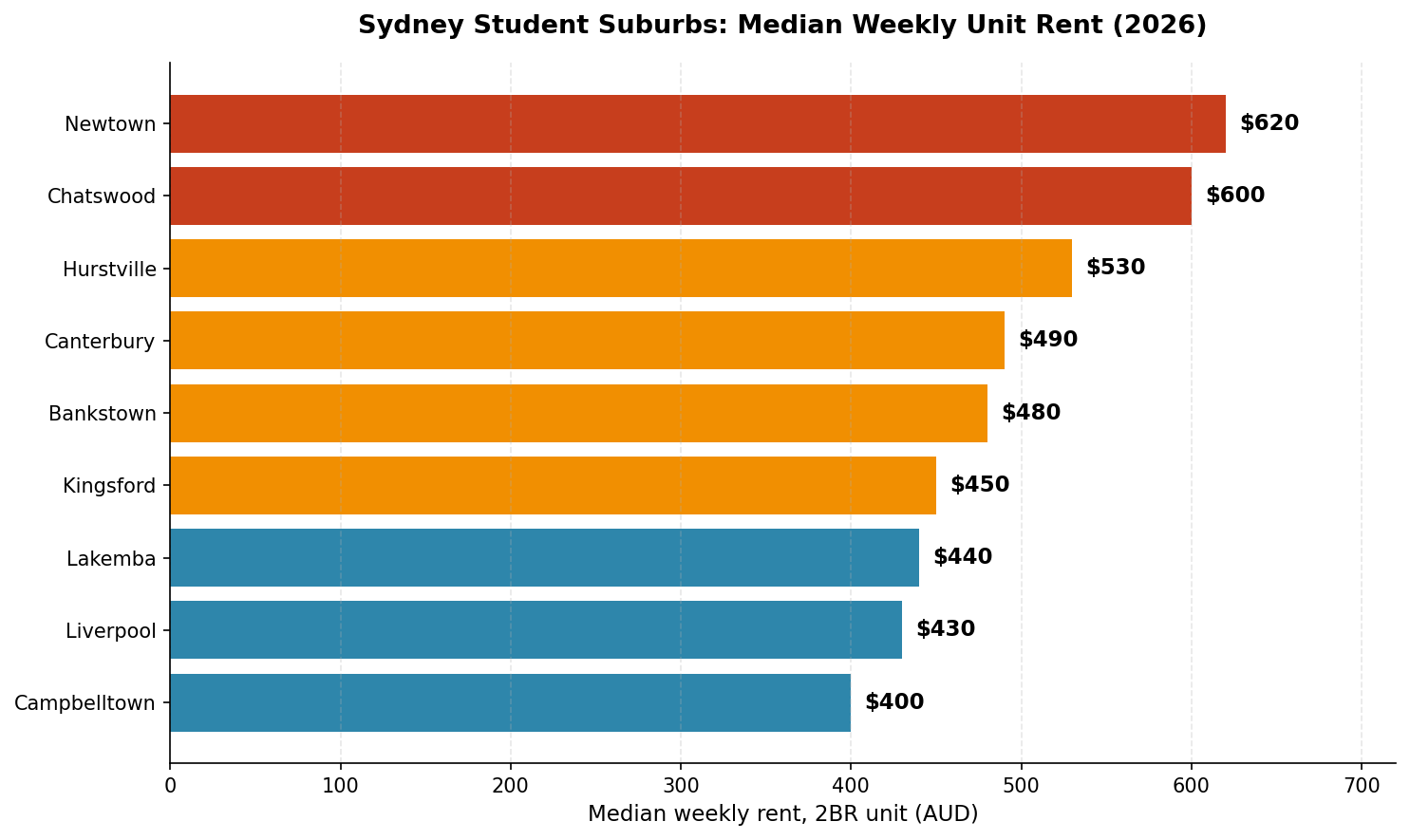
| Suburb | Median 2BR unit rent | Notes |
|---|---|---|
| Newtown | ~$620/week | Inner-west premium for location and lifestyle |
| Chatswood | ~$600/week | North Shore premium, offset by strong transport links |
| Hurstville | ~$530/week | Southern Sydney, well connected by rail |
| Kingsford | ~$450/week | Closest realistic budget option directly next to UNSW |
| Canterbury | ~$490/week | Inner-southwest, mid-range option |
| Bankstown | ~$480/week | Western Sydney, longer commute into the CBD |
| Lakemba | ~$440/week | Western Sydney budget option |
| Liverpool | ~$430/week | Outer southwest, cheapest of this group but the longest commute |
| Campbelltown | ~$400/week | Far southwest, cheapest overall, only realistic with a genuinely tolerable commute or a Western Sydney University campus nearby |
The pattern holds everywhere in Sydney: every kilometre further from the CBD and the harbour buys you meaningfully cheaper rent, at the cost of a longer commute. Sharing a two or three-bedroom unit rather than renting a studio solo remains the most reliable way to bring your personal share of rent down, regardless of which suburb you choose.
Getting around: the Opal card system
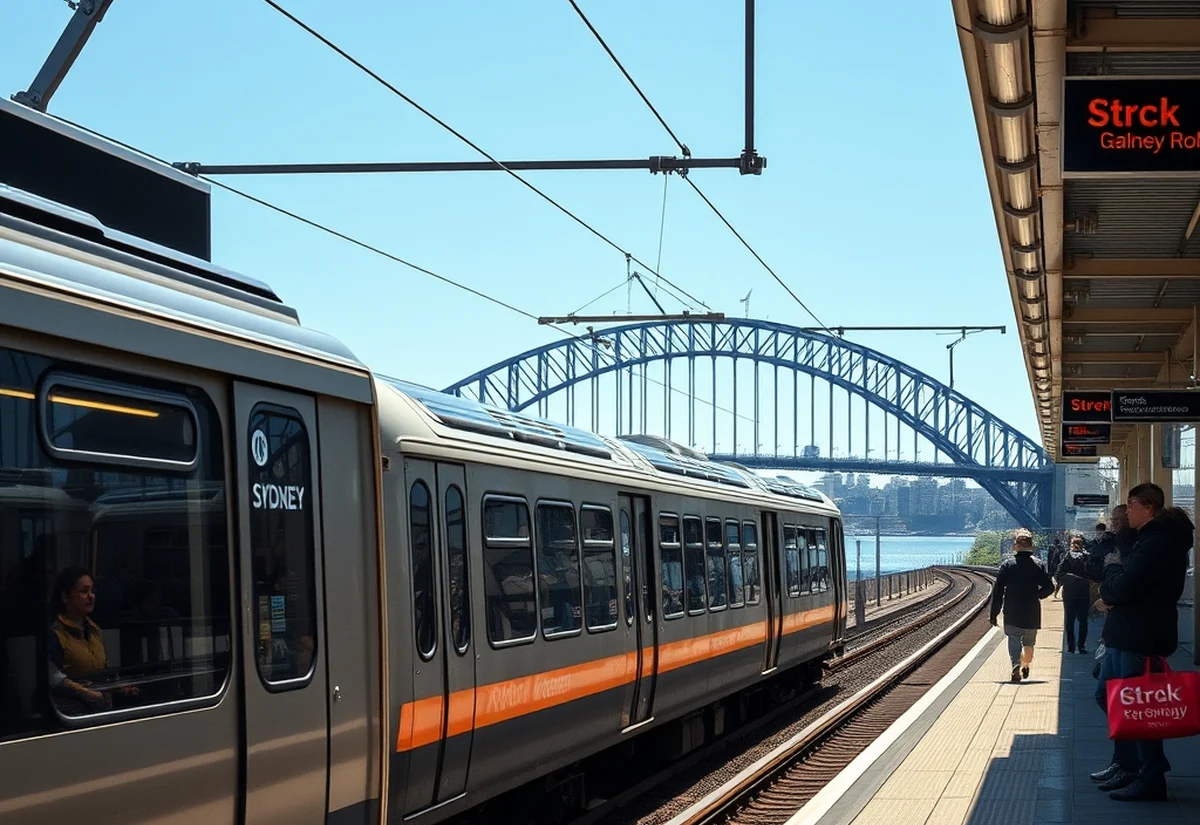
Sydney’s Opal card covers trains, buses, ferries, light rail and the Sydney Metro, and unlike Brisbane’s flat fare, Opal fares scale with distance travelled. The system does, however, cap what you’ll pay:
- Weekly cap: $50 for an Adult Opal card or contactless card/device in 2026 – once you hit this in a Monday-to-Sunday week, the rest of your travel that week is free.
- Daily cap: around $19.30 Monday to Thursday, and $9.65 Friday to Sunday.
- Off-peak discount: 30% off standard fares for travel outside peak commuting hours.
- Sydney Airport station access fee: sits outside the caps, so factor this in separately if you’re travelling to or from the airport regularly.
For the full breakdown of fares, concessions and how to set up an Opal card as a new arrival, see our complete Opal card guide for Sydney.
The lifestyle, honestly described
Sydney’s reputation as Australia’s most intense, fastest-paced city is broadly earned, and it shapes daily life in specific ways worth knowing before you arrive:
- The harbour and beaches (Bondi, Coogee, Manly) genuinely are central to how people spend free time here, not just a tourist backdrop – expect a lot of your social life to happen outdoors near water.
- The city runs on a faster, more competitive rhythm than Brisbane or Adelaide – commutes are longer on average, and the general pace of both work and study culture reflects that.
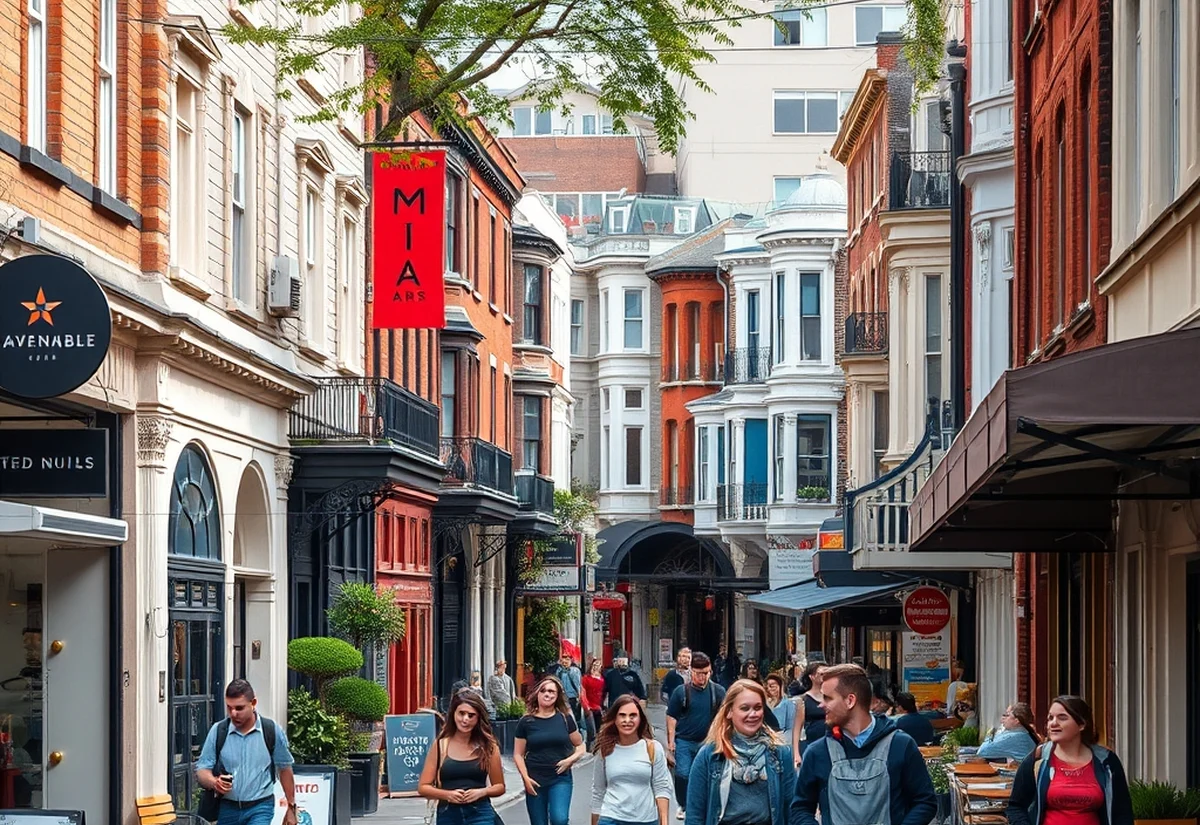
- Newtown, Redfern and the inner west carry a strong multicultural food and arts scene, while the CBD and North Shore lean more corporate and family-oriented.
- Costs bite everywhere, not just rent – groceries, eating out and general day-to-day spending in Sydney tend to run higher than in every other Australian capital.
Practical checklist for your first month in Sydney
- Pick a suburb based on your specific university campus, not a generic “close to the city” search – use the suburb table above as a starting point.
- Get an Opal card (or confirm your bank card supports contactless tap-on/tap-off) immediately on arrival, and plan regular trips around the weekly $50 cap.
- Budget realistically using the rent figures above rather than the citywide average – the gap between Newtown and Campbelltown is roughly $220 a week for a comparable unit.
- Consider sharing rather than renting solo; it remains the most effective lever for cutting your weekly housing cost in every Sydney suburb.
- Book accommodation as early as possible – while rent growth has slowed compared to 2023–2024, vacancy rates remain tight across Greater Sydney.
Sydney by region: what each part of the city is actually like
Sydney is genuinely large, and “living in Sydney” means very different things depending on which region you land in. Here’s the honest character of each, beyond just the rent figures already covered above.
| Region | Character | Who it suits |
|---|---|---|
| Inner West (Newtown, Redfern, Marrickville, Glebe) | Arts, music, multicultural food, terrace housing, strong share-house culture | USYD/UTS students, anyone who wants an alternative, creative social scene |
| Eastern Suburbs (Bondi, Coogee, Randwick, Kingsford) | Beach-oriented lifestyle, higher cost, strong UNSW proximity | UNSW students, anyone prioritising beach access over budget |
| North Shore (Chatswood, Hornsby, St Leonards) | Quieter, more family-oriented, well-connected by rail, higher rent | Homestay arrangements, Macquarie University students, those wanting a calmer environment |
| CBD & near-city (Ultimo, Haymarket, Pyrmont) | Dense, high-rise apartment living, maximum convenience, highest rent per square metre | UTS students and anyone who values a short commute above all else |
| South-West & Western Sydney (Liverpool, Bankstown, Campbelltown, Lakemba) | More affordable, larger multicultural communities, longer commutes into the CBD | Budget-conscious students, particularly those near Western Sydney University campuses |
| Sutherland Shire & Southern Sydney (Hurstville, Kogarah) | Suburban, family-friendly, direct rail access to the CBD | Students wanting a quieter home base with a reasonable commute |
A realistic weekly budget beyond rent
Rent is the biggest line item, but it isn’t the only one, and Sydney runs higher than every other Australian capital on almost every category of everyday spending. As a general planning guide on top of whichever rent figure applies to your chosen suburb:
| Category | Typical weekly range | Notes |
|---|---|---|
| Groceries | $80–$150 per person | Lower end achievable by shopping at Aldi and markets rather than exclusively Coles/Woolworths, and by using ethnic grocers for staples |
| Public transport (Opal) | Up to $50 (weekly cap) | Often less if you’re not commuting five days a week; off-peak travel gets a 30% discount |
| Utilities (electricity, gas, internet), share of a household | $40–$70 | Varies by season (air conditioning use in summer) and how many people split the bill |
| Mobile phone plan | $10–$25 | Prepaid SIM-only plans from MVNOs are typically cheapest for students |
| Eating out / social spending | Highly variable, $50+ | The category most within your control; Sydney restaurant and cafe prices run noticeably above the national average |
For a full worked household budget and a practical framework for tracking these costs against your visa work-hour limits and income, see our detailed rental and budgeting guide for international students.
Frequently asked questions
For more on settling into Sydney, see our guides on the real cost of living in Sydney and getting around Sydney with an Opal card.
You May Also Like

How to Become a Hairdresser in Australia (2026): Certificate III, TAFE Costs and Visa Pathway for International Students

Studying Accounting in Australia: Courses, Costs and Career Path