Complete Guide to Opal in Sydney: Cards, Fares and Concessions


If you are moving to Sydney, the Opal card is the key that unlocks the whole city. It is the smartcard and contactless system that pays for trains, the metro, buses, light rail and ferries across Greater Sydney and out to the Blue Mountains, Central Coast, Newcastle and the Illawarra. Once you understand how Opal fares, caps and concessions work, getting around Sydney becomes cheap and simple, and you stop overpaying without realising it.
This complete guide covers everything for 2026: how to get an Opal card, where to buy one, how much it costs, the latest adult fares and daily and weekly caps, the 30% off-peak discount, the Sydney Airport gotcha, and the concession rules that catch most international students out. We will also answer the questions Sydneysiders search most, like whether an Opal card is really cheaper than tapping your debit card.
TL;DR: Opal in Sydney at a Glance
Opal covers trains, metro, buses, light rail and ferries across Sydney and surrounds. The card is free; you just load value, or skip the card and tap a contactless debit, credit or phone instead, which costs exactly the same Adult fare. In 2026 the adult daily cap is about $19.30 Monday to Thursday and $9.65 Friday to Sunday, with a $50 weekly cap and a 30% off-peak discount. Most international students are not eligible for concession fares, so plan for Adult Opal. Watch the separate Sydney Airport station access fee, which sits outside the caps.
What Is Opal and Where It Works
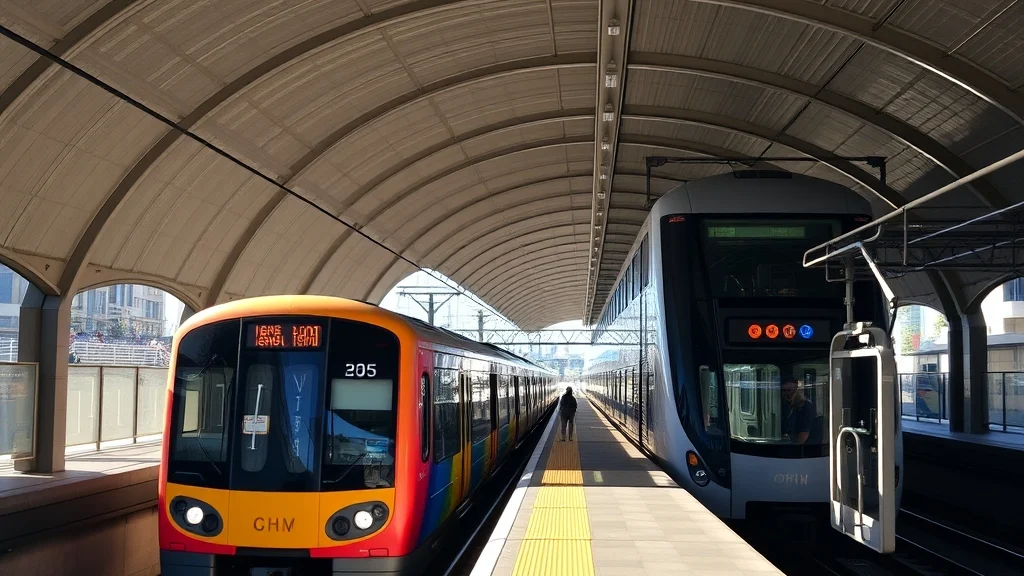
Opal is Sydney’s contactless ticketing system, the equivalent of Melbourne‘s Myki. You tap on when you start a trip and tap off when you finish, and the system calculates the correct fare based on distance and mode. It works right across the NSW Opal network: Sydney Trains and the Metro, all government buses, the L1, L2 and L3 light rail lines, and Sydney Ferries, plus regional services in the Blue Mountains, Central Coast, Hunter and Illawarra. If you are brand new to Australian transport, our explainer on how public transport works for new students is a helpful starting point.
Opal Card vs Contactless: Which Should You Use?
This is the question that trips up newcomers, so let us settle it. You have two ways to pay: a physical Opal card that you load with value, or a contactless tap using a Visa, Mastercard or Amex debit or credit card, or a phone wallet like Apple Pay, Google Pay or Samsung Pay. The important fact is that Adult fares and the daily and weekly caps are identical no matter which you use.
| Feature | Adult Opal card | Contactless (card or phone) |
|---|---|---|
| Adult fares and caps | Same | Same |
| Concession, child, senior fares | Yes (eligible cards) | No, Adult only |
| Needs a bank card | No | Yes |
| Top up in advance | Yes | Not needed |
| Best for | Concession holders, children, cash users | Most adults and visitors |
So if you are an adult paying full fare, just tap your phone or bank card and you are done. The only reasons to carry a physical Opal card are to access concession or child fares, or if you do not have a contactless card.
Types of Opal Card
| Card type | Who it is for |
|---|---|
| Adult Opal | Anyone 16+ paying full fare, including most international students |
| Child/Youth Opal | Children 4 to 15, and some school students |
| Concession Opal | Eligible tertiary and TAFE students, apprentices and some others |
| Senior/Pensioner Opal | Eligible seniors and pensioners, with a $2.50 daily cap |
How to Get an Opal Card and Where to Buy One
Getting an Opal card is easy and the card itself is free. You can order an Adult or Child Opal card online from the official Opal website and have it posted to you, or buy one instantly from thousands of retailers, including supermarkets, convenience stores, newsagents and station kiosks across Sydney. There are Opal top-up and sales machines at most train and metro stations and ferry wharves too. If you would rather not wait for a card, simply tap a contactless card or phone from day one.
Quickest option on arrival
How Much an Opal Card Costs
The Opal card has no purchase price; you only pay for the travel value you load onto it. When you buy one, you typically add a small starting balance, and you top up as you go. Because there is no card fee and contactless costs the same, your real cost is simply the fares you travel, which the caps below keep under control.
Opal Fares, Caps and Discounts in 2026
Opal fares depend on the distance you travel and the mode, but what really protects your wallet are the caps. Once you reach a cap, all further travel in that period is free. Here are the key 2026 figures.
| Cap or discount | Adult | Concession / Child |
|---|---|---|
| Daily cap (Mon to Thu) | About $19.30 | About $9.65 |
| Daily cap (Fri to Sun and public holidays) | About $9.65 | About $4.80 |
| Weekly cap (Mon to Sun) | $50 | $25 |
| Off-peak discount | 30% off outside peak times, plus Fridays, weekends and public holidays | |
| Transfer discount | $2 off when you change modes within 60 minutes | |
The off-peak discount is the easiest saving to grab: travel outside the busy morning and evening peaks and you pay 30% less on trains, metro, buses and light rail. Combined with the weekend daily cap, a Saturday of sightseeing rarely costs more than about $9.65.
The Sydney Airport Catch

The airport station access fee is extra
Concessions: What International Students Need to Know
This is the most important section for international students, because the rule is stricter in NSW than many expect. Most international students are not eligible for a Concession Opal card. The only exceptions are full-time international students studying under specific Australian Government scholarships, namely Australia Awards, Endeavour, or a Research Training Program (RTP) scholarship. New Zealand citizens are generally not eligible either.
If you do not fall into those categories, you will pay Adult fares, so budget accordingly. The good news is that the $50 weekly cap and the off-peak discount still keep costs reasonable. For the full picture across the country, see our guide to student transport discounts in Australia, which explains how concession rules differ by state.
Managing Your Opal: App, Login, Balance and Top-Up
The free Opal Travel app is the easiest way to manage everything. After you log in to your Opal account, you can check your card balance, view your trip history, top up instantly, and set up auto top-up so your card reloads automatically when it runs low. You can also check your balance and top up at station machines, retailers, online, or by phone. If you tap with a contactless card instead, you can review your trips and the fares charged through the Opal website by registering your bank card.
How to top up your Opal card
Topping up takes seconds once you know the options. If you use a physical Opal card, you can add value in five ways:
- The Opal Travel app — top up instantly from your phone, or switch on auto top-up so your card reloads automatically whenever the balance runs low. Set it once and never queue again.
- Online at the official Opal website, using a card saved to your Opal account.
- Opal top-up machines at train, metro and ferry stations — they take cash or card.
- Opal retailers — thousands of convenience stores, newsagents and supermarkets displaying the Opal sign.
- By phone through the Opal contact centre, if you prefer.
If you tap on with a contactless bank card or phone instead of an Opal card, there is nothing to top up — fares are billed straight to your bank, and the daily and weekly caps still apply automatically.

How to check your Opal balance
There are four quick ways to see what is left on your card:
- The Opal Travel app — log in and your balance is on the home screen, the fastest option.
- Your Opal account online, which also shows your full trip and top-up history.
- Any Opal top-up machine — tap your card on the reader to display the balance.
- The reader when you tap on or off — your balance flashes on the screen for a moment.
Contactless bank-card users do not have a stored balance to check, because there is no money loaded on the card — you can instead review exactly what you were charged by registering your bank card on the Opal website.
To plan trips and avoid waiting around, pair Opal with a good journey planner. Our guides on using Google Maps and transport apps and reading timetables without getting lost will help you ride like a local from week one.
Opal vs Myki: Sydney and Melbourne Compared
If you have lived in Melbourne, Opal will feel familiar but more generous in places. The biggest practical difference is that Opal charges by distance and rewards off-peak travel with a 30% discount, while Myki uses zones. Both have daily and weekly caps. If you are comparing the two systems, our complete guide to Myki in Melbourne sits alongside this one.
How to Save Money on Opal
Opal Money Tips: Do and Avoid
Do this to save
- Travel off-peak for 30% off
- Plan trips to hit the weekend daily cap
- Use the $50 weekly cap for unlimited travel
- Tap contactless to skip topping up
- Transfer between modes within 60 minutes for the $2 discount
Avoid these traps
- Tapping in and out of airport train stations
- Forgetting to tap off, which charges a default fare
- Topping up far more than you need
- Travelling in peak when you could wait
- Assuming you get a student concession automatically
Once you have transport sorted, choosing where to live near good Opal links makes a big difference to your weekly spend. Our guide to the best Sydney suburbs for students factors transport access into the picture. And when public transport is not running, a rideshare can fill the gap, as we cover in our DiDi Sydney guide.
Frequently Asked Questions
Final Thoughts
Opal makes getting around Sydney genuinely easy once you know the rules. Tap a contactless card or phone if you are an adult, carry a physical Opal card if you qualify for concession fares, travel off-peak for the 30% discount, lean on the daily and weekly caps, and watch the airport access fee. International students should plan for Adult fares unless they hold one of the qualifying scholarships. Get those basics right and Sydney’s trains, ferries and buses become one of the best-value parts of city life. For the latest official fares and concession rules, always check Transport for NSW and the official Opal website.
You May Also Like

Moving to Australia: The Complete Checklist and Guide (2026)

NT Public Holidays 2026: Full Calendar, Dates and How Darwin and Alice Springs Celebrate