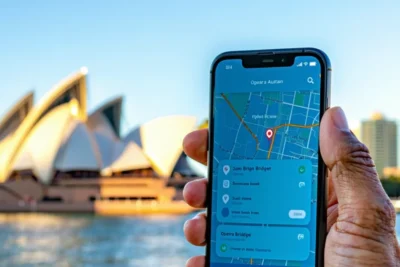
Adelaide Public Transport Guide: Tickets, Cards & Getting Around

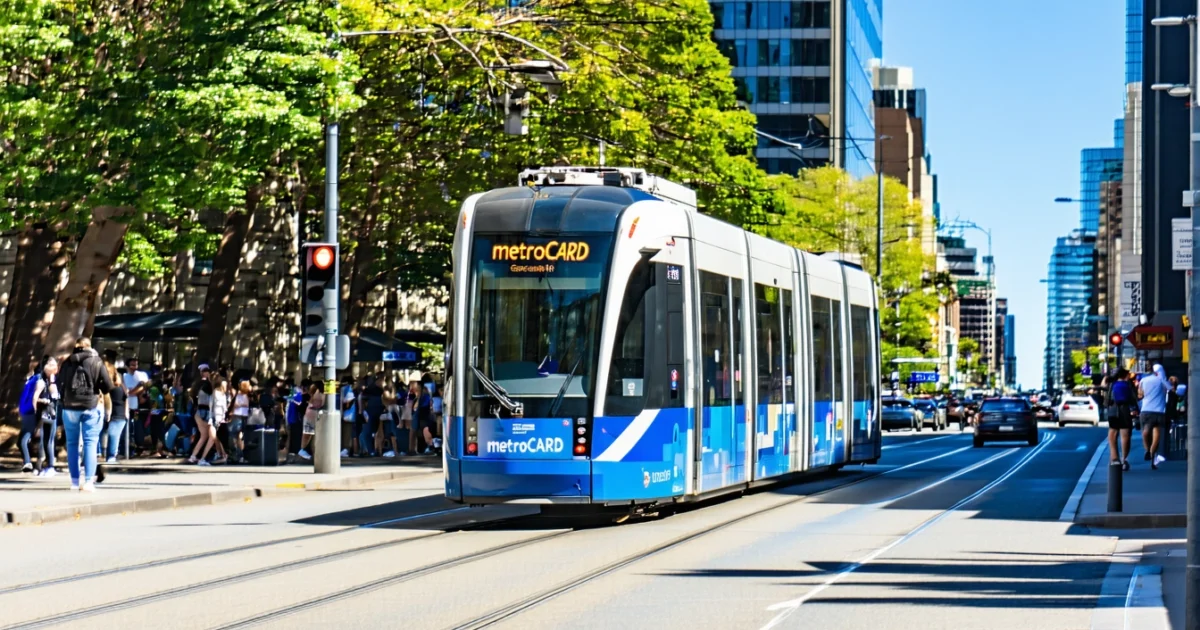
Public transport in Adelaide operates through the integrated Adelaide Metro system, offering buses, trains, and trams with multiple ticketing options including metroCARDs, the Buy & Go app, and tap and pay contactless payments. Whether you’re commuting daily or exploring the city, understanding Adelaide’s transport network will help you navigate efficiently and cost-effectively. The system features a zone-based fare structure with daily fare caps, plus Adelaide’s famous free tram zone in the city center.
Adelaide’s public transport connects major suburbs, shopping centers, and attractions across the metropolitan area. Moreover, the integrated ticketing system allows seamless transfers between different transport modes. Additionally, various concession rates make travel affordable for students, seniors, and eligible cardholders.
This comprehensive guide covers everything from purchasing your first metroCARD to mastering journey planning across Adelaide’s transport network. Furthermore, you’ll discover practical tips for peak-hour travel and accessibility features available throughout the system.
TL;DR
- Adelaide Metro operates integrated buses, trains, and trams with multiple payment options including metroCARDs, Buy & Go app, and contactless tap and pay
- The free tram zone covers Adelaide’s city center, allowing unlimited tram travel within designated boundaries without payment
- Zone-based fares with daily caps make regular travel affordable, while various concession rates support students, seniors, and eligible cardholders
- Real-time information, journey planning tools, and accessibility features enhance the user experience across all transport modes
Adelaide Metro: Your Complete Public Transport System
Adelaide Metro serves as South Australia’s unified public transport brand, operating an integrated network of buses, trains, and trams across the metropolitan area. This comprehensive system connects over 1.3 million residents through strategically planned routes that link residential suburbs with employment centers, educational institutions, and recreational facilities. The network operates under a single ticketing system, enabling seamless transfers between different transport modes.
The transport network consists of three primary components that work together harmoniously. Adelaide Metro buses provide the most extensive coverage, with over 100 routes serving suburban areas and connecting outer regions to the city center. Meanwhile, the Adelaide Metro train network operates six lines radiating from Adelaide Railway Station, reaching destinations like Gawler, Outer Harbor, and Seaford. Additionally, the iconic Adelaide Metro tram runs from the Entertainment Centre through the city to Brighton, featuring the popular free tram zone in the central business district.
Network Coverage and Transport Corridors
Adelaide’s public transport system spans across four fare zones, extending from the city center to outer metropolitan boundaries. Zone 1 encompasses the central business district and inner suburbs, while Zones 2, 3, and 4 progressively cover middle and outer suburbs. This zonal structure ensures comprehensive coverage from Gawler in the north to Seaford in the south, and from the Adelaide Hills in the east to coastal areas in the west.
Major transport corridors facilitate efficient movement along key routes throughout the metropolitan area. The North-South Corridor connects northern suburbs like Elizabeth and Salisbury with southern areas including Marion and Noarlunga. Similarly, the East-West Corridor links Adelaide Hills communities with western suburbs and Port Adelaide. These primary corridors intersect at Adelaide’s city center, creating a hub-and-spoke pattern that maximizes connectivity.
Integrated Transport Modes
The integration between buses, trains, and trams creates a cohesive transport experience for passengers. Interchange hubs at locations like Adelaide Railway Station, Tea Tree Plaza, and Marion Shopping Centre enable smooth transfers between different modes. Furthermore, coordinated timetables minimize waiting times when changing between services, particularly during peak travel periods.
Real-time passenger information systems enhance the integrated experience across all transport modes. Digital displays at stops and stations show live arrival times, while the Adelaide Metro mobile app provides journey planning that automatically suggests the best combination of buses, trains, and trams. Consequently, passengers can plan multi-modal journeys with confidence, knowing they have access to current service information.
Park and ride facilities at train stations and major bus interchanges support seamless integration with private vehicles. These facilities encourage commuters to drive to transport hubs and continue their journey using public transport, reducing congestion in the city center while maintaining accessibility for suburban residents.
Ticketing Options and Payment Methods
Adelaide Metro offers multiple payment options to accommodate different travel preferences and technological capabilities. The metroCARD serves as the primary smart card system, providing the most cost-effective way to pay for public transport across buses, trains, and trams. Additionally, modern contactless payment methods and mobile ticketing solutions ensure passengers can choose their preferred payment approach.
metroCARD Smart Card System
The metroCARD functions as Adelaide’s integrated smart card payment system across all public transport modes. Passengers can purchase metroCARDs at train stations, major bus interchanges, and authorized retailers throughout Adelaide. Furthermore, the card offers significant fare discounts compared to single-use tickets, making it the most economical choice for regular travelers.
Recharging your metroCARD occurs at ticket machines, online through the Adelaide Metro website, or at participating retail outlets. The card automatically calculates the lowest fare for your journey, applying daily and weekly caps to prevent overcharging. Consequently, frequent users benefit from automatic fare optimization without manual intervention.
Buy & Go Mobile Application
The Adelaide Metro Buy & Go app transforms smartphones into digital tickets, eliminating the need for physical cards or cash. Users download the free application, create an account, and purchase tickets directly through their mobile device. Moreover, the app stores multiple ticket types and allows advance purchase for future travel dates.
Mobile ticketing through Buy & Go provides real-time journey planning alongside ticket purchasing capabilities. The application integrates with Adelaide Metro’s live tracking system, showing arrival times and service disruptions. Therefore, passengers can plan and pay for their journey using a single digital platform.
Tap and Pay Contactless Options
Tap and Pay contactless payment accepts credit cards, debit cards, and mobile wallet applications like Apple Pay and Google Pay. Passengers simply tap their payment method on the card reader when boarding buses or entering train stations. However, contactless payments typically cost more than metroCARD fares and don’t offer the same discount benefits.
Contactless payment provides convenience for occasional travelers and tourists who prefer not to purchase a dedicated transport card. The system processes payments instantly and sends electronic receipts to registered email addresses. Nevertheless, regular commuters save money by using metroCARDs instead of contactless payment methods.
Single-Use Paper Tickets
Paper tickets remain available at select locations, though Adelaide Metro encourages digital payment methods for environmental and efficiency reasons. Single-use tickets cost significantly more than metroCARD fares and offer no transfer benefits between different transport modes. These tickets serve primarily as backup options when electronic payment methods aren’t accessible.
| Feature | metroCARD Lowest fares | Buy & Go App Standard fares | Tap and Pay Higher fares | Paper Tickets Highest fares |
|---|---|---|---|---|
| Daily/weekly caps | ✓ | — | — | — |
| All transport modes | ✓ | — | — | — |
| Automatic optimization | ✓ | — | — | — |
| Rechargeable | ✓ | — | — | — |
| Mobile convenience | — | ✓ | — | — |
| Advance purchase | — | ✓ | — | — |
| Journey planning | — | ✓ | — | — |
| Digital storage | — | ✓ | — | — |
| Contactless payment | — | — | ✓ | — |
| No setup required | — | — | ✓ | — |
| Tourist-friendly | — | — | ✓ | — |
| Instant processing | — | — | ✓ | — |
| Limited availability | — | — | — | ✓ |
| No transfers | — | — | — | ✓ |
| Single journey | — | — | — | ✓ |
| Backup option | — | — | — | ✓ |
Each payment method serves different passenger needs and travel patterns. Regular commuters benefit most from metroCARDs due to automatic fare caps and optimization features. Meanwhile, visitors and occasional users find contactless payments or mobile ticketing more convenient despite higher costs. Understanding these options helps passengers choose the most suitable payment method for their specific travel requirements.
How to Get and Use a metroCARD
The metroCARD serves as Adelaide’s primary public transport payment method, offering significant savings compared to contactless payments. Furthermore, this smart card provides automatic fare optimization and seamless transfers between buses, trains, and trams throughout the metropolitan area.
Where to Purchase metroCARDs
Adelaide Metro stations offer the most convenient locations for purchasing metroCARDs through automated vending machines. Additionally, major train stations like Adelaide Central, Flinders, and North Adelaide provide staffed customer service centers during business hours. These locations accept cash, credit cards, and EFTPOS payments for card purchases.
Authorized retailers throughout Adelaide also sell metroCARDs, including newsagents, convenience stores, and selected supermarkets. Moreover, the Adelaide Metro website enables online purchases with home delivery options for added convenience. Online orders typically arrive within 3-5 business days and include prepaid postage.
Available Card Types and Eligibility
| Card Type | Eligibility | Discount Rate | Required Documentation |
|---|---|---|---|
| Adult metroCARD | Ages 15+ | Standard fares | Photo ID |
| Concession metroCARD | Pensioners, healthcare cardholders | 50% discount | Concession card + ID |
| Student metroCARD | Full-time students | 50% discount | Student ID + enrollment proof |
| Senior metroCARD | Ages 60+ | Free off-peak, 50% peak | Seniors card + ID |
Each card type requires specific documentation during the application process. Consequently, applicants must visit customer service centers or authorized retailers to verify their eligibility status before receiving discounted cards.
Top-Up Methods and Payment Options
Ticket vending machines at train stations provide the quickest method for adding credit to metroCARDs. These machines accept cash, credit cards, and debit cards while displaying current card balances and transaction histories. Similarly, bus drivers can process top-ups using cash payments during boarding.
The Adelaide Metro app enables convenient mobile top-ups using stored payment methods. Users can add credit instantly and receive confirmation notifications when transactions complete successfully. Additionally, auto-recharge features automatically add funds when balances fall below predetermined thresholds.
- Station vending machines (24/7 availability)
- Adelaide Metro mobile app (instant processing)
- Authorized retail locations (business hours)
- Online portal with bank transfer options
- Customer service centers (weekdays only)
Proper Tapping Technique and Validation
Successful card validation requires holding the metroCARD flat against the reader for approximately one second. The device emits a green light and beep sound when it successfully processes the transaction. However, curved or folded cards may fail to register properly, resulting in invalid journey charges.
Tap-on validation occurs when boarding buses or entering train stations, while tap-off validation happens when exiting. This two-step process ensures accurate fare calculation based on actual travel distance. Passengers who forget to tap off receive maximum fare charges for their journey zone.
Important Tapping Rules
Card Replacement and Balance Protection
Registered metroCARDs provide balance protection when cards become lost, stolen, or damaged. Registration requires providing personal details and linking the card to a user account through the Adelaide Metro website. Unregistered cards cannot recover stored credit when replacement becomes necessary.
Replacement cards cost $5 and transfer the remaining balance from the original card within 24-48 hours. Damaged cards showing visible wear or technical malfunctions qualify for free replacement at customer service centers. Additionally, faulty cards receive full credit transfers without processing fees.
The replacement process involves reporting the lost card through the Adelaide Metro website or customer service hotline. Subsequently, the system blocks the original card to prevent unauthorized usage while preparing the replacement. New cards arrive by mail within one week of processing the replacement request.
Adelaide Metro Buy & Go App Guide
The Adelaide Metro Buy & Go app transforms mobile devices into comprehensive public transport companions. This digital platform streamlines ticket purchasing, journey planning, and real-time service tracking for buses, trains, and trams across Adelaide. Moreover, the application eliminates the need for physical cards while providing instant access to transport information.
App Download and Account Setup Process
Download the Buy & Go app from the Apple App Store or Google Play Store without charge. The installation process requires approximately 50MB of storage space and supports iOS 12.0 or Android 8.0 and later versions. Furthermore, the app functions on both smartphones and tablets for flexible access.
Account creation involves providing an email address, phone number, and secure password. Additionally, users must verify their email through a confirmation link sent within minutes. The registration process also requires accepting terms and conditions plus privacy policy agreements.
Profile setup includes adding payment methods, setting travel preferences, and configuring notification settings. Subsequently, users can link existing metroCARDs to their digital accounts for balance transfers. This integration ensures seamless transition between physical and digital ticketing methods.
Mobile Ticket Purchasing and Activation
The app enables instant ticket purchases through secure payment processing. Users select journey types, zones, and passenger categories before completing transactions. Digital tickets appear immediately after successful payment confirmation, ready for validation during travel.
Ticket activation occurs through QR code scanning at validators or manual activation within the app. The system generates unique codes for each journey, preventing ticket sharing or fraud. Additionally, activated tickets display countdown timers showing remaining validity periods.
- Single journey tickets – Valid for one-way travel within selected zones
- Day passes – Unlimited travel for 24 hours from activation
- Multi-trip tickets – Bulk purchases with automatic discounts
- Concession fares – Reduced rates for eligible passengers
Digital Wallet Integration
The app integrates with Apple Pay, Google Pay, and Samsung Pay for contactless payments. This feature enables tap-and-go transactions without opening the application during busy travel periods. Furthermore, digital wallet integration provides enhanced security through biometric authentication.
Payment methods include credit cards, debit cards, and PayPal accounts linked to digital wallets. The system stores encrypted payment information locally while processing transactions through secure banking networks. Additionally, users receive instant payment confirmations and digital receipts for expense tracking.
Journey Planning Features Within the App
Comprehensive journey planning tools calculate optimal routes between any two Adelaide locations. The planner considers walking distances, transfer times, and service frequencies to recommend the fastest travel options. Moreover, alternative routes appear when disruptions affect primary services.
Interactive maps display station locations, bus stops, and tram stations with detailed accessibility information. Users can save favorite destinations for quick planning and set departure or arrival time preferences. The system also estimates total journey costs before ticket purchases.
Step-by-step directions include walking instructions, platform numbers, and transfer guidance. Additionally, the app provides estimated arrival times and suggests earlier or later departure options. This flexibility helps passengers plan around schedule constraints and service variations.
Real-Time Service Information and Alerts
Live tracking systems monitor vehicle locations and update arrival predictions continuously. The app displays real-time information for buses, trains, and trams within a five-kilometer radius of user locations. Furthermore, GPS accuracy ensures predictions remain within two-minute margins during normal operations.
Service alerts notify users about delays, cancellations, and route changes affecting their planned journeys. Push notifications deliver urgent updates while in-app banners highlight ongoing disruptions. The system prioritizes alerts based on saved routes and travel history patterns.
Disruption information includes alternative transport options, estimated delay durations, and service restoration timeframes. Additionally, the app suggests modified routes when original plans become impractical due to service interruptions. Weather-related delays and planned maintenance work receive advance notification through the alert system.
Pro Tip
Tap and Pay Contactless Payment
Adelaide Metro’s tap and pay system revolutionizes public transport payments by accepting contactless credit cards, debit cards, and mobile wallets directly on buses, trains, and trams. Moreover, this modern payment method eliminates the need for physical tickets or preloaded cards for occasional travelers.
Using Credit and Debit Cards for Direct Payment
Contactless-enabled Visa, Mastercard, and American Express cards work seamlessly across Adelaide’s entire public transport network. Simply tap your card on the green reader when boarding and again when alighting to complete your journey. The system automatically calculates fares based on zones traveled and applies appropriate discounts.
Card payments process instantly without requiring PIN entry for transactions under $100. Additionally, the system accepts both Australian and international contactless cards, making it convenient for tourists and visitors exploring Adelaide’s attractions.
Mobile Wallet Compatibility
Apple Pay, Google Pay, and Samsung Pay integrate fully with Adelaide Metro’s contactless payment infrastructure. Furthermore, smartphone users can link multiple cards to their digital wallets and select preferred payment methods before traveling.
- Apple Pay: Compatible with iPhone 6 and newer models, Apple Watch Series 1 and later
- Google Pay: Works with Android devices running version 5.0 or higher with NFC capability
- Samsung Pay: Supports Galaxy smartphones and smartwatches with MST or NFC technology
Mobile wallet transactions provide enhanced security through biometric authentication and tokenization. Consequently, actual card numbers remain protected during payment processing, reducing fraud risks compared to physical card usage.
Daily Fare Capping with Contactless Payments
The daily fare cap system automatically limits charges to the equivalent of a day pass once spending reaches predetermined thresholds. For instance, after paying for multiple single journeys, users receive unlimited travel for the remainder of that day at no additional cost.
Smart Savings Tip
Weekly and monthly capping extends these savings for regular commuters using contactless payments consistently. The system tracks spending across calendar periods and applies caps automatically without requiring advance purchases or registrations.
Advantages and Limitations Compared to metroCARD
Pros
- No need to purchase or top up cards
- Automatic fare capping applies daily
- Works immediately for tourists and visitors
- Enhanced security with mobile wallet payments
- No card replacement fees for lost or damaged cards
Cons
- Cannot access concession fares without registered metroCARD
- No travel history tracking in Adelaide Metro app
- Bank fees may apply for international cards
- Requires contactless-enabled cards or smartphones
- No offline payment capability during system outages
Contactless payments excel in convenience and immediate usability but lack access to concession pricing available exclusively through registered metroCARDs. Students, seniors, and pensioners must use physical cards to receive discounted fares, as the tap and pay system cannot verify eligibility status.
Transaction records appear on bank statements rather than within the Adelaide Metro ecosystem, limiting journey tracking and expense analysis capabilities. However, this trade-off suits occasional users who prioritize simplicity over detailed travel analytics and fare optimization features.
Fare Structure and Pricing (2026)
Adelaide’s public transport system operates on a zone-based fare structure that determines pricing according to distance traveled. The metropolitan area divides into three distinct zones, with Zone 1 covering the city center and inner suburbs, Zone 2 extending to middle suburbs, and Zone 3 reaching outer metropolitan areas.
Single zone journeys within Zone 1 cost significantly less than multi-zone trips spanning all three areas. Furthermore, the system calculates fares based on the maximum number of zones crossed during any single journey, regardless of transfer frequency or route complexity.
Peak and Off-Peak Pricing Differences
Peak period pricing applies during weekday morning and evening rush hours, specifically from 7:00 AM to 9:00 AM and 5:00 PM to 7:00 PM. During these high-demand periods, fares increase by approximately 20-25% compared to standard off-peak rates.
Off-peak travel encompasses all other times, including weekends, public holidays, and weekday periods outside rush hours. Additionally, evening travel after 7:00 PM qualifies for reduced pricing, encouraging ridership during traditionally quieter periods.
| Zone | Peak Fare | Off-Peak Fare | Evening Fare |
|---|---|---|---|
| Zone 1 | $4.20 | $3.50 | $3.00 |
| Zones 1-2 | $5.80 | $4.80 | $4.20 |
| Zones 1-3 | $7.40 | $6.10 | $5.40 |
Daily, Weekly, and Monthly Fare Caps
The daily fare cap system automatically limits spending to the equivalent of purchasing a day pass once individual journey costs reach predetermined thresholds. Once travelers spend $12.50 on weekdays or $10.00 on weekends, all subsequent travel becomes free for that calendar day.
Weekly capping provides substantial savings for regular commuters, with maximum weekly charges set at $62.50 for all zones. Similarly, monthly caps reach $250.00, ensuring frequent users never exceed these amounts regardless of journey frequency or distance.
Regular commuters save up to 40% through automatic fare capping compared to individual ticket purchases
Concession Rates and Eligibility Requirements
Concession fares offer approximately 50% discounts for eligible travelers, including students, seniors aged 60+, pensioners, and disability support recipients. However, concession pricing requires a registered metroCARD and cannot be accessed through contactless payment methods.
Student concessions apply to full-time students aged 16-25 attending recognized educational institutions. Meanwhile, senior concessions become available from age 60 with appropriate identification verification during card registration processes.
- Full-time students (16-25 years) with valid student ID
- Seniors aged 60+ with proof of age
- Pensioner concession cardholders
- Disability support pension recipients
- Companion cardholders traveling with registered users
Free Travel Periods and Special Offers
Adelaide operates a free tram zone within the city center, allowing unlimited travel between designated stops without charge. This zone encompasses major shopping areas, universities, and business districts, facilitating easy movement through the central business district.
Special promotional periods include free weekend travel during certain festivals and events, encouraging public transport usage during major celebrations. Additionally, New Year’s Eve typically features free services from 6:00 PM until late-night services conclude.
Children under 5 years travel free when accompanied by fare-paying adults, while children aged 5-14 receive automatic concession rates without requiring special registration. These policies support family travel and reduce barriers to public transport adoption across different age groups.
Adelaide's Free Tram Zone
Adelaide’s free tram zone operates within the central business district, providing complimentary travel between designated stops without requiring any payment method. This zone covers approximately 2.8 kilometers of track through the city center, connecting major shopping precincts, educational institutions, and business districts.
The free zone extends from South Terrace in the south to North Terrace in the north, encompassing key destinations including Rundle Mall, Adelaide Central Market, and the University of South Australia. Additionally, the zone includes stops along King William Street and connects to the Entertainment Centre via the outer harbor line.
Included Tram Services
All Adelaide Metro tram services participate in the free zone system when traveling between designated stops. The Glenelg line provides free travel from South Terrace to North Terrace, while the Entertainment Centre line offers complimentary rides from Adelaide Railway Station to North Terrace.
Both modern low-floor trams and heritage trams operate within the free zone during regular service hours. However, special charter services and private tram tours may charge separate fees regardless of their route through the central area.
Traveling Within the Free Zone
Passengers traveling exclusively within the free tram zone do not need to tap on or validate any payment method when boarding. Simply board the tram at any free zone stop and alight at your destination without any fare payment required.
The zone operates on an honor system, with regular inspections by authorized officers to verify passenger compliance. Consequently, travelers must ensure their entire journey remains within the designated free area to avoid fare evasion penalties.
Free Zone Travel Tip
Connecting to Paid Services
When extending travel beyond the free zone boundaries, passengers must tap on with a valid payment method before the tram reaches the first paid stop. This includes using a metroCARD, contactless bank card, or mobile wallet to validate your journey.
For example, traveling from North Terrace to Glenelg requires tapping on before the tram departs the free zone at South Terrace. Similarly, journeys to the Entertainment Centre beyond the free section need validation at Adelaide Railway Station.
The fare calculation begins from the first paid stop rather than your original boarding point within the free zone. Therefore, a journey from Rundle Mall to Glenelg costs the same as traveling from South Terrace to Glenelg, providing additional value for city center access.
Navigating Adelaide's Bus Network
Adelaide’s comprehensive bus network forms the backbone of public transport across metropolitan Adelaide, connecting suburbs to the city center and major destinations. Understanding the major bus routes and their operational patterns helps passengers navigate efficiently throughout the city.
Major Bus Routes and Corridors
The O-Bahn Busway represents Adelaide’s flagship bus corridor, operating dedicated guided busways from the city to Tea Tree Plaza and Paradise Interchange. This high-frequency service carries over 31,000 passengers daily along its main corridor, providing rapid transit comparable to light rail systems.
Additionally, the Go Zone network covers central Adelaide with frequent services every 15 minutes during peak periods. These routes include the 99C City Loop, which circles the CBD connecting major shopping precincts, universities, and transport hubs throughout the day.
Furthermore, cross-town routes like the 287 and 288 connect eastern and western suburbs without requiring city center transfers. These services operate hourly during off-peak times, increasing to 30-minute frequencies during morning and evening rush periods.
Reading Bus Stop Information and Timetables
Each bus stop displays essential route information including stop numbers, route maps, and basic timetable data. The unique five-digit stop number appears prominently at the top of each display, enabling passengers to access real-time information through multiple channels.
Moreover, timetables show departure times organized by route number, destination, and day type (weekday, Saturday, Sunday). Peak hour services typically operate every 15-30 minutes, while off-peak frequencies extend to 30-60 minutes depending on the route’s classification.
Route maps indicate major stops and connection points along each service, helping passengers plan transfers to trains, trams, or other bus routes. These visual guides also highlight accessibility features and approximate travel times to key destinations.
Real-Time Arrival Information Systems
The Adelaide Metro app provides live tracking for all bus services, displaying accurate arrival predictions updated every 30 seconds. Passengers simply enter their stop number or use GPS location services to view approaching buses and their estimated arrival times.
Alternatively, the SMS service allows passengers to text their stop number to 0411 767 287 for instant arrival information. This service works on all mobile phones regardless of internet connectivity, making it accessible for travelers with basic devices.
Many major stops feature digital displays showing real-time arrivals for multiple routes simultaneously. These LED screens update automatically and include service alerts, delays, or route diversions affecting passenger journeys.
Accessibility Features on Buses
All Adelaide Metro buses operate as low-floor vehicles with wheelchair-accessible ramps that deploy automatically upon request. These ramps support wheelchairs, mobility scooters, and walking frames up to specified weight limits clearly marked on each vehicle.
Furthermore, buses include designated priority seating near the front entrance for passengers with disabilities, elderly travelers, and those with mobility challenges. Audio announcements call out major stops and destinations, while visual displays show route information for hearing-impaired passengers.
Additionally, wheelchair spaces accommodate two mobility devices simultaneously, with secure anchor points and emergency communication buttons positioned within easy reach. Guide dogs travel free of charge and receive designated floor space near priority seating areas.
Night Bus Services and Weekend Schedules
Night bus services operate on selected routes between Friday and Sunday mornings, typically running from midnight until 4:30 AM. These services connect entertainment districts, major suburbs, and transport hubs for late-night travelers returning from social activities.
Weekend schedules generally reduce service frequencies compared to weekday operations, with most routes running every 30-60 minutes on Saturdays and Sundays. However, popular routes to shopping centers, beaches, and recreational areas maintain enhanced weekend services during peak demand periods.
During public holidays, buses operate on Sunday timetables with some route modifications or cancellations. Passengers should check the Adelaide Metro website or app for specific holiday schedules, as services may commence later or finish earlier than regular weekend operations.
Using Adelaide's Train Services
Adelaide’s train network operates six distinct lines radiating from the central business district, connecting suburban communities to the city center through Adelaide Railway Station. The Gawler line extends north through Elizabeth and Salisbury, while the Outer Harbor line serves Port Adelaide and coastal suburbs. Meanwhile, the Grange line provides access to western beachside communities.
Additionally, the Seaford line travels south through Noarlunga and connects to major shopping centers, whereas the Belair line winds through the Adelaide Hills. Furthermore, the Tonsley line serves southern industrial and educational precincts, including Flinders University’s Tonsley campus.
Train Lines and Major Stations
Each train line features strategically positioned stations that serve as major transport hubs and community focal points. Adelaide Railway Station functions as the central terminus where all lines converge, offering connections to buses, trams, and interstate rail services.
| Train Line | Major Stations | Journey Time to City |
|---|---|---|
| Gawler | Elizabeth, Salisbury, Mawson Lakes | 45-65 minutes |
| Outer Harbor | Port Adelaide, Woodville, Kilkenny | 35-50 minutes |
| Grange | Woodville Park, Albert Park, Grange | 25-35 minutes |
| Seaford | Noarlunga Centre, Hallett Cove, Seaford | 45-60 minutes |
| Belair | Mitcham, Blackwood, Belair | 35-45 minutes |
| Tonsley | Goodwood, Clapham, Tonsley | 20-30 minutes |
Consequently, stations like Elizabeth and Noarlunga Centre serve as regional interchange points where passengers transfer between train services and connecting bus routes. These stations feature expanded facilities including retail outlets, cafes, and community services.
Frequency and Operating Hours
Train services operate from approximately 5:00 AM until midnight on weekdays, with frequencies varying by line and time of day. During peak hours (7:00-9:00 AM and 4:30-6:30 PM), most lines run every 15-30 minutes, ensuring regular connections for commuters traveling to work or educational institutions.
However, off-peak services typically operate every 60 minutes throughout the day, while evening services after 7:00 PM generally reduce to hourly intervals. Weekend schedules maintain consistent hourly services on most lines, though some outer suburban sections may experience extended intervals during early morning and late evening periods.
Peak hour trains carry up to 300 passengers per service across Adelaide’s network
Moreover, the Tonsley line operates the most frequent services due to its proximity to the city center and high passenger demand from university students and healthcare workers. Conversely, the Belair line experiences seasonal variations, with enhanced weekend services during summer months when tourists visit the Adelaide Hills.
Platform Access and Station Facilities
All train stations feature level platform access designed to accommodate passengers with mobility devices, wheelchairs, and prams. Platform surfaces include tactile indicators for vision-impaired travelers, while audio announcements provide clear service information and safety warnings.
Additionally, major stations offer comprehensive facilities including covered waiting areas, public toilets, and real-time departure displays. CCTV surveillance systems monitor all platforms and station precincts, while emergency help points connect directly to Adelaide Metro control centers.
- Sheltered seating areas with weather protection
- Electronic departure boards showing real-time information
- Public address systems for service announcements
- Lighting designed for evening and early morning safety
- Waste disposal facilities and recycling bins
Furthermore, larger stations like Elizabeth and Noarlunga Centre include retail facilities, cafes, and newsagents that operate during peak commuting hours. These stations also feature customer service counters where passengers can purchase tickets, obtain travel information, and report issues.
Connecting Services and Park-and-Ride Options
Train stations integrate seamlessly with Adelaide’s broader transport network through coordinated bus connections and dedicated transfer facilities. Most suburban stations feature bus stops positioned adjacent to train platforms, enabling efficient transfers between rail and bus services.
Significantly, park-and-ride facilities operate at 15 train stations across the network, providing over 3,000 parking spaces for commuters who drive to stations before continuing their journey by train. These facilities charge modest daily fees ranging from $2-5, making them cost-effective alternatives to city center parking.
Popular park-and-ride locations include Mawson Lakes (400 spaces), Seaford (350 spaces), and Belair (200 spaces), which typically reach capacity during weekday peak periods. Consequently, commuters should arrive early or consider alternative stations with available parking capacity.
Moreover, some stations offer kiss-and-ride zones where passengers can be dropped off or collected by family members and friends. These designated areas operate with time restrictions to ensure continuous traffic flow and prevent long-term parking violations.
Accessibility and Bicycle Storage
Adelaide’s train fleet comprises modern railcars designed with universal access principles, featuring wide doorways, designated wheelchair spaces, and priority seating areas. Audio-visual systems announce station names and provide service updates, while tactile strips guide vision-impaired passengers to platform edges safely.
Each train accommodates two wheelchairs simultaneously in dedicated spaces equipped with secure anchor points and emergency communication devices. Additionally, assistance animals travel free of charge and receive designated floor space near accessibility seating areas.
Bicycle storage facilities operate at most train stations through secure bike lockers and covered bike racks that protect cycles from weather damage and theft. Major stations like Adelaide Railway Station and Noarlunga Centre feature automated bike lockers accessible through Adelaide Metro cards or smartphone apps.
However, passengers may bring bicycles aboard trains during off-peak hours (9:30 AM – 3:30 PM and after 7:00 PM on weekdays, plus all day weekends). During peak periods, bicycle restrictions apply to prevent overcrowding and ensure passenger safety in busy carriages.
Cycling Integration Tip
Tram Services and Routes
Adelaide operates a single tram line that connects the city center to the coastal suburb of Glenelg, providing a vital transport link for both commuters and tourists. The Glenelg tram line extends approximately 12 kilometers from Adelaide Railway Station through the city’s central business district to Glenelg Beach, serving 16 stations along its route.
Currently, the tram system operates on standard gauge tracks with modern low-floor vehicles that ensure accessibility for passengers with mobility requirements. These trams run every 15 minutes during peak hours and every 30 minutes during off-peak periods, maintaining consistent service throughout the day.
Current Tram Lines and Extensions
The existing Glenelg tram line represents Adelaide’s sole operational tram service, though plans for future extensions continue to develop. This line connects major destinations including Adelaide Railway Station, Victoria Square, King William Street, and terminates at Glenelg Beach.
Future expansion proposals include extending tram services to Adelaide Airport and connecting additional suburban areas to the city center. However, these projects remain in planning stages while the government evaluates funding options and community feedback.
Key Destinations Served by Trams
The tram line serves numerous key destinations that attract both daily commuters and leisure travelers. Major stops include Adelaide Railway Station for interstate connections, Victoria Square for city shopping, and South Terrace for dining and entertainment venues.
- Adelaide Railway Station – Interstate train connections and city center access
- Victoria Square – Shopping precincts and government offices
- King William Street – Business district and retail corridors
- South Terrace – Restaurant strips and cultural venues
- Glenelg Beach – Coastal recreation and tourist attractions
Additionally, the tram provides direct access to Glenelg’s shopping centers, beachfront hotels, and recreational facilities that make it particularly popular during summer months and holiday periods.
Tram Stop Locations and Accessibility
All tram stops feature level boarding platforms that align perfectly with low-floor tram vehicles, eliminating steps and gaps that could impede wheelchair users or passengers with mobility aids. Each stop includes tactile ground surface indicators, audio announcements, and clear signage displaying route information and real-time arrival data.
Furthermore, most stops provide weather protection through covered waiting areas, seating arrangements, and adequate lighting for evening travel safety. Bicycle racks at selected stops encourage multimodal transport combinations, while nearby parking facilities support park-and-ride options.
Free Tram Zone
Integration with Bus and Train Services
Adelaide’s tram system integrates seamlessly with bus and train networks through coordinated timetables, shared ticketing systems, and strategic interchange locations. Passengers can transfer between trams, buses, and trains using the same Adelaide Metro card without purchasing separate tickets for each service.
The main interchange hub at Adelaide Railway Station connects tram services with interstate trains, suburban rail lines, and numerous bus routes serving metropolitan Adelaide. This central location enables passengers to plan efficient journeys across the entire public transport network using a single integrated system.
Moreover, real-time information systems display connection times and service updates across all transport modes, helping passengers make informed decisions about their travel routes. The Adelaide Metro app provides journey planning tools that automatically calculate optimal combinations of tram, bus, and train services for any destination within the metropolitan area.
Journey Planning and Navigation
Effective journey planning transforms public transport travel from confusing to convenient. Adelaide Metro’s journey planner serves as the official tool for mapping routes across buses, trains, and trams throughout the metropolitan area.
Using Adelaide Metro's Journey Planner
The Adelaide Metro website features an interactive journey planner that calculates optimal routes between any two locations. Users input their starting point and destination, then select preferred departure or arrival times to receive detailed travel instructions.
Additionally, the planner displays real-time service information, including delays, cancellations, and platform changes. This dynamic updating ensures passengers receive accurate travel times and can adjust their plans accordingly when disruptions occur.
Furthermore, the tool provides step-by-step directions for walking between stops, estimated journey times, and fare calculations. Advanced filters allow users to specify accessibility requirements, preferred transport modes, or routes with minimal walking distances.
Third-Party Apps and Google Maps Integration
Popular navigation apps like Google Maps integrate Adelaide Metro timetables and real-time data directly into their route planning algorithms. These applications combine public transport directions with walking, cycling, and driving options for comprehensive journey planning.
Moreover, specialized transit apps such as Citymapper and Moovit offer enhanced features including service alerts, crowdsourcing data about delays, and offline map functionality. These third-party solutions often provide more intuitive interfaces than official transport apps.
However, official Adelaide Metro channels remain the most reliable source for accurate fare information and service announcements. Cross-referencing multiple sources ensures travelers receive comprehensive and up-to-date journey details.
Reading Transport Maps and Understanding Connections
Adelaide’s transport network maps use color-coded lines to distinguish between different services and routes. Bus routes appear in various colors, while train lines follow distinct color schemes, and the tram network displays in its characteristic blue.
Connection points between services are marked with interchange symbols on network maps. Major hubs like Adelaide Railway Station, King William Street, and suburban shopping centers serve as primary transfer locations between multiple transport modes.
- Zone boundaries determine fare structures and appear as dotted lines on maps
- Express services show limited stops with distinctive markings
- Peak-only routes operate during specific time periods indicated by special symbols
- Wheelchair accessible services display universal access icons
Understanding map legends helps passengers identify service types, frequency indicators, and operational hours for different routes. This knowledge enables more efficient journey planning and reduces travel confusion.
Planning for Accessibility Needs
Accessible journey planning requires consideration of wheelchair-accessible vehicles, low-floor buses, and stations with lift access. Adelaide Metro’s journey planner includes accessibility filters that identify suitable routes for passengers with mobility requirements.
Additionally, audio announcements and visual displays assist passengers with hearing or vision impairments. Most modern buses and trains feature priority seating areas, wheelchair spaces, and boarding assistance from drivers when requested.
Furthermore, companion card holders travel free when accompanying a person with disability who requires assistance. This concession applies across all Adelaide Metro services and requires valid companion card identification during travel.
Tips for Efficient Multi-Modal Journeys
Successful multi-modal travel combines different transport types to optimize journey time and minimize walking distances. Park-and-ride facilities at suburban train stations allow drivers to complete journeys via public transport, avoiding city parking costs.
Similarly, bike-and-ride options enable cyclists to secure bicycles at designated racks before continuing via bus or train. This combination particularly benefits longer journeys where cycling the entire distance would be impractical.
Journey Planning Pro Tip
Moreover, timing connections requires understanding typical transfer times between different services. Allow extra minutes during peak periods when platforms become crowded and services may experience minor delays.
Finally, purchasing day passes or period tickets often provides better value than single journey fares when planning multiple trips. These options eliminate the need for repeated ticket validation while offering unlimited travel within specified zones and time periods.
Concessions and Special Fares
Adelaide Metro provides extensive concession options that significantly reduce transport costs for eligible passengers. These discounted fares support students, seniors, pensioners, and people with disabilities while encouraging public transport usage across the city.
Student Concession Eligibility and Application
Full-time students enrolled at recognized educational institutions qualify for student concessions on all Adelaide Metro services. Primary and secondary school students receive automatic eligibility, while tertiary students must provide valid enrollment documentation.
Additionally, international students studying in South Australia can access these discounted rates with appropriate visa documentation. The application process requires completion of a student concession form, submission of enrollment certificates, and provision of photo identification.
Student metroCards display special markings that identify concession eligibility during travel. Furthermore, these cards must be renewed annually with updated enrollment proof to maintain discounted fare access.
Senior and Pension Concession Rates
Seniors aged 60 and over receive substantial fare reductions across all public transport modes in Adelaide. Pension concession card holders enjoy even greater discounts, with some services offering free travel during off-peak periods.
| Concession Type | Peak Discount | Off-Peak Discount | Weekend Rate |
|---|---|---|---|
| Senior (60+) | 50% | Free after 9am | Free |
| Pension Card | 75% | Free | Free |
| Health Care Card | 50% | 50% | 50% |
Moreover, seniors can travel free on weekends and public holidays regardless of journey time or distance. This benefit extends across all zones within the Adelaide Metro network, including regional services to outer suburbs.
Disability Support and Companion Card Benefits
People with disabilities receive comprehensive transport support through companion card programs and specialized fare structures. Companion card holders travel free when accompanying someone who requires assistance due to their disability.
Similarly, guide dogs and assistance animals travel without charge on all Adelaide Metro services. Wheelchair users access priority boarding areas and dedicated spaces on buses and trains at no additional cost.
Furthermore, disability pensioners qualify for the same concession rates as other pension card holders. This includes free off-peak travel and substantial peak-time discounts across the entire network.
Healthcare and Low-Income Concessions
Healthcare card holders access reduced fares that make public transport more affordable for low-income families. These concessions apply to both adults and children traveling together on family outings or essential journeys.
Additionally, job seekers receiving government benefits qualify for similar concession rates. The application process requires presentation of current benefit statements and valid identification to Adelaide Metro customer service centers.
Low-income concessions also extend to family day passes and weekly tickets, providing better value for households making multiple trips. These options eliminate the need for individual fare calculations while ensuring transport remains accessible.
Visitor and Tourist Transport Options
Tourists and short-term visitors can purchase visitor passes that provide unlimited travel across Adelaide’s public transport network. These passes come in one-day, three-day, and weekly options designed for different trip durations.
International visitors particularly benefit from the Adelaide Connector service, which links the airport directly to the city center. This dedicated bus service operates with tourist-friendly features including luggage storage and multilingual announcements.
Moreover, many hotels and tourist accommodation providers sell Adelaide Metro tickets and passes at reception desks. This convenience eliminates the need for visitors to locate ticket outlets while ensuring they have valid transport from arrival.
Concession Application Tip
Practical Tips for Using Adelaide Public Transport
Peak Hour Travel Strategies and Alternatives
Peak hour travel requires strategic planning to avoid overcrowded services and delays. Morning peak hours typically run from 7:00 AM to 9:00 AM, while afternoon peaks occur between 4:30 PM and 6:30 PM across Adelaide’s transport network.
Consequently, travelers can reduce journey stress by departing 15-30 minutes earlier or later than standard peak times. Off-peak services often provide more comfortable seating and faster boarding, particularly on busy bus routes through the city center.
Furthermore, alternative routes frequently offer less crowded options during busy periods. Express services bypass intermediate stops, reducing travel time even when passenger loads increase during peak demand.
Etiquette and Courtesy Guidelines
Public transport etiquette ensures comfortable journeys for all passengers while maintaining efficient service operations. Priority seating near vehicle entrances should remain available for elderly passengers, pregnant women, and people with disabilities.
- Move to the center of buses and trams to allow boarding passengers space
- Remove backpacks when standing to avoid hitting other passengers
- Keep phone conversations quiet and use headphones for music
- Offer seats to those who need them more than you do
- Allow passengers to exit before boarding
Additionally, keeping aisles clear helps drivers maintain schedules while ensuring safety during vehicle movement. Courtesy creates positive travel experiences that benefit the entire Adelaide Metro community.
Safety Tips and Emergency Procedures
Personal safety on public transport involves staying alert and following established emergency procedures. Emergency communication buttons connect passengers directly to Adelaide Metro control centers on all buses, trains, and trams.
Moreover, well-lit stops and stations provide safer waiting environments, particularly during evening travel. CCTV monitoring operates across the network, with security personnel responding to incidents reported through emergency systems.
Emergency Contact
Travelers should also keep valuables secure and remain aware of their surroundings, especially when traveling alone. Transit police patrol major stations and respond quickly to safety concerns reported by passengers or drivers.
Lost Property and Customer Service Contacts
Lost property services operate through Adelaide Metro’s central customer service system, handling items left on buses, trains, and trams. Items found by drivers or cleaning crews are collected and stored at designated lost property centers.
Passengers can report lost items through the Adelaide Metro website or by calling 1300 311 108 during business hours. Detailed descriptions including travel date, route number, and approximate time help staff locate missing belongings more efficiently.
Furthermore, customer service representatives handle complaints, suggestions, and general inquiries about services and fares. Response times typically range from 24-48 hours for non-urgent matters, while safety concerns receive immediate attention.
Traveling with Luggage, Prams, and Bicycles
Large items require specific considerations to ensure safe and comfortable travel for all passengers. Prams and strollers must be secured in designated areas on buses and trams, typically near the front entrance with brakes applied.
Similarly, bicycle transport follows strict guidelines depending on the service type. Trains accommodate folded bicycles during all hours, while full-size bikes travel free during off-peak times and weekends only.
| Item Type | Buses | Trains | Trams |
|---|---|---|---|
| Large Luggage | Allowed if secure | Allowed | Allowed if manageable |
| Prams/Strollers | Designated area | Any carriage | Front section |
| Folded Bicycles | Not permitted | Anytime | Off-peak only |
| Full Bicycles | Not permitted | Off-peak/weekends | Not permitted |
Additionally, travelers with mobility aids receive priority boarding and dedicated space allocation. Wheelchair accessibility features on all modern vehicles ensure everyone can access Adelaide’s public transport network safely and comfortably.
Frequently Asked Questions
How to get around Adelaide on public transport?
Adelaide Metro operates an integrated network of buses, trains, and trams that connect all major suburbs, shopping centers, and attractions. You can use a single ticket to transfer between different transport modes. The system covers four fare zones extending from the city center to outer metropolitan areas, with major corridors running north-south and east-west through the city.
Can I just tap my card on the bus?
Yes, Adelaide Metro accepts contactless tap and pay using your bank card, smartphone, or smartwatch. You can also use a metroCARD or the Buy & Go app on your mobile device. Simply tap on when boarding and tap off when alighting to ensure you’re charged the correct fare.
Can I catch a train in Adelaide without a metroCARD?
Absolutely! You don’t need a metroCARD to use Adelaide trains. You can pay using contactless tap and pay with your bank card or mobile device, or purchase tickets through the Buy & Go app. The metroCARD is just one of several convenient payment options available.
What is Adelaide's free tram zone?
Adelaide’s free tram zone covers the city center, allowing unlimited tram travel within designated boundaries without any payment required. This zone includes key destinations in the central business district, making it easy to move around the city center for shopping, dining, and business.
Where can I buy Adelaide Metro tickets?
Adelaide Metro tickets can be purchased through multiple channels:
- MetroCARDs from retail outlets and vending machines
- Buy & Go app on your smartphone
- Contactless payment directly on vehicles
- Online through the Adelaide Metro website
- Customer service centers
How do Adelaide Metro fares work?
Adelaide Metro uses a zone-based fare structure with four zones extending from the city center. Fares are calculated based on the zones you travel through, with daily fare caps ensuring you never pay more than a certain amount per day regardless of how many trips you take.
What are the Adelaide Metro tap and pay prices?
Tap and pay prices are the same as standard Adelaide Metro fares, based on the zone-based system. You benefit from the same daily fare caps and transfer discounts when using contactless payment. Prices vary depending on the zones traveled and whether you qualify for concession rates.
How does the Buy & Go app work?
The Adelaide Metro Buy & Go app allows you to purchase and store tickets on your smartphone. You can buy single trips, day passes, or load credit onto your digital wallet. Simply show your phone screen to the driver or tap it on validators when boarding public transport.
Are there concession rates available?
Yes, Adelaide Metro offers various concession rates for eligible passengers including students, seniors, pensioners, and healthcare cardholders. These discounted fares make public transport more affordable for those who qualify, with significant savings on regular travel.
Can I transfer between buses, trains, and trams?
Yes, Adelaide Metro’s integrated ticketing system allows seamless transfers between all transport modes. You can switch from bus to train to tram using the same ticket or payment method, with transfer discounts applied automatically when you tap on and off correctly.
What accessibility features are available?
Adelaide Metro provides comprehensive accessibility features across the network including wheelchair-accessible vehicles, audio announcements, priority seating, and accessible stops and stations. Real-time information displays and journey planning tools also support passengers with various accessibility needs.
How can I plan my journey on Adelaide Metro?
Adelaide Metro offers journey planning tools through their website and mobile app, providing real-time information, route options, and estimated travel times. You can also access live departure information at stops and stations to help plan your trips effectively.
What are the peak travel times in Adelaide?
Peak travel times typically occur during weekday mornings (7-9 AM) and evenings (4:30-6:30 PM) when commuters are traveling to and from work. During these times, services run more frequently but may be more crowded, so allow extra time for your journey.
You May Also Like

Moving to Australia: The Complete Checklist and Guide (2026)

NT Public Holidays 2026: Full Calendar, Dates and How Darwin and Alice Springs Celebrate