Adelaide Weather Guide: Seasons, Heat & Tips for Newcomers

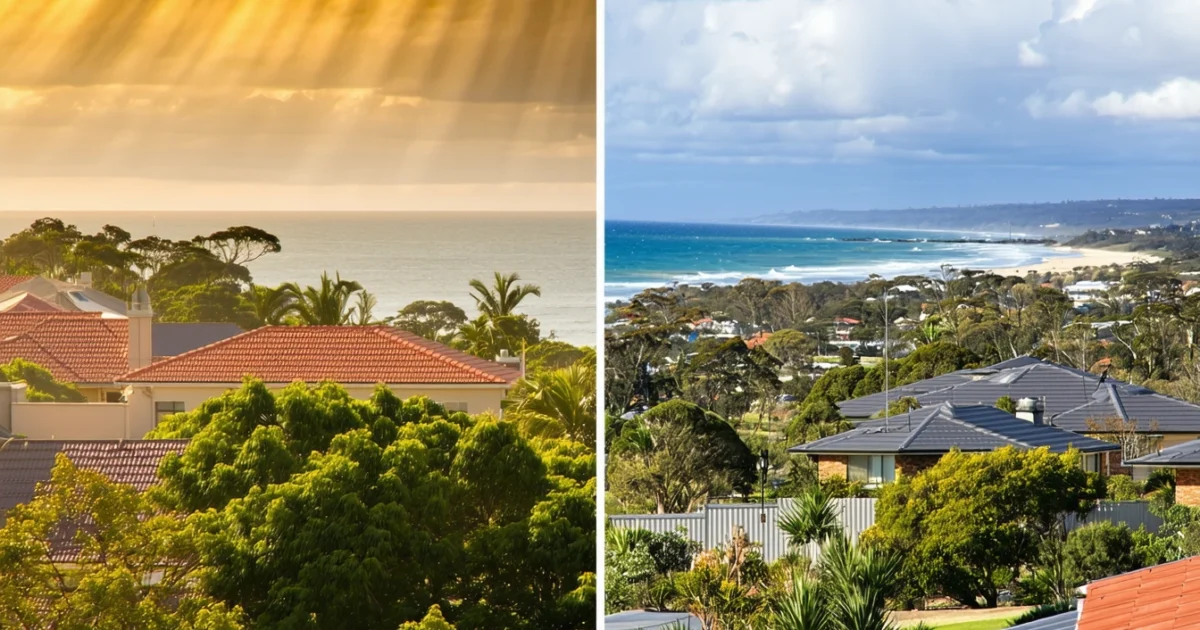
Weather in Adelaide features a Mediterranean climate with hot, dry summers reaching 35°C and mild winters averaging 8-16°C, making it essential for newcomers to understand seasonal patterns and adaptation strategies. Adelaide’s unique position near Gulf St Vincent creates distinct weather characteristics that differ significantly from other Australian capitals. Most rainfall occurs during winter months, while summers bring extreme heat days exceeding 40°C that require careful planning and preparation.
Understanding Adelaide’s four distinct seasons helps newcomers prepare effectively for temperature variations and weather challenges. Summer heat waves demand specific cooling strategies and health precautions, while winter months require appropriate clothing and heating solutions. Additionally, the city’s Mediterranean climate zone influences everything from wardrobe planning to home comfort systems.
Successfully adapting to Adelaide’s weather patterns involves strategic preparation across multiple areas. Furthermore, newcomers benefit from understanding local resources, timing outdoor activities appropriately, and implementing both short-term and long-term adjustment strategies for optimal comfort year-round.
TL;DR
- Mediterranean climate with hot, dry summers (25-35°C) and mild, wet winters (8-16°C)
- Extreme heat days (40°C+) require cooling strategies, hydration, and timing outdoor activities carefully
- Essential adaptations include seasonal clothing, air conditioning, sun protection, and understanding local weather resources
Understanding Adelaide's Mediterranean Climate
Adelaide belongs to the Mediterranean climate zone (Köppen classification Csa), sharing characteristics with cities like Perth, parts of Melbourne, and regions across southern Australia. However, Adelaide’s climate differs markedly from other Australian capitals through its distinctive seasonal rainfall patterns and temperature extremes. The city experiences hot, dry summers and mild, wet winters, creating a climate profile that contrasts sharply with Sydney‘s humid subtropical conditions or Brisbane‘s subtropical patterns.
Temperature variations in Adelaide follow predictable Mediterranean patterns throughout the year. Summer temperatures typically range from 16°C to 29°C, though extreme heat events frequently push maximums beyond 35°C and occasionally exceed 40°C. Conversely, winter brings milder conditions with average temperatures spanning 8°C to 16°C, rarely dropping below freezing. These temperature ranges create comfortable winter conditions while demanding significant cooling strategies during summer months.
Rainfall distribution follows the classic Mediterranean pattern, with annual precipitation averaging 530-600mm concentrated primarily during winter months from May through September. Summer months receive minimal rainfall, often recording less than 20mm per month between December and February. This seasonal precipitation pattern creates distinct wet and dry periods that influence everything from garden maintenance to outdoor activity planning.
Gulf St Vincent exerts significant influence on Adelaide’s local weather patterns through maritime moderation effects. The gulf’s waters moderate temperature extremes, preventing the most severe heat that inland areas experience while maintaining relatively stable humidity levels. Additionally, sea breezes from the gulf provide natural cooling during hot summer afternoons, typically arriving between 2-4 PM and offering relief from intense heat. These coastal influences create microclimates across Adelaide’s metropolitan area, with eastern suburbs experiencing slightly higher temperatures than coastal regions.
| Season | Temperature Range | Rainfall | Key Characteristics |
|---|---|---|---|
| Summer (Dec-Feb) | 16-29°C (up to 40°C+) | 15-25mm/month | Hot, dry, extreme heat days |
| Autumn (Mar-May) | 13-23°C | 30-50mm/month | Mild, increasing rainfall |
| Winter (Jun-Aug) | 8-16°C | 60-80mm/month | Cool, wet, peak rainfall |
| Spring (Sep-Nov) | 11-22°C | 30-45mm/month | Warming, decreasing rain |
Understanding these Mediterranean climate characteristics enables newcomers to plan effectively for Adelaide’s weather challenges. Moreover, recognizing how Gulf St Vincent moderates local conditions helps residents choose appropriate housing locations and prepare for seasonal variations. The predictable nature of Adelaide’s climate patterns allows for strategic preparation, making adaptation more manageable than in cities with highly variable weather systems.
Adelaide's Four Distinct Seasons
Adelaide experiences four clearly defined seasons that follow the Southern Hemisphere calendar, creating predictable weather patterns throughout the year. Each season brings distinct temperature ranges, rainfall patterns, and atmospheric conditions that newcomers can learn to anticipate and prepare for accordingly.
Summer: Hot and Dry Conditions
Summer spans December through February, delivering Adelaide’s most challenging weather conditions for newcomers. Temperatures consistently range between 25-35°C, though extreme heat days can push thermometers beyond 40°C. Furthermore, this season receives minimal rainfall, creating dry conditions that increase fire danger ratings across South Australia.
Hot northerly winds frequently sweep across the city during summer months, bringing dust and intensifying heat stress. Additionally, the combination of low humidity and high temperatures creates dehydrating conditions that require constant attention to fluid intake. Many residents plan indoor activities during peak afternoon hours, typically between 11 AM and 4 PM.
Autumn: Mild Transition Period
Autumn months from March to May provide Adelaide’s most comfortable weather conditions for outdoor activities and exploration. Temperatures moderate to pleasant ranges, while occasional rainfall begins refreshing the landscape after summer’s dry spell. This transitional season offers ideal conditions for newcomers to explore Adelaide’s parks, beaches, and hiking trails.
Morning temperatures during autumn remain mild, gradually warming throughout the day without reaching summer’s extreme levels. Consequently, this season attracts many outdoor events and festivals, as residents take advantage of the comfortable atmospheric conditions before winter arrives.
Winter: Cool and Wet Season
Winter extends from June through August, bringing Adelaide’s coolest temperatures and heaviest rainfall periods. Daily temperatures typically range between 8-16°C, requiring heating systems and warm clothing for comfort. Importantly, winter delivers the majority of Adelaide’s annual rainfall, with frequent showers and occasional storms replenishing water supplies.
Cold fronts regularly sweep across the region during winter months, bringing sudden temperature drops and sustained rainfall periods. However, snow remains extremely rare in Adelaide’s metropolitan area, though nearby Adelaide Hills occasionally receive light dustings during particularly cold spells.
Spring: Variable and Windy Conditions
Spring months from September to November showcase Adelaide’s most variable weather patterns, with warming temperatures and unpredictable daily conditions. This season transitions from winter’s cool, wet conditions toward summer’s heat and dryness. Notably, spring brings frequent windy periods that can make outdoor planning challenging for newcomers.
Temperature fluctuations during spring can vary dramatically within single days, requiring layered clothing approaches. Additionally, the season’s variable nature means residents experience everything from cool, rainy mornings to warm, sunny afternoons within the same 24-hour period. Understanding these spring patterns helps newcomers adapt their daily routines and clothing choices effectively.
Planning activities around Adelaide’s seasonal patterns becomes easier once newcomers understand each season’s characteristics and timing. Moreover, recognizing how school holidays align with seasonal changes helps families prepare for different weather conditions during vacation periods.
Dealing with Adelaide's Summer Heat
Adelaide’s summer heat presents unique challenges that newcomers must understand to stay safe and comfortable. Extreme heat days exceeding 40°C (104°F) occur regularly between December and February, often lasting several consecutive days during heat wave events. Furthermore, these intense temperatures frequently combine with low humidity levels, creating dangerous conditions for outdoor activities.
Heat waves in Adelaide typically develop when high-pressure systems stall over southeastern Australia, trapping hot air masses for extended periods. Consequently, temperatures can remain above 35°C (95°F) for five or more consecutive days, with overnight temperatures failing to drop below 20°C (68°F). Understanding these patterns helps newcomers prepare mentally and physically for prolonged heat exposure.
Cool Changes and Wind Relief
Adelaide’s famous “cool changes” provide dramatic relief from extreme heat through sudden southerly wind shifts. These weather phenomena occur when cool air masses from the Southern Ocean sweep northward, dropping temperatures by 10-15°C within minutes. Additionally, cool changes often bring gusty winds exceeding 50 km/h, creating dust storms but welcome temperature relief.
Recognizing the signs of approaching cool changes becomes crucial for outdoor planning and safety. Typically, these changes announce themselves through darkening southern skies, increasing wind speeds, and sudden drops in humidity levels. Moreover, weather services provide advance warnings, allowing residents to time outdoor activities around these natural cooling events.
Heat-Related Health Risks
Heat exhaustion and heat stroke pose serious threats during Adelaide’s extreme temperature days, particularly for newcomers unaccustomed to such conditions. Early warning signs include excessive sweating, dizziness, nausea, headaches, and rapid heartbeat. Subsequently, untreated heat exhaustion can progress to heat stroke, characterized by high body temperature, confusion, and cessation of sweating.
Vulnerable populations including elderly residents, young children, pregnant women, and people with chronic medical conditions face elevated risks during heat waves. Therefore, recognizing symptoms early and seeking immediate medical attention prevents serious complications. Importantly, heat-related illnesses can develop rapidly, making prevention strategies essential for all residents.
Timing Outdoor Activities
Strategic timing of outdoor activities becomes essential for surviving Adelaide’s summer heat safely. Early morning hours between 5:00 AM and 8:00 AM offer the coolest temperatures and lowest UV exposure for exercise, gardening, or recreational activities. Similarly, evening periods after 7:00 PM provide safer conditions once temperatures begin dropping.
Avoiding outdoor exposure during peak heat hours from 11:00 AM to 4:00 PM prevents heat-related illnesses and sunburn. Instead, newcomers should schedule indoor activities, shopping trips, or air-conditioned venue visits during these dangerous periods. Planning around school holiday schedules also helps families coordinate heat-safe activities when children are home.
Public Cooling Centers and Facilities
Adelaide provides numerous public cooling centers during extreme heat events, offering free air-conditioned refuge for residents without adequate home cooling. Libraries, shopping centers, community centers, and civic buildings serve as designated cooling spaces during heat wave periods. Additionally, many facilities extend their operating hours during extreme temperature warnings.
The South Australian Health Department activates additional cooling centers when temperatures exceed 36°C for multiple consecutive days. These facilities provide water, seating, restroom access, and sometimes basic refreshments for heat-stressed residents. Furthermore, public transport to cooling centers remains available, ensuring accessibility for vulnerable community members during dangerous heat periods.
Essential Clothing and Wardrobe Planning
Building an appropriate wardrobe for Adelaide’s diverse climate requires strategic planning across seasonal extremes. Newcomers must balance summer heat protection with winter warmth requirements while maintaining professional appearance standards. Therefore, successful wardrobe planning focuses on versatile pieces that adapt to Adelaide’s temperature variations.
Summer Essentials: Beat the Heat
Adelaide’s scorching summers demand lightweight, breathable fabrics that promote air circulation and moisture wicking. Cotton, linen, bamboo, and moisture-wicking synthetic blends provide optimal comfort during 40°C+ temperatures. Additionally, loose-fitting garments create air pockets that enhance natural cooling through convection.
Sun protection clothing becomes essential equipment rather than fashion choice during Adelaide summers. UPF-rated garments block harmful UV radiation while maintaining breathability and comfort. Moreover, long-sleeved shirts with UPF 50+ protection offer superior defense compared to sunscreen alone, particularly during extended outdoor exposure periods.
- Breathable fabrics: Cotton, linen, bamboo, moisture-wicking synthetics
- Sun-protective clothing: UPF 50+ rated shirts, pants, and dresses
- Light colors: White, cream, and pale shades reflect heat effectively
- Loose fits: Allow air circulation and prevent fabric clinging
Winter Clothing Needs: Layering Strategy
Adelaide winters require strategic layering systems that accommodate morning chill and afternoon warmth within single days. Base layers, insulating layers, and outer shells create adaptable combinations for temperature fluctuations between 8°C and 18°C. Consequently, removable layers prevent overheating as temperatures rise throughout winter days.
Waterproof outer garments protect against Adelaide’s winter rainfall and occasional storms. Quality rain jackets, waterproof boots, and umbrella protection become essential during wet weather periods. Furthermore, breathable waterproof materials prevent condensation buildup while maintaining weather protection.
Warm accessories complete winter wardrobe requirements for Adelaide’s cooler months. Thermal scarves, insulated gloves, and warm beanies provide targeted warmth for exposed areas during early morning and evening temperatures. Similarly, thermal socks and warm footwear maintain comfort during extended outdoor activities.
Year-Round Necessities: Universal Protection
Certain wardrobe items remain essential throughout Adelaide’s seasonal variations, providing consistent protection and functionality. Quality sunglasses with UV400 protection shield eyes from intense Australian sun year-round, preventing cataracts and macular degeneration. Additionally, polarized lenses reduce glare from reflective surfaces during both summer beach visits and winter morning frost.
Broad-brimmed hats provide crucial facial and neck protection during all seasons in Adelaide’s high-UV environment. Wide brims create shade zones that reduce direct sun exposure by up to 70% compared to baseball caps. Moreover, UPF-rated hat materials offer additional protection beyond shade alone.
High-quality SPF 50+ broad-spectrum sunscreen remains mandatory year-round equipment for Adelaide residents. Winter UV levels still pose significant skin damage risks, particularly during clear, cool days when sun exposure feels deceptively safe. Therefore, daily sunscreen application prevents cumulative UV damage regardless of seasonal temperature variations.
Footwear Recommendations by Season
| Season | Primary Footwear | Key Features |
|---|---|---|
| Summer | Breathable sneakers, sandals | Ventilation, UV protection, heat resistance |
| Autumn | Closed shoes, light boots | Versatility, moderate warmth, style flexibility |
| Winter | Waterproof boots, warm shoes | Insulation, water resistance, traction |
| Spring | Versatile sneakers, loafers | Adaptability, comfort, easy maintenance |
Summer footwear prioritizes breathability and heat protection over insulation or warmth. Mesh sneakers, leather sandals with arch support, and canvas shoes provide optimal comfort during hot pavement walking. However, closed-toe shoes remain necessary for professional environments and sun protection during extended outdoor exposure.
Winter footwear emphasizes waterproofing and insulation for Adelaide’s wet, cool conditions. Waterproof leather boots, insulated sneakers, and weather-resistant dress shoes maintain comfort and dryness during rain periods. Additionally, quality winter footwear prevents slipping on wet surfaces common during Adelaide’s winter months.
Professional Attire Climate Considerations
Adelaide’s professional environments require climate-adapted business attire that maintains appearance standards while accommodating extreme temperatures. Lightweight wool suits, breathable cotton dress shirts, and moisture-wicking undergarments provide professional appearance without heat-related discomfort. Similarly, quality Australian clothing brands offer climate-specific professional wear designed for local conditions.
Summer professional dressing demands wrinkle-resistant, breathable fabrics that maintain crisp appearance despite heat and humidity. Linen-blend suits, cotton-silk shirts, and breathable dress pants provide professional polish while preventing overheating during commutes and outdoor meetings. Moreover, light-colored professional wear reflects heat more effectively than traditional dark business attire.
Winter professional wardrobes require layering-compatible pieces that transition seamlessly between heated indoor environments and cool outdoor temperatures. Wool blazers, cashmere sweaters, and thermal undergarments create professional warmth without bulk. Consequently, removable layers allow temperature adaptation throughout workdays while maintaining polished appearance standards.
Home Comfort and Energy Considerations
Adelaide’s extreme temperature variations demand strategic home comfort solutions that balance efficiency with year-round livability. Consequently, newcomers must understand both cooling and heating requirements to maintain comfortable indoor environments while managing energy costs effectively.
Air Conditioning Options and Energy Efficiency
Split system air conditioners provide the most energy-efficient cooling for Adelaide homes, delivering targeted temperature control with lower operating costs than ducted systems. Furthermore, inverter technology adjusts compressor speed automatically, reducing energy consumption by up to 30% compared to fixed-speed units. Modern reverse cycle systems also provide efficient heating during winter months.
Energy star ratings guide purchasing decisions, with 5-star rated units consuming significantly less electricity than lower-rated alternatives. Additionally, proper sizing ensures optimal efficiency—oversized units cycle frequently while undersized systems run continuously, both increasing energy costs unnecessarily.
Natural Cooling Strategies
Ceiling fans create cooling effects equivalent to reducing temperature by 3-4 degrees Celsius through air circulation, allowing higher thermostat settings while maintaining comfort. Moreover, strategic fan placement in living areas and bedrooms provides targeted cooling without whole-house air conditioning costs.
Window coverings significantly impact indoor temperatures, with external blinds and awnings blocking up to 90% of solar heat gain before it enters homes. Similarly, reflective window films and thermal curtains reduce cooling loads while maintaining natural light levels throughout summer months.
Cross-ventilation maximizes natural cooling by creating airflow pathways through homes during cooler evening and morning periods. Therefore, opening windows on opposite sides of rooms allows hot air to escape while drawing cooler outdoor air inside, particularly effective during Adelaide’s cool nights.
Winter Heating Solutions
Gas heating provides cost-effective warmth for Adelaide winters, with natural gas typically costing less than electricity for equivalent heating output. Additionally, gas ducted heating systems distribute warmth evenly throughout homes, while gas space heaters offer targeted heating for specific rooms.
Heat pumps deliver exceptional efficiency during Adelaide’s mild winters, extracting warmth from outdoor air even at low temperatures. Consequently, reverse cycle air conditioners operating in heating mode provide 3-4 times more heat energy than equivalent electrical resistance heating while consuming the same electricity.
Insulation Importance for Year-Round Comfort
Proper insulation reduces energy consumption by up to 40% while maintaining consistent indoor temperatures regardless of external weather conditions. Furthermore, ceiling insulation provides the greatest impact, preventing heat loss during winter and heat gain during summer through roof spaces.
Wall insulation and floor insulation create comprehensive thermal barriers that minimize temperature fluctuations and reduce heating and cooling system workloads. Additionally, draught sealing around doors, windows, and gaps prevents conditioned air loss while blocking outdoor temperature infiltration.
Expected Utility Costs and Seasonal Variations
Adelaide households typically spend $1,200-$2,000 annually on electricity, with summer cooling costs representing the largest seasonal expense increase. However, energy bills fluctuate dramatically between seasons, with January-March bills often 50-80% higher than mild spring and autumn periods.
Gas heating costs remain relatively stable during winter months, typically adding $200-$400 to quarterly bills depending on home size and insulation quality. Moreover, quality home furnishings and thermal accessories can supplement heating systems while reducing overall energy consumption through improved heat retention.
Time-of-use electricity tariffs offer cost savings for flexible energy consumption, with off-peak rates during overnight hours providing opportunities for reduced heating and cooling costs. Therefore, programming systems to pre-cool homes during cheaper rate periods helps manage summer electricity expenses effectively.
Health and Safety Adaptations
Adelaide’s intense summer heat and variable weather patterns require specific health adaptations for newcomers adjusting to Australian conditions. Consequently, understanding UV exposure risks, hydration needs, and heat-related illness prevention becomes essential for safe outdoor activities throughout the year.
Sun Protection Strategies and UV Awareness
Australia experiences UV Index levels of 10-14 during Adelaide summers, creating extreme sun exposure risks that require comprehensive protection strategies. Therefore, applying SPF 30+ broad-spectrum sunscreen every two hours prevents sunburn and reduces long-term skin cancer risks significantly.
Wide-brimmed hats provide crucial facial and neck protection, while UV-protective clothing with UPF ratings shields exposed skin during extended outdoor activities. Additionally, seeking shade between 10am-3pm minimizes peak UV exposure when radiation intensity reaches dangerous levels.
Sunglasses with 100% UV protection prevent eye damage and reduce glare-related headaches during bright Adelaide days. Furthermore, regular skin checks detect early changes, as Australia maintains the world’s highest melanoma rates among fair-skinned populations.
Hydration Requirements During Hot Weather
Adelaide’s dry heat increases fluid loss through perspiration and respiration, requiring 2-3 liters daily water intake during summer months. However, electrolyte replacement becomes necessary during extended heat exposure or physical activity lasting over one hour.
Early dehydration symptoms include headaches, fatigue, and reduced concentration, while severe dehydration causes dizziness, rapid heartbeat, and confusion. Moreover, alcohol and caffeine consumption accelerates dehydration during hot weather, requiring additional water intake to maintain proper fluid balance.
Sports drinks or electrolyte solutions help replace sodium and potassium lost through excessive sweating during Adelaide’s 40°C+ days. Nevertheless, plain water remains sufficient for most daily activities when consumed regularly throughout daylight hours.
Recognizing and Preventing Heat-Related Illness
Heat exhaustion presents with heavy sweating, weakness, nausea, and cool, clammy skin requiring immediate cooling and fluid replacement. Conversely, heat stroke involves hot, dry skin, altered mental state, and core body temperature above 40°C, constituting a medical emergency requiring immediate professional treatment.
- Move to air-conditioned spaces during extreme heat warnings
- Wear loose, light-colored, breathable clothing
- Schedule outdoor activities before 10am or after 5pm
- Take frequent breaks in shaded areas
- Monitor elderly family members and pets closely
Acclimatization typically requires 7-14 days for newcomers adapting to Adelaide’s summer conditions. Therefore, gradually increasing outdoor exposure time allows physiological adjustments while preventing heat-related complications during the adaptation period.
Bushfire Awareness and Preparation During Fire Season
Adelaide’s fire season extends from November through April, with extreme fire danger days requiring heightened awareness and preparation strategies. Consequently, monitoring Country Fire Service (CFS) warnings and understanding local fire danger ratings helps residents make informed safety decisions.
Total Fire Ban days prohibit all outdoor fires and require extreme caution with any heat-generating activities or equipment. Additionally, preparing emergency evacuation kits with essential documents, medications, and supplies ensures readiness during rapidly developing fire situations.
Bushfire smoke can travel hundreds of kilometers, affecting air quality in Adelaide even when fires burn in distant regions. Furthermore, understanding evacuation routes and having multiple exit strategies becomes crucial for properties in bushfire-prone areas surrounding the city.
Air Quality Considerations During Extreme Weather Events
Dust storms, bushfire smoke, and extreme heat create poor air quality conditions that affect respiratory health and outdoor activity safety. Therefore, monitoring air quality indexes through Bureau of Meteorology apps helps residents plan daily activities and protect vulnerable family members.
Indoor air filtration systems and keeping windows closed during poor air quality events reduce exposure to harmful particles and pollutants. Moreover, people with asthma, heart conditions, or respiratory sensitivities should limit outdoor exercise and consider relocating to air-conditioned public spaces during severe episodes.
N95 masks provide effective protection against smoke particles and dust during extreme weather events affecting Adelaide’s air quality. Subsequently, maintaining emergency supplies including masks, medications, and indoor entertainment options helps families weather extended periods of poor outdoor conditions safely.
Practical Tips for New Residents
Successfully adapting to Adelaide’s climate requires strategic planning and gradual adjustment techniques that help newcomers thrive in their new environment. Therefore, understanding optimal timing for relocation and implementing smart acclimatization strategies makes the transition smoother and more comfortable.
Best Months for Moving and Settling In
March through May provides the ideal window for relocating to Adelaide, as temperatures moderate from summer heat while maintaining pleasant daytime conditions. Additionally, this autumn period offers stable weather patterns that allow newcomers to explore neighborhoods, establish routines, and gradually adapt without extreme temperature stress.
September through November represents another excellent moving period, with spring temperatures rising gradually and fewer extreme weather events disrupting settling activities. Moreover, this timing aligns with South Australia school holidays periods, making family transitions easier for those with children starting new educational journeys.
Avoiding December through February moves prevents newcomers from immediately facing Adelaide’s most challenging heat conditions before developing proper coping strategies. Similarly, mid-winter relocations during June and July can feel overwhelming due to shorter daylight hours and persistent cool, wet conditions.
Gradual Acclimatization Strategies for Extreme Temperatures
Heat acclimatization requires 10-14 days of progressive exposure to higher temperatures, starting with short outdoor periods during cooler morning hours. Furthermore, increasing outdoor activity duration by 15-20 minutes daily allows the body’s cooling systems to adapt without overwhelming physiological responses.
Hydration strategies become crucial during acclimatization, with newcomers needing 35-40ml per kilogram of body weight daily plus additional fluids during heat exposure periods. Consequently, monitoring urine color provides a simple indicator of hydration status, with pale yellow indicating adequate fluid intake.
Clothing adaptation plays a vital role in temperature adjustment, with loose-fitting, light-colored garments made from breathable fabrics reducing heat stress significantly. Additionally, wearing wide-brimmed hats and UV-protective clothing prevents sunburn while allowing gradual skin adaptation to increased sun exposure.
Local Weather Resources and Apps for Daily Planning
The Bureau of Meteorology app provides the most accurate Adelaide weather forecasts, including detailed temperature predictions, UV indexes, and severe weather warnings issued by Australian meteorologists. Meanwhile, this official resource offers radar imagery showing approaching weather systems and real-time conditions across metropolitan Adelaide.
Weatherzone delivers comprehensive local forecasts with hourly temperature breakdowns, helping newcomers plan outdoor activities around heat peaks and cooler periods. Similarly, the Emergency Alert app sends automatic notifications about bushfire warnings, severe thunderstorms, and extreme heat alerts affecting Adelaide residents.
- BOM Weather app – Official forecasts and warnings
- Weatherzone – Detailed hourly predictions
- Emergency Alert – Critical safety notifications
- AirRater – Air quality monitoring during dust storms and bushfire smoke
- Fires Near Me SA – Real-time bushfire tracking and evacuation information
Community Support and Advice Networks
Local Facebook groups like “New to Adelaide” and “Adelaide Newcomers Network” connect recent arrivals with experienced residents who share practical weather adaptation tips and seasonal advice. Moreover, these online communities provide real-time updates about weather conditions, power outages, and community resources during extreme weather events.
Neighborhood community centers offer newcomer orientation sessions that include climate adaptation workshops and local resource information throughout the year. Additionally, many suburbs organize welcome committees that pair new residents with established families for informal mentoring and practical support during challenging weather periods.
Professional migrant support services through Migrant Resource Centre provide comprehensive settlement assistance including climate adaptation guidance and emergency preparedness training. Furthermore, these organizations offer multilingual support and culturally appropriate advice for families adjusting to Adelaide’s unique weather patterns.
Budget Planning for Seasonal Clothing and Utilities
Summer cooling costs typically range from $200-400 monthly for average Adelaide homes, with energy-efficient air conditioning systems reducing expenses while maintaining comfortable indoor temperatures. Therefore, budgeting for increased electricity usage during December through March prevents financial stress during peak cooling season.
Winter heating expenses generally cost $150-250 monthly depending on home insulation quality and heating system efficiency throughout June through August periods. Consequently, investing in energy-efficient heating solutions and proper insulation reduces long-term utility costs while improving year-round comfort.
| Seasonal Clothing Investment | Essential Items | Budget Range (AUD) |
|---|---|---|
| Summer wardrobe | Lightweight shirts, shorts, sun hats, UV clothing | $300-500 |
| Winter essentials | Warm jackets, waterproof coats, thermal layers | $400-600 |
| Year-round basics | Quality footwear, versatile layers, accessories | $200-350 |
Quality seasonal clothing represents a worthwhile investment that provides comfort and protection across Adelaide’s temperature extremes while lasting multiple years with proper care. Moreover, shopping during end-of-season sales allows newcomers to build appropriate wardrobes gradually without overwhelming initial settlement budgets.
Frequently Asked Questions
What type of climate does Adelaide have?
Adelaide has a Mediterranean climate (Köppen classification Csa) with hot, dry summers and mild, wet winters. Summer temperatures typically range from 16-29°C but can exceed 40°C during extreme heat events, while winter temperatures average 8-16°C with most of the annual rainfall occurring during these cooler months.
How hot does it get in Adelaide during summer?
Adelaide summers are hot and dry, with typical temperatures ranging from 16-29°C. However, extreme heat days frequently push temperatures beyond 35°C and can exceed 40°C. These extreme heat events require careful planning, adequate cooling strategies, and proper hydration to stay safe and comfortable.
When does it rain most in Adelaide?
Adelaide receives most of its rainfall during winter months from May through September, with 60-80mm per month during peak winter. The city follows a classic Mediterranean rainfall pattern with annual precipitation averaging 530-600mm. Summer months are very dry, often receiving less than 20mm per month between December and February.
How does Adelaide's location near Gulf St Vincent affect the weather?
Gulf St Vincent significantly influences Adelaide’s weather through maritime moderation effects. The gulf’s waters help moderate temperature extremes and maintain stable humidity levels. Sea breezes from the gulf provide natural cooling during hot summer afternoons, typically arriving between 2-4 PM, creating microclimates across the metropolitan area with coastal regions staying cooler than eastern suburbs.
What should newcomers know about preparing for Adelaide's weather?
Newcomers should prepare for Adelaide’s distinct seasonal patterns by investing in:
- Cooling systems and sun protection for hot summers
- Seasonal clothing for both hot summers and mild winters
- Hydration strategies for extreme heat days
- Understanding of local weather resources and timing for outdoor activities
How does Adelaide's climate compare to other Australian capitals?
Adelaide’s Mediterranean climate differs significantly from other Australian capitals. Unlike Sydney’s humid subtropical conditions or Brisbane’s subtropical patterns, Adelaide has distinct dry summers and wet winters. It shares some similarities with Perth’s Mediterranean climate but has its own unique characteristics due to Gulf St Vincent’s maritime influence.
What are the best months to visit or move to Adelaide?
The best months for comfortable weather in Adelaide are typically autumn (March-May) and spring (September-November) when temperatures are mild (13-23°C) and rainfall is moderate. These seasons offer pleasant conditions for outdoor activities and settling in, avoiding both the extreme summer heat and the wettest winter months.
How should I prepare for extreme heat days in Adelaide?
During extreme heat days (40°C+), preparation is essential:
- Stay well-hydrated and avoid outdoor activities during peak heat (11 AM – 4 PM)
- Use air conditioning or cooling systems effectively
- Wear sun protection including hats, sunscreen, and light-colored clothing
- Plan activities for early morning or evening when temperatures are cooler
- Monitor local weather warnings and heat health alerts
You May Also Like

Best Hospitals in Australia (2026): The Complete City-by-City Guide

Best Hospitals in Darwin (2026): Public, Private and How to Choose