Living in Wollongong Guide for International Students: Near UOW

Most guides describe Wollongong as “coastal, relaxed, and near Sydney” and stop there. What they leave out is the one fact that can genuinely change your visa outcome: Wollongong is classified as a Category 2 regional area, which means graduates of the University of Wollongong (UOW) are eligible for an extra year of post-study work rights that Sydney graduates simply do not get.
Quick facts: Wollongong and the Illawarra region are classified Category 2 (regional) for the Temporary Graduate visa (subclass 485), adding one extra year of post-study work rights on top of the standard duration for your degree level. Wollongong sits about 83 kilometres from Sydney, with a direct South Coast Line train taking roughly 1.5 to 2 hours to Sydney’s CBD. The Illawarra escarpment and the Sea Cliff Bridge on the Grand Pacific Drive are genuine, named landmarks, not generic “coastal scenery.” Checked August 2026.
Near UOW: the regional visa classification most guides skip
Studying at UOW puts you in a Category 2 regional area under the Department of Home Affairs’ regional classification system, which is genuinely significant for your post-study plans. Graduates from Category 2 regions receive an extra year of Temporary Graduate visa (subclass 485) eligibility on top of the standard duration for their qualification level, meaning a bachelor’s graduate can access roughly 3 years of post-study work rights instead of 2, and a master’s graduate roughly 4 instead of 3. This is one of the few concrete, checkable advantages a smaller city can offer over Sydney or Melbourne, and it is worth confirming against the current regional postcode list before you commit, since classifications can be reviewed. See our regional study cities guide for how Wollongong compares to Newcastle and Geelong on this same measure.
Lifestyle: escarpment and coast, not just "coastal and relaxed"
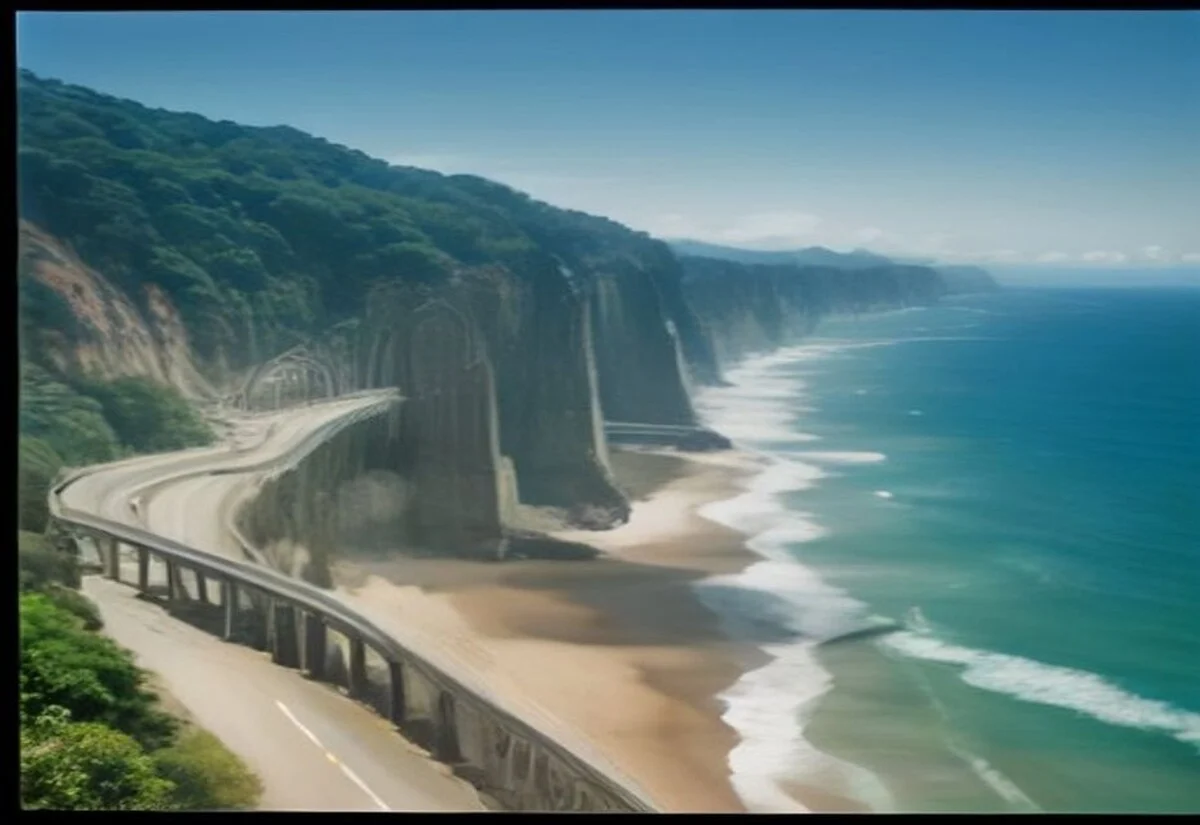
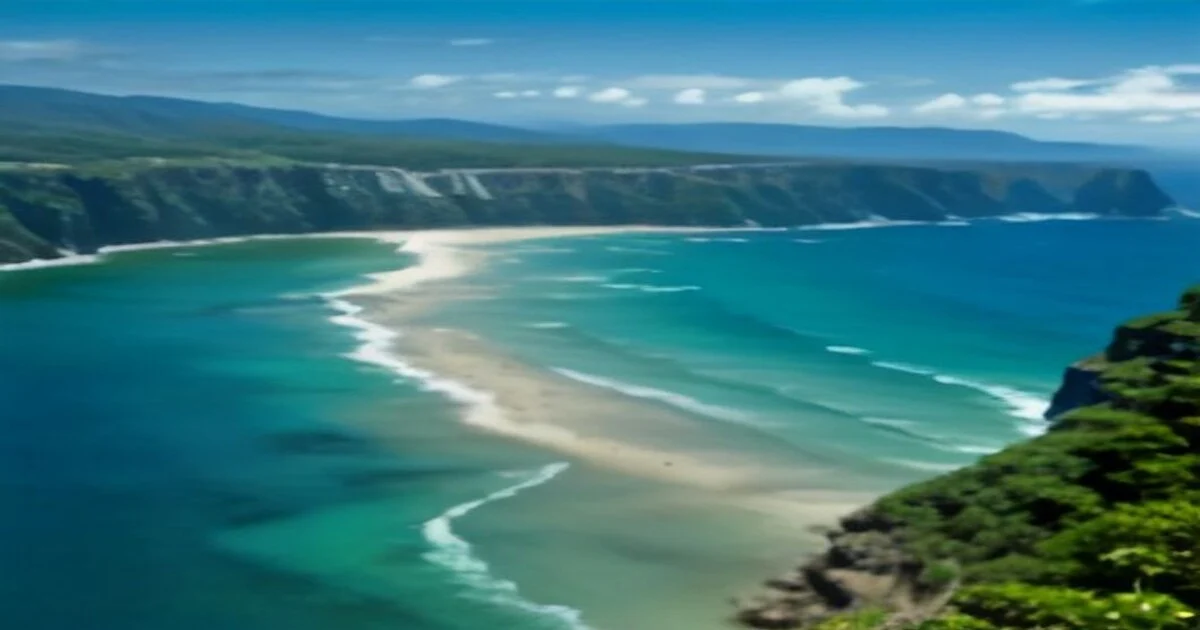
The Illawarra escarpment runs directly behind the city, giving Wollongong a genuinely distinctive setting: rainforest-covered hills on one side, beaches on the other, within a short drive or bus ride of most student housing. The Sea Cliff Bridge, part of the Grand Pacific Drive south of the city, is a specific, well-known landmark rather than generic scenery, and popular with cyclists and photographers on weekends. It is a smaller city than Sydney, so nightlife and variety are more limited, but the trade-off is a compact, walkable centre where the beach, the university and the CBD are all close together.
Costs and the Sydney connection
Rent and everyday costs in Wollongong are lower than Sydney’s, consistent with most regional centres. The South Coast Line runs a direct train to Sydney’s CBD, about 83 kilometres away, taking roughly 1.5 to 2 hours depending on the service, which makes an occasional Sydney trip realistic without needing to live there. See our rent by city guide for how Wollongong prices compare directly to Sydney and other capitals.
Weighing the regional trade-off beyond post-study work rights
The extra post-study work year is the headline benefit, but it is worth checking whether regional study also affects your specific skilled migration pathway, since the rules vary by occupation and visa stream rather than applying uniformly. See our skills assessment and occupation list guide to check your own field, and our work rights guide for how the post-study work entitlement actually operates in practice.
Bottom line
Wollongong’s coastal, relaxed reputation is real, but the detail worth building your decision around is the Category 2 regional visa classification and the extra year of post-study work rights it unlocks. Combine that with lower costs and a 1.5 to 2 hour direct train to Sydney, and Wollongong is a genuinely strategic choice, not just a scenic consolation prize.
You May Also Like

How to Become a Hairdresser in Australia (2026): Certificate III, TAFE Costs and Visa Pathway for International Students

Studying Accounting in Australia: Courses, Costs and Career Path