Transport in Regional Australia: How to Manage Without a Car

Whether you can genuinely manage without a car in regional Australia depends enormously on which state you land in – and one state has no passenger trains at all. Here is what actually exists, state by state, and how students realistically fill the gaps.
Quick facts: Each mainland state runs its own regional coach and train network – NSW TrainLink, V/Line in Victoria, Transwa in Western Australia, and Queensland’s Translink, which has been absorbing the old qconnect regional brand since 2022. Tasmania is the outlier: it has had no passenger rail at all since 1978, relying entirely on TassieLink’s coach network covering 50-plus towns. Rideshare apps are expanding into regional centres but remain patchy or absent in smaller towns, and cycling, walking and carpooling genuinely fill the gaps in most university towns. Checked August 2026.
State by state: what actually runs
New South Wales has the broadest coverage – NSW TrainLink runs regional trains and coaches across the state and into Queensland, South Australia, Victoria and the ACT. Victoria‘s V/Line network is frequent on major lines like Geelong (roughly every 20 minutes) and reaches most large regional centres by train, with coaches filling in smaller towns. Western Australia‘s Transwa runs the Prospector train to Kalgoorlie and coach and train services to the South West and beyond. Queensland is mid-transition: the old qconnect regional brand has been folding into the state-wide Translink network since 2022, so do not be surprised if older guides reference a name that has since changed. South Australia has more limited regional rail, leaning more heavily on coach services outside greater Adelaide. Tasmania is the genuine outlier – passenger rail ended there in 1978 and has never returned, so TassieLink’s coach network, covering more than 50 regional and remote towns, is effectively the entire public transport system outside Hobart and Launceston.
Rideshare and taxis: patchy, but genuinely improving
Rideshare coverage has expanded well beyond capital cities in recent years, reaching a growing list of regional centres, but it is still uneven – strong in larger regional hubs, thinner in smaller towns, and often simply unavailable in remote areas, where a local taxi service or a pre-booked private transfer is the realistic fallback. Do not assume an app will work just because it works at home; check coverage for your specific town before you arrive. See our guide to rideshare apps in Australia for which platforms operate where.
The practical alternatives: bike, walk, carpool
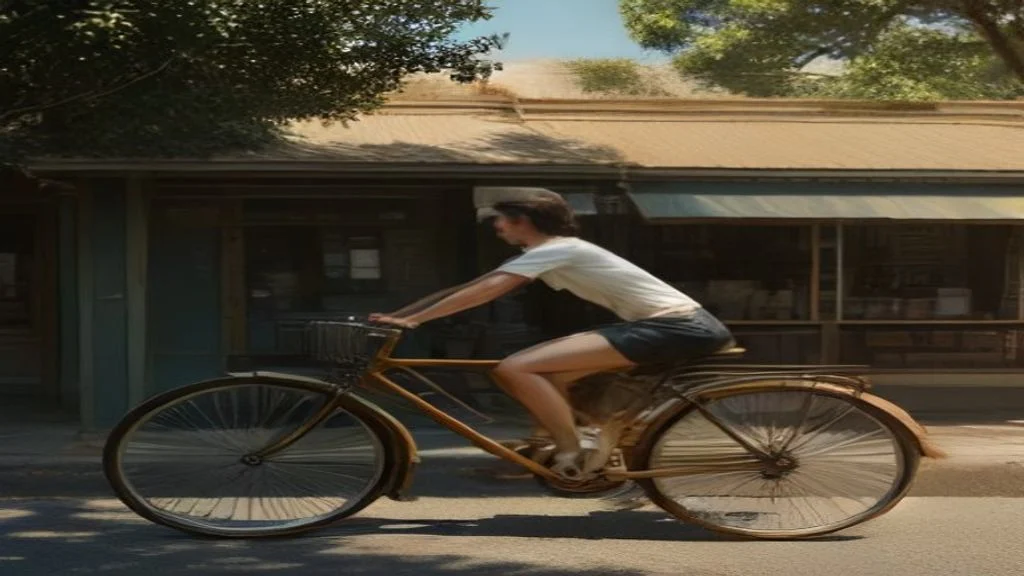
Most regional university towns are genuinely small enough to cycle or walk across, and a secondhand bike is one of the best value purchases a student can make in a town without frequent public transport. Carpooling with classmates, whether informally or through a university-run ride board, covers a lot of the remaining gap, particularly for early or late classes when public transport runs infrequently or not at all. It is also worth checking whether your university runs its own free or subsidised shuttle service, since several regional campuses do.
The single biggest factor: where you choose to live
Transport problems in regional Australia are overwhelmingly a distance problem, not an availability problem – choosing accommodation within walking or cycling distance of campus and the town centre eliminates most of the issue before it starts. See our living in regional Australia guide and regional study benefits guide for the fuller picture on choosing and settling into a regional city.
Bottom line
NSW, Victoria and WA have genuine regional train networks; Queensland’s regional brand is mid-transition to Translink; South Australia leans on coaches; and Tasmania has no passenger rail at all, relying entirely on TassieLink. Rideshare is expanding but still patchy outside larger regional hubs. For most students, the real solution is simpler than any timetable: live within walking or cycling distance of campus, and the car question mostly disappears.
You May Also Like

How to Become a Hairdresser in Australia (2026): Certificate III, TAFE Costs and Visa Pathway for International Students

Studying Accounting in Australia: Courses, Costs and Career Path