Halloween in Australia: Is It a Big Deal, and What to Expect

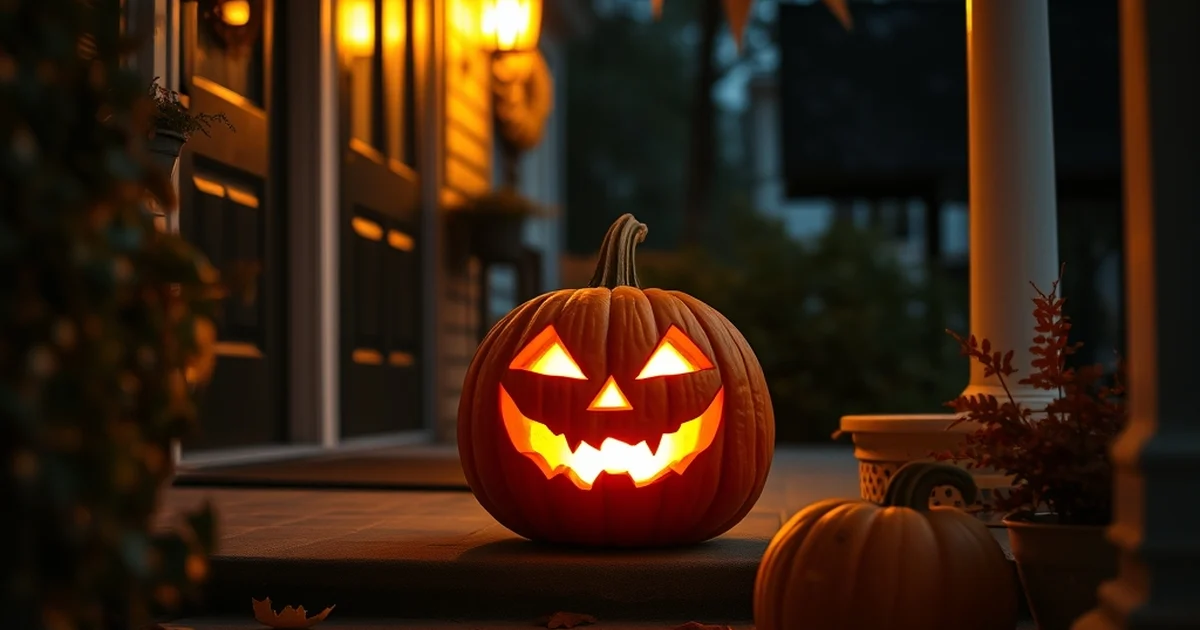
Halloween is not a traditional Australian holiday, but it has grown enormously in popularity over the past decade, and it can genuinely catch newcomers off guard – both because it is a much bigger deal than many expect, and because Australian Halloween looks quite different to the version shown in American movies and TV. This guide covers whether Halloween is actually “a thing” in Australia, when it falls, how Australians have adapted it into something distinctly local, and what to expect if you want to take part.
Quick summary
When is Halloween, and is it a public holiday?
Halloween always falls on 31 October, the same date as everywhere else in the world. It is not a gazetted public holiday anywhere in Australia – schools, universities and workplaces operate as normal, and shops keep their usual trading hours.
| Year | Date |
|---|---|
| 2025 | Friday 31 October |
| 2026 | Saturday 31 October |
| 2027 | Sunday 31 October |
It falls in spring, not autumn
Where Halloween actually comes from
Despite its modern American image, Halloween is not originally an American invention. According to Professor Carole Cusack, a religious studies scholar at the University of Sydney, the tradition’s roots trace back to pre-Christian Ireland and the Celtic festival of Samhain, which marked the start of the “dark half” of the year and functioned as a kind of New Year celebration. Great bonfires were lit, and household fires were deliberately extinguished and relit from the communal flame to symbolise renewal.
Trick-or-treating, costumes and carved lanterns all come from Scottish and Irish folk custom, not American invention. Jack-o’-lanterns were originally hollowed-out vegetables such as turnips, carved with faces and lit with candles to ward off spirits – pumpkins only became the standard choice after Irish immigrants, many fleeing the Great Famine, brought the custom to America in the 1840s, where pumpkins were more plentiful. Halloween’s shift into a commercial, retail-driven event began around 1900, when Hallmark started producing Halloween greeting cards and confectionery makers began marketing sweets specifically for trick-or-treating.
Australia has its own, separate thread of Halloween history that predates the recent American-influenced boom. Scottish immigrants brought Halloween customs to the Australian colonies as early as the 1700s, and Irish immigrants added their own traditions through the 1800s, with Halloween balls and community dances held by Scottish and Irish cultural societies recorded in colonial newspapers through the late 19th century. What has changed in recent decades is not whether Australia has any Halloween history at all, but how visible and mainstream the celebration has become.
Is Halloween actually a big deal in Australia?
Increasingly, yes. According to 2025 research from the Australian Retailers Association and Roy Morgan, Australians were forecast to spend a record $500 million on Halloween costumes, decorations, sweets and parties, up 11% on the year before, with average spending reaching $103 per person. More than one in five Australian adults – around 4.8 million people – now take part, and participation has been growing fastest among older age groups: 21% of both 50-to-64-year-olds and over-65s planned to join in, both up significantly on the previous year. Victoria and Tasmania lead the country in per-person spending, followed by New South Wales and South Australia.
Professor Ellen Garbarino from the University of Sydney Business School, who studies the holiday’s spread through Australian neighbourhoods, describes it as a genuine “social contract among people who are mostly strangers.” She points to a “social contagion” effect: a handful of visibly decorated houses on a street tend to encourage neighbours to join in the following year, until entire streets participate. This grassroots, street-by-street growth is a large part of why Halloween’s popularity in Australia can vary enormously between one suburb and the next.
How Australian Halloween is different from the American version
- Trick-or-treating often happens in daylight. Rather than the after-dark trick-or-treating shown in American films, Australian trick-or-treating commonly starts in the late afternoon while it is still light, with families and older kids sitting outside on their front lawns as part of the fun.
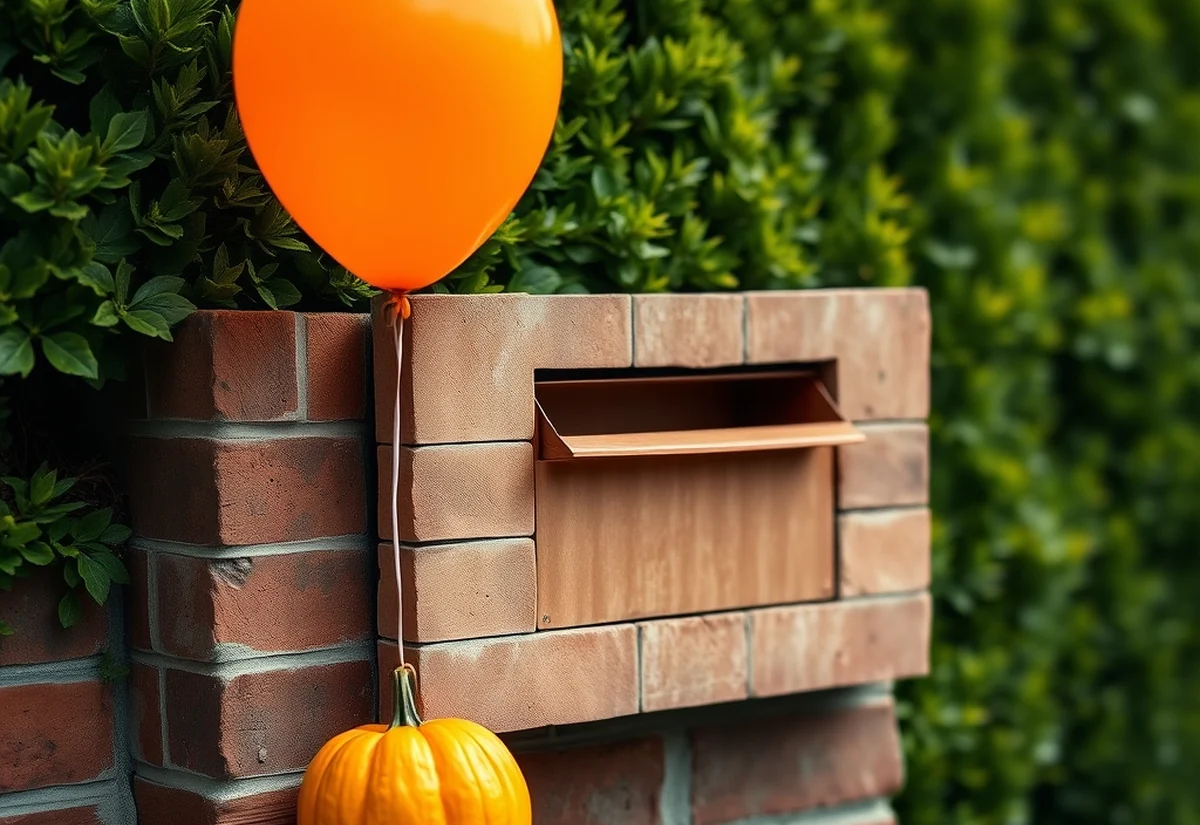
- The orange balloon signal. In many neighbourhoods, a household that wants trick-or-treaters to visit ties an orange balloon to their letterbox or mailbox, or leaves a pumpkin or other decorations out the front. No balloon or decorations generally means the house is not participating – a simple, low-pressure way for everyone to opt in or out.
- Pumpkins are less common than in the US. Because Halloween falls in Australian spring rather than the pumpkin harvest season, some households carve jack-o’-lanterns out of whatever is in season instead, including watermelons or pineapples.
- Big teen and young-adult Halloween parties have not really caught on. Store-bought costumes have become far more common in recent years, but the large house-party culture common among American teenagers and young adults is still relatively rare in Australia – Halloween here remains centred more on younger children and street-level community events.
How to take part as a newcomer
If you want to experience Halloween in Australia, whether by taking children trick-or-treating or simply by handing out treats, a little local knowledge goes a long way.
- Check your specific suburb or street. Because Halloween’s popularity in Australia spreads street by street rather than evenly across a city, some neighbourhoods go all-out with decorations and organised trick-or-treating while others barely mark the day at all. Local community Facebook groups and council or suburb Halloween event listings are the best way to find out what is happening near you.
- Look for the signals. An orange balloon on a letterbox, a carved pumpkin, or visible Halloween decorations on a front lawn or porch generally means that household is happy for trick-or-treaters to knock. A dark house with no decorations should be assumed to be not participating.
- Go earlier than you might expect. Many families start trick-or-treating in the late afternoon rather than after dark, particularly with younger children, so do not assume nothing happens until evening.
- If you are hosting, stock up on sweets. Small individually wrapped lollies or chocolates are the standard treat. If you would rather not take part, simply leaving your porch light off and door closed is a widely understood and perfectly acceptable way to opt out.
A uniquely Australian problem: fake cobwebs and native wildlife
One Halloween decoration causes a genuine, well-documented problem in Australia that most decorations bought from overseas packaging never warn you about: synthetic spider web decorations. Dr Catherine Price, an ecologist at the University of Sydney’s School of Life and Environmental Sciences, has warned that fake spider webs draped over garden vegetation can entangle small native birds such as fairy wrens and fantails, and even larger birds like magpies and lorikeets that mistake the material for nesting matter.
The timing makes it worse in Australia than in the northern hemisphere: Halloween falls right in the middle of Australian bird nesting season, when birds are actively out collecting nesting material. Dr Price’s research suggests roughly 30% of birds’ nests may already contain human-made materials, and the risk is not limited to birds – possums, lizards, bats, flying foxes and microbats can also become entangled.
A simple, easy fix
Related observances
Halloween is one of several dates on the Australian calendar that is culturally significant without being a public holiday. For the full list of 2026 public holidays across every state and territory, see our Australian public holidays guide. If you are curious how other imported or newer traditions have taken root in Australia, our guides to Mother’s Day and Father’s Day cover two more dates where Australia’s version differs from the rest of the world.
Frequently Asked Questions
You May Also Like
Christmas in Australia (2026): Traditions, Food, Weather and What to Expect
Mother’s Day Gifts Australia 2027: Gift Ideas for Mum by Budget and Interest