Pad See Ew Recipe (Easy Thai Noodles at Home)

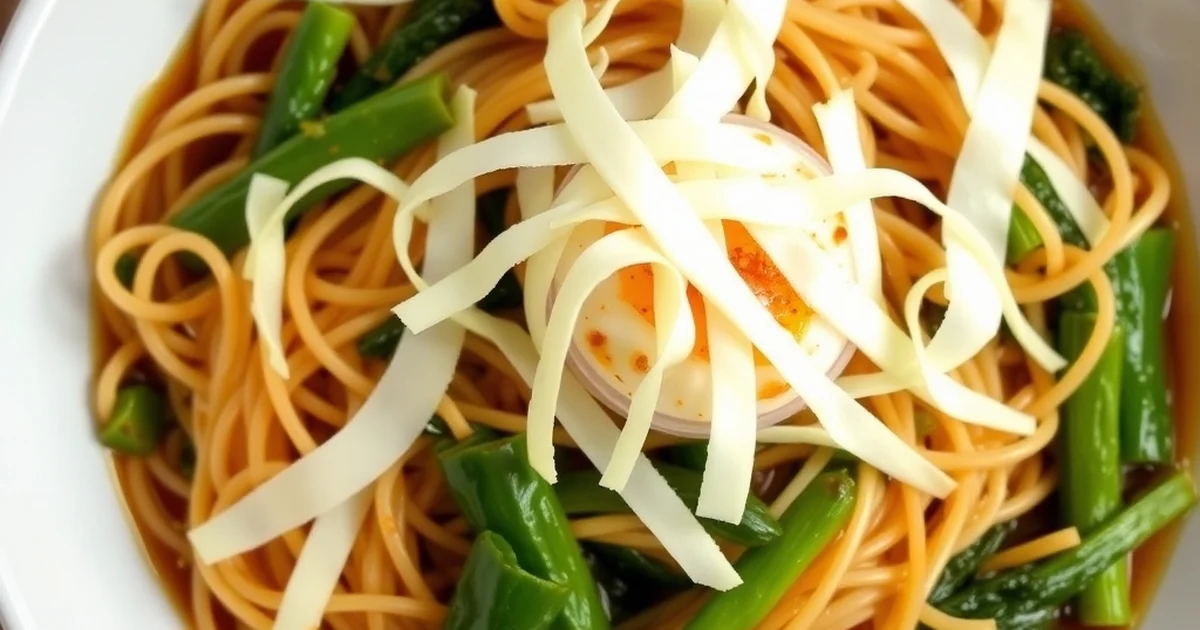
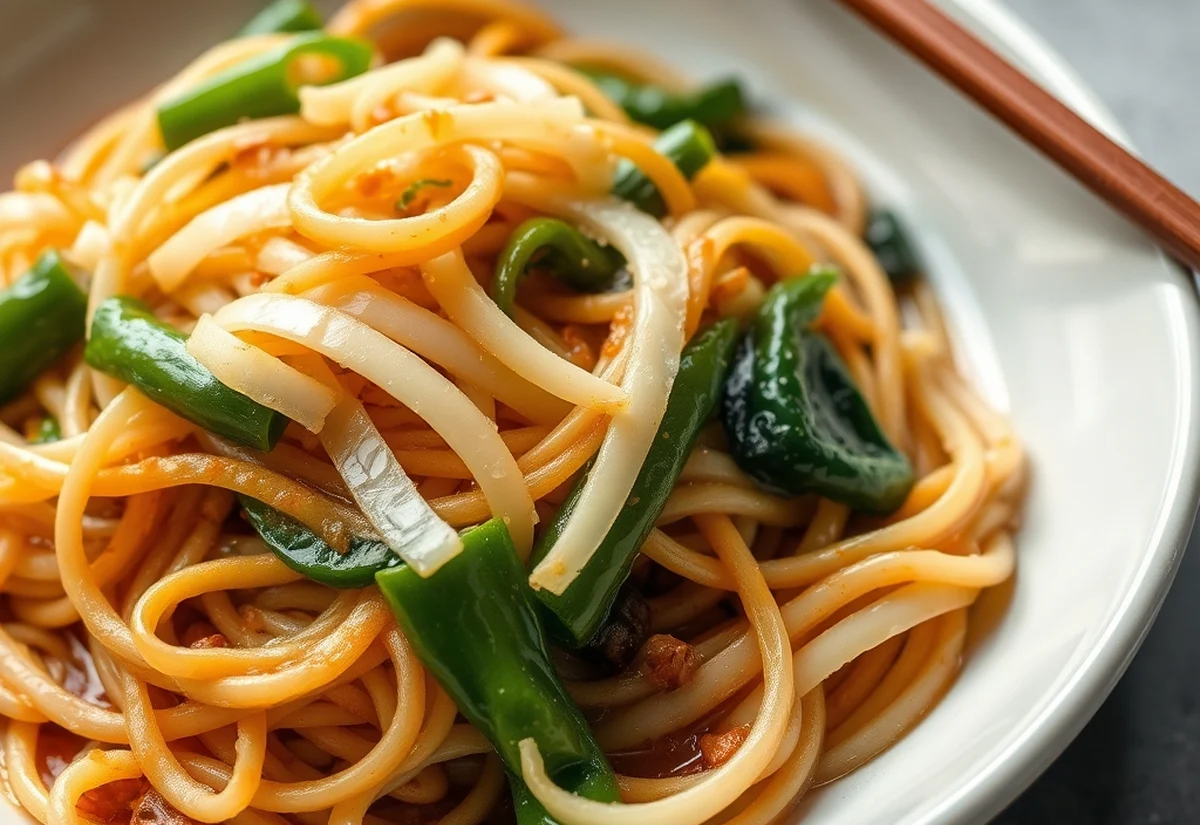
Pad see ew is the wide-noodle stir fry that sits right next to pad thai on almost every Thai restaurant menu in Australia, but it’s a completely different dish – salty and savoury rather than sweet and nutty, with charred, chewy noodles instead of a tangy tamarind sauce. The name literally means “stir-fried soy sauce,” and that’s most of what’s in it: wide rice noodles, a soy-and-oyster-sauce mix, egg, Chinese broccoli, and a protein of your choice, tossed hard and fast in a screaming-hot wok.
It’s also one of the most commonly botched Thai dishes to cook at home, because the one thing that makes restaurant pad see ew taste right – a bit of char on the noodles – is genuinely hard to get from a normal stovetop. This recipe uses the same fix professional home cooks and Thai cooking teachers rely on: cook everything else first, then cook the noodles on their own in a nearly empty, very hot pan. It’s a small change in method that makes a big difference in the result. If you like quick Asian stir-fries, this pairs well with our Japanese curry, one-pot chicken and rice and honey garlic chicken thighs for a rotating weeknight lineup.
TL;DR
- The technique matters more than the ingredient list. Cook the protein, egg and vegetables first and set them aside, then cook the noodles alone in a very hot, nearly empty pan so they can char instead of steam.
- Ready in about 35 minutes, most of it prep – the actual stir-frying takes under 10 minutes once everything is cut and measured.
- Makes 2 generous servings, and doubles reasonably well if you cook it in two separate batches rather than one crowded pan.
- No fresh wide rice noodles nearby? Dried “Pad Thai style” flat rice noodles from any major supermarket work fine and are what most Australian home cooks actually use.
Why homemade pad see ew usually falls short (and the fix)
Ask any Thai cooking teacher what separates restaurant pad see ew from the home version, and they’ll point to one thing: wok hei, the smoky, slightly charred flavour that comes from cooking noodles over extremely high heat. Restaurant and street-vendor burners run far hotter than a domestic stove, so the noodles caramelise almost instantly. On a home stove, if you dump noodles, sauce, egg and vegetables into the pan together, there’s too much going on at once – the noodles trap steam under everything else and end up stewed rather than seared.
The workaround, used consistently by Thai home-cooking teachers, is to cook in stages: sear the protein and vegetables first and take them out of the pan, scramble the egg, then cook the noodles completely on their own with just the sauce, tossing them hard for a minute or two until the edges catch some colour. Only then does everything go back in together for a final toss. It’s a bit more choreography than a single-pan stir fry, but it’s the difference between noodles that taste stewed and noodles that taste like they came from a Thai kitchen.
Ingredients (makes 2 servings)
For the sauce
- 1 tbsp dark soy sauce (for colour and depth)
- 1 tbsp light soy sauce (or all-purpose soy sauce)
- 1.5 tbsp oyster sauce
- 1 tsp fish sauce
- 1 tbsp sugar (white or brown)
- 1 tsp white vinegar
For the stir-fry
- 150g dried wide flat rice noodles (often labelled “Pad Thai” noodles), or 300g fresh wide rice noodles if you can find them
- 200g chicken thigh or breast, thinly sliced (or beef, pork, prawns or firm tofu)
- 1 tsp soy sauce, for marinating the protein (skip if using prawns or tofu)
- 3-4 tbsp neutral oil (vegetable or peanut), divided
- 3 cloves garlic, finely chopped
- 2 eggs
- 150g Chinese broccoli (gai lan), stems and leaves separated and roughly chopped (or broccolini, or regular broccoli)
- Ground white pepper, to taste
About the noodles
Method
- Prepare the noodles according to the packet directions (usually a soak in hot water, then a rinse in cold water), and drain well. Try to time this so they’re ready just before you start cooking – noodles that sit around too long get sticky and are more likely to tear in the pan.
- Stir the sliced protein with 1 teaspoon of soy sauce and set aside to marinate briefly while you prep everything else. Combine all the sauce ingredients in a small bowl and stir until the sugar dissolves.
- Heat 1 tablespoon of oil in a wok or large non-stick pan over high heat. Add the protein and cook, tossing occasionally, until just cooked through (2-3 minutes for chicken). Remove to a plate and set aside. Wipe the pan clean if there’s much liquid left in it.
- Add another tablespoon of oil and the garlic to the same pan over medium-high heat. Cook for about 15 seconds until fragrant, then add the Chinese broccoli stems (they take longer to cook than the leaves) and stir-fry for a minute.
- Push the vegetables to one side, crack the eggs into the empty side of the pan, and scramble them quickly. Once mostly set, add the Chinese broccoli leaves and toss everything together for 20-30 seconds until just wilted. Tip the whole mixture onto the plate with the cooked protein and wipe the pan clean again.
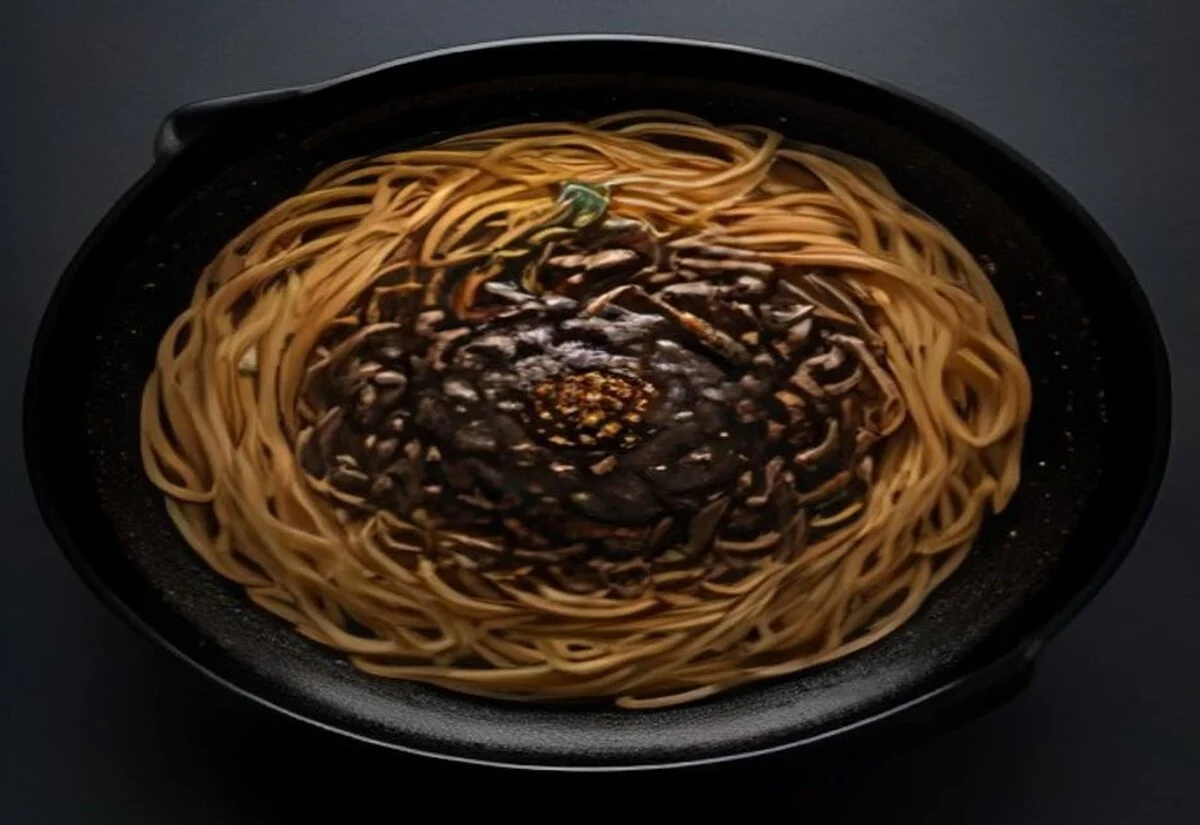
- This is the step that makes the difference: return the empty pan to high heat and add the remaining 1-2 tablespoons of oil. When it’s visibly hot (almost smoking), add the drained noodles and the sauce. Toss quickly to coat, then largely leave the noodles alone, spreading them out and letting them sit for 20-30 seconds at a time so the underside can char before you flip them. This should take about 1-2 minutes in total – resist the urge to stir constantly, since more tossing means more broken noodles and less charring.
- Add the protein, egg and vegetables back into the pan with the noodles. Toss briefly, just enough to combine everything and warm the protein through. Season with white pepper to taste and serve immediately.
Swaps and substitutions
Storage and reheating
Pad see ew is genuinely best eaten fresh – like most rice noodle dishes, the texture doesn’t hold up well once refrigerated, since the noodles firm up and turn a bit rubbery in the cold. If you do have leftovers, cool them to room temperature within 2 hours of cooking and refrigerate in an airtight container, following Food Standards Australia New Zealand‘s guidance on cooling and storing cooked food, and eat within a day. Reheat in a hot pan with a small splash of water rather than the microwave if you can – it won’t fully restore the char, but it revives the noodles far better than microwaving alone, which tends to leave them either cold in the middle or overcooked at the edges.
Nutrition (approximate)
Per serving (of 2), using chicken thigh, this works out to roughly 700 kcal, 38g protein, 85g carbohydrate, and 22g fat. These are estimates based on standard ingredient values, not a lab-tested analysis, and will shift depending on your exact protein choice, how much oil you use, and how generous you are with the noodles – using chicken breast instead of thigh and going a little lighter on the oil are the simplest ways to trim it down without changing the character of the dish.
Frequently asked questions
You May Also Like
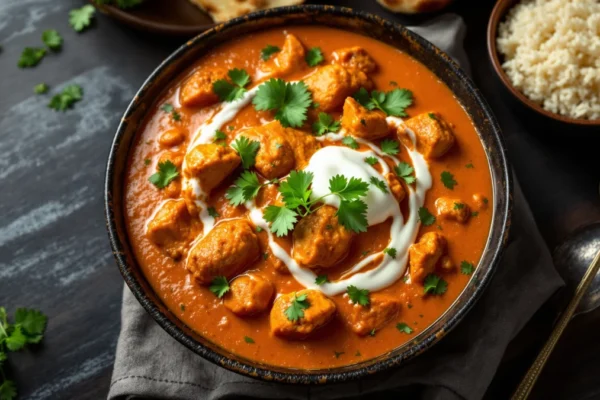
Easy Butter Chicken Recipe (Restaurant-Style at Home)
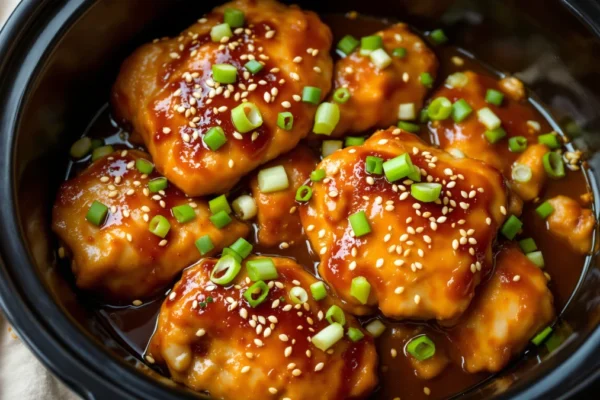
Slow Cooker Honey Soy Chicken (Easy, Budget Recipe)