
Easy Japanese Curry Recipe (Weeknight Chicken Curry Rice)

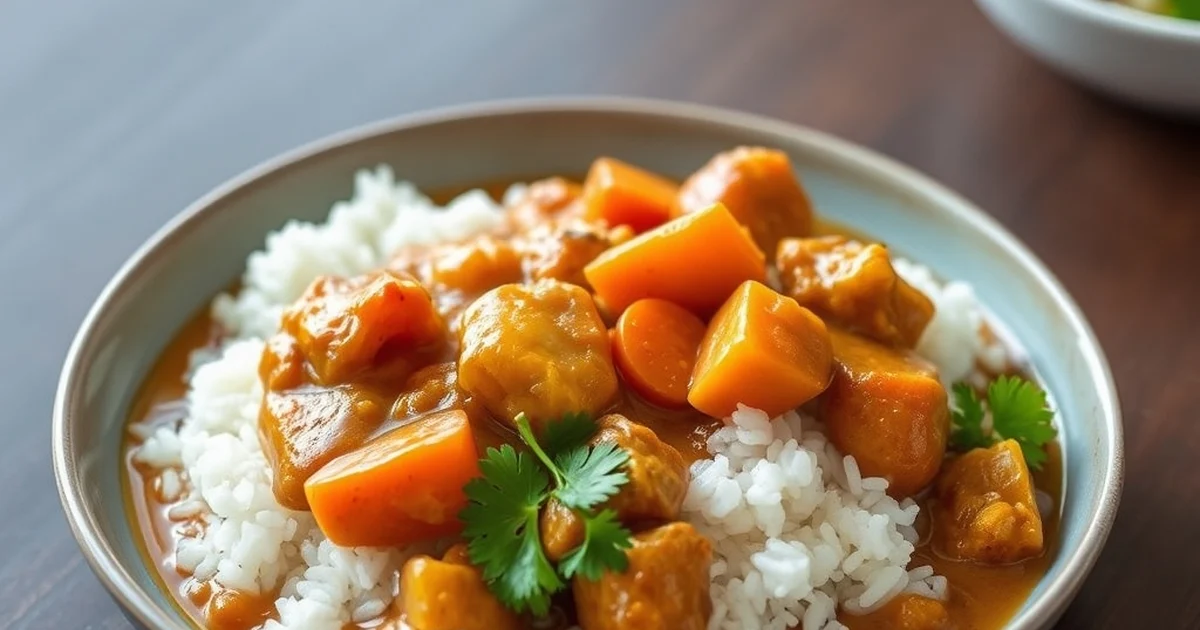
Japanese curry (kare raisu) is one of the easiest weeknight dinners to get genuinely right at home, because the hard part – building a rich, thick curry sauce from scratch – is already done for you in a box of curry roux blocks. This version uses that shortcut deliberately: chicken thigh, onion, carrot and potato simmered in stock, finished with roux blocks for a thick, mildly sweet, deeply savoury curry that’s completely different in character from an Indian or Thai curry, served over steamed rice.
It’s a genuinely different flavour profile to the other curries and Asian dinners on this site – milder and sweeter than the one-pot chicken and rice, and a good one to add into rotation alongside our honey garlic chicken thighs and pad see ew if you’re building out a weeknight dinner list. If you want a richer, creamier curry instead, our butter chicken recipe is the Indian counterpart to this Japanese one.
TL;DR
- Uses store-bought Japanese curry roux blocks (found in the Asian foods aisle of most major supermarkets or any Asian grocer) instead of building a roux from scratch – this is what makes it a genuine weeknight recipe rather than a weekend project.
- Ready in about 45-50 minutes, most of it hands-off simmering while the vegetables cook through.
- Makes 4 servings (curry plus a cup of rice each), about $3.25-3.75 a serve, and works well as leftovers – many people think Japanese curry tastes better the next day.
- Roux blocks come in mild, medium and hot – pick based on your own spice tolerance, since the base recipe is the same regardless.
Why this is genuinely a weeknight curry, not a weekend one
Traditional Japanese curry sauce starts with a roux – butter or oil cooked with flour and curry spices until it darkens – which takes real attention and time to get right. The shortcut that makes Japanese home cooking (and this recipe) practical on a weeknight is pre-made curry roux, sold as blocks of solidified roux divided into segments, usually under brand names like S&B or House Foods. You simmer your meat and vegetables in stock, then drop the roux blocks in at the end to melt and thicken the sauce – all the flavour development from the roux, none of the standing-over-a-pot work.
What you get is a curry that’s noticeably different from Indian or Thai curries: thicker, glossier, milder in heat by default, and a bit sweet from the roux’s built-in fruit and sugar content (usually apple and honey are already part of the blend, though you can add fresh grated apple for more of that flavour). It’s a genuinely different eating experience, not just a lower-effort version of another curry style.
Ingredients (makes 4 servings)
- 500g chicken thigh, cut into bite-sized pieces
- 1 tbsp oil
- 1 large onion, sliced
- 2 carrots, cut into chunks
- 2 medium potatoes, cut into chunks
- 2 cloves garlic, minced
- 1 tsp grated ginger
- 3 cups (750ml) water or chicken stock
- 1 box (about 100-120g) Japanese curry roux blocks, broken into pieces
- 1 tbsp soy sauce (optional, deepens the flavour)
- 1/2 apple, grated (optional, for extra sweetness and body)
- 4 cups cooked steamed rice, to serve
Pick your roux heat level based on who's eating
Method
- Heat the oil in a large pot or deep pan over medium-high heat. Add the chicken and cook for 4-5 minutes, stirring occasionally, until lightly browned on the outside (it doesn’t need to be cooked through yet).
- Add the onion and cook for 3-4 minutes until it starts to soften. Add the garlic and ginger and cook for 30 seconds until fragrant.
- Add the carrots, potatoes and water or stock. Bring to a boil, then reduce to a simmer, cover, and cook for 15-20 minutes, until the vegetables are tender when pierced with a fork.
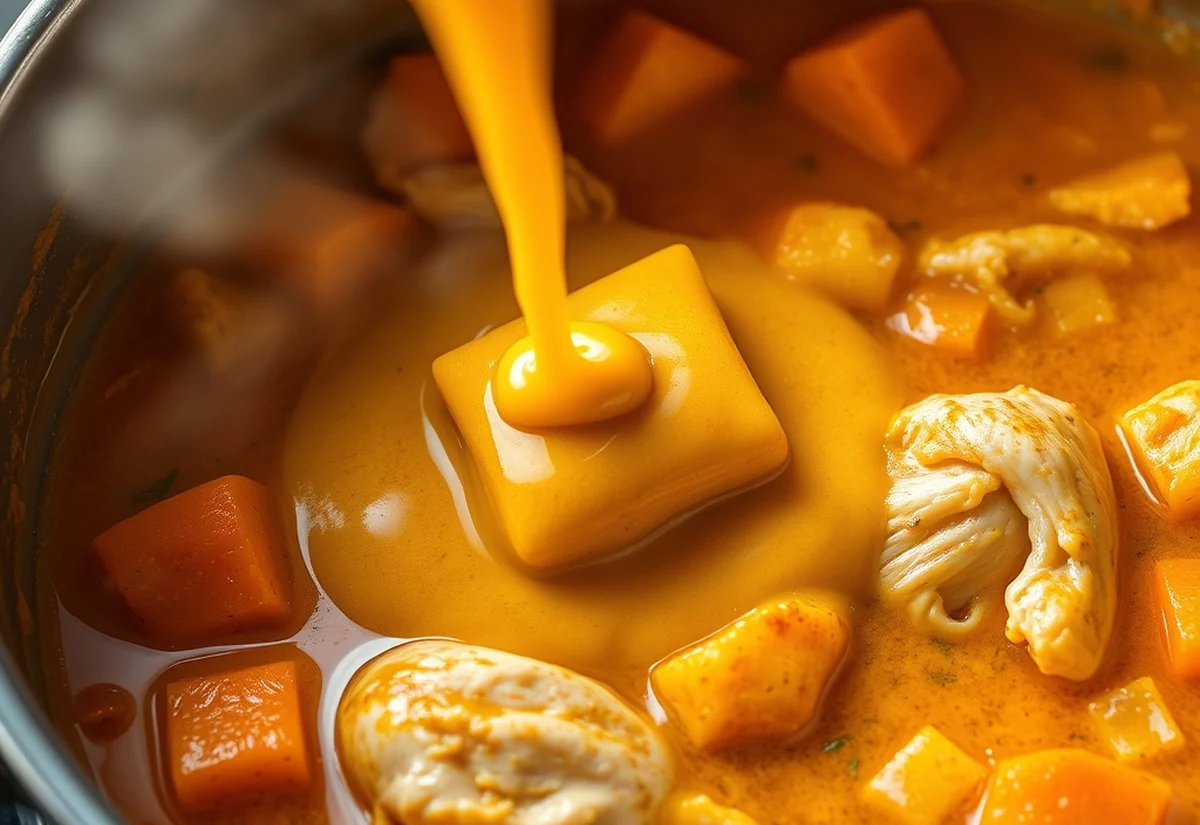
- Turn off the heat. Break the curry roux blocks into pieces and stir them into the pot until fully melted and dissolved – this is important, since roux left in chunks won’t distribute evenly through the sauce.
- Turn the heat back to low and simmer for another 5 minutes, stirring occasionally, until the sauce thickens. Stir in the soy sauce and grated apple, if using, in the last couple of minutes.
- Taste and adjust – if it’s too thick, add a splash of water; if you want it richer, an extra 10 minutes of gentle simmering deepens the flavour further. Serve hot over steamed rice.
Storage and reheating
Cool the curry to room temperature within 2 hours of cooking, then refrigerate in an airtight container for up to 3-4 days – keep the rice stored separately. Many people genuinely prefer Japanese curry the next day, since the flavours continue to develop as it sits. This follows Food Standards Australia New Zealand‘s guidance on cooling and storing cooked food – reheat gently on the stovetop or in the microwave until steaming hot all the way through, stirring partway to heat evenly.
The curry (without rice) also freezes well for up to 2 months in an airtight container – thaw overnight in the fridge before reheating. Potato can go slightly grainy after freezing, so if you’re planning to freeze a batch, it’s worth cutting the potato a little smaller so the texture change is less noticeable, or leaving it out and adding freshly cooked potato when you reheat.
Nutrition (approximate)
Per serving (curry plus 1 cup of rice, 1 of 4), this works out to roughly 650 kcal, 32g protein, 20g fat, and 80g carbohydrate. These are estimates based on standard ingredient values, not a lab-tested analysis, and will vary depending on which brand of curry roux you use, since fat and sodium content differ between brands. This is a genuine comfort-food dinner rather than a low-calorie recipe – if you want to lighten it, using chicken breast instead of thigh and serving with less rice are the easiest places to cut calories without changing the character of the dish.
Frequently asked questions
You May Also Like

Easy Butter Chicken Recipe (Restaurant-Style at Home)
Slow Cooker Honey Soy Chicken (Easy, Budget Recipe)









1 Comment
[…] worth a trip to an Indian grocer for. If you like homemade curry night, this pairs well with our Japanese curry recipe and our one-pot chicken and rice for a rotating weeknight lineup, and our guide to Asian, Indian […]