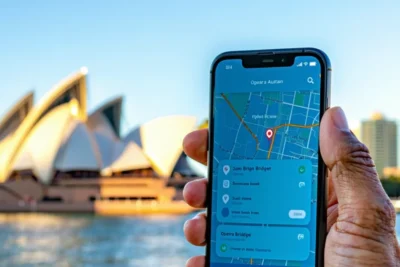
ABN Work & Tax Guide for International Students Australia


ABN work and tax obligations for international students in Australia involve specific eligibility requirements, work hour restrictions, and comprehensive tax compliance responsibilities. International students on Subclass 500 visas can obtain an Australian Business Number (ABN) to engage in self-employment and contracting work, but they must adhere to the same 40-hour fortnightly limit that applies to traditional employment. Additionally, ABN holders face unique tax obligations including income tax rates, potential GST registration requirements, and detailed record-keeping responsibilities that differ significantly from standard employee tax arrangements.
Understanding these requirements is crucial because non-compliance can result in visa cancellation and significant financial penalties. Moreover, the Australian Taxation Office (ATO) actively monitors ABN holders, particularly international students, to ensure proper tax compliance and work hour adherence. Students must also navigate the complexities of combining traditional employment with ABN income while maintaining accurate records for both immigration and taxation purposes.
This comprehensive guide covers everything from the initial ABN application process through ongoing compliance requirements. Furthermore, we’ll explore practical scenarios like student visa requirements and provide actionable strategies for managing both employment and self-employment income streams effectively.
TL;DR
- International students can obtain ABNs but must stay within 40-hour fortnightly work limits across all income sources
- Tax obligations include income tax, potential GST registration, detailed record-keeping, and annual tax return filing requirements
- Non-compliance risks visa cancellation and ATO penalties, making proper understanding of regulations essential for student success
Understanding ABN Requirements for International Students
An Australian Business Number (ABN) serves as a unique identifier for businesses operating in Australia, including sole traders and independent contractors. For international students, obtaining an ABN enables them to work as freelancers or contractors while maintaining compliance with visa conditions. However, the ABN system creates specific obligations that differ significantly from traditional employment arrangements.
The Australian Taxation Office (ATO) issues ABNs to eligible applicants who demonstrate they’re carrying on an enterprise in Australia. Consequently, students must prove their activities constitute genuine business operations rather than disguised employment relationships. This distinction becomes crucial because ABN work still counts toward the 40-hour fortnightly limit imposed on student visa holders.
Eligibility Criteria for International Students
International students can apply for an ABN provided they meet specific eligibility requirements established by the ATO. First, applicants must hold a valid student visa with work rights that permit both employment and business activities. Additionally, students need to demonstrate they’re conducting a legitimate enterprise, not simply avoiding employee obligations.
The application process requires students to provide detailed information about their proposed business activities. Furthermore, applicants must supply certified identity documents and proof of their right to work in Australia. Importantly, students cannot use an ABN to circumvent work hour restrictions or avoid proper tax obligations.
Work Hour Compliance
ABN vs Tax File Number: Key Differences
While both ABNs and Tax File Numbers (TFNs) relate to taxation, they serve distinctly different purposes for international students. A TFN identifies individuals for tax purposes and enables employers to calculate correct tax withholdings from wages. Conversely, an ABN identifies business entities and allows contractors to invoice clients without automatic tax deductions.
| Aspect | ABN | TFN |
|---|---|---|
| Purpose | Business identification | Individual tax identification |
| Tax Withholding | No automatic deductions | Employer withholds tax |
| Work Type | Contractor/freelancer | Employee |
| Invoicing | Required for payments | Not applicable |
| GST Registration | May be required | Not applicable |
Students typically need both numbers to maximize their earning potential within visa restrictions. Moreover, having separate identification systems allows the ATO to track different income streams and ensure proper tax compliance across various work arrangements.
Legal Framework and Compliance Requirements
The Migration Act 1958 and associated regulations govern work rights for international students, including ABN-based activities. These laws establish that all work, regardless of structure, must comply with visa conditions limiting students to 40 hours per fortnight during study periods. Therefore, combining employee work with ABN contractor work requires careful hour tracking to avoid breaches.
Tax obligations under an ABN include maintaining detailed business records, lodging annual tax returns, and potentially registering for Goods and Services Tax (GST) if annual turnover exceeds $75,000. Additionally, ABN holders must issue tax invoices for payments and may need to make quarterly activity statements depending on their GST registration status.
The Department of Home Affairs actively monitors compliance through data sharing with the ATO and other government agencies. Subsequently, students who exceed work limits or fail to meet tax obligations face serious consequences including visa cancellation and future visa application rejections. Understanding student visa requirements becomes essential for maintaining legal status while operating under an ABN.
Pros
- Flexibility to work as contractor or freelancer
- Potential for higher hourly rates
- Control over work schedule and clients
- Business expense deductions available
Cons
- No automatic tax withholding requires self-management
- Complex record-keeping obligations
- Still subject to 40-hour fortnightly limits
- Potential GST registration requirements
Understanding these fundamental requirements enables international students to make informed decisions about pursuing ABN registration. Nevertheless, the complexity of combining student visa obligations with business operations often requires professional advice to ensure full compliance with both immigration and taxation laws.
Student Visa Work Conditions and ABN Employment
International students holding Subclass 500 visas must understand that ABN work counts toward their 40-hour fortnightly work limit during study periods. The Department of Home Affairs treats all income-generating activities as work, regardless of whether students receive payment through employment or contractor arrangements. Therefore, students cannot exceed the combined total of 40 hours across all work types within any two-week period.
Subclass 500 Visa Work Entitlements and Restrictions
Student visa holders enjoy specific work entitlements that enable them to gain Australian experience while studying. During study periods, visa conditions permit 40 hours of work per fortnight, while course breaks allow unlimited working hours. However, students must commence their course before beginning any work activities.
Work restrictions apply equally to traditional employment and ABN-based contracting arrangements. Consequently, students who work 20 hours as employees can only perform an additional 20 hours of ABN contractor work within the same fortnight. The visa condition 8105 specifically states that work includes any activity where students receive payment or other consideration for services.
Critical Compliance Note
How ABN Work Counts Toward the 40-Hour Fortnightly Limit
ABN work calculations require students to track actual hours worked rather than invoiced amounts or project completion times. The Department of Home Affairs defines work hours as time spent performing services, including preparation, travel between job sites, and client meetings. Furthermore, students must maintain detailed time records to demonstrate compliance during any visa condition investigations.
Multiple ABN projects compound hour tracking complexity because students must aggregate time across all contractor activities. For instance, tutoring for three hours, graphic design for two hours, and food delivery for one hour totals six hours within a single day. Additionally, students working across different time zones must calculate hours according to Australian Eastern Standard Time for compliance purposes.
| Work Type | Hour Calculation Method | Documentation Required |
|---|---|---|
| Tutoring Services | Actual teaching + preparation time | Session logs, client confirmations |
| Delivery Services | Active delivery hours only | Platform time records, GPS logs |
| Freelance Projects | Time spent working on tasks | Project timesheets, milestone records |
| Online Services | Platform active time | Digital platform reports |
Permitted Types of Self-Employment and Contracting Work
Student visa holders can engage in various self-employment activities under ABN arrangements, provided they comply with work hour limitations. Tutoring services represent the most common form of permitted ABN work, allowing students to leverage their academic expertise while earning income. Similarly, freelance services such as graphic design, web development, and content writing fall within acceptable ABN activities.
Digital platform work through services like Uber Eats, Deliveroo, and Airtasker requires ABN registration for contractor payments. However, students must carefully track active working hours rather than logged-in time to ensure compliance. Additionally, online tutoring platforms and freelance marketplaces often mandate ABN registration for Australian-based contractors.
- Educational services: Tutoring, language instruction, academic support
- Creative services: Graphic design, photography, video editing
- Digital services: Web development, social media management, content creation
- Delivery services: Food delivery, courier services, rideshare driving
- Consulting services: Business advice, technical consultation, market research
Professional services requiring specific qualifications may have additional restrictions based on industry regulations. For example, students providing financial advice must hold appropriate ASIC licenses, while those offering health services need relevant professional registrations. Moreover, some universities restrict certain types of work that might conflict with academic integrity policies.
Restrictions on Business Ownership and Partnership Arrangements
Student visa conditions significantly limit business ownership structures available to international students. While students can operate as sole traders under an ABN, they cannot establish companies or become directors of Australian corporations. The Migration Act 1958 specifically prohibits student visa holders from engaging in business activities beyond sole trading arrangements.
Partnership arrangements face strict limitations because students cannot enter formal business partnerships that involve shared ownership or management responsibilities. However, students can work as contractors for existing businesses or collaborate on projects as independent sole traders. Additionally, students cannot invest in Australian businesses as active participants or hold equity stakes that involve management duties.
Pros
- Can operate as sole trader with ABN
- Permitted to provide contractor services
- Allowed to work on freelance platforms
- Can offer tutoring and consulting services
Cons
- Cannot establish companies or corporations
- Prohibited from formal business partnerships
- Cannot hold director positions
- Restricted from active business investment
Employment arrangements within family businesses require careful consideration because students cannot receive preferential treatment or work beyond visa conditions. The Department of Home Affairs scrutinizes family business employment to ensure genuine arm’s length arrangements exist. Consequently, students working for family members must maintain proper employment records and receive market-rate compensation.
Students considering ABN registration should understand that business income affects their student visa requirements and future visa applications. High business income may raise questions about genuine student intentions, particularly if earnings significantly exceed typical student employment levels. Therefore, maintaining primary focus on studies while operating within permitted work limits remains essential for visa compliance.
ABN Application Process for International Students
International students can apply for an Australian Business Number (ABN) through the Australian Taxation Office’s online portal. The application process requires specific documentation and follows strict guidelines for student visa holders. Understanding each step ensures successful registration and compliance with both tax obligations and visa conditions.
Step-by-Step Application Procedure Through ATO
Students begin the ABN application by accessing the Australian Business Register (ABR) website at abr.gov.au. The online application form requires completion within a single session, so gathering all necessary information beforehand streamlines the process. Additionally, students must create an ATO online account if they don’t already have one.
- Access the ABN application form on the ABR website
- Select “Sole trader” as the business structure
- Provide personal details including full name and address
- Enter business activity description using ANZSIC codes
- Upload certified identity documents
- Submit application and receive confirmation number
The application system validates information in real-time, flagging any incomplete sections before submission. Students must describe their business activities using Australian and New Zealand Standard Industrial Classification (ANZSIC) codes. Furthermore, the system cross-references visa status with Department of Home Affairs records to verify eligibility.
Required Documentation and Certified Identity Documents
International students must provide certified identity documents as part of the ABN application process. The ATO accepts specific documents that verify both identity and Australian residency status. Moreover, all documents require certification by approved professionals such as justices of the peace, lawyers, or pharmacists.
| Document Type | Acceptable Options | Certification Required |
|---|---|---|
| Primary ID | Passport, Driver’s License | Yes |
| Address Proof | Bank Statement, Utility Bill | Yes |
| Visa Documentation | Current Student Visa Grant Notice | Yes |
| TFN Evidence | Tax File Number Notice | No |
Students studying in Australia must provide their student visa grant notice as proof of legal status. The document must show current validity and include work rights conditions. Consequently, expired or cancelled visas will result in automatic application rejection.
Bank statements or utility bills serve as address verification and must be dated within three months of application. The address on identity documents must match the residential address provided in the ABN application. Therefore, students should update their address with relevant institutions before applying.
Processing Timeframes and Application Fees
The ATO processes most ABN applications within 20 business days of receiving complete documentation. However, applications requiring additional verification may take up to 28 business days. International student applications often face longer processing times due to visa status verification requirements.
ABN registration is completely free through the official ATO website
Students receive email notifications throughout the application process, including confirmation of submission and final approval or rejection. The ABN certificate arrives electronically once approved, containing the 11-digit business number and registration details. Subsequently, students can access their ABN information through the ATO online portal at any time.
Urgent processing options are not available for ABN applications, regardless of circumstances. Therefore, students should apply well before commencing any business activities. Additionally, the ATO recommends allowing extra time during peak periods such as the beginning of academic years.
Common Reasons for Application Rejection and How to Avoid Them
Application rejections typically occur due to insufficient documentation or visa status issues. The most common rejection reason involves providing uncertified copies of identity documents. Moreover, students often fail to provide current address verification or submit expired documents.
Visa-related rejections happen when students select inappropriate business structures or when their visa conditions don’t permit business activities. Some students mistakenly apply for company ABNs instead of sole trader registrations. Furthermore, visa holders with work restrictions may face automatic rejection if their visa doesn’t allow self-employment.
Address mismatches between identity documents and application forms cause frequent rejections. Students must ensure all documents show consistent address information before submission. Similarly, using outdated bank statements or utility bills older than three months will trigger rejection.
To avoid rejection, students should double-check all requirements before submission and ensure documents meet certification standards. The ATO provides detailed guidelines on acceptable certifying authorities and document requirements. Additionally, contacting the ATO helpline before applying can clarify specific requirements for international students.
Tax Obligations and Compliance Requirements
International students with an ABN face specific tax obligations that differ from traditional employment arrangements. Understanding these requirements helps students maintain compliance while maximizing their earning potential through legitimate business activities.
Income Tax Rates for International Students with ABN
International students pay resident tax rates on ABN income when they meet Australian tax residency requirements. Most students studying for more than six months qualify as tax residents and benefit from the tax-free threshold of $18,200 annually.
Students earning above the tax-free threshold pay progressive tax rates starting at 19% for income between $18,201 and $45,000. However, students must declare all ABN income regardless of the amount earned during the financial year.
| Income Range | Tax Rate | Tax on Income |
|---|---|---|
| $0 – $18,200 | 0% | Nil |
| $18,201 – $45,000 | 19% | 19c for each $1 over $18,200 |
| $45,001 – $120,000 | 32.5% | $5,092 plus 32.5c for each $1 over $45,000 |
GST Registration Requirements and Thresholds
Students must register for Goods and Services Tax (GST) when their ABN turnover exceeds $75,000 annually. This threshold applies to most business activities, though some services have different requirements.
Voluntary GST registration allows students to claim GST credits on business purchases even below the threshold. Nevertheless, GST registration creates additional compliance obligations including quarterly Business Activity Statements (BAS) and GST collection responsibilities.
GST Registration Impact
Record-Keeping Obligations for ABN Income
The Australian Taxation Office requires students to maintain detailed business records for five years from the date of preparation or transaction. These records must demonstrate income sources, business expenses, and GST transactions where applicable.
- Income records: Invoices, receipts, bank statements, and payment confirmations
- Expense documentation: Receipts, invoices, and proof of business purpose
- Asset registers: Purchase dates, costs, and depreciation calculations
- Vehicle logbooks: Business vs. private use documentation
- Home office records: Floor area calculations and utility bill apportionments
Digital record-keeping systems simplify compliance and reduce paperwork burdens. Cloud-based accounting software automatically categorizes transactions and generates required reports for tax purposes.
Annual Tax Return Filing Requirements and Deadlines
Students with ABN income must lodge annual tax returns by October 31st each year for the previous financial year ending June 30th. Tax agents can extend this deadline to May 15th of the following year.
The tax return includes both ABN business income and any employment income from traditional jobs. Students must complete additional business schedules detailing income sources, expenses, and asset depreciation calculations.
Late lodgment penalties start at $330 and increase based on delay duration and income levels. Therefore, students should prepare documentation well before deadline dates to avoid penalties and interest charges.
Deductible Business Expenses for Student Contractors
Students can claim legitimate business expenses against their ABN income to reduce taxable income. However, expenses must have a clear business purpose and cannot include personal costs or general living expenses.
- Equipment and tools: Laptops, software, cameras, and industry-specific equipment
- Professional development: Courses, certifications, and skill-building workshops
- Marketing costs: Website development, advertising, and promotional materials
- Travel expenses: Client meetings, networking events, and business-related transport
- Home office costs: Proportional rent, utilities, and internet expenses
- Professional services: Accounting fees, legal advice, and business consultations
Mixed-use assets require careful apportionment between business and private use. For instance, students using personal vehicles for business must maintain detailed logbooks showing business kilometers versus total usage.
Additionally, students should seek professional tax advice to optimize deductions while maintaining ATO compliance. The ATO website provides comprehensive guidance on allowable business deductions and record-keeping requirements for contractors.
Managing Both Employment and ABN Income
International students often combine traditional PAYG employment with ABN contractor work to maximize earning opportunities within visa restrictions. However, this dual income approach requires careful management of working hours, tax obligations, and reporting requirements to maintain compliance with both immigration and taxation laws.
Combining Traditional Employment with ABN Work
Students can legally work under both a Tax File Number (TFN) and Australian Business Number (ABN) simultaneously. Nevertheless, the combined working hours from all sources must not exceed 48 hours per fortnight during study periods. This restriction applies to total work time, regardless of whether income comes from employment or contracting arrangements.
Furthermore, students must maintain separate records for each income stream. Employment income appears on payment summaries from employers, while ABN income requires individual tracking and reporting. The ATO treats these income types differently for tax calculation purposes, making accurate separation essential for compliance.
Tracking Work Hours Across Different Income Sources
Effective hour tracking becomes critical when managing multiple income sources. Students should maintain detailed timesheets showing work performed under employment contracts versus ABN arrangements. Additionally, project-based ABN work requires careful time allocation to ensure total hours remain within visa limits.
- Employment hours: Regular shifts, overtime, and casual work
- ABN project time: Client meetings, actual work, and administrative tasks
- Travel time: Business-related transport between clients or work locations
- Preparation time: Research, planning, and skill development for contracts
Digital time-tracking applications help students monitor hours across different work arrangements. Moreover, these tools provide evidence of compliance if immigration authorities request work hour documentation during visa renewals or applications.
Tax Implications of Multiple Income Streams
Students with dual income streams face more complex tax calculations. PAYG employment income has tax withheld automatically, while ABN income requires quarterly installment payments or annual lump-sum settlements. Consequently, students must budget for tax obligations on contractor income throughout the financial year.
The tax-free threshold of $18,200 applies to total income from all sources combined. Therefore, students earning from both employment and ABN work may exceed this threshold faster, triggering tax obligations on the entire income amount. Professional tax advice becomes particularly valuable for optimizing deductions and managing cash flow.
Important Tax Consideration
Business expenses from ABN work can offset contractor income, potentially reducing overall tax liability. However, students must maintain clear separation between business and personal expenses. Mixed-use items require proportional allocation based on business versus private usage.
Reporting Requirements to Immigration Authorities
Immigration authorities require students to report all work activities, including both employment and ABN arrangements. Visa condition 8105 specifically limits work to 48 hours per fortnight, encompassing all income-generating activities regardless of structure or payment method.
Students must maintain comprehensive records demonstrating compliance with working hour restrictions. These records should include employment contracts, ABN client agreements, timesheets, and payment documentation. Additionally, students should keep evidence of study enrollment and academic progress to support visa compliance.
| Document Type | Employment Income | ABN Income |
|---|---|---|
| Work authorization | Employment contract | Client service agreements |
| Hour tracking | Employer timesheets | Project time logs |
| Payment records | Pay slips and bank deposits | Invoices and client payments |
| Tax documentation | Payment summaries | Activity statements and receipts |
Regular communication with education providers helps ensure work activities don’t interfere with study requirements. Some institutions provide guidance on managing work-study balance and maintaining visa compliance. Students should also consider consulting migration agents for complex situations involving multiple income sources and visa conditions.
Common Scenarios and Practical Examples
International students frequently explore ABN opportunities across diverse sectors while maintaining visa compliance. Understanding practical applications helps students navigate the complexities of self-employment within their study obligations and working hour restrictions.
Freelance Tutoring and Educational Services
Tutoring services represent one of the most popular ABN activities for international students. Students can provide academic support in subjects they excel at, including mathematics, science, languages, and test preparation. However, tutoring activities must comply with the 48-hour fortnightly limit that applies to all work under student visa conditions.
Educational service providers often engage tutors as independent contractors rather than employees. This arrangement requires students to obtain an ABN and issue invoices for their services. Additionally, students must track their tutoring hours meticulously to ensure they don’t exceed visa restrictions when combined with other employment.
Working Hour Compliance
Digital Services and Online Business Activities
Digital marketing services attract many international students due to flexible scheduling and remote work possibilities. Students often provide social media management, content writing, graphic design, and website development services to Australian businesses. These activities require careful documentation to demonstrate the work occurs within Australia and complies with visa conditions.
Online business activities must generate income from Australian sources to maintain visa compliance. Furthermore, students cannot establish businesses that operate independently of their direct involvement, as this would violate student visa restrictions on business ownership and management.
- Social media content creation and management
- Freelance writing and copywriting services
- Basic web design and development projects
- Online language instruction and conversation practice
- Digital marketing consultation within scope limitations
Creative Work and Content Creation
Creative professionals among international students often pursue photography, videography, and artistic services through ABN arrangements. Wedding photography, event documentation, and portrait sessions provide substantial income opportunities while allowing flexible scheduling around study commitments.
Content creation for businesses includes producing marketing materials, promotional videos, and brand photography. However, students must ensure their creative work doesn’t evolve into ongoing business partnerships that might violate visa conditions regarding business involvement and management responsibilities.
Music instruction represents another viable creative service, with students teaching instruments or vocal techniques to private clients. These services require proper invoicing and tax compliance while maintaining detailed records of teaching hours and client interactions.
Consulting and Professional Services Within Visa Limitations
Professional consulting services must operate within strict boundaries to maintain student visa compliance. Students can provide specialized knowledge in areas like technology, engineering, or business analysis, but cannot engage in ongoing management or strategic decision-making roles that would constitute business involvement.
Research and data analysis services allow students to utilize their academic expertise while earning income. These projects typically involve discrete deliverables rather than ongoing commitments, making them suitable for student visa holders who must prioritize their studies.
| Service Type | Compliance Considerations | Documentation Required |
|---|---|---|
| Technical consulting | Project-based work only | Service agreements, time logs |
| Language services | Translation and interpretation | Client contracts, delivery records |
| Academic research | Data collection and analysis | Research agreements, reports |
| Event coordination | Limited to execution tasks | Event contracts, hour tracking |
Translation and interpretation services leverage students’ multilingual abilities while serving Australian businesses and organizations. These services require professional standards and proper invoicing procedures, particularly when working with government agencies or legal entities that demand certified translations.
Event coordination and planning services must focus on execution rather than strategic management to maintain visa compliance. Students can assist with event logistics, vendor coordination, and on-site management while avoiding roles that involve business decision-making or long-term strategic planning.
Compliance Monitoring and Penalties
The Australian Taxation Office (ATO) conducts regular audits of student ABN holders to ensure compliance with both tax obligations and visa conditions. Furthermore, these audits examine income patterns, work hour calculations, and proper reporting of earnings across all employment types including ABN-based work.
Audit procedures typically begin with automated data matching between ATO records and Department of Home Affairs visa databases. Additionally, the ATO cross-references ABN activity statements with reported income to identify discrepancies or unusual patterns that may indicate non-compliance with student work restrictions.
ATO Audit Procedures for Student ABN Holders
Student ABN audits focus on verifying that reported income aligns with 40-hour fortnightly work limits imposed by student visa conditions. Moreover, auditors examine invoicing patterns, client relationships, and work documentation to distinguish between genuine contracting arrangements and disguised employment that circumvents visa restrictions.
The ATO requests specific documentation during audits including time logs, client contracts, and detailed records of work performed. Consequently, students must maintain comprehensive records that demonstrate compliance with both tax obligations and immigration requirements throughout their ABN operations.
- Income verification against reported ABN earnings
- Work hour calculations based on invoiced amounts and hourly rates
- Client relationship assessment to identify employment-like arrangements
- Documentation review of contracts and time records
- Cross-referencing with employer payroll data for dual income sources
Immigration Compliance Checks and Reporting
The Department of Home Affairs monitors student work compliance through data sharing agreements with the ATO and employer reporting systems. Similarly, these checks identify students who exceed work hour limits through ABN arrangements or fail to maintain adequate academic progress while operating businesses.
Immigration compliance officers review ABN activity alongside academic enrollment records to ensure students prioritize their studies over commercial activities. Therefore, sustained high income levels from ABN work may trigger investigations into whether students are genuinely pursuing education or primarily working in Australia.
Compliance Monitoring
Penalties for Exceeding Work Hour Limits
Students who exceed the 40-hour fortnightly work limit through ABN arrangements face severe immigration penalties including visa cancellation. Additionally, penalties apply regardless of whether excess hours occur through traditional employment, ABN contracting, or combinations of both work types.
First-time violations may result in warnings and mandatory compliance education, while repeated breaches typically lead to immediate visa cancellation. However, students can appeal decisions by demonstrating exceptional circumstances or providing evidence that work hour calculations were incorrect due to irregular income patterns.
| Violation Type | First Offense | Repeat Offense | Severe Breach |
|---|---|---|---|
| Minor excess hours | Warning letter | Visa conditions review | Cancellation consideration |
| Significant breach | Show cause notice | Visa cancellation | Immediate cancellation |
| Systematic violation | Visa cancellation | Cancellation + ban | Permanent exclusion |
Consequences of Non-Compliance with Tax Obligations
Tax non-compliance carries both financial penalties and potential visa implications for international students operating under ABN arrangements. Specifically, failure to lodge activity statements, pay GST obligations, or report income accurately results in ATO penalties that compound over time and may trigger immigration reviews.
The ATO imposes penalty interest charges on late payments and unpaid tax obligations, which can accumulate rapidly for students who fail to meet quarterly reporting deadlines. Subsequently, these financial burdens often exceed the original tax liability and create significant barriers to maintaining student visa compliance.
ATO penalties for late ABN activity statements start at $330 for small businesses and increase to $1,650 for repeated failures
Serious tax non-compliance may result in ABN cancellation, which prevents students from continuing legitimate contracting work and forces reliance on traditional employment within the 40-hour limit. Moreover, cancelled ABNs create negative records that can affect future visa applications and permanent residency pathways that consider tax compliance history.
Students facing compliance issues should seek professional advice from registered tax agents who understand both taxation requirements and visa conditions. Early intervention often prevents minor compliance issues from escalating into serious penalties that threaten both academic goals and future Australian immigration prospects.
Resources and Support Services
International students managing ABN work and tax obligations can access comprehensive support through multiple channels designed specifically for their unique circumstances. Furthermore, these resources help students navigate complex tax requirements while maintaining visa compliance and academic success.
ATO Support Services for International Students
The Australian Taxation Office provides dedicated support services that address international students’ specific tax questions and compliance needs. Additionally, the ATO offers multilingual assistance through interpreting services for students whose first language isn’t English.
- ATO Individual Tax Helpline: 13 28 61 for general tax inquiries
- Business Tax Helpline: 13 28 66 for ABN and GST questions
- Online ATO Chat: Real-time assistance through myGov portal
- Tax Help Program: Free volunteer assistance during tax time
- ATO Community Information Sessions: Regular workshops at universities
The ATO’s myGov platform enables students to manage their ABN registrations, lodge activity statements, and track payment obligations online. Moreover, the system sends automatic reminders for upcoming deadlines and provides step-by-step guidance for common tax tasks.
University International Student Services
Most Australian universities maintain international student support offices that provide guidance on work rights, tax obligations, and visa compliance matters. Consequently, these services bridge the gap between academic requirements and practical employment considerations for students operating under ABN arrangements.
University support services typically offer workshops covering ABN registration processes, tax return preparation, and work hour tracking methods. Additionally, many institutions partner with registered tax agents to provide discounted services specifically for their international student populations.
University Resources
Professional Tax Advice and Accounting Services
Registered tax agents specializing in international student taxation provide essential expertise for complex ABN scenarios and ensure compliance with both tax laws and visa conditions. Subsequently, professional advice becomes particularly valuable when students operate multiple ABNs or engage in high-income contracting work.
| Service Type | Typical Cost | When Required |
|---|---|---|
| Basic Tax Return | $150-$300 | Annual lodgment |
| ABN Registration Assistance | $100-$200 | Initial setup |
| Quarterly BAS Preparation | $200-$400 | GST obligations |
| Tax Planning Consultation | $250-$500 | Complex situations |
Professional accountants help students optimize their tax positions through legitimate deduction claims and ensure accurate reporting of ABN income across multiple clients or projects. Furthermore, they provide ongoing support for quarterly obligations and can represent students in ATO communications when compliance issues arise.
Online Tools for ABN Management and Tax Compliance
Digital platforms streamline ABN management and tax compliance processes, enabling students to track work hours, calculate tax obligations, and maintain accurate records throughout the financial year. Moreover, these tools integrate with ATO systems to simplify reporting requirements.
- ABN Lookup Tool: Verify client ABNs and business details
- myGov Portal: Manage ABN registrations and lodge activity statements
- ATO App: Mobile access to tax account and payment options
- Business Portal: Comprehensive ABN and GST management platform
- STP Reporting Tools: For students with payroll obligations
Cloud-based accounting software like Xero and MYOB offer student discounts and simplified interfaces for tracking ABN income and expenses. Additionally, these platforms automatically calculate GST obligations and generate reports required for quarterly BAS lodgments.
Time-tracking applications help students monitor work hours across multiple ABN clients while ensuring compliance with the 40-hour fortnightly limit imposed by student visa conditions. Subsequently, accurate hour tracking prevents inadvertent visa breaches and supports tax deduction claims for work-related expenses.
Need Professional Tax Help?
Frequently Asked Questions
Can international students work on ABN in Australia?
Yes, international students on Subclass 500 visas can obtain an Australian Business Number (ABN) to work as freelancers or independent contractors. However, they must still comply with the 40-hour fortnightly work limit that applies to all work activities, including ABN-based work. Students need to demonstrate they’re conducting a legitimate business enterprise, not disguised employment.
How many hours can a student work in Australia on ABN?
International students are limited to 40 hours per fortnight across all income sources, including ABN work. This means if you work 20 hours as an employee, you can only work 20 hours on ABN projects. The Department of Home Affairs monitors total work hours, not the type of work arrangement.
Can I work on both TFN and ABN as a student?
Yes, you can have both a Tax File Number (TFN) for employee work and an ABN for contractor work simultaneously. However, the combined hours from both types of work cannot exceed 40 hours per fortnight. You’ll need to manage your time carefully and maintain accurate records for both income streams.
Does an international student need to pay tax in Australia on ABN income?
Yes, international students must pay tax on all ABN income earned in Australia. Unlike employee wages where tax is automatically deducted, ABN holders are responsible for calculating and paying their own taxes. You may also need to register for GST if your annual turnover exceeds $75,000 and file quarterly Business Activity Statements.
What documents do I need to apply for an ABN as an international student?
To apply for an ABN, you need:
- Valid student visa with work rights
- Certified identity documents (passport, student ID)
- Proof of right to work in Australia
- Detailed description of your proposed business activities
- Evidence that you’re conducting a legitimate enterprise
What's the difference between ABN and TFN for students?
A Tax File Number (TFN) identifies you as an individual for tax purposes and allows employers to deduct correct tax from wages. An Australian Business Number (ABN) identifies your business entity and allows you to invoice clients as a contractor without automatic tax deductions. You typically need both if you plan to do employee work and contractor work.
Can we work on ABN for more than 40 hours per fortnight as an international student?
No, the 40-hour fortnightly limit applies to all work activities, including ABN work. Exceeding this limit can result in visa cancellation and deportation. The Department of Home Affairs doesn’t distinguish between employee work and contractor work when monitoring compliance with work hour restrictions.
What are the tax rates for international students with ABN income?
International students pay the same income tax rates as Australian residents on ABN income. For 2023-24, this includes:
- 0% on income up to $18,200
- 19% on income from $18,201 to $45,000
- 32.5% on income from $45,001 to $120,000
However, you’re responsible for calculating and paying these taxes yourself, unlike employee wages where tax is automatically deducted.
Do I need to register for GST with my ABN as a student?
You must register for GST if your annual turnover exceeds $75,000. GST registration is optional below this threshold but may be beneficial for claiming GST credits on business expenses. If registered, you’ll need to charge 10% GST on most services and file quarterly Business Activity Statements with the ATO.
What records must I keep for ABN work as an international student?
You must maintain detailed records including:
- All invoices issued to clients
- Records of hours worked and income earned
- Business expense receipts
- Bank statements showing business transactions
- GST records if registered
- Annual tax return documentation
Keep these records for at least 5 years as the ATO may request them during audits.
Can F1 students be self-employed in Australia?
F1 visas are US student visas and don’t apply in Australia. However, international students on Australian Subclass 500 student visas can be self-employed by obtaining an ABN. They must still comply with the 40-hour fortnightly work limit and all Australian tax obligations while maintaining their student status.
What happens if I exceed work hours with my ABN?
Exceeding the 40-hour fortnightly limit can result in serious consequences including:
- Visa cancellation and deportation
- Prohibition from returning to Australia
- ATO penalties and additional tax assessments
- Difficulty obtaining future Australian visas
The Department of Home Affairs actively monitors compliance and takes violations seriously.
How do I search for or verify an ABN in Australia?
You can search for and verify ABNs using the free ABN Lookup tool on the Australian Business Register website. This tool allows you to confirm if an ABN is valid, check business details, and verify GST registration status. It’s useful for both checking your own ABN status and verifying clients’ ABNs before invoicing.
When do I need to file tax returns with ABN income?
You must file an annual tax return by October 31st each year if you earn income through your ABN. If you’re GST registered, you’ll also need to file quarterly Business Activity Statements. Consider engaging a tax agent who can extend your lodgment deadline and ensure compliance with all ATO requirements.
You May Also Like

Novated Lease vs Buying a Car in Australia (2026): Which Is Cheaper?

HECS-HELP Repayment Calculator 2026-27: Thresholds, Rates & How Much You Pay