Asian, Indian & African Grocery Stores in Australia: Suburb Guide (2026)

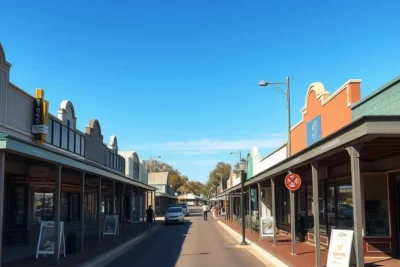
Every Australian city has suburbs where you can buy the food you grew up with — and they’re usually cheaper than the big supermarkets, not dearer. In Sydney head to Cabramatta for Vietnamese, Harris Park for Indian, Ashfield or Eastwood for Chinese and Korean. In Melbourne it’s Footscray and Springvale for Vietnamese and African, Box Hill for Chinese, Dandenong for South Asian. Brisbane has Sunnybank, Perth has Northbridge and Victoria Park. This guide maps the precincts suburb by suburb, with the nearest train station, what each is known for, and how much you’ll actually save.
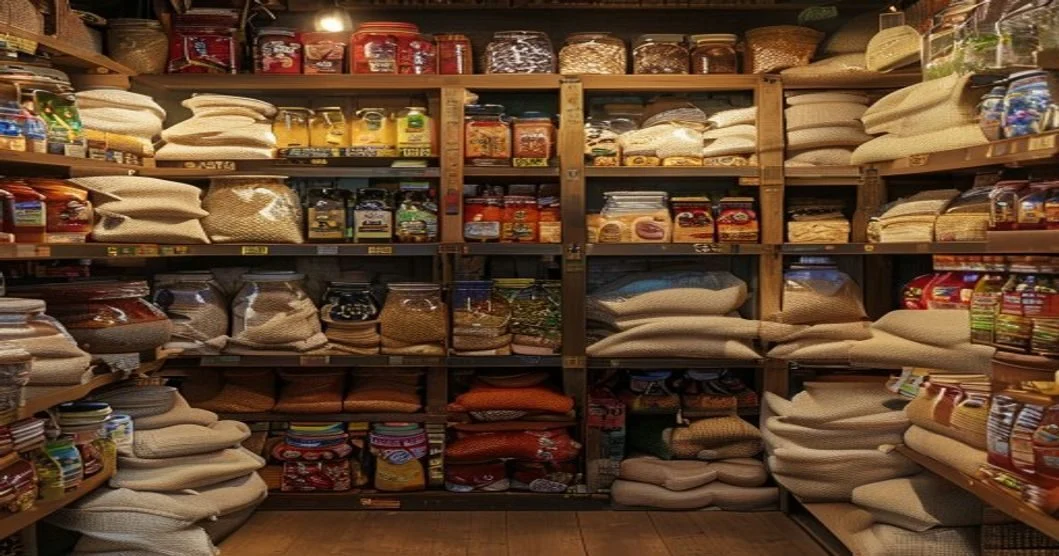
One important tip before the lists: go to the precinct, not to one specific shop. Individual stores open, close and change hands, but these suburbs have been the hubs for decades. Arrive at the right station and you’ll find a dozen options within a few blocks. The shops named below were trading when we checked in July 2026 — still worth a quick search for current hours before a long trip.
Sydney: where to shop, suburb by suburb
| Suburb | Nearest station | Known for | Notes |
|---|---|---|---|
| Cabramatta | Cabramatta (T2) | Vietnamese, Cambodian, Thai, Lao | The biggest Vietnamese precinct in Australia — herbs, noodles, seafood, bakeries |
| Harris Park | Harris Park / Parramatta | Indian, Sri Lankan, Nepali | “Little India” — spices, lentils, rice, sweets along Wigram & Marion Streets |
| Haymarket / Chinatown | Central / Town Hall | Chinese, Thai, Japanese, Korean | Central and open late; the easiest option if you live in the CBD |
| Ashfield | Ashfield (T2) | Chinese (esp. Shanghainese) | Large Chinese grocers along the main street |
| Eastwood | Eastwood (T9) | Korean & Chinese | Split into two sides — Korean one side, Chinese the other |
| Hurstville | Hurstville (T4) | Chinese | Big supermarkets right by the station |
| Chatswood | Chatswood (T1/Metro) | Chinese, Korean, Japanese | Convenient for the north shore |
| Auburn & Lakemba | Auburn / Lakemba | Middle Eastern, Turkish, Lebanese, Afghan | Halal butchers, bakeries, spices, nuts and sweets |
| Blacktown & Wentworthville | Blacktown / Wentworthville | Indian, Sri Lankan | Growing South Asian grocery scene in the west |
| Campsie & Burwood | Campsie / Burwood | Korean & Chinese | Good mid-west options |
Chains worth knowing. Tong Li is one of Sydney’s best-known Chinese grocers, with stores across Chatswood, Chinatown, Ashfield, Rhodes, Burwood and Campsie among others. New Yen Yen carries Japanese, Korean, Chinese and Malaysian lines, with branches in Haymarket, Chatswood, Eastwood and Hurstville. In Chinatown, Thai Kee IGA is the largest supermarket in the precinct, and Yet Son has served the area for over 30 years. In Eastwood, Eastwood Mart covers a wide Asian range plus fresh produce.
For Indian groceries, Harris Park is the destination — long-standing shops there include Taj Indian Spices (trading in the suburb for more than twenty years) and Little India Supermarket. Out west, Udaya Supermart operates across Wentworthville, Blacktown and Liverpool, and Aarththi Spices in Blacktown specialises in both North and South Indian lines.
More detail in our guides to affordable ethnic groceries in Sydney and halal food in Sydney by suburb.
Melbourne: where to shop, suburb by suburb
| Suburb | Nearest station | Known for | Notes |
|---|---|---|---|
| Footscray | Footscray | Vietnamese, Ethiopian, Somali, Sudanese, Horn of Africa | The most diverse food precinct in Australia — Asian and African in one place |
| Springvale | Springvale | Vietnamese, Cambodian, Chinese | “If an ingredient exists, you’ll find it in Springvale” |
| Box Hill | Box Hill | Chinese, Taiwanese, Korean | Box Hill Central has a large Asian fresh food market |
| Richmond (Victoria St) | North Richmond | Vietnamese | Known as “Little Saigon” — just east of the CBD |
| Dandenong | Dandenong | Indian, Afghan, Sri Lankan, African | Huge multicultural market precinct |
| Sunshine & St Albans | Sunshine / St Albans | Vietnamese, African, Middle Eastern | Cheaper again, west of Footscray |
| Glen Waverley | Glen Waverley | Chinese, Korean, Japanese | Convenient for Monash students |
| Preston & Brunswick | Preston / Brunswick | Middle Eastern, Turkish, Greek, Italian | Sydney Road is a long strip of grocers and bakeries |
| Noble Park | Noble Park | African, South Asian | Established African grocery presence |
Asian shops worth knowing. Minh Phat on Victoria Street in Richmond is a large supermarket covering Southeast Asian, Chinese and Japanese lines — it opened in 1988 as an offshoot of the original city store opposite Queen Victoria Market, which has traded since 1979. In Footscray, Little Saigon Market is the landmark, with groceries, fresh meat and seafood, and the surrounding streets are full of smaller specialists. Footscray Market itself has stallholders from Somalia, Sri Lanka, Vietnam, the Philippines, the Pacific, Malta and Greece under one roof.
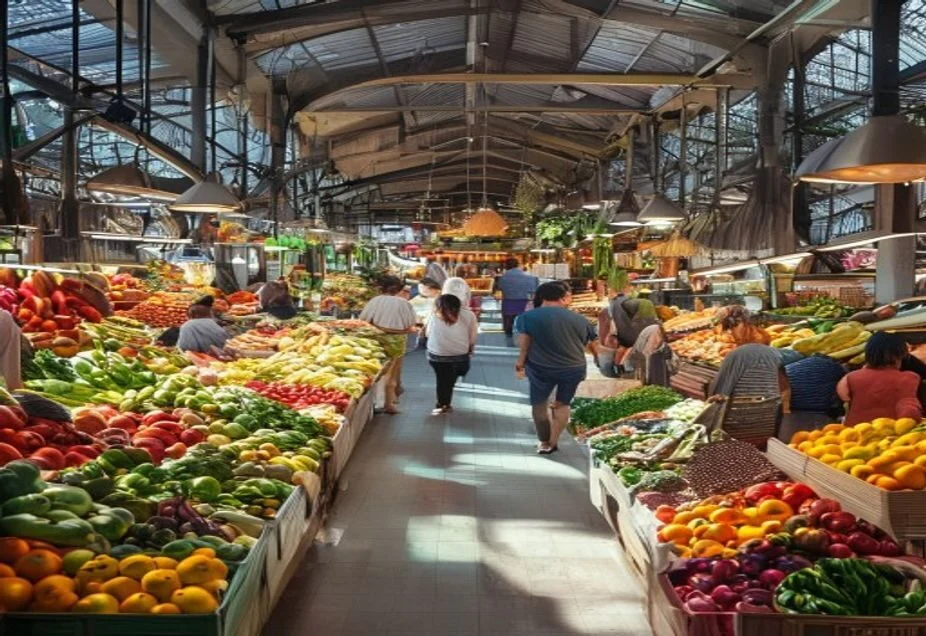
African groceries. Melbourne is the best-served city in Australia, and Footscray is the centre — the concentration of Ethiopian bakeries, grocers and cafes around Barkly, Nicholson, Hopkins and Irving Streets is known locally as “Little Africa”. Mesnoy Injera Bakery at 77 Irving Street is Melbourne’s first Ethiopian grocery store and bakes injera daily alongside spices and dry goods. Bright Merkato African Variety Shop at 43 Paisley Street stocks Ethiopian spices and cultural products. Further out, Surur African Supermarket in Noble Park carries African food plus beauty and hair care, and Tribal Tastes trades at Queen Victoria Market in the city.
See also our guide to halal, vegetarian and South Asian food in Melbourne.
Brisbane, Perth, Adelaide and beyond
| City | Where to go | Known for |
|---|---|---|
| Brisbane | Sunnybank (and Sunnybank Hills) | The main Asian hub — Chinese, Taiwanese, Korean, Vietnamese |
| Inala | Vietnamese precinct | |
| Fortitude Valley (Chinatown Mall) | Central and close to the CBD | |
| Moorooka | African — long-standing community precinct | |
| Perth | Northbridge | The main Asian grocery area, right by the CBD |
| Victoria Park & Cannington | Large Asian supermarkets, incl. Kong’s Oriental Supermarket in Victoria Park | |
| Adelaide | Adelaide Central Market | Everything under one roof — Asian, Middle Eastern, European |
| Gouger Street (beside the market) | Asian grocers and restaurants | |
| Canberra | Dickson and Belconnen | Asian grocers and restaurants |
| Gold Coast | Southport and Surfers Paradise | Asian supermarkets serving the student population |
In Brisbane, Yuen’s Market in Sunnybank is a long-standing favourite for range and price, and Sunlit Asian Supermarket operates a chain of stores across Brisbane and the Gold Coast. We cover more in our guide to international groceries and restaurants in Brisbane, and for Perth see Asian, Indian and Middle Eastern groceries in Perth.
How much you actually save
This is the part that surprises new arrivals: ethnic grocers are usually cheaper than Coles and Woolworths, not a premium option. The categories where the gap is biggest:
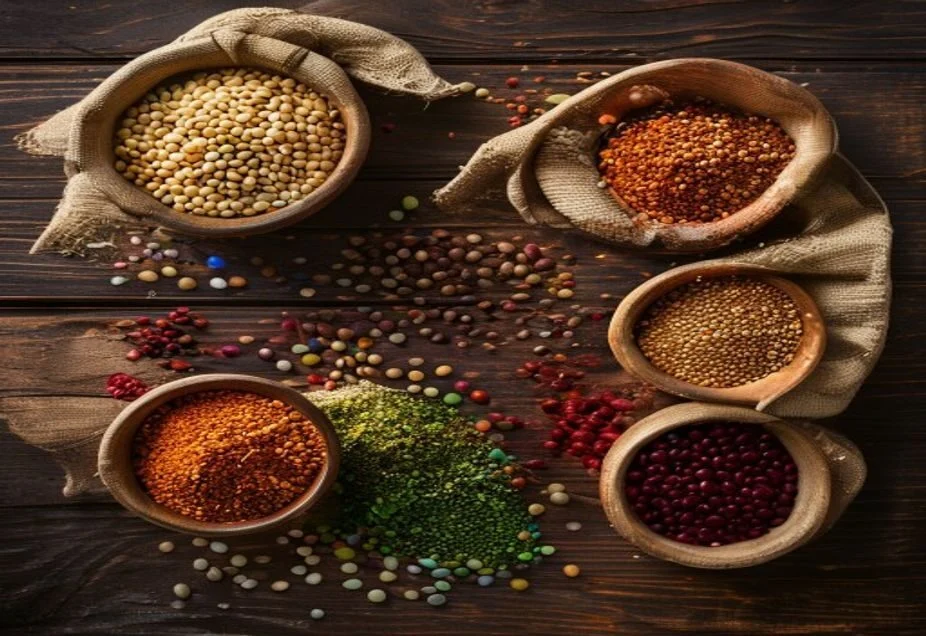
- Rice — buying a large sack rather than a 1kg supermarket bag dramatically cuts the price per kilo. This is the single biggest saving for most households.
- Spices and lentils — often a fraction of supermarket prices, and sold in useful quantities rather than tiny jars.
- Fresh herbs and Asian greens — coriander, mint, Thai basil, bok choy and gai lan are cheaper and far fresher than the supermarket equivalents.
- Noodles, sauces and pastes — wider range, better brands, lower prices.
- Vegetables generally — suburban ethnic greengrocers frequently undercut the majors on everyday produce, not just specialty items.
- Meat from a halal or specialist butcher — often better value and cut the way you want it.
Where the supermarkets still win: heavily discounted specials on branded goods, and convenience if the precinct is a long trip away. The usual pattern for students is a big monthly shop at the precinct for staples, topped up with a local supermarket during the week. More budgeting ideas in our saving money on groceries guide.
Practical tips for shopping the precincts
- Go on a weekday morning if you can. Weekends in Cabramatta, Footscray or Sunnybank are extremely busy and parking is difficult.
- Take a trolley or sturdy bags. You’ll buy more than you planned, and a sack of rice is heavy on the train.
- Carry some cash. Most take cards, but a few small shops have card minimums or surcharges.
- Buy staples in bulk, produce weekly. Rice, lentils, oil and spices keep; herbs don’t.
- Check the halal certification if that matters to you — look for certification displayed at the butcher, and ask if unsure.
- Check dates on imported goods, which can sit longer on the shelf in smaller shops.
- Don’t be shy about the language barrier. Pointing works fine, and most shopkeepers are used to helping newcomers. Take a photo of the ingredient you need.
- Explore the food court while you’re there. These precincts have some of the best-value meals in Australia — see our night markets guide for the evening version.
Can't get to a precinct?
If you’re regional, or a long way from the nearest hub, you still have options:
- Online ethnic grocers deliver nationally, and several Indian and Asian retailers ship dry goods anywhere in Australia. Worth it for spices and pantry staples; not for fresh produce.
- The “world foods” aisle at Coles and Woolworths has expanded a lot — more expensive, but it covers the basics.
- Regional towns often have one good multicultural grocer serving local farm and abattoir workers. Ask in community Facebook groups.
- Community groups often organise bulk orders, which is how many people in regional areas get specialty items affordably.
The bottom line
You are almost never far from the food you grew up with in Australia. Sydney’s Cabramatta, Harris Park, Ashfield and Auburn; Melbourne’s Footscray, Springvale, Box Hill and Dandenong; Brisbane’s Sunnybank and Inala; Perth’s Northbridge and Victoria Park — each is a short train ride and full of options. Go to the precinct rather than hunting one shop, buy your rice, spices and lentils in bulk, and expect to pay less than the big supermarkets rather than more. For many new arrivals it’s the cheapest way to eat well — and the fastest way to feel at home.
Need a plan to shop to? Our five weekly meal plans from $50 map out every meal for the week, with shopping lists for budget, balanced, vegetarian, halal and South Asian eating.
Beyond food, our guide to budget shopping in Australia covers where to buy everything else cheaply — Kmart, Aldi, Chemist Warehouse, Officeworks, Bunnings, Costco and op shops compared.
Picked up garam masala and kasuri methi on your trip? Put them to use in our butter chicken recipe.
You May Also Like

Moving to Australia: The Complete Checklist and Guide (2026)

NT Public Holidays 2026: Full Calendar, Dates and How Darwin and Alice Springs Celebrate