Australian Government Scholarships for International Students 2026

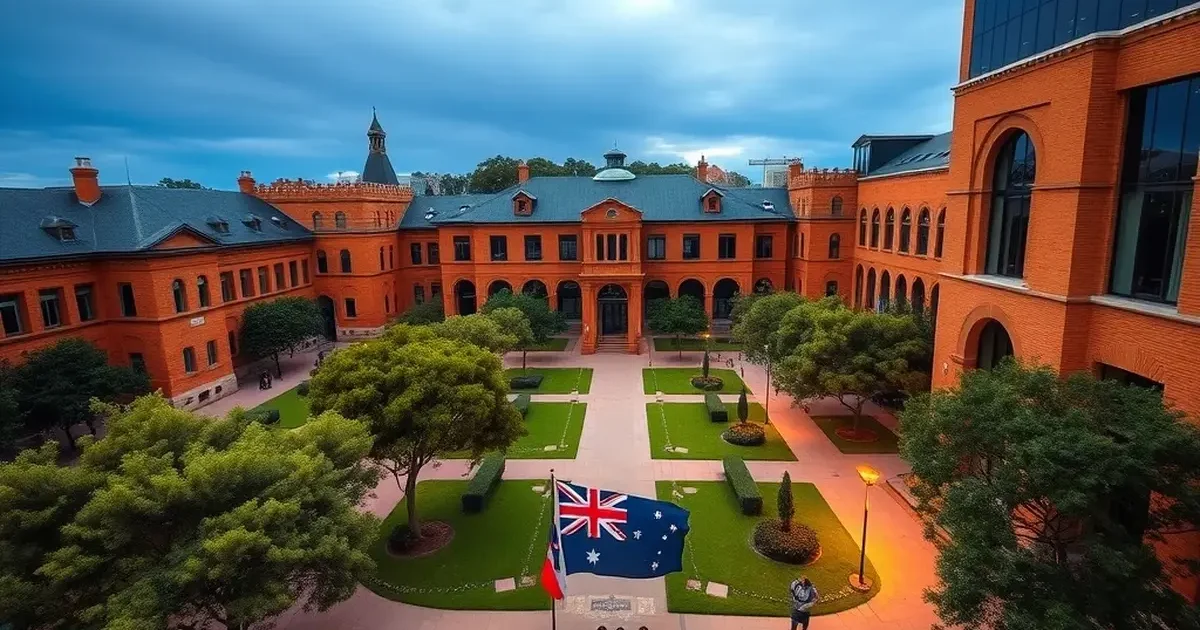
Pursuing higher education in Australia becomes significantly more affordable through government scholarships for international students studying in Australia. The Australian government invests over $200 million annually in comprehensive scholarship programs designed to attract talented students from developing nations and foster international partnerships. These fully-funded opportunities cover tuition fees, living expenses, health insurance, and travel costs, making world-class Australian education accessible to deserving candidates worldwide.
Three major programs dominate the landscape: Australia Awards Scholarships targeting students from Pacific and ASEAN regions, the Endeavour Leadership Program focusing on future leaders globally, and the Research Training Program (RTP) supporting PhD and research master’s students. Additionally, universities receive government funding to offer competitive scholarships through direct allocation systems.
Success rates vary significantly by program and country, with Australia Awards maintaining approximately 15-20% acceptance rates. However, strategic preparation and understanding of selection criteria dramatically improve your chances of securing these life-changing opportunities.
TL;DR
- Australia Awards Scholarships offer full funding for students from developing nations, covering tuition, living allowances, and travel costs
- Endeavour Leadership Program provides global scholarships worth up to $272,500 for postgraduate study and research fellowships
- Research Training Program (RTP) supports international PhD students through university-administered government funding
- Applications typically open in February-April with 6-12 month selection processes for 2026-2027 intake
- Strong academic records, English proficiency, and demonstrated leadership potential are essential for success
Overview of Australian Government Scholarships for International Students
The Australian government operates one of the world’s most comprehensive scholarship systems for international students, reflecting the nation’s strategic commitment to educational diplomacy and development cooperation. These government-funded scholarships serve multiple purposes: strengthening bilateral relationships with partner countries, building future leadership networks, and positioning Australia as a premier destination for global talent.
Through systematic investment in international education, Australia demonstrates its dedication to fostering regional stability and economic growth. Furthermore, these programs directly support the government’s broader objectives of cultural exchange and knowledge transfer between Australia and developing nations worldwide.
Australia's Educational Diplomacy Strategy
The Department of Foreign Affairs and Trade coordinates Australia’s scholarship initiatives as part of the country’s development cooperation framework. Consequently, these programs prioritize students from the Indo-Pacific region, particularly Pacific Island nations and ASEAN countries. Moreover, the government allocates over $200 million annually to support international students through various scholarship mechanisms.
Strategic partnerships with universities across Australia enable the government to deliver scholarships that address specific regional development needs. Additionally, these collaborations ensure scholarship recipients receive world-class education while building lasting connections between Australia and their home countries.
Major Government Scholarship Programs
Three flagship programs dominate Australia’s government scholarship landscape, each targeting different student demographics and academic levels. Australia Awards Scholarships represent the largest program, offering comprehensive support for undergraduate and postgraduate students from developing countries. Meanwhile, the Endeavour Leadership Program focuses on high-achieving professionals and researchers seeking advanced qualifications.
The Research Training Program (RTP) operates differently, providing government funding to universities that then award scholarships to exceptional international PhD and research master’s candidates. Subsequently, universities distribute these funds based on merit and research potential rather than geographic quotas.
| Program | Target Group | Coverage | Duration |
|---|---|---|---|
| Australia Awards | Developing country students | Full tuition + living allowance | 2-4 years |
| Endeavour Leadership | Global professionals | Up to $272,500 total | 6 months – 4 years |
| RTP Scholarships | Research students | Tuition + stipend | 3-4 years |
Comprehensive Benefits and Coverage
Government scholarships provide extensive financial support that removes virtually all barriers to studying in Australia. Full tuition fee coverage represents the largest component, with some programs covering fees exceeding $50,000 annually for premium courses. Additionally, recipients receive living allowances ranging from $31,000 to $34,000 per year, calculated to meet reasonable living expenses in major Australian cities.
Healthcare coverage through Overseas Student Health Cover (OSHC) ensures recipients access Australia’s medical system without financial burden. Furthermore, most programs include return airfares, establishment allowances for initial settling costs, and academic support services throughout the study period.
- Complete tuition fee payment directly to universities
- Monthly living stipends deposited into personal accounts
- Comprehensive health insurance for entire study duration
- Return economy airfares from home country
- Academic English support and mentoring programs
- Professional development workshops and networking events
Scholarship Statistics and Success Rates
Recent data reveals that Australia Awards Scholarships receive approximately 15,000 applications annually for roughly 3,000 available positions, creating intense competition among candidates. However, success rates vary dramatically by country and program, with some Pacific Island nations achieving acceptance rates above 25% due to targeted allocation quotas.
Over 18,000 international students currently hold Australian government scholarships, representing 127 countries worldwide
The Endeavour Leadership Program maintains more competitive selection processes, with acceptance rates typically below 10% across all categories. Conversely, RTP scholarships show higher success rates for exceptional candidates, particularly in STEM fields where Australia seeks to attract top global research talent.
Completion rates exceed 95% for government scholarship recipients, significantly higher than self-funded international students. This success stems from comprehensive support systems, careful candidate selection, and ongoing monitoring throughout study programs.
Australia Awards Scholarships: The Flagship Program
The Australia Awards Scholarships represent the Australian Government’s premier international education initiative, designed to strengthen diplomatic relationships while fostering sustainable development across partner nations. Furthermore, this flagship program transforms educational opportunities for outstanding students from developing countries, creating pathways to advanced study at Australia’s leading universities.
Program Overview and Development Objectives
Australia Awards Scholarships prioritize capacity building and knowledge transfer to support long-term development goals in recipient countries. Additionally, the program emphasizes leadership development, requiring scholarship holders to return home and contribute their acquired expertise to national development initiatives.
The Australian Government allocates approximately $200 million annually to fund these comprehensive scholarships across multiple study levels. Moreover, recipients gain access to professional networks, mentorship programs, and ongoing alumni support that extends well beyond graduation.
Eligible Countries and Regional Focus
The program targets 54 developing nations across strategic regions, with particular emphasis on Pacific Island countries, ASEAN member states, and South Asian nations. Specifically, priority countries include Indonesia, Vietnam, Papua New Guinea, Fiji, Bangladesh, and Pakistan, reflecting Australia’s regional diplomatic priorities.
- Pacific Region: Fiji, Samoa, Tonga, Vanuatu, Solomon Islands, Papua New Guinea
- ASEAN Countries: Indonesia, Vietnam, Philippines, Cambodia, Laos, Myanmar
- South Asia: Bangladesh, Pakistan, Sri Lanka, Nepal, Bhutan
- Africa: Select countries including Ghana, Kenya, and Tanzania
Country-specific quotas ensure equitable distribution while addressing regional development needs. Consequently, smaller Pacific nations often receive proportionally higher allocation rates compared to larger Asian countries.
Study Levels and Academic Coverage
Australia Awards Scholarships encompass undergraduate degrees, postgraduate coursework, research degrees, and vocational education programs across participating institutions. However, the majority of awards support master’s degree programs, which align with professional development objectives in recipient countries.
| Study Level | Duration | Typical Awards |
|---|---|---|
| Undergraduate | 3-4 years | 200-300 annually |
| Masters (Coursework) | 1.5-2 years | 2,000-2,200 annually |
| Masters (Research) | 2 years | 300-400 annually |
| PhD | 3-4 years | 400-500 annually |
| Vocational Training | 6 months-2 years | 100-150 annually |
Comprehensive Benefits Package
Recipients receive full tuition coverage paid directly to universities, eliminating financial barriers to quality education. Additionally, monthly living allowances range from $3,000 to $4,500 depending on study location and family circumstances, ensuring comfortable living standards throughout the program.
The benefits package includes Overseas Student Health Cover for the entire study duration, return economy airfares, and establishment allowances for initial settling-in expenses. Furthermore, academic support services provide English language training, research supervision, and career development workshops.
Additional Support Services
Priority Fields and Development Focus
The program prioritizes development-relevant disciplines including public policy, education, health sciences, agriculture, engineering, and environmental management. Similarly, emerging fields like renewable energy, digital governance, and climate adaptation receive increasing emphasis to address contemporary global challenges.
Selection committees favor candidates whose proposed studies directly address national development priorities in their home countries. Therefore, applicants must demonstrate clear connections between their academic goals and potential contributions to economic, social, or environmental development.
2026-2027 Application Timeline and Deadlines
The 2026-2027 intake applications typically open in February 2025, with submission deadlines varying by country between April and June 2025. Importantly, early preparation proves crucial as complete applications require extensive documentation, referee reports, and development impact proposals.
- February 2025: Application portals open for most countries
- April-June 2025: Country-specific submission deadlines
- July-September 2025: Initial screening and shortlisting
- October-December 2025: Interviews and final selections
- January-March 2026: Offer notifications and acceptance
- July-September 2026: Program commencement
Successful candidates typically receive 12-18 months advance notice before program commencement, allowing adequate time for visa processing, pre-departure preparations, and work arrangements in home countries. Consequently, this extended timeline ensures smooth transitions for both scholarship recipients and their employers.
Endeavour Leadership Program Scholarships
The Endeavour Leadership Program represents Australia’s premier government initiative for developing global leaders through transformative educational experiences. Unlike traditional academic scholarships, this program specifically targets individuals who demonstrate exceptional leadership potential and commitment to creating positive change in their home countries.
Leadership development forms the cornerstone of every Endeavour program component. Participants engage in structured mentorship, professional networking opportunities, and specialized workshops designed to enhance their capacity for driving innovation and social impact upon return to their home nations.
Program Categories and Structure
Three distinct fellowship categories cater to different career stages and professional objectives. Each category maintains rigorous selection standards while offering tailored experiences that maximize leadership development outcomes.
- Endeavour Postgraduate Scholarships support master’s and doctoral studies at Australian universities, with emphasis on research that addresses development challenges
- Endeavour Research Fellowships enable established researchers to collaborate with Australian institutions on projects with significant global impact potential
- Endeavour Executive Fellowships provide senior professionals with opportunities to develop strategic partnerships and gain insights into Australian governance and industry practices
Program duration varies significantly across categories. Postgraduate scholarships typically span 2-4 years depending on degree requirements, while research fellowships range from 4-6 months for intensive collaboration periods. Executive fellowships generally last 1-4 months, allowing senior professionals to maintain their primary responsibilities while gaining valuable Australian experience.
Global Eligibility and Participation
Citizens from all countries except Australia qualify for Endeavour Leadership Program consideration. This inclusive approach reflects Australia’s commitment to fostering international cooperation and knowledge exchange across diverse geographical regions and development contexts.
Developing nations receive particular attention in selection processes, as these countries often face the greatest capacity-building challenges. However, applicants from developed countries also compete successfully when their proposed activities demonstrate clear potential for mutual benefit and knowledge transfer.
Scholarship Values and Financial Support
| Fellowship Type | Monthly Stipend | Additional Benefits | Total Value Range |
|---|---|---|---|
| Postgraduate | AUD $3,000 | Tuition, health cover, travel | AUD $140,000-280,000 |
| Research | AUD $3,000 | Travel, establishment allowance | AUD $24,500-38,500 |
| Executive | AUD $3,000 | Travel, professional development | AUD $18,500-32,500 |
Comprehensive financial packages ensure recipients focus entirely on their leadership development objectives. Full tuition coverage applies to postgraduate scholarships, while all categories include international travel allowances, comprehensive health insurance, and establishment funds for initial settlement costs.
Selection Criteria and Leadership Assessment
Selection committees prioritize leadership potential and development impact over purely academic achievements. Successful candidates demonstrate clear vision for addressing significant challenges in their home countries through enhanced knowledge and skills gained in Australia.
Assessment criteria emphasize practical leadership experience rather than theoretical knowledge. Candidates must provide evidence of previous leadership roles, community engagement, and innovative problem-solving approaches that indicate strong potential for future impact.
Leadership Evidence
Professional references carry substantial weight in evaluation processes. Referees should specifically address candidates’ leadership capabilities, collaborative skills, and commitment to contributing to national development upon program completion.
Application Process and Assessment Methodology
The application process follows a two-stage assessment approach that thoroughly evaluates both technical qualifications and leadership potential. Initial screening focuses on eligibility requirements and basic academic credentials, while detailed evaluation examines leadership experience and development impact proposals.
Shortlisted candidates participate in comprehensive interviews conducted by panels including Australian education representatives, development experts, and previous program alumni. These interviews assess communication skills, cultural adaptability, and genuine commitment to utilizing Australian experience for positive change.
Development impact statements require careful articulation of how Australian education or research experience will enhance candidates’ capacity to address specific challenges in their home countries. Successful statements demonstrate clear understanding of both local needs and potential solutions that Australian expertise can help develop.
Furthermore, assessment panels evaluate candidates’ potential for building lasting partnerships between their home institutions and Australian counterparts. This emphasis on ongoing collaboration ensures program benefits extend well beyond individual fellowship periods.
Research Training Program (RTP) for International Students
Australia’s Research Training Program (RTP) represents the government’s flagship initiative for supporting high-caliber research candidates across universities nationwide. This comprehensive funding framework allocates substantial resources directly to institutions, which then administer scholarships to exceptional domestic and international students pursuing research degrees.
Government Funding Structure and University Administration
The Australian Government provides block funding to universities through the RTP allocation model, distributing approximately $1.1 billion annually across eligible institutions. Universities receive these funds based on research performance metrics, including research income, completion rates, and publication outputs from previous years.
Unlike direct government scholarships such as Australia Awards, the RTP operates through university-administered selection processes. Each institution determines its own assessment criteria, application procedures, and award distribution methods within government guidelines. This decentralized approach allows universities to align scholarship awards with their strategic research priorities and institutional strengths.
Individual universities typically establish internal committees comprising senior academics and research leaders who evaluate applications against both academic merit and research potential. These committees consider factors including academic transcripts, research proposals, supervisor endorsements, and alignment with university research themes.
Degree Coverage and Eligibility Requirements
RTP scholarships support students enrolled in Higher Degree by Research (HDR) programs, specifically Doctor of Philosophy (PhD) and Research Master’s degrees. The program covers both full-time and part-time study arrangements, though international students must maintain full-time enrollment to satisfy visa requirements.
International candidates must demonstrate equivalent academic qualifications to Australian first-class honors or research master’s degrees. Additionally, they need to meet English language proficiency standards through IELTS, TOEFL, or equivalent assessments before commencing their research programs.
Research areas span all disciplines offered by participating universities, from traditional fields like engineering and medicine to emerging interdisciplinary studies. However, certain universities prioritize applications in strategic research areas aligned with national research priorities, including renewable energy, artificial intelligence, biotechnology, and sustainable agriculture.
Financial Support Components
RTP scholarships provide two primary financial components: living allowance stipends and fee offset provisions. The living stipend for 2026 amounts to $31,000 annually for full-time students, paid fortnightly throughout the scholarship period.
Fee offset provisions cover full tuition costs for both domestic and international students, eliminating the substantial financial barrier that research degree fees typically present. For international students, this fee coverage represents savings of $40,000 to $50,000 annually, depending on the specific program and university.
Additional benefits may include thesis allowances up to $840 for research-related expenses, sick leave provisions, and parental leave arrangements. Some universities supplement RTP awards with top-up scholarships or additional research support funding from their own resources.
Competitive Selection and Assessment Process
The selection process operates on highly competitive principles, with universities typically receiving three to five applications for every available RTP position. International applicants face particularly intense competition, as universities must balance domestic and international allocations within their total RTP quota.
Assessment criteria emphasize academic excellence, research potential, and alignment with supervisor expertise and university research strengths. Successful candidates typically demonstrate exceptional undergraduate or master’s degree performance, relevant research experience, and clear articulation of their proposed research contribution.
Furthermore, universities consider the availability of appropriate supervision and research infrastructure when evaluating applications. This ensures that successful candidates can access necessary resources and expertise to complete their research programs within standard timeframes.
Application deadlines vary between institutions but commonly fall between August and October for commencement in the following academic year. Early application submission provides advantages, as universities may offer conditional places pending final academic transcripts or English language test results.
Eligibility Requirements and Selection Criteria
Government scholarships for international students establish stringent eligibility frameworks that evaluate academic merit, personal characteristics, and strategic alignment with Australia’s educational priorities. These comprehensive assessment criteria ensure scholarship recipients demonstrate exceptional potential while meeting specific nationality, academic, and professional requirements.
Academic Excellence Standards and GPA Requirements
Most Australian government scholarships require applicants to achieve minimum GPA scores of 3.5 to 4.0 on a 4.0 scale, or equivalent academic standings in their home country’s grading system. The Australia Awards, for instance, typically expects first-class honours or upper second-class honours from undergraduate degrees.
Academic assessment extends beyond numerical grades to encompass research publications, academic awards, and scholarly achievements. Selection committees evaluate transcripts, academic references, and evidence of intellectual curiosity through thesis projects, research papers, or independent study initiatives.
Additionally, applicants must demonstrate progression in their academic performance, with stronger recent results carrying greater weight than earlier academic records. This approach recognizes personal growth and developing scholarly capabilities throughout undergraduate or postgraduate studies.
English Language Proficiency Requirements
International students must prove English language competency through standardized testing, with IELTS scores of 6.5 overall representing the typical minimum threshold for most government scholarships. However, competitive programs often require higher scores, with many successful applicants achieving 7.0 or above.
| Test Type | Minimum Score | Competitive Score | Validity Period |
|---|---|---|---|
| IELTS Academic | 6.5 overall | 7.0+ overall | 2 years |
| TOEFL iBT | 79-90 | 100+ | 2 years |
| PTE Academic | 58-64 | 70+ | 2 years |
| Cambridge CAE/CPE | 176-184 | 190+ | No expiry |
Some scholarships accept alternative evidence of English proficiency, including completion of previous studies in English-medium institutions or citizenship from English-speaking countries. Nevertheless, recent test scores provide the most reliable assessment method for selection committees.
Country-Specific Eligibility Restrictions
Australia Awards target specific developing countries across the Indo-Pacific region, including Indonesia, Vietnam, Philippines, Pakistan, and various Pacific Island nations. These geographic restrictions align with Australia’s foreign policy objectives and development cooperation priorities.
Conversely, Research Training Program scholarships maintain broader eligibility, welcoming applications from all countries while prioritizing candidates whose research contributes to Australian innovation priorities. Some specialized scholarships focus on particular regions or bilateral relationships between Australia and specific nations.
Furthermore, certain scholarships exclude applicants who have previously studied in Australia or other developed countries for extended periods. These restrictions ensure scholarships reach individuals with limited access to international education opportunities.
Age Limits and Career Stage Considerations
Most government scholarships establish age limits between 35-40 years for master’s programs and 40-45 years for doctoral studies, though specific programs may vary these thresholds. These limits ensure recipients have sufficient career runway to apply their Australian education effectively.
Career stage requirements often specify minimum professional experience, typically ranging from two to five years in relevant fields. This experience requirement ensures scholars bring practical perspectives to their studies while demonstrating commitment to their chosen disciplines.
Additionally, selection committees favor candidates in mid-career positions who can leverage their Australian education for leadership roles upon return to their home countries. This strategic approach maximizes the developmental impact of scholarship investments.
Leadership Potential and Community Impact Assessment
Scholarship applications require detailed evidence of leadership experience and community engagement, including volunteer work, professional leadership roles, or social impact initiatives. Selection panels evaluate candidates’ potential to drive positive change in their home communities or professional sectors.
Assessment criteria include demonstrated problem-solving abilities, innovation in addressing local challenges, and capacity to influence others toward positive outcomes. Applicants must articulate clear visions for applying their Australian education to benefit their home countries’ development priorities.
Moreover, selection committees examine candidates’ networks, mentorship activities, and previous collaborative achievements to gauge their potential for creating lasting impact beyond individual career advancement.
Health and Character Requirements
All scholarship recipients must satisfy Australian immigration health standards through comprehensive medical examinations conducted by approved panel physicians. These assessments ensure applicants can complete their studies without imposing significant costs on Australia’s healthcare system.
Character requirements include police clearance certificates from all countries where applicants have resided for 12 months or more during the past 10 years. These background checks verify applicants’ integrity and suitability for representing Australia’s educational investment.
Furthermore, applicants must declare any previous visa refusals, criminal convictions, or immigration violations. Transparency in these declarations demonstrates honesty and allows selection committees to make informed decisions about character suitability.
Previous Scholarship Holder Restrictions
Most Australian government scholarships prohibit applications from individuals who have previously received Australian government-funded scholarships for studies at the same academic level. This restriction ensures equitable distribution of scholarship opportunities across eligible populations.
However, previous scholarship holders may apply for higher-level programs, such as doctoral studies after completing master’s degrees on Australian Awards. These progressive pathways recognize exceptional scholars while maintaining fairness in opportunity distribution.
Additionally, some scholarships restrict applicants who have received substantial funding from other international scholarship programs, ensuring Australian investments reach candidates with genuine financial need and limited alternative funding sources.
Application Process and Documentation
Securing government scholarships for international students requires meticulous preparation and strategic documentation. Australian scholarship applications typically open between February and April each year, with application deadlines falling between April and June for the following academic year.
Step-by-Step Application Guide
Begin your application journey by creating accounts on relevant scholarship portals at least three months before deadlines. Australia Awards applications require registration through the Online Australia Awards Scholarship Information System (OASIS), while university-specific scholarships utilize institutional application platforms.
- Research eligible programs and scholarship categories thoroughly
- Gather all required documentation and certifications
- Complete online application forms with accurate information
- Submit academic transcripts and English proficiency scores
- Upload personal statements and research proposals
- Provide reference letters from qualified referees
- Submit applications before specified deadlines
Most importantly, track your application status regularly through official portals. Selection committees review applications between July and October, with successful candidates receiving notification by December.
Required Documents and Certification Processes
Academic transcripts must undergo official translation and certification through recognized translation services. Universities require certified copies of all post-secondary qualifications, including degree certificates, academic records, and grading scales explanations.
| Document Type | Certification Required | Processing Time |
|---|---|---|
| Academic Transcripts | Official translation + notarization | 2-4 weeks |
| English Test Scores | Direct institutional reporting | 1-2 weeks |
| Police Clearances | Apostille or embassy certification | 4-8 weeks |
| Medical Examinations | Panel physician completion | 1-3 weeks |
Additionally, English proficiency certificates require direct reporting from testing agencies to scholarship providers. IELTS, TOEFL, and PTE scores must meet minimum requirements, typically ranging from 6.5 to 7.0 overall bands depending on the program level.
Online Application Systems and Portals
The OASIS portal serves as the primary application gateway for Australia Awards scholarships, featuring user-friendly interfaces and comprehensive guidance materials. Meanwhile, individual universities maintain separate scholarship application systems integrated with their admissions processes.
Technical requirements include stable internet connections for uploading large document files and modern web browsers supporting JavaScript functionality. Furthermore, applicants should prepare digital copies of all documents in PDF format, with file sizes typically limited to 2MB per document.
Portal Navigation Tip
Reference Letter Requirements and Guidelines
Reference letters must come from qualified academic or professional referees who can assess your capabilities objectively. Academic referees should hold doctoral degrees and demonstrate familiarity with your scholarly work through direct supervision or instruction.
Professional referees require senior positions within relevant organizations and direct knowledge of your work performance. Letters should address specific criteria including academic ability, research potential, leadership qualities, and cultural adaptability for studying in Australia.
- Academic achievement and intellectual capacity
- Research methodology and analytical skills
- Communication abilities in English
- Leadership potential and community engagement
- Cultural sensitivity and adaptability
Personal Statement and Research Proposal Writing
Compelling personal statements demonstrate clear connections between your background, chosen field of study, and career aspirations. Structure these essays around specific experiences that illustrate your motivation, achievements, and potential contributions to Australian academic communities.
Research proposals for postgraduate scholarships require detailed methodology sections, literature reviews, and feasibility assessments. Successful proposals align with supervisors’ research interests and demonstrate thorough understanding of current academic debates within chosen fields.
Effective personal statements tell stories rather than listing achievements, showing how experiences shaped your academic journey and future goals.
Interview Preparation and Assessment Process
Shortlisted candidates participate in structured interviews conducted via video conferencing or at Australian diplomatic missions. Interview panels typically include academic representatives, government officials, and industry professionals relevant to your field of study.
Preparation strategies involve researching current Australian policies, understanding your chosen university’s research strengths, and articulating clear development goals for your home country. Practice answering questions about academic interests, career plans, and potential contributions to Australia-home country relationships.
Assessment criteria emphasize intellectual capacity, communication skills, leadership potential, and commitment to returning home after studies. Successful candidates demonstrate genuine passion for their fields while showing realistic understanding of study challenges and opportunities.
Common Application Mistakes to Avoid
Incomplete documentation represents the most frequent cause of application rejection. Missing transcripts, expired English test scores, or inadequate reference letters immediately disqualify otherwise strong candidates from consideration.
Generic personal statements fail to demonstrate specific knowledge about chosen programs or universities. Successful applicants research faculty members, course structures, and research opportunities thoroughly before crafting targeted application materials.
Pros
- Start applications 6 months early
- Research supervisors and programs thoroughly
- Obtain certified document translations promptly
- Practice interview skills with mock sessions
Cons
- Submitting generic, untargeted applications
- Missing documentation deadlines
- Choosing inappropriate referees
- Ignoring specific scholarship requirements
Finally, applicants often underestimate processing times for document certification and English proficiency testing. Late submissions, regardless of quality, receive automatic rejection from competitive scholarship programs with strict deadline policies.
Scholarship Benefits and Financial Coverage
Australian government scholarships provide comprehensive financial support that covers virtually all study-related expenses for international recipients. The Australia Awards Scholarships represent the most generous funding package, ensuring students focus entirely on academic achievement rather than financial concerns.
Full Tuition Fee Coverage and Payment Processes
Scholarship recipients receive complete tuition fee coverage for the entire duration of their approved study program. Universities receive direct payments from the Department of Foreign Affairs and Trade, eliminating upfront costs for students. This arrangement covers all compulsory academic fees, laboratory charges, and essential course materials.
Payment processing occurs through established university billing systems, with funds transferred quarterly in advance. Students never handle tuition payments directly, as institutions coordinate billing schedules with scholarship administrators to ensure seamless fee management throughout study periods.
Living Allowance Rates and Payment Schedules
Monthly living allowances provide essential income support for accommodation, food, and personal expenses during study periods. Current rates range from $3,330 to $3,730 per month depending on study location and program level, with higher amounts allocated for expensive metropolitan areas.
| Study Level | Monthly Allowance | Payment Schedule |
|---|---|---|
| Undergraduate | $3,330 | Fortnightly |
| Masters | $3,530 | Fortnightly |
| PhD | $3,730 | Fortnightly |
Payments arrive fortnightly through direct bank deposit, requiring recipients to establish Australian bank accounts within their first month of arrival. Additionally, allowances continue during approved study breaks and semester holidays, providing consistent financial security throughout academic years.
Establishment Allowance for Initial Setup Costs
New arrivals receive a one-time establishment allowance of $5,000 to cover initial settlement expenses in Australia. This payment assists with accommodation bonds, furniture purchases, household essentials, and other setup costs that international students typically face during their first weeks.
The establishment allowance transfers automatically with the first living allowance payment, providing immediate financial support when students need it most. Recipients commonly use these funds for temporary accommodation, bedding, kitchen equipment, and essential electronics for study purposes.
Health Insurance (OSHC) Coverage
Overseas Student Health Cover (OSHC) provides comprehensive medical insurance throughout the entire study period, including any approved extensions. Scholarship administrators arrange and fund complete OSHC policies, ensuring students access Australia’s healthcare system without additional costs.
Coverage includes hospital treatment, medical services, ambulance transportation, and prescription medications under Australia’s Pharmaceutical Benefits Scheme. Furthermore, OSHC extends to cover dependents when family members accompany scholarship recipients to Australia.
Travel Allowances and Flight Arrangements
International travel support includes return economy airfares between home countries and designated Australian study locations. Scholarship administrators coordinate flight bookings through approved travel agencies, ensuring cost-effective routes and appropriate travel dates aligned with academic calendars.
Additional travel allowances cover domestic transportation within Australia for study-related activities, including field work, conferences, and research collaboration visits. However, personal travel and holiday trips remain the responsibility of individual scholarship recipients.
Additional Allowances for Academic Activities
Specialized academic allowances support thesis preparation, fieldwork expenses, and conference participation essential for research completion. Thesis allowances of up to $2,000 assist with printing, binding, and submission costs for final academic works.
- Fieldwork allowances: Up to $5,000 for essential research activities
- Conference support: Travel and registration fees for approved academic conferences
- Research materials: Books, software, and specialized equipment funding
- Language support: English language training where required
Conference participation requires prior approval from scholarship administrators, with funding decisions based on academic relevance and career development benefits. Meanwhile, fieldwork allowances support data collection, laboratory access, and research collaboration activities directly related to study programs.
Family Support Provisions
Married scholarship recipients or those with dependent children receive additional financial support to accommodate family needs during study periods. Dependent allowances range from $465 to $1,665 per month depending on family composition and dependent ages.
Family support includes OSHC coverage for all dependents, establishment allowances for family setup costs, and return airfares for approved family members. However, family support requires specific approval during the application process and cannot be added after scholarship commencement without exceptional circumstances.
Total scholarship value can exceed $200,000 for PhD programs when including all allowances, fees, and family support provisions
Application Timeline and Key Dates for 2026-2027
Scholarship application cycles for Australian government programs follow strict annual schedules, with most opportunities opening between February and May each year. Understanding these critical deadlines prevents missed opportunities and allows adequate preparation time for competitive applications.
Australia Awards Application Schedule
The Australia Awards program opens applications in February 2026 for commencement in February 2027. Applications close on 30 April 2026 for most countries, though some regions have earlier deadlines in March.
Selection processes run from May through August 2026, with successful candidates notified by September 2026. Furthermore, pre-departure briefings occur between October and December 2026, allowing adequate preparation time for academic commencement.
| Phase | Timeline | Key Activities |
|---|---|---|
| Application Opening | February 2026 | Online portal access, document submission |
| Application Deadline | 30 April 2026 | Final submission, supporting documents |
| Selection Process | May-August 2026 | Assessment, interviews, final decisions |
| Notification | September 2026 | Offer letters, acceptance procedures |
| Pre-departure | October-December 2026 | Visa processing, orientation programs |
Endeavour Program Application Cycles
The Endeavour Leadership Program operates two application rounds annually. Round One opens in April 2026 with applications closing in June 2026, while Round Two runs from August to October 2026.
Selection outcomes for Round One are announced in September 2026, with program commencement in February 2027. Similarly, Round Two results arrive in January 2027 for mid-year academic starts in July 2027.
University RTP Scholarship Deadlines
Research Training Program (RTP) scholarships follow university-specific timelines, with most institutions accepting applications between August and October for the following year’s commencement. Major universities typically close applications by 31 October 2026 for February 2027 starts.
Mid-year RTP opportunities open between March and May 2026 for July 2026 commencement. However, fewer positions are available for mid-year entry compared to the main February intake period.
- Group of Eight universities: Applications close 31 October 2026
- Australian Technology Network: Deadlines vary from 15 September to 31 October 2026
- Regional universities: Extended deadlines often available until November 2026
- Mid-year intake: Applications close 30 April 2026 for July starts
Selection and Notification Timelines
Government scholarship selection processes typically span 3-4 months from application closure to final notifications. Australia Awards assessments involve multiple stages including academic evaluation, interview panels, and final approval processes.
University RTP selections occur more rapidly, with most institutions providing outcomes within 6-8 weeks of application deadlines. Successful candidates receive conditional offers pending academic transcripts and English proficiency verification.
Over 85% of scholarship notifications are sent via email within 48 hours of selection committee decisions
Visa Application and Pre-departure Preparation
Scholarship recipients must apply for Student Visa (Subclass 500) immediately after receiving offer letters. Processing times range from 4-8 weeks for most countries, though some regions experience longer delays during peak periods.
Pre-departure orientations commence 8-12 weeks before academic start dates. These mandatory sessions cover academic expectations, cultural adaptation, and practical living arrangements in Australia.
- Visa lodgment: Within 2 weeks of offer acceptance
- Health examinations: 4-6 weeks before departure
- Pre-departure briefings: 8-12 weeks before commencement
- Accommodation arrangements: 6-8 weeks before arrival
Academic Year Commencement Dates
Australian universities operate on semester systems with two main intake periods annually. Semester One begins in late February or early March, while Semester Two commences in late July or early August.
Most government scholarships align with Semester One commencement in February 2027, allowing maximum course availability and peer integration opportunities. International students typically arrive 1-2 weeks before academic commencement for orientation activities.
Academic calendars vary slightly between institutions, with Group of Eight universities generally starting earlier than regional institutions. Scholarship recipients receive detailed academic calendars upon enrollment confirmation, including examination periods and semester break schedules.
Tips for Successful Applications
Securing government scholarships for international students studying in Australia demands strategic preparation across multiple application components. Successful candidates typically invest 6-12 months developing compelling applications that demonstrate exceptional academic merit, leadership potential, and clear alignment with scholarship objectives.
Crafting Compelling Personal Statements
Personal statements serve as the primary vehicle for demonstrating your unique value proposition to scholarship selection committees. Therefore, successful applicants craft narratives that connect personal experiences with academic goals and future contributions to Australian society.
Effective personal statements follow a three-part structure: compelling opening that captures attention, substantive body paragraphs that demonstrate achievements and potential, and strong conclusion that reinforces scholarship alignment. Additionally, top-tier applications include specific examples of overcoming challenges, leadership experiences, and measurable impacts in academic or professional settings.
Word limits typically range from 500-2000 words depending on the scholarship program. Consequently, every sentence must contribute meaningfully to your overall narrative while maintaining clarity and engagement throughout.
Demonstrating Development Impact and Leadership Potential
Scholarship assessors prioritize candidates who show measurable contributions to their communities and clear potential for future leadership roles. Furthermore, successful applicants quantify their achievements using specific metrics, timeframes, and beneficiary numbers.
- Community initiatives: Document projects you initiated, led, or significantly contributed to
- Professional achievements: Highlight promotions, awards, or recognition received
- Academic excellence: Include research publications, conference presentations, or academic honors
- Volunteer leadership: Describe roles in non-profit organizations or social causes
Selection committees particularly value candidates who demonstrate sustainable impact rather than one-time contributions. Moreover, they seek evidence of your ability to collaborate across cultural boundaries and adapt to diverse environments.
Aligning Study Plans with Scholarship Objectives
Each government scholarship program maintains specific objectives related to bilateral relations, development priorities, or strategic partnerships. Successful applicants research these objectives thoroughly and demonstrate clear alignment in their study plans and career trajectories.
Study plans should articulate how your proposed degree program addresses specific challenges in your home country or region. Additionally, include detailed course selections, research interests, and potential thesis topics that support your development goals.
Strong applications also outline post-graduation plans that leverage Australian education for home country benefit. This includes specific career paths, potential employers, or entrepreneurial ventures that create lasting development impact.
Building Strong Referee Relationships
Reference letters significantly influence scholarship outcomes, with selection committees relying heavily on third-party validation of candidate potential. Therefore, cultivate relationships with referees who know your work intimately and can provide specific, detailed assessments.
Ideal referees include academic supervisors, direct managers, or community leaders who have observed your performance over extended periods. Moreover, provide referees with comprehensive briefing materials including your CV, personal statement, and specific scholarship requirements.
Request references at least 8-10 weeks before application deadlines to allow adequate preparation time. Additionally, follow up respectfully to ensure timely submission while providing any additional information referees might need.
Preparing for Scholarship Interviews
Interview preparation requires comprehensive research into current affairs, scholarship program history, and Australian education system developments. Successful candidates practice articulating their goals clearly while demonstrating genuine enthusiasm for studying in Australia.
Common interview topics include academic interests, career aspirations, cultural adaptation strategies, and contributions to university communities. Furthermore, prepare specific examples that illustrate your leadership capabilities, problem-solving skills, and cross-cultural competence.
Technical interviews may include questions about your proposed research area or professional field. Consequently, stay current with industry developments and be prepared to discuss how Australian expertise can enhance your knowledge and skills.
Understanding Assessment Criteria and Weighting
Selection committees evaluate applications using weighted scoring systems that typically prioritize academic excellence (30-40%), leadership potential (25-35%), and development impact (20-30%). Understanding these weightings helps optimize application effort allocation.
| Assessment Criterion | Typical Weighting | Key Evidence Required |
|---|---|---|
| Academic Excellence | 30-40% | GPA, test scores, publications |
| Leadership Potential | 25-35% | Management roles, initiative examples |
| Development Impact | 20-30% | Community projects, measurable outcomes |
| English Proficiency | 10-15% | IELTS/TOEFL scores, communication skills |
Some programs also consider factors like geographic diversity, gender balance, or specific skill requirements. Therefore, research historical award patterns to understand your competitive positioning within the applicant pool.
Leveraging Alumni Networks and Mentorship
Scholarship alumni networks provide invaluable insights into application strategies, program expectations, and career development opportunities. Many programs maintain formal mentorship systems connecting current applicants with previous recipients.
Alumni can offer specific advice about interview preparation, course selection, and cultural adaptation strategies. Additionally, they often provide honest assessments of program strengths and potential challenges that official materials might not address.
Professional networking through alumni connections frequently leads to internship opportunities, research collaborations, or career advancement prospects. Therefore, invest time in building genuine relationships rather than simply seeking application advice.
Application Success Tip
Alternative Government Funding Options
Beyond the flagship Australia Awards, numerous specialized government funding programs support international students pursuing education in Australia. These alternative pathways often target specific demographics, study fields, or bilateral relationships between nations.
Destination Australia Program Scholarships
The Destination Australia Program provides funding specifically for domestic and international students studying in regional Australia. This initiative addresses skill shortages in rural communities while offering recipients reduced living costs compared to metropolitan areas.
International students can receive up to $15,000 per year for undergraduate and postgraduate studies at participating regional universities. Furthermore, the program prioritizes fields like healthcare, education, agriculture, and engineering that directly benefit regional development.
Eligible institutions include Charles Sturt University, Federation University Australia, and University of New England. Additionally, recipients often secure employment opportunities in their study regions upon graduation, creating pathways to permanent residency.
New Colombo Plan and Reciprocal Arrangements
While the New Colombo Plan primarily funds Australian students studying in the Indo-Pacific region, it creates reciprocal scholarship opportunities for international students. Partner countries often establish corresponding programs that bring their students to Australia under similar frameworks.
These reciprocal arrangements typically cover tuition fees, living allowances, and travel costs for students from countries like Indonesia, Vietnam, and India. Moreover, participants gain access to internship placements and cultural immersion programs that enhance their educational experience.
Bilateral Scholarship Agreements
Australia maintains specific bilateral education agreements with numerous countries, creating targeted funding opportunities for their citizens. These partnerships often reflect diplomatic priorities and economic cooperation objectives between nations.
Key Bilateral Programs
Students from Papua New Guinea, Solomon Islands, and Timor-Leste benefit from dedicated scholarship streams that prioritize development-focused study areas. Similarly, agreements with China and Japan facilitate academic exchange programs with substantial government backing.
State and Territory Government Scholarships
Individual Australian states and territories operate their own international student scholarship programs, often targeting specific industries or research priorities. These regional initiatives complement federal funding while addressing local workforce needs.
Victoria offers the Victorian International Education Awards for students in priority sectors like renewable energy and biotechnology. Meanwhile, Queensland provides scholarships for students pursuing studies related to mining, agriculture, and tourism industries.
Western Australia’s Premier’s Science Student Prizes support international students conducting research in marine science, mining technology, and agricultural innovation. These programs typically provide partial tuition coverage plus research stipends.
Industry-Government Partnership Scholarships
Collaborative funding arrangements between government agencies and private industry create specialized scholarship opportunities for international students. These partnerships address specific skill shortages while providing students with guaranteed career pathways.
The Australian Renewable Energy Agency (ARENA) partners with universities to fund international students pursuing clean energy research. Recipients receive full tuition coverage plus industry mentorship and internship placements with leading energy companies.
Similarly, the Cooperative Research Centres (CRC) program offers scholarships for international PhD students working on industry-relevant research projects. These positions typically include stipends of $28,000-$35,000 annually plus comprehensive research support.
Short-term Study and Research Grants
Government agencies also fund shorter-term educational exchanges and research visits for international students and early-career researchers. These programs provide valuable Australian education exposure without requiring full degree enrollment.
The Australian Academy of Science offers research fellowships lasting 3-12 months for international postgraduate students and recent graduates. Additionally, the Department of Foreign Affairs and Trade funds short-term study tours and professional development programs.
These opportunities often serve as stepping stones to longer-term scholarship applications, allowing students to establish Australian academic connections and demonstrate their research capabilities. Furthermore, participants frequently leverage these experiences to strengthen their applications for comprehensive degree scholarships.
Post-Award Obligations and Opportunities
Receiving a government scholarship for international students studying in Australia marks the beginning of a comprehensive educational journey with specific responsibilities and remarkable opportunities. Scholarship recipients must navigate academic requirements while maximizing the professional development benefits that extend far beyond graduation.
Academic Performance and Progress Requirements
Scholarship holders must maintain satisfactory academic progress throughout their studies, typically requiring a minimum GPA of 5.0 on the Australian 7-point scale. Universities conduct semester reviews to ensure students meet these standards, with additional support provided for those experiencing academic difficulties.
Moreover, students must complete their degrees within the specified timeframe outlined in their scholarship agreement. Extensions require formal approval and compelling justification, such as medical circumstances or research delays beyond the student’s control.
Reporting Obligations and Milestone Assessments
Regular reporting forms a crucial component of scholarship compliance, with recipients submitting progress reports every six months. These comprehensive documents detail academic achievements, research milestones, and personal development activities.
Additionally, scholarship providers conduct annual reviews involving academic supervisors, administrative staff, and sometimes external assessors. These evaluations ensure students remain on track while identifying areas where additional support might benefit their success.
Work Rights and Study Restrictions
International scholarship recipients typically receive student visa work rights allowing up to 48 hours of employment per fortnight during study periods. However, specific scholarship conditions may impose additional restrictions or requirements regarding work activities.
Furthermore, students must obtain approval before changing their course of study, transferring institutions, or taking extended leave. These restrictions ensure scholarship funds support the intended educational outcomes while maintaining program integrity.
Alumni Network Participation and Benefits
Scholarship programs create powerful alumni networks spanning diverse industries and countries, providing lifelong professional connections. Graduates gain access to exclusive networking events, mentorship programs, and career development workshops.
These networks often facilitate job opportunities, research collaborations, and business partnerships that extend well beyond the initial study period. Additionally, many programs encourage alumni to mentor current scholarship recipients, creating a supportive community of practice.
Post-Study Work Opportunities and Visa Pathways
Scholarship graduates frequently qualify for post-study work visas allowing 2-4 years of employment in Australia, depending on their qualification level. These pathways provide valuable professional experience while potentially leading to permanent residency opportunities.
Many scholarship recipients leverage their Australian qualifications and work experience to pursue skilled migration pathways. The General Skilled Migration program often provides favorable assessment outcomes for graduates with Australian credentials and local work experience.
Return Home Requirements and Development Commitments
Certain scholarship programs include return home obligations requiring recipients to work in their home countries for specified periods after graduation. These commitments ensure scholarship investments contribute to international development goals and knowledge transfer.
However, these requirements often include flexibility for graduates to maintain connections with Australian institutions through research collaborations, consulting arrangements, or periodic visits. Such arrangements benefit both the graduate’s career development and ongoing bilateral relationships.
Career Support and Professional Development Programs
Comprehensive career support services extend throughout the scholarship period and often continue post-graduation. These services include resume writing workshops, interview preparation, industry networking events, and job placement assistance.
Professional development opportunities frequently include leadership training, public speaking workshops, and industry-specific skill development programs. These initiatives prepare graduates for senior roles while building their capacity to contribute meaningfully to their chosen fields and home countries.
Frequently Asked Questions
Can an international student get a full scholarship in Australia?
Yes, international students can receive full scholarships in Australia through government programs. The Australia Awards Scholarships provide comprehensive funding that covers tuition fees, living allowances, health insurance, and travel costs. The Endeavour Leadership Program offers scholarships worth up to $272,500, while the Research Training Program (RTP) fully funds PhD and research master’s students. These programs make Australian education completely accessible without financial burden.
How can I get a free scholarship to study in Australia?
To secure a free scholarship in Australia, focus on government-funded programs that open applications in February-April each year. You’ll need strong academic records, English proficiency, and demonstrated leadership potential. Target programs based on your background: Australia Awards for students from Pacific and ASEAN regions, Endeavour Leadership Program for global professionals, or RTP scholarships for research students. The selection process takes 6-12 months, so plan accordingly.
What is the Australian government scholarship for international students?
The Australian government operates multiple scholarship programs totaling over $200 million annually. The main programs include Australia Awards Scholarships for developing nation students, the Endeavour Leadership Program for global leaders, and the Research Training Program for PhD candidates. These scholarships are administered through the Department of Foreign Affairs and Trade as part of Australia’s educational diplomacy strategy.
What is the $5000 student grant in Australia?
While the content doesn’t specifically mention a $5000 grant, Australian government scholarships provide much more substantial funding. Australia Awards Scholarships cover full tuition plus living allowances, while Endeavour Leadership Program scholarships can reach $272,500. The Research Training Program provides comprehensive funding for research degrees. These amounts far exceed $5000 and cover all essential expenses for international students.
What are the success rates for Australian government scholarships?
Success rates vary significantly by program and applicant’s country of origin. Australia Awards Scholarships maintain approximately 15-20% acceptance rates, making them highly competitive. However, strategic preparation and understanding of selection criteria can dramatically improve your chances. The key is demonstrating strong academic performance, English proficiency, and leadership potential aligned with program objectives.
Which countries are prioritized for Australia Awards Scholarships?
Australia Awards Scholarships primarily target students from Pacific Island nations and ASEAN countries as part of Australia’s Indo-Pacific strategy. The program focuses on developing nations where Australia maintains strategic partnerships. Students from these regions receive priority consideration as the scholarships support broader diplomatic and development cooperation objectives.
What does the Endeavour Leadership Program cover?
The Endeavour Leadership Program provides comprehensive funding worth up to $272,500 for postgraduate study and research fellowships. This program targets high-achieving professionals and researchers globally, focusing on future leaders who can contribute to bilateral relationships between Australia and their home countries. The funding covers tuition, living expenses, travel, and additional leadership development opportunities.
How does the Research Training Program (RTP) work for international students?
The Research Training Program (RTP) supports international PhD and research master’s students through university-administered government funding. Universities receive direct government allocation to offer these competitive scholarships. The program covers tuition fees and provides living allowances, making advanced research degrees accessible to talented international candidates pursuing studies at Australian institutions.
When do Australian government scholarship applications open?
Applications for Australian government scholarships typically open in February-April each year. The selection process takes 6-12 months, with successful candidates beginning their studies in the following academic year (2026-2027 intake for current applications). It’s crucial to prepare well in advance as these programs have strict deadlines and comprehensive application requirements.
What are the essential requirements for Australian government scholarships?
Essential requirements include strong academic records, demonstrated English proficiency, and proven leadership potential. Applicants must show how their studies align with development priorities in their home countries. Additional requirements vary by program but generally include relevant work experience, clear study plans, and commitment to returning home after graduation to contribute to national development.
How much does the Australian government invest in international scholarships?
The Australian government invests over $200 million annually in comprehensive scholarship programs for international students. This substantial investment demonstrates Australia’s commitment to educational diplomacy and development cooperation. The funding supports thousands of students from developing nations, particularly in the Indo-Pacific region, fostering long-term partnerships and regional stability.
What expenses do Australian government scholarships cover?
Australian government scholarships provide comprehensive coverage including:
- Full tuition fees for the duration of study
- Living allowances to cover accommodation and daily expenses
- Health insurance throughout the study period
- Travel costs including airfare to and from Australia
- Additional support for establishment costs and academic materials
Which Australian universities participate in government scholarship programs?
Most major Australian universities participate in government scholarship programs through strategic partnerships with the Department of Foreign Affairs and Trade. Universities receive direct government funding allocation to offer Research Training Program scholarships and support Australia Awards recipients. This collaboration ensures scholarship holders access world-class education while building lasting connections between Australia and their home countries.
How do Australian government scholarships support regional development?
Australian government scholarships serve as educational diplomacy tools that strengthen bilateral relationships and support regional development. Recipients are expected to return home and apply their knowledge to address development challenges in their countries. This approach builds future leadership networks, promotes knowledge transfer, and contributes to regional stability and economic growth in the Indo-Pacific region.
You May Also Like

How to Become a Hairdresser in Australia (2026): Certificate III, TAFE Costs and Visa Pathway for International Students

Studying Accounting in Australia: Courses, Costs and Career Path