BYD Cars Australia: Full Review, Models & Prices (2026)

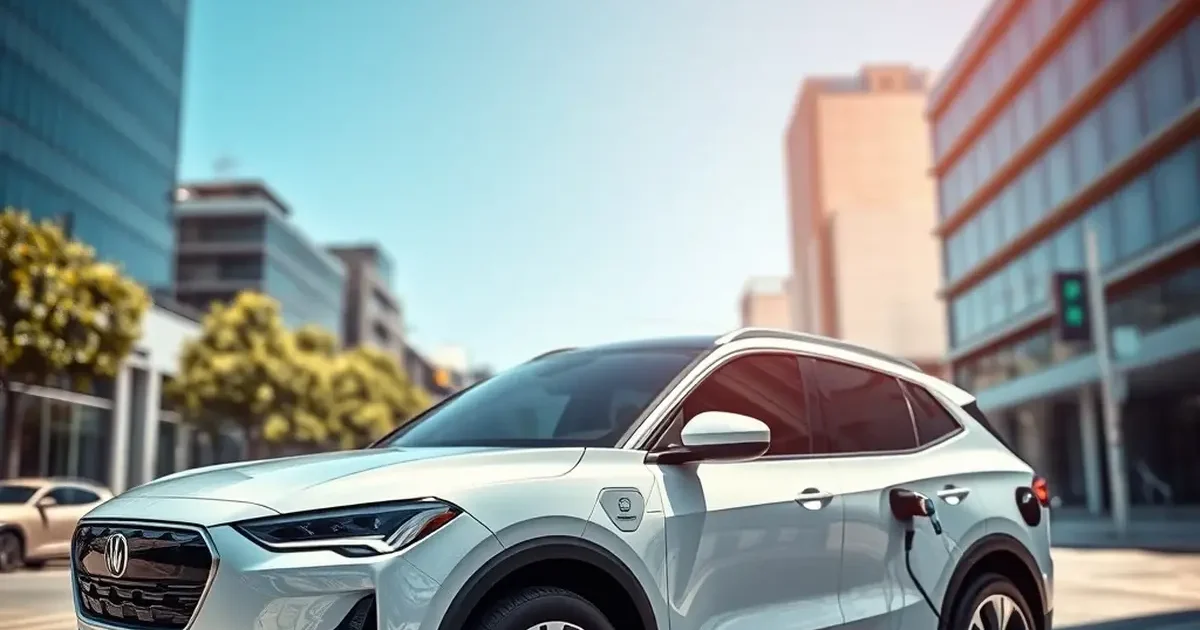
A few years ago, almost no one in Australia had heard of BYD. Today it is one of the best-selling car brands in the country, its electric and hybrid cars are everywhere, and in June 2026 it came within a whisker of outselling Toyota — something no brand had done in over two decades. If you are shopping for a new car in Australia, especially your first one, BYD is impossible to ignore. But is it actually any good, and is it right for you? This in-depth review covers the full BYD range, prices, the technology, what the reviews really say, safety and warranty, ownership costs, and who should (and shouldn’t) buy one.
The verdict in one box
Who Is BYD and Why Is It Suddenly Everywhere?
BYD – short for “Build Your Dreams” – is a Chinese manufacturer that has grown into the world’s leading maker of New Energy Vehicles (its term for fully electric and plug-in hybrid cars). BYD actually started as a battery company, which is central to its whole story: it makes its own batteries, and that vertical integration lets it build capable electric cars at prices that undercut almost everyone else.
In Australia, the growth has been staggering. BYD posted its highest-ever monthly sales in June 2026, delivering close to 19,000 vehicles in a single month – making it the first brand other than Toyota to top 18,000 sales since Holden. That same month, electric vehicles hit a record share of the new-car market. BYD has been the engine of that surge, largely because it does something no established brand has managed: it sells genuinely affordable EVs and plug-in hybrids, from a small hatch under $25,000 to a dual-cab ute, all with long equipment lists.
BYD arrived in Australia through its distributor EVDirect, and is now expanding a physical dealership and service network across the country as sales explode. That rapid scaling is both the opportunity and the catch – the product is compelling and the prices are sharp, but the support network is still maturing, which we will cover honestly later in this review. First, let’s look at exactly what you can buy.
Prices and specifications in this guide are indicative and correct around the time of writing – always confirm current pricing and details with BYD, as the range and drive-away offers change frequently.
The BYD Range in Australia (2026): Every Model & Price
One of BYD’s biggest strengths is breadth. In just a few years it has built out a range that spans tiny city hatches to a full-size dual-cab ute, and it covers both fully electric (EV) cars and plug-in hybrids (PHEV) for buyers who want electric running with a petrol backup. Here is the 2026 line-up at a glance, with indicative starting prices before on-road costs.
| Model | Type | Body | Price from (approx) | Best for |
|---|---|---|---|---|
| Atto 1 | EV | Small hatch | $23,990 | Cheapest way into a new EV |
| Dolphin | EV | Hatch | $29,990 | Value city hatch |
| Atto 2 | EV | Small SUV | $31,990 | Compact SUV on a budget |
| Seal 6 | PHEV | Sedan / wagon | $36,990 | Plug-in hybrid, no range anxiety |
| Atto 3 | EV | Compact SUV | $39,990 | Popular family EV |
| Sealion 6 | PHEV | Medium SUV | $42,990 | Family PHEV all-rounder |
| Seal | EV | Sedan | $46,990 | Sporty long-range sedan |
| Sealion 7 | EV | Medium SUV | mid-$50,000s | Premium electric family SUV |
| Shark 6 | PHEV | Dual-cab ute | $57,880 | Plug-in hybrid 4×4 ute |
| Sealion 8 | EV/PHEV | Large SUV | Coming soon | Bigger family hauler |
The small and affordable: Atto 1, Dolphin, Atto 2
This is where BYD is quietly rewriting the rules. The Atto 1 is one of the cheapest new electric cars in Australia, a zippy little city hatch that reviewers praise for being effortlessly smooth and surprisingly spacious. The Dolphin steps up to a slightly larger, better-equipped hatch that has become a go-to affordable EV, and the Atto 2 is a compact SUV with a strong standard equipment and safety list, though reviewers note its DC fast-charging is on the slower side. For students, first-car buyers and anyone doing mostly city driving, these three are the sweet spot.
The family favourites: Atto 3 and Sealion 7
The Atto 3 is the car that put BYD on the map in Australia – a compact electric SUV with a roomy, quirky interior, balanced handling and a keen price. It remains one of the brand’s best sellers. Above it, the Sealion 7 is a larger, more premium electric SUV that takes aim at the Tesla Model Y, with strong performance and a five-star safety rating. Both are genuine family cars.
The sedans: Seal and Seal 6
The Seal is BYD’s sporty electric sedan and its most direct Tesla Model 3 rival, offering long range and, in dual-motor form, seriously quick acceleration. The Seal 6 is different – a plug-in hybrid (badged Super Hybrid) sedan and wagon aimed at buyers who want mostly-electric driving but the reassurance of a petrol engine for long trips, with no charging stops required.
The plug-in hybrids and the ute: Sealion 6 and Shark 6
Not everyone is ready for a full EV, and this is where BYD’s plug-in hybrids shine. The Sealion 6 is a five-star family SUV that drives on electric power for everyday commutes and switches to petrol for longer runs – a hugely popular halfway house. The headline act, though, is the Shark 6: a plug-in hybrid dual-cab ute that stunned the market, combining genuine 4×4 ute practicality with electric running, strong performance and the ability to power tools and appliances. It has been one of the best-selling utes in the country. A larger Sealion 8 SUV is on the way to round out the range.
The Blade Battery and BYD's Technology
BYD started life as a battery company, and its battery technology is genuinely one of the best reasons to consider one of its cars. Understanding it helps explain why BYDs are both affordable and reassuringly durable.
The Blade Battery: safe and long-lasting
Almost every BYD sold in Australia uses the company’s Blade Battery, built on lithium iron phosphate (LFP) chemistry. LFP has two big advantages for ordinary buyers. First, safety: LFP is far more resistant to overheating and fire than the nickel-based batteries in many rival EVs, and BYD’s blade-shaped cell design adds structural strength. Second, longevity: you can charge an LFP Blade battery to 100% on a regular basis without the meaningful long-term degradation that affects some other chemistries, which makes daily charging simpler and protects resale value. The trade-off is that LFP is slightly less energy-dense, but BYD’s packaging largely offsets this.
Range and charging
Driving range depends on the model. The smallest cars like the Atto 1 are built for city use with modest range, the Atto 2 offers around 345km, and the family EVs such as the Atto 3, Seal and Sealion 7 stretch comfortably into the 400km-plus territory that suits most Australian driving. As always, real-world range sits a little below the official WLTP figures, especially on the highway.
Charging is where you need to read the fine print. All BYDs charge on a home AC wall box overnight, which is how most owners top up. For DC fast charging on a road trip, the pricier models are reasonably quick, but some of the cheaper models charge more slowly – the Atto 2, for example, takes around 38 minutes to go from 10 to 80 per cent. If you frequently do long highway trips, check the DC charging speed of the specific model closely; if you mostly drive around town and charge at home, it matters far less.
Vehicle-to-Load (V2L): your car as a giant power bank
Most BYDs include Vehicle-to-Load, which lets you run normal appliances, tools or camping gear straight from the car’s battery through a household-style socket or adapter. It is genuinely useful – powering a fridge and lights while camping, running tools on a worksite, or as backup during a blackout. The Shark 6 ute makes a particular feature of this, which is a big part of its appeal to tradies and adventurers.
Plug-in hybrid tech (Super Hybrid / DM-i)
BYD’s plug-in hybrids – the Seal 6, Sealion 6 and Shark 6 – use its Super Hybrid (DM-i) system. In everyday driving they run as electric cars for a useful electric-only range, then a petrol engine takes over for longer trips, so you never worry about finding a charger. Used with regular home charging, they can deliver very low fuel consumption while removing range anxiety entirely – which is exactly why they have been so popular with buyers not yet ready to go fully electric.
Cabin technology
Inside, BYDs are well equipped for the money: large touchscreens (including the party-trick rotating screen on several models), digital driver displays, and long lists of standard features and driver-assistance tech. The main criticism reviewers raise is that a lot of controls are buried in the touchscreen menus, and some of the driver-assistance alerts can be over-eager – quirks worth checking on a test drive to see if they bother you.
What the Reviews Say: Pros and Cons
There is an important distinction to make when researching BYD: the cars generally review well, but the brand experience – dealers and after-sales service – is where the criticism concentrates. Keeping those two things separate helps you make sense of the mixed picture online.
What reviewers consistently praise
- Value for money – the recurring theme. You get more equipment, battery and safety per dollar than almost any rival.
- Standard equipment and tech – big screens, digital displays and long feature lists even on cheaper models.
- Safety – strong ANCAP results across the range (more on that next).
- Space and practicality – roomy, family-friendly interiors, particularly in the Atto 3 and the SUVs.
- Smooth, refined driving – quiet, easy EV performance, with genuinely quick acceleration in the dual-motor Seal and the Shark 6.
- Battery durability and warranty – the LFP Blade battery plus a long warranty give real peace of mind.
Common criticisms
- After-sales service and the dealer network – the biggest and most repeated complaint, as the support network races to catch up with sales.
- Slow DC fast-charging on some of the cheaper models, which matters for frequent long-distance drivers.
- Touchscreen-heavy controls – too many functions buried in menus, with few physical buttons.
- Over-eager driver-assistance – some safety alerts and systems can be intrusive until you adjust them.
- Interior quirks – reviewers note things like stingy cabin storage on some models.
- Resale uncertainty – as a fast-growing new brand, long-term resale values are still unproven.
Ratings snapshot
Individual model reviews from the major Australian outlets land mostly in the “good to very good” range. As examples, CarsGuide scored the little Atto 1 around 6.8 out of 10, Carsales rated the Atto 2 at roughly 74 per cent, the Atto 3 continues to earn positive family-SUV reviews for space and handling, and RACV highlighted the Sealion 7’s five-star safety and strong performance. Owner-review sites paint a more mixed picture, but read closely and most of the frustration is about service and communication rather than the cars themselves.
| Pros | Cons |
|---|---|
| Outstanding value for money | After-sales service network still maturing |
| Generous equipment and tech | Slow DC charging on some cheaper models |
| Strong safety ratings | Too many controls in the touchscreen |
| Spacious, practical interiors | Driver aids can be over-eager |
| Durable Blade battery + long warranty | Unproven long-term resale value |
| Smooth, often quick performance | Some interior/storage quirks |
The honest summary: as products, BYDs are hard to beat at the price. If you go in knowing the service network is still growing – and you buy from a dealer you can actually get to – most owners are very happy with the car itself.
Safety, Warranty and Ownership Costs
Beyond the drive, the ownership package is a big part of BYD’s appeal – strong safety, a generous warranty and low running costs – with one asterisk on servicing.
Safety
Safety is a genuine BYD strength. The independent safety authority ANCAP has awarded five-star ratings to the core models – including the Atto 3, Dolphin, Seal, Sealion 6, Sealion 7 and Shark 6 – with the Sealion 7, for example, scoring around 87 per cent for adult occupant protection. Every model comes with a comprehensive suite of standard driver-assistance features. As always, if you are buying used, confirm the specific model and build year carries the rating you expect.
Warranty
After customer feedback, BYD moved to a more generous and streamlined six-year vehicle warranty in Australia (confirmed by its distributor, EVDirect), with the high-voltage battery covered for around eight years. That is competitive with, and in places better than, many mainstream brands, and it directly addresses one of the big worries buyers have about a newer marque. Always check the current warranty terms, kilometre limits and roadside-assistance details at the time you buy, as these can change.
| Coverage | Typical term (check current) |
|---|---|
| Vehicle warranty | 6 years |
| High-voltage battery | ~8 years |
| Roadside assistance | Provided (confirm term) |
Servicing and running costs
Electric cars are cheap to run and to maintain. A fully electric BYD has no engine oil, spark plugs or exhaust to service, and regenerative braking reduces brake wear, so scheduled servicing is simpler and less frequent than a petrol car. Charging at home is dramatically cheaper per kilometre than buying petrol, especially on an EV or off-peak electricity plan. The plug-in hybrids (Seal 6, Sealion 6, Shark 6) do have a petrol engine that needs regular servicing, so their maintenance sits between an EV and a conventional car – but used with home charging they can still slash your fuel bills.
Two costs to budget for: insurance on newer EVs can be higher than an equivalent petrol car, so get a quote before you commit; and registration is a normal state cost like any vehicle. Overall, though, most BYD owners spend far less per year on running costs than they would on a comparable petrol car.
Check the service network near you before buying
Is a BYD Right for You?
BYD is a brilliant fit for some buyers and a poor one for others. Here is how to tell which you are.
A BYD suits you if…
- You want maximum car – equipment, safety and battery – for your money.
- You do mostly city and suburban driving and can charge at home.
- You are a first-car buyer, student or family after low running costs.
- You want an EV but are nervous about range – a BYD plug-in hybrid (Sealion 6, Seal 6, Shark 6) gives you electric driving with a petrol safety net.
- You are a tradie or camper who would use the Shark 6’s power-anything Vehicle-to-Load.
Think twice if…
- You live somewhere remote or regularly drive long highway distances, where charging speed and the thinner service network bite hardest (a plug-in hybrid eases this).
- You have no way to charge at home and no convenient public charging.
- You place a high value on a large, established dealer network and a long, proven resale track record.
For newcomers and students
For international students and new arrivals, a BYD can be a smart first car: low running costs help a tight budget, the safety is excellent, and the warranty gives peace of mind when you are new to the country. Just weigh the higher upfront cost of a new car against a cheaper used one, get an insurance quote first (EV premiums can be higher), and make sure you have a charging solution where you live.
Buying tips
- Compare drive-away prices, not just the “from” figure, and watch for run-out and EV offers that change month to month.
- Check current EV incentives – some states offer stamp-duty or registration concessions on electric cars, and eligible EVs can be very cheap through a novated lease. These rules change often, so confirm what applies in your state today.
- Test drive it – specifically try the touchscreen controls and driver-assistance systems to see if the quirks bother you.
- Sort out home charging before delivery if you can.
- Buying used? Always run a REVS/PPSR check on the VIN to confirm there is no money owing, and check how much battery warranty remains and whether it transfers. See also our guide to the true costs of owning a car in Australia.
The Verdict
BYD has earned its explosive success in Australia. Its electric and plug-in hybrid cars deliver outstanding value, strong safety, clever and durable battery technology and a genuinely competitive warranty – a combination no established brand currently matches at the price. The one real caveat is a service and after-sales network still growing into its own success, so do your homework on the nearest service centre before you sign. Get that right, and for value-focused buyers – especially newcomers building a life in Australia – a BYD is one of the smartest new cars you can buy in 2026.
A Few Practical Extras for a New BYD
A handful of cheap accessories that make life easier once you’ve taken delivery.
As an Amazon Associate, newlifeinaus.com.au earns from qualifying purchases. Prices and availability change, so check the current price on Amazon before buying.
Dash Cam
A cheap way to protect yourself and your no-claims history from day one in a new BYD.
Shop on Amazon AU →Type 2 EV Charging Cable Bag
Keeps your home charging cable tidy and protected in the boot.
Shop on Amazon AU →Car Phone Mount
For using Apple CarPlay or Android Auto navigation alongside BYD’s built-in screen.
Shop on Amazon AU →Digital Tyre Pressure Gauge
Quick, accurate checks between services, useful on any new car including an EV.
Shop on Amazon AU →Car Boot Organiser
Keeps a charging cable, shopping and odds and ends from sliding around the boot.
Shop on Amazon AU →Windscreen Sun Shade
Helps keep the cabin cooler in summer and protects the dash on a new car.
Shop on Amazon AU →Frequently Asked Questions
Related Guides
Thinking about buying? Read our guides on the true costs of owning a car in Australia and, if you are looking at a used BYD, our REVS check guide to make sure it has no money owing before you buy.
Final Thoughts
BYD has changed the Australian car market faster than anyone expected, and for good reason: it makes electric and hybrid cars that ordinary buyers can actually afford, without stripping out safety or features. It is not flawless – the service network is still growing into its success – but for the right buyer, a BYD is one of the best-value new cars you can drive in 2026. Read on for the full model-by-model breakdown, the technology, the reviews, and whether it is the right car for you.
You May Also Like

How to Get an Australian Driving Licence as an International Student (2026 State-by-State Guide)
Novated Lease vs Buying a Car in Australia (2026): Which Is Cheaper?