What Percentage Does DiDi Take From Drivers? 2026 Rates

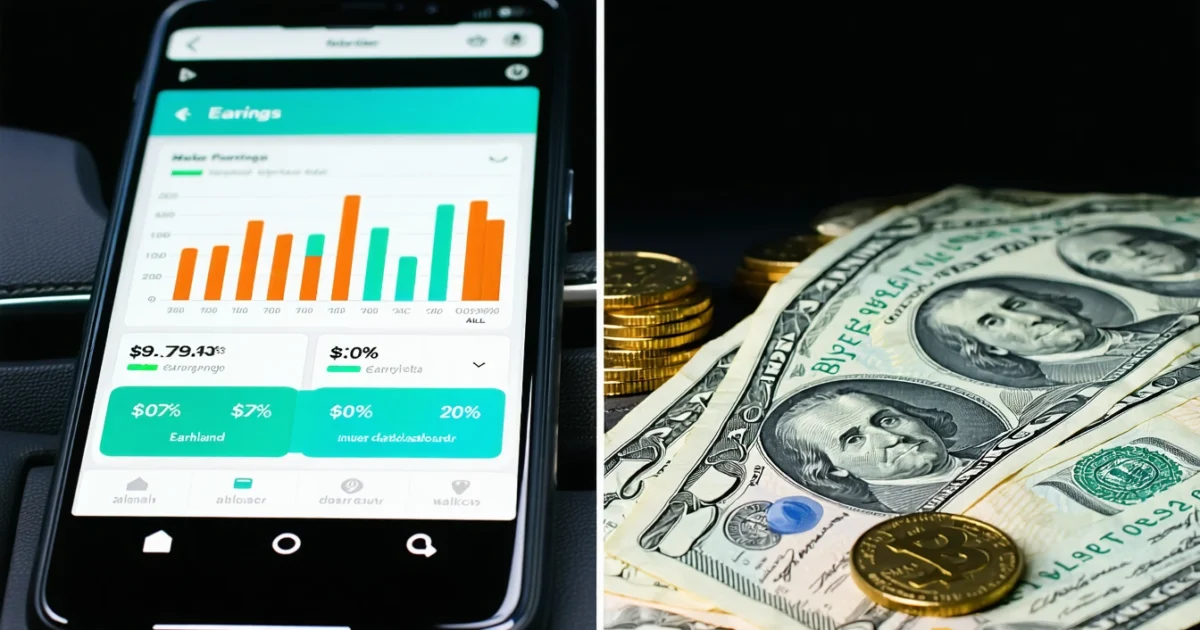
What percentage does DiDi take from drivers? DiDi typically charges drivers a 20-25% commission on gross fares globally, though rates vary by region and market conditions. In Australia, DiDi’s commission structure includes the base percentage plus additional service fees that can impact overall driver earnings.
Understanding DiDi’s commission rates is crucial for drivers evaluating their potential earnings. The platform deducts its percentage from the total fare before paying drivers, meaning a $20 ride would result in approximately $15-16 reaching the driver’s account after commission.
Regional variations significantly affect these rates. Australian drivers face different commission structures compared to markets in China or Latin America, influenced by local competition and regulatory requirements. Additionally, surge pricing, booking fees, and special zone charges can alter the final calculation.
For drivers comparing platforms, Uber’s pricing structure offers a useful benchmark against DiDi’s commission rates. Both platforms compete for driver retention through various incentive programs and bonus structures beyond base commission rates.
TL;DR
- DiDi charges 20-25% commission on gross fares, varying by region and market conditions
- Australian rates differ from global markets due to local competition and regulatory factors
- Additional fees beyond commission include booking charges and service fees that affect driver earnings
- Regional variations exist across NSW, other Australian states, and international markets
DiDi's Commission Structure: Current Rates and Breakdown
DiDi takes 20-25% commission from drivers globally, though this percentage varies significantly across different markets and regions. The platform calculates commission based on the gross fare amount before any driver payments are processed.
Standard Commission Percentage Breakdown
Most DiDi markets operate with a 20% base commission rate, while competitive markets often see rates reaching 25%. However, the actual percentage depends on several factors including market maturity, local competition, and regulatory requirements.
The commission structure includes the base percentage plus additional service fees. For example, a $30 ride with 22% commission would deduct $6.60, leaving the driver with $23.40 before any additional fees.
Regional Commission Variations
| Region | Commission Rate | Additional Fees |
|---|---|---|
| Australia | 20-23% | Booking fee, GST |
| China | 18-22% | Platform fee |
| Latin America | 22-25% | Service charge |
| Southeast Asia | 20-24% | Transaction fee |
Australian drivers typically face 20-23% commission rates depending on their city and service type. Meanwhile, markets in Latin America often experience higher rates due to increased operational costs and market positioning strategies.
Regional variations reflect local market conditions, competition levels, and regulatory environments. Established markets generally maintain lower commission rates compared to newer territories where DiDi invests heavily in market penetration.
How Commission Calculation Works
DiDi calculates commission from the gross fare amount before any deductions or adjustments. This includes the base fare, distance charges, time charges, and any surge pricing multipliers applied to the trip.
- Base fare amount gets multiplied by commission percentage
- Surge pricing increases both fare and commission deduction
- Tolls and airport fees typically remain with the driver
- Cancellation fees may have different commission structures
For instance, during peak hours when surge pricing applies, both the passenger fare and DiDi’s commission increase proportionally. A $25 ride with 1.5x surge becomes $37.50, with commission calculated on the full surge amount.
Additional Fees Beyond Base Commission
Beyond the standard commission percentage, DiDi applies several additional charges that affect driver earnings. These fees vary by market but commonly include booking fees, service charges, and payment processing costs.
Additional Fee Alert
Payment processing fees typically range from 2-3% for credit card transactions, while cash payments avoid these charges. Additionally, some markets impose platform maintenance fees or technology upgrade charges.
Airport pickup fees represent another cost consideration, though these often get passed directly to passengers. Similarly, toll road charges usually remain with drivers as reimbursable expenses.
Recent Commission Changes in 2025-2026
DiDi has implemented several commission adjustments throughout 2025 and early 2026, primarily responding to increased competition from other rideshare platforms. Australian markets saw commission reductions of 1-2% in major cities to retain driver partnerships.
The platform introduced dynamic commission structures in select markets, where rates fluctuate based on demand patterns and driver availability. This system rewards drivers during high-demand periods with reduced commission rates.
Furthermore, DiDi launched loyalty programs offering commission discounts for high-performing drivers. Drivers completing over 100 trips monthly may qualify for reduced commission rates of 18-20% depending on their market and service quality ratings.
These changes reflect DiDi’s strategy to maintain competitive positioning against platforms like Uber’s pricing structure, which continues evolving to attract and retain driver partners across Australian markets.
How DiDi Driver Earnings Are Calculated
Understanding how DiDi calculates driver earnings requires examining the complete fare breakdown from passenger payment to driver payout. The earnings calculation process involves multiple components that directly impact what drivers ultimately receive for each completed trip.
Gross Fare Breakdown Components
DiDi’s gross fare calculation combines three primary elements that determine the total passenger payment. The base rate establishes the minimum charge for any trip, typically ranging from $2.50 to $4.00 depending on the city and service type.
Distance charges apply per kilometer traveled, with rates varying between $1.20 to $2.80 per km across different Australian markets. Meanwhile, time-based charges accumulate during the journey at rates of $0.25 to $0.45 per minute, ensuring drivers receive compensation for both movement and waiting periods.
| Fare Component | Rate Range | Application |
|---|---|---|
| Base Rate | $2.50 – $4.00 | Per trip minimum |
| Distance | $1.20 – $2.80/km | Total kilometers driven |
| Time | $0.25 – $0.45/min | Trip duration |
Commission Deduction Process
After calculating the gross fare, DiDi deducts its commission from the total passenger payment before transferring earnings to drivers. The commission deduction occurs automatically through the platform’s payment processing system immediately after trip completion.
Commission rates typically range from 20% to 25% of the gross fare, though this percentage can fluctuate based on market conditions and driver performance metrics. Additionally, the platform applies commission to the base fare, distance charges, and time charges equally.
However, surge pricing multipliers affect commission calculations differently. During high-demand periods, DiDi often reduces its commission percentage to 15% to 18%, allowing drivers to retain more of the increased fare revenue.
Net Earnings Calculation for Drivers
Drivers receive their net earnings after DiDi subtracts commission, booking fees, and applicable service charges from the gross passenger payment. The calculation follows a straightforward formula: Gross Fare – Commission – Additional Fees = Driver Payout.
For example, a $25 trip with a 22% commission rate would result in $19.50 going to the driver before additional fees. Furthermore, payment processing fees for credit card transactions reduce earnings by an additional 2% to 3% of the transaction value.
Cash payments eliminate processing fees, allowing drivers to retain the full post-commission amount. Consequently, many drivers prefer cash transactions to maximize their take-home earnings from each completed trip.
Impact of Surge Pricing on Driver Earnings
Surge pricing significantly increases driver earnings during high-demand periods by applying multipliers to the base fare calculation. These multipliers typically range from 1.2x to 3.0x the standard rates, substantially boosting both gross fares and driver payouts.
During surge periods, DiDi often implements reduced commission structures to incentivize more drivers to come online. This dual benefit means drivers earn more from higher fares while keeping a larger percentage of those increased earnings.
Surge pricing can increase driver earnings by 150-200% during peak demand periods
Airport runs during surge periods represent particularly lucrative opportunities, as the combination of longer distances, surge multipliers, and reduced commission rates can result in $40-80 trips that would normally generate $15-25 in standard conditions.
Booking Fees and Service Charges Explanation
Beyond commission deductions, DiDi applies various booking fees and service charges that affect driver earnings calculations. These fees typically include platform maintenance charges, payment processing costs, and technology upgrade fees.
Booking fees usually amount to $0.50 to $1.50 per trip, depending on the service type and market location. Express rides generally incur lower booking fees compared to premium services, reflecting the different cost structures for various ride categories.
Service charges cover platform operational costs and typically represent 1% to 2% of the gross fare value. These charges remain separate from commission calculations and apply uniformly across all trip types and payment methods.
Airport pickup fees represent an additional consideration, though these charges usually pass directly to passengers rather than affecting driver earnings. Similarly, toll road charges remain with drivers as reimbursable expenses rather than platform deductions.
DiDi vs Uber: Commission Rate Comparison
Understanding commission structures between rideshare platforms helps drivers maximize their earnings potential. DiDi charges drivers a 20% commission rate on gross fares, while Uber’s commission ranges from 25% to 30% depending on the service type and market conditions.
| Platform | Standard Commission | Premium Service | Additional Fees |
|---|---|---|---|
| DiDi | 20% | 20% | $0.50-$1.50 booking fee |
| Uber | 25% | 28-30% | $0.55 booking fee + service fee |
Regional Differences in Competitive Rates
Commission rates vary significantly across Australian markets, with metropolitan areas typically commanding higher percentages than regional locations. Sydney and Melbourne drivers face standard commission structures, while regional markets often benefit from reduced rates to encourage driver participation.
Furthermore, both platforms adjust commission structures based on local competition intensity. Markets with limited rideshare options frequently offer promotional commission rates of 15-18% to attract and retain drivers during expansion phases.
Additional Earning Opportunities
DiDi provides drivers with multiple revenue streams beyond standard ride commissions. Package delivery services through DiDi Express generate additional income with lower commission rates of 15-18%, making them attractive supplementary earning opportunities.
Conversely, Uber offers diversified earning options through Uber Eats delivery services, which operate on separate commission structures. Additionally, Uber Pro membership tiers provide commission reductions and cash-back rewards based on driver performance metrics.
Driver Incentives and Bonus Structures
Both platforms implement comprehensive incentive programs that effectively reduce net commission costs. DiDi’s weekly guarantee programs ensure minimum earnings for drivers completing specified trip quantities, regardless of commission deductions.
- Peak hour bonuses: $2-5 per trip during high-demand periods
- Completion bonuses: $20-50 for completing 20-40 trips weekly
- New driver incentives: Reduced commission rates for first 100 trips
- Referral rewards: $100-300 for successful driver referrals
Meanwhile, Uber’s incentive structure focuses on surge pricing multipliers and quest bonuses. These programs can increase gross earnings by 50-200% during peak demand, effectively offsetting higher commission percentages through increased fare values.
Which Platform Offers Better Net Earnings
Net earnings analysis reveals that DiDi typically provides 5-8% higher take-home pay for drivers completing similar trip volumes and distances. This advantage stems from lower base commission rates and fewer additional service charges.
DiDi drivers earn approximately $16-18 per hour after expenses, while Uber drivers average $14-16 per hour
However, Uber’s larger market share and higher trip frequency can compensate for commission differences in busy metropolitan areas. Uber’s pricing structure often generates more consistent ride requests, particularly during off-peak hours when DiDi demand decreases significantly.
Ultimately, optimal platform choice depends on individual driving patterns, preferred operating hours, and local market conditions. Many successful drivers operate on both platforms simultaneously, maximizing earnings through strategic platform switching based on real-time demand indicators.
Regional Commission Variations
Commission structures vary significantly across different Australian markets, with NSW drivers experiencing the most competitive rates due to intense rideshare competition. DiDi adjusts its commission percentages based on local market conditions, regulatory requirements, and competitive pressures in each state and territory.
Australia and NSW Specific Rates
NSW drivers benefit from reduced commission rates of 18-20% compared to the national average of 20-25%. This reduction reflects DiDi’s strategy to compete aggressively against Uber’s dominant market position in Sydney and surrounding metropolitan areas.
| State/Territory | DiDi Commission | Market Factors |
|---|---|---|
| NSW | 18-20% | High competition, large market |
| Victoria | 20-22% | Moderate competition |
| Queensland | 22-25% | Growing market, less competition |
| Other States | 23-25% | Limited service areas |
Additionally, metropolitan areas consistently offer lower commission rates than regional markets. Brisbane drivers pay approximately 2-3% more in commission than their Sydney counterparts, while regional Queensland drivers face the highest rates due to limited market competition.
Regulatory Impact on Commission Rates
Australian regulatory frameworks significantly influence DiDi’s commission structure through mandatory insurance requirements, licensing fees, and safety compliance costs. State-specific regulations add 1-2% to commission rates in jurisdictions with stricter rideshare oversight.
Furthermore, the Australian Competition and Consumer Commission (ACCC) monitors rideshare pricing practices, preventing excessive commission increases. This regulatory scrutiny maintains commission rates within competitive ranges across all major markets, protecting driver earnings from arbitrary fee increases.
Local Competition Effects on Driver Earnings
Market competition directly impacts both commission rates and overall driver earnings potential. Areas with multiple rideshare operators typically feature lower commission percentages and higher incentive payments as platforms compete for driver retention.
Conversely, markets with limited competition allow DiDi to maintain higher commission rates while still attracting sufficient driver supply. Regional markets often lack competitive pressure, resulting in commission rates 3-5% higher than metropolitan areas despite lower operating costs.
Market Competition Insight
Currency and Economic Factors
Economic conditions influence DiDi’s commission structure through inflation adjustments, fuel price fluctuations, and currency exchange rates affecting operational costs. Commission rates increase by 0.5-1% annually to offset rising business expenses and maintain profit margins.
Moreover, regional economic disparities create commission variations reflecting local cost structures and earning potential. DiDi’s driver support acknowledges these economic factors when setting regional pricing policies, ensuring commission rates remain proportionate to local market conditions.
Exchange rate fluctuations also impact DiDi’s global cost structure, occasionally triggering commission adjustments of 1-2% to maintain consistent profitability across international operations. These adjustments typically occur quarterly, aligned with DiDi’s financial reporting cycles and market performance reviews.
Factors Affecting Driver Take-Home Pay
While DiDi’s commission percentage forms the baseline deduction from gross earnings, numerous operational factors significantly impact a driver’s actual take-home pay. Understanding these variables helps drivers calculate their true earnings potential and develop strategies to maximize net income.
Vehicle Expenses and Operational Costs
Vehicle depreciation represents the largest hidden cost for DiDi drivers, typically consuming 15-25% of gross earnings annually. Commercial use accelerates depreciation rates compared to personal vehicles, reducing resale values by an additional 20-30% over three years.
Furthermore, commercial vehicle registration fees cost drivers an extra $200-500 annually depending on state requirements. These registration costs vary significantly across Australian states, with NSW charging the highest commercial vehicle fees and Tasmania maintaining the lowest rates.
Fuel, Maintenance, and Insurance Considerations
Fuel expenses typically account for 20-30% of gross trip earnings, varying with vehicle efficiency and local petrol prices. Drivers operating fuel-efficient vehicles like Toyota Prius models achieve significantly better profit margins compared to those using larger sedans or SUVs.
Additionally, maintenance costs increase substantially with commercial driving patterns. Regular servicing requirements double from standard intervals, while tire replacement occurs every 6-8 months instead of annually for typical drivers.
Commercial rideshare insurance premiums cost $2,000-4,000 annually, representing a significant expense that many new drivers underestimate. Standard personal vehicle insurance policies explicitly exclude commercial activities, making specialized coverage mandatory for legal operation.
Tax Implications for DiDi Drivers
DiDi drivers operate as independent contractors, requiring them to manage their own tax obligations including GST registration for earnings exceeding $75,000 annually. This threshold includes all business income, not just DiDi earnings specifically.
However, drivers can claim substantial tax deductions including vehicle depreciation, fuel costs, maintenance expenses, and mobile phone bills. These deductions typically reduce taxable income by 40-60%, significantly improving net earnings for organized drivers who maintain proper records.
Moreover, drivers must set aside approximately 25-30% of net earnings for tax payments, as no automatic deductions occur from DiDi payments. Quarterly tax installments help manage this obligation effectively.
Peak Hour Earnings Potential
Peak hour multipliers can increase base fares by 1.5-3x during high-demand periods, substantially boosting hourly earnings despite DiDi’s commission remaining constant. These surge periods typically occur during morning rush hours, Friday evenings, and major events.
Strategic positioning during peak periods allows experienced drivers to earn $35-50 per hour compared to off-peak rates of $18-25 per hour. Airport runs during peak times often generate the highest per-trip earnings, particularly for longer-distance rides to suburban areas.
Peak hour earnings can triple base rates, making timing crucial for maximizing driver income
Strategies to Maximize Net Income
Successful DiDi drivers employ specific strategies to optimize their earnings beyond simply working more hours. Understanding market dynamics helps drivers choose the most profitable platform during different time periods.
- Focus on high-demand areas like airports, entertainment districts, and business centers
- Maintain a fuel-efficient vehicle to reduce operational costs
- Track all business expenses for maximum tax deductions
- Combine multiple rideshare platforms to minimize idle time
- Schedule driving during peak demand periods and special events
Additionally, maintaining high driver ratings ensures access to premium ride requests and bonus incentives. Drivers with ratings above 4.8 stars receive priority dispatch during busy periods, increasing their earning opportunities significantly.
Finally, experienced drivers recommend keeping detailed financial records to identify the most profitable routes, times, and customer types. This data-driven approach helps optimize driving strategies and maximize net income after all expenses and DiDi’s commission deductions.
Understanding DiDi's Pricing Per Kilometer
DiDi’s pricing structure directly impacts how much drivers earn from each trip, as the platform calculates its 20-25% commission based on the total fare charged to passengers. Understanding this per-kilometer pricing helps drivers estimate their net earnings more accurately.
Base Rate Structure and Per-Km Charges
DiDi operates a distance-based pricing model that varies significantly across Australian cities. In Sydney and Melbourne, the base rate starts at $2.50-$3.00, with per-kilometer charges ranging from $1.20 to $1.80 depending on the service type.
| Service Type | Base Rate | Per Km Rate | Per Minute Rate |
|---|---|---|---|
| DiDi Express | $2.50 | $1.20 | $0.35 |
| DiDi Comfort | $3.00 | $1.50 | $0.40 |
| DiDi Max | $3.50 | $1.80 | $0.45 |
Regional areas typically charge 10-15% lower rates than metropolitan zones. However, drivers often experience longer trips in these areas, which can compensate for the reduced per-kilometer earnings through increased total distance.
How Distance Affects Total Fare and Commission
Longer trips generally benefit drivers more than short rides due to DiDi’s commission structure. For example, a 20-kilometer trip at $1.50 per kilometer generates $30 in distance charges, while a 5-kilometer trip only produces $7.50 in distance revenue.
DiDi’s commission applies to the entire fare amount, including base rates, distance charges, and time-based fees. Therefore, drivers retain 75-80% of distance earnings after the platform’s commission deduction. Longer trips also reduce the frequency of pickup drives, improving overall hourly efficiency.
A 15km trip earning $25 total fare results in $18.75-$20 driver payout after commission
Time-Based Charges and Their Impact
DiDi incorporates time-based pricing alongside distance charges, particularly during heavy traffic or extended waiting periods. The platform charges passengers $0.35-$0.45 per minute when vehicles travel below 25 km/h or remain stationary.
These time charges become significant during peak traffic hours when trips take longer to complete. A 10-kilometer trip that normally takes 15 minutes might extend to 25 minutes during rush hour, adding $3.50-$4.50 in time-based earnings to the total fare.
Consequently, drivers often prefer busy periods despite slower travel speeds because time charges supplement distance earnings. This dual pricing structure helps maintain driver income consistency across varying traffic conditions.
Minimum Fare Guarantees
DiDi implements minimum fare guarantees ranging from $5.50 to $8.00 across different Australian markets. These minimums protect drivers from extremely short trips that wouldn’t generate sufficient income to justify the pickup effort.
When calculated distance and time charges fall below the minimum threshold, DiDi automatically applies the minimum fare. For instance, a 2-kilometer trip taking 8 minutes might only generate $4.20 in standard charges, but the minimum fare ensures drivers receive at least $5.50 before commission.
After DiDi’s commission deduction, drivers typically earn $4.15-$6.40 from minimum fare trips. While these amounts seem modest, minimum fares help drivers maintain baseline income during slower periods or in areas with frequent short-distance requests.
Airport and Special Zone Pricing
Airport pickups and designated special zones operate under premium pricing structures that can increase per-kilometer rates by 15-30%. Sydney Airport trips, for example, apply a $2.50 airport fee plus higher per-kilometer charges of up to $2.10.
Entertainment districts, business centers, and tourist areas often implement dynamic pricing zones during peak periods. These zones can boost standard rates by 1.2x to 2.5x, significantly increasing driver earnings per kilometer traveled within these boundaries.
However, airport queues and special zone waiting times must be factored into overall earnings calculations. While per-kilometer rates increase substantially, drivers may spend 20-45 minutes waiting for ride assignments, which affects their effective hourly income despite higher per-trip earnings.
Understanding these pricing variations helps drivers make informed decisions about where to position themselves for maximum profitability. Strategic positioning in high-rate zones during peak demand periods can significantly impact daily earnings, even after accounting for competitive pricing from other rideshare platforms.
Frequently Asked Questions
How much percentage does DiDi take from drivers?
DiDi typically charges drivers a 20-25% commission on gross fares globally. The exact percentage varies by region, with Australian drivers facing 20-23% commission rates depending on their city and service type. This commission is calculated on the total fare amount before any driver payments are processed.
What percentage does DiDi take from drivers in Australia specifically?
In Australia, DiDi charges drivers 20-23% commission plus additional service fees including booking fees and GST. The exact rate depends on your location within Australia and the type of service you’re providing. NSW and other states may have slightly different rate structures due to local market conditions.
How much do DiDi drivers actually get after commission?
After DiDi’s commission, drivers typically receive 75-80% of the gross fare. For example, on a $20 ride, drivers would earn approximately $15-16 after commission deduction. However, additional fees like booking charges and service fees can further reduce the final amount drivers receive.
Who pays better, DiDi or Uber for drivers?
Both DiDi and Uber have similar commission structures, typically ranging from 20-25%. The better option depends on factors like local market demand, surge pricing frequency, incentive programs, and bonus structures in your specific area. Drivers should compare both platforms’ active promotions and peak hour opportunities in their region.
How much does DiDi cost per km for passengers?
DiDi’s per-kilometer rates vary by city and service type, typically ranging from $1.50-$3.00 per km in Australian markets. The final fare includes base fare, distance charges, time charges, and any applicable surge pricing. Drivers receive their percentage after commission deduction from this total amount.
Are there additional fees beyond DiDi's base commission?
Yes, DiDi applies several additional charges beyond the base commission percentage:
- Booking fees
- Service charges
- GST (in Australia)
- Platform fees (varies by region)
- Transaction processing fees
How does surge pricing affect DiDi's commission?
During surge pricing, DiDi calculates commission on the full surge amount. For example, if a $25 ride has 1.5x surge pricing, it becomes $37.50, and DiDi’s commission is calculated on the entire $37.50 amount, not just the base $25 fare.
Do commission rates differ between Australian states like NSW?
Yes, commission rates can vary between Australian states due to local competition levels, regulatory requirements, and market conditions. NSW drivers may experience different rates compared to drivers in Victoria, Queensland, or other states, though the differences are typically within the 20-23% range.
What DiDi driver requirements affect commission rates?
Commission rates are generally standard regardless of driver requirements, but service type can affect rates. Premium services or specialized vehicle categories may have different commission structures. All drivers must meet basic requirements including valid license, vehicle inspection, and background checks.
How can drivers track their commission deductions in the DiDi Driver app?
The DiDi Driver app provides detailed earnings breakdowns showing gross fare, commission deducted, additional fees, and net earnings for each trip. Drivers can access weekly and monthly earning summaries to understand their average commission rates and total deductions.
Do tolls and airport fees affect DiDi's commission calculation?
Tolls and airport fees typically remain with the driver and are not subject to DiDi’s commission. These charges are usually passed through directly to drivers, though policies may vary by region. Cancellation fees may have different commission structures than regular ride fares.
How do DiDi's incentive programs affect overall driver earnings?
DiDi offers various incentive programs and bonus structures that can significantly improve driver earnings beyond the base commission structure. These include peak hour bonuses, completion bonuses, and new driver incentives that help offset commission costs and increase overall profitability.
You May Also Like
Keon Park Melbourne: Station, Suburb & Transport Guide 2026

What is Life Insurance? Complete Guide to Coverage & Benefits